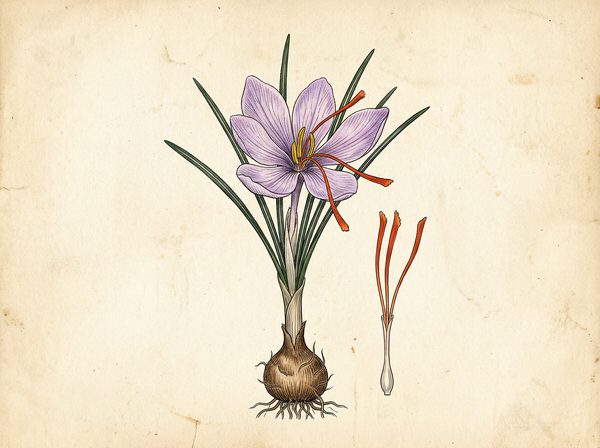
Western and Ayurvedic herbalism
Saffron
Crocus sativus
Also known as saffron crocus, Kashmiri saffron, Crocus, Kunkuma, Kesara, Kashmiraja.
Crocus sativus is a sterile, autumn-flowering corm plant of the iris family whose three red stigmas, hand-picked and dried, are saffron, the costliest spice and medicine in the world. In India it is grown almost entirely in the Karewa plateaus of Kashmir around Pampore, with smaller plantings in Himachal and Uttarakhand. Ayurveda knows it as Kunkuma or Kesara, a warming, aromatic tridoshahara drug used in tiny amounts to brighten complexion and mind, ease menstrual pain, kindle desire and settle the stomach, and it is the defining ingredient of Kumkumadi taila, the classical face oil.

Ask Herbert about Saffron. Herbert is the master herbalist inside Bountiful Herbs: he answers from this plate and eleven hundred others, with dosing, pairing and cautions. Your first ten questions are free.
Ask HerbertActions
Indications what the tradition reached for it in
- Mild to moderate depression
- Anxiety with low mood
- Premenstrual syndrome with mood symptoms
- Dysmenorrhea
- Antidepressant-induced sexual dysfunction
- Low libido and erectile weakness
- Mild cognitive impairment and age-related memory decline
- Age-related macular degeneration (adjunct)
- Hyperpigmentation and dull complexion (topical)
- Poor appetite and nausea in convalescence
- Insomnia with low mood
- Alzheimer's disease
- Premenstrual syndrome
- Dementia
- Age-related macular degeneration
- Indigestion
- Low mood
- Diabetic complications
- Flatulence
- Cognitive impairment
- Infertility
- Grief
- Hyperlipidemia
- Emotional fragility
- Fatigue
- Atherosclerosis
- Delayed menstruation
- Menstrual pain
- Ischemic retinopathy
- Anxiety
Specific indications
A woman with a flat, joyless mood, poor sleep and a heavy week before her period, who wants something gentler than a prescription antidepressant or needs support while one takes effect
The patient on an SSRI whose mood has lifted but whose libido and sexual response have gone, where a small daily dose restores what the drug took
An older person whose memory is slipping and whose mood is low, with dry skin and a pale, dull complexion, the vata-kapha picture that Kesara warms and brightens
Painful, clotted periods in a cold, tense young woman, taken in warm milk in the days before the flow
Safety
Low dose botanical. Used in drop doses in the classical practice; not a plant to dose freely.
Pregnancy: Avoid medicinal doses in pregnancy: no published safety class is known to us with certainty, but doses of several grams have caused uterine bleeding and abortion, while culinary pinches in food are traditional and regarded as safe.
The record lists 8 contraindications; open the plate in the library to read them in full.
In practice
Kesara is given in threads rather than grams. The classical vehicle is warm milk, a few strands steeped until the milk turns gold, taken at night for mood, sleep, libido and painful periods, or in the morning for a dull, cold, kapha-vata patient who lacks brightness.
In Ayurveda
Rasa: katu (pungent), tikta (bitter). Virya: ushna (heating). Vipaka: katu (pungent). Guna: snigdha (unctuous), laghu (light). Dosha: pacifies all three doshas, with its strongest effect on vata and kapha; the classical texts call it tridoshahara. Prabhava: varnya and vyangahara (brightens complexion and removes facial discoloration) is the special action the tradition names. Karma: varnya (improves complexion); vyangahara (removes facial pigmentation); vishaghna (counters toxins); vrishya (aphrodisiac); hridya (supports the heart and mind); medhya (promotes intellect); chardinigrahana (relieves vomiting); shirovirechana (clears the head); artavajanana (promotes menstruation); garbhashaya shodhana (cleanses the uterus); vedanasthapana (relieves pain); kaphahara (reduces kapha). Classical indications: vyanga (facial hyperpigmentation); shiroroga (disorders of the head); kushtha (skin disease); chardi (vomiting); krimi (worms); vrana (wounds); artava dosha (menstrual disorders); kashtartava (painful menstruation); klaibya (male sexual dysfunction); kasa (cough); shvasa (dyspnea); manasa roga (disorders of mind and mood); netraroga (eye disorders). The dried stigmas are the drug, used in tiny doses steeped in warm milk, ground with milk or rose water as a paste for the face, cooked into medicated ghee and oil, and added to confections and rejuvenative jams. It is one of the most expensive medicines in the pharmacopoeia and is used as an adjunct in many compound formulas. Classical formulations: Kumkumadi taila, Kumkumadi ghrita, Kumkumadi lepa, Kameshwara modaka, Jatiphaladi churna, Chyawanprash (premium recipes). Described in: Charaka Samhita, Sushruta Samhita, Ashtanga Hridaya, Bhavaprakasha Nighantu, Dhanvantari Nighantu, Raja Nighantu, Kaiyadeva Nighantu, Ayurvedic Pharmacopoeia of India.
Dosing as the sources wrote it
| Preparation | As written | Metric |
|---|---|---|
| Kshirapaka | 20-50 mg stigma steeped in 150-200 mL warm milk once daily at bedtime | 20-50 mg |
| Churna | 30-100 mg powdered stigma daily with milk or honey | 30-100 mg |
| Standardized extract | 15-30 mg stigma extract twice daily | 15-30 mg |
| Taila, topical | 3-5 drops Kumkumadi taila massaged into the face at night | 0.06-0.1 mL |
| Dried stigma | Dried stigma 30-100 mg/day | 30-100 mg |
| Extract | Extract 30 mg/day for depression (6-8 weeks) | 30-30 mg |
Doses are reproduced from the sources for practitioners and are not a recommendation for any person.
From the sources
Overview. Crocus sativus is a sterile, autumn-flowering corm plant of the iris family whose three red stigmas, hand-picked and dried, are saffron, the costliest spice and medicine in the world. In India it is grown almost entirely in the Karewa plateaus of Kashmir around Pampore, with smaller plantings in Himachal and Uttarakhand. Ayurveda knows it as Kunkuma or Kesara, a warming, aromatic tridoshahara drug used in tiny amounts to brighten complexion and mind, ease menstrual pain, kindle desire and settle the stomach, and it is the defining ingredient of Kumkumadi taila, the classical face oil.
Clinical Notes. Used traditionally for 4000+ years Strongest clinical evidence for mild-moderate depression (equivalent to fluoxetine) Common adulteration Petals as cheaper alternative in some studies Expensive, use in small amounts in formulas
Clinical Notes. Kesara is given in threads rather than grams. The classical vehicle is warm milk, a few strands steeped until the milk turns gold, taken at night for mood, sleep, libido and painful periods, or in the morning for a dull, cold, kapha-vata patient who lacks brightness.
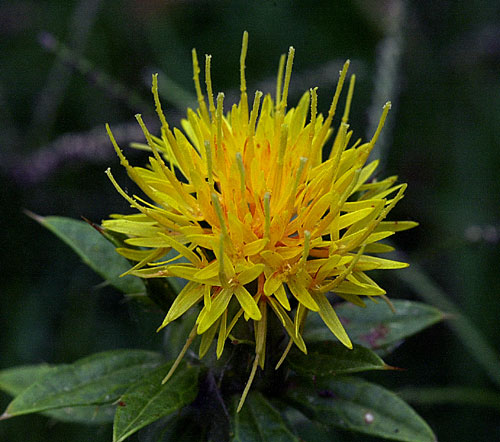
Action and Therapy. Reputed diaphoretic and emmenagogue, this agent was formerly used in amenorrhoea, dysmenorrhea, and suppression of the lochia. Five-drop doses of the tincture of crocus is advised for menorrhagia, with dark clotted losses; and the infusion (Saffron, 1 drachm; hot water, 16 fluidounces), in doses of 1 to 3 fluidounces to hasten the appearance of the eruption in measles. It must not be confounded with “Dyer's Saffron” ( Carthamus tinctorius), which see under Carthamus. It may be used to color tinctures orange yellow, but it is too expensive for that purpose.
Drawn from Cook's Physio-Medical Dispensatory; King's American Dispensatory, 18th edition (Felter and Lloyd); Ellingwood's American Materia Medica, Therapeutics and Pharmacognosy; Felter's Eclectic Materia Medica, Pharmacology and Therapeutics, and the Bountiful Herbs editorial.
In formulas
Saffron stands in 191 documented formulas in the library, among them Kanakāsava, Daśamūlāriṣṭa, Drākṣāriṣṭa, Mṛdvīkāriṣṭa, Karpūrādyarka, Cyavanaprāśa.
Often paired with
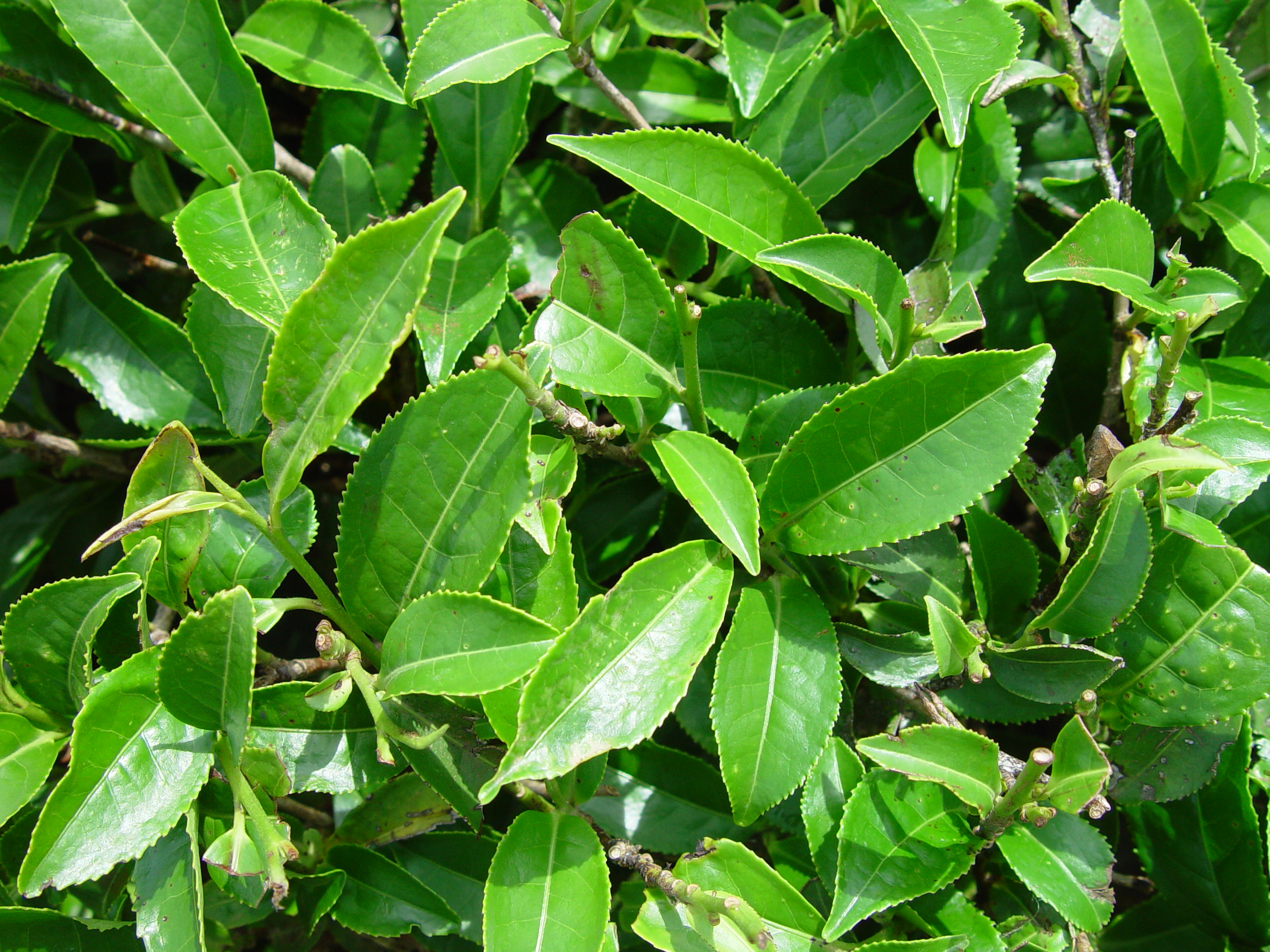 Black teaCamellia sinensis
 Zhi ZiGardenia jasminoides
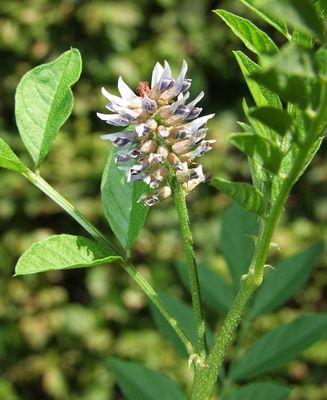 Licorice rootGlycyrrhiza glabra
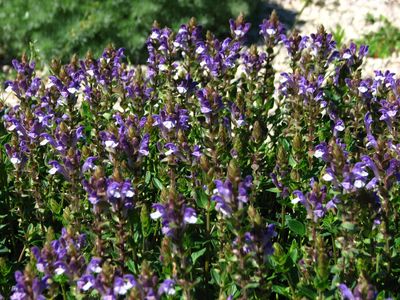 Chinese skullcapScutellaria baicalensis
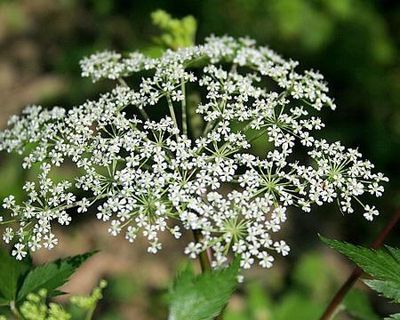 Dong QuaiAngelica sinensis
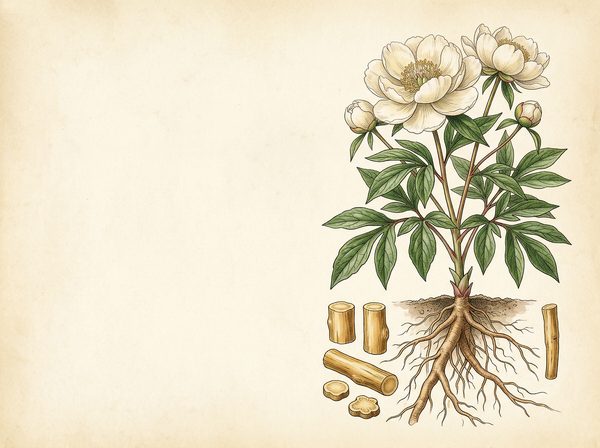 White PeonyPaeonia lactiflora
Nearby on the shelf
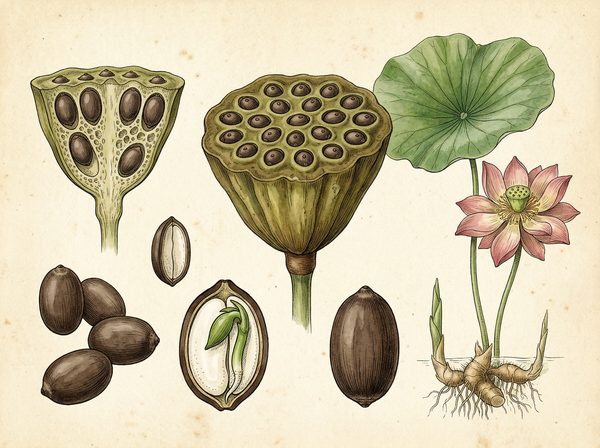 Sacred lotusNelumbo nucifera
 Safed musliAsparagus adscendens
 Safed musliChlorophytum borivilianum
 SafflowerCarthamus tinctorius
 SageSalvia officinalis
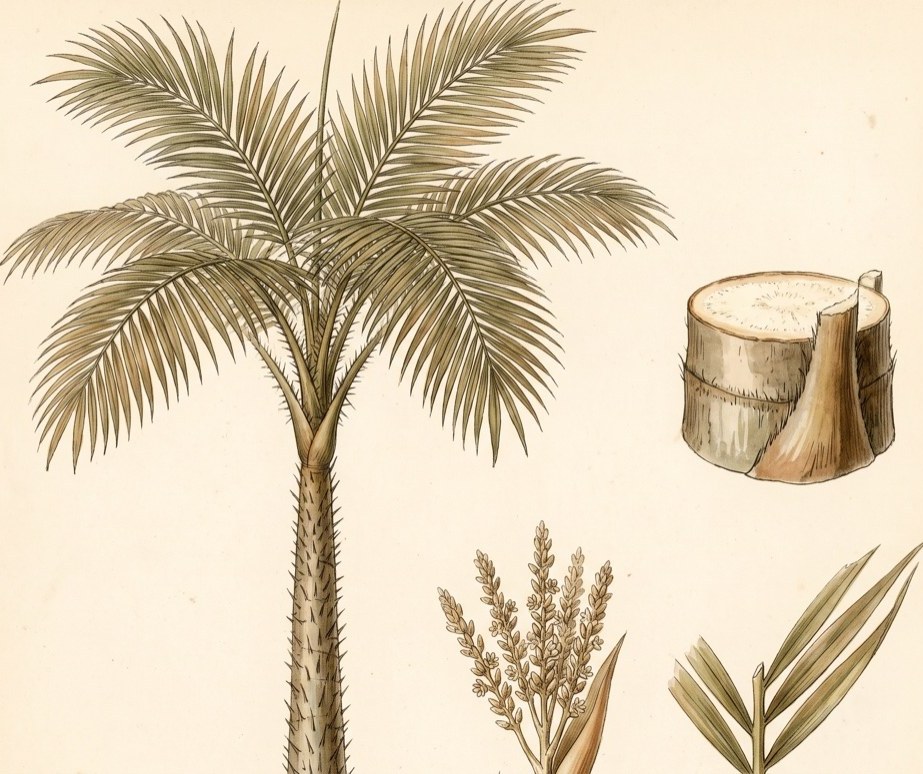 SagoSago
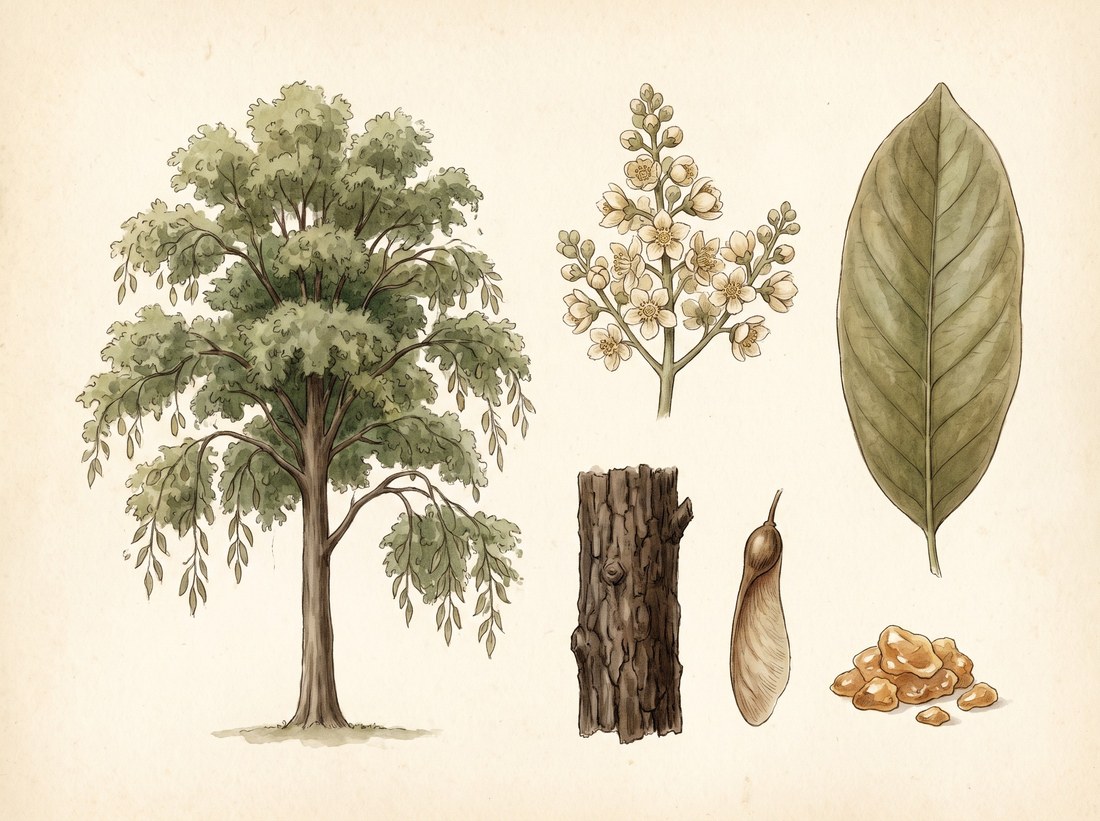 Sal treeShorea robusta
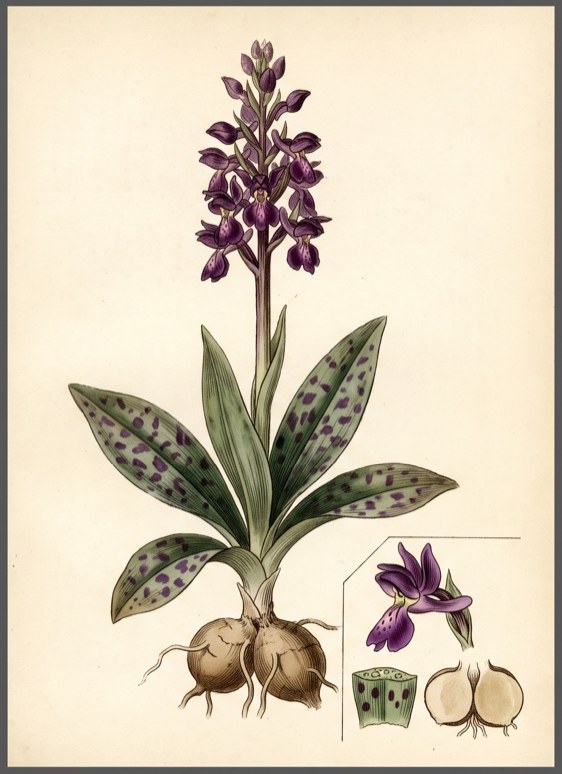 SalepOrchis mascula
The whole plate is in the library. The compass, Compare, the Sky of eleven hundred plants and the formulary open with an email address and a password, free, with the formula builder and its safety engine. Herbert without limit, his formulating, clients, the handouts and the labels are the paid room.
Open the library, free