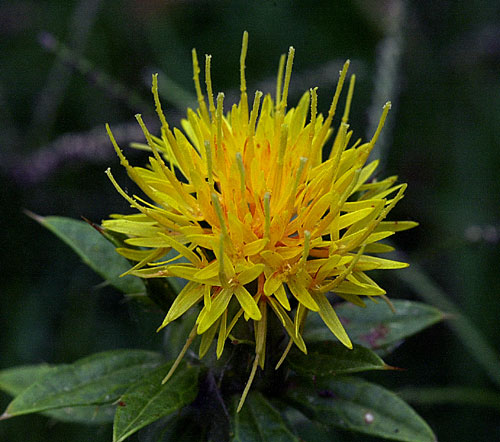
Western Herbalism
Safflower
Carthamus tinctorius
Also known as Dyer’s Saffron, Bastard Saffron, American Saffron, AND SYNONYM: Safflower, African saffron, False saffron, American saffron; Flores carthami.
Primarily flower used as Carthami Flos (Hong Hua) in TCM to invigorate blood and dispel stasis used for blood stagnation patterns including pain, trauma, menstrual disorders, cardiovascular conditions. Extensive documentation in pharmacopoeias and reviews.Electronic Physician review Frontiers Pharmacol

Ask Herbert about Safflower. Herbert is the master herbalist inside Bountiful Herbs: he answers from this plate and eleven hundred others, with dosing, pairing and cautions. Your first ten questions are free.
Ask HerbertActions
Indications what the tradition reached for it in
- Postpartum pain
- Stroke
- Myocardial ischemia
- Sciatica
- Whooping cough
- Joint pain
- Angina pectoris
- Constipation
- Rheumatism
- Thrombosis
- Psoriasis
- Hair loss
- Chronic bronchitis
- Chest pain
- Trauma
- Hypertension
- Menstrual cramps
- Vitiligo
- Amenorrhea
- Wounds
- Post-partum hemorrhage
- Fever
- Coronary heart disease
- Osteoporosis
- Dysmenorrhea
- Bronchitis
- Cold extremities
- Inflammation
- Liver disease
- Menstrual irregularity
Safety
Pregnancy: Not for use in pregnancy
The record lists 4 contraindications; open the plate in the library to read them in full.
Dosing as the sources wrote it
| Preparation | As written | Metric |
|---|---|---|
| Decoction: 3 g dried flower/day | 3000-3000 mg | |
| Oil: 20-30 mL daily | 20-30 mL | |
| also when taken largely, to produce an action on the bowels. The warm infusion is often employed as a diaphoretic in domestic practice among children and infants in measles, scarlet fever, and other eruptive maladies. It may be given tolerably freely. The infusion may be made by infusing 1 or 2 drachms of the flowers in ½ pint of boiling water. The seeds are white and angular, and have been much used as a purgative and emmenagogue. They yield an oil by expression, which has been used as a local application in rheumatic and paralytic affections | 7776 mg |
Doses are reproduced from the sources for practitioners and are not a recommendation for any person.
From the sources
Clinical Notes. Primarily flower used as Carthami Flos (Hong Hua) in TCM to invigorate blood and dispel stasis used for blood stagnation patterns including pain, trauma, menstrual disorders, cardiovascular conditions. Extensive documentation in pharmacopoeias and reviews.Electronic Physician review Frontiers Pharmacol
Action and Therapy. Chiefly employed in domestic medicine in hot infusion as an emmenagogue for amenorrhea due to recent colds; and to determine the eruption in scarlet fever and measles. It is somewhat diaphoretic and laxative, and is little used by physicians.
primary-actions. Safflower acts primarily as: Emmenagogue, Alterative, Anticoagulant, Anti-inflammatory, Circulatory stimulant. Secondary actions include Analgesic, Antioxidant, Hepatoprotective, Neuroprotective, Laxative.
indications. Safflower is traditionally indicated for: Postpartum pain, Stroke, Myocardial ischemia, Sciatica, Whooping cough, Joint pain, Angina pectoris, Constipation, Rheumatism, Thrombosis, Psoriasis, Hair loss, Chronic bronchitis, Chest pain, Trauma, and 26 further conditions.
Drawn from King's American Dispensatory, 18th edition (Felter and Lloyd); Felter's Eclectic Materia Medica, Pharmacology and Therapeutics, and the Bountiful Herbs editorial.
In formulas
Safflower stands in 71 documented formulas in the library, among them shào fu hú yu tàng, tông yõu táng, shù gân tāng, xuè fũ zhú yu tǎng, b yáng huán wũ tàng, fu yuán huo xuè tâng.
Often paired with
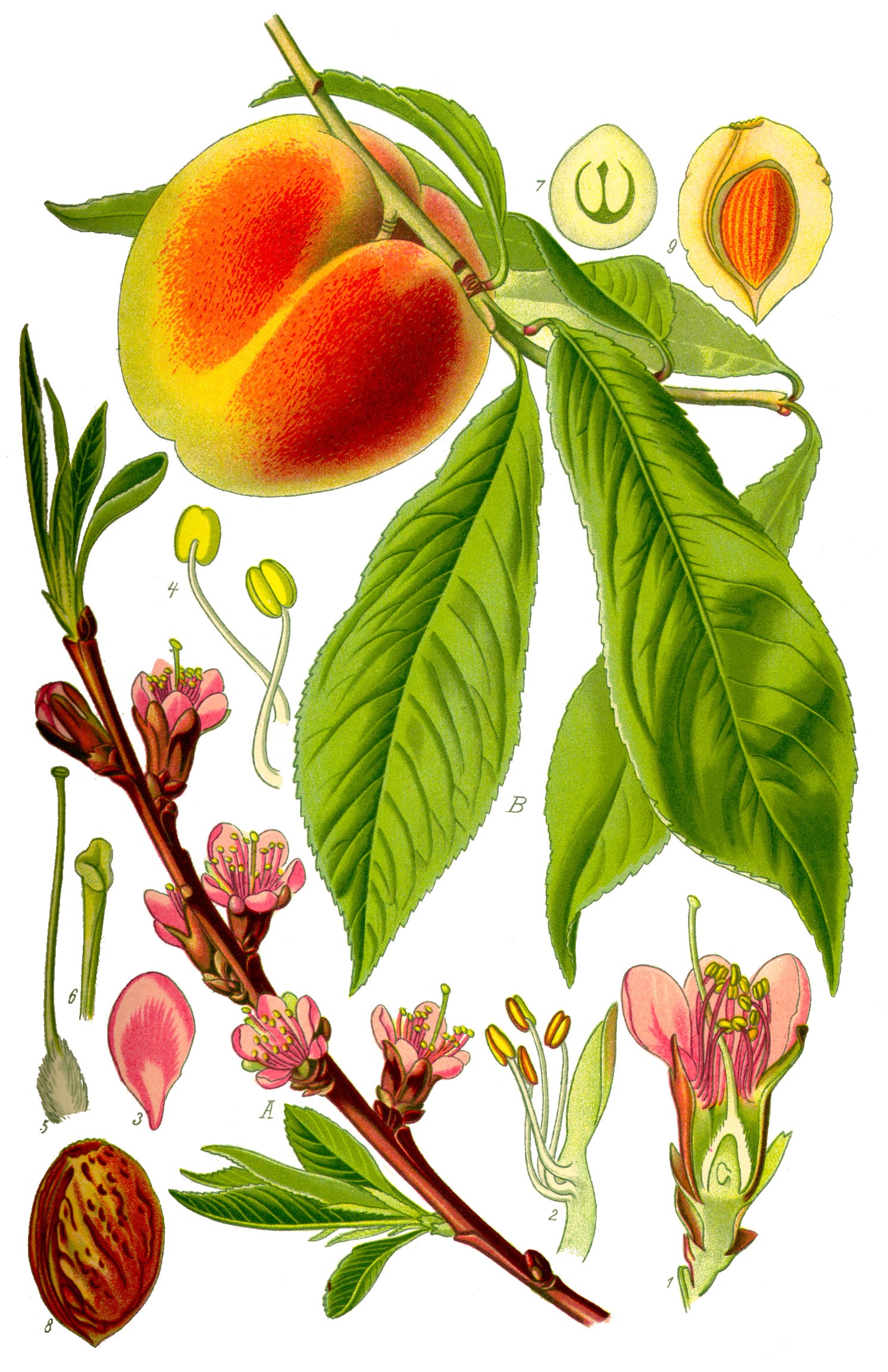 PeachPrunus persica
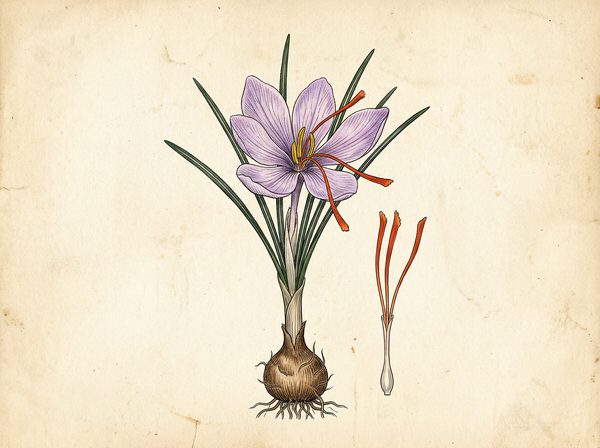 saffronCrocus sativus
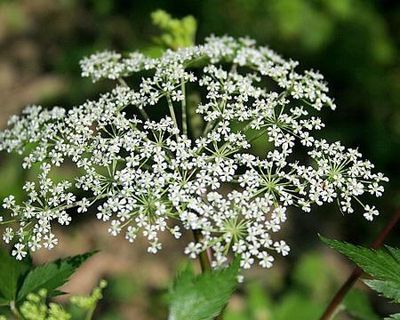 Dong QuaiAngelica sinensis
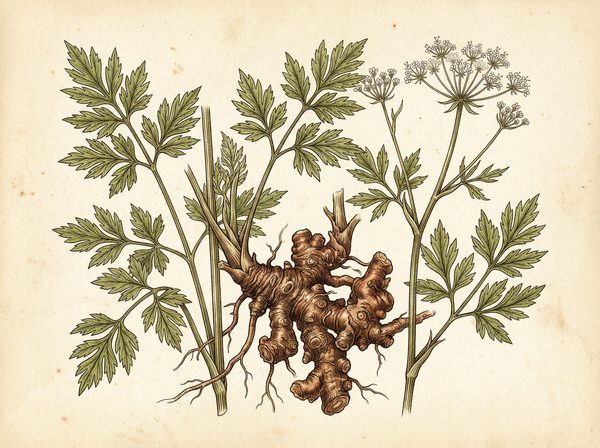 Sichuan Lovage RhizomeLigusticum chuanxiong
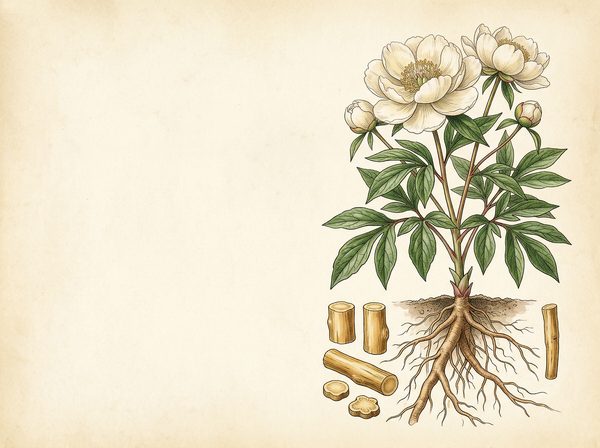 White PeonyPaeonia lactiflora
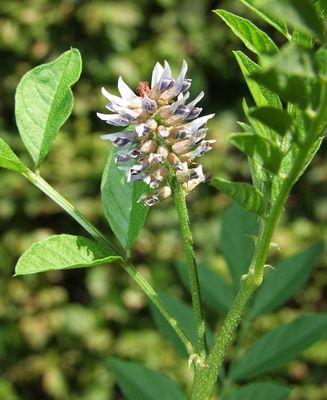 Licorice rootGlycyrrhiza glabra
Nearby on the shelf
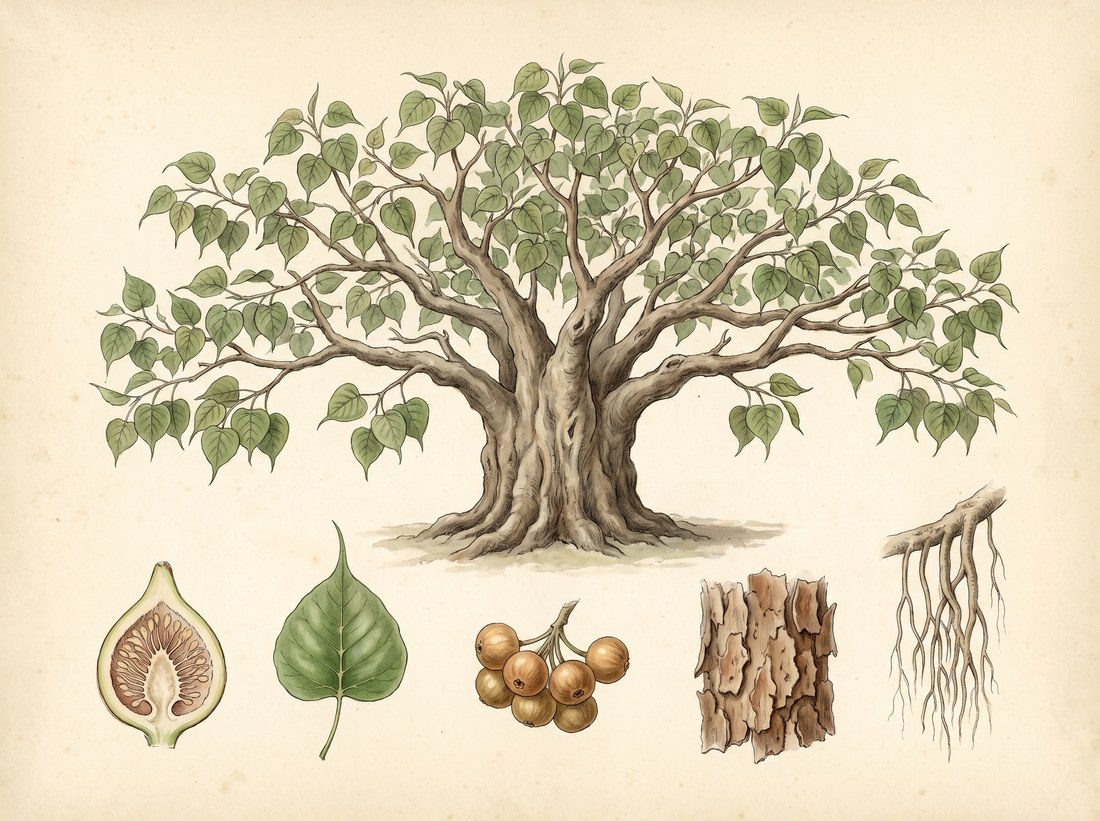 Sacred figFicus religiosa
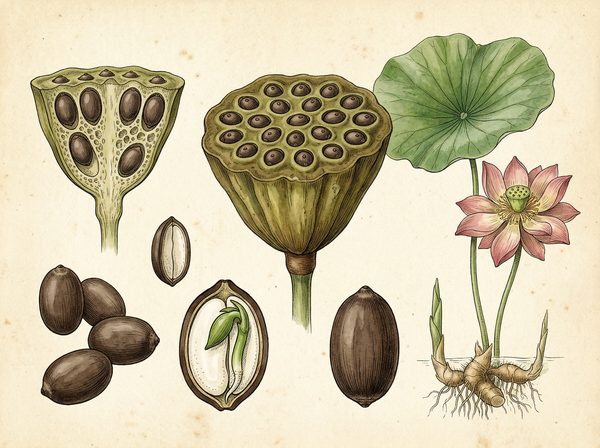 Sacred lotusNelumbo nucifera
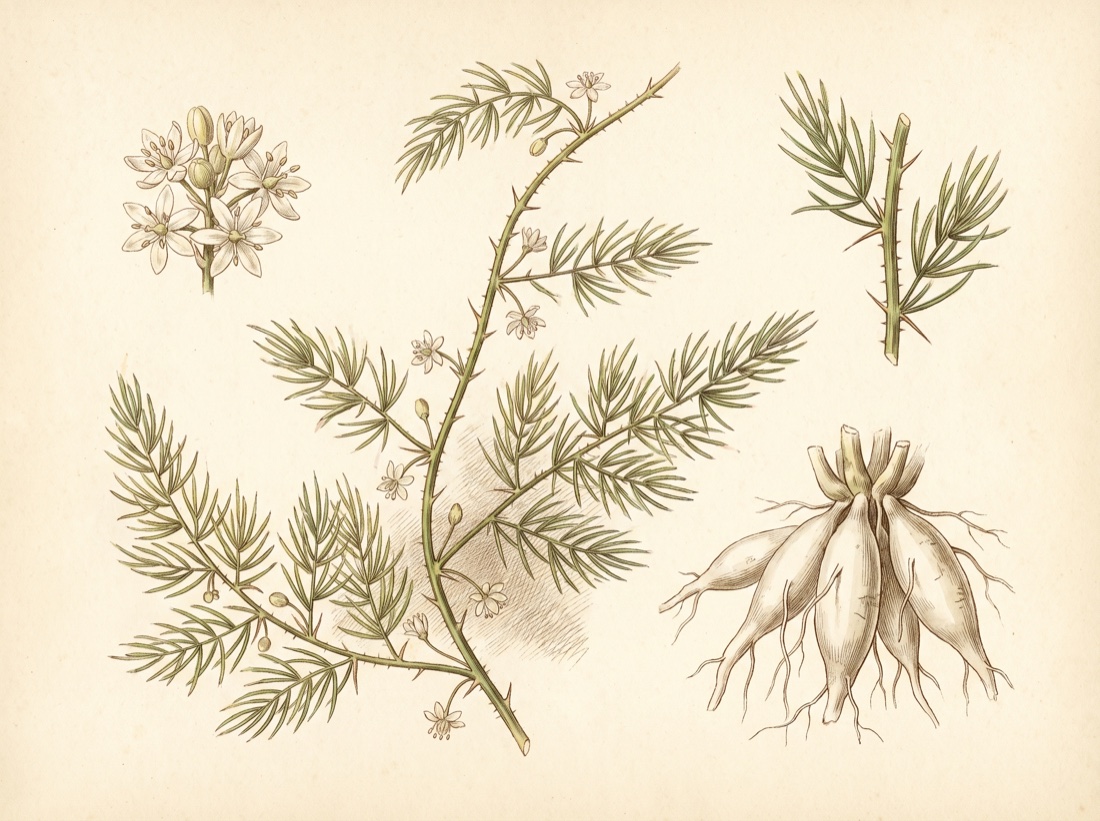 Safed musliAsparagus adscendens
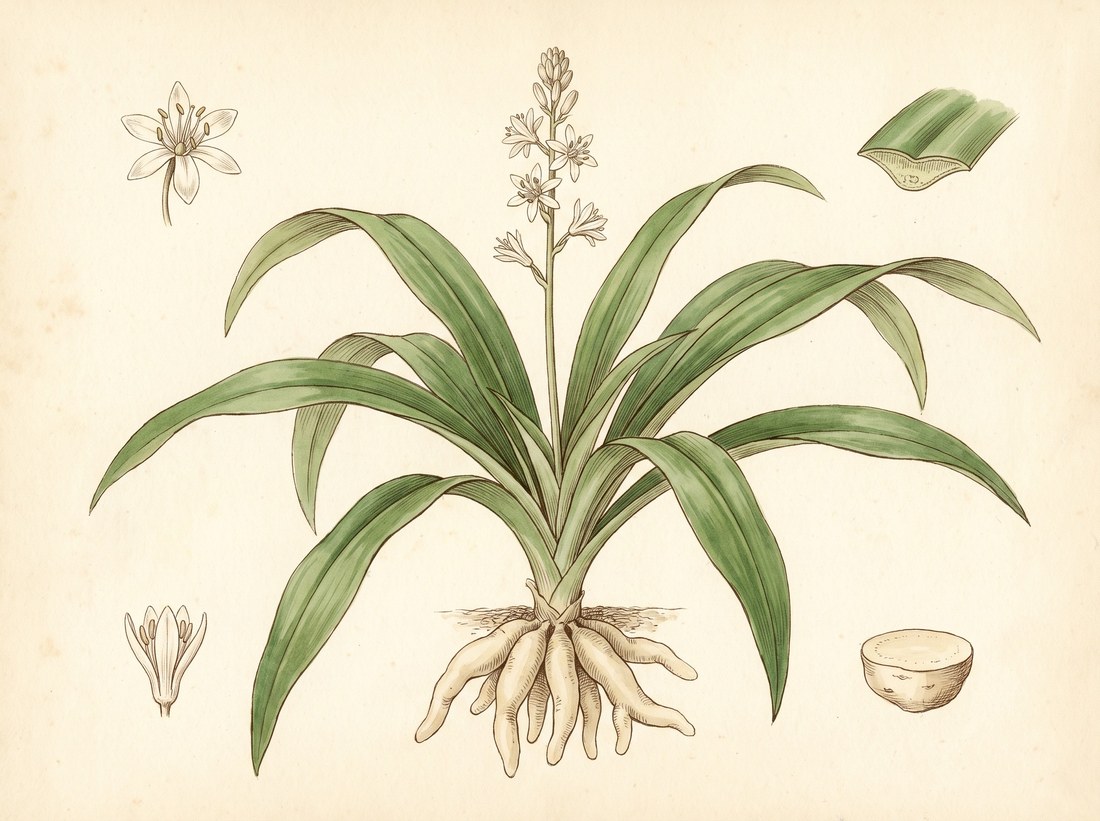 Safed musliChlorophytum borivilianum
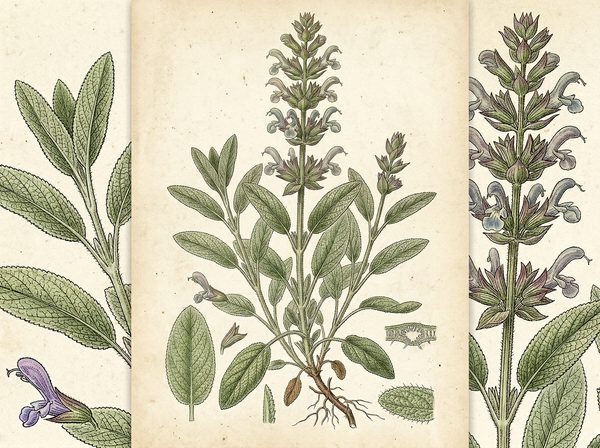 SageSalvia officinalis
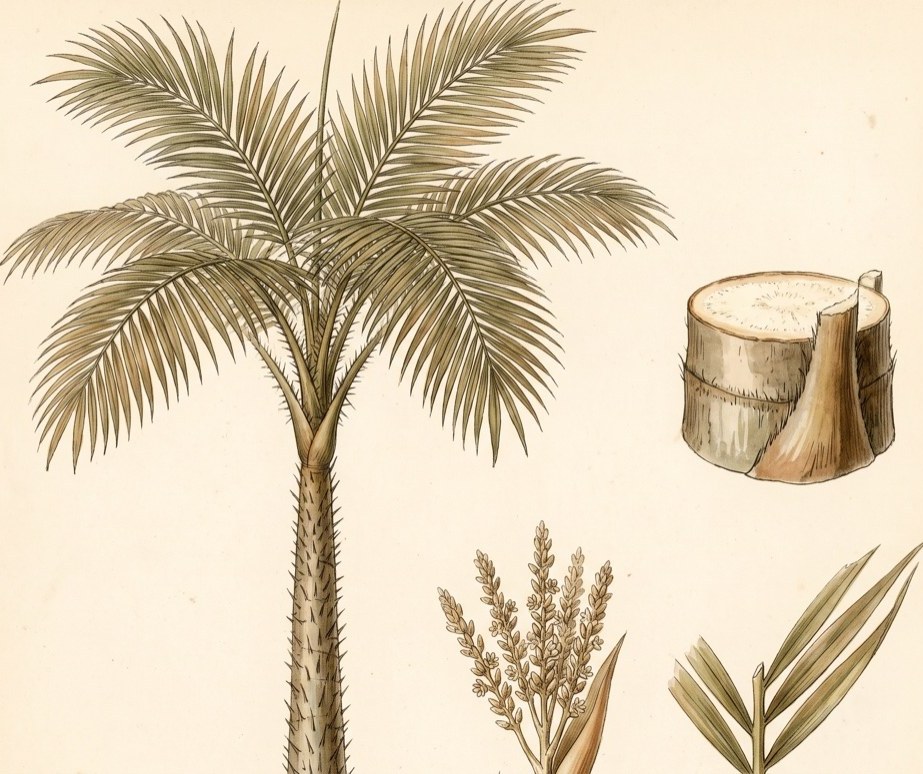 SagoSago
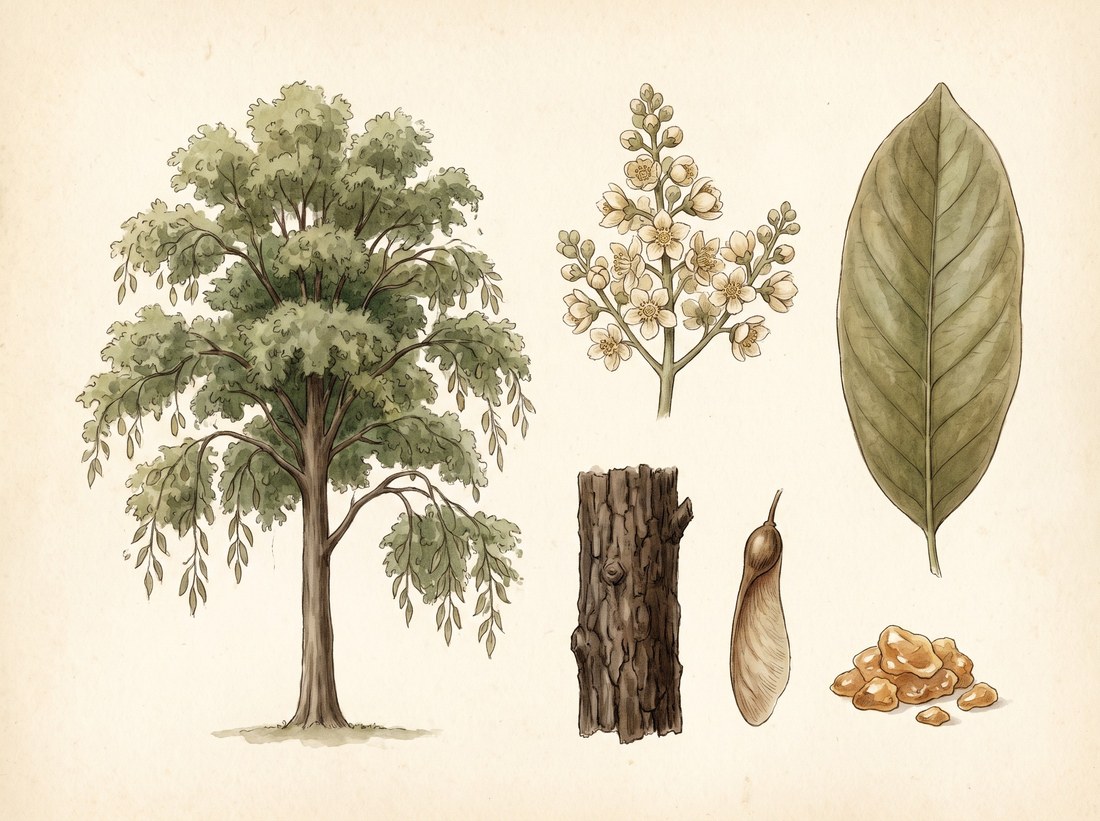 Sal treeShorea robusta
The whole plate is in the library. The compass, Compare, the Sky of eleven hundred plants and the formulary open with an email address and a password, free, with the formula builder and its safety engine. Herbert without limit, his formulating, clients, the handouts and the labels are the paid room.
Open the library, free