Western and Ayurvedic herbalism
Cardamom
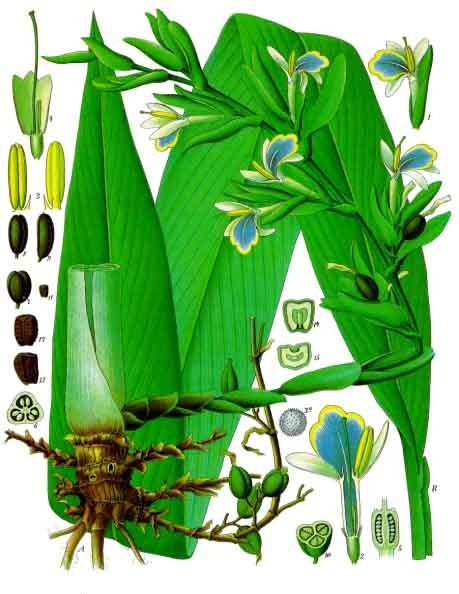
Elettaria cardamomum
Also known as green cardamom, small cardamom, true cardamom, Cardamon, Cardomom Seeds, Malabar cardamoms; Cardamomum Malabaricum, Cardamomum minus, Cardamom seeds, Ela, Sukshmaila, Truti.
Elettaria cardamomum is a tall, leafy perennial of the ginger family native to the moist evergreen forests of the Western Ghats in Kerala, Karnataka and Tamil Nadu, where it is still grown under forest shade; the dried green pods with their black aromatic seeds are the spice. Ayurveda calls it Ela and counts it among the digestive aromatics that are gentle enough for every constitution, adding it to milk, tea and formulas to kindle digestion, settle nausea, clear phlegm and sweeten the breath. It is the small or true cardamom, distinguished from the larger, coarser black cardamom of the eastern Himalaya.

Ask Herbert about Cardamom. Herbert is the master herbalist inside Bountiful Herbs: he answers from this plate and eleven hundred others, with dosing, pairing and cautions. Your first ten questions are free.
Ask HerbertActions
Indications what the tradition reached for it in
- Bloating and gas after meals
- Nausea and vomiting, including morning sickness in small doses
- Loss of appetite and poor digestion in a weak patient
- Bad breath and coated tongue
- Cough with sticky phlegm
- Griping from purgative or bitter herbs (as a corrective)
- Mild hypertension with a sluggish metabolism (adjunct)
- Dyspepsia with heartburn in a pitta patient who cannot take hot spices
- Painful or scanty urination (traditional)
- Excess mucus from dairy (added to milk)
- Enuresis
- Stress-related digestive upset
- Colic
- Hiccoughs
- Flatulence
- Poor fat digestion
- Excessive phlegm
- Bronchitis
- Asthma
- Abdominal cramps
- Morning sickness
- Dyspepsia
- Respiratory tract infections
- Nausea
- Belching
- Cough
- Gas
- Griping from laxatives
- Colds
- Halitosis
Specific indications
The patient whose digestion is sluggish and gassy but who cannot tolerate ginger or black pepper because they bring on heartburn and flushing
Nausea of pregnancy or of travel, relieved by chewing a few seeds, in someone with a bitter or coated mouth
A child or elderly person with a wet cough and poor appetite who needs a gentle aromatic added to milk or porridge
Bad breath with a heavy tongue coating after rich meals, where the gut rather than the teeth is the source
Flatulent colic with cramping griping pain relieved by warmth and aromatic stimulation
Cold, sluggish digestion with bloating and a heavy, dull feeling after meals
Safety
Pregnancy: Pregnancy Caution
Breastfeeding: Lactation (source flag notSafeInLactation)
The record lists 6 contraindications; open the plate in the library to read them in full.
In practice
Ela is the aromatic that Ayurveda uses when a hotter spice would be too much. It kindles digestion, moves gas downward and settles nausea without the fire of ginger or pepper, so it is the digestive of choice for pitta patients, children, the pregnant and the elderly.
In Ayurveda
Rasa: katu (pungent), madhura (sweet). Virya: sheeta (cooling), described by some as mildly heating. Vipaka: madhura (sweet). Guna: laghu (light), ruksha (dry). Dosha: pacifies all three doshas, especially vata and kapha; gentle enough for pitta in moderation. Karma: deepana (kindles digestion); pachana (digestive); rochana (improves taste and appetite); hridya (cardiac tonic); mukhashodhana (cleanses the mouth); chardinigrahana (stops vomiting); mutrala (diuretic); kaphahara (reduces phlegm); shwasahara (relieves dyspnea); anulomana (carries downward, relieves gas). Classical indications: agnimandya (weak digestion); aruchi (loss of appetite); chardi (vomiting); adhmana (abdominal distension); kasa and shvasa (cough and dyspnea); mutrakricchra (painful urination); hridroga (heart disease); mukhadaurgandhya (bad breath); trishna (thirst); arsha (hemorrhoids). The dried green pods are opened and the aromatic seeds crushed fresh for churna; the seed is added to milk, teas and decoctions, chewed whole after meals, and used as an anupana and corrective in many compound formulas. Classical formulations: Eladi churna, Eladi vati, Eladi taila, Sitopaladi churna, Avipattikara churna, Chyawanprash, Hingvashtaka churna (some versions), Talisadi churna. Described in: Charaka Samhita, Sushruta Samhita, Ashtanga Hridaya, Bhavaprakasha Nighantu, Dhanvantari Nighantu, Raja Nighantu, Sharngadhara Samhita, Kaiyadeva Nighantu, Ayurvedic Pharmacopoeia of India.
Dosing as the sources wrote it
| Preparation | As written | Metric |
|---|---|---|
| Churna | 0.5-1 g freshly crushed seed two to three times daily with honey or warm water | 500-1000 mg |
| Whole seed | 2-4 seeds chewed after meals | |
| Infusion | 50-100 mL infusion of 1-2 g crushed seed, taken after meals | 50-100 mL |
| Tincture (1:5, 60%) | 1-3 mL three times daily | 1-3 mL |
| Essential oil | 1-2 drops in honey once or twice daily, short term only | 0.02-0.04 mL |
| Tea/decoction: 1 tsp crushed seeds/cup, 1-3x daily |
Doses are reproduced from the sources for practitioners and are not a recommendation for any person.
From the sources
Overview. Elettaria cardamomum is a tall, leafy perennial of the ginger family native to the moist evergreen forests of the Western Ghats in Kerala, Karnataka and Tamil Nadu, where it is still grown under forest shade; the dried green pods with their black aromatic seeds are the spice. Ayurveda calls it Ela and counts it among the digestive aromatics that are gentle enough for every constitution, adding it to milk, tea and formulas to kindle digestion, settle nausea, clear phlegm and sweeten the breath. It is the small or true cardamom, distinguished from the larger, coarser black cardamom of the eastern Himalaya.
Overview. Cardamom is the dried fruit and seed of a tall reed-like perennial of the ginger family, native to the moist forested hills of Malabar in southern India and now cultivated widely across South and Southeast Asia. The three-sided capsules enclose small dark seeds that carry a strong, fragrant, pungent volatile oil, which is the true medicinal and culinary virtue of the plant. In Western herbal practice, especially the physiomedicalist and Eclectic traditions, cardamom seed has long served as a warming carminative adjunct rather than a primary remedy, added to bitter, purgative or tonic formulas to make them more palatable and to prevent griping.
Overview. Cardamom seed is the dried, decapsulated fruit of Elettaria cardamomum, a tall perennial herb of the ginger family native to the moist forested hills of the Malabar coast of southern India and now cultivated widely across South and Southeast Asia. The small dark seeds inside the pale green to straw colored capsule carry a warm, resinous, faintly camphoraceous aroma that has made cardamom prized both as a spice and as a medicine across Ayurvedic, Unani, and Western eclectic traditions. In nineteenth century American eclectic practice it was valued chiefly as a pleasant, effective carminative and as a corrective flavoring agent for tinctures and compound preparations.
Clinical Notes. GRAS in food amounts used as digestive adjuvant and harmonizer in formulas avoid medicinal doses in gallstone patients traditional use in Ayurveda, TCM, Western herbalism ]
Drawn from Cook's Physio-Medical Dispensatory; King's American Dispensatory, 18th edition (Felter and Lloyd); Felter's Eclectic Materia Medica, Pharmacology and Therapeutics, and the Bountiful Herbs editorial.
In formulas
Cardamom stands in 117 documented formulas in the library, among them Tinctura Cardamomi Composita, Tinctura Gentianae Composita, Compound Tincture of Gentian, Ayaskṛti, Aravindāsava, Aśvagandhādyariṣṭa, Ahiphenāsava.
Often paired with
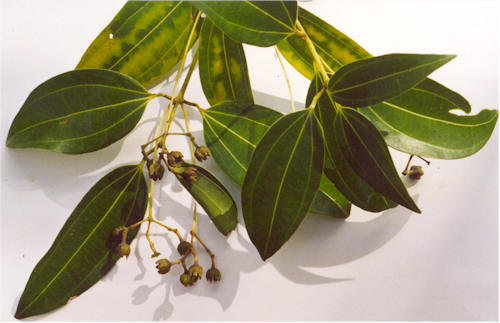 Ceylon cinnamonCinnamomum zeylanicum
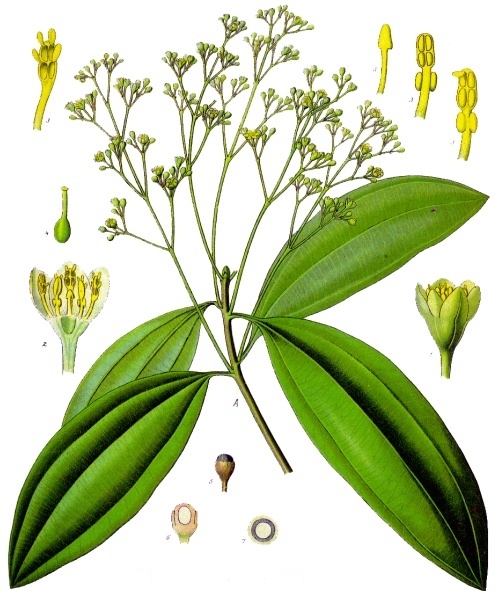 Indian bay leafCinnamomum tamala
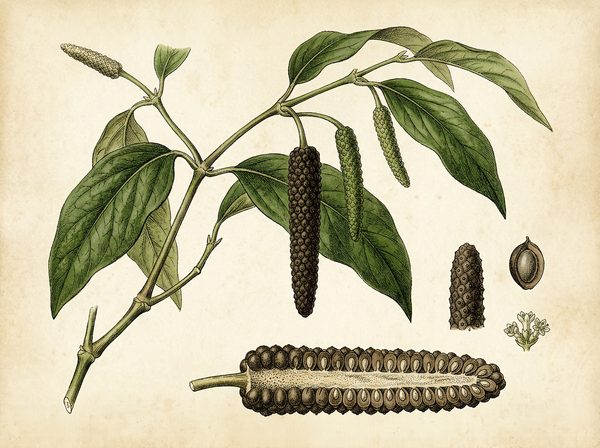 long pepperPiper longum
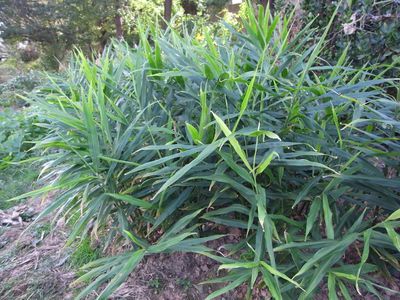 GingerZingiber officinale
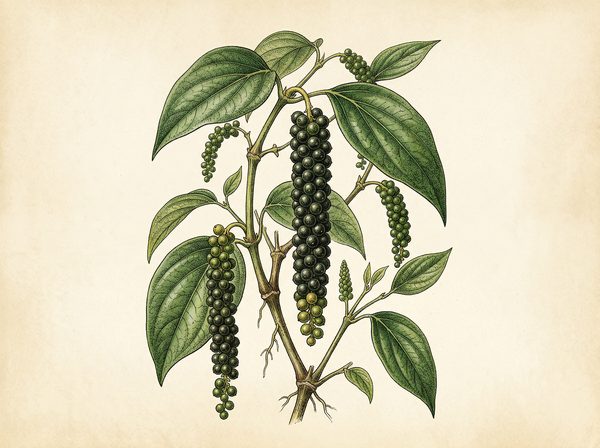 black pepperPiper nigrum
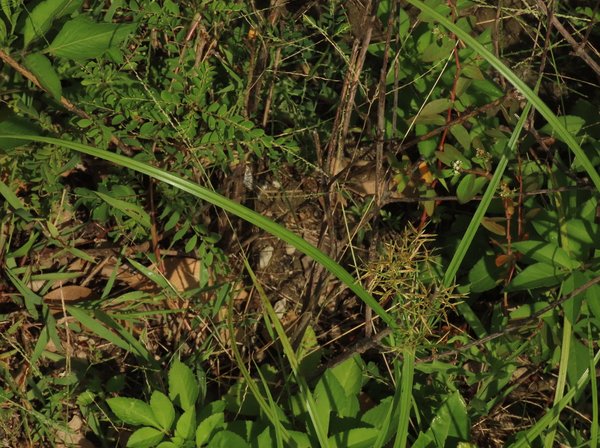 nut grassCyperus rotundus
Nearby on the shelf
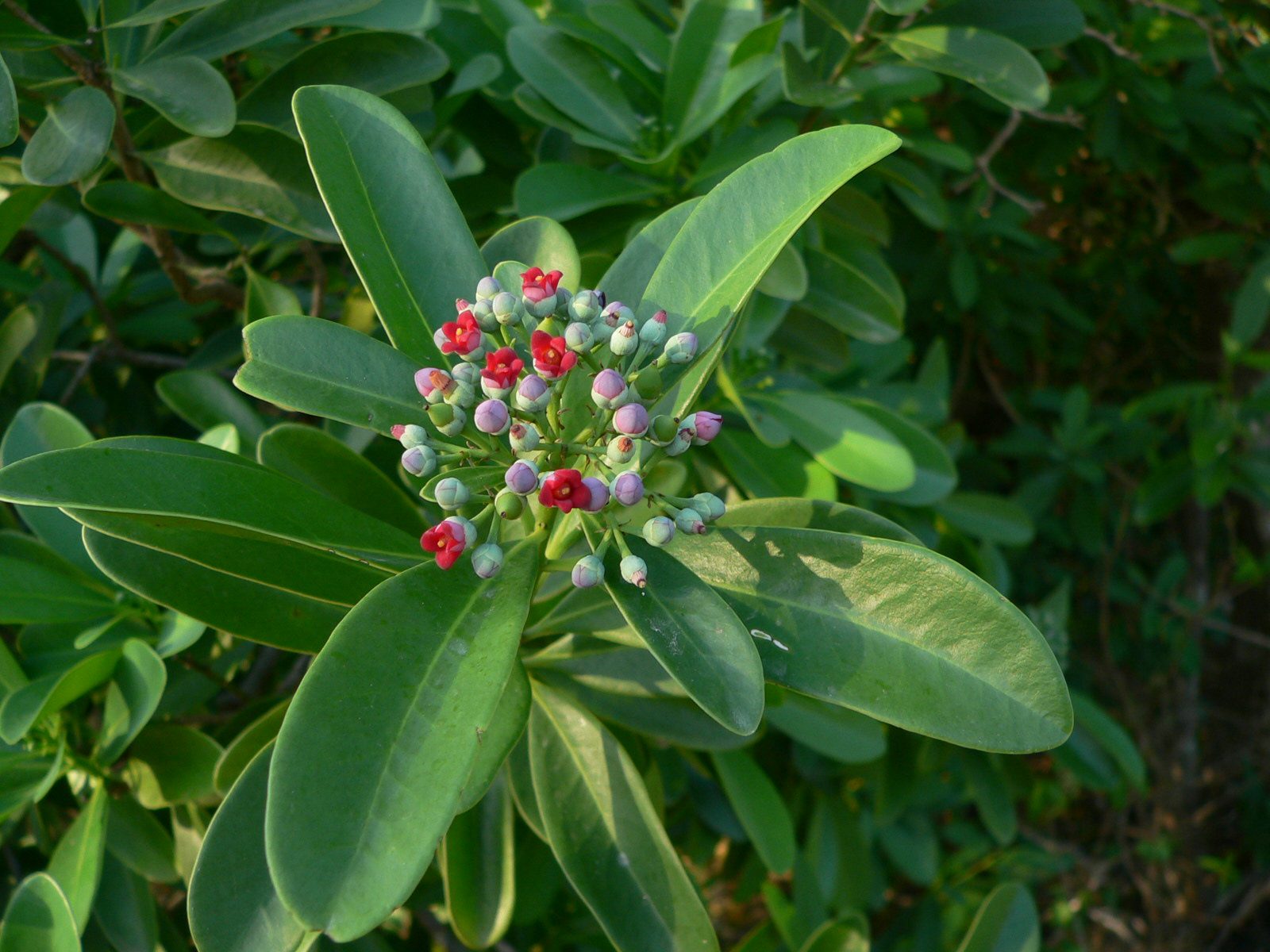 CanellaCanella alba
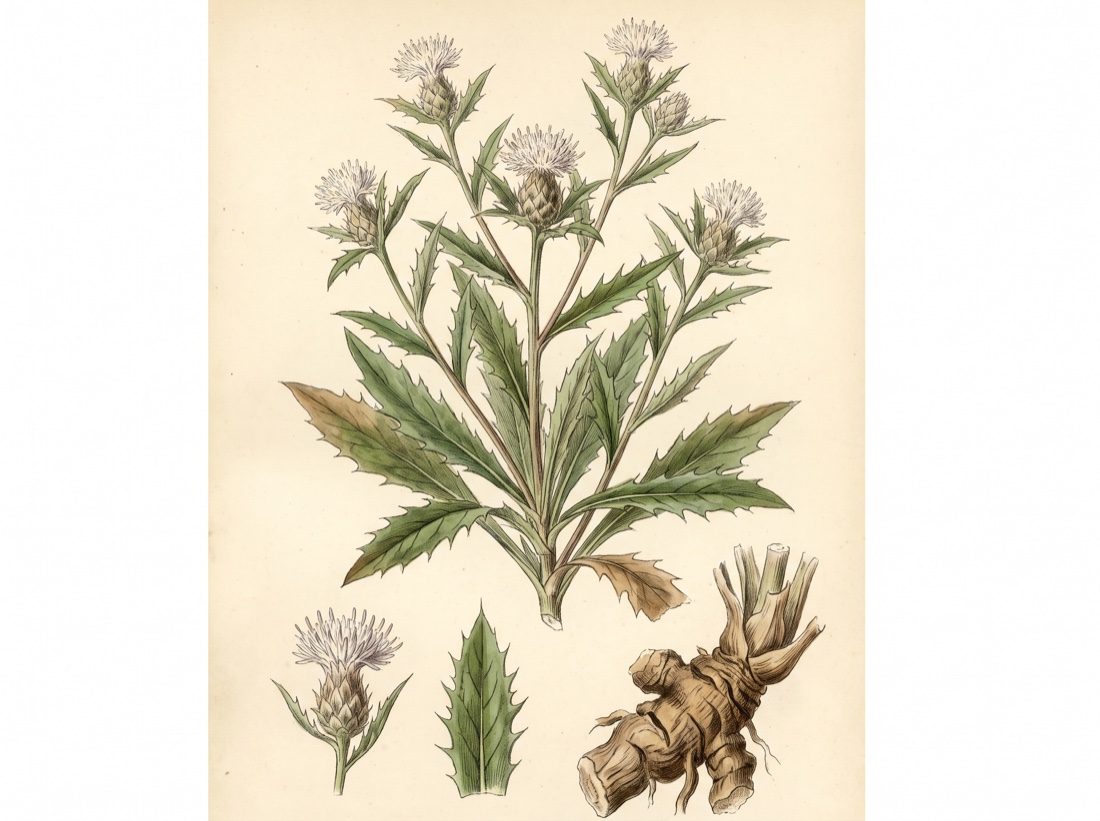 Cang zhuAtractylodes lancea
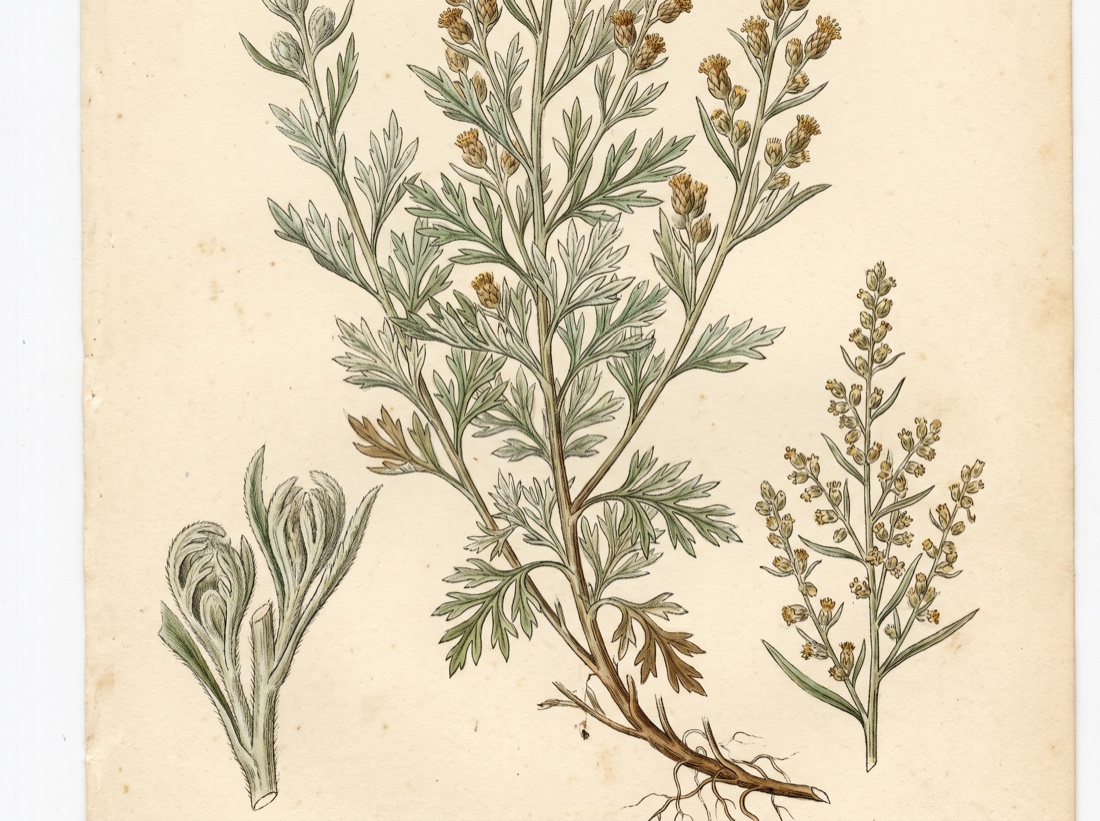 Capillary wormwoodArtemisia capillaris
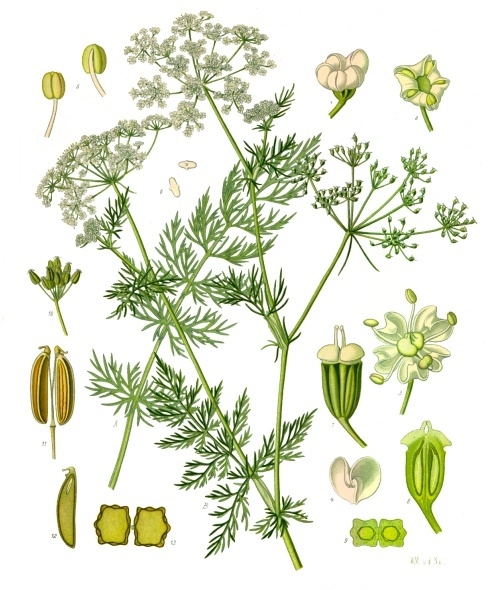 CarawayCarum carvi
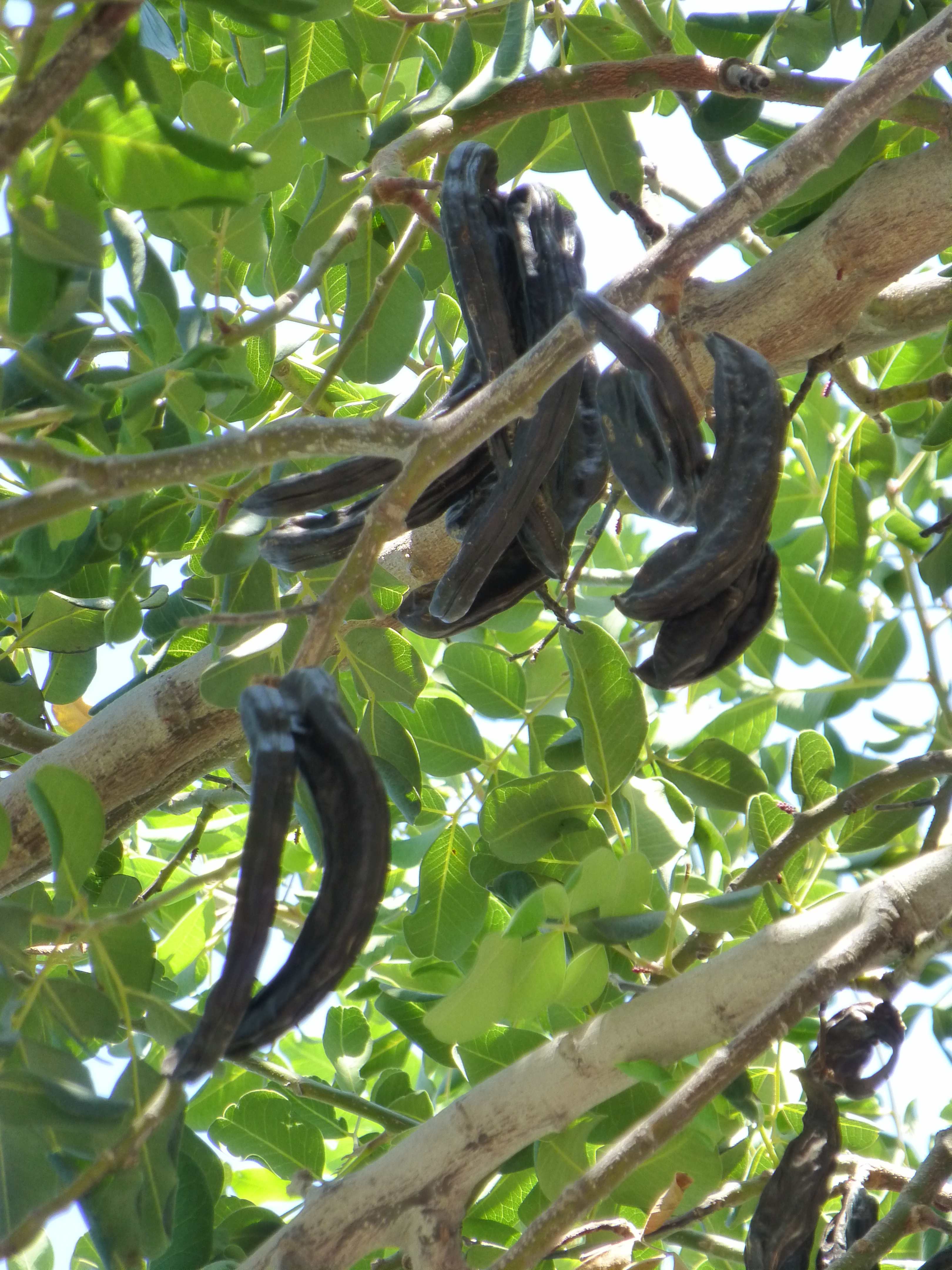 CarobCeratonia siliqua
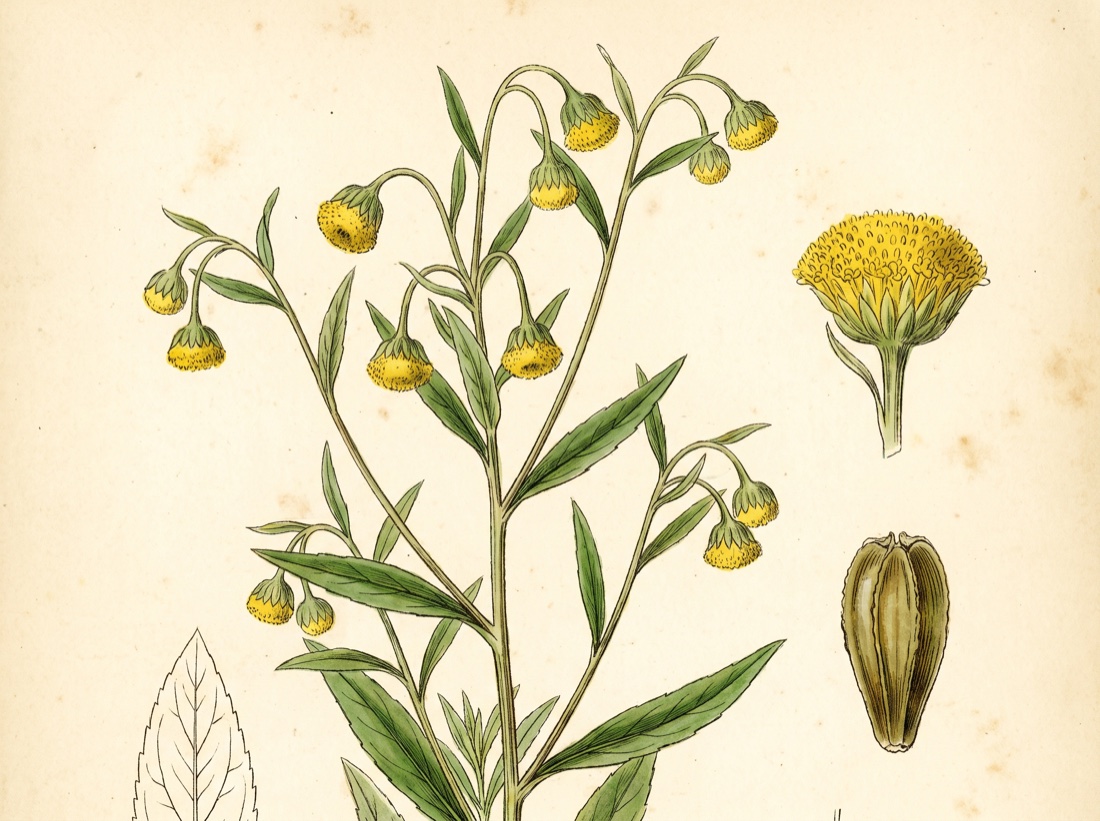 Carpesium fruitCarpesium abrotanoides
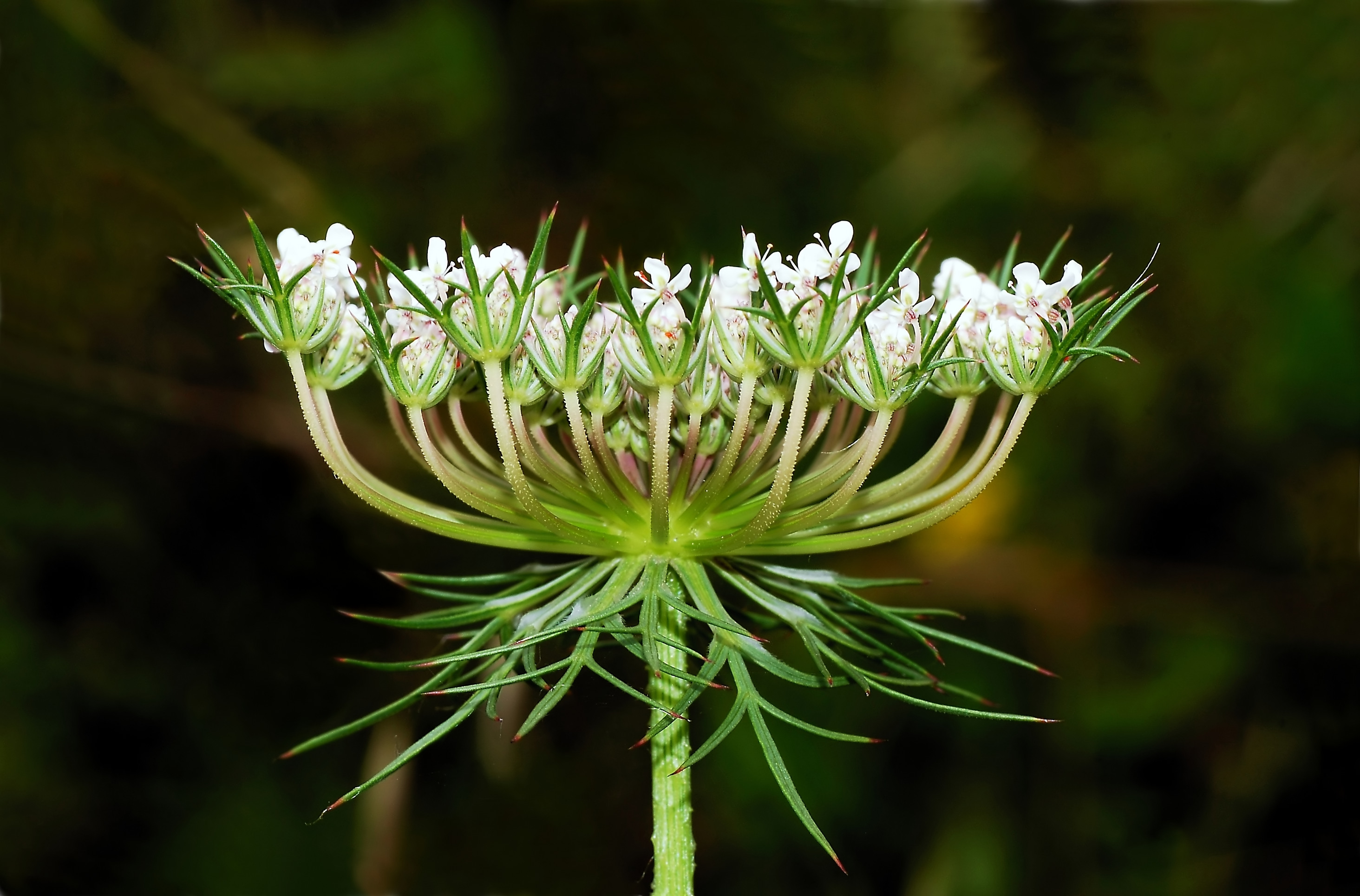 CarrotDaucus carota
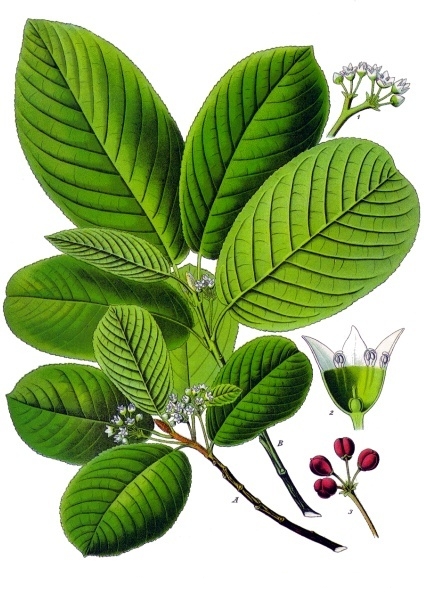 Cascara sagradaFrangula purshiana
The whole plate is in the library. The compass, Compare, the Sky of eleven hundred plants and the formulary open with an email address and a password, free, with the formula builder and its safety engine. Herbert without limit, his formulating, clients, the handouts and the labels are the paid room.
Open the library, free