Western Herbalism
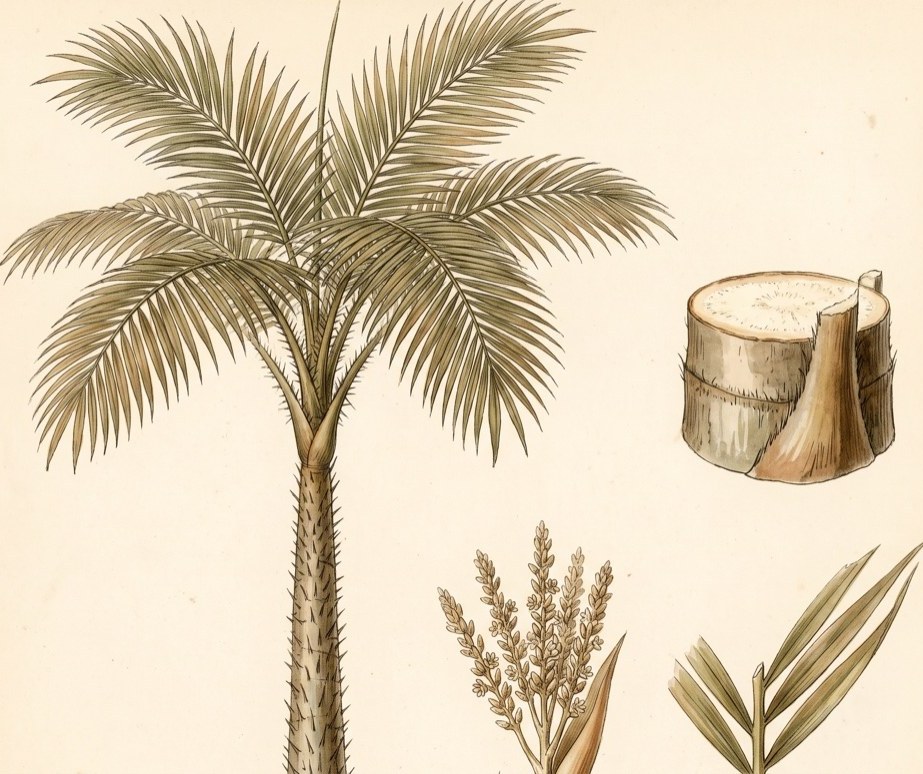
Sago
Metroxylon sagu
Sago is nutritive and demulcent, and is a convenient and agreeable article for making puddings, gruel, and diet drinks for the sick-room. It should always be long boiled before it is used. It is not so much used as formerly, being superseded by the purer arrow-root and tapioca.

Ask Herbert about Sago. Herbert is the master herbalist inside Bountiful Herbs: he answers from this plate and eleven hundred others, with dosing, pairing and cautions. Your first ten questions are free.
Ask HerbertSafety
Pregnancy: No concern in culinary amounts. Safe as a food in pregnancy; general references describe palm sago as an almost pure starch eaten as a staple in Southeast Asia and Melanesia.
Breastfeeding: No concern in culinary amounts. Safe as a food while breastfeeding; general references describe palm sago as a plain dietary starch.
Dosing as the sources wrote it
| Preparation | As written |
|---|---|
| Action, Medical Uses, and Dosage: Sago is nutritive and demulcent, and is a convenient and agreeable article for making puddings, gruel, and diet drinks for the sick-room. It should always be long boiled before it is used. It is not so much used as formerly, being superseded by the purer arrow-root and tapioca. For common uses, half an ounce of sago may be boiled in a pint of water (in some cases milk is preferred), the solution strained, and flavored with sugar and spices, lemon, or even with a little white wine, when there are no contraindications to their use. | |
| CASTILLON'S POWDERS, a popular article of diet for invalids, in cases of indigestion, chronic dysentery, etc., is composed of sago, salep, tragacanth, each, in powder, 4 drachms | |
| powdered prepared oyster shells | powdered prepared oyster shells, 1 drachm. These are to be well mixed, and divided into 12 powders |
| sometimes it is colored with a small quantity of cochineal. For use, each powder is to be boiled with a pint of milk, which may be sweetened and flavored to suit the patient's taste. |
Doses are reproduced from the sources for practitioners and are not a recommendation for any person.
From the sources
Action, Medical Uses, and Dosage. Sago is nutritive and demulcent, and is a convenient and agreeable article for making puddings, gruel, and diet drinks for the sick-room. It should always be long boiled before it is used. It is not so much used as formerly, being superseded by the purer arrow-root and tapioca.
Description and Chemical Composition. Sago occurs in commerce either in the form of a fine amylaceous powder, called sago meal or sago flour, or as pearl sago. Sago meal is whitish, with a reddish tint, of a feeble, somewhat unpleasant, moldy odor, and has the general characters of starch.
History and Preparation. This tree is common to New Guinea and the Molucca Islands, growing spontaneously in low, swampy lands, and the sago is obtained from its pith, or spongy medullary substance, of which it contains a large quantity when the tree is sufficiently developed.
The prepared farina from the pith of the Metroxylon Rumphii, Martius (Sagus Rumphii, Willdenow; Sagus genuina, Blume), and other species of palm. Nat. Ord: Palmae.
Drawn from King's American Dispensatory, 18th edition (Felter and Lloyd), and the Bountiful Herbs editorial.
Nearby on the shelf
 Safed musliChlorophytum borivilianum
 SafflowerCarthamus tinctorius
 SaffronCrocus sativus
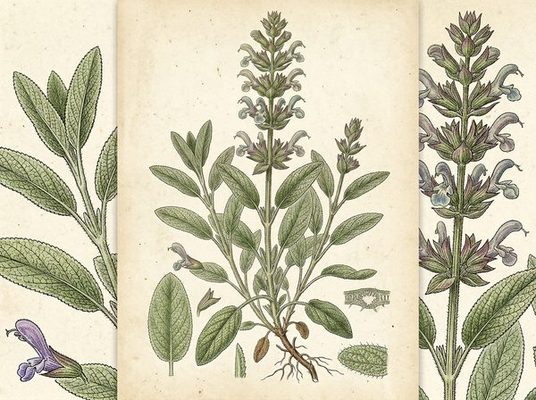 SageSalvia officinalis
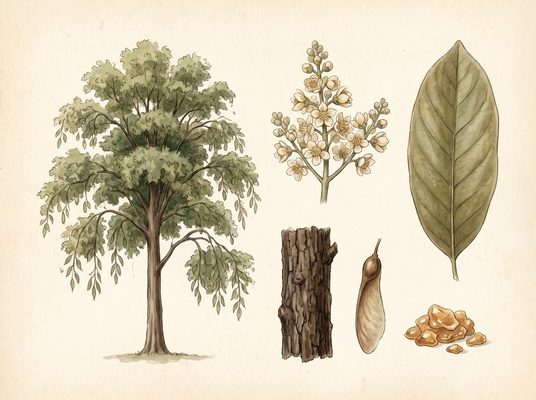 Sal treeShorea robusta
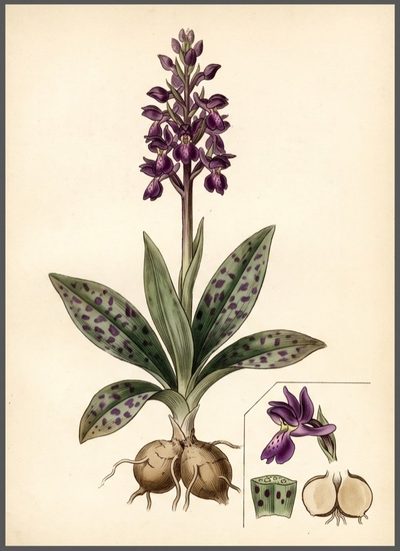 SalepOrchis mascula
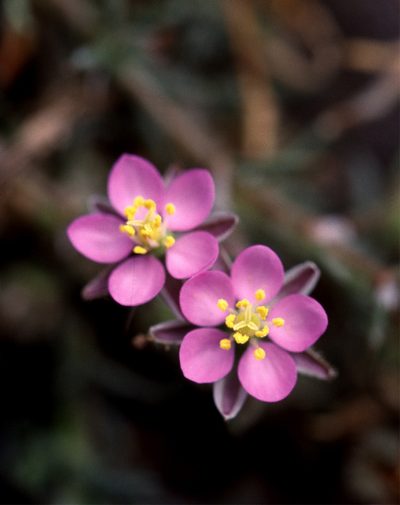 Sand-spurreySpergularia rubra
 SandalwoodSantalum album
The whole plate is in the library. The compass, Compare, the Sky of eleven hundred plants and the formulary open with an email address and a password, free, with the formula builder and its safety engine. Herbert in full, his formulating, clients, the handouts and the labels are the paid room.
Open the library, free