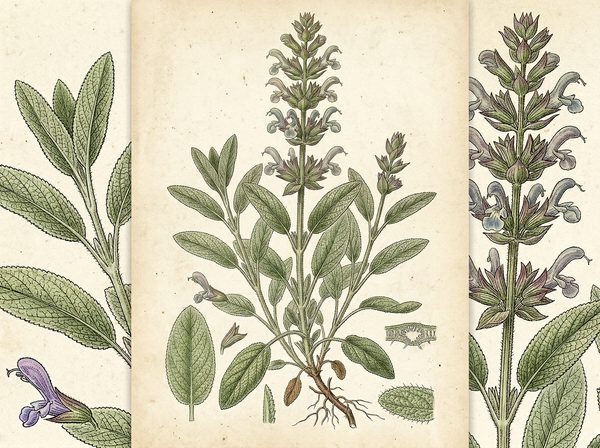
Western Herbalism
Sage
Salvia officinalis
Also known as Dalmatian Sage, Garden Sage, True Sage, Sage (Common/Dalmatian), Salvia.
Thujone content must be limited (<6 mg daily exposure) Chemotypes low in thujone preferred Traditionally associated with longevity and memory enhancement Used to reduce lactation during weaning Contains estrogenic compounds

Ask Herbert about Sage. Herbert is the master herbalist inside Bountiful Herbs: he answers from this plate and eleven hundred others, with dosing, pairing and cautions. Your first ten questions are free.
Ask HerbertActions
Indications what the tradition reached for it in
- Heartburn
- Minor skin inflammations
- Gingivitis
- Inflammation of mouth
- Heavy menstrual bleeding
- Mild dyspeptic complaints
- Night sweats
- Tonsillitis
- Pharyngitis
- Laryngitis
- Glossitis
- Aphthous ulcers
- Abdominal cramps
- Hyperhidrosis
- Excessive sweating
- Stomatitis
- Menopausal hot flushes
- Gas
- Wounds
- Age-related cognitive impairment
- Throat
- Sore throat
- Bloating
- Indigestion
- Abdominal distension
- Bleeding
- Colic
- Cramps
- Depression
- Diarrhea
Safety
Pregnancy: Use with care in pregnancy
Breastfeeding: Not for use while breastfeeding
The record lists 4 contraindications; open the plate in the library to read them in full.
Dosing as the sources wrote it
| Preparation | As written | Metric |
|---|---|---|
| Herbal tea/infusion: 1-2 g dried leaf in 150 ml boiling water, 3 times daily (dyspepsia) or 2-2.5 g for gargle | 1000-2000 mg | |
| Tincture | Tincture (1:10, 70% ethanol): 2-3 ml 3 times daily | 2-3 mL |
| Dry extract | Dry extract (4-7:1): 320 mg daily divided 3-4 doses | 320 mg |
| Liquid extract | Liquid extract (1:3-5): 0.5-1 ml 3 times daily | 0.5-1 mL |
| Leaf 1-4 g as an infusion three times daily | 1000-4000 mg | |
| (G7) 4-6 g daily .(G3) Liquid extract 1-4 mL (1:1 in 45% alcohol) three times daily | 4000-6000 mg |
Doses are reproduced from the sources for practitioners and are not a recommendation for any person.
From the sources
Clinical Notes. Thujone content must be limited (<6 mg daily exposure) Chemotypes low in thujone preferred Traditionally associated with longevity and memory enhancement Used to reduce lactation during weaning Contains estrogenic compounds
Action and Therapy. Sage is a feeble tonic, astringent, and diaphoretic. The infusion provides a good gargle for ulcerated and inflamed throat and for relaxation of the uvula. Taken warm, it produces free sweating, while cold sage tea, by strengthening the cutaneous functions, restrains excessive sweating, and for this purpose is highly valued in phthisis and other wasting diseases. It acts best when the skin is soft and relaxed, the extremities cold, and the circulation weak. It is of considerable value in gastric debility with flatulence and has proved a good tonic in spermatorrhea. A good indication for salvia is urine of low specific gravity.
Properties and Uses. The leaves of sage are of a peculiar and pleasant aroma, due to a full quantity of volatile oil. They yield a considerable portion of their properties to lukewarm water, and make an infusion that is a soothing and diffusive drink, relaxant and moderately stimulant, and which allays nausea and induces a gentle perspiration.
primary-actions. Sage acts primarily as: Astringent, Antiseptic, Carminative, Antibacterial. Secondary actions include Nervine, Antispasmodic, Antioxidant, Antimicrobial, Antidepressant, Neuroprotective.
Drawn from Cook's Physio-Medical Dispensatory; Scudder's Specific Medication and Specific Medicines; King's American Dispensatory, 18th edition (Felter and Lloyd); Felter's Eclectic Materia Medica, Pharmacology and Therapeutics, and the Bountiful Herbs editorial.
In formulas
Sage stands in 33 documented formulas in the library, among them dàng gui jĩ xuè téng tāng, chái hú xì xin tâng, jia wèi mài mén dõng tàng, dùng xián wán.
Often paired with
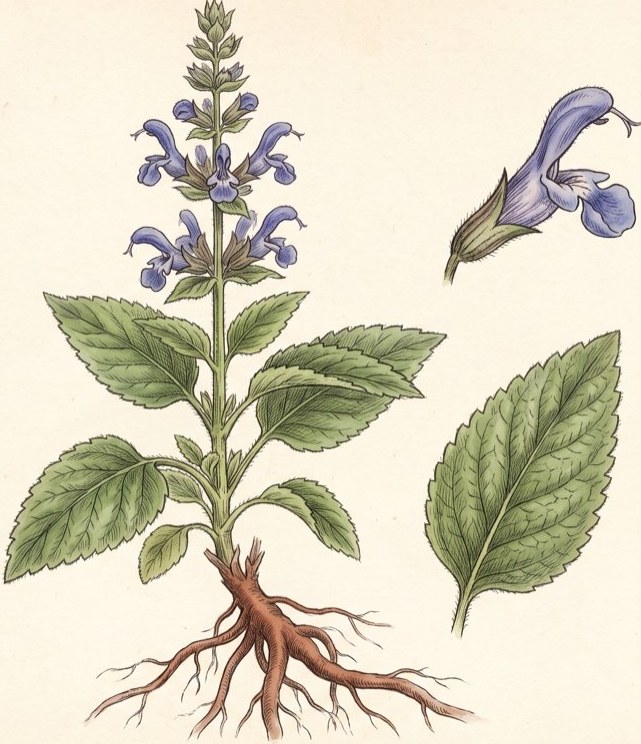 Dan ShenSalvia miltiorrhiza
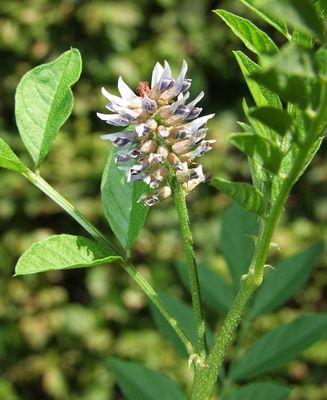 Licorice rootGlycyrrhiza glabra
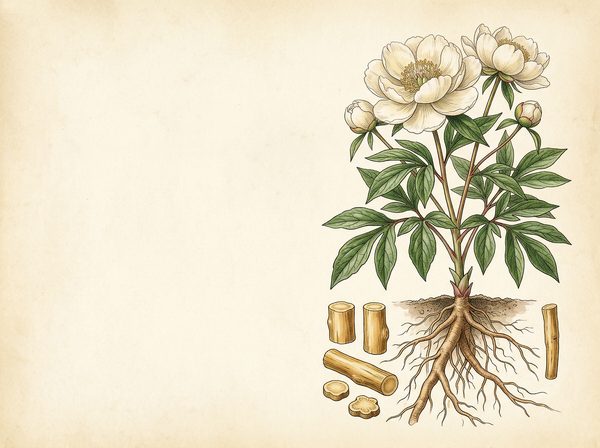 White PeonyPaeonia lactiflora
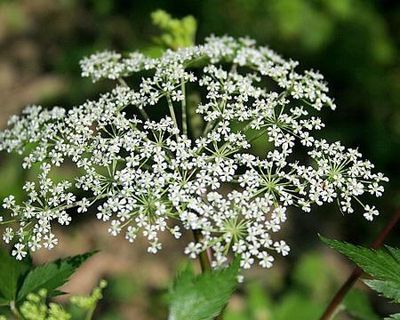 Dong QuaiAngelica sinensis
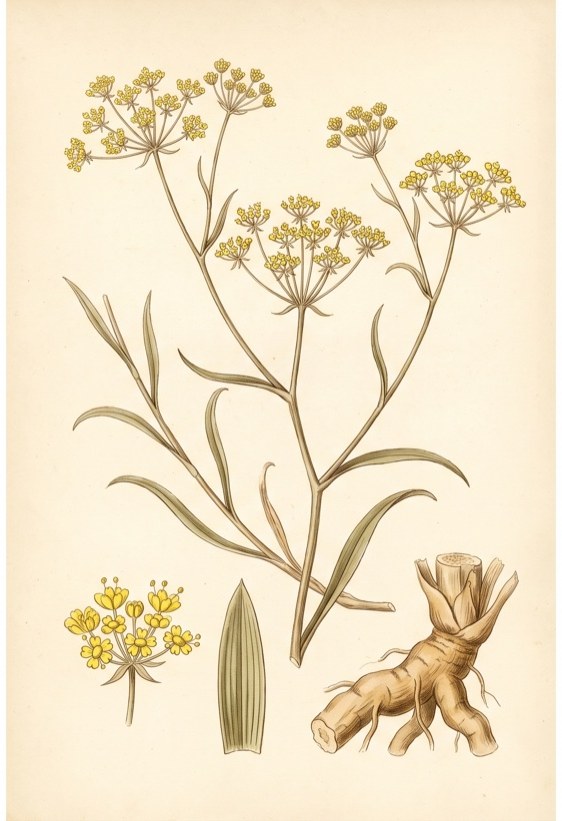 Chai HuBupleurum falcatum
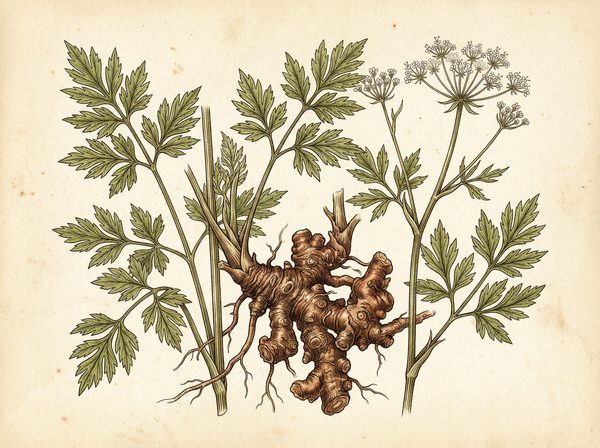 Sichuan Lovage RhizomeLigusticum chuanxiong
Nearby on the shelf
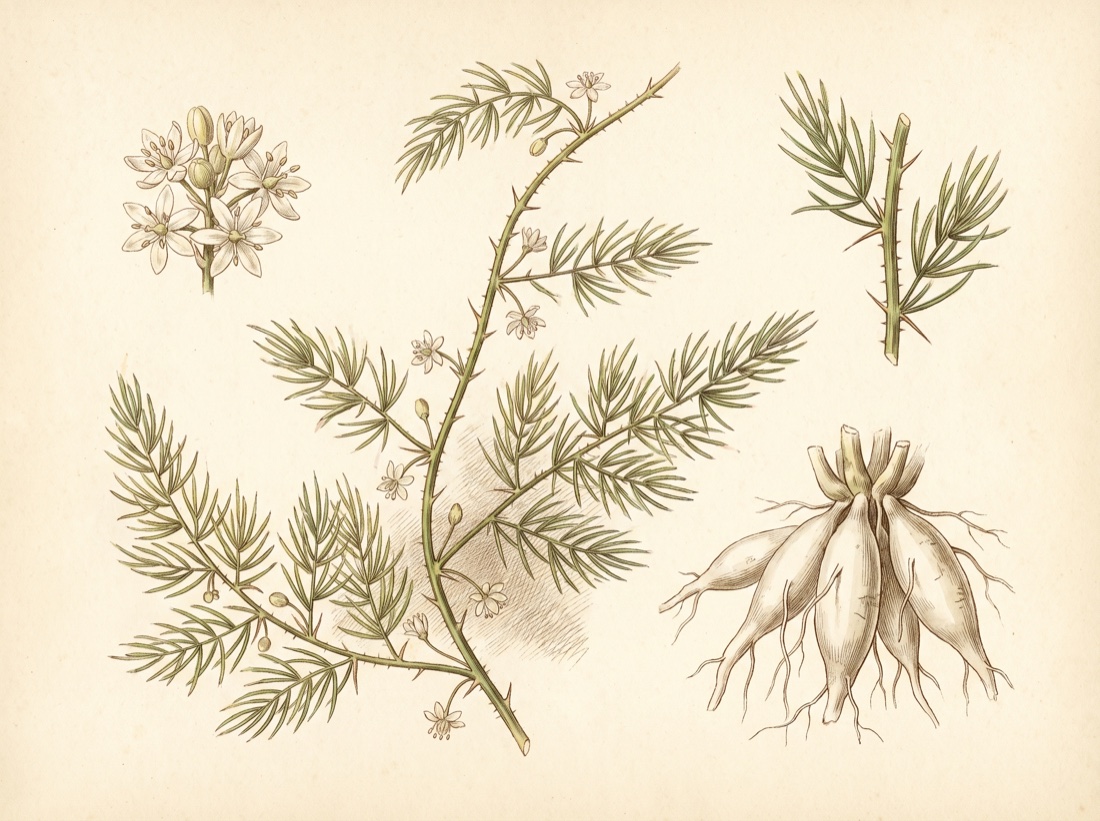 Safed musliAsparagus adscendens
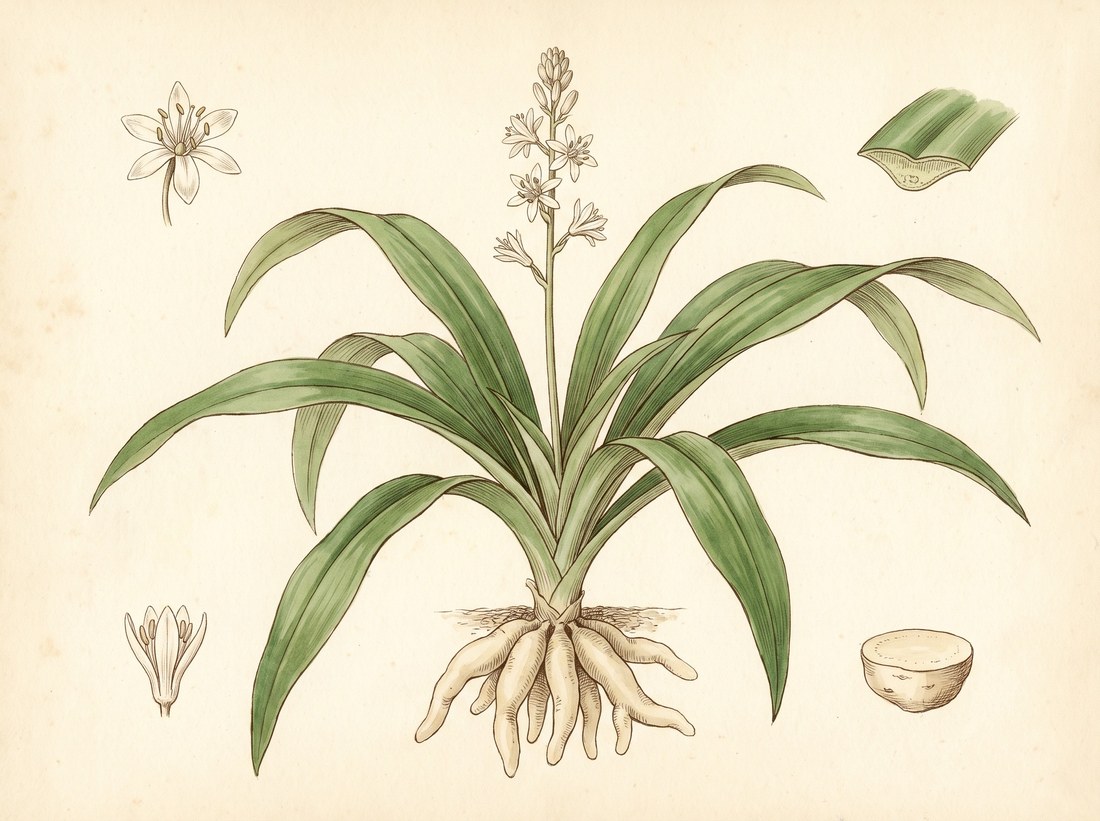 Safed musliChlorophytum borivilianum
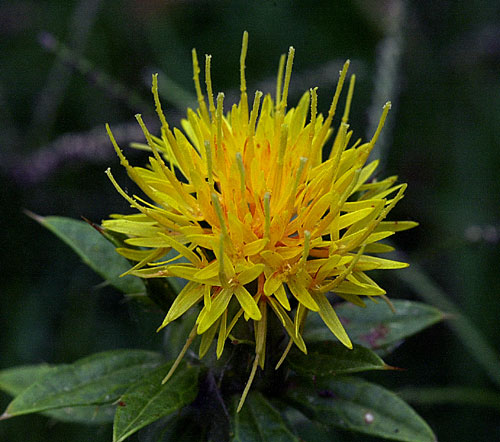 SafflowerCarthamus tinctorius
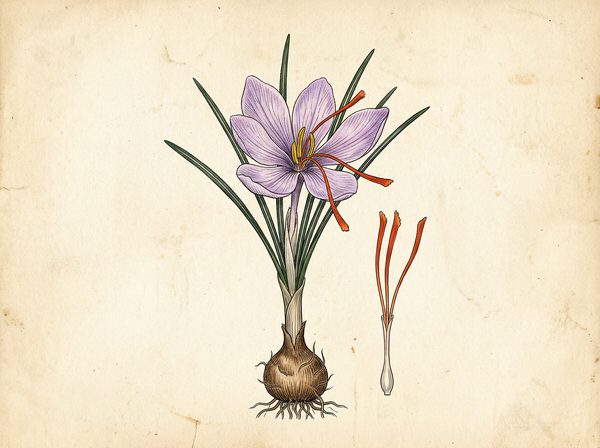 SaffronCrocus sativus
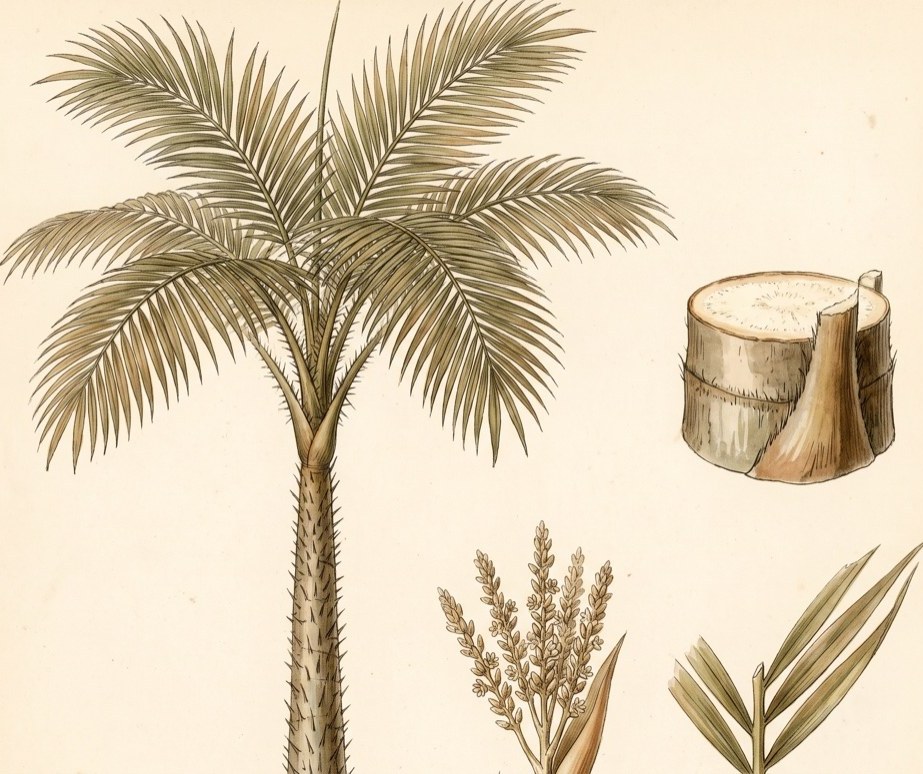 SagoSago
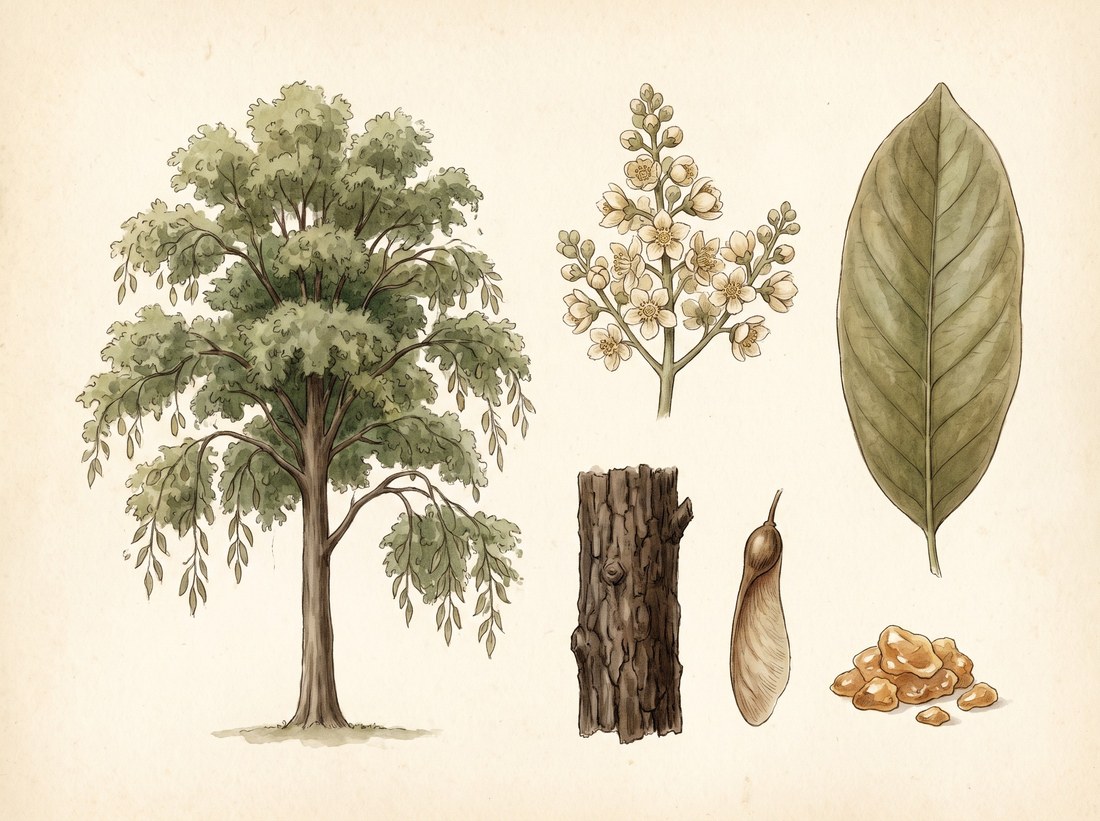 Sal treeShorea robusta
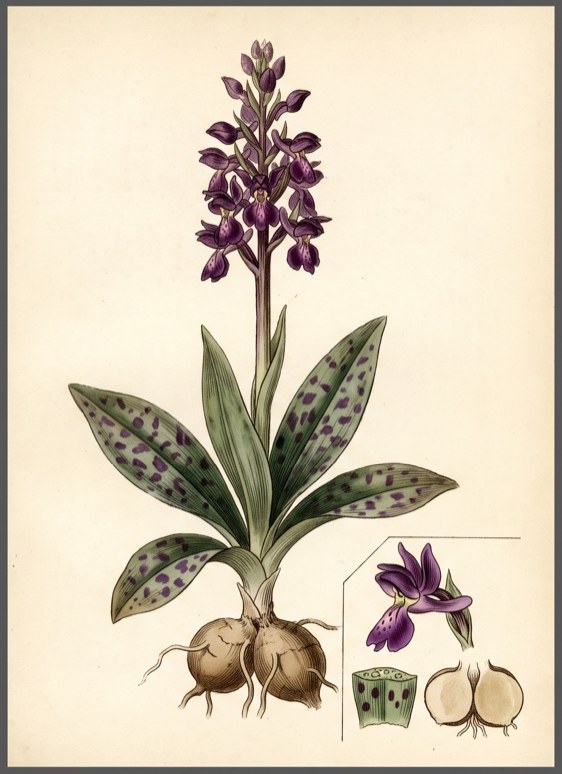 SalepOrchis mascula
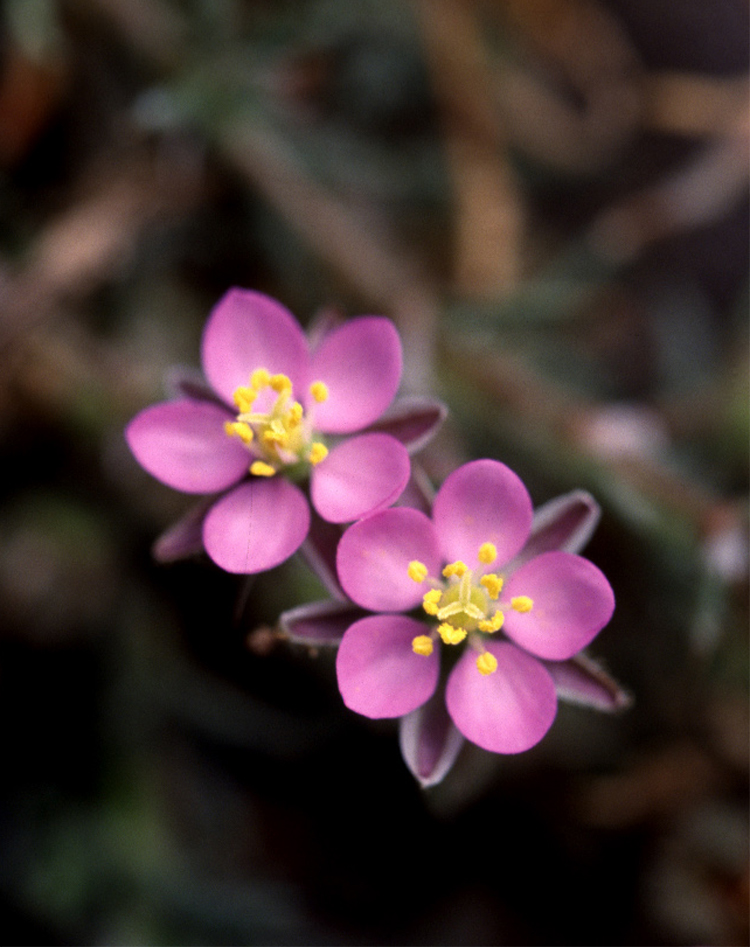 Sand-spurreySpergularia
The whole plate is in the library. The compass, Compare, the Sky of eleven hundred plants and the formulary open with an email address and a password, free, with the formula builder and its safety engine. Herbert without limit, his formulating, clients, the handouts and the labels are the paid room.
Open the library, free