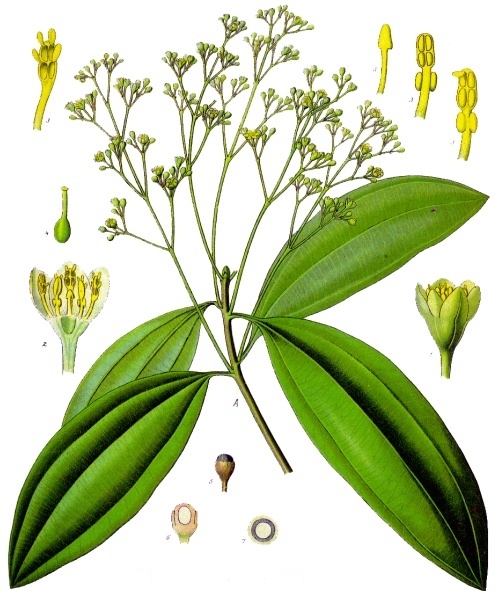
Western and Ayurvedic herbalism
Indian bay leaf
Cinnamomum tamala
Also known as Indian cassia, tejpat, Malabar leaf, Cassia Bark, Cassia Lignea, Chinese Cinnamon, False Cinnamon, Tejapatra, Patra, Tamalapatra.
Tejapatra is the leaf of a medium sized evergreen tree of the cinnamon genus native to the sub-Himalayan tract from Kashmir and Himachal Pradesh through Nepal, Sikkim, Assam and Meghalaya, and cultivated in the northeastern states and the hills of the north. The three veined aromatic leaf, sold as Indian bay leaf, smells of cinnamon and clove and should not be confused with the Mediterranean bay laurel. Ayurveda counts it among the digestive aromatics, a warming, pungent, gently sweet leaf that kindles the digestive fire, dispels gas and mucus, freshens the mouth and has a long standing reputation in prameha.

Ask Herbert about Indian bay leaf. Herbert is the master herbalist inside Bountiful Herbs: he answers from this plate and eleven hundred others, with dosing, pairing and cautions. Your first ten questions are free.
Ask HerbertActions
Indications what the tradition reached for it in
- Flatulent dyspepsia and bloating after meals
- Poor appetite and loss of taste
- Nausea of digestive origin
- Type 2 diabetes and insulin resistance (adjunct)
- Mild dyslipidemia
- Cough and sinus catarrh with thick mucus
- Halitosis and dental plaque (as mouthwash)
- Colicky abdominal pain
- Hemorrhoids with sluggish digestion
- Intestinal parasites (adjunct)
- Flatulent dyspepsia
- Flatulent colic
- Diarrhoea
- Common cold
- Specifically for colic
- Dyspepsia with flatulent distension
- Nausea
Specific indications
A cold, damp digestion that bloats after every meal, with dull appetite and a heavy tongue, calling for a gentle aromatic warmer
Borderline blood sugar in a kapha type patient who also has sinus congestion and a sweet tooth
Nausea and a bad taste in the mouth on waking in a patient with slow gastric emptying
A child with mucus laden cough who will take a sweet spiced decoction but not bitter medicine
Safety
Pregnancy: Not for use in pregnancy
The record lists 6 contraindications; open the plate in the library to read them in full.
In practice
The Ayurvedic practitioner treats Tejapatra as a kitchen medicine first: a leaf or two boiled with rice or dal, a pinch of the powder in warm water after a heavy meal, a decoction with ginger for a cold with sinus congestion.
In Ayurveda
Rasa: katu (pungent), tikta (bitter), madhura (sweet). Virya: ushna (heating). Vipaka: katu (pungent). Guna: laghu (light), tikshna (sharp), ruksha (dry). Dosha: pacifies kapha and vata; aggravates pitta in excess. Karma: deepana (kindles digestion); pachana (digests ama); ruchya (improves taste and appetite); kaphahara (clears kapha); vatanulomana (regulates vata and relieves gas); mukhashodhana (cleanses the mouth); krimighna (anthelmintic); hridya (supports the heart); shulaprashamana (relieves colic); mutrala (diuretic); medohara (reduces fat); durgandhahara (removes bad odor). Classical indications: agnimandya (weak digestion); aruchi (loss of taste); adhmana (bloating); shula (colic); hrillasa (nausea); arsha (hemorrhoids); kasa (cough); pinasa and pratishyaya (rhinitis and sinus catarrh); prameha (urinary disorders including diabetes); mutrakrichra (painful urination); krimi (worms); mukhadurgandhya (bad breath). The dried leaf is the drug of the classical texts, used whole in decoctions, powdered in churnas, and as a household spice; the bark, which resembles cinnamon, is used in the same way where the leaf is scarce. Tejapatra is one of the Chaturjata (four aromatics) that finish many compound powders and confections. Classical formulations: Trijataka churna, Chaturjata churna, Avipattikara churna, Sudarshana churna, Eladi churna, Chyawanprash. Described in: Charaka Samhita, Sushruta Samhita, Ashtanga Hridaya, Bhavaprakasha Nighantu, Dhanvantari Nighantu, Raja Nighantu, Kaiyadeva Nighantu, Ayurvedic Pharmacopoeia of India.
Dosing as the sources wrote it
| Preparation | As written | Metric |
|---|---|---|
| Churna | 1-3 g powdered leaf once or twice daily after food | 1000-3000 mg |
| Kwatha | 50-100 mL decoction of 2-4 leaves twice daily | 50-100 mL |
| Culinary | 1-2 whole leaves cooked with food daily | |
| Gargle | 50-100 mL cooled decoction as a mouthwash once or twice daily | 50-100 mL |
| Dried bark 0.5-1 g as an infusion three times daily | 500-1000 mg | |
| (G7) Oil of cassia (BPC 1949) 0.05 -0.2 mL three times daily .(G7) Figure 1 Selected constituents of cassia | 0.05-0.2 mL |
Doses are reproduced from the sources for practitioners and are not a recommendation for any person.
From the sources
Overview. Tejapatra is the leaf of a medium sized evergreen tree of the cinnamon genus native to the sub-Himalayan tract from Kashmir and Himachal Pradesh through Nepal, Sikkim, Assam and Meghalaya, and cultivated in the northeastern states and the hills of the north. The three veined aromatic leaf, sold as Indian bay leaf, smells of cinnamon and clove and should not be confused with the Mediterranean bay laurel. Ayurveda counts it among the digestive aromatics, a warming, pungent, gently sweet leaf that kindles the digestive fire, dispels gas and mucus, freshens the mouth and has a long standing reputation in prameha.
Clinical Notes. The Ayurvedic practitioner treats Tejapatra as a kitchen medicine first: a leaf or two boiled with rice or dal, a pinch of the powder in warm water after a heavy meal, a decoction with ginger for a cold with sinus congestion.
Ayurvedic Profile. Rasa: katu (pungent), tikta (bitter), madhura (sweet). Virya: ushna (heating). Vipaka: katu (pungent). Guna: laghu (light), tikshna (sharp), ruksha (dry). Dosha: pacifies kapha and vata; aggravates pitta in excess.
In formulas
Indian bay leaf stands in 379 documented formulas in the library, among them Aśvagandhādyariṣṭa, Kuṭajāriṣta, Khadirāriṣta, Jīrakādyariṣṭa, Daśamūlāriṣṭa, Devadārvāriṣṭa.
Often paired with
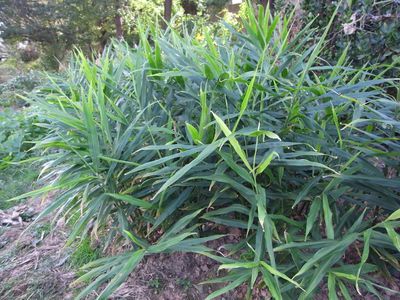 GingerZingiber officinale
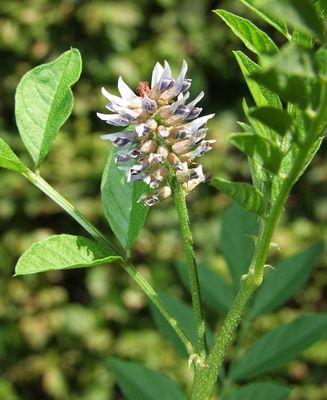 Licorice rootGlycyrrhiza glabra
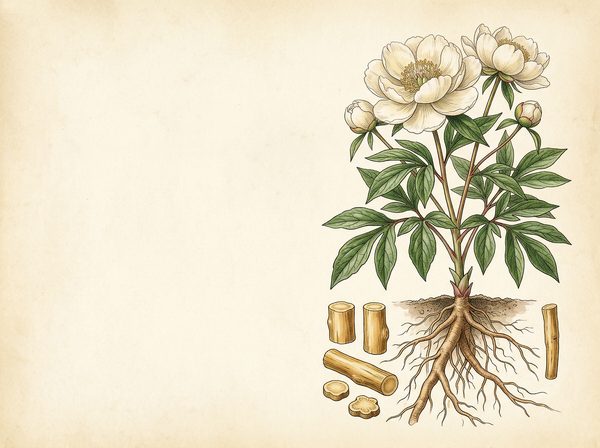 White PeonyPaeonia lactiflora
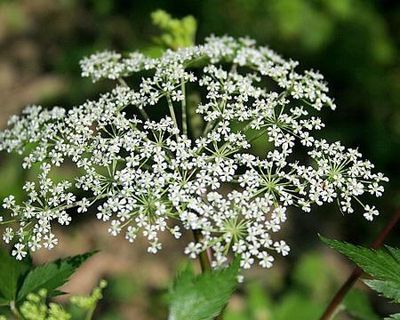 Dong QuaiAngelica sinensis
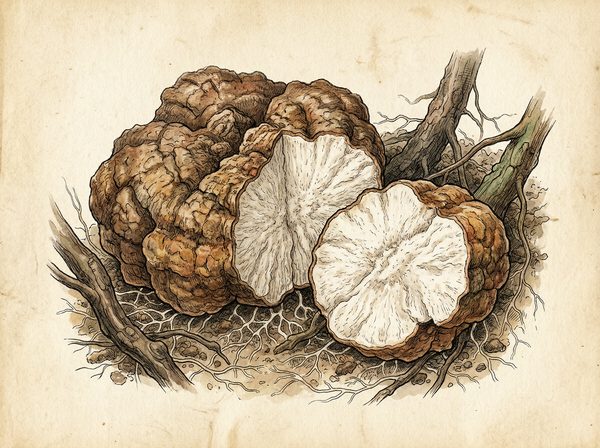 PoriaWolfiporia extensa
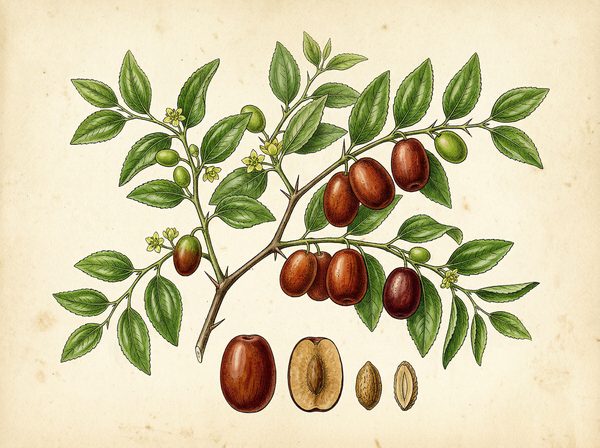 jujubeZiziphus jujuba
Nearby on the shelf
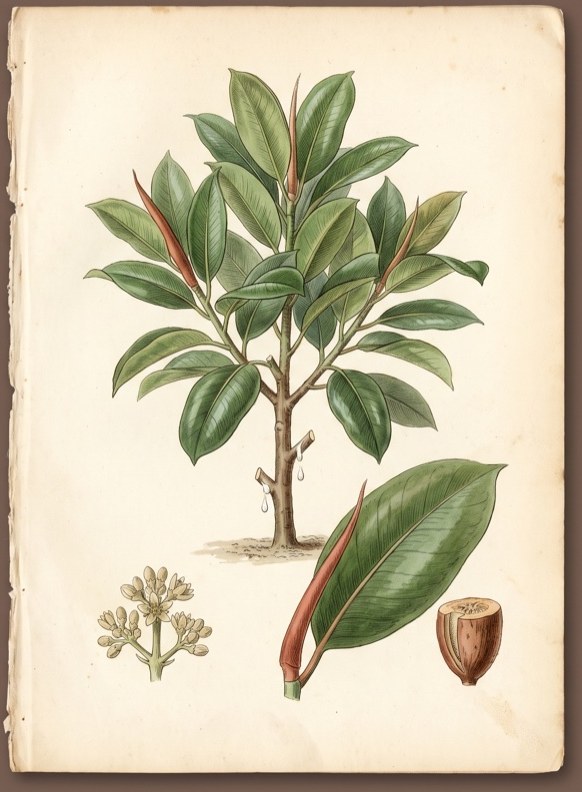 India-RubberElastica
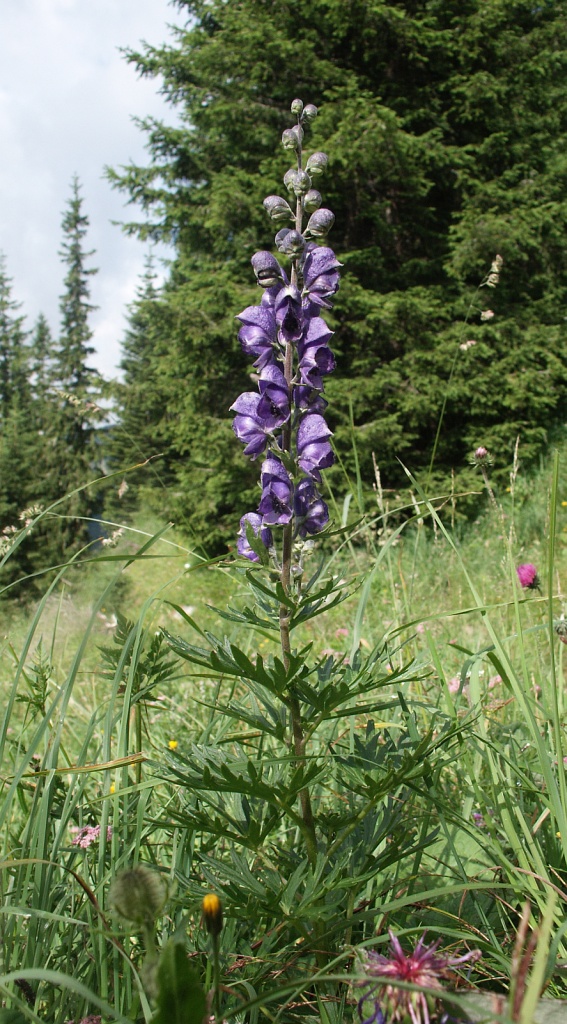 Indian aconiteAconitum ferox
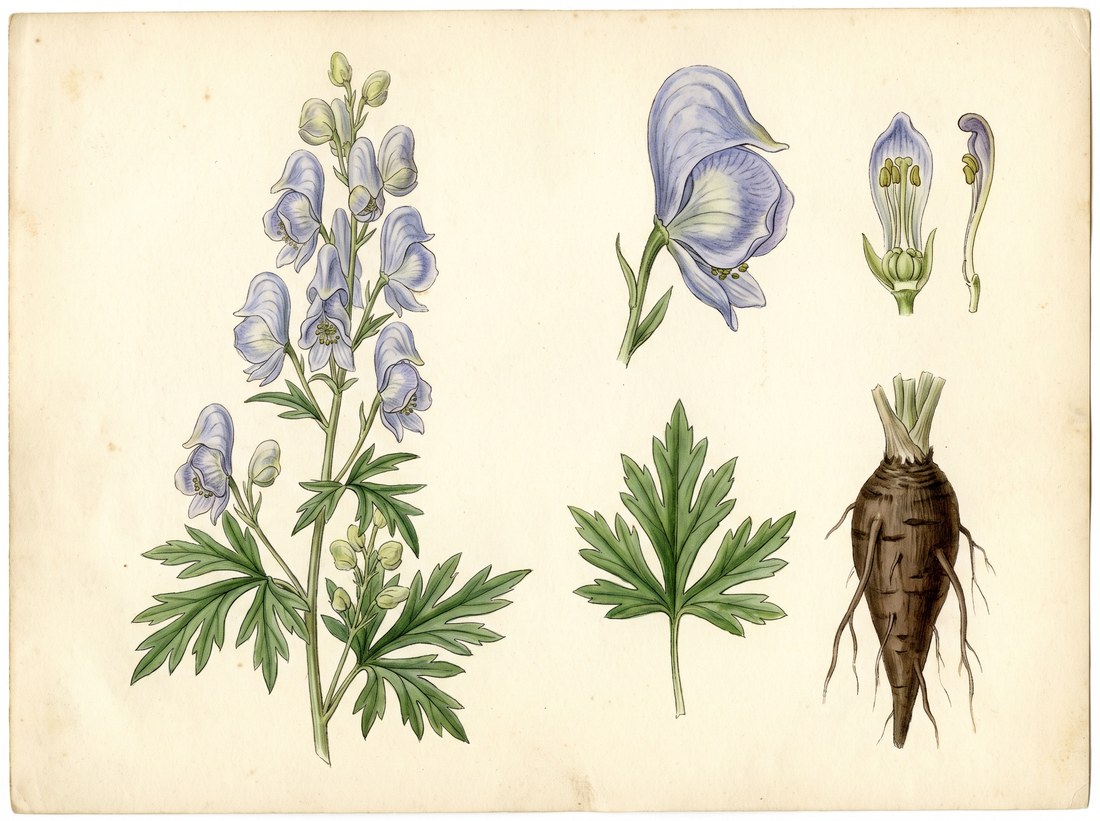 Indian ateesAconitum heterophyllum
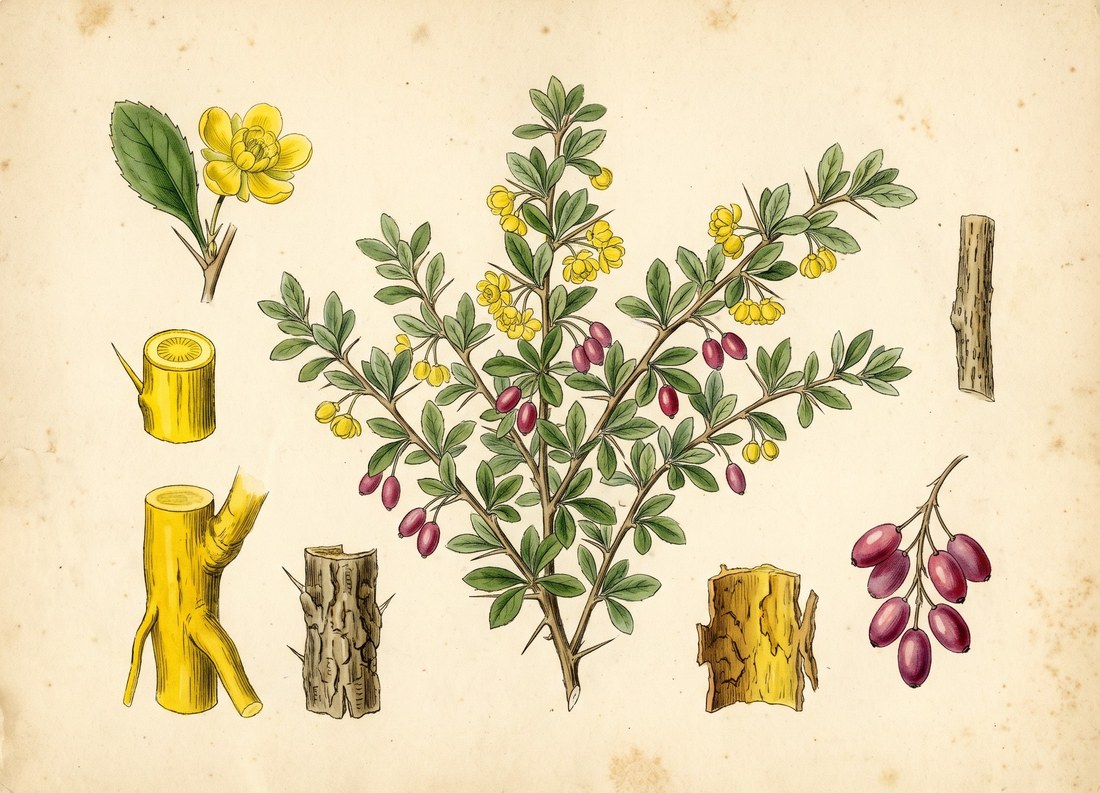 Indian barberryBerberis aristata
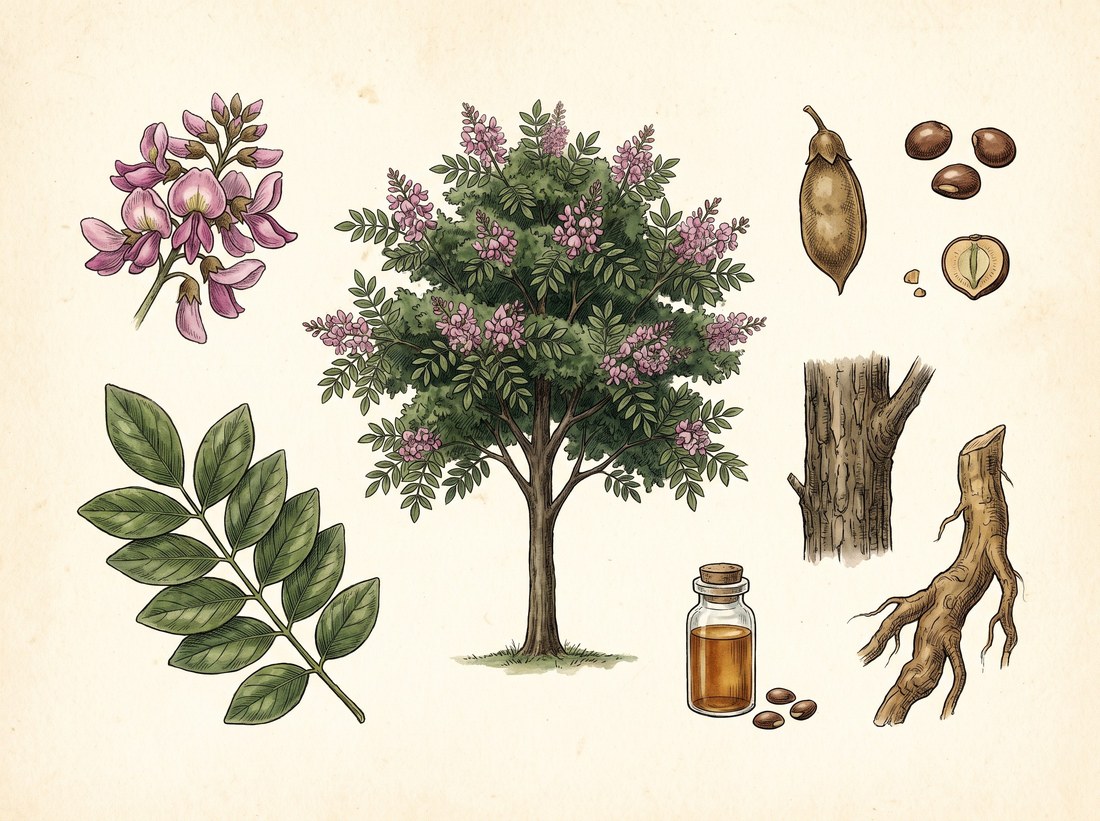 Indian beechPongamia pinnata
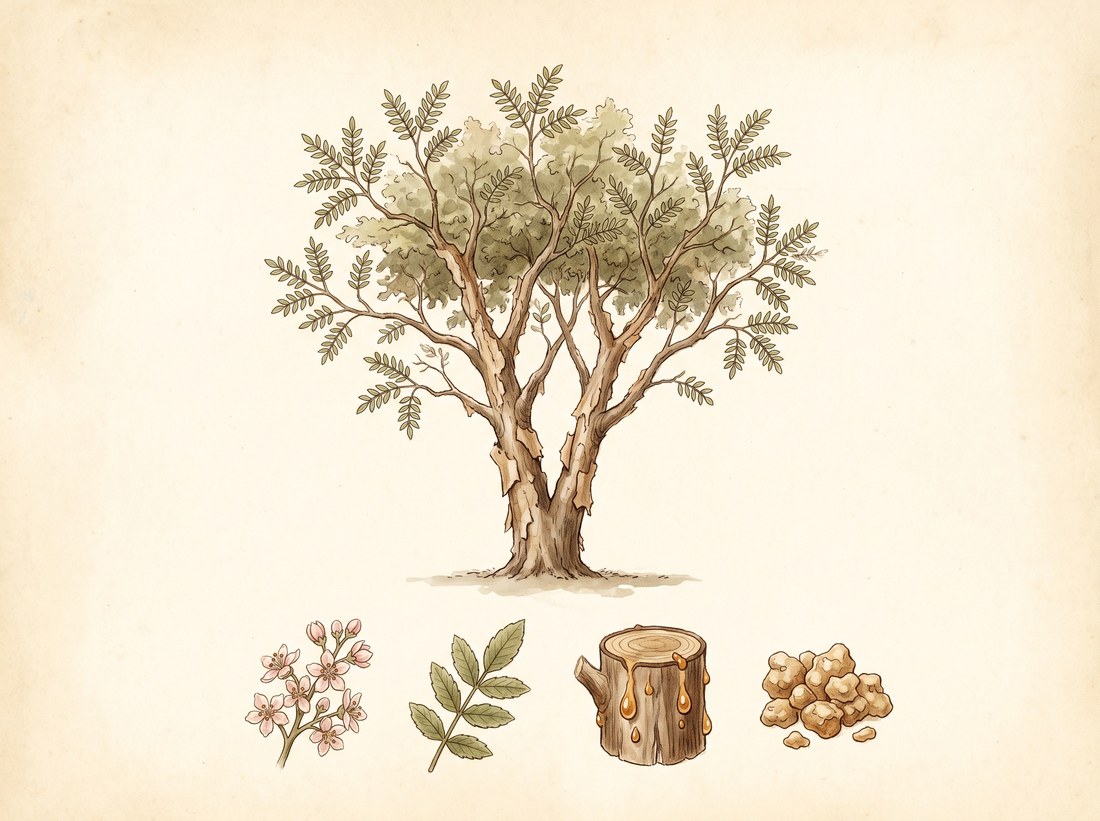 Indian frankincenseBoswellia serrata
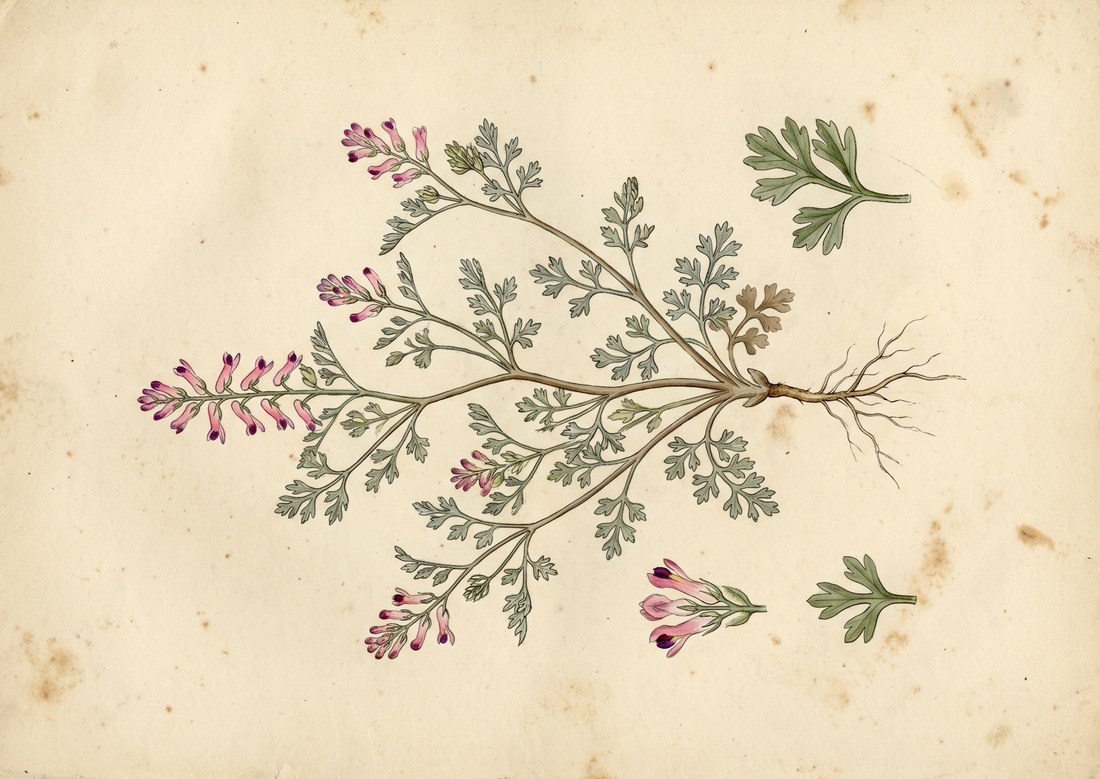 Indian fumitoryFumaria indica
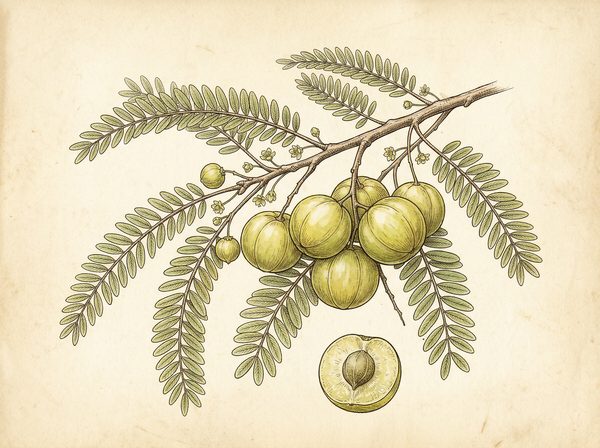 Indian gooseberryPhyllanthus emblica
The whole plate is in the library. The compass, Compare, the Sky of eleven hundred plants and the formulary open with an email address and a password, free, with the formula builder and its safety engine. Herbert without limit, his formulating, clients, the handouts and the labels are the paid room.
Open the library, free