Chinese and Ayurvedic herbalism
Long pepper
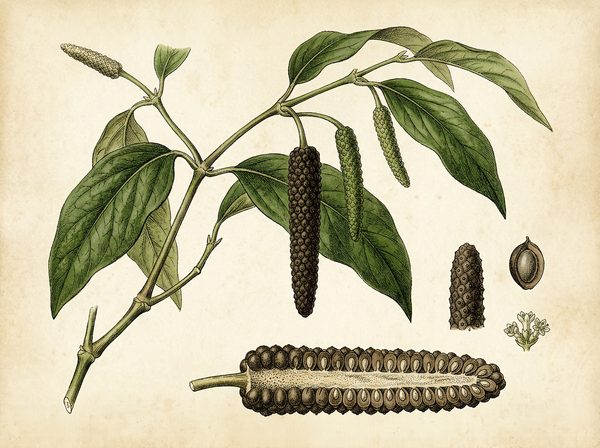
Piper longum
Also known as Indian long pepper, pippali, Pippali, Magadhi, Krishna.
Piper longum is a slender climbing vine of the pepper family native to the hot, humid forests of the Western Ghats, Assam and the eastern Himalayan foothills, and widely cultivated in Kerala, Tamil Nadu and Andhra Pradesh. The dried unripe fruiting spikes, which look like small catkins, are the Pippali of the classical texts: a pungent, mildly heating stimulant of digestion and respiration that stands beside black pepper and ginger in Trikatu. Unusually for a pungent spice its post-digestive effect is sweet, which is why the texts allow it as a rasayana in long courses.

Ask Herbert about Long pepper. Herbert is the master herbalist inside Bountiful Herbs: he answers from this plate and eleven hundred others, with dosing, pairing and cautions. Your first ten questions are free.
Ask HerbertActions
Indications what the tradition reached for it in
- Chronic cough with thick white sputum
- Asthma and wheezing of cold type
- Weak digestion with bloating and heaviness after meals
- Chronic low-grade fever with poor appetite
- Malabsorption and chronic diarrhea with undigested food
- Recurrent respiratory infection in cold, damp constitutions
- Poor absorption of other herbs or nutrients
- Sluggish metabolism with weight gain
- Intestinal parasites (adjunct)
- Convalescence with loss of appetite
- Hemorrhoids with sluggish digestion
- Tuberculosis
- Dyspnea
- Hiccups
- Impotence
- Premature ejaculation
- Sciatica
- Liver disease
- Ascites
- Flatulence
- Intestinal worms
- Fatty liver
- Menstrual disorders
- Infertility
- Post-COVID recovery (vascular, respiratory)
- Arthritis
- Erectile dysfunction
- Bronchitis
- Spleen disorders
- Chronic bronchitis
Specific indications
A cold, heavy patient with a chronic productive cough, thick white mucus and no appetite, worse in damp weather
The kapha type whose digestion has slowed to a crawl, with a coated tongue, bloating after every meal and a tendency to gain weight
A wasted, chronically ill patient whose fever lingers and who cannot absorb what they eat
Any formula for a vata or kapha patient that needs a warming carrier to drive the other herbs deeper
Safety
Pregnancy: Pregnancy Caution
Breastfeeding: Lactation (source flag notSafeInLactation)
The record lists 7 contraindications; open the plate in the library to read them in full.
In practice
Pippali is the Ayurvedic physician's tool for kapha in the chest and cold in the gut. For cough and asthma the powder is licked with honey, or given as Sitopaladi churna with ghee, which opens the airways and thins sputum without the drying harshness of black pepper.
In Ayurveda
Rasa: katu (pungent). Virya: anushna (mildly heating; some texts say ushna for the dried fruit and sheeta for the fresh). Vipaka: madhura (sweet). Guna: laghu (light), snigdha (unctuous), tikshna (sharp). Dosha: pacifies vata and kapha; aggravates pitta when overused. Prabhava: rasayana when taken in the Vardhamana (incremental) method. Karma: deepana (kindles digestion); pachana (digests ama); rasayana (rejuvenative); vrishya (aphrodisiac); kasahara (relieves cough); shvasahara (relieves dyspnea); krimighna (anthelmintic); yogavahi (carries other drugs, enhances their action); medhya (supports intellect); pleehaghna (reduces enlarged spleen). Classical indications: kasa (cough); shvasa (asthma, dyspnea); agnimandya (weak digestion); ajirna (indigestion); jvara (fever, especially chronic); pleeha vriddhi (splenomegaly); udara roga (abdominal diseases); krimi (worms); arsha (hemorrhoids); kshaya (wasting); grahani (malabsorption). The immature dried fruiting spike is the drug of commerce, powdered alone or in Trikatu, decocted in milk (kshirapaka), fermented into Pippalyasava, and given in honey for cough. The root, Pippalimula, is a separate drug that is more heating and used for digestion and vata. Classical formulations: Trikatu churna, Pippalyasava, Sitopaladi churna, Chyawanprash, Vardhamana pippali rasayana, Chitrakadi vati, Dashamularishta, Pippali churna. Described in: Charaka Samhita, Sushruta Samhita, Ashtanga Hridaya, Bhavaprakasha Nighantu, Dhanvantari Nighantu, Raja Nighantu, Sharngadhara Samhita, Ayurvedic Pharmacopoeia of India.
Dosing as the sources wrote it
| Preparation | As written | Metric |
|---|---|---|
| Churna | 0.5-1 g powdered fruit twice daily with honey or warm water | 500-1000 mg |
| Kshirapaka | 50-100 mL milk decoction daily | 50-100 mL |
| Asava | 12-24 mL twice daily after food | 12-24 mL |
| Vardhamana rasayana | 1-3 g fruit powder daily in milk decoction, increased stepwise then tapered over two to three weeks | 1000-3000 mg |
| Trikatu | 0.5-1 g mixed powder before meals | 500-1000 mg |
| Powder/churna | Powder/churna 500-1000 mg 1-3x/day (most common 500 mg 3x/day) | 500-1000 mg |
Doses are reproduced from the sources for practitioners and are not a recommendation for any person.
From the sources
Overview. Piper longum is a slender climbing vine of the pepper family native to the hot, humid forests of the Western Ghats, Assam and the eastern Himalayan foothills, and widely cultivated in Kerala, Tamil Nadu and Andhra Pradesh. The dried unripe fruiting spikes, which look like small catkins, are the Pippali of the classical texts: a pungent, mildly heating stimulant of digestion and respiration that stands beside black pepper and ginger in Trikatu. Unusually for a pungent spice its post-digestive effect is sweet, which is why the texts allow it as a rasayana in long courses.
Clinical Notes. Key herb in Ayurveda (Caraka Samhita) Fruit (unripe dried most active), root used separately (Pippalimoola best for ama, bloating) Used in Trikatu Enhances bioavailability (e.g. of curcumin) Becoming rare in wild Not for daily long-term like ginger/black pepper
Clinical Notes. Pippali is the Ayurvedic physician's tool for kapha in the chest and cold in the gut. For cough and asthma the powder is licked with honey, or given as Sitopaladi churna with ghee, which opens the airways and thins sputum without the drying harshness of black pepper.
primary-actions. Long Pepper acts primarily as: Carminative, Expectorant, Digestive tonic, Stimulant, Bioavailability enhancer. Secondary actions include Anti-inflammatory, Antioxidant, Anthelmintic, Aphrodisiac, Rejuvenative, Hepatoprotective.
In formulas
Long pepper stands in 144 documented formulas in the library, among them Amṛtāriṣta, Ayaskṛti, Aśvagandhādyariṣṭa, Kanakāsava, Kuṭajāriṣta, Khadirāriṣta.
Often paired with
 GingerZingiber officinale
 black pepperPiper nigrum
 cardamomElettaria cardamomum
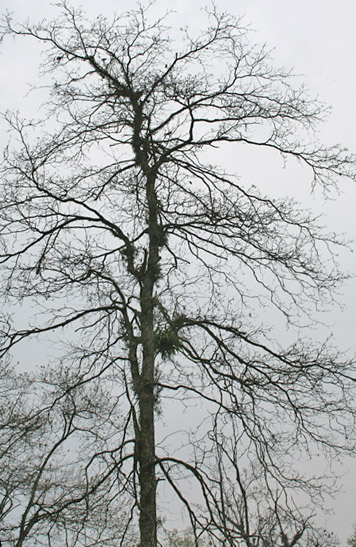 chebulic myrobalanTerminalia chebula
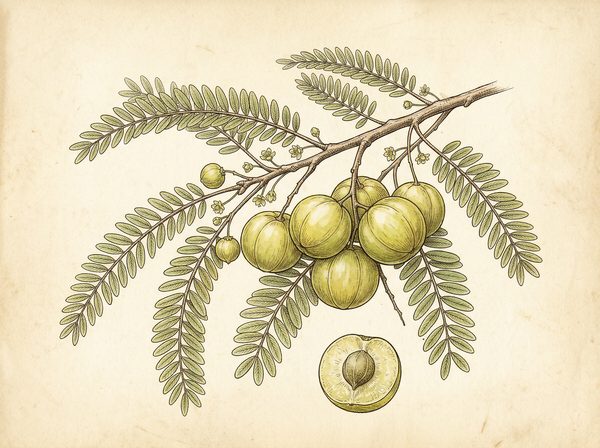 Indian gooseberryPhyllanthus emblica
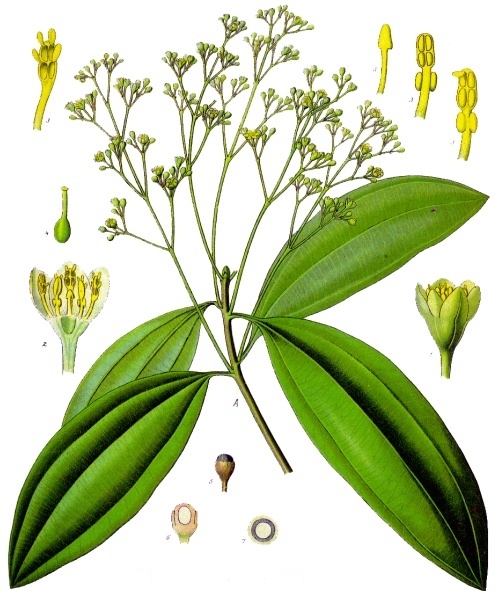 Indian bay leafCinnamomum tamala
Nearby on the shelf
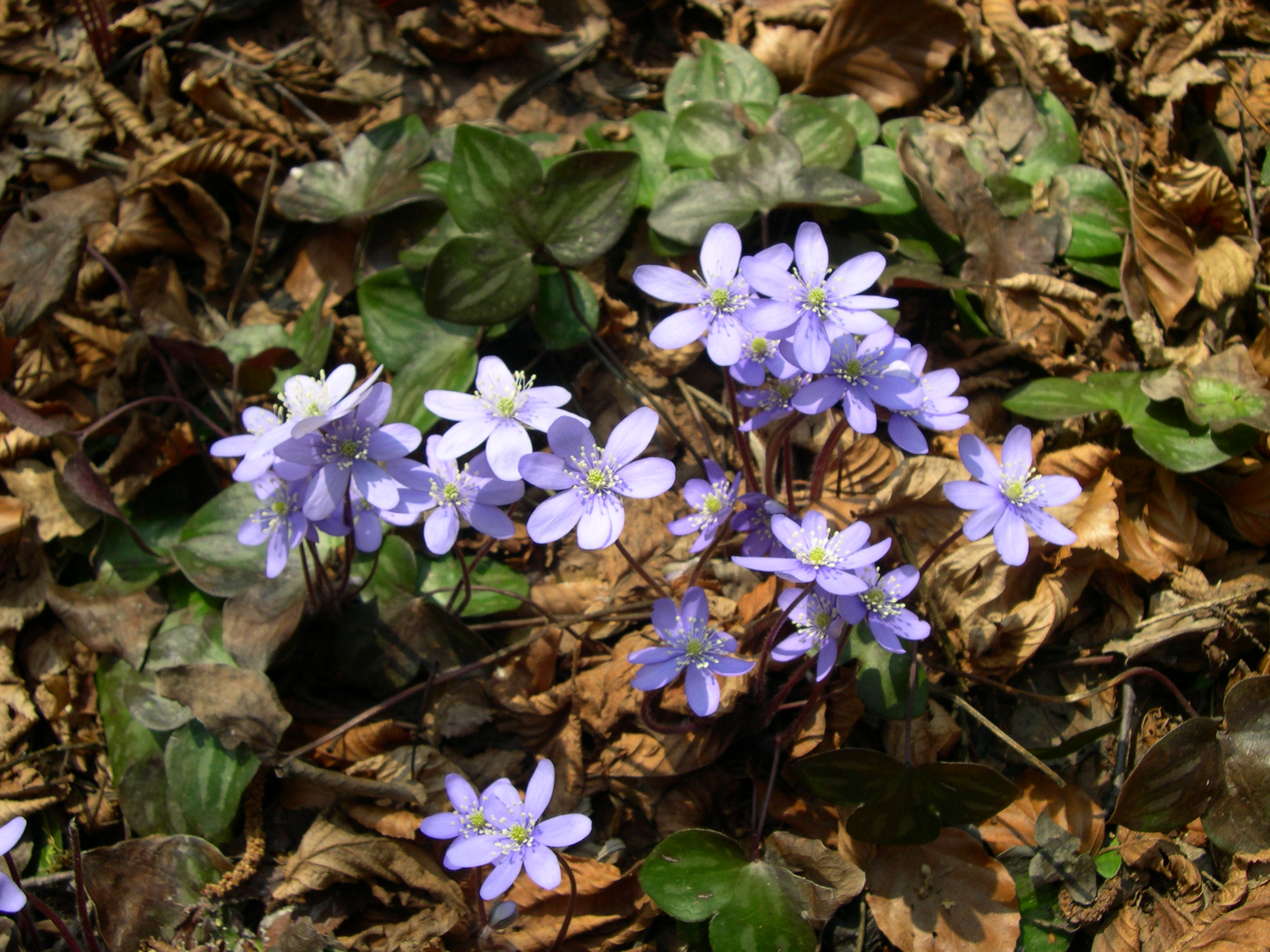 LiverleafHepatica
 LiverwortHepatica triloba
 Lodh treeSymplocos racemosa
 LogwoodHaematoxylon campechianum
 Long-stamen onionAllium macrostemon
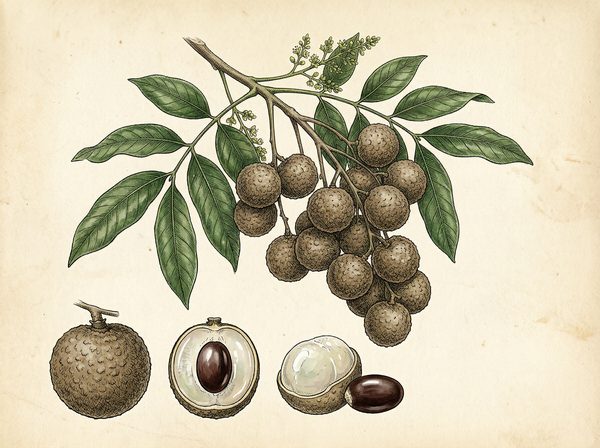 LonganDimocarpus longan
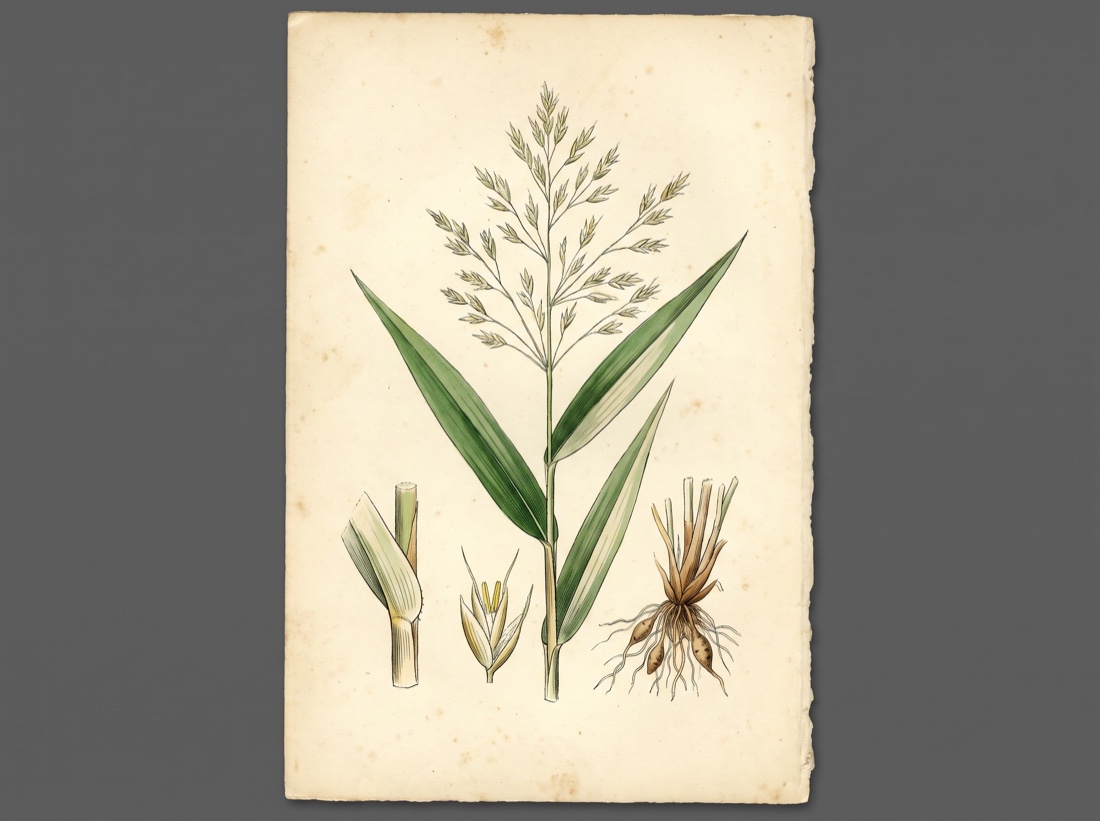 LophatherumLophatherum gracile
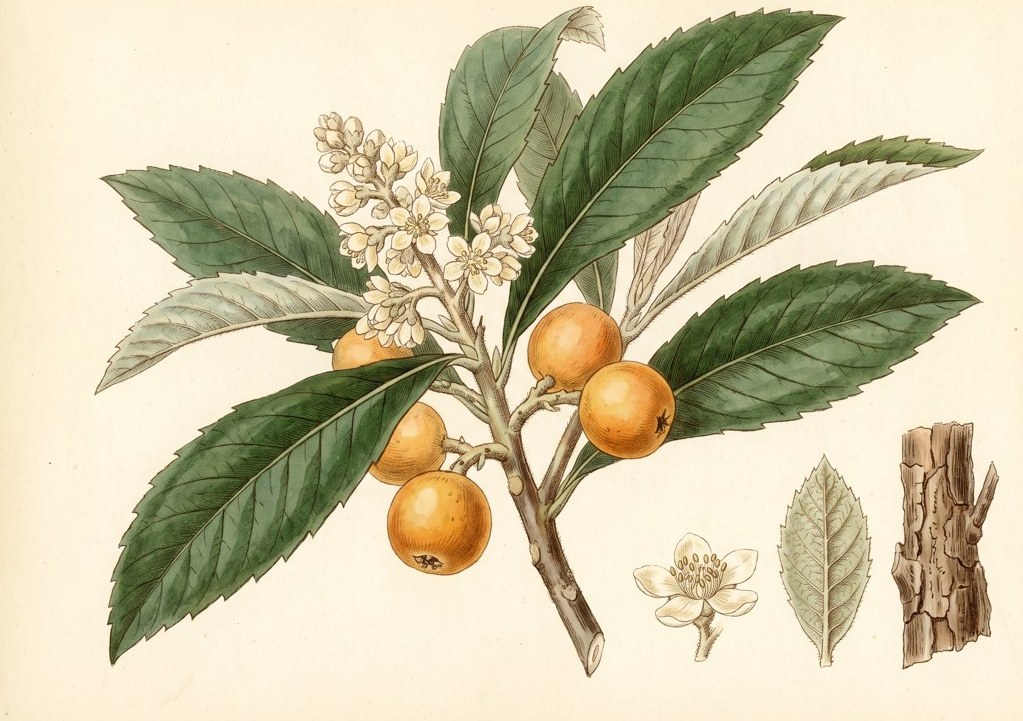 Loquat LeafEriobotrya japonica
The whole plate is in the library. The compass, Compare, the Sky of eleven hundred plants and the formulary open with an email address and a password, free, with the formula builder and its safety engine. Herbert without limit, his formulating, clients, the handouts and the labels are the paid room.
Open the library, free