Chinese and Ayurvedic herbalism
Nut grass
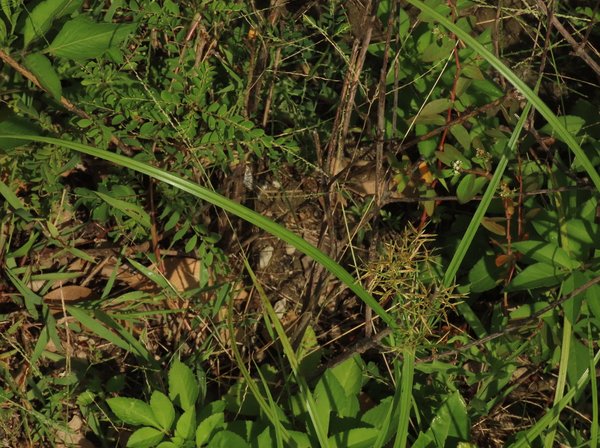
Cyperus rotundus
Also known as purple nutsedge, coco grass, nagarmotha, Xiang Fu, Nut-grass Rhizome, Nutsedge, Cyperus, Musta, Mustaka, Varida.
Cyperus rotundus is a perennial sedge whose creeping rhizomes bear small dark tubers, spreading as a stubborn weed of fields, roadsides and riverbanks throughout India and much of the warm world. Ayurveda dries the tubers as Musta, the classic cooling bitter for the digestive tract: it kindles agni without heating, dries dampness, checks diarrhea and fever, and cleanses the breast milk of a nursing mother. It is also one of the most used herbs in pediatric formulas and in the treatment of menstrual complaints rooted in poor digestion.

Ask Herbert about Nut grass. Herbert is the master herbalist inside Bountiful Herbs: he answers from this plate and eleven hundred others, with dosing, pairing and cautions. Your first ten questions are free.
Ask HerbertActions
Indications what the tradition reached for it in
- Acute and chronic diarrhea with mucus
- Fever with nausea, thirst and loss of appetite
- Infant colic and teething diarrhea (in Balachaturbhadra)
- Irritable bowel with alternating stool and bloating
- Dysmenorrhea and irregular menses with digestive weakness
- Poor appetite after fever or antibiotics
- Obesity with sluggish digestion and water retention
- Itching skin eruptions of damp type
- Breast milk that upsets the infant's digestion (traditional)
- Intestinal parasites (adjunct)
- Low-grade chronic fever of unknown origin (traditional)
- Liver qi stagnation
- Menstrual irregularity and dysmenorrhea
- Premenstrual breast distension
- Epigastric and abdominal pain and bloating
- Hypochondriac distension
- Emotional constraint and depression
- Digestive pain from stress
- Mood swings with the cycle
Specific indications
Loose, frequent stools with mucus and cramping in a patient who is also feverish, thirsty and off their food
A nursing infant with green loose stools and colic whose mother has a heavy, damp digestion
Painful or scanty periods in a woman with a coated tongue, bloating and a tendency to loose bowels
Recovery after a febrile illness when appetite is slow to return and the tongue stays coated
Safety
The record lists 5 contraindications; open the plate in the library to read them in full.
In practice
Musta is the herb an Ayurvedic practitioner chooses when ama and heat sit together in the gut: the fever with loose stools and thirst, the dysentery with mucus, the child with colic and green stools, the patient whose appetite will not return after illness.
In Ayurveda
Rasa: tikta (bitter), katu (pungent), kashaya (astringent). Virya: sheeta (cooling). Vipaka: katu (pungent). Guna: laghu (light), ruksha (dry). Dosha: pacifies kapha and pitta; may aggravate vata in excess or in very dry patients. Karma: deepana (kindles digestion); pachana (digests ama); grahi (absorbent, binds loose stool); jvaraghna (relieves fever); trishnanigrahana (relieves thirst); krimighna (anthelmintic); stanyashodhana (purifies breast milk); lekhana (scraping, reduces fat and mucus); kandughna (relieves itching); shothahara (reduces swelling); artavajanana (regulates menstruation). Classical indications: atisara (diarrhea); pravahika (dysentery); jvara (fever, especially with digestive disturbance); agnimandya (weak digestion); trishna (thirst); krimi (worms); stanyadushti (disordered breast milk); grahani (irritable bowel, malabsorption); kandu (itching); medoroga (obesity); artavakshaya and kashtartava (scanty or painful menses); aruchi (loss of appetite). The dried tuberous rhizome is the drug, used as churna with honey or rice water, as kwatha alone or with Shunthi and Ativisha for diarrhea and fever, as the leading herb of Mustakarishta, and as a paste for itching skin. It is one of the six drugs of Shadangapaniya, the classical fever water. Classical formulations: Mustakarishta, Shadangapaniya, Mustadi kwatha, Amritarishta, Sudarshana churna, Pippalyasava, Balachaturbhadra churna, Ashokarishta. Described in: Charaka Samhita, Sushruta Samhita, Ashtanga Hridaya, Bhavaprakasha Nighantu, Dhanvantari Nighantu, Raja Nighantu, Kaiyadeva Nighantu, Madanapala Nighantu, Ayurvedic Pharmacopoeia of India.
Dosing as the sources wrote it
| Preparation | As written | Metric |
|---|---|---|
| Churna | 3-6 g powdered rhizome daily with honey or warm water | 3000-6000 mg |
| Kwatha | 50-100 mL decoction twice daily | 50-100 mL |
| Arishta (Mustakarishta) | 12-24 mL twice daily after food | 12-24 mL |
| Kalka, topical | 5-10 g paste applied to itching skin | 5000-10000 mg |
| Dried rhizome decoction | Dried rhizome decoction: 6-12 g/day | 6000-12000 mg |
| Tincture (1:5) | Tincture (1:5): 2-4 ml three times daily | 2-4 mL |
Doses are reproduced from the sources for practitioners and are not a recommendation for any person.
From the sources
Overview. Cyperus rotundus is a perennial sedge whose creeping rhizomes bear small dark tubers, spreading as a stubborn weed of fields, roadsides and riverbanks throughout India and much of the warm world. Ayurveda dries the tubers as Musta, the classic cooling bitter for the digestive tract: it kindles agni without heating, dries dampness, checks diarrhea and fever, and cleanses the breast milk of a nursing mother. It is also one of the most used herbs in pediatric formulas and in the treatment of menstrual complaints rooted in poor digestion.
Clinical Notes. Musta is the herb an Ayurvedic practitioner chooses when ama and heat sit together in the gut: the fever with loose stools and thirst, the dysentery with mucus, the child with colic and green stools, the patient whose appetite will not return after illness.
primary-actions. Xiang Fu acts primarily as: Qi-regulating, Analgesic, Antispasmodic, Anti-inflammatory, Estrogen-modulating, Antipyretic, Antimicrobial. Secondary actions include Spread and regulate Liver qi, Regulate menstruation, Relieve pain, Resolve constraint.
indications. Xiang Fu is traditionally indicated for: Liver qi stagnation, Menstrual irregularity and dysmenorrhea, Premenstrual breast distension, Epigastric and abdominal pain and bloating, Hypochondriac distension, Emotional constraint and depression, Digestive pain from stress, Mood swings with the cycle.
In formulas
Nut grass stands in 200 documented formulas in the library, among them Amṛtāriṣta, Aravindāsava, Aśokāriṣta, Aśvagandhādyariṣṭa, Ahiphenāsava, Karpūrāsava.
Often paired with
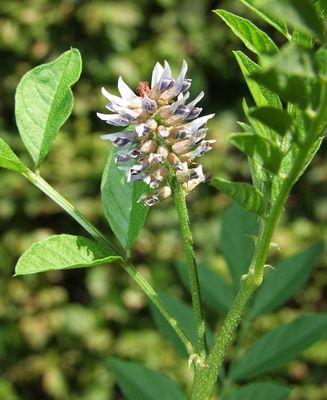 Licorice rootGlycyrrhiza glabra
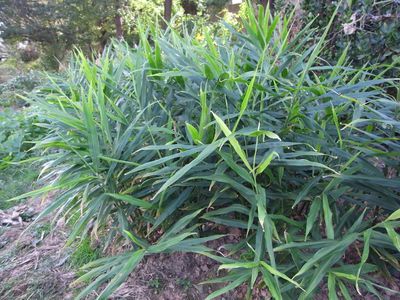 GingerZingiber officinale
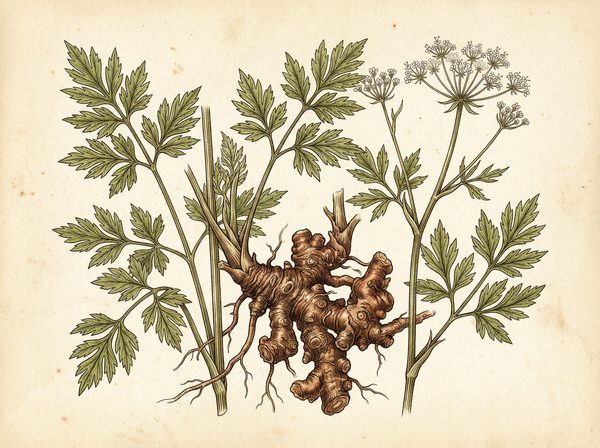 Sichuan Lovage RhizomeLigusticum chuanxiong
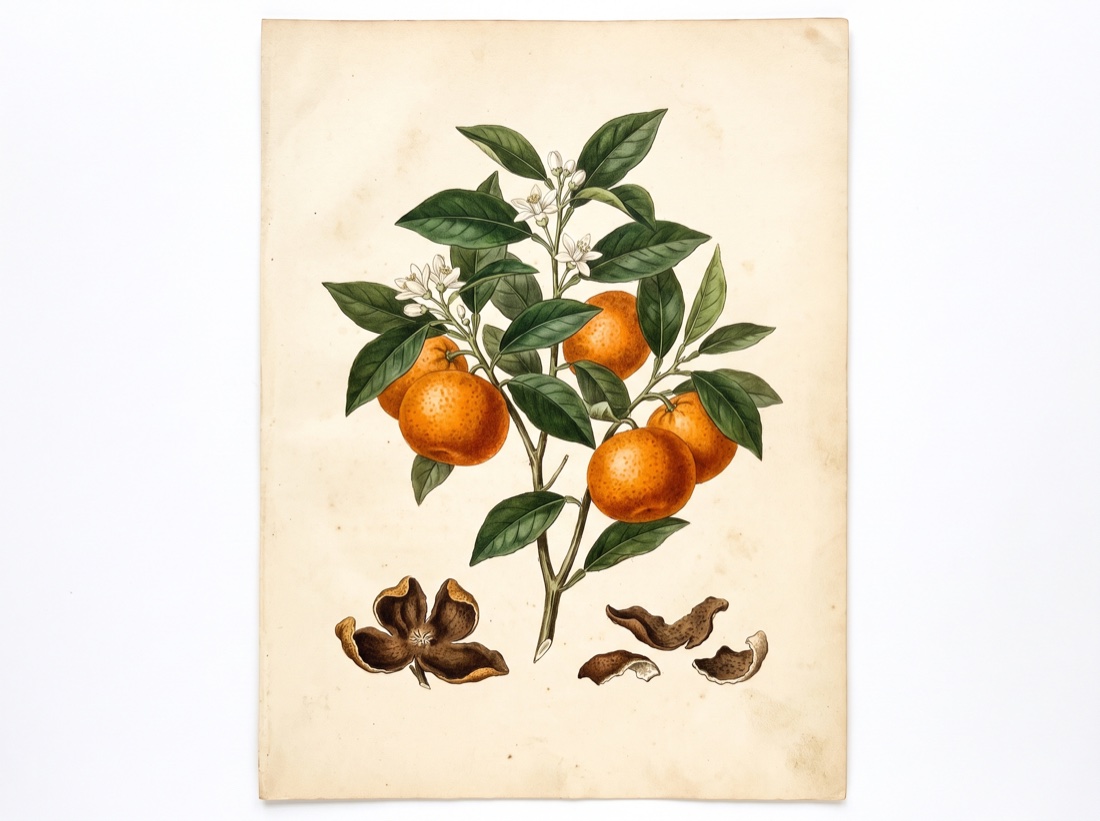 tangerineCitrus reticulata
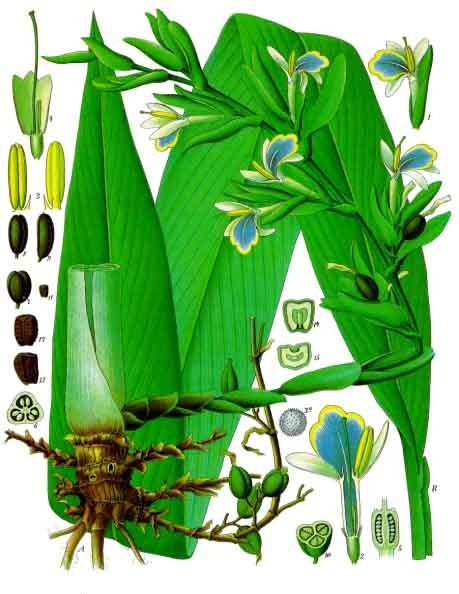 cardamomElettaria cardamomum
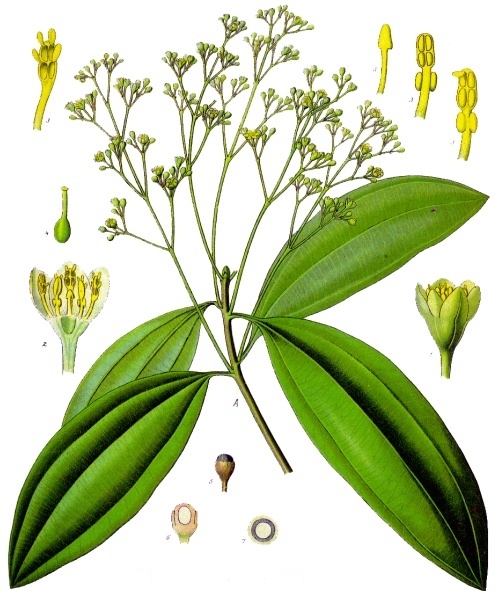 Indian bay leafCinnamomum tamala
Nearby on the shelf
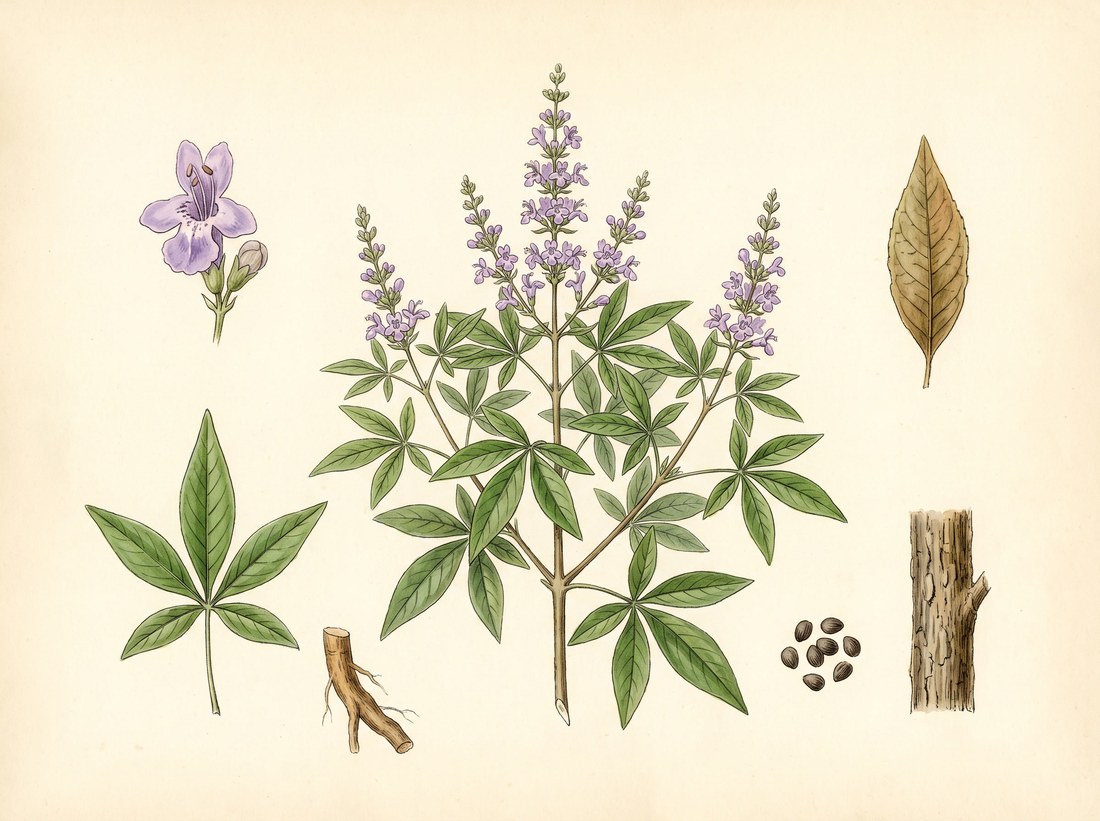 NirgundiVitex negundo
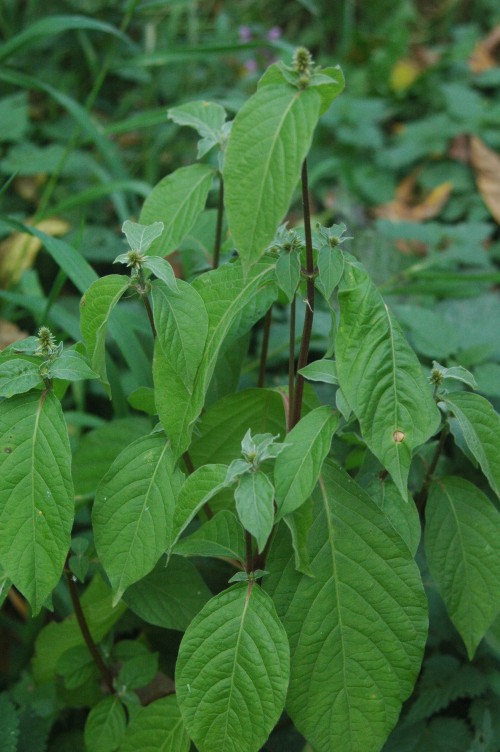 Niu XiAchyranthes bidentata
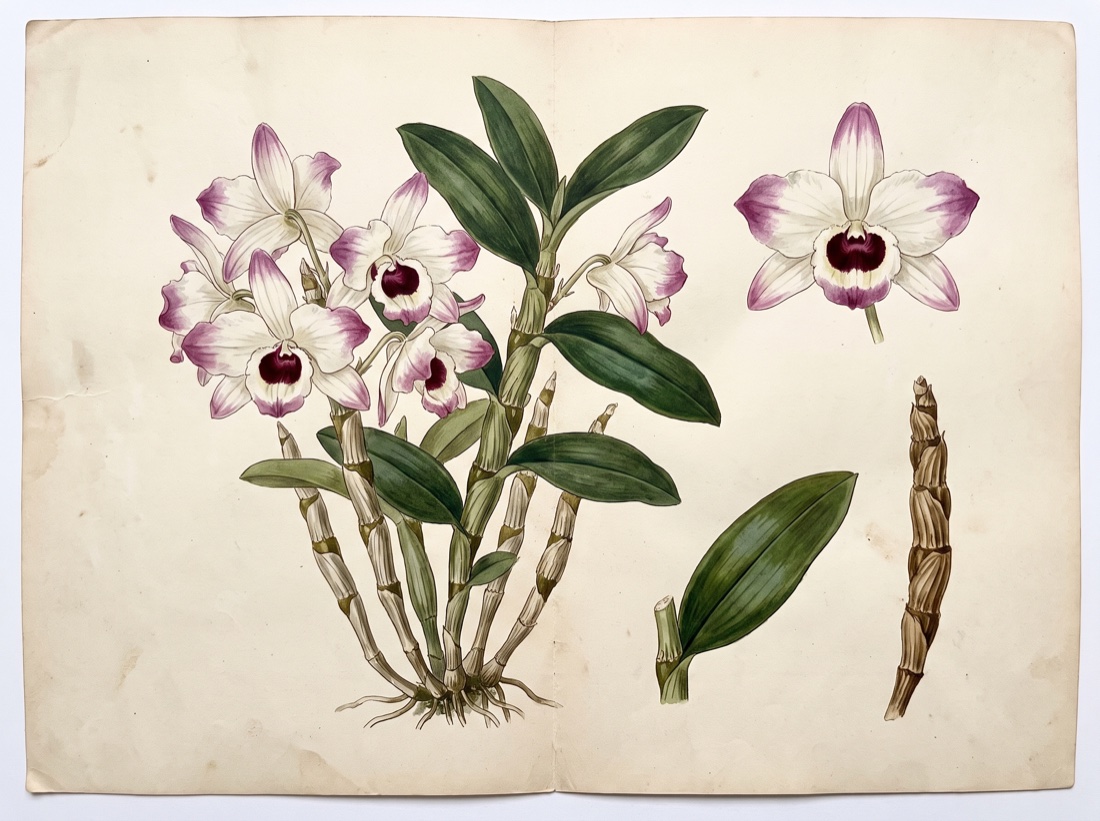 Noble dendrobiumDendrobium nobile
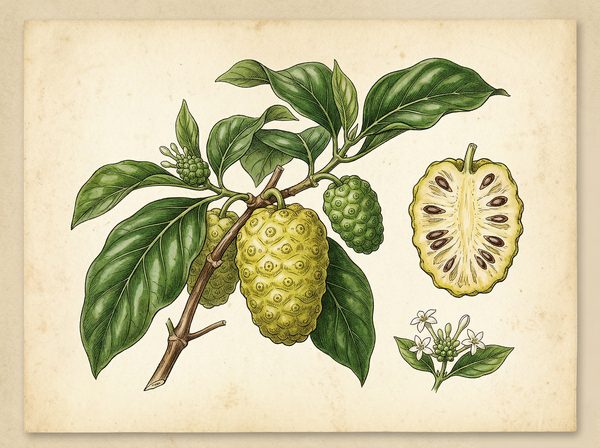 NoniMorinda citrifolia
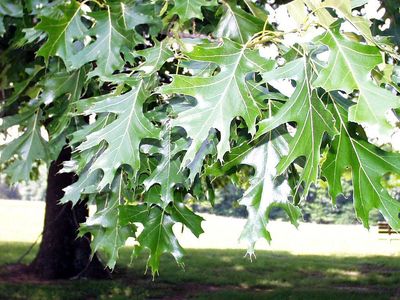 NutgallGalla
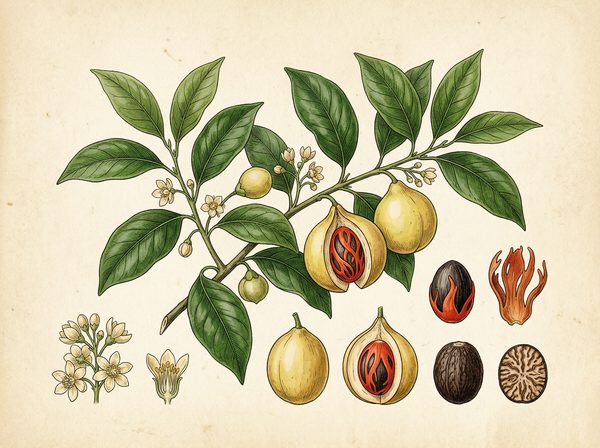 NutmegMyristica fragrans
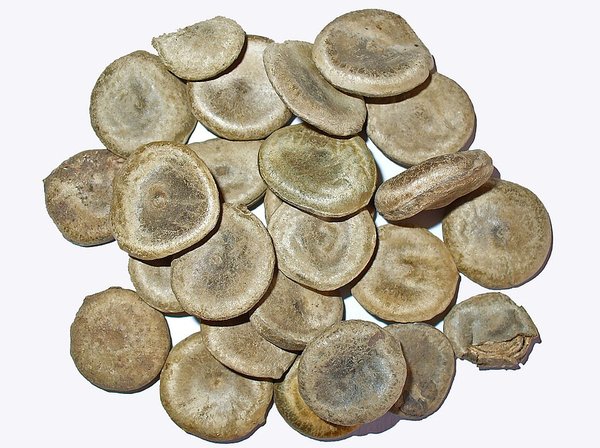 Nux VomicaStrychnos nux-vomica
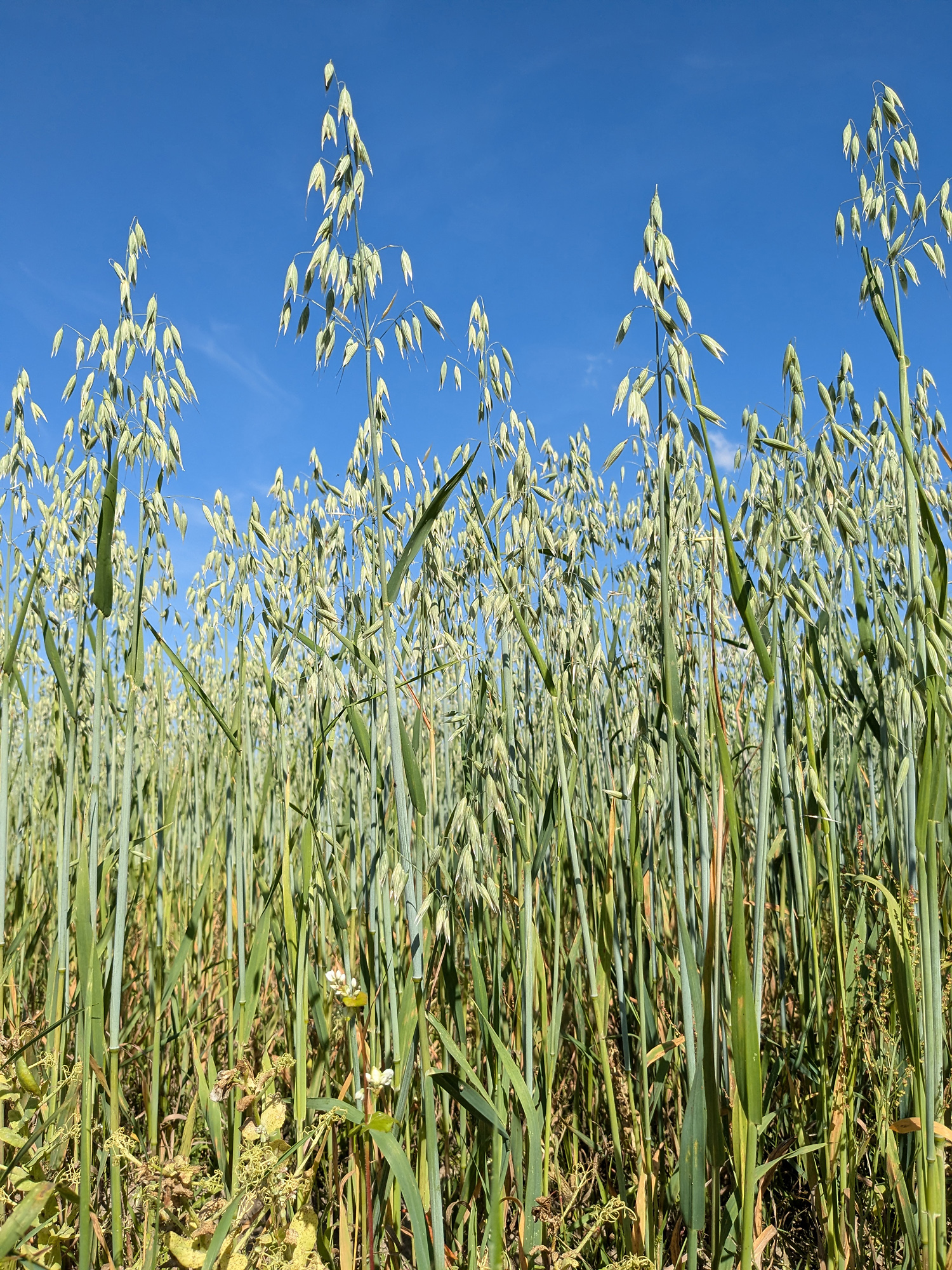 OatAvena sativa
The whole plate is in the library. The compass, Compare, the Sky of eleven hundred plants and the formulary open with an email address and a password, free, with the formula builder and its safety engine. Herbert without limit, his formulating, clients, the handouts and the labels are the paid room.
Open the library, free