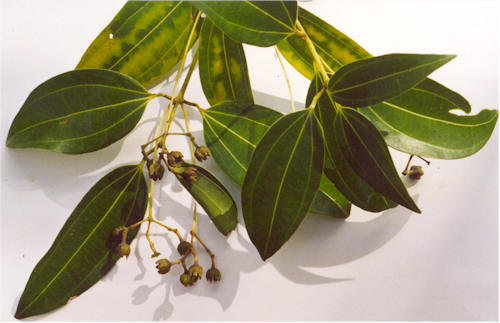
Western and Ayurvedic herbalism
Ceylon cinnamon
Cinnamomum zeylanicum
Also known as true cinnamon, cinnamon bark, Sri Lankan cinnamon, Saigon Cassia, Batavia Cinnamon, Padang-Cassia, Panang Cinnamon, Chinese cinnamon, Twak, Tvak, Darusita.
Cinnamomum zeylanicum, accepted today as Cinnamomum verum, is a small evergreen tree of the laurel family native to the wet lowlands of Sri Lanka and the Western Ghats of Kerala and Karnataka, where the bark of coppiced shoots is peeled, scraped and dried into thin fragrant quills. Ayurveda calls the bark Twak and uses it as a warming aromatic that kindles digestion, clears the throat and chest, and carries other herbs deeper into the tissues; with cardamom and Tamalapatra leaf it forms Trijataka, the trio sprinkled over countless decoctions and fermented preparations. True cinnamon is milder, sweeter and much lower in coumarin than the cassia bark that dominates the world spice trade.

Ask Herbert about Ceylon cinnamon. Herbert is the master herbalist inside Bountiful Herbs: he answers from this plate and eleven hundred others, with dosing, pairing and cautions. Your first ten questions are free.
Ask HerbertActions
Indications what the tradition reached for it in
- Weak digestion with bloating, gas and poor appetite
- Type 2 diabetes and insulin resistance (adjunct)
- Metabolic syndrome with dyslipidemia
- Cold, damp coughs and chest congestion
- Head cold with runny nose and chilliness
- Nausea and vomiting of cold type
- Loose stools of cold, watery type
- Dysmenorrhea with cramping and clots
- Poor peripheral circulation with cold hands and feet
- Halitosis, gingivitis and toothache (local)
- Candida overgrowth and dysbiosis (adjunct)
- Polycystic ovary syndrome with insulin resistance (adjunct)
- Anorexia
- Intestinal colic
- Infantile diarrhoea
- Common cold
- Influenza
- Specifically for flatulent colic
- Dyspepsia with nausea
- Loss of appetite
- Spastic colon
- Diabetes
- Diarrhea
- Diarrhea (bloody)
- Nausea
- Gas/bloating
- Post-partum hemorrhage
- Hemoptysis
- Menorrhagia
- Vomiting
Specific indications
A chilly, sluggish, overweight patient with insulin resistance who feels heavy and foggy after carbohydrate meals and has a pale, coated tongue
The person with a cold that has settled into the chest with loose white mucus, shivering and no appetite
Cramping period pain relieved by heat, with clots and a cold lower abdomen
Gas and bloating after meals in a kapha or vata patient whose digestion is cold rather than acid
Passive hemorrhages.
Cold, doughy abdomen with gas and cramping that improves with warmth and gentle pressure
Safety
Pregnancy: Not for use in pregnancy
Breastfeeding: Culinary and small medicinal amounts are compatible with nursing and traditionally used for maternal digestion; avoid essential oil internally.
The record lists 8 contraindications; open the plate in the library to read them in full.
In practice
The Ayurvedic physician uses Twak in small quantities and often in company. As a deepana pachana it goes with Shunthi, Ela and Pippali for weak, cold digestion; in Sitopaladi churna it warms and moves the cough of a kapha chest while sugar and Vamshalochana soothe it; in Trijataka it sweetens and warms the taste of bitter decoctions and helps them reach the tissues.
In Ayurveda
Rasa: katu (pungent), madhura (sweet), tikta (bitter). Virya: ushna (heating). Vipaka: katu (pungent). Guna: laghu (light), ruksha (dry), tikshna (sharp). Dosha: pacifies kapha and vata; aggravates pitta in excess. Karma: deepana (kindles digestion); pachana (digestive); kanthya (benefits throat and voice); mukhashodhana (cleanses the mouth); hridya (cardiotonic); krimighna (anthelmintic); vatanulomana (regulates downward vata); shukrala (increases semen); mutrala (diuretic); rochana (improves taste); kaphahara (reduces kapha); vedanasthapana (relieves pain). Classical indications: agnimandya (weak digestion); aruchi (loss of taste); kasa (cough); shvasa (dyspnea); pratishyaya (rhinitis); hridroga (heart disease); mukharoga (mouth disease); dantashula (toothache); atisara (diarrhea); chardi (vomiting); shirahshula (headache); prameha (urinary disorders including diabetes); arsha (hemorrhoids); krimi (parasites). The dried inner bark, rolled into quills, is the drug, given as churna with honey, as one of the aromatic prakshepa (sprinkled) spices in decoctions and arishtas, in the Trijataka and Chaturjata spice groups, and as a mouth freshener. The bark and leaf oils are used externally and in small amounts for toothache. Classical formulations: Sitopaladi churna, Trijataka churna, Chaturjata churna, Eladi churna, Chandraprabha vati, Dashamoolarishta (as prakshepa), Mahanarayana taila, Lavangadi vati, Talisadi churna. Described in: Charaka Samhita, Sushruta Samhita, Ashtanga Hridaya, Bhavaprakasha Nighantu, Dhanvantari Nighantu, Raja Nighantu, Kaiyadeva Nighantu, Sharngadhara Samhita, Ayurvedic Pharmacopoeia of India.
Dosing as the sources wrote it
| Preparation | As written | Metric |
|---|---|---|
| Churna | 1-3 g powdered bark daily with honey or warm water | 1000-3000 mg |
| Kwatha | 50-100 mL decoction twice daily | 50-100 mL |
| Phanta (hot infusion) | 100-150 mL infusion of 1-2 g bark twice daily | 100-150 mL |
| Standardized water extract | 250-500 mg extract twice daily with meals | 250-500 mg |
| Bark oil, topical | 1-2 drops diluted in 5 mL carrier oil applied locally | 0.02-0.04 mL |
| Dried bark 0.5-1.0 g as an infusion three times daily | 500-1000 mg |
Doses are reproduced from the sources for practitioners and are not a recommendation for any person.
From the sources
Overview. Cinnamomum zeylanicum, accepted today as Cinnamomum verum, is a small evergreen tree of the laurel family native to the wet lowlands of Sri Lanka and the Western Ghats of Kerala and Karnataka, where the bark of coppiced shoots is peeled, scraped and dried into thin fragrant quills. Ayurveda calls the bark Twak and uses it as a warming aromatic that kindles digestion, clears the throat and chest, and carries other herbs deeper into the tissues; with cardamom and Tamalapatra leaf it forms Trijataka, the trio sprinkled over countless decoctions and fermented preparations. True cinnamon is milder, sweeter and much lower in coumarin than the cassia bark that dominates the world spice trade.
Overview. Cinnamon is the dried inner bark of a small evergreen tree native to Sri Lanka and southern India, long cultivated across South and Southeast Asia. The plant was originally grouped with the true laurels under the genus Laurus before being reclassified into its own genus within the Lauraceae. In the physiomedicalist tradition it was valued chiefly as a warming, relaxant-to-stimulant tonic for the digestive tract, used to counter coldness and atony of tissue rather than to treat acute inflammation.
Clinical Notes. Inner bark used TCM=will tonify kidney yang, dispel cold, warm the spleen, relieve pain & enhance movement of qi & yang, warm middle jiao, treat cold digestive disorders, dispel gas, infuse warmth, dispel blood stagnation, promote blood circulation
Clinical Notes. The Ayurvedic physician uses Twak in small quantities and often in company. As a deepana pachana it goes with Shunthi, Ela and Pippali for weak, cold digestion; in Sitopaladi churna it warms and moves the cough of a kapha chest while sugar and Vamshalochana soothe it; in Trijataka it sweetens and warms the taste of bitter decoctions and helps them reach the tissues.
Drawn from Cook's Physio-Medical Dispensatory; Scudder's Specific Medication and Specific Medicines; King's American Dispensatory, 18th edition (Felter and Lloyd); Ellingwood's American Materia Medica, Therapeutics and Pharmacognosy, and the Bountiful Herbs editorial.
In formulas
Ceylon cinnamon stands in 182 documented formulas in the library, among them Blood Sugar Support Formula, Syrupus Rhei Et Potassae Compositus, Tinctura Cardamomi Composita, sháo yào tāng, ju yuán jiān, guò gi yin.
Often paired with
 GingerZingiber officinale
 cardamomElettaria cardamomum
 Indian bay leafCinnamomum tamala
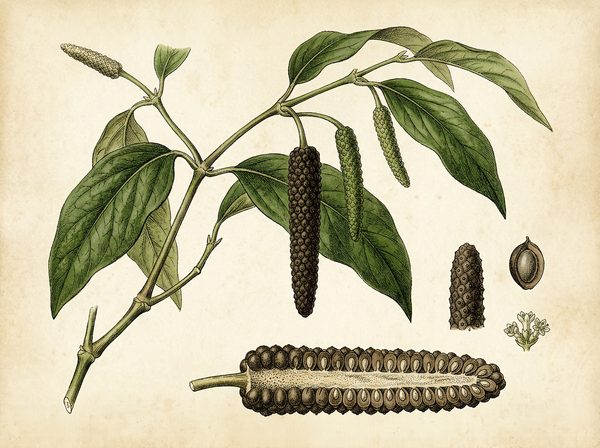 long pepperPiper longum
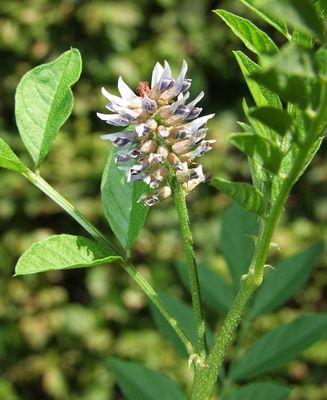 Licorice rootGlycyrrhiza glabra
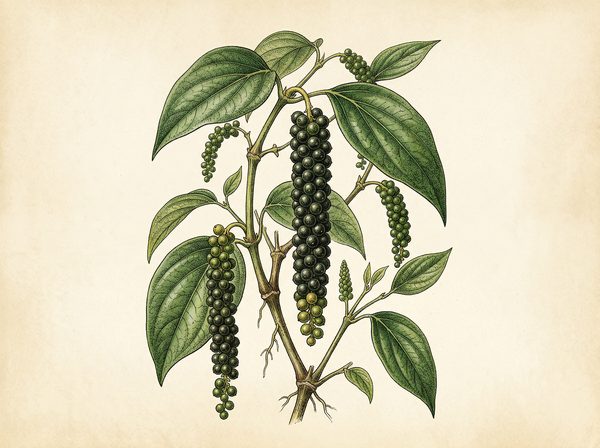 black pepperPiper nigrum
Nearby on the shelf
 CeleryApium graveolens
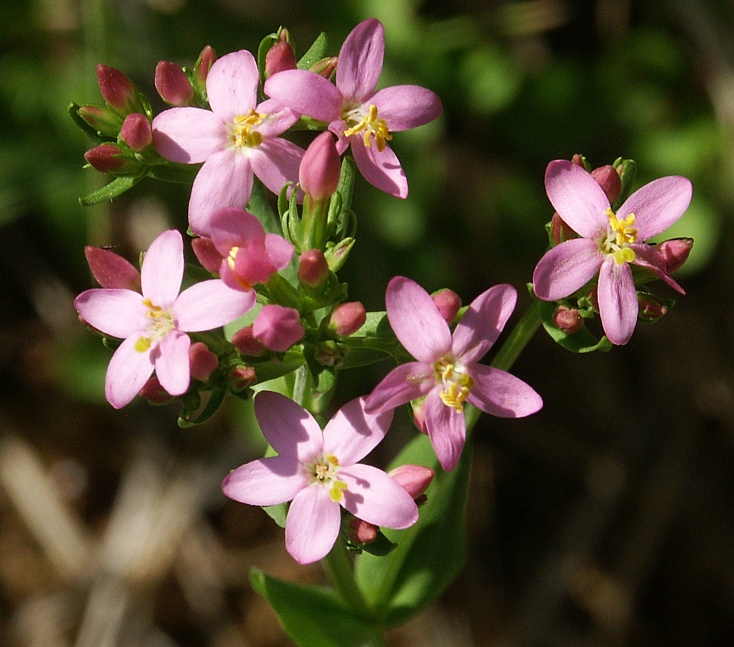 CentauryCentaurium erythraea
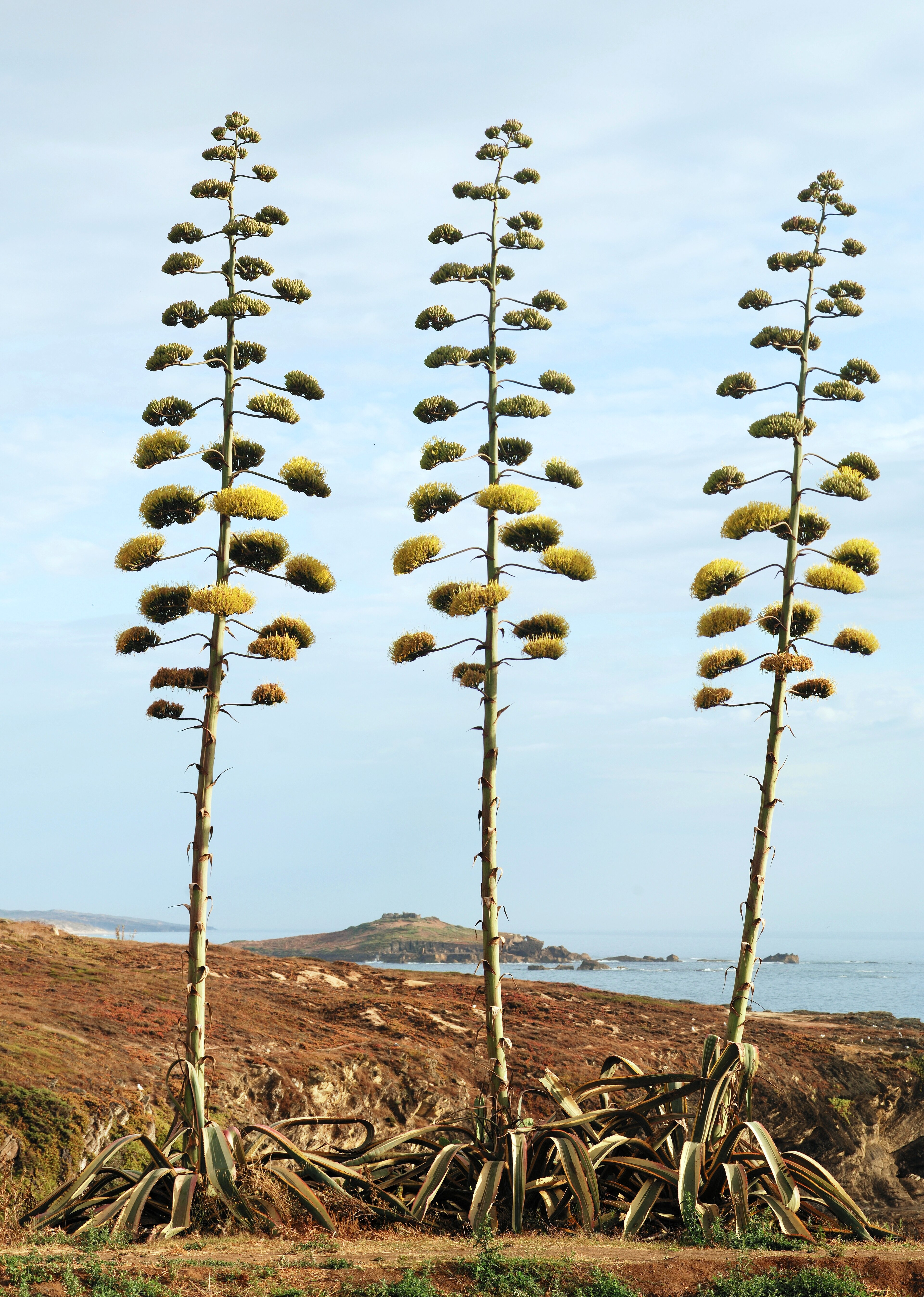 Century PlantAgave americana
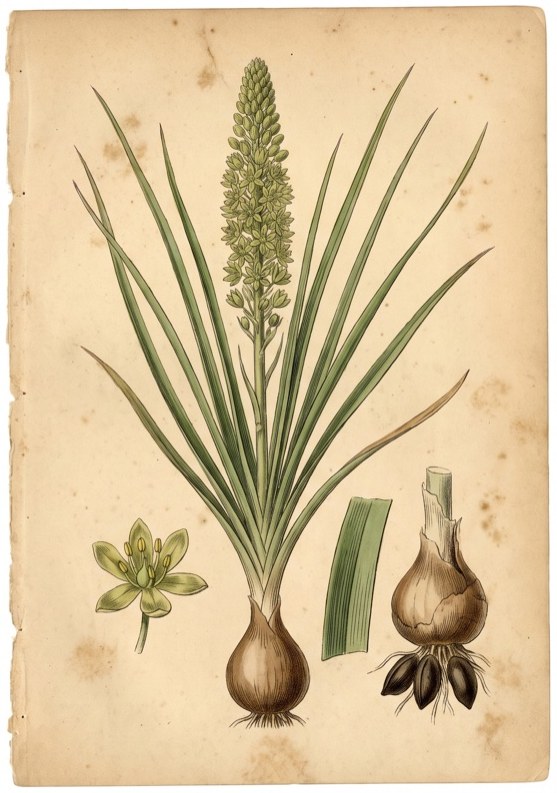 CevadillaSabadilla
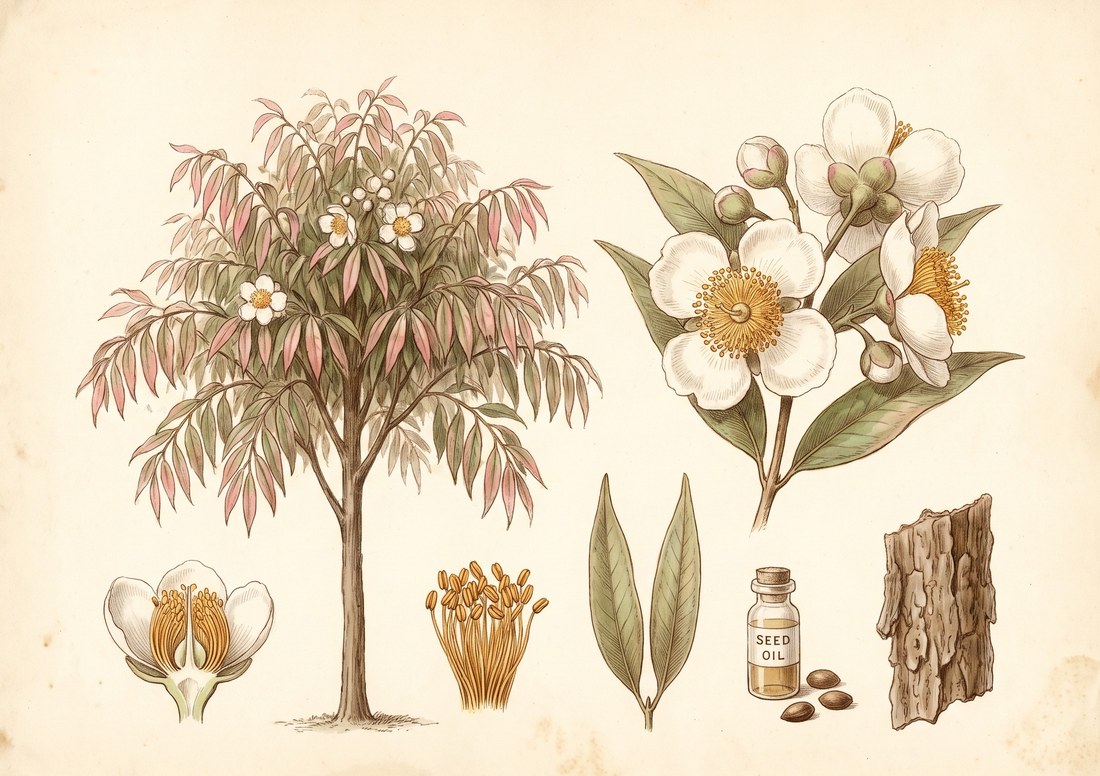 Ceylon ironwoodMesua ferrea
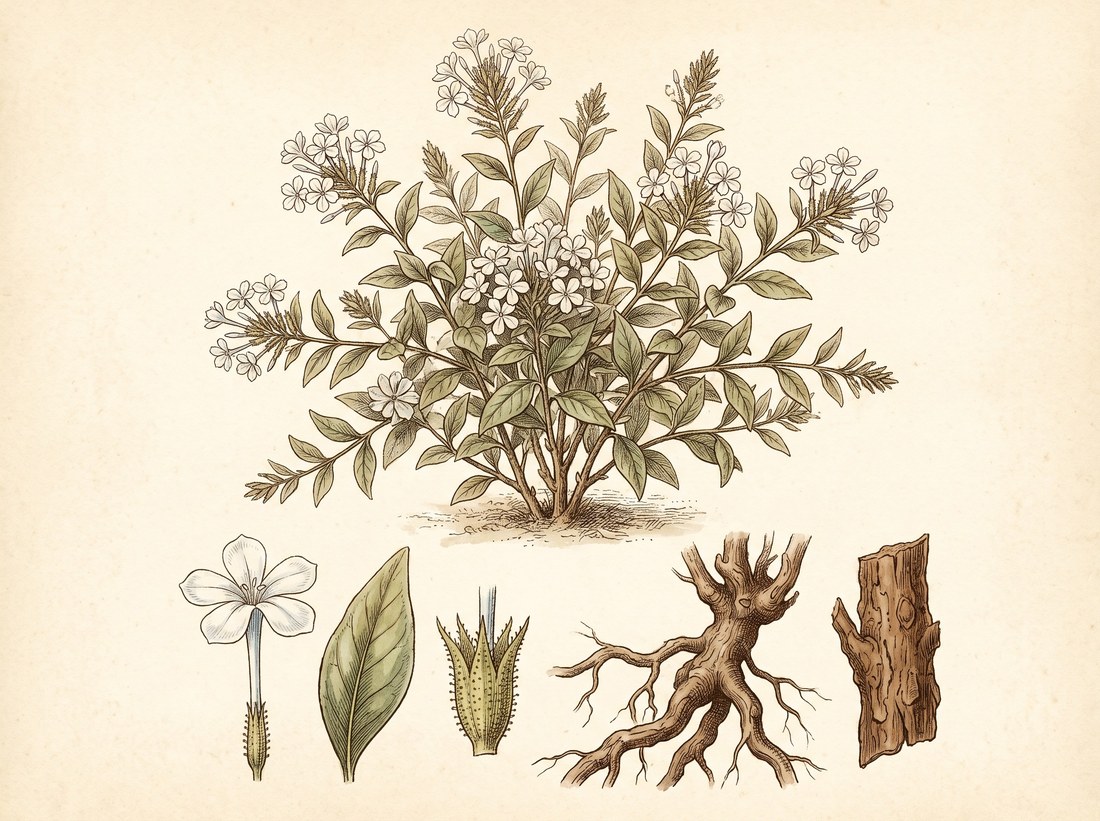 Ceylon leadwortPlumbago zeylanica
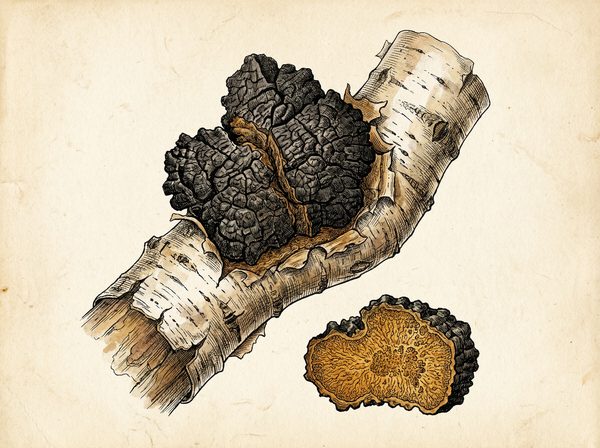 ChagaInonotus obliquus
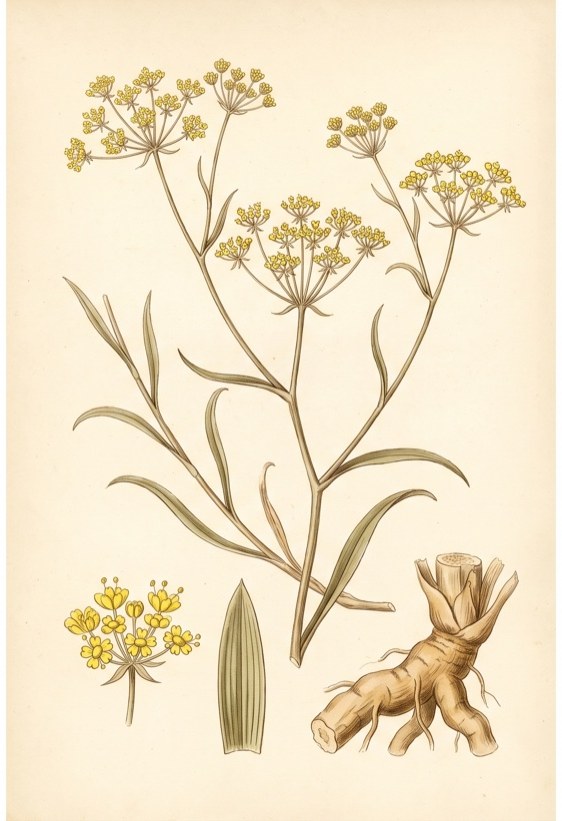 Chai HuBupleurum falcatum
The whole plate is in the library. The compass, Compare, the Sky of eleven hundred plants and the formulary open with an email address and a password, free, with the formula builder and its safety engine. Herbert without limit, his formulating, clients, the handouts and the labels are the paid room.
Open the library, free