Ayurvedic Herbalism
Indian kudzu
Pueraria tuberosa
Also known as vidarikand, vidari, tuberous kudzu, Vidari, Vidarikanda, Ikshugandha.
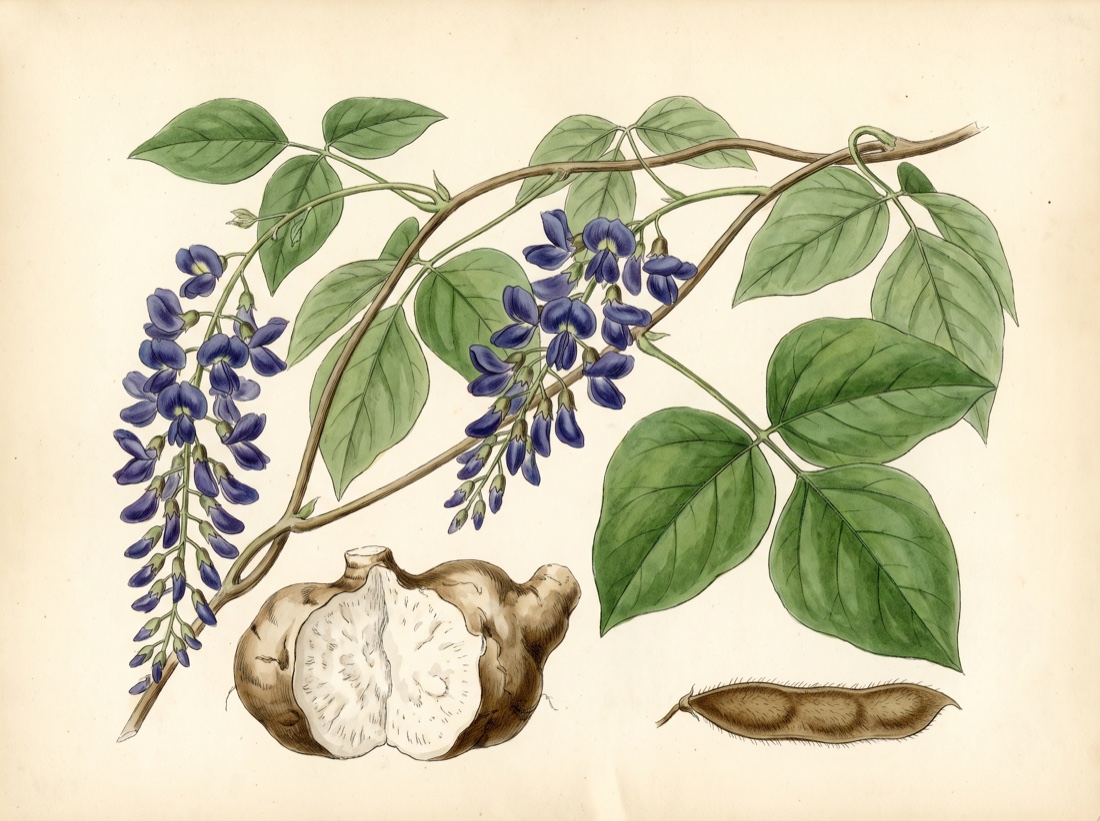
Indian kudzu is a large, woody, climbing legume of the Indian subcontinent, growing through forests and hedgerows from the Himalayan foothills to the Deccan and into Nepal. It produces heavy underground tubers, often the size of a football, which are the part used. In Ayurveda the tuber, vidari kanda, is one of the classical sweet, cooling, building tonics, grouped with shatavari and bala among the herbs that nourish tissue, increase milk and semen, and restore strength after illness.

Ask Herbert about Indian kudzu. Herbert is the master herbalist inside Bountiful Herbs: he answers from this plate and eleven hundred others, with dosing, pairing and cautions. Your first ten questions are free.
Ask HerbertActions
Indications what the tradition reached for it in
- Debility and slow convalescence
- Underweight and tissue wasting
- Low breast milk supply
- Male sexual debility and low sperm count (traditional)
- Menopausal dryness and hot flushes (supportive)
- Burning urination and urinary irritation
- Dry cough with heat
- Chronic fatigue in a dry, heated constitution
- Muscle weakness in older adults
- Type 2 diabetes with early kidney involvement (experimental adjunct)
- Debility and weight loss after illness
- Poor lactation in a thin, tired mother
- Low libido and low sperm count with depletion
- Menopausal dryness and hot flushes (adjunct)
- Burning urination with dryness and thirst
- Chronic fatigue in a thin, heat prone patient
- Dry cough with hoarseness
- Convalescence in the elderly
- Type 2 diabetes with wasting (adjunct, traditional)
- Muscle wasting with hot, dry constitution
Specific indications
A thin, dry, depleted patient who needs building up but whose warm constitution does not tolerate heating tonics such as ashwagandha
A nursing mother with low milk supply, dryness, and fatigue after a difficult birth
Hot flushes with vaginal dryness and irritability in a lean woman entering menopause
Safety
Pregnancy: Avoid in early pregnancy and use only with supervision later: anti-implantation activity in rats and phytoestrogenic isoflavones, with no handbook rating from Mills and Bone, Brinker or AHPA.
The record lists 7 contraindications; open the plate in the library to read them in full.
In practice
Think of vidari as a cooling counterpart to ashwagandha. Where ashwagandha suits the cold, tired, vata patient, vidari suits the tired patient who is also dry, hot, thin and irritable: the burnt-out pitta type, the nursing mother running on empty, the older man or woman losing muscle and moisture.
In Ayurveda
Rasa: madhura (sweet). Virya: shita (cooling). Vipaka: madhura (sweet). Dosha: pacifies vata and pitta; increases kapha in excess. Guna: guru (heavy), snigdha (unctuous). Karma: balya, brimhana, rasayana, vrishya, stanyajanana, mutrala, jivaniya.
Dosing as the sources wrote it
| Preparation | As written | Metric |
|---|---|---|
| Powder (churna) in warm milk | 3-6 g dried tuber twice daily | 3000-6000 mg |
| Decoction | 10-20 g dried tuber daily | 10000-20000 mg |
| Tincture (1:5, 40%) | 3-5 mL three times daily | 3-5 mL |
| Standardized extract (capsule) | 250-500 mg twice daily | 250-500 mg |
| Churna | 3-6 g powdered tuber twice daily with warm milk and sugar | 3000-6000 mg |
| Kwatha | 50-100 mL decoction twice daily | 50-100 mL |
Doses are reproduced from the sources for practitioners and are not a recommendation for any person.
From the sources
Overview. Indian kudzu is a large, woody, climbing legume of the Indian subcontinent, growing through forests and hedgerows from the Himalayan foothills to the Deccan and into Nepal. It produces heavy underground tubers, often the size of a football, which are the part used. In Ayurveda the tuber, vidari kanda, is one of the classical sweet, cooling, building tonics, grouped with shatavari and bala among the herbs that nourish tissue, increase milk and semen, and restore strength after illness.
Overview. Pueraria tuberosa is a woody climber of the pea family that scrambles over trees and hedges through much of India, from the Himalayan foothills to the Deccan, and forms very large starchy tubers just below the soil. Ayurveda knows the tuber as Vidari, one of the sweet, cooling, nourishing rasayanas, grouped with Shatavari and Ashwagandha among the herbs that build tissue, semen and milk. It is a standard ingredient of Chyawanprash and of the medicated ghees and oils used for weakness and wasting.
Clinical Notes. Think of vidari as a cooling counterpart to ashwagandha. Where ashwagandha suits the cold, tired, vata patient, vidari suits the tired patient who is also dry, hot, thin and irritable: the burnt-out pitta type, the nursing mother running on empty, the older man or woman losing muscle and moisture.
Clinical Notes. Vidari is the cooling counterpart to Ashwagandha. Where Ashwagandha warms and stimulates a cold, depleted vata patient, Vidari nourishes the thin, hot, dry patient of pitta and vata who cannot tolerate heating tonics: weight loss after fever or illness, burning urine, dry cough, low sperm and scant milk.
In formulas
Indian kudzu stands in 16 documented formulas in the library, among them Aśvagandhādyariṣṭa, Cyavanaprāśa, Śatāvarī Guḍa, Śivā Guṭikā, Amṛtaprāśa Ghṛta, Vidāryādi Ghṛta.
Often paired with
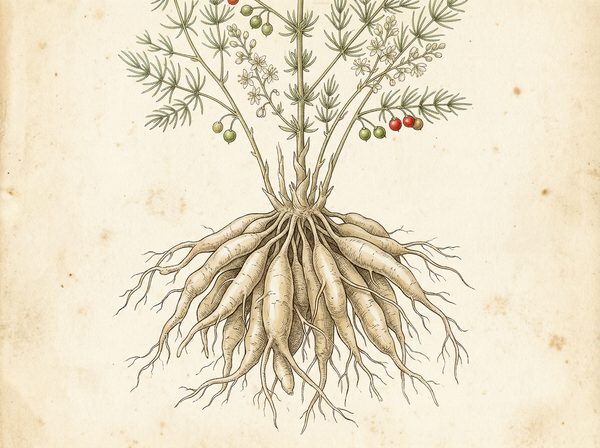 shatavariAsparagus racemosus
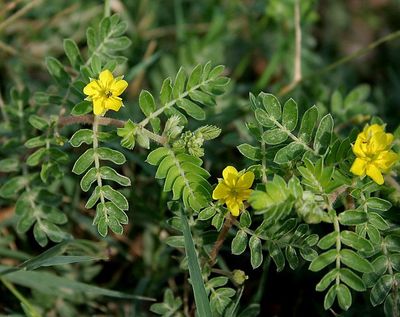 puncture vineTribulus terrestris
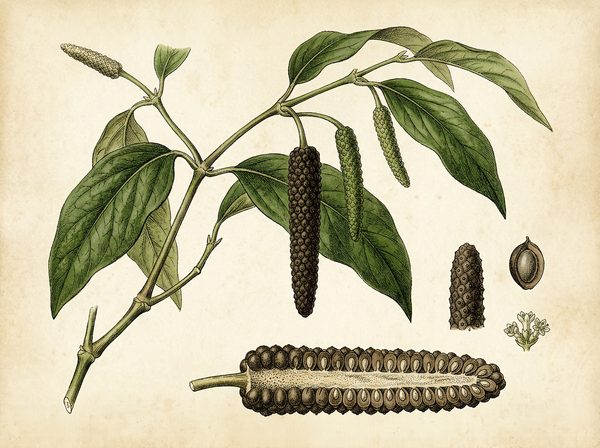 long pepperPiper longum
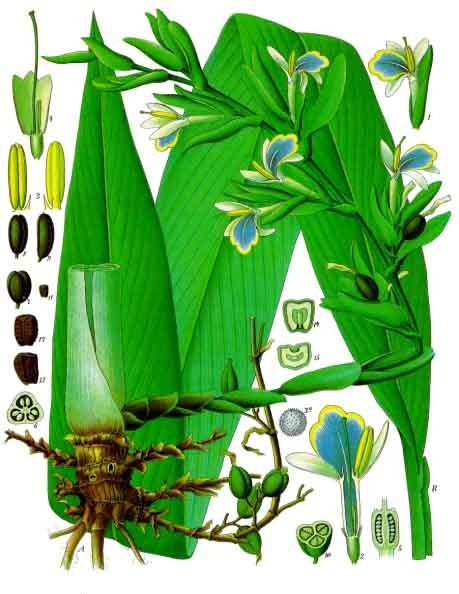 cardamomElettaria cardamomum
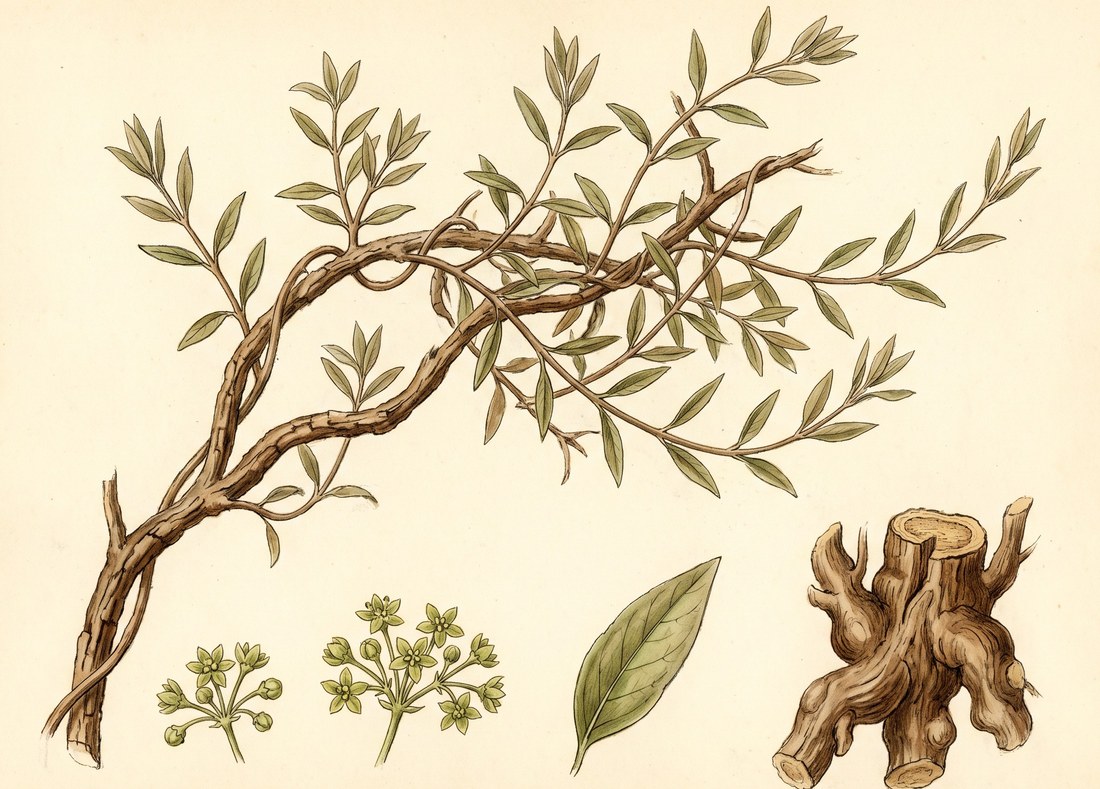 jivantiLeptadenia reticulata
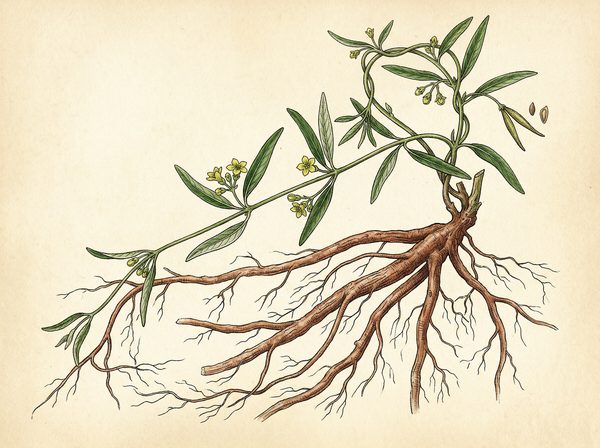 Indian sarsaparillaHemidesmus indicus
Nearby on the shelf
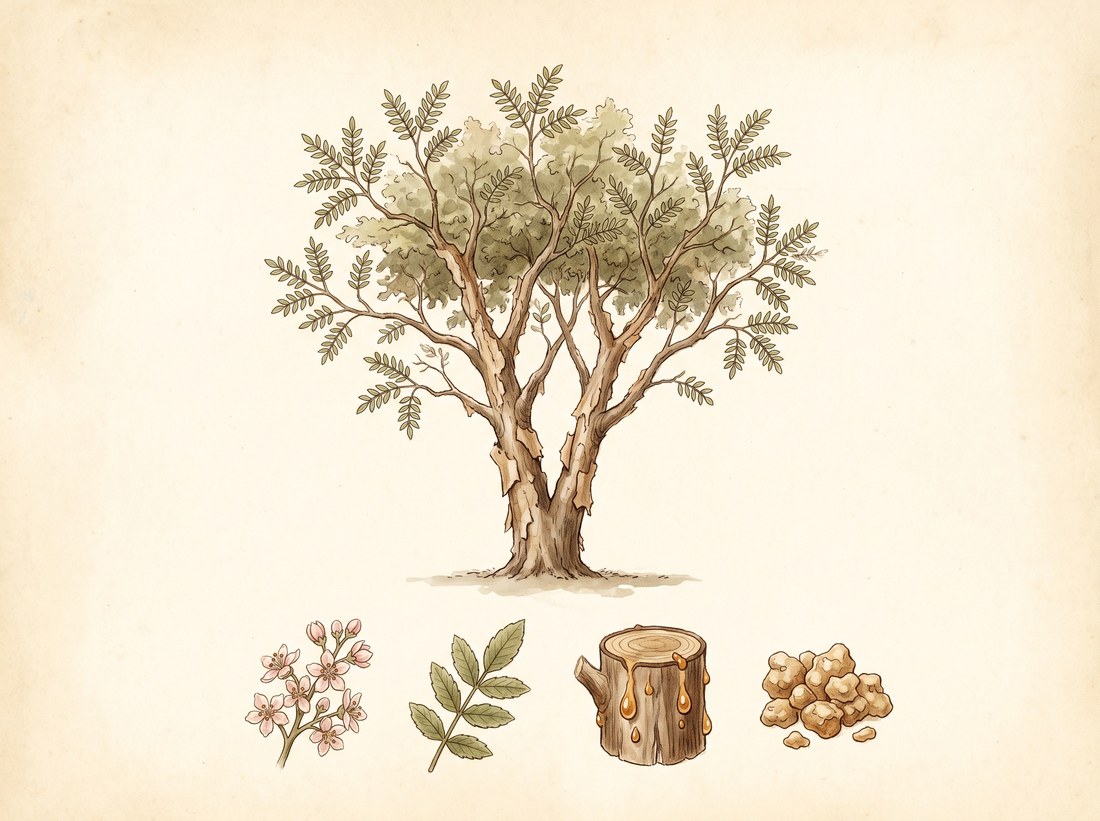 Indian frankincenseBoswellia serrata
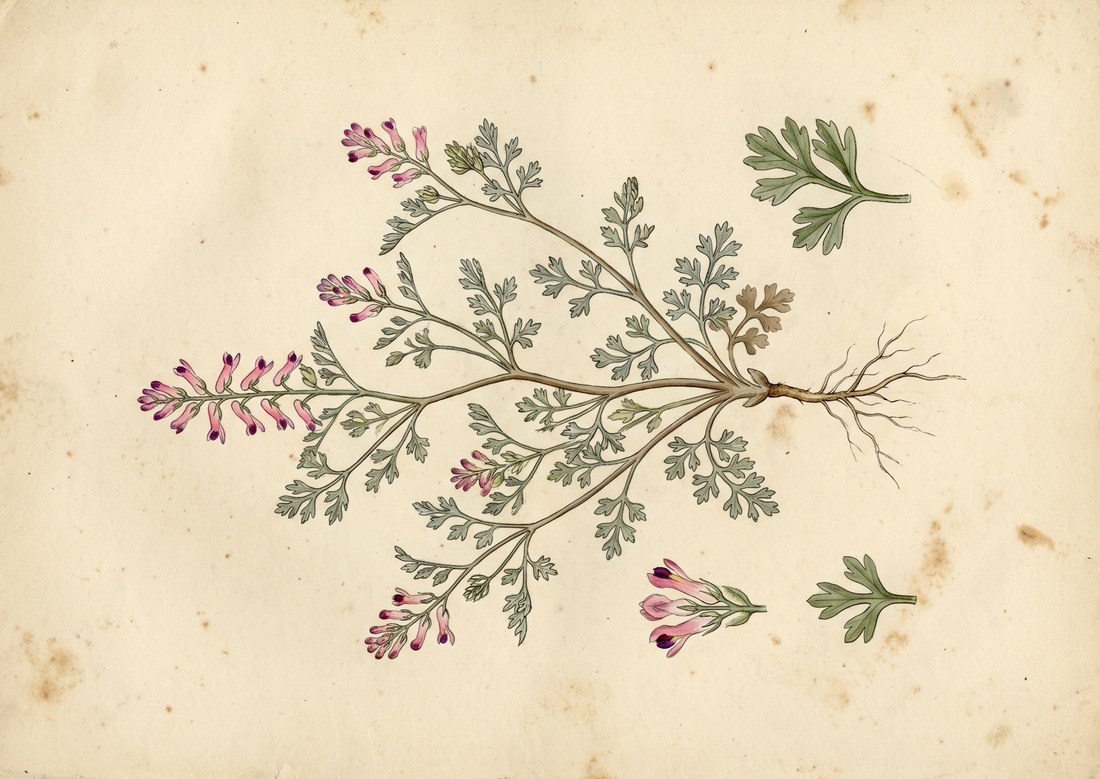 Indian fumitoryFumaria indica
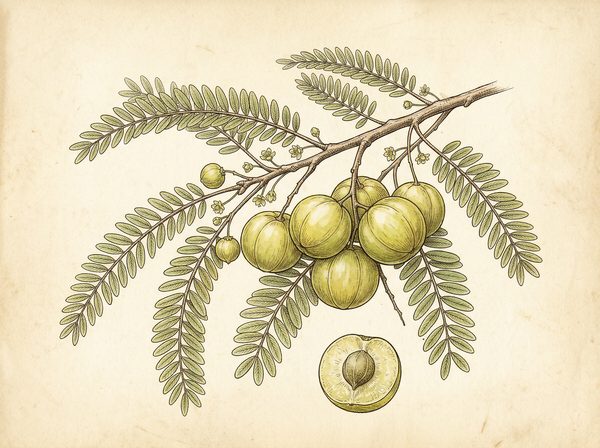 Indian gooseberryPhyllanthus emblica
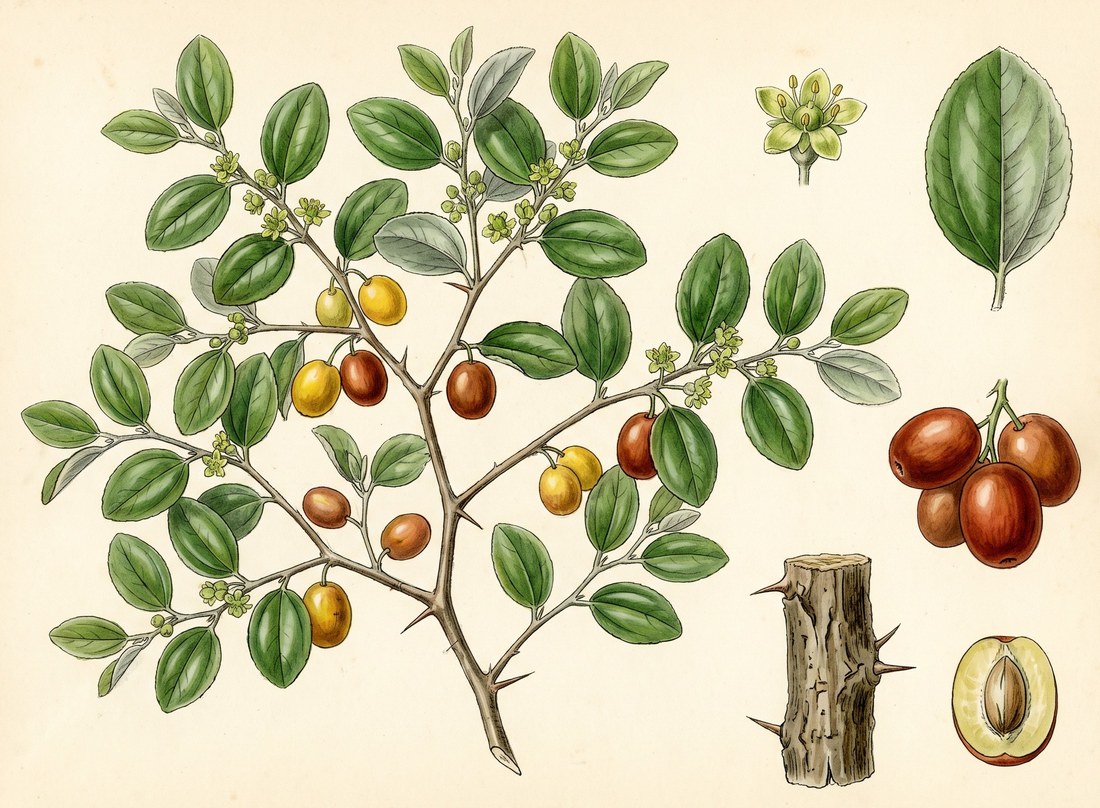 Indian jujubeZiziphus mauritiana
 Indian madderRubia cordifolia
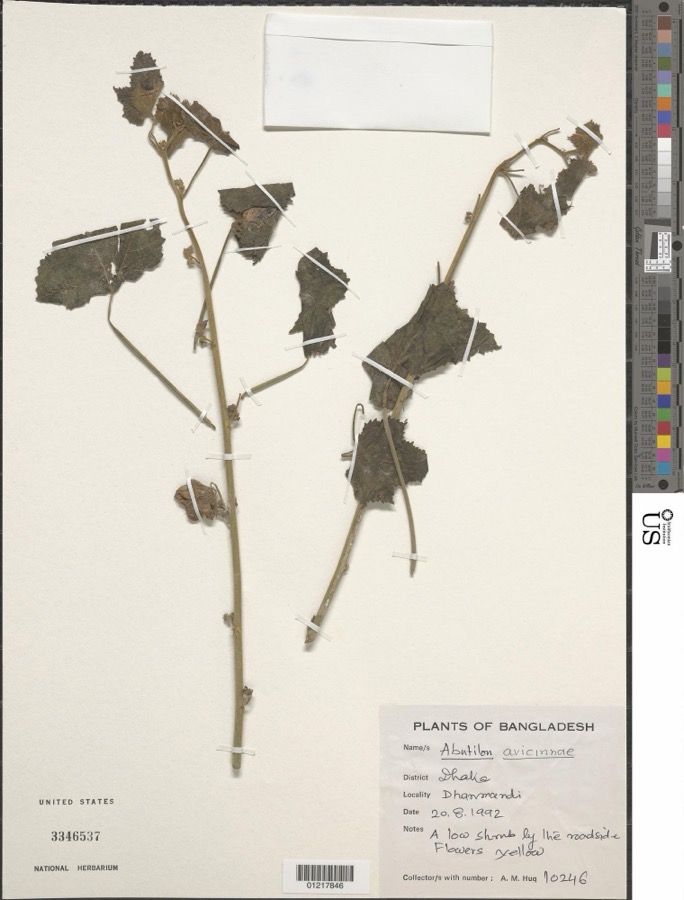 Indian mallowAbutilon avicenna
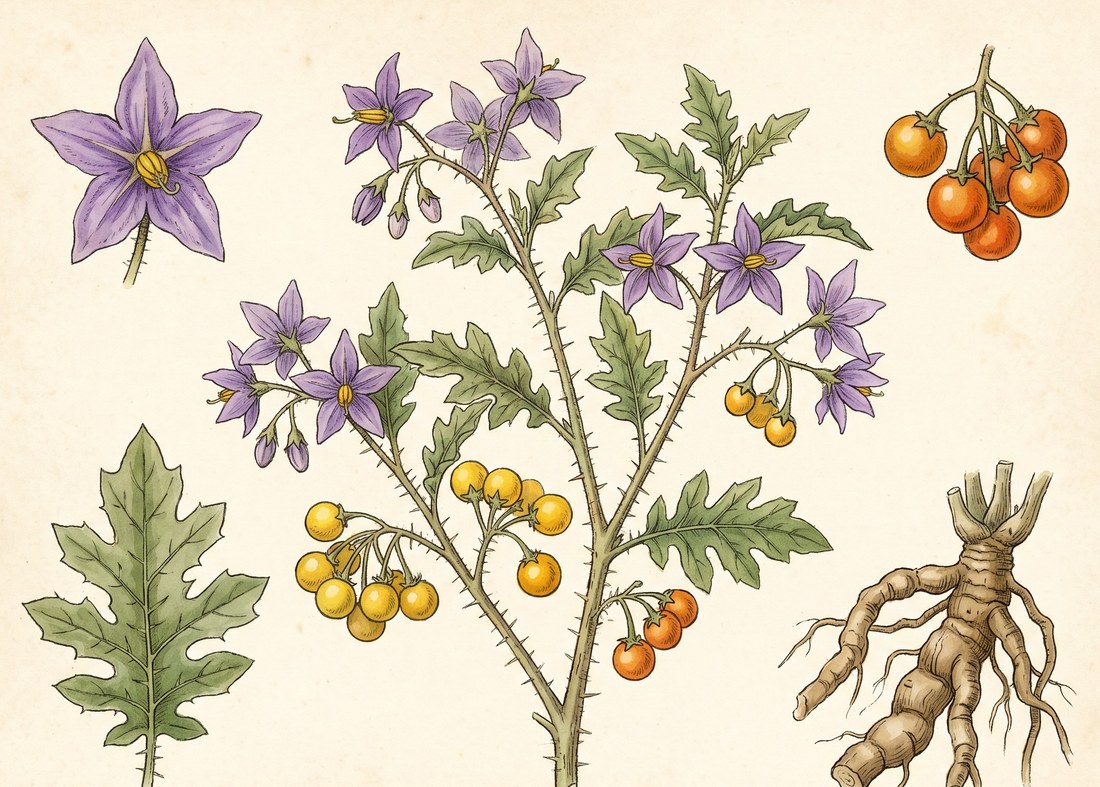 Indian nightshadeSolanum indicum
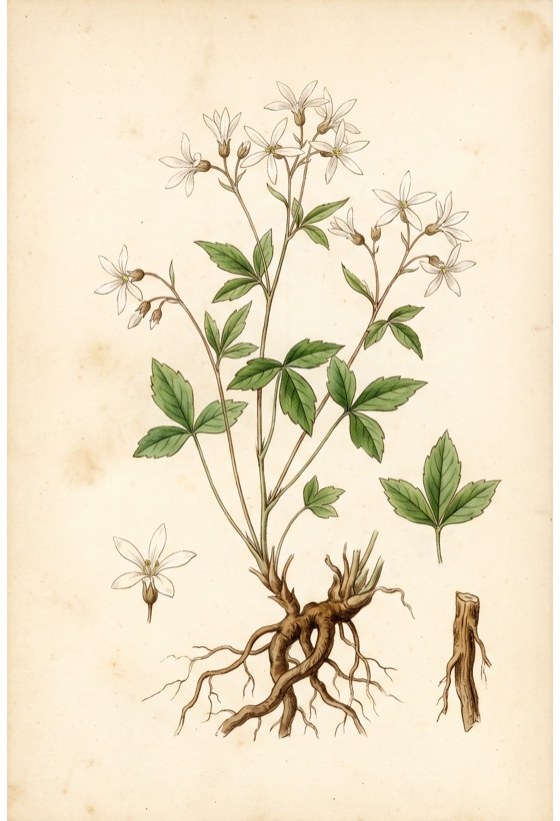 Indian PhysicGillenia
The whole plate is in the library. The compass, Compare, the Sky of eleven hundred plants and the formulary open with an email address and a password, free, with the formula builder and its safety engine. Herbert without limit, his formulating, clients, the handouts and the labels are the paid room.
Open the library, free