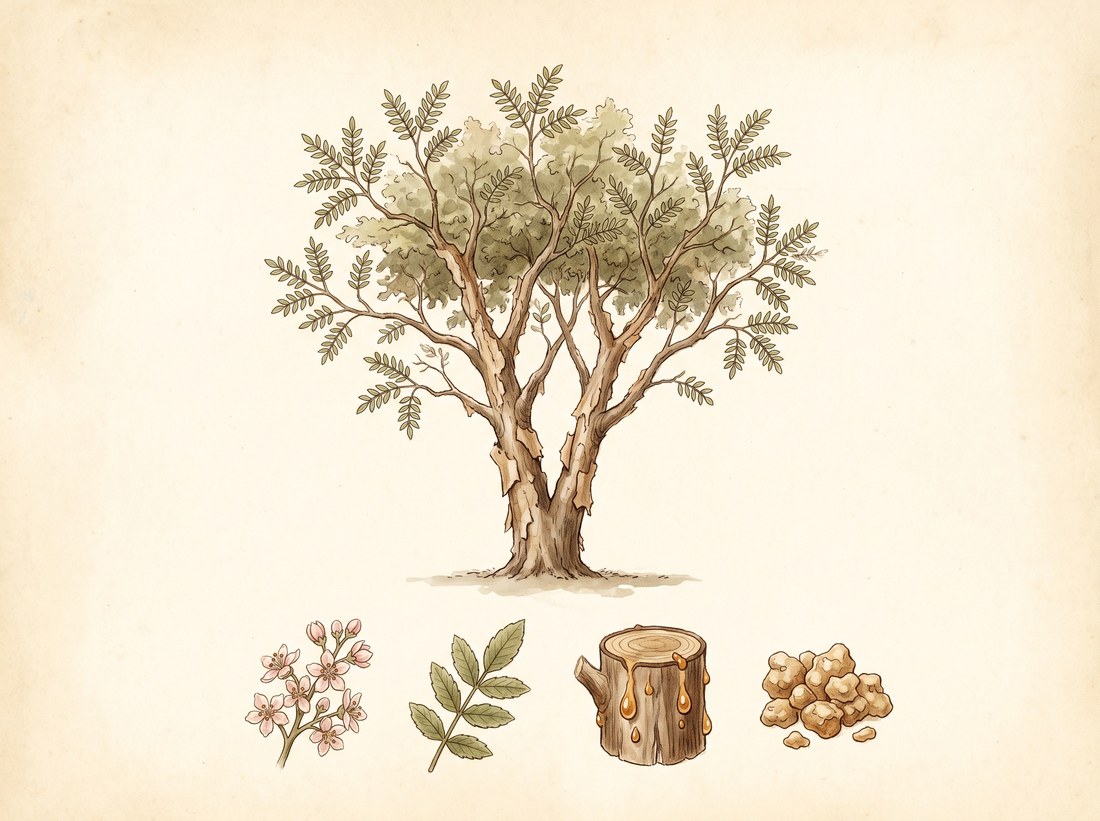
Ayurvedic Herbalism
Indian frankincense
Boswellia serrata
Also known as Indian olibanum, salai guggul, shallaki, Shallaki, Kunduru, Susrava.
Boswellia serrata is a moderate-sized deciduous tree with papery peeling bark that grows in the dry deciduous forests of central and peninsular India, from Rajasthan and Madhya Pradesh through Maharashtra to Andhra Pradesh and Odisha. The oleo-gum-resin tapped from the bark is Shallaki, the Indian frankincense, which Ayurveda values as a cooling resin for swollen, painful joints, for dysentery, and as a temple fumigant. Unlike its heating cousin Guggulu, Shallaki is described as cooling and astringent, which fits inflamed tissue rather than cold, stiff tissue.

Ask Herbert about Indian frankincense. Herbert is the master herbalist inside Bountiful Herbs: he answers from this plate and eleven hundred others, with dosing, pairing and cautions. Your first ten questions are free.
Ask HerbertActions
Indications what the tradition reached for it in
- Osteoarthritis of the knee and hip
- Rheumatoid arthritis (adjunct)
- Inflammatory bowel disease including ulcerative colitis and collagenous colitis
- Chronic low back pain with inflammation
- Asthma with mucus and bronchial inflammation
- Chronic diarrhea and dysentery
- Tendinitis and bursitis
- Peritumoral brain edema (adjunct to conventional care)
- Psoriasis and inflammatory skin disease (topical)
- Gingivitis and mouth ulcers (mouthwash)
- Wound healing (topical)
Specific indications
A middle-aged, overweight patient with hot, swollen, stiff knees that are worst in the morning and after rest, who cannot tolerate NSAIDs
Chronic loose stools with mucus and cramping in an inflammatory bowel pattern, where the patient also has aching joints
The asthmatic with sticky yellow mucus, chest tightness and a warm, congested chest who wants to reduce reliever use
Joint pain in a pitta or kapha patient for whom the heating resins like Guggulu feel too stimulating
Safety
Pregnancy: Use with care in pregnancy
The record lists 6 contraindications; open the plate in the library to read them in full.
In practice
The Ayurvedic physician uses Shallaki where there is shotha with heat: hot, swollen joints in sandhivata and amavata, bloody or mucous diarrhea, and inflamed wounds. It is given with warm water or in a decoction with Shunthi, Guduchi and Eranda for arthritis, and pairs well with Guggulu when the joint picture mixes cold stiffness with inflammation, the cooling resin tempering the heating one.
In Ayurveda
Rasa: kashaya (astringent), tikta (bitter), madhura (sweet). Virya: sheeta (cooling). Vipaka: katu (pungent). Guna: laghu (light), ruksha (dry). Dosha: pacifies kapha and pitta; in excess or in dry constitutions may aggravate vata. Karma: shothahara (reduces swelling); vedanasthapana (relieves pain); sandhaniya (promotes union of tissues); vranaropana (heals wounds); grahi (absorbs, binds the stool); kaphapittahara (reduces kapha and pitta); raktashodhana (purifies blood); kushthaghna (relieves skin disease); jvaraghna (relieves fever); dhupana (fumigant, purifies air). Classical indications: sandhivata (osteoarthritis); amavata (rheumatoid arthritis); atisara (diarrhea); pravahika (dysentery); jvara (fever); vrana (wounds and ulcers); kushtha (skin disease); shvasa (dyspnea); kasa (cough); arsha (hemorrhoids); raktapitta (bleeding disorders); mukharoga (mouth disease). The oleo-gum-resin that exudes from cuts in the bark is the drug: dried, purified by dissolving in warm water or decoction and straining, then given as churna, in kwatha, as a fumigant (dhupa) and in medicated oils and pastes for joints and wounds. The bark is decocted for diarrhea and as a mouthwash. Classical formulations: Shallaki churna, Shallaki kwatha, Shallaki guggulu (modern compound), Kunduru dhupa, Shallaki taila, Shallaki lepa, Standardized boswellic acid extract. Described in: Charaka Samhita, Sushruta Samhita, Ashtanga Hridaya, Bhavaprakasha Nighantu, Dhanvantari Nighantu, Raja Nighantu, Kaiyadeva Nighantu, Ayurvedic Pharmacopoeia of India.
Dosing as the sources wrote it
| Preparation | As written | Metric |
|---|---|---|
| Churna | 1-3 g purified resin powder twice daily with warm water | 1000-3000 mg |
| Kwatha | 50-100 mL decoction twice daily | 50-100 mL |
| Standardized extract | 300-500 mg extract two to three times daily with food | 300-500 mg |
| Lepa, topical | 5-10 g resin paste in oil applied to joints daily | 5000-10000 mg |
Doses are reproduced from the sources for practitioners and are not a recommendation for any person.
From the sources
Overview. Boswellia serrata is a moderate-sized deciduous tree with papery peeling bark that grows in the dry deciduous forests of central and peninsular India, from Rajasthan and Madhya Pradesh through Maharashtra to Andhra Pradesh and Odisha. The oleo-gum-resin tapped from the bark is Shallaki, the Indian frankincense, which Ayurveda values as a cooling resin for swollen, painful joints, for dysentery, and as a temple fumigant. Unlike its heating cousin Guggulu, Shallaki is described as cooling and astringent, which fits inflamed tissue rather than cold, stiff tissue.
Clinical Notes. The Ayurvedic physician uses Shallaki where there is shotha with heat: hot, swollen joints in sandhivata and amavata, bloody or mucous diarrhea, and inflamed wounds. It is given with warm water or in a decoction with Shunthi, Guduchi and Eranda for arthritis, and pairs well with Guggulu when the joint picture mixes cold stiffness with inflammation, the cooling resin tempering the heating one.
Ayurvedic Profile. Rasa: kashaya (astringent), tikta (bitter), madhura (sweet). Virya: sheeta (cooling). Vipaka: katu (pungent). Guna: laghu (light), ruksha (dry). Dosha: pacifies kapha and pitta; in excess or in dry constitutions may aggravate vata.
In formulas
Indian frankincense stands in 4 documented formulas in the library, among them Karpūrādyarka, Jīrakādi Modaka, Balā Taila, Balāguḍūcyādi Taila.
Often paired with
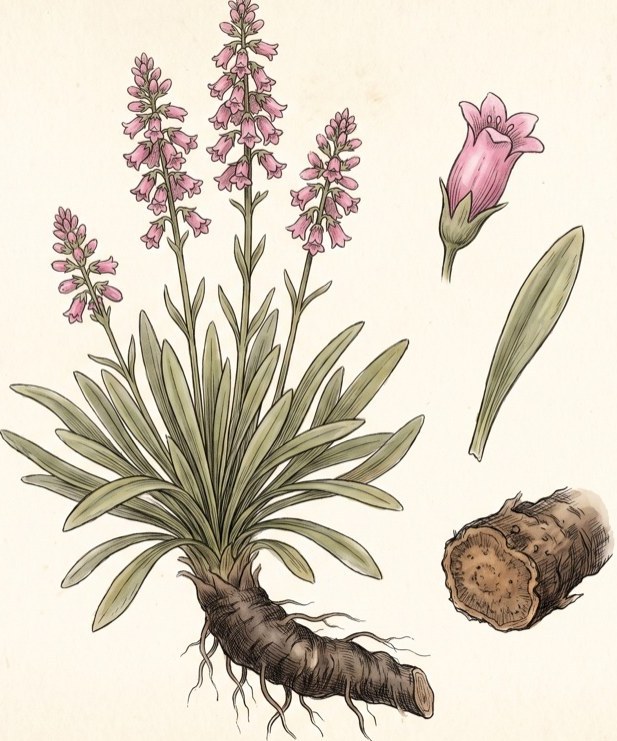 jatamansiNardostachys jatamansi
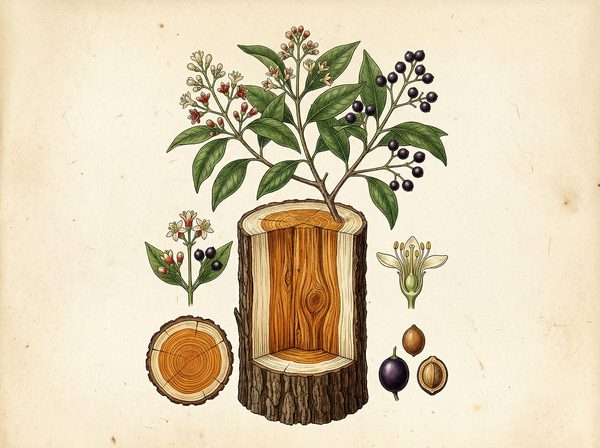 sandalwoodSantalum album
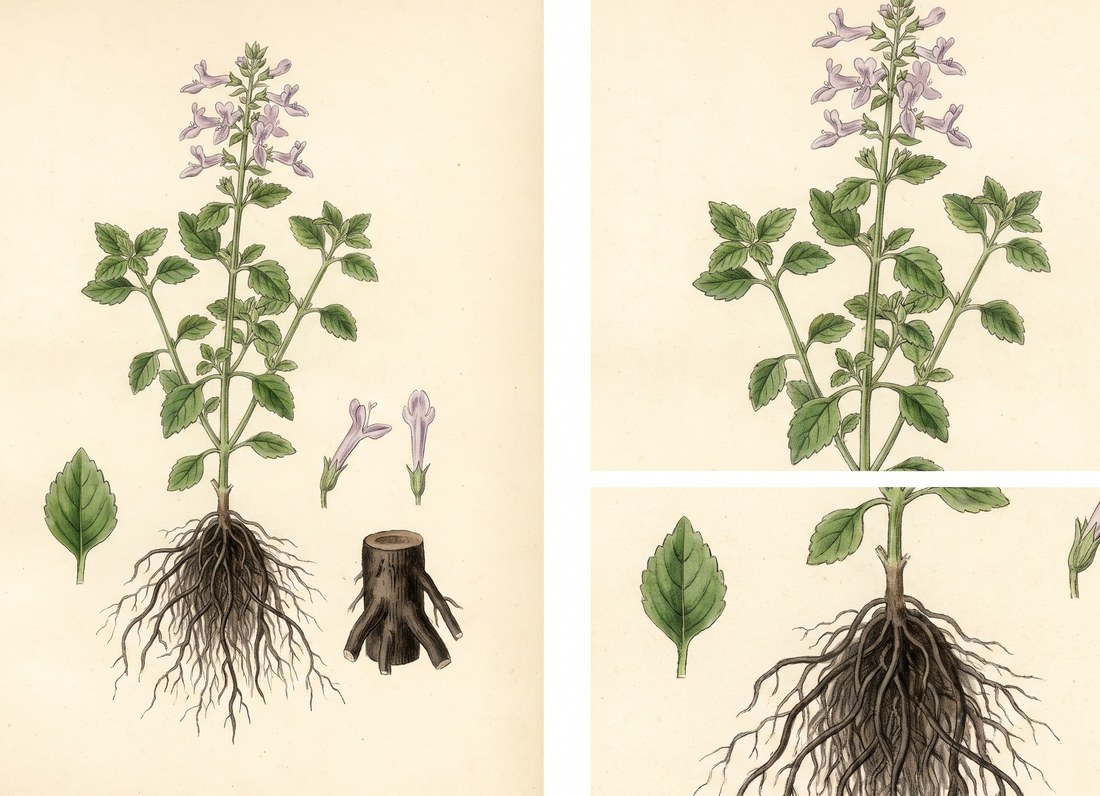 hriberaColeus vettiveroides
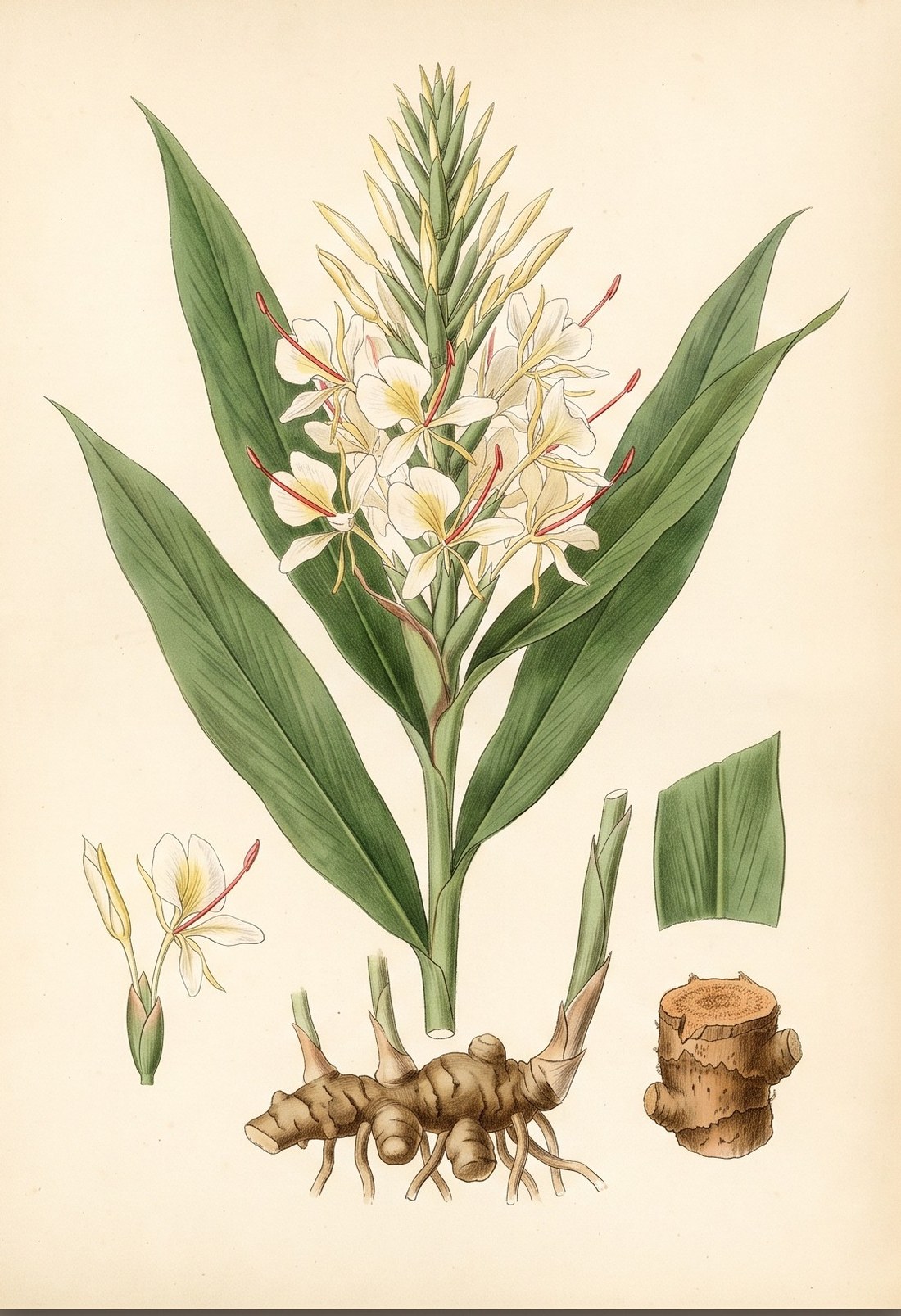 spiked ginger lilyHedychium spicatum
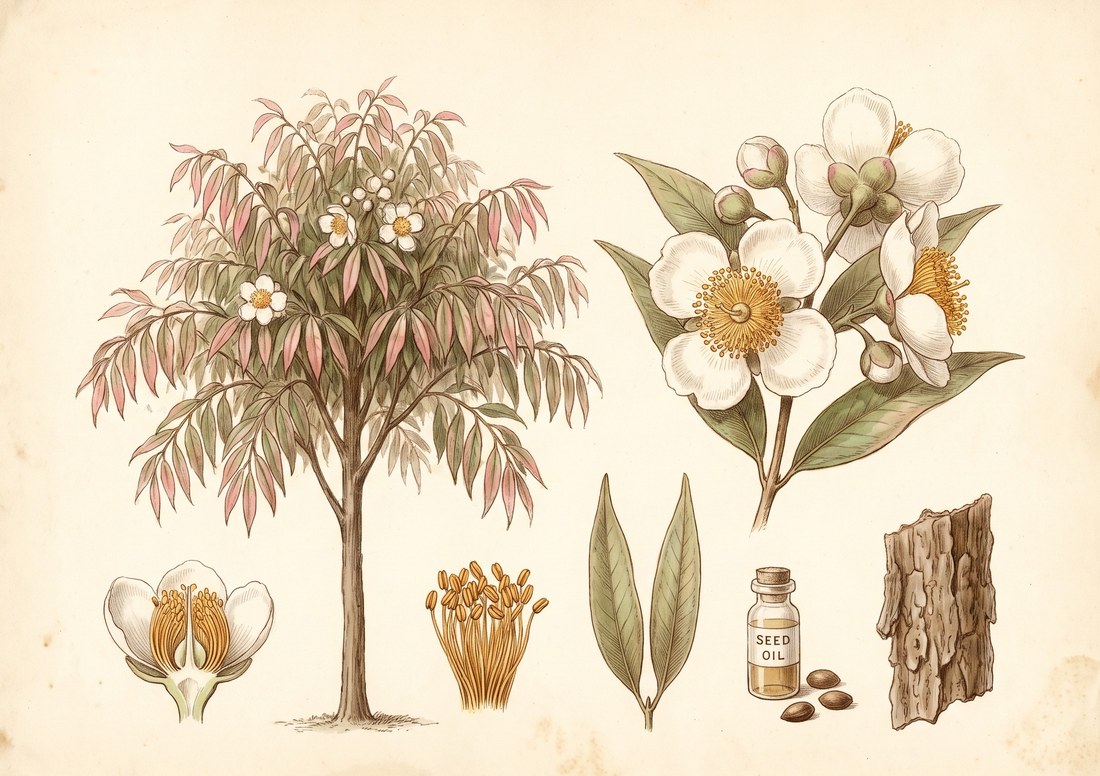 Ceylon ironwoodMesua ferrea
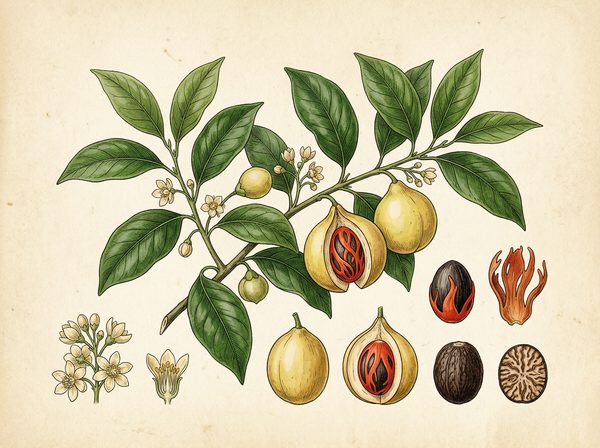 nutmegMyristica fragrans
Nearby on the shelf
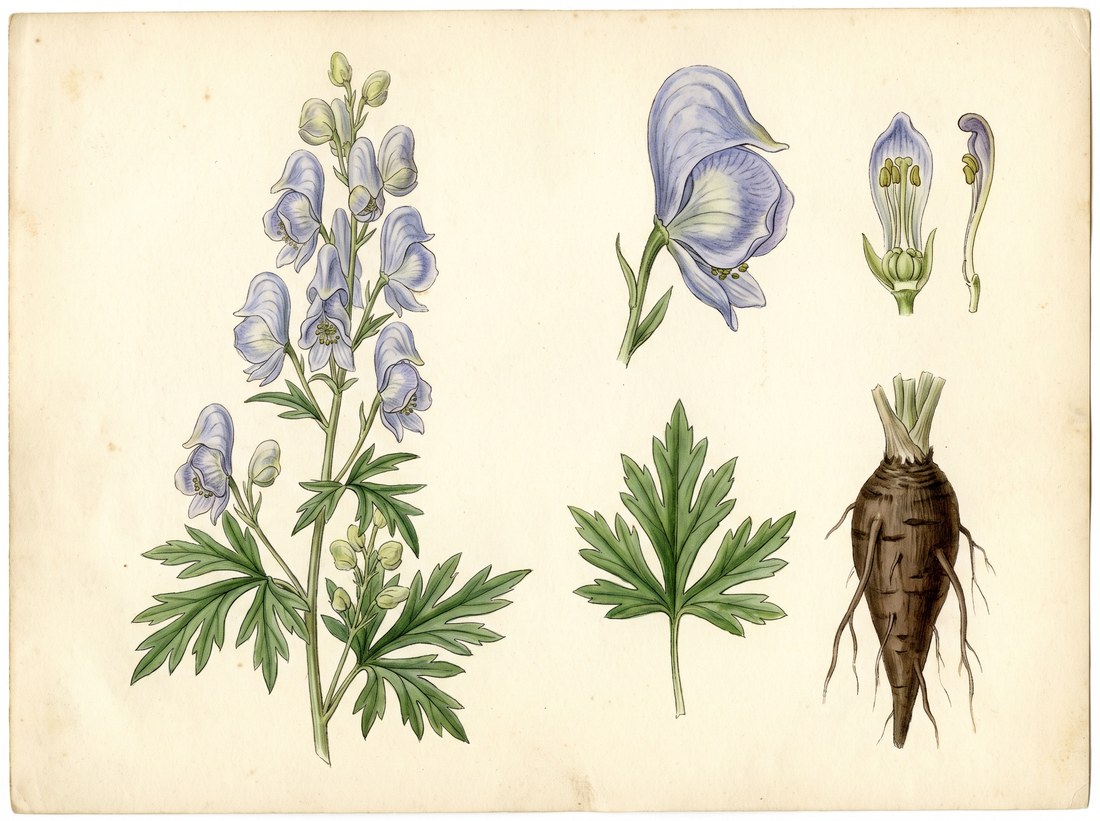 Indian ateesAconitum heterophyllum
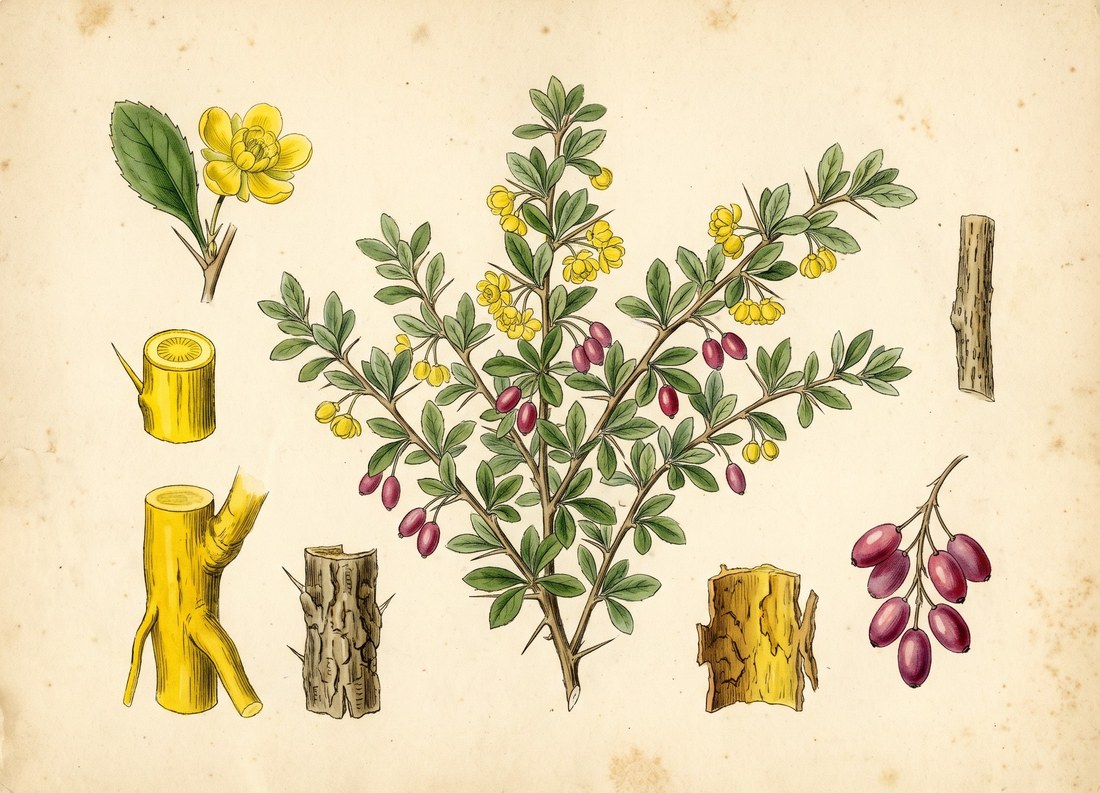 Indian barberryBerberis aristata
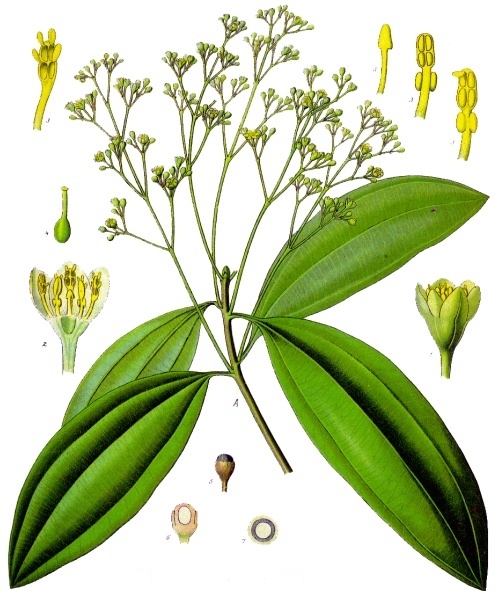 Indian bay leafCinnamomum tamala
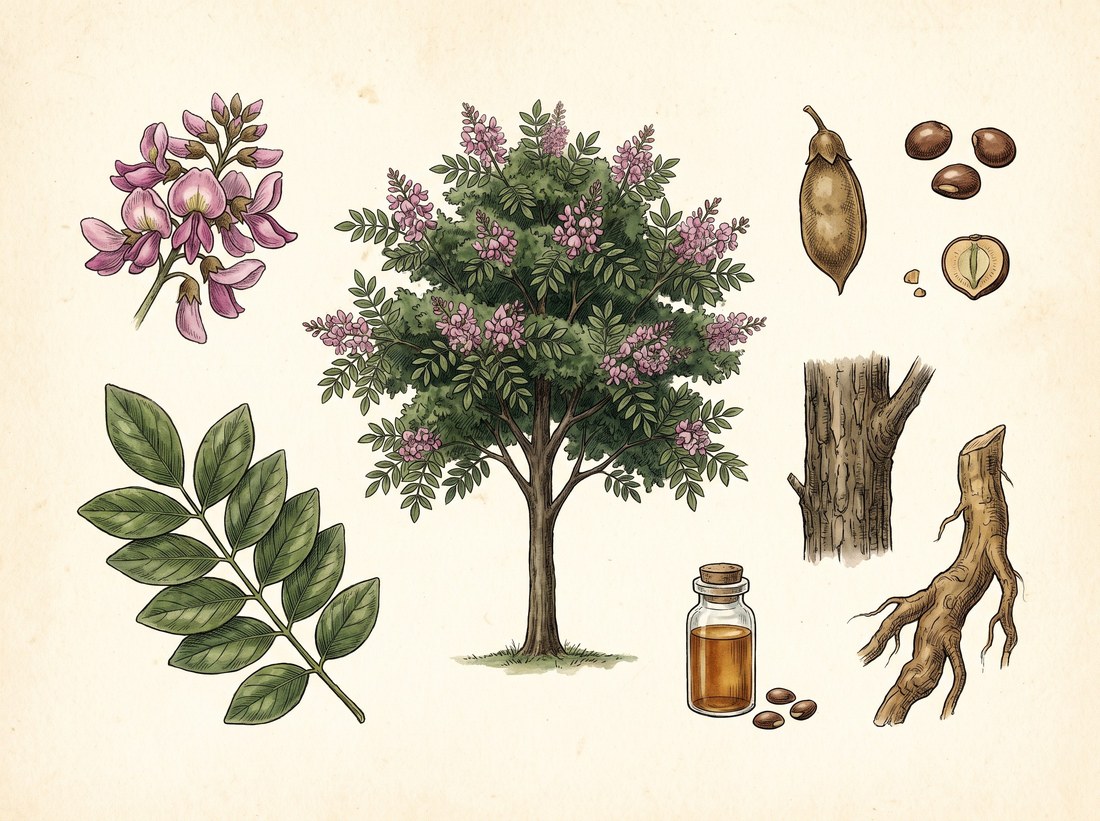 Indian beechPongamia pinnata
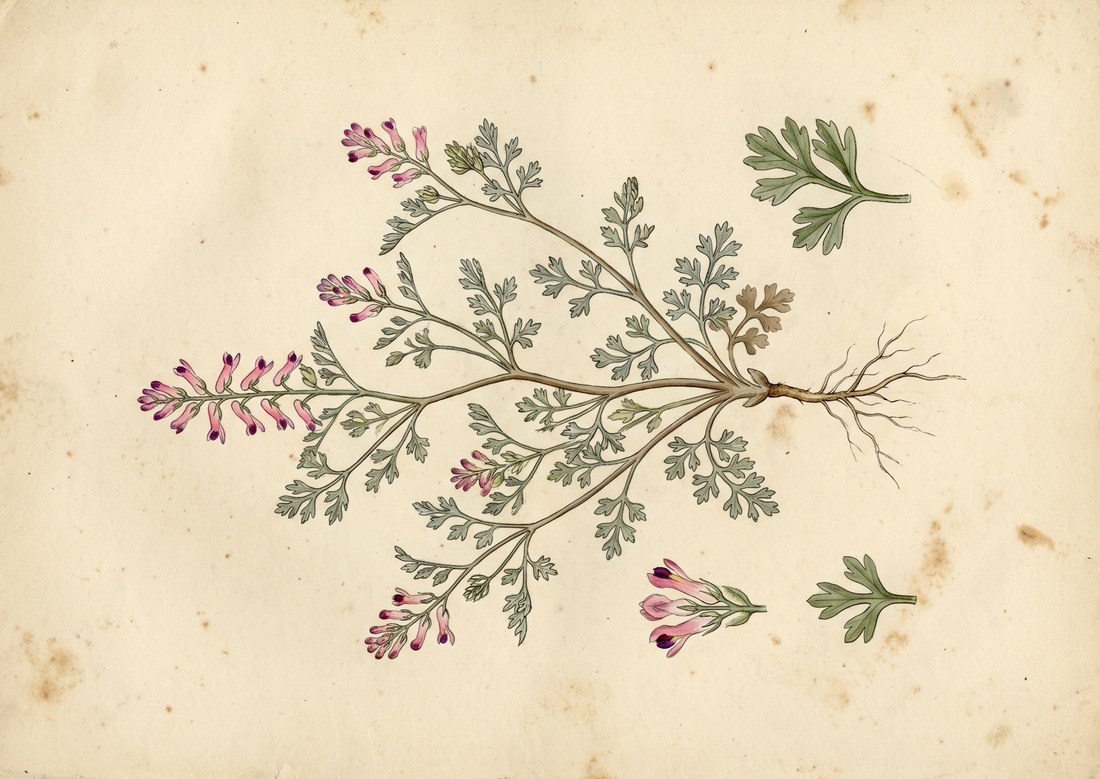 Indian fumitoryFumaria indica
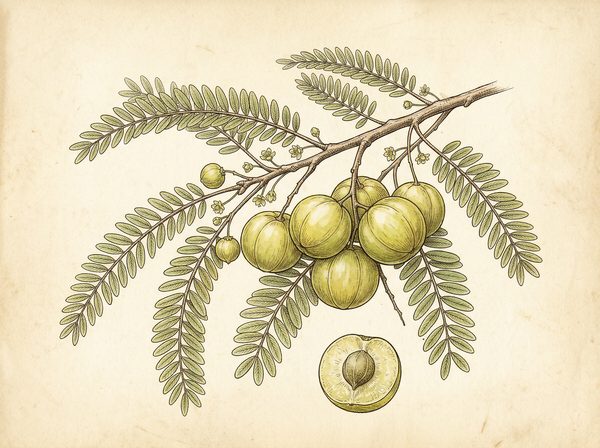 Indian gooseberryPhyllanthus emblica
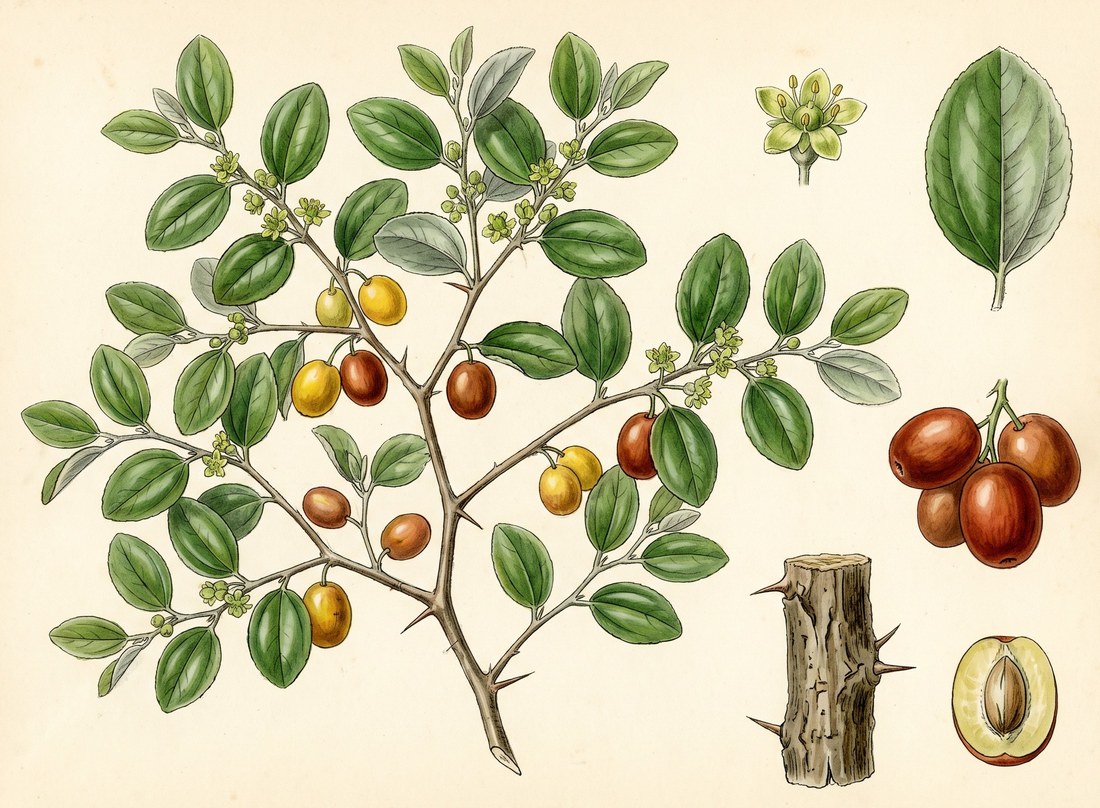 Indian jujubeZiziphus mauritiana
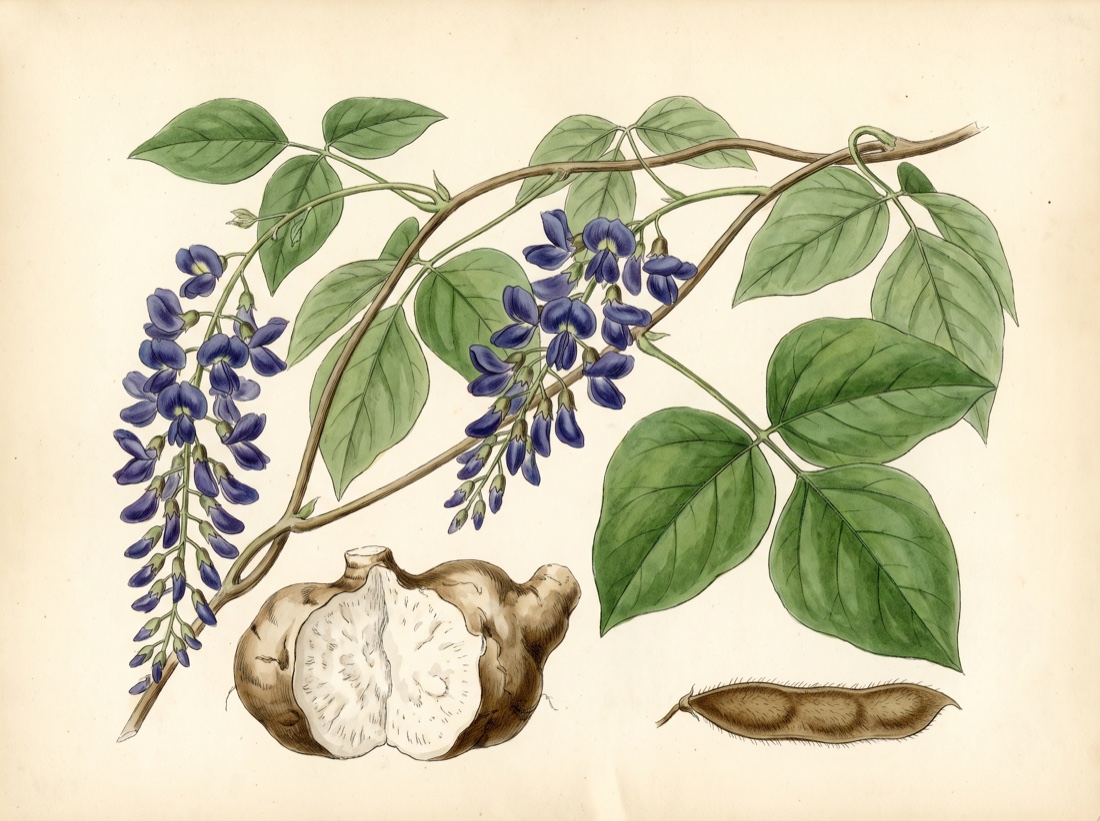 Indian kudzuPueraria tuberosa
The whole plate is in the library. The compass, Compare, the Sky of eleven hundred plants and the formulary open with an email address and a password, free, with the formula builder and its safety engine. Herbert without limit, his formulating, clients, the handouts and the labels are the paid room.
Open the library, free