Ayurvedic Herbalism
Shatavari
Asparagus racemosus
Also known as wild asparagus, Indian asparagus, hundred husbands plant, Satawar, Satavari, Shatavari, Shatamuli, Bahusuta.
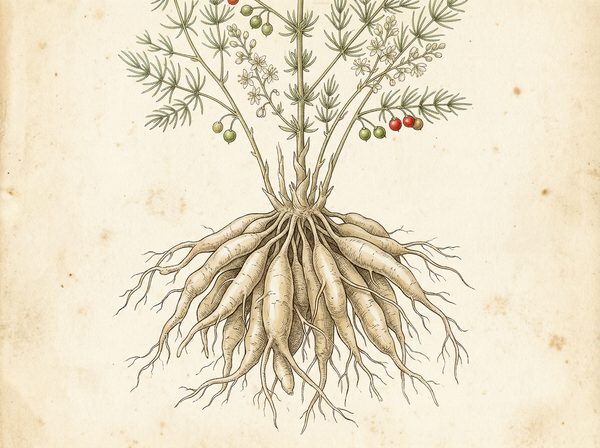
Asparagus racemosus is a spiny, climbing asparagus with fascicles of finger-like tuberous roots, native to the forests and scrub of the whole Indian subcontinent from the Himalayan foothills to the Deccan and Sri Lanka, and now cultivated in Gujarat, Madhya Pradesh and Karnataka to relieve pressure on wild stocks. In Ayurveda the peeled root is the premier rasayana for women and the classic remedy for pitta: sweet, cooling and unctuous, it nourishes the reproductive tissue, brings in the milk and soothes an inflamed gut. The Sanskrit name is usually explained as the plant with a hundred roots, or as the plant that could satisfy a hundred husbands.

Ask Herbert about Shatavari. Herbert is the master herbalist inside Bountiful Herbs: he answers from this plate and eleven hundred others, with dosing, pairing and cautions. Your first ten questions are free.
Ask HerbertActions
Indications what the tradition reached for it in
- Insufficient lactation in the postpartum period
- Female subfertility and preparation for conception
- Perimenopausal dryness, hot flushes and irritability
- Hyperacidity, reflux and gastric or duodenal ulcer
- Chronic diarrhea and irritable bowel with a hot, dry constitution
- Convalescence and debility after illness or blood loss
- Low libido and low seminal volume in men
- Dry cough and dryness of the mucous membranes
- Painful urination and cystitis with burning
- Threatened miscarriage and uterine irritability (traditional)
- Chronic stress in a depleted, overheated patient
- Immunodeficiency
- Depression
- Infertility
- Hyperdipsia
- Duodenal ulcer
- Abdominal sepsis
- Menorrhagia
- Nervous disorders
- Inflammation
- Bronchitis
- Leukorrhea
- Neuropathy
- Hyperacidity
- Dyspepsia
- Memory impairment
- Hypoglycaemia support
- Stress
- Anxiety
- Cough
Specific indications
A new mother whose milk is slow to come in, who is tired, dry and anxious after a hard labor
A thin, warm, irritable woman in her late forties with hot flushes, vaginal dryness, poor sleep and a burning stomach
Chronic heartburn and loose stools in a pitta constitution who cannot tolerate the heating digestive herbs
A depleted man with low seminal volume and low desire after a long illness or overwork
Safety
Pregnancy: Limited safety data in pregnancy
The record lists 6 contraindications; open the plate in the library to read them in full.
In practice
Shatavari is the herb to reach for when a patient is dry, hot and depleted rather than cold and congested: the pitta and vata picture of burning, thirst, irritability, scanty secretions and exhaustion.
In Ayurveda
Rasa: madhura (sweet), tikta (bitter). Virya: sheeta (cooling). Vipaka: madhura (sweet). Guna: guru (heavy), snigdha (unctuous). Dosha: pacifies vata and pitta; may increase kapha and ama in excess or in sluggish digestion. Karma: rasayana (rejuvenative); balya (strengthening); brimhana (nourishing, builds tissue); stanyajanana (promotes breast milk); shukrala (increases semen and reproductive fluid); vrishya (aphrodisiac); medhya (supports intellect); chakshushya (good for the eyes); pittashamaka (pacifies pitta); shothahara (reduces swelling); grahi (absorbs, binds loose stool). Classical indications: stanyakshaya (deficient breast milk); kshaya (wasting and debility); shukradosha (defects of semen); amlapitta (hyperacidity); grahani (malabsorption with irregular stool); raktapitta (bleeding disorders of pitta); atisara (diarrhea); shosha (emaciation); vatavyadhi (nervous and joint disorders of vata); yonivyapad (disorders of the female reproductive tract); mutrakrichchhra (painful urination). The dried tuberous root, peeled and with the central fiber removed, is the drug. It is given as churna with warm milk, as kwatha, as a fresh root juice, in medicated ghee and oil, and as the fermented arishta; the classical lehya and ghrita forms are preferred for long term nourishing use. Classical formulations: Shatavari churna, Shatavari ghrita, Shatavari kalpa, Shatavaryadi churna, Narayana taila, Phala ghrita, Chyawanprash, Ashokarishta. Described in: Charaka Samhita, Sushruta Samhita, Ashtanga Hridaya, Bhavaprakasha Nighantu, Dhanvantari Nighantu, Raja Nighantu, Kaiyadeva Nighantu, Ayurvedic Pharmacopoeia of India.
Dosing as the sources wrote it
| Preparation | As written | Metric |
|---|---|---|
| Churna | 3-6 g powdered root twice daily with warm milk | 3000-6000 mg |
| Kwatha | 50-100 mL decoction twice daily | 50-100 mL |
| Swarasa | 10-20 mL fresh root juice daily with milk | 10-20 mL |
| Ghrita or kalpa | 5-10 g medicated ghee or granules twice daily in milk | 5000-10000 mg |
| Standardized extract | 500-1000 mg root extract daily in divided doses | 500-1000 mg |
| Root powder | Root powder 3-12 g/day divided doses or with milk | 3000-12000 mg |
Doses are reproduced from the sources for practitioners and are not a recommendation for any person.
From the sources
Overview. Asparagus racemosus is a spiny, climbing asparagus with fascicles of finger-like tuberous roots, native to the forests and scrub of the whole Indian subcontinent from the Himalayan foothills to the Deccan and Sri Lanka, and now cultivated in Gujarat, Madhya Pradesh and Karnataka to relieve pressure on wild stocks. In Ayurveda the peeled root is the premier rasayana for women and the classic remedy for pitta: sweet, cooling and unctuous, it nourishes the reproductive tissue, brings in the milk and soothes an inflamed gut. The Sanskrit name is usually explained as the plant with a hundred roots, or as the plant that could satisfy a hundred husbands.
Clinical Notes. Queen of herbs in Ayurveda, primary female reproductive tonic (rasayana) endangered due to overharvesting traditionally "curer of a hundred diseases" supports fertility and vitality
Clinical Notes. Shatavari is the herb to reach for when a patient is dry, hot and depleted rather than cold and congested: the pitta and vata picture of burning, thirst, irritability, scanty secretions and exhaustion.
primary-actions. Shatavari acts primarily as: Adaptogen, Galactagogue, Rejuvenative, Demulcent, Uterine tonic, Emollient. Secondary actions include Antiulcer, Antioxidant, Immunomodulator, Antispasmodic, Nervine, Carminative.
In formulas
Shatavari stands in 40 documented formulas in the library, among them Sārasvatāriṣṭa, Brāhma Rasāyana, Śatāvarī Guḍa, Śivā Guṭikā, Saubhāgyaśuṇṭhī, Aśoka Ghṛta.
Often paired with
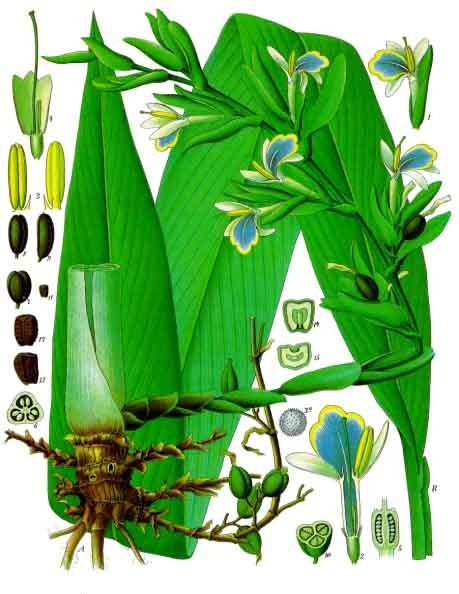 cardamomElettaria cardamomum
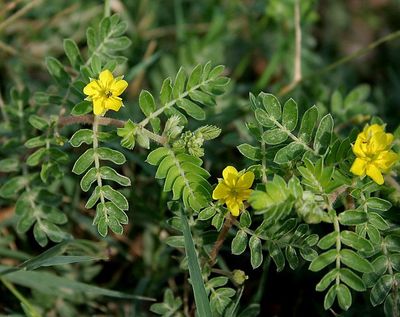 puncture vineTribulus terrestris
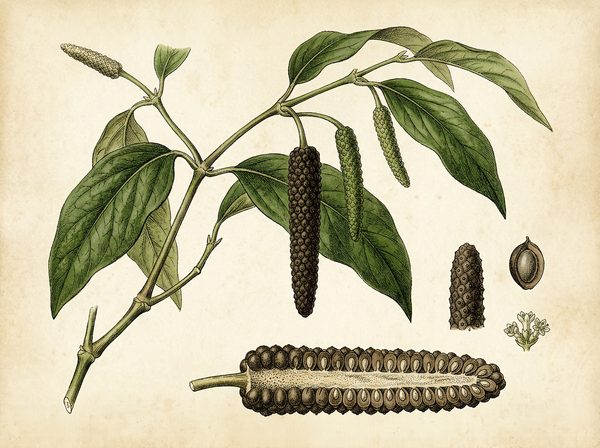 long pepperPiper longum
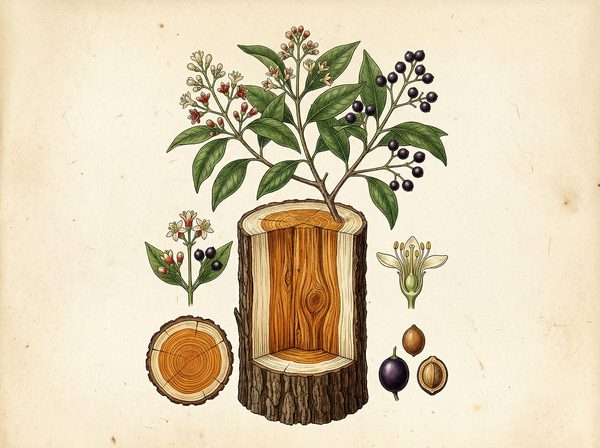 sandalwoodSantalum album
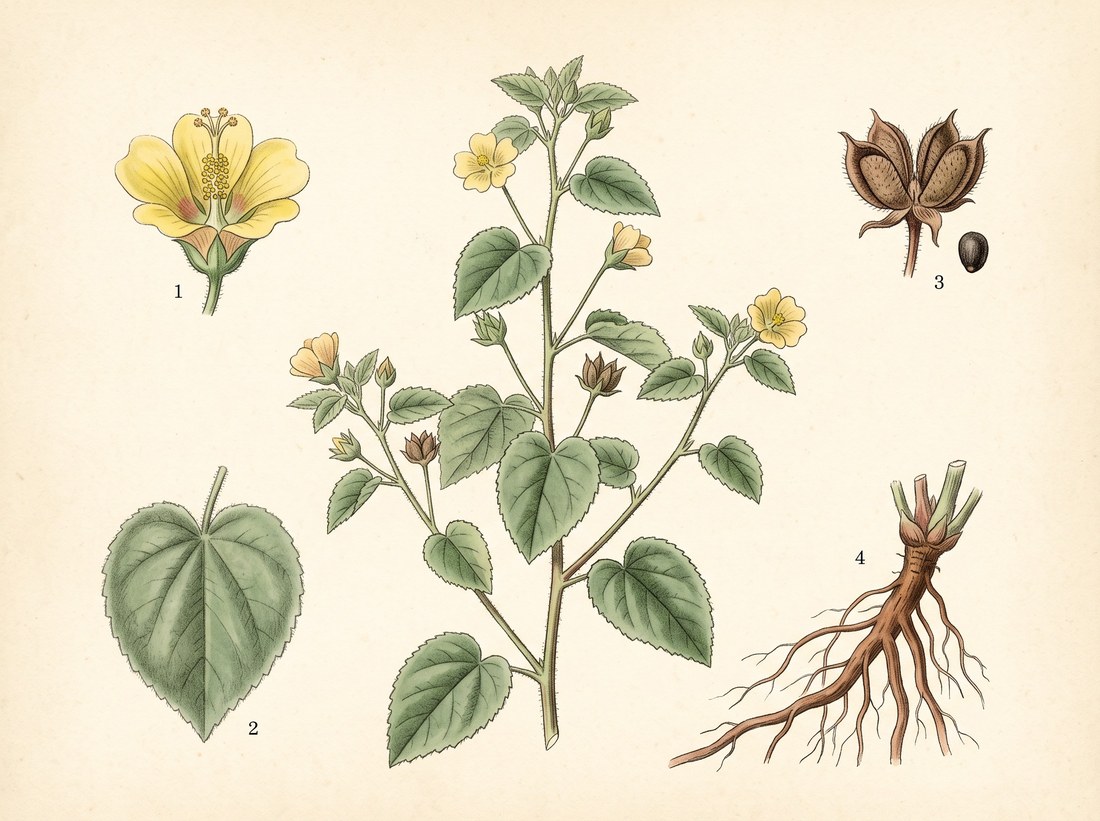 balaSida cordifolia
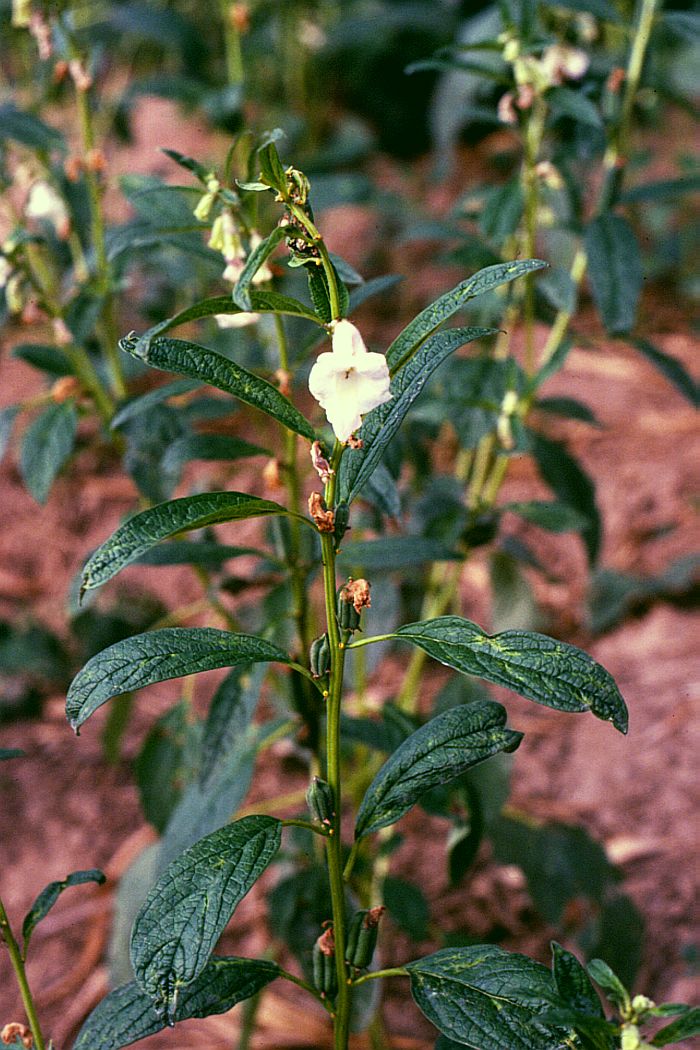 sesameSesamum indicum
Nearby on the shelf
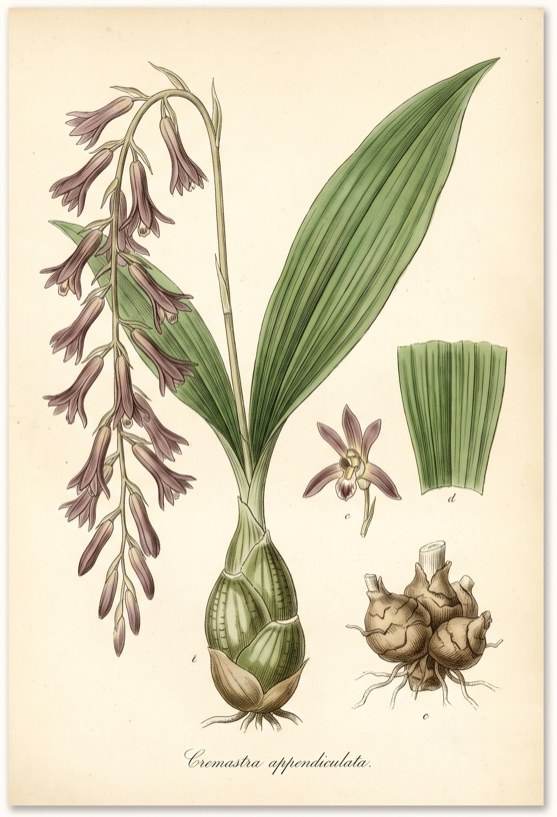 Shan Ci GuCremastra appendiculata
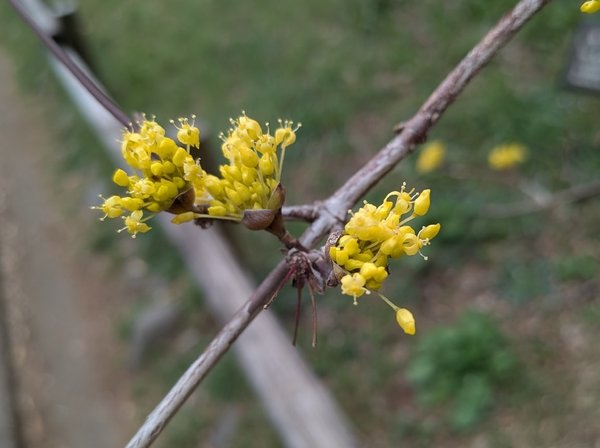 Shan Zhu YuCornus officinalis
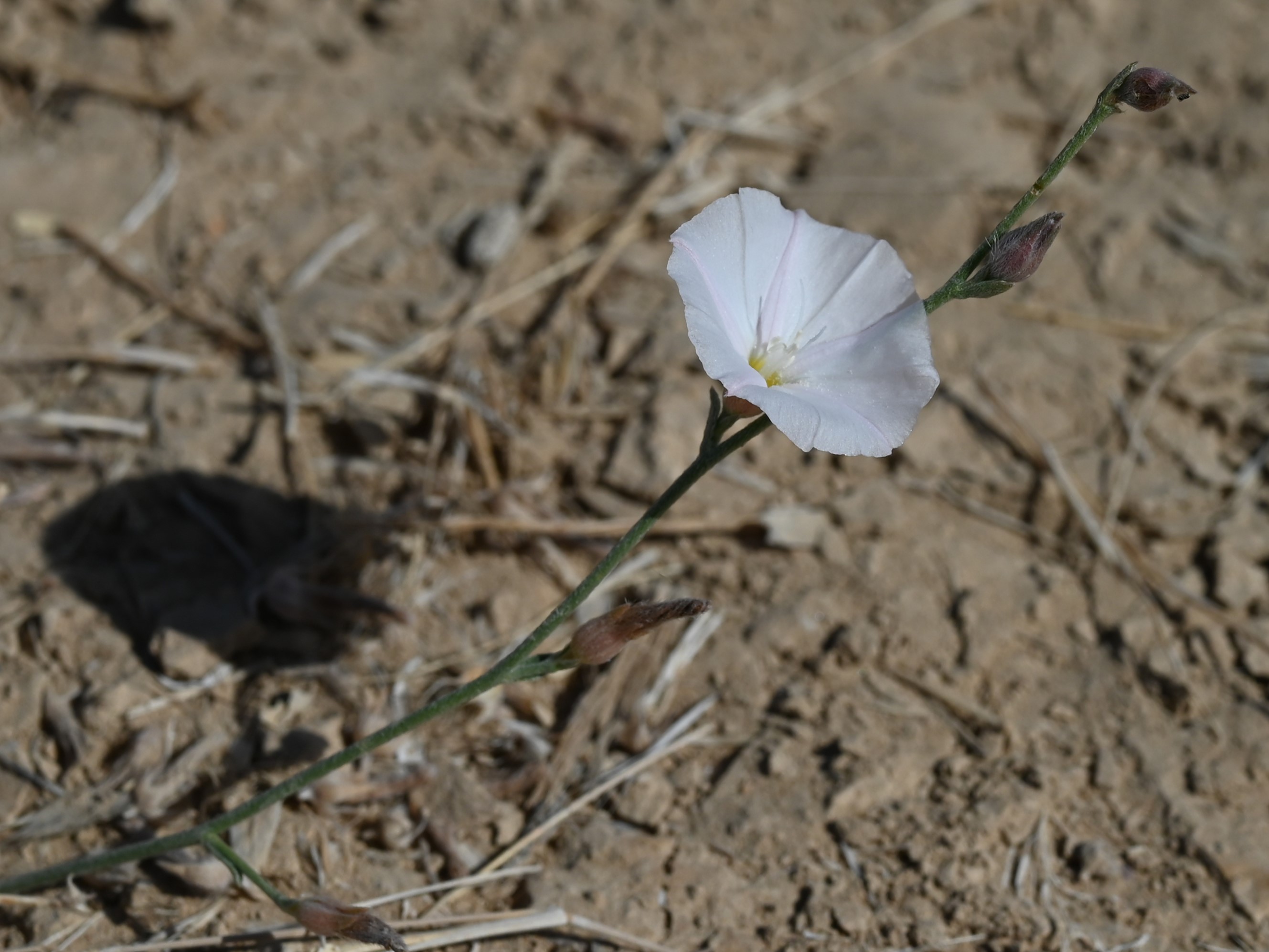 ShankhpushpiConvolvulus pluricaulis
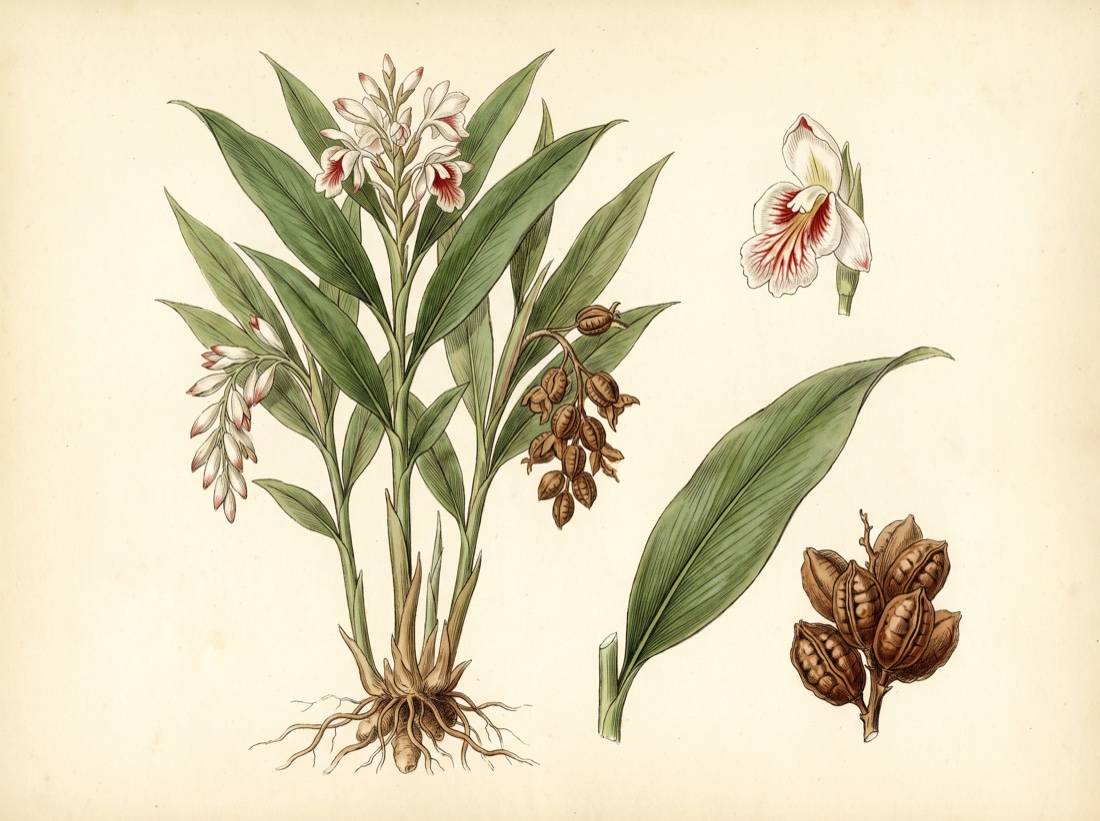 Sharp-leaf galangalAlpinia oxyphylla
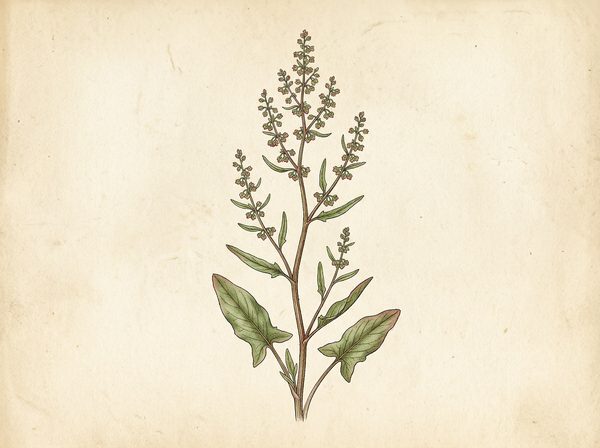 Sheep SorrelRumex acetosella
 Sheng maActaea cimicifuga
 Shepherd's purseCapsella bursa-pastoris
 ShiitakeLentinula edodes
The whole plate is in the library. The compass, Compare, the Sky of eleven hundred plants and the formulary open with an email address and a password, free, with the formula builder and its safety engine. Herbert without limit, his formulating, clients, the handouts and the labels are the paid room.
Open the library, free