Western Herbalism
Indian mallow
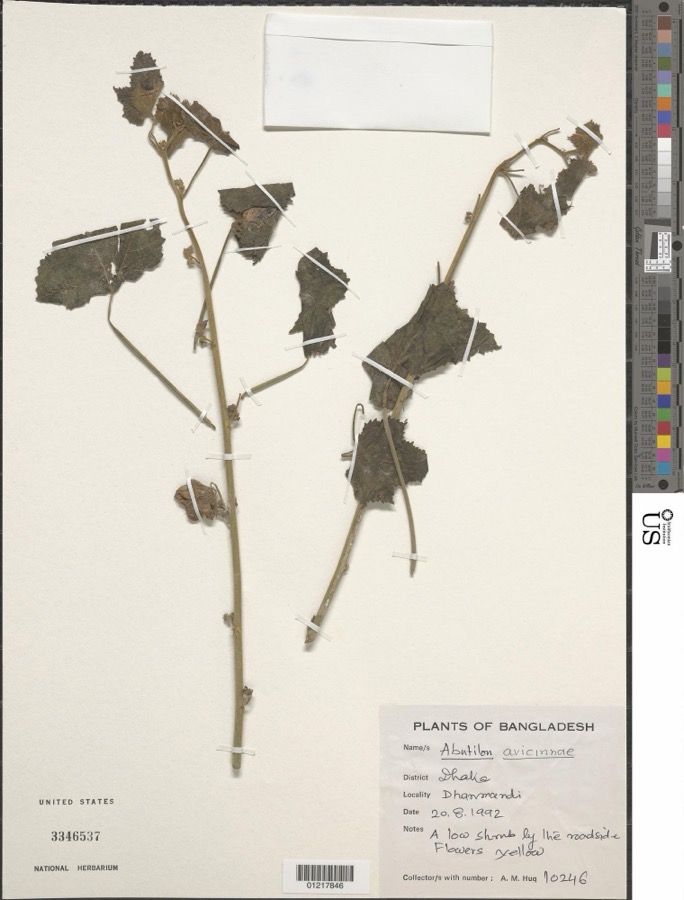
Abutilon avicenna
Also known as velvetleaf, China jute, button weed, Indian mallows.
Abutilon avicenna, now more usually known as Abutilon theophrasti or velvetleaf, is a tall annual member of the mallow family with soft, velvety, heart-shaped leaves and small yellow flowers. It grows widely as a weed of cultivated and waste ground across temperate regions, having naturalized from Asia into North America and elsewhere. In the physiomedicalist tradition the leaves were noted as mucilaginous and mildly astringent, a combination valued for soothing irritated mucous membranes, and the plant was recognized as a folk remedy among country people even though it was little used by the trained profession of the day. Related Asian mallows in the same genus, and Sida species, have a longer and more established history as demulcents for dysentery and other fluxes in South Asia and Brazil.

Ask Herbert about Indian mallow. Herbert is the master herbalist inside Bountiful Herbs: he answers from this plate and eleven hundred others, with dosing, pairing and cautions. Your first ten questions are free.
Ask HerbertActions
Indications what the tradition reached for it in
- Dysentery
- Diarrhea with mucus
- Mild leucorrhea
- Irritated bowel mucosa
- Sore throat
- Skin ulcers
- Boils and abscesses
- Minor wounds
- Mild cystitis
- Cough with irritated mucous membranes
Specific indications
Loose, mucus-streaked stool with a sense of raw, irritated bowel calling for a soothing mucilaginous astringent rather than a harsh binder
Thin, non-offensive vaginal discharge with mild local irritation
Safety
Pregnancy: No safety data exist for internal use in pregnancy; avoid as a precaution given the absence of study.
Breastfeeding: No safety data exist for use during lactation; avoid as a precaution given the absence of study.
The record lists 1 contraindication; open the plate in the library to read them in full.
In practice
This is a minor, lightly documented remedy rather than a mainstay of practice. Where it has been used, the leaves are prepared as a mild infusion or mucilage for irritated bowel or urinary mucosa, on the same rationale that guides the use of marshmallow or mallow leaf: mucilage to soothe an inflamed surface, combined with a light astringency to gently tone lax or weeping tissue.
Dosing as the sources wrote it
| Preparation | As written | Metric |
|---|---|---|
| Leaf infusion | 2-4 g dried leaf as an infusion, up to three times daily | 2000-4000 mg |
| Poultice | fresh or dried leaf, softened in hot water, applied topically as needed |
Doses are reproduced from the sources for practitioners and are not a recommendation for any person.
From the sources
Overview. Abutilon avicenna, now more usually known as Abutilon theophrasti or velvetleaf, is a tall annual member of the mallow family with soft, velvety, heart-shaped leaves and small yellow flowers. It grows widely as a weed of cultivated and waste ground across temperate regions, having naturalized from Asia into North America and elsewhere.
Clinical Notes. This is a minor, lightly documented remedy rather than a mainstay of practice. Where it has been used, the leaves are prepared as a mild infusion or mucilage for irritated bowel or urinary mucosa, on the same rationale that guides the use of marshmallow or mallow leaf: mucilage to soothe an inflamed surface, combined with a light astringency to gently tone lax or weeping tissue.
Properties and Uses. The leaves are mucilaginous and slightly astringent, which would fit them for use in dysenteries, and mild leucorrhea, and as an emollient and cleansing poultice. They are not employed by the profession; but their use among the people in some sections, shows that they should receive attention. The Abutilon Indicum, (or Sida Indica,) as also the Sida cordifolia and carpinifolia, are much esteemed as demulcents in the fluxes of Southern Asia and Brazil, to which the plant now so common in our country was probably indigenous. It will undoubtedly repay investigation. Medical Herbalism journal and medherb.com The Physiomedical Dispensatory by William Cook, M.D., 1869
Description. Natural Order, Malvaceae. Genus ABUTILON: Calyx five-cleft, without an involucel, often angular. Ovaries five, many-seeded. Styles many cleft. Capsule of five or more carpels, arranged circularly, each one-celled and from one to three-seeded. A. AVICENNA. Leaves four to six inches broad, roundish-cordate, acuminate, dentate, velvety. Peduncles shorter than the leaf- stalks. Carpels about fifteen, inflated, two-beaked, truncated, three-seeded, hairy. Stem branched, three to four feet high. Flowers yellow, nearly an inch broad. Annual, common in waste places, blooming in July .
Drawn from Cook's Physio-Medical Dispensatory, and the Bountiful Herbs editorial.
Nearby on the shelf
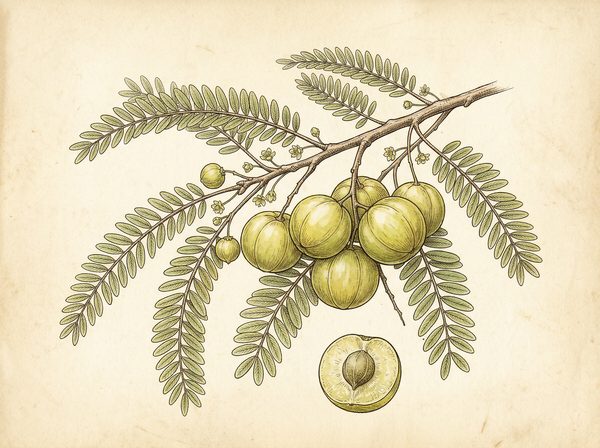 Indian gooseberryPhyllanthus emblica
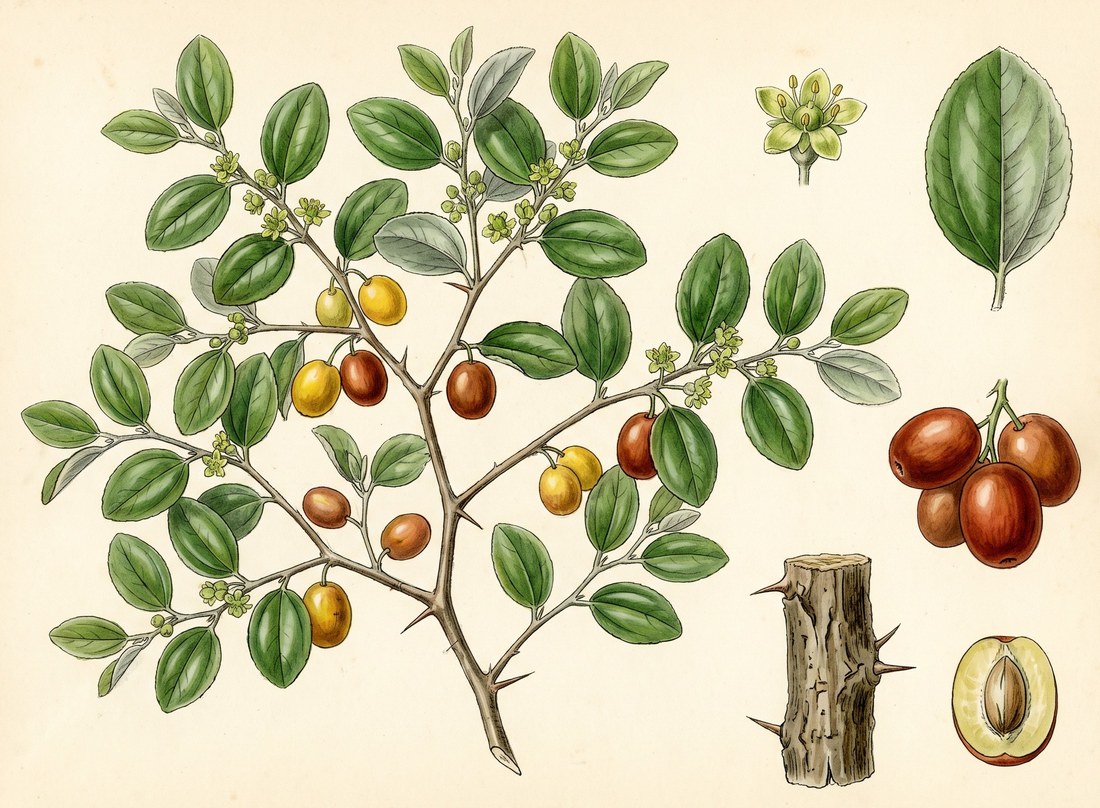 Indian jujubeZiziphus mauritiana
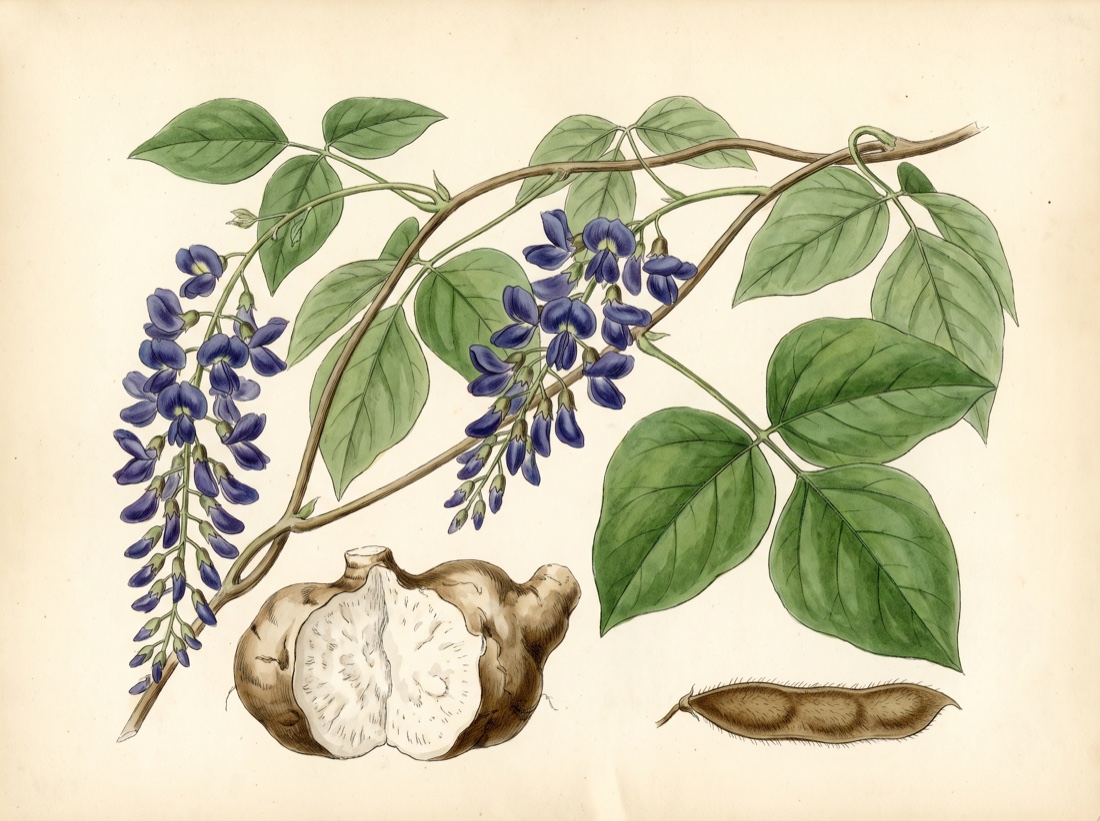 Indian kudzuPueraria tuberosa
 Indian madderRubia cordifolia
 Indian nightshadeSolanum indicum
 Indian PhysicGillenia
 Indian pokeweedPhytolacca acinosa
 Indian rosewoodDalbergia sissoo
The whole plate is in the library. The compass, Compare, the Sky of eleven hundred plants and the formulary open with an email address and a password, free, with the formula builder and its safety engine. Herbert without limit, his formulating, clients, the handouts and the labels are the paid room.
Open the library, free