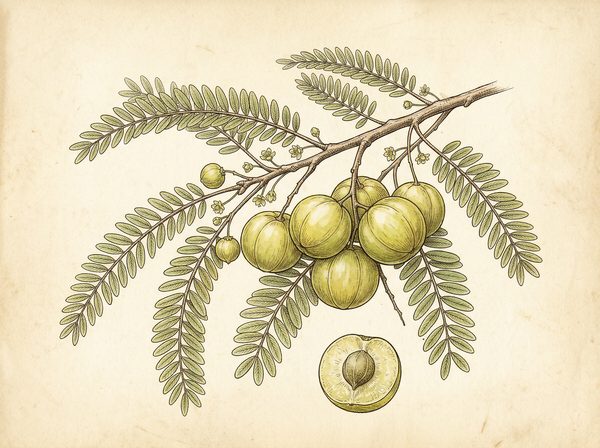
Ayurvedic Herbalism
Indian gooseberry
Phyllanthus emblica
Also known as amla, emblic myrobalan, Malacca tree, Amalaki, Amalaki, Dhatri, Amrita.
Phyllanthus emblica is a medium sized deciduous tree of the plains and lower hills of India, common in dry deciduous forest across the Deccan, central India and the Himalayan foothills, and widely cultivated in Uttar Pradesh and Gujarat. Its pale green, translucent, deeply sour fruit is Amalaki, the premier rasayana of Ayurveda and the one drug the tradition credits with all tastes but salt. It anchors both Triphala and Chyawanprash, and the classical texts treat it as the safest daily tonic in the materia medica.

Ask Herbert about Indian gooseberry. Herbert is the master herbalist inside Bountiful Herbs: he answers from this plate and eleven hundred others, with dosing, pairing and cautions. Your first ten questions are free.
Ask HerbertActions
Indications what the tradition reached for it in
- Gastric hyperacidity and reflux
- Chronic constipation of a dry, mild type
- Dyslipidemia and metabolic syndrome
- Type 2 diabetes (adjunct)
- Convalescence and general debility
- Iron deficiency anemia (as a vitamin C source with iron)
- Bleeding gums and easy bruising
- Premature graying and hair loss
- Recurrent respiratory infections
- Early cataract and tired eyes (traditional)
- Chronic low grade inflammation
- Fatty liver (adjunct)
- Heartburn
- GERD
- Constipation
- Weakness
- LDL oxidation
- Hyperlipidemia
- Inflammation
- Cardiovascular disorders
- Fatigue
- Free radical damage
- Hyperacidity
- Dyspepsia
- Eye strain
- Diabetes
- Cancer supportive
- High cholesterol
- Non-alcoholic fatty liver disease
- Burning sensation in skin/eyes
Specific indications
A hot, irritable patient with burning epigastric pain, sour belching and a tendency to loose stools who cannot tolerate warming digestives
The middle aged patient with rising cholesterol, a soft belly and borderline blood sugar who wants a food-like daily tonic rather than a drug
Recurrent nosebleeds, bleeding gums or heavy periods in a pitta constitution with heat signs and a red tongue
The convalescent who is weak but cannot take heavy, oily, building tonics without indigestion
Safety
Pregnancy: Consult if pregnant and using >3g/day (
The record lists 6 contraindications; open the plate in the library to read them in full.
In practice
Amalaki is the herb to reach for when a patient needs building and cooling at the same time. Its natural home is pitta: hyperacidity, burning, bleeding, heat rashes, irritability and early graying. Because it is sour yet cooling it is one of the few tonics that can be given freely in summer, in fever convalescence and in hot constitutions.
In Ayurveda
Rasa: amla (sour) predominant, with madhura (sweet), kashaya (astringent), tikta (bitter) and katu (pungent); all tastes except lavana (salty). Virya: sheeta (cooling). Vipaka: madhura (sweet). Guna: laghu (light), ruksha (dry). Dosha: pacifies all three doshas, pitta most of all; the sour taste is balanced by the cooling potency so it does not aggravate pitta as other sour fruits do. Prabhava: tridoshahara despite its sour taste: a sour drug that cools rather than heats. Karma: rasayana (rejuvenative); vayasthapana (arrests aging); chakshushya (benefits the eyes); keshya (benefits hair); hridya (cardiotonic); deepana (kindles digestion); anulomana (regulates downward movement of the bowel); raktapittashamaka (checks bleeding of pitta origin); pramehaghna (useful in urinary disorders and diabetes); medhya (supports intellect); vrishya (aphrodisiac); dahaprashamana (relieves burning). Classical indications: raktapitta (bleeding disorders); amlapitta (hyperacidity, gastric reflux); prameha (urinary disorders including diabetes); daha (burning sensations); kshaya (wasting and debility); pandu (anemia); netraroga (eye disorders); palitya (premature graying); jvara (fever, especially with pitta); vibandha (constipation); arsha (hemorrhoids); kasa and shvasa (cough and dyspnea). The fresh or dried fruit is the classical drug, taken as swarasa (fresh juice), as churna of the dried pulp, as kwatha, as the cornerstone of avaleha (Chyawanprash), as the fermented Dhatryarishta, and as Amalaki rasayana prepared by repeated trituration of the powder with its own juice. Seed, leaf and bark are minor drugs used topically and in local practice. Classical formulations: Triphala churna, Chyawanprash, Amalaki rasayana, Brahma rasayana, Dhatri lauha, Dhatryarishta, Amalakyadi churna, Triphala ghrita. Described in: Charaka Samhita, Sushruta Samhita, Ashtanga Hridaya, Bhavaprakasha Nighantu, Dhanvantari Nighantu, Raja Nighantu, Kaiyadeva Nighantu, Madanapala Nighantu, Sharngadhara Samhita, Ayurvedic Pharmacopoeia of India.
Dosing as the sources wrote it
| Preparation | As written | Metric |
|---|---|---|
| Churna | 3-6 g dried fruit powder twice daily with water or honey | 3000-6000 mg |
| Swarasa | 10-20 mL fresh fruit juice twice daily | 10-20 mL |
| Kwatha | 50-100 mL decoction twice daily | 50-100 mL |
| Avaleha (Chyawanprash) | 5-10 g twice daily with warm milk | 5000-10000 mg |
| Arishta | 12-24 mL twice daily after food | 12-24 mL |
| Standardized extract | 500-1000 mg fruit extract daily in divided doses | 500-1000 mg |
Doses are reproduced from the sources for practitioners and are not a recommendation for any person.
From the sources
Overview. Phyllanthus emblica is a medium sized deciduous tree of the plains and lower hills of India, common in dry deciduous forest across the Deccan, central India and the Himalayan foothills, and widely cultivated in Uttar Pradesh and Gujarat. Its pale green, translucent, deeply sour fruit is Amalaki, the premier rasayana of Ayurveda and the one drug the tradition credits with all tastes but salt. It anchors both Triphala and Chyawanprash, and the classical texts treat it as the safest daily tonic in the materia medica.
Clinical Notes. Amalaki is the herb to reach for when a patient needs building and cooling at the same time. Its natural home is pitta: hyperacidity, burning, bleeding, heat rashes, irritability and early graying. Because it is sour yet cooling it is one of the few tonics that can be given freely in summer, in fever convalescence and in hot constitutions.
antioxidant-action. Amla supplies powerful free-radical scavenging capacity, with vitamin C contributing an estimated 45-70% of its antioxidant activity, and it strengthens the body's own antioxidant defenses such as superoxide dismutase and catalase.
anticancer-preclinical. In multiple rodent cancer models, treatment with Phyllanthus emblica reduced tumor incidence, number and size, acting through antioxidant effects, modulation of Phase I and II enzymes, anti-inflammatory action, cell-cycle regulation and altered oncogenic signaling.
In formulas
Indian gooseberry stands in 98 documented formulas in the library, among them Aravindāsava, Aśokāriṣta, Kuṭajāriṣta, Khadirāriṣta, Dantyādyariṣṭa, Daśamūlāriṣṭa.
Often paired with
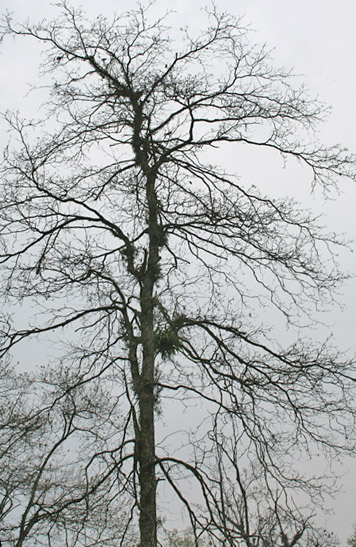 chebulic myrobalanTerminalia chebula
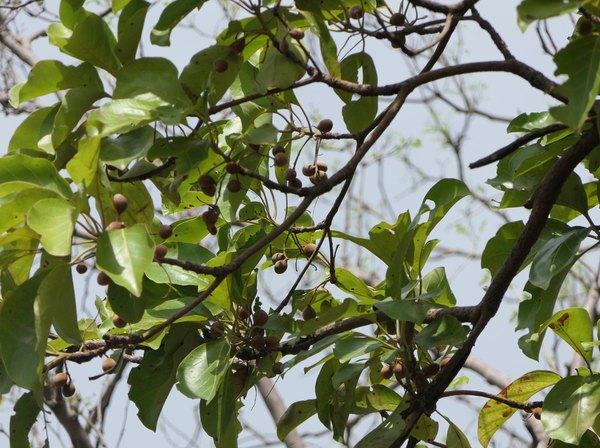 beleric myrobalanTerminalia bellirica
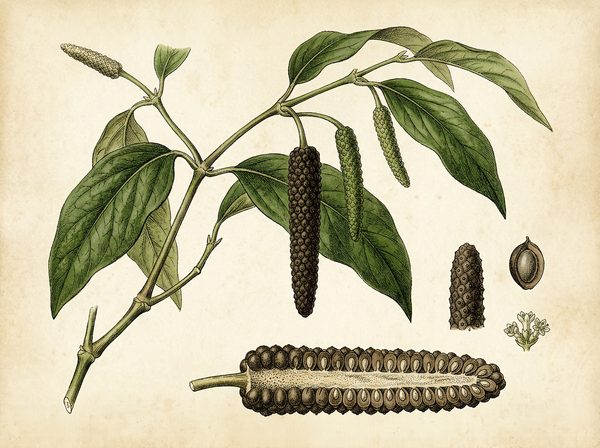 long pepperPiper longum
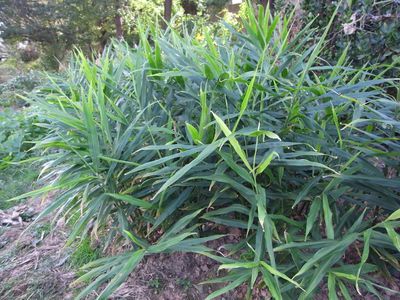 GingerZingiber officinale
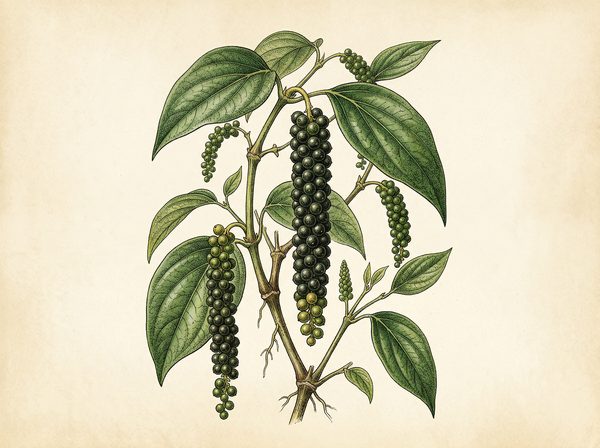 black pepperPiper nigrum
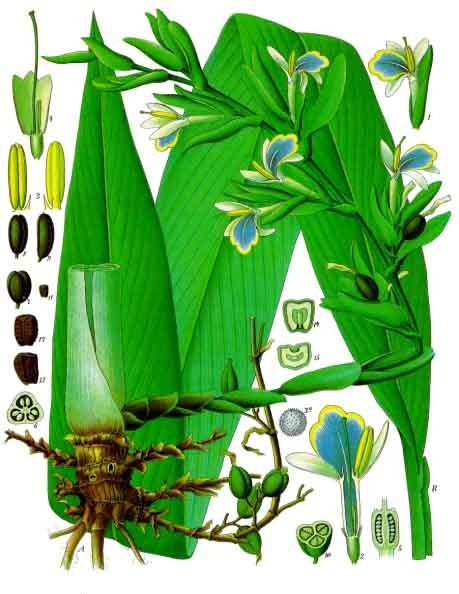 cardamomElettaria cardamomum
Nearby on the shelf
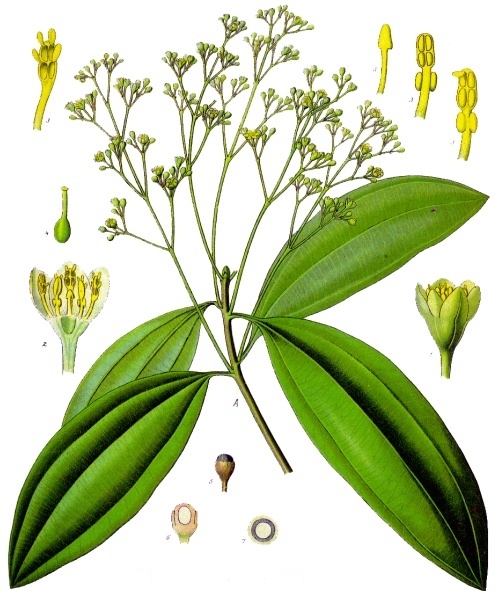 Indian bay leafCinnamomum tamala
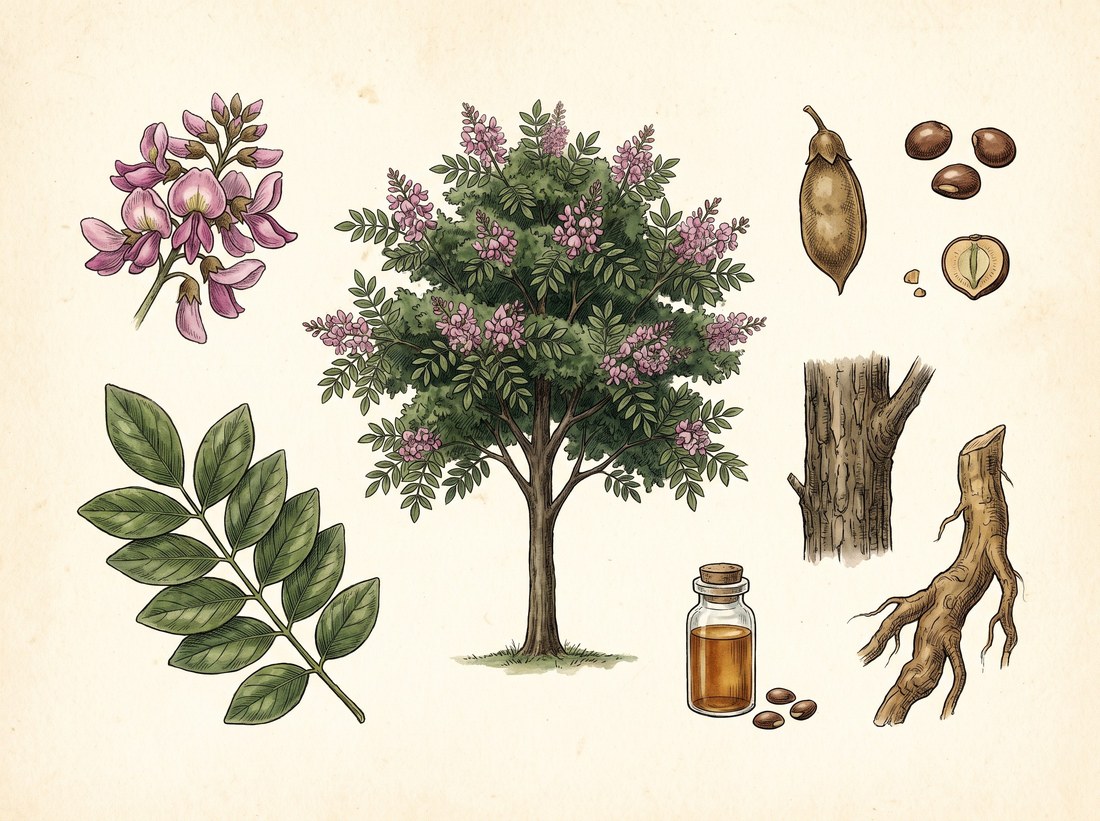 Indian beechPongamia pinnata
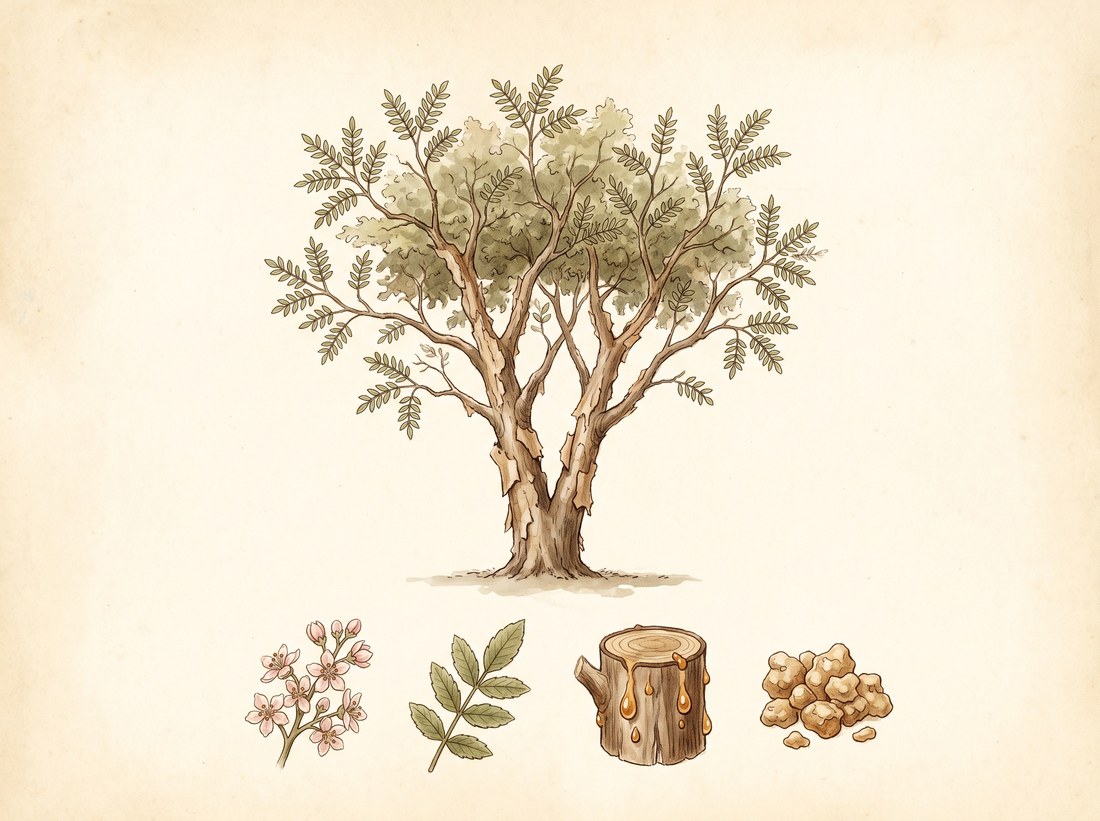 Indian frankincenseBoswellia serrata
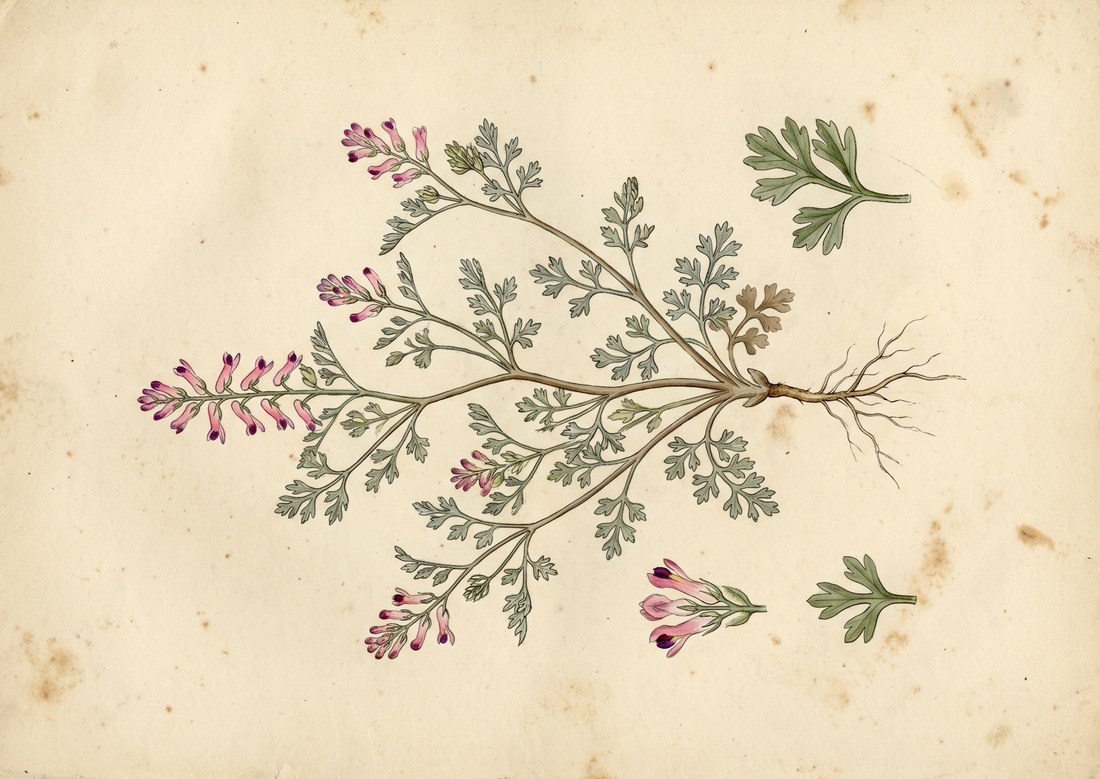 Indian fumitoryFumaria indica
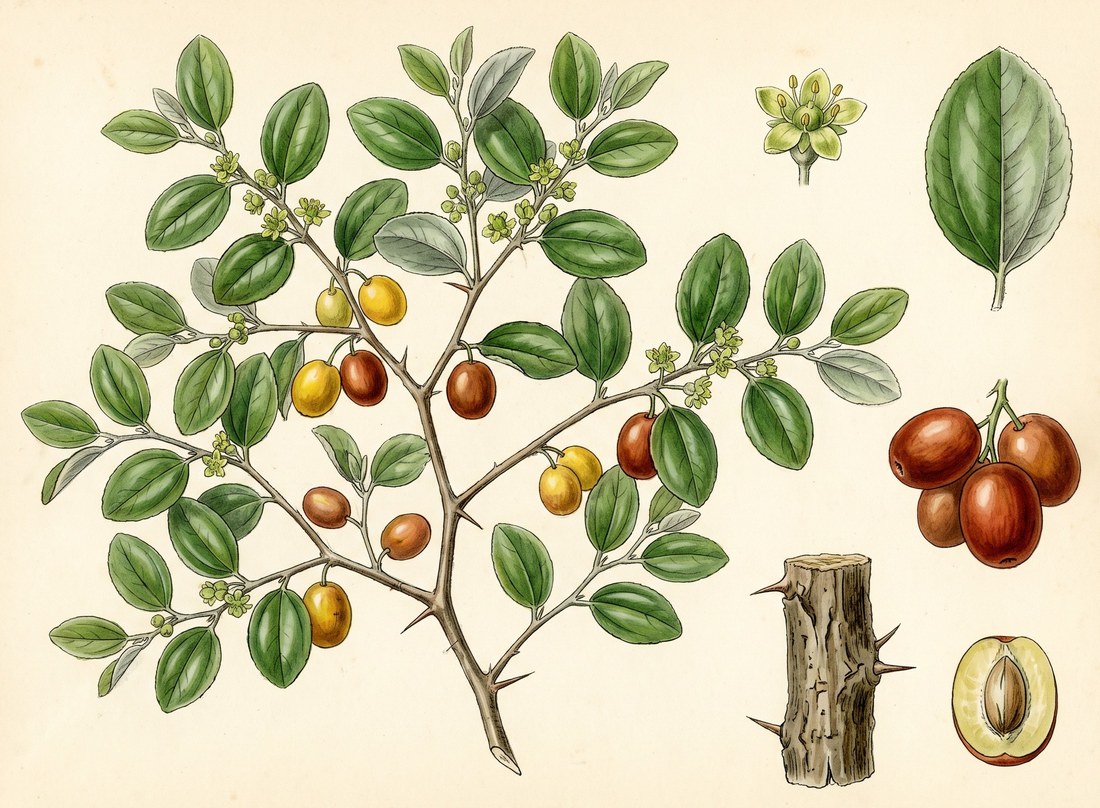 Indian jujubeZiziphus mauritiana
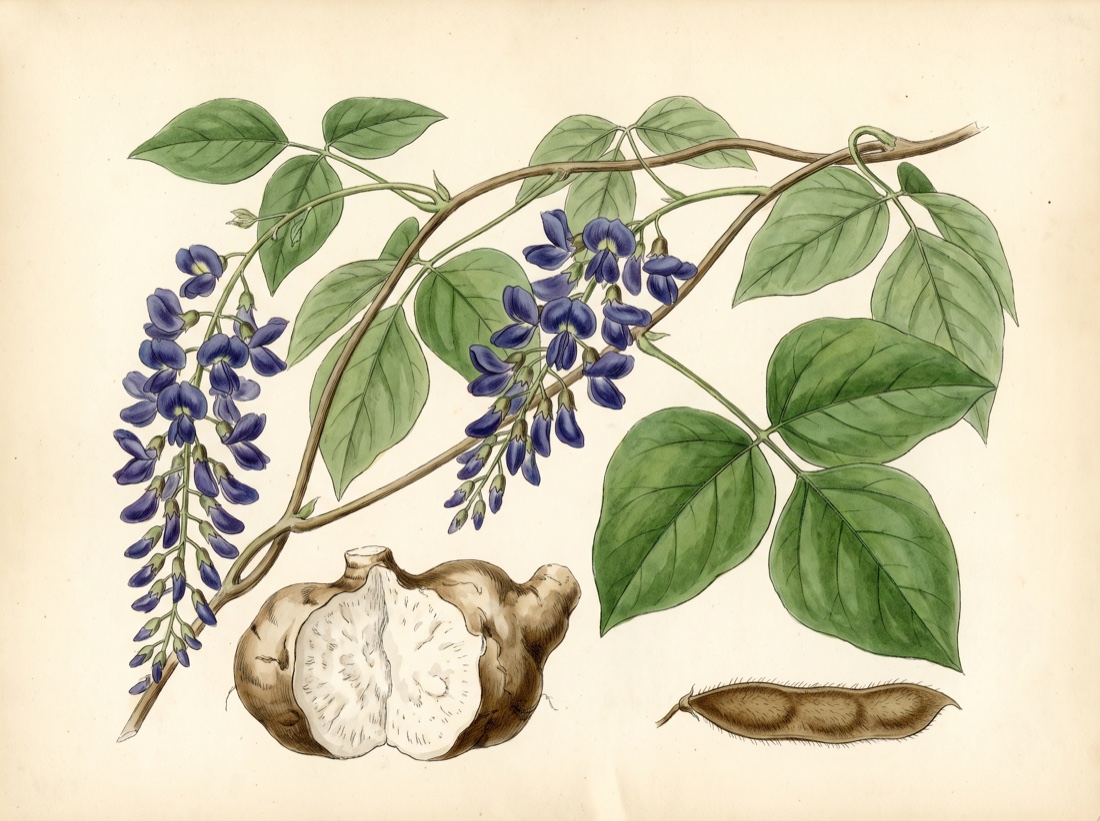 Indian kudzuPueraria tuberosa
 Indian madderRubia cordifolia
 Indian mallowAbutilon avicenna
The whole plate is in the library. The compass, Compare, the Sky of eleven hundred plants and the formulary open with an email address and a password, free, with the formula builder and its safety engine. Herbert without limit, his formulating, clients, the handouts and the labels are the paid room.
Open the library, free