Ayurvedic Herbalism
Indian nightshade
Solanum indicum
Also known as poison berry, African eggplant (for S. anguivi), brihati, bush eggplant, Brihati, Simhi, Mahati.
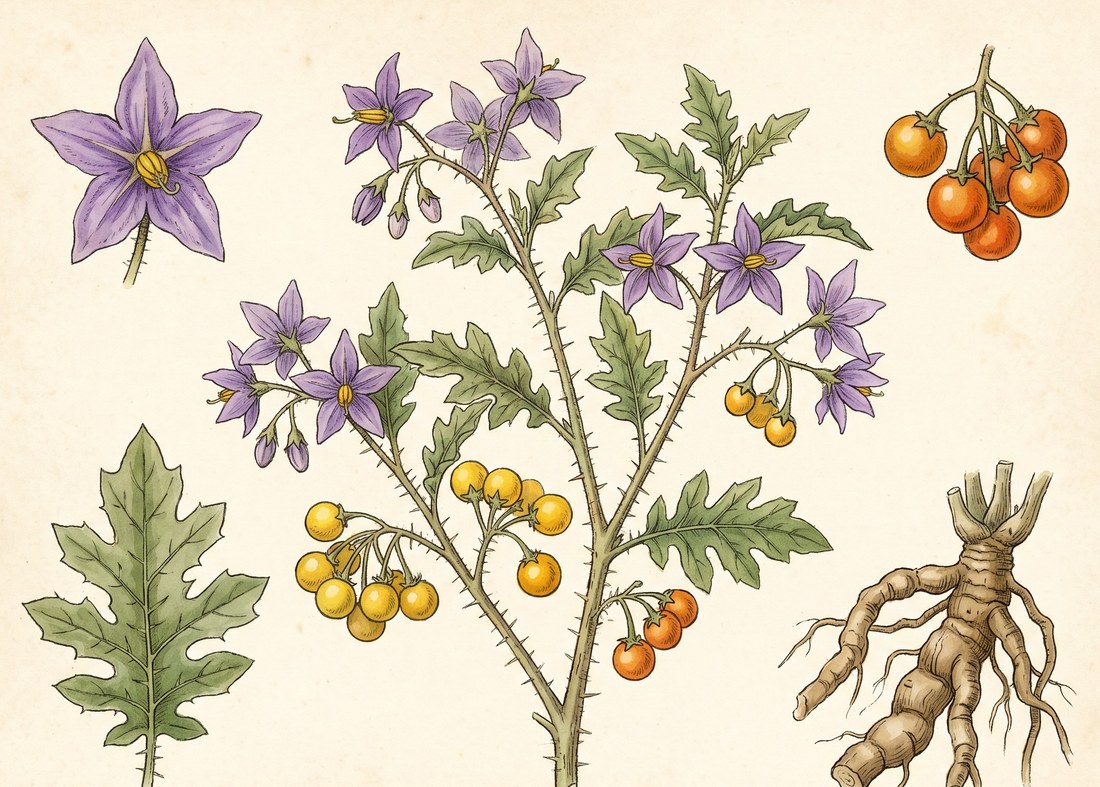
Solanum indicum, now treated by botanists under the name Solanum anguivi, is a prickly perennial shrub of the nightshade family with violet flowers and small globose yellow or orange berries, found on waste ground, field margins and forest edges throughout India and across tropical Asia and Africa. In Ayurveda its root is Brihati, the larger of the two nightshade roots in the Laghu Panchamoola and therefore a member of Dashamoola, the ten roots that anchor the tradition's anti-inflammatory and vata pacifying formulas. It is a warming, pungent, bitter drug for cough, asthma, fever and weak digestion.

Ask Herbert about Indian nightshade. Herbert is the master herbalist inside Bountiful Herbs: he answers from this plate and eleven hundred others, with dosing, pairing and cautions. Your first ten questions are free.
Ask HerbertActions
Indications what the tradition reached for it in
- Chronic cough with thick sputum
- Bronchial asthma with kapha congestion (adjunct)
- Chronic bronchitis in cold, phlegmatic patients
- Recurrent colds and sinus catarrh
- Low grade fever with respiratory symptoms
- Poor appetite and sluggish digestion
- Diarrhea with undigested food
- Type 2 diabetes with dyslipidemia (fruit, adjunct)
- Vata disorders and joint pain (in Dashamoola)
- Urinary discomfort and dysuria (in Laghu Panchamoola)
- Itching skin eruptions (fruit paste, topical)
- Toothache and dental caries (fruit smoke or paste, traditional)
Specific indications
A heavy, cold patient with a chronic wet cough, wheeze and a full chest who is worse in damp weather and after cold food, the kapha shvasa picture that Brihati and Kantakari were made for
Chronic low grade catarrh with poor appetite and a coated tongue, where the respiratory congestion and the digestive sluggishness need the same warming, drying, sharp treatment
The postpartum or convalescent vata patient with aches, weakness and chest heaviness for whom a Dashamoola preparation is chosen
A kapha type diabetic with high lipids where the fruit can be added to the diet as a bitter vegetable
Safety
Pregnancy: Avoid medicinal doses in pregnancy: no published safety class is known to us, and the root contains steroidal glycoalkaloids whose safety in pregnancy is unstudied, although small amounts within Dashamoola preparations are traditionally given postpartum.
The record lists 8 contraindications; open the plate in the library to read them in full.
In practice
The Ayurvedic practitioner uses Brihati almost always in company. With Kantakari, the smaller nightshade, it forms the pair that clears kapha from the chest; together with Shalaparni, Prishniparni and Gokshura they make Laghu Panchamoola, the five lesser roots, which are decocted for fever, cough, asthma and dysuria; and with the five greater roots they form Dashamoola, decocted for vata disorders, postpartum weakness, joint pain, cough and fever.
In Ayurveda
Rasa: katu (pungent), tikta (bitter). Virya: ushna (heating). Vipaka: katu (pungent). Guna: laghu (light), ruksha (dry), tikshna (sharp). Dosha: pacifies vata and kapha; may aggravate pitta in excess. Karma: deepana (kindles digestion); pachana (digestive, ripens ama); kaphahara (reduces kapha); vatahara (pacifies vata); shvasahara (relieves dyspnea); kasahara (relieves cough); jvaraghna (relieves fever); hridya (cardiotonic); shothahara (reduces swelling); kandughna (relieves itching); krimighna (anthelmintic); grahi (absorbent, binds the stool). Classical indications: kasa (cough); shvasa (dyspnea and asthma); jvara (fever); pratishyaya (rhinitis and catarrh); hridroga (heart disease); agnimandya (weak digestion); aruchi (anorexia); atisara (diarrhea); shotha (swelling); kandu (itching); krimi (worms); vatavyadhi (disorders of vata, as part of Dashamoola). The root is the drug of the classical texts and one of the five lesser roots of Dashamoola, given as kwatha and in decoction compounds, arishtas and tailas; the fruit is used fresh or dried as a vegetable and in fumigation and pastes for toothache and skin itching; the whole plant is decocted in some regional traditions. Classical formulations: Dashamoola kwatha, Dashamoolarishta, Laghu Panchamoola kwatha, Brihatyadi kwatha, Chyawanprash, Dhanwantharam taila, Indukanta ghrita, Amritarishta, Dashamoola Haritaki. Described in: Charaka Samhita, Sushruta Samhita, Ashtanga Hridaya, Bhavaprakasha Nighantu, Dhanvantari Nighantu, Raja Nighantu, Kaiyadeva Nighantu, Ayurvedic Pharmacopoeia of India.
Dosing as the sources wrote it
| Preparation | As written | Metric |
|---|---|---|
| Churna | 3-6 g powdered root daily in divided doses with warm water or honey | 3000-6000 mg |
| Kwatha | 50-100 mL decoction twice daily | 50-100 mL |
| Arishta (Dashamoolarishta) | 12-24 mL twice daily after food | 12-24 mL |
| Fruit, dietary | 10-20 g cooked ripe fruit as a vegetable daily | 10000-20000 mg |
| Kalka, topical | 5-10 g fruit paste applied locally for itching | 5000-10000 mg |
Doses are reproduced from the sources for practitioners and are not a recommendation for any person.
From the sources
Overview. Solanum indicum, now treated by botanists under the name Solanum anguivi, is a prickly perennial shrub of the nightshade family with violet flowers and small globose yellow or orange berries, found on waste ground, field margins and forest edges throughout India and across tropical Asia and Africa. In Ayurveda its root is Brihati, the larger of the two nightshade roots in the Laghu Panchamoola and therefore a member of Dashamoola, the ten roots that anchor the tradition's anti-inflammatory and vata pacifying formulas. It is a warming, pungent, bitter drug for cough, asthma, fever and weak digestion.
Clinical Notes. The Ayurvedic practitioner uses Brihati almost always in company. With Kantakari, the smaller nightshade, it forms the pair that clears kapha from the chest; together with Shalaparni, Prishniparni and Gokshura they make Laghu Panchamoola, the five lesser roots, which are decocted for fever, cough, asthma and dysuria; and with the five greater roots they form Dashamoola, decocted for vata disorders, postpartum weakness, joint pain, cough and fever.
Ayurvedic Profile. Rasa: katu (pungent), tikta (bitter). Virya: ushna (heating). Vipaka: katu (pungent). Guna: laghu (light), ruksha (dry), tikshna (sharp). Dosha: pacifies vata and kapha; may aggravate pitta in excess. Karma: deepana (kindles digestion); pachana (digestive, ripens ama); kaphahara (reduces kapha); vatahara (pacifies vata); shvasahara (relieves dyspnea); kasahara (relieves cough); jvaraghna (relieves fever); hridya (cardiotonic); shothahara (reduces swelling); kandughna (relieves itching); krimighna (anthelmintic); grahi (absorbent, binds the stool).
In formulas
Indian nightshade stands in 39 documented formulas in the library, among them Amṛtāriṣta, Dantyādyariṣṭa, Daśamūlāriṣṭa, Punarnavāsava, Mṛtasaṅjīvanī Surā, Miśreyārka.
Often paired with
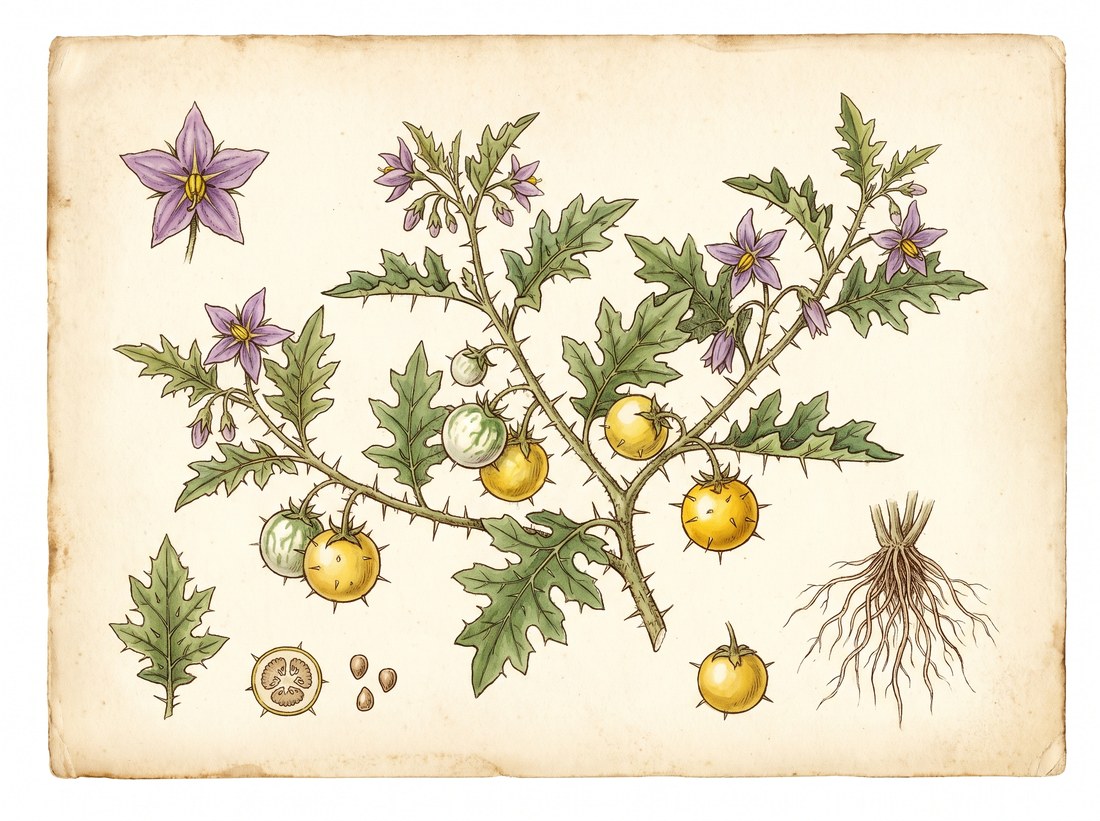 yellow-berried nightshadeSolanum xanthocarpum
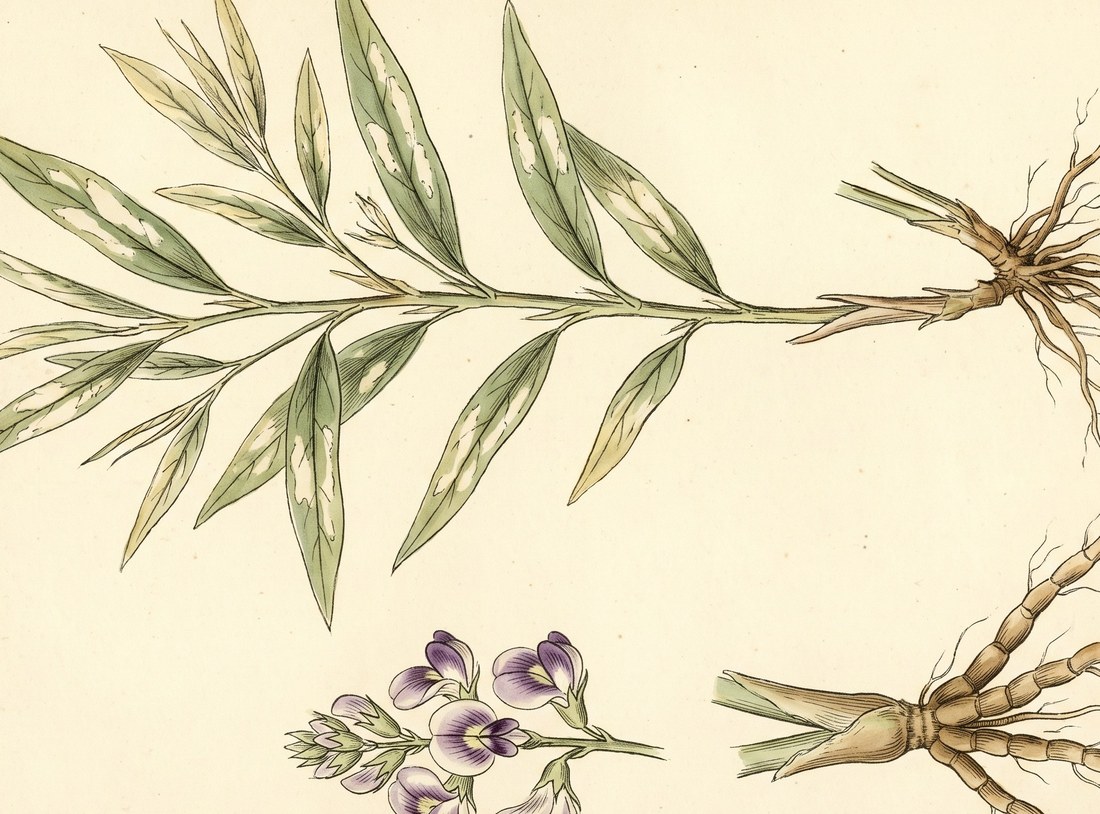 prishniparniUraria picta
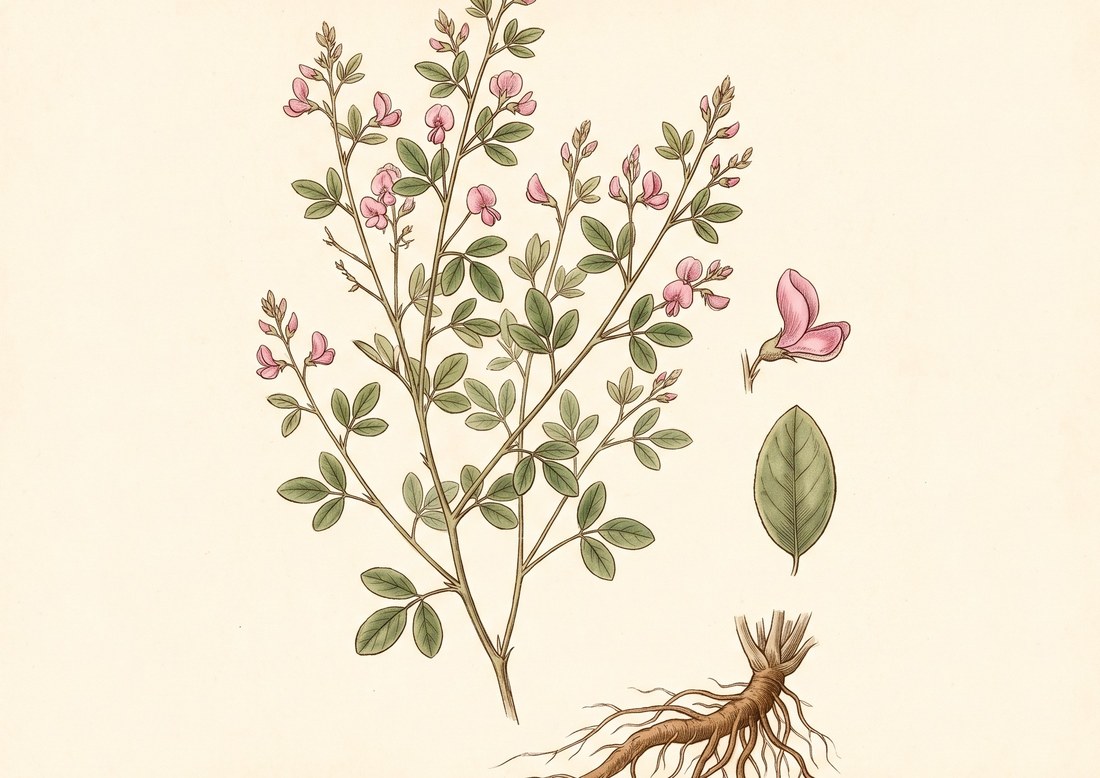 shalparniDesmodium gangeticum
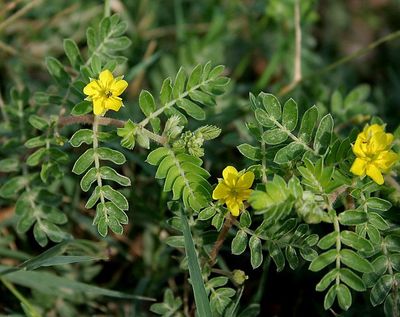 puncture vineTribulus terrestris
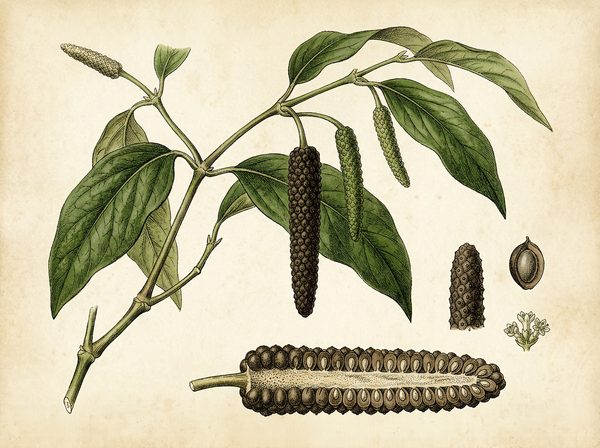 long pepperPiper longum
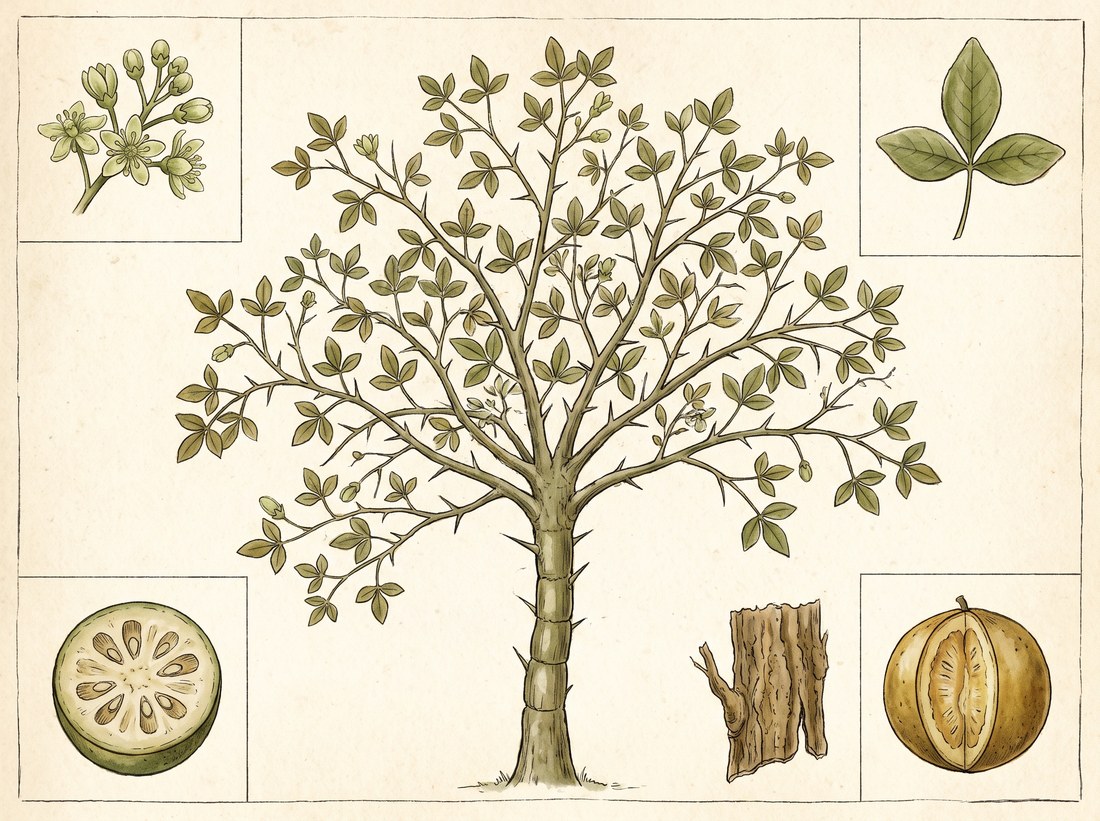 baelAegle marmelos
Nearby on the shelf
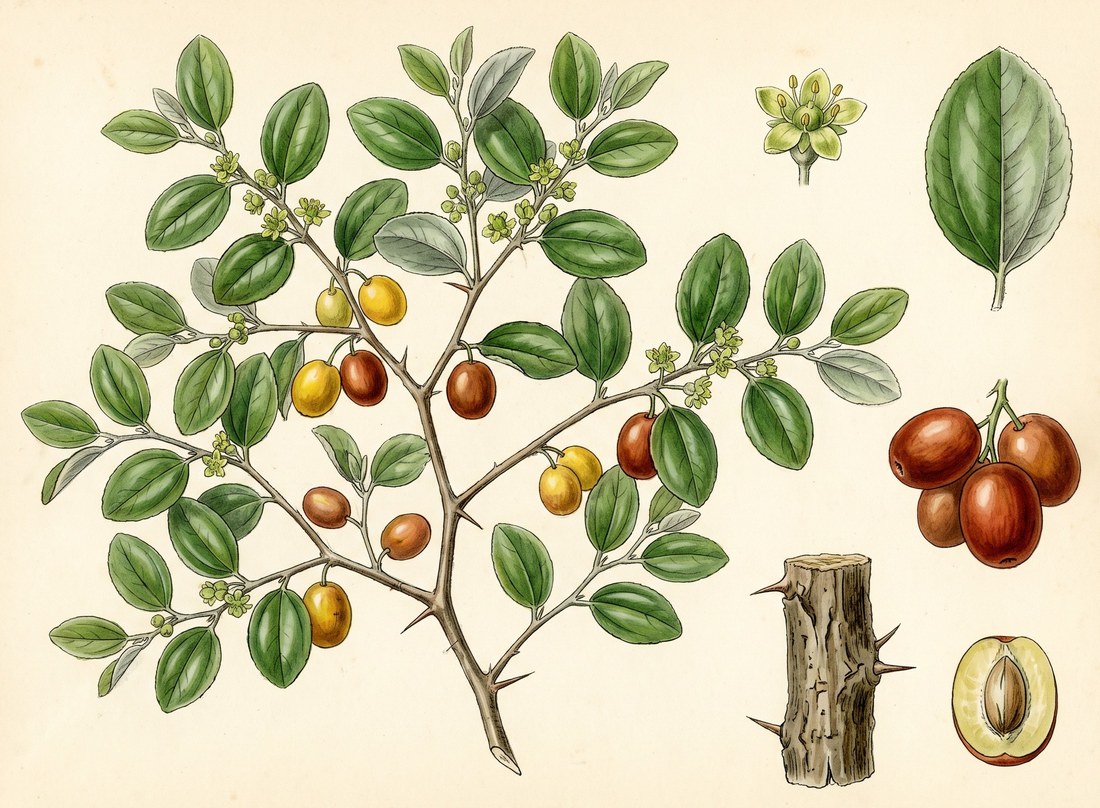 Indian jujubeZiziphus mauritiana
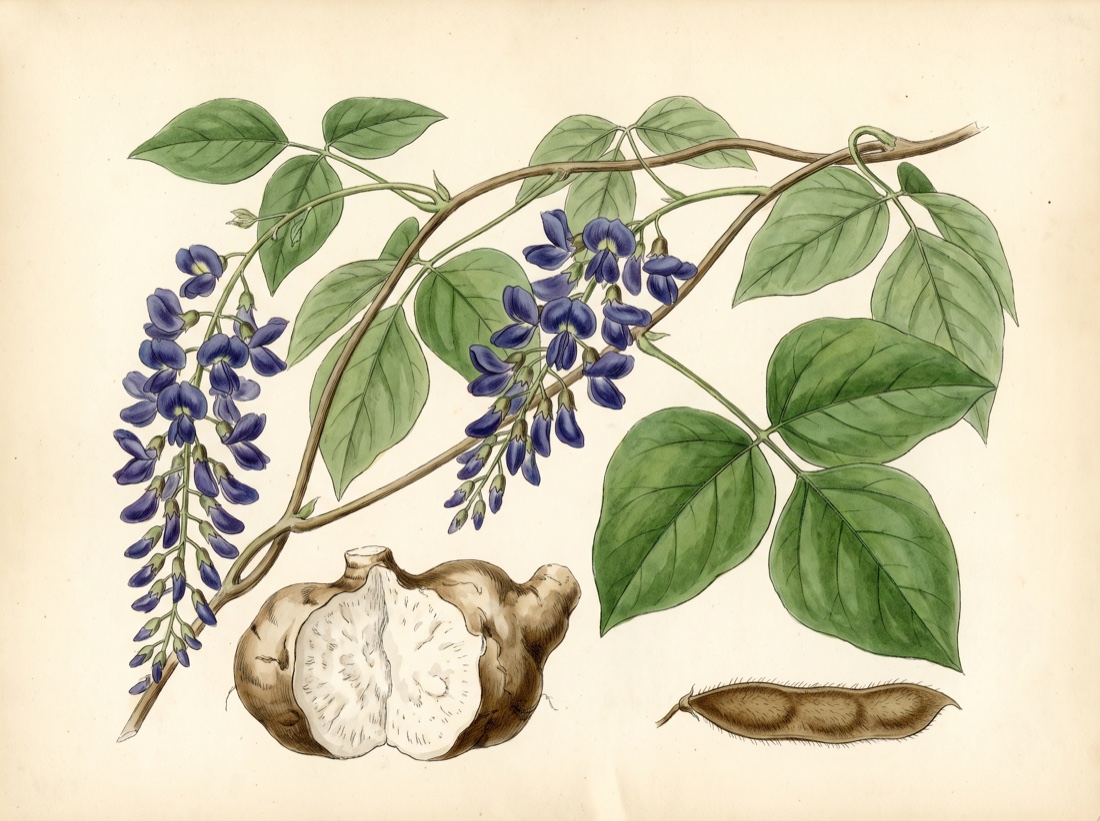 Indian kudzuPueraria tuberosa
 Indian madderRubia cordifolia
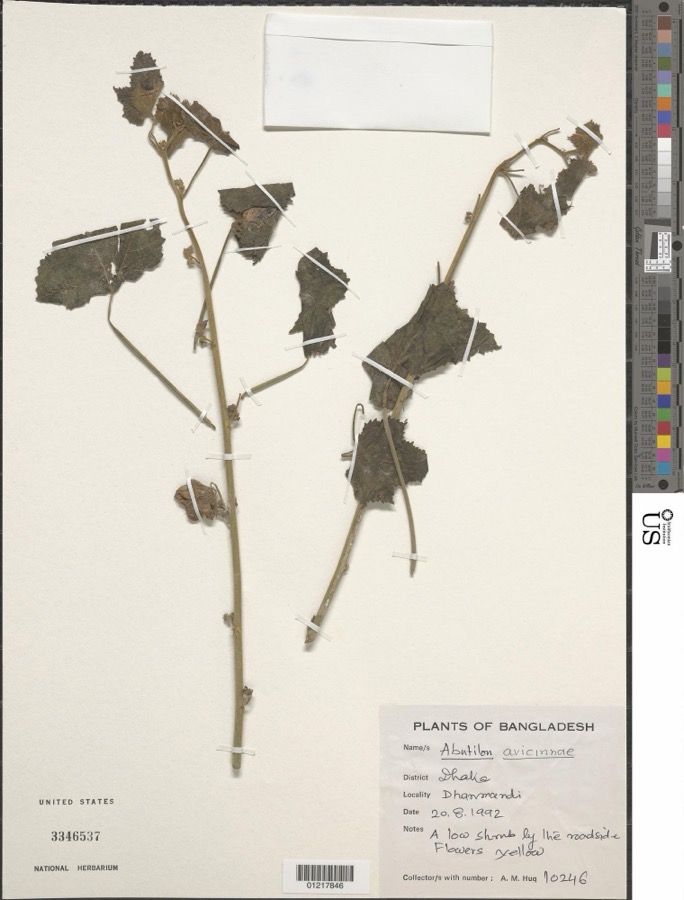 Indian mallowAbutilon avicenna
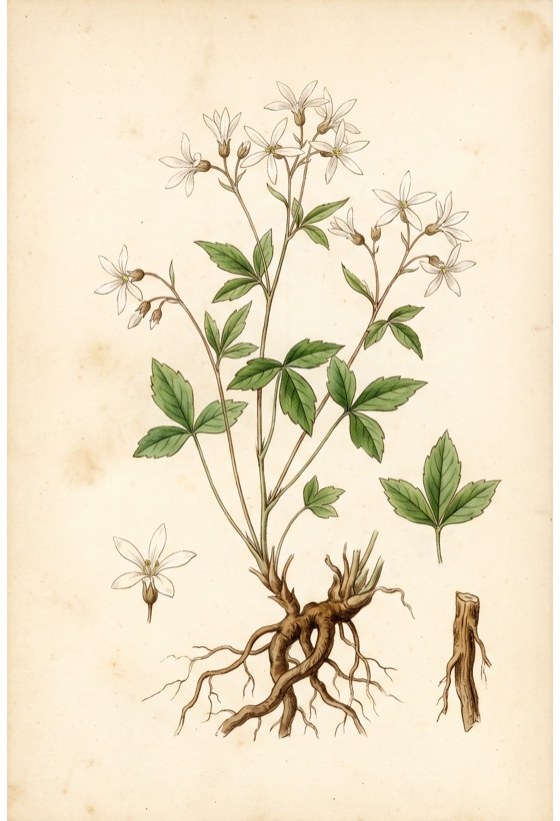 Indian PhysicGillenia
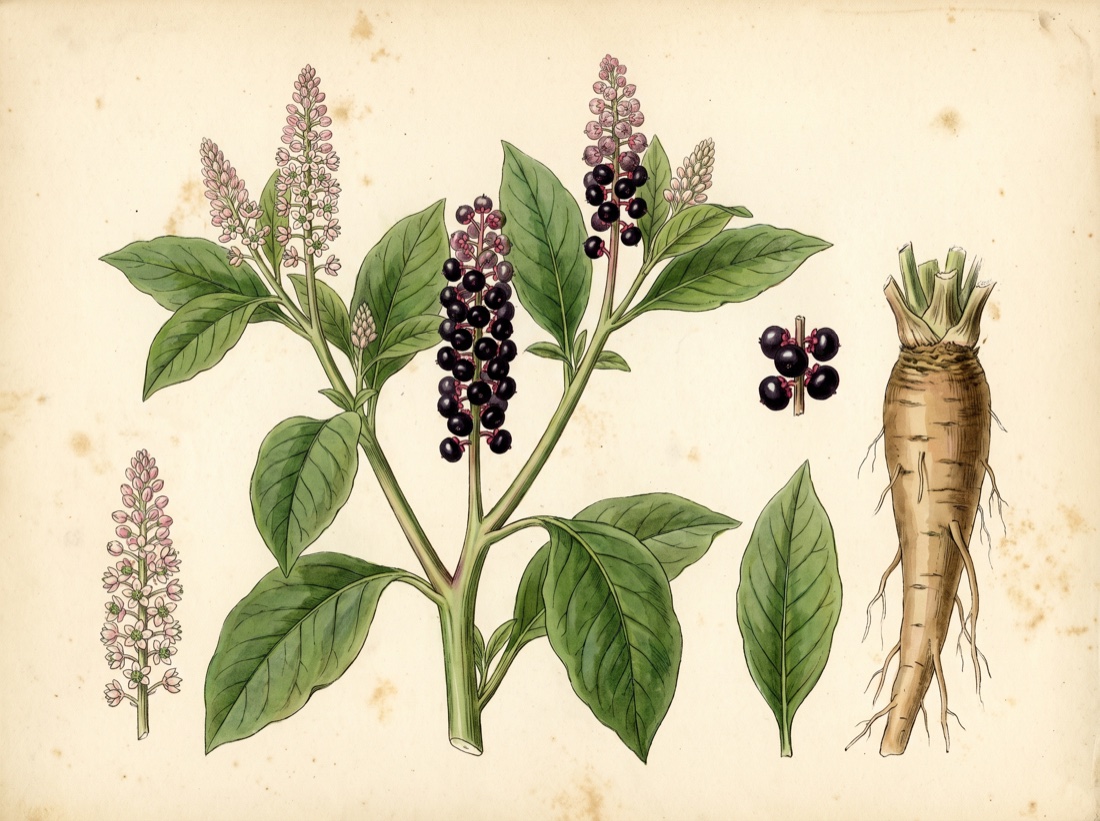 Indian pokeweedPhytolacca acinosa
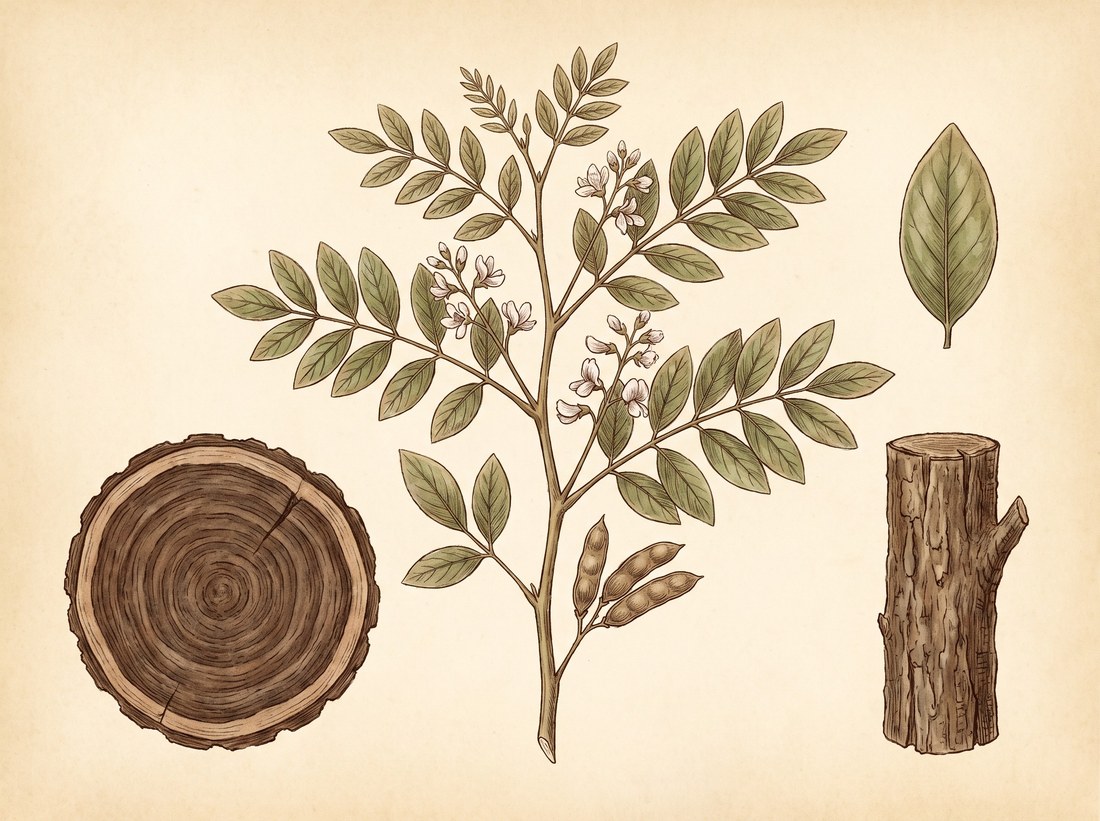 Indian rosewoodDalbergia sissoo
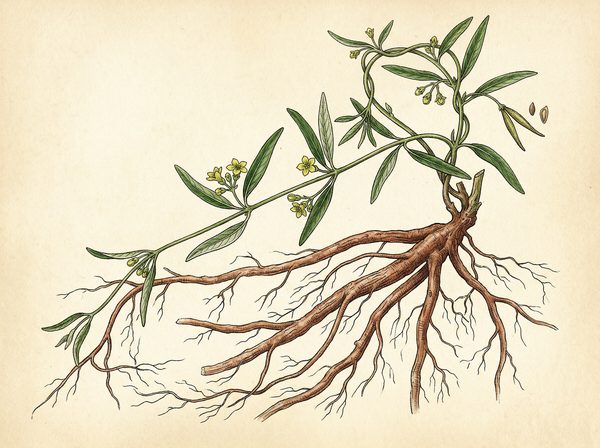 Indian sarsaparillaHemidesmus indicus
The whole plate is in the library. The compass, Compare, the Sky of eleven hundred plants and the formulary open with an email address and a password, free, with the formula builder and its safety engine. Herbert without limit, his formulating, clients, the handouts and the labels are the paid room.
Open the library, free