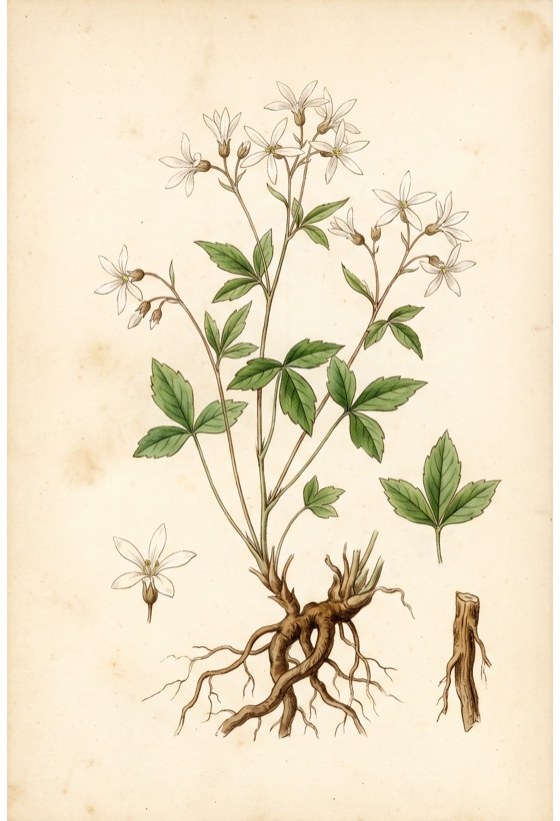
Western Herbalism
Indian Physic
Gillenia
Also known as American ipecac, Bowman's root, Indian hippo, American ipecacuanha, sometimes Bowman's root.
Gillenia is a small North American genus of the rose family, historically represented by two species, Indian physic (Gillenia trifoliata) and American ipecac (Gillenia stipulata), both native to open woods and thickets of the eastern United States. The root and root bark were dug in autumn and used by nineteenth century American Eclectic physicians as a milder home-grown substitute for true ipecac. In small doses it was considered a gentle stomachic and tonic; in larger doses, an emetic and diaphoretic used to break fevers and clear the stomach.

Ask Herbert about Indian Physic. Herbert is the master herbalist inside Bountiful Herbs: he answers from this plate and eleven hundred others, with dosing, pairing and cautions. Your first ten questions are free.
Ask HerbertActions
Indications what the tradition reached for it in
- Atonic dyspepsia
- Poor appetite with sluggish digestion
- Chronic diarrhea
- Dysentery
- Intermittent fever with need for diaphoresis
- Bronchitis with thick, tenacious mucus
- Constipation from atonic bowel
- Worms (traditional use)
- Rheumatic complaints (traditional use)
- Gastric overload calling for gentle emesis
Specific indications
Sluggish, atonic digestion with poor appetite and vague dyspepsia, given in small repeated tonic doses rather than as an emetic
Acute gastric distress or overindulgence where a gentler alternative to ipecac is wanted to relieve the stomach by vomiting
Safety
Low dose botanical. Used in drop doses in the classical practice; not a plant to dose freely.
Pregnancy: Avoid in pregnancy given its emetic action at higher doses and the absence of modern safety data.
Breastfeeding: Avoid during lactation due to lack of safety data and its historic emetic use.
The record lists 6 contraindications; open the plate in the library to read them in full.
In practice
In Eclectic practice this root was reached for in two quite different ways depending on dose. A small, repeated dose of the powdered root or a light tincture was given as a bitter tonic to rouse a sluggish, atonic digestion, particularly in convalescents or those with chronic dyspepsia and poor appetite.
Dosing as the sources wrote it
| Preparation | As written | Metric |
|---|---|---|
| Powdered root, tonic dose | 0.3-1 g three times daily | 300-1000 mg |
| Powdered root, emetic dose (occasional use only) | 2-4 g as a single dose | 2000-4000 mg |
| Tincture (1:5, 40%) | 1-2 mL three times daily as a tonic | 1-2 mL |
| In doses of ½ grain it produced emesis, with considerable vertigo (Amer. | 32.4-32.4 mg | |
| One, which he named gillein, was obtainable in feathery crystals, easily gives off sugar, is soluble in water, alcohol, and diluted acids, and causes nausea in the dose of ¼ grain. | 16.2-16.2 mg | |
| As an emetic and cathartic, from 20 to 85 grains is a dose, which, when vomiting is required, may be repeated at intervals of 20 minutes. | 1296-5508 mg |
Doses are reproduced from the sources for practitioners and are not a recommendation for any person.
From the sources
Overview. Gillenia is a small North American genus of the rose family, historically represented by two species, Indian physic (Gillenia trifoliata) and American ipecac (Gillenia stipulata), both native to open woods and thickets of the eastern United States. The root and root bark were dug in autumn and used by nineteenth century American Eclectic physicians as a milder home-grown substitute for true ipecac. In small doses it was considered a gentle stomachic and tonic; in larger doses, an emetic and diaphoretic used to break fevers and clear the stomach.
Clinical Notes. In Eclectic practice this root was reached for in two quite different ways depending on dose. A small, repeated dose of the powdered root or a light tincture was given as a bitter tonic to rouse a sluggish, atonic digestion, particularly in convalescents or those with chronic dyspepsia and poor appetite.
Drawn from King's American Dispensatory, 18th edition (Felter and Lloyd), and the Bountiful Herbs editorial.
Nearby on the shelf
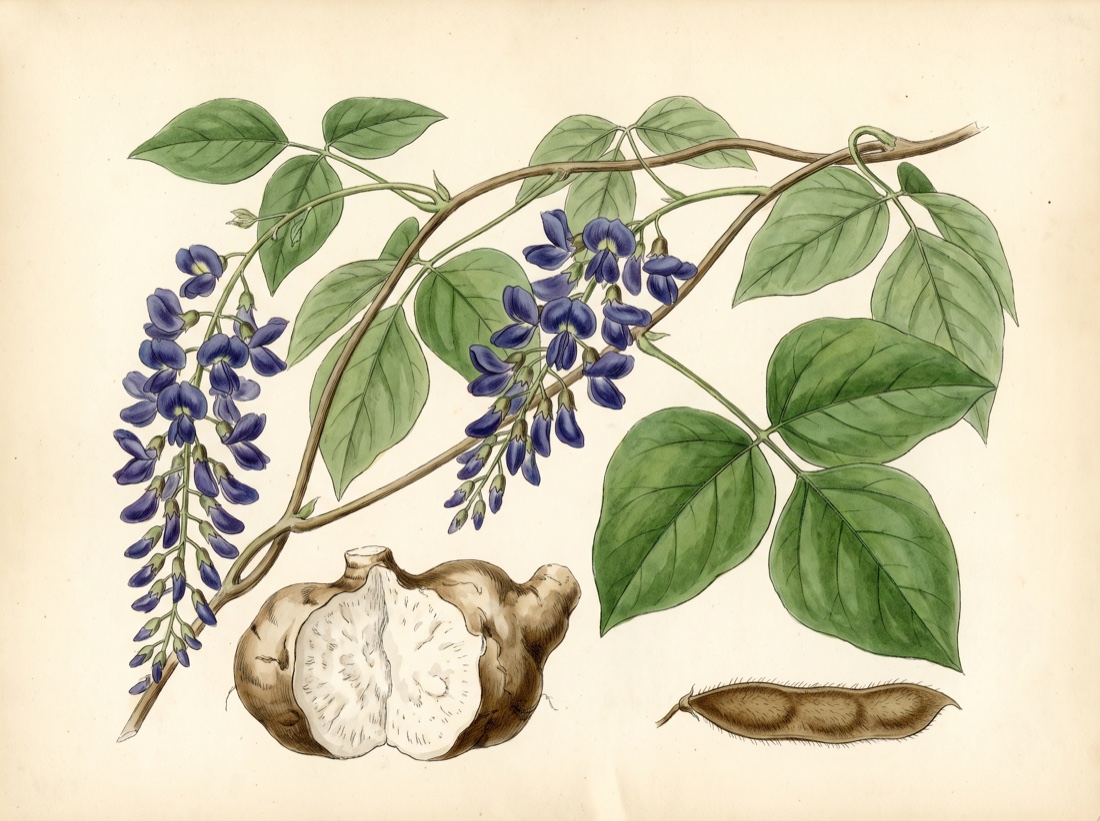 Indian kudzuPueraria tuberosa
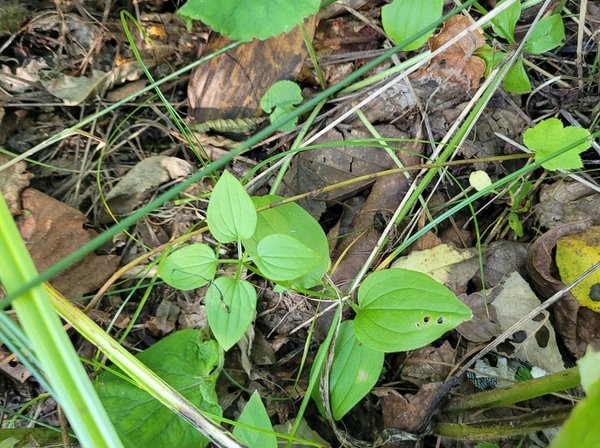 Indian madderRubia cordifolia
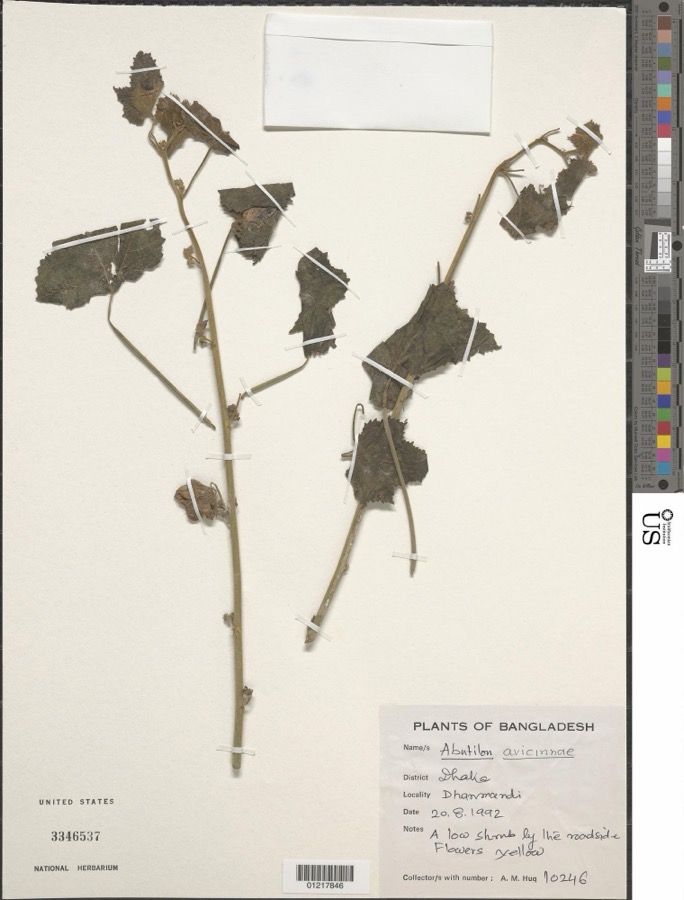 Indian mallowAbutilon avicenna
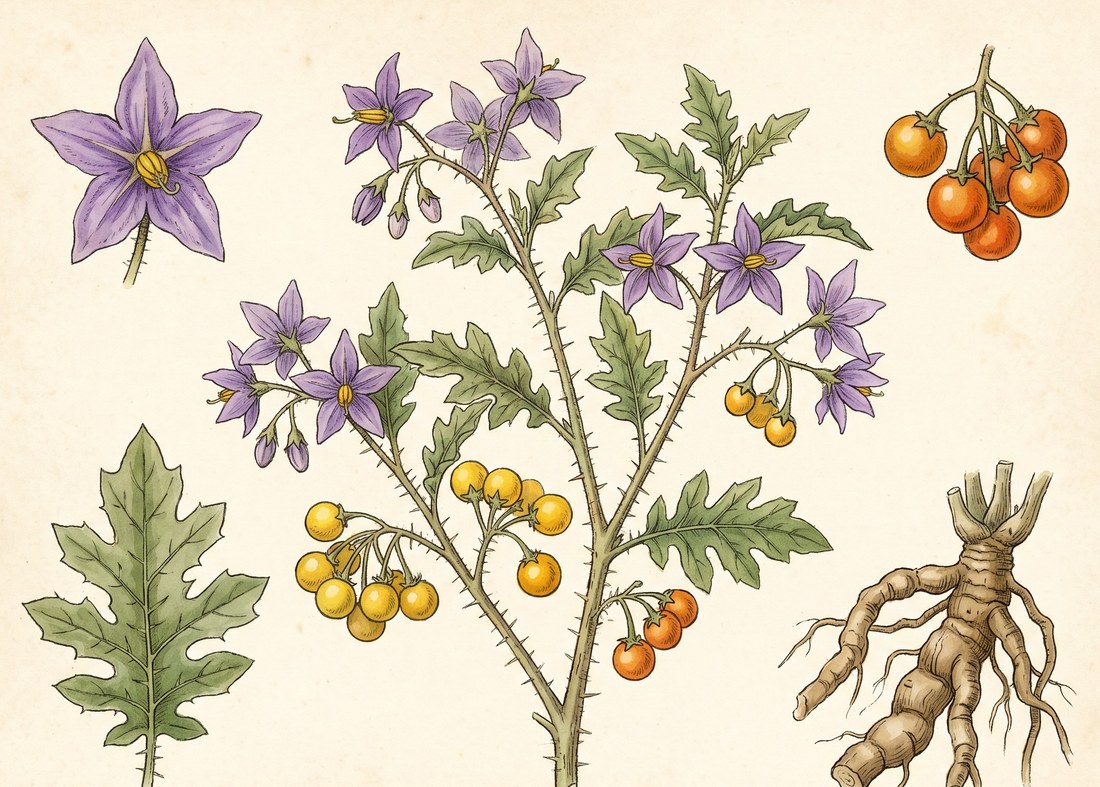 Indian nightshadeSolanum indicum
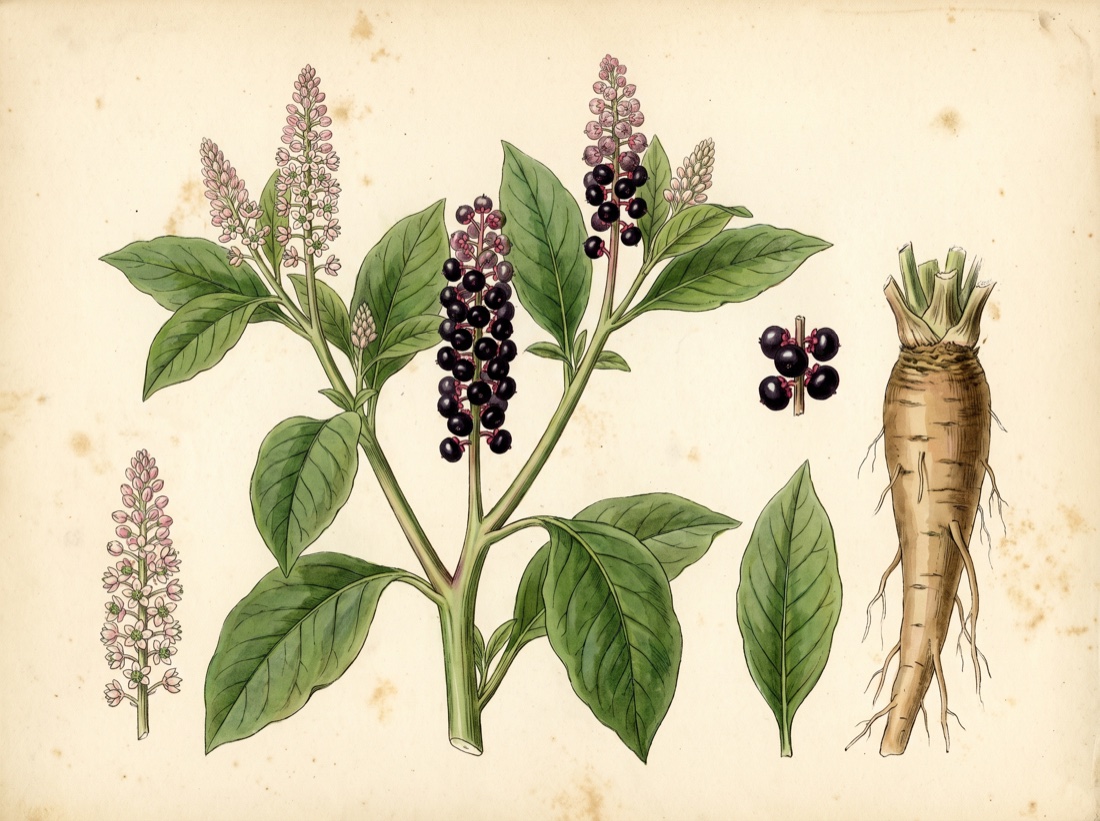 Indian pokeweedPhytolacca acinosa
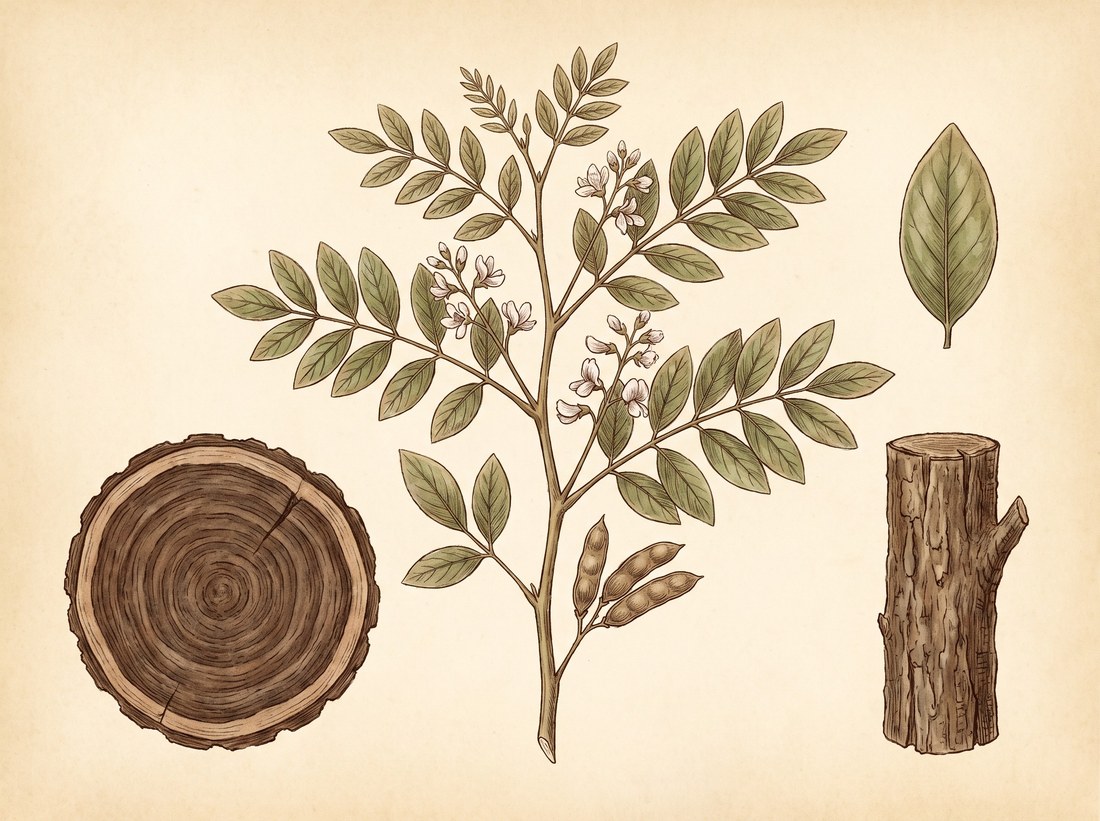 Indian rosewoodDalbergia sissoo
 Indian sarsaparillaHemidesmus indicus
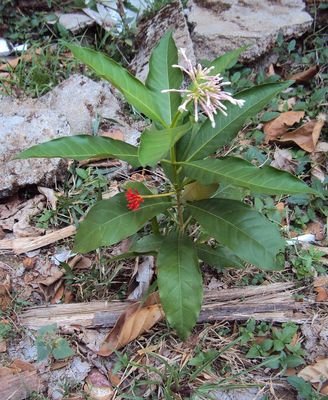 Indian snakerootRauvolfia serpentina
The whole plate is in the library. The compass, Compare, the Sky of eleven hundred plants and the formulary open with an email address and a password, free, with the formula builder and its safety engine. Herbert without limit, his formulating, clients, the handouts and the labels are the paid room.
Open the library, free