Western, Chinese and Ayurvedic herbalism
Puncture vine
Tribulus terrestris
Also known as caltrop, small caltrops, goat's head, devil's thorn, Tribulus, Little caltrop, Gokshura (Ayurveda), Bai ji li (TCM), Gokshura, Gokantaka, Trikanta.
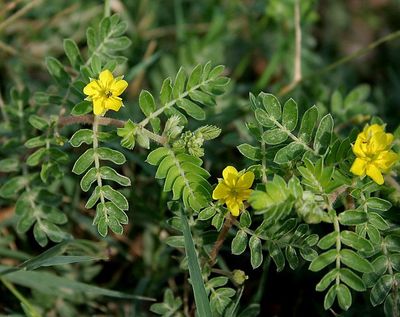
Tribulus terrestris is a prostrate annual of sandy wasteland and roadsides throughout the drier parts of India, and across the warm temperate world, recognized by its small yellow flowers and hard, spiny fruits that catch in hooves and tires. Ayurveda knows the fruit as Gokshura, the cow's hoof plant, its sweet cooling diuretic and reproductive tonic, and counts the root among the ten roots of Dashamoola. It is at once a urinary soother, a strength giver and a vajikarana drug.

Ask Herbert about Puncture vine. Herbert is the master herbalist inside Bountiful Herbs: he answers from this plate and eleven hundred others, with dosing, pairing and cautions. Your first ten questions are free.
Ask HerbertActions
Indications what the tradition reached for it in
- Dysuria and burning urination
- Recurrent urinary tract infection (adjunct)
- Urinary calculi and gravel
- Benign prostatic enlargement with dribbling
- Low libido in men and women
- Erectile dysfunction of mild to moderate degree
- Male subfertility with low sperm count
- Hypoactive sexual desire in peri and postmenopausal women
- Edema of the lower limbs
- Chronic low back pain with urinary symptoms
- Exercise recovery and oxidative stress in athletes
- Convalescent weakness
- Urination (painful or difficult)
- Testosterone (low)
- Cystitis (chronic)
- Menopause
- Arteriosclerosis
- Gout
- Decreased libido
- Hypercholesterolemia
- Hypertension
- Kidney stone
- Hyperlipidemia
- Bladder stones
- Sperm motility (low)
- Pain
- Sperm count (low)
- Burnout
- Debility
- Dry cough
Specific indications
A hot, thirsty patient with scanty, burning, frequent urination and no infection on culture, who is also tired and low in libido
The older man with a weak stream, night waking to urinate and fading sexual interest, in whom something cooling and nourishing rather than stimulating is wanted
A woman past menopause with dryness, low desire and dysuria, where a gentle sweet tonic is preferred to hormones
Recurrent small urinary stones with backache in a vata patient prone to dryness and constipation
Safety
Pregnancy: Use with care in pregnancy
Breastfeeding: Use with care while breastfeeding
The record lists 7 contraindications; open the plate in the library to read them in full.
In practice
Gokshura is the herb for the urinary tract when the picture is heat, dryness and weakness together: burning micturition, gravel, dribbling and fatigue. Its sweetness and cooling potency make it one of the few diuretics that does not deplete, which is why the tradition also places it among the aphrodisiacs and rejuvenatives.
In Ayurveda
Rasa: madhura (sweet). Virya: sheeta (cooling). Vipaka: madhura (sweet). Guna: guru (heavy), snigdha (unctuous). Dosha: pacifies vata and pitta; may increase kapha in excess. Karma: mutrala (diuretic); ashmarighna (breaks and expels urinary stones); vrishya (aphrodisiac); balya (strengthening); brimhana (nourishing); rasayana (rejuvenative); shothahara (reduces swelling); vatahara (pacifies vata); hridya (cardiotonic); shukrala (increases semen). Classical indications: mutrakrichra (dysuria); ashmari (urinary calculi); mutraghata (urinary retention); prameha (urinary disorders including diabetes); shukradosha (defects of semen); klaibya (male sexual dysfunction); shotha (edema); vatavyadhi (disorders of vata); kasa and shvasa (cough and dyspnea); hridroga (heart disease); arsha (hemorrhoids); daurbalya (weakness). The dried spiny fruit is the principal drug, given as churna with milk or water, as kwatha, as ksheerapaka (boiled in milk), and as a member of the Laghu Panchamoola and Dashamoola root group where the root is used. It stands in the classical guggulu preparation for the urinary tract and in many vajikarana recipes. Classical formulations: Gokshuradi guggulu, Dashamoola kwatha, Dashamoolarishta, Chyawanprash, Gokshura churna, Gokshuradi kwatha, Ashwagandhadi churna, Trikantakadi ghrita. Described in: Charaka Samhita, Sushruta Samhita, Ashtanga Hridaya, Bhavaprakasha Nighantu, Dhanvantari Nighantu, Raja Nighantu, Kaiyadeva Nighantu, Madanapala Nighantu, Sharngadhara Samhita, Ayurvedic Pharmacopoeia of India.
Dosing as the sources wrote it
| Preparation | As written | Metric |
|---|---|---|
| Churna | 3-6 g powdered fruit twice daily with water or milk | 3000-6000 mg |
| Kwatha | 50-100 mL decoction twice daily | 50-100 mL |
| Ksheerapaka | 100-200 mL milk decoction once daily at bedtime | 100-200 mL |
| Guggulu (Gokshuradi) | 500-1000 mg tablets twice daily after food | 500-1000 mg |
| Standardized extract | 250-750 mg fruit extract daily in divided doses | 250-750 mg |
| 750-1500 mg/d of extract (pow or liquid) concentrated to 40% protodioscin | 750-1500 mg |
Doses are reproduced from the sources for practitioners and are not a recommendation for any person.
From the sources
Overview. Tribulus terrestris is a prostrate annual of sandy wasteland and roadsides throughout the drier parts of India, and across the warm temperate world, recognized by its small yellow flowers and hard, spiny fruits that catch in hooves and tires. Ayurveda knows the fruit as Gokshura, the cow's hoof plant, its sweet cooling diuretic and reproductive tonic, and counts the root among the ten roots of Dashamoola. It is at once a urinary soother, a strength giver and a vajikarana drug.
Clinical Notes. For fertility and normalizing menstrual cycles, only use on days 5-15 of cycle Increases estradiol in women but not in men Increases serum growth hormone, insulin, and aldosterone w/o exceeding normal levels. Leaf has more potent physiologic effects Indirectly increases estradiol Some products marketed for atheletic performance have been adulterated with anabolic steroids Ayurvedic & TCM=Use fruit
Clinical Notes. Gokshura is the herb for the urinary tract when the picture is heat, dryness and weakness together: burning micturition, gravel, dribbling and fatigue. Its sweetness and cooling potency make it one of the few diuretics that does not deplete, which is why the tradition also places it among the aphrodisiacs and rejuvenatives.
primary-actions. Tribulus acts primarily as: Aphrodisiac, Hormone modulator, Diuretic. Secondary actions include Antilithic, Nervine, Analgesic, Hypotensive, Genitourinary tonic, Nourishing.
In formulas
Puncture vine stands in 52 documented formulas in the library, among them Abhayāriṣta, Amṛtāriṣta, Kuṭajāriṣta, Dantyādyariṣṭa, Daśamūlāriṣṭa, Punarnavāsava.
Often paired with
 long pepperPiper longum
 Indian nightshadeSolanum indicum
 yellow-berried nightshadeSolanum xanthocarpum
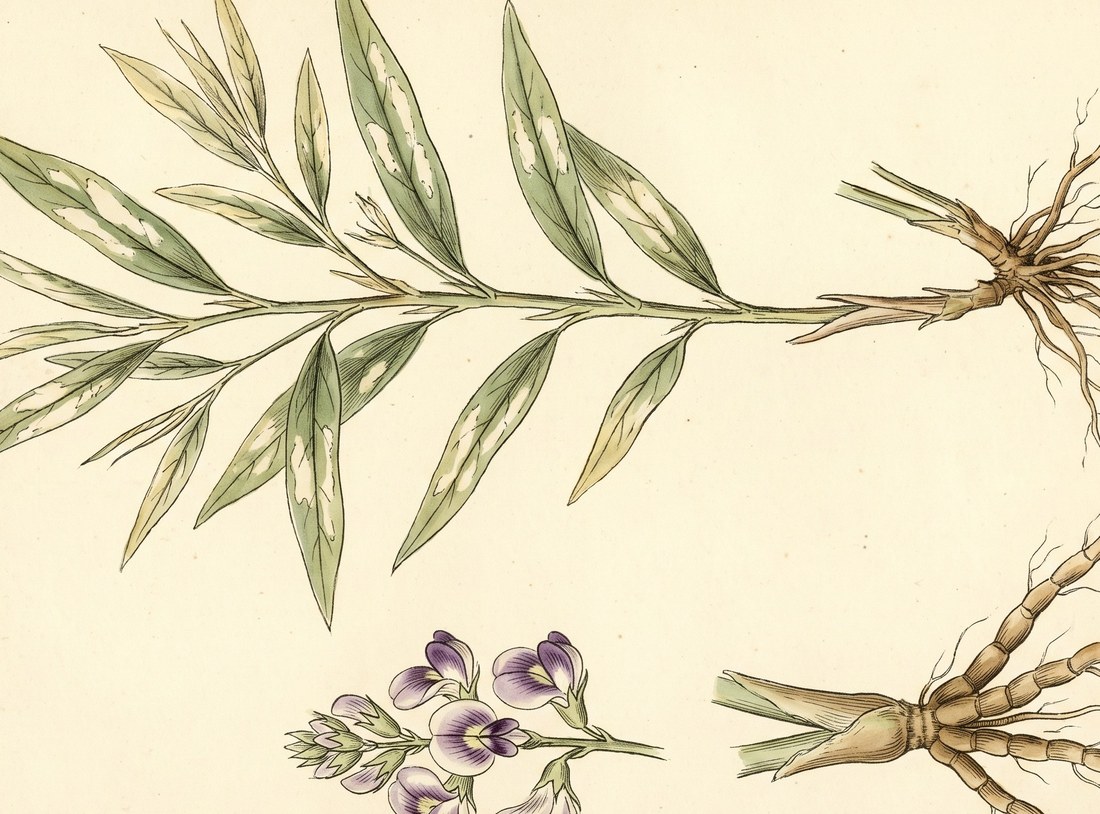 prishniparniUraria picta
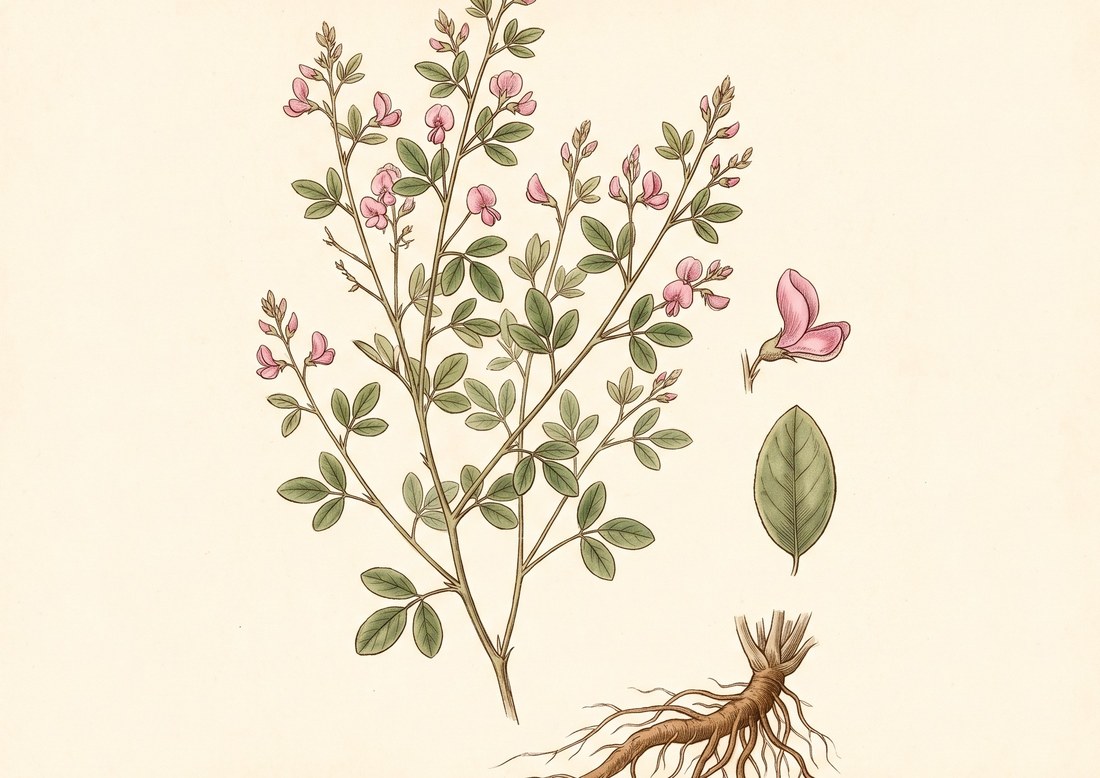 shalparniDesmodium gangeticum
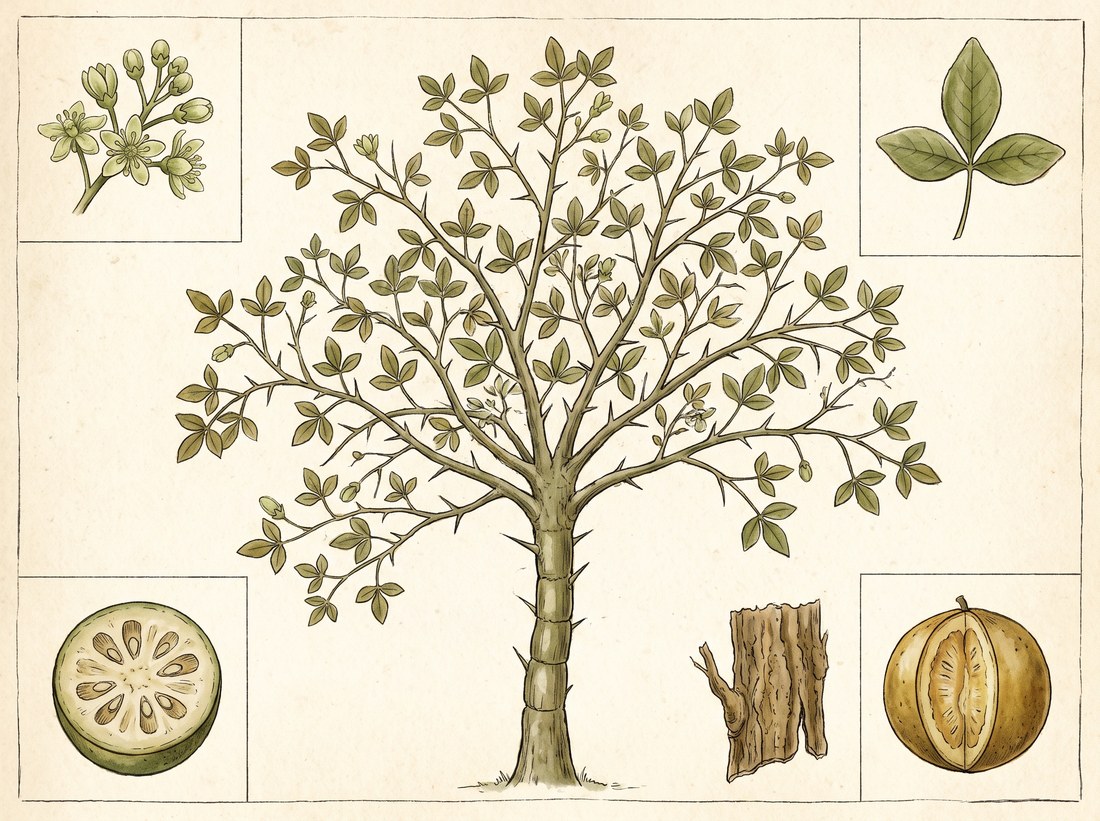 baelAegle marmelos
Nearby on the shelf
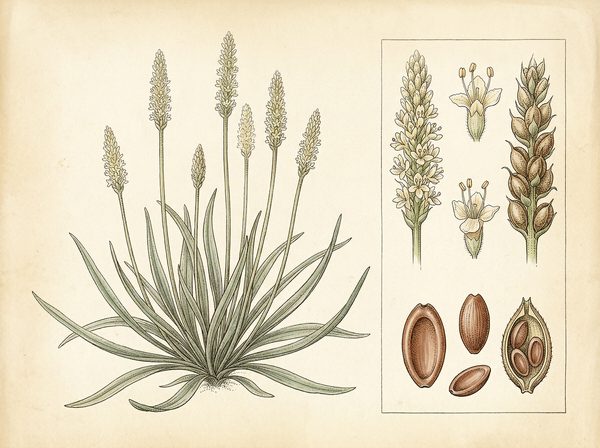 PsylliumPlantago ovata
 Pterospora andromedeaPterospora andromedea
 PumpkinCurcurbita pepo
 PunarnavaBoerhavia diffusa
 Punting-pole bambooBambusa tuldoides
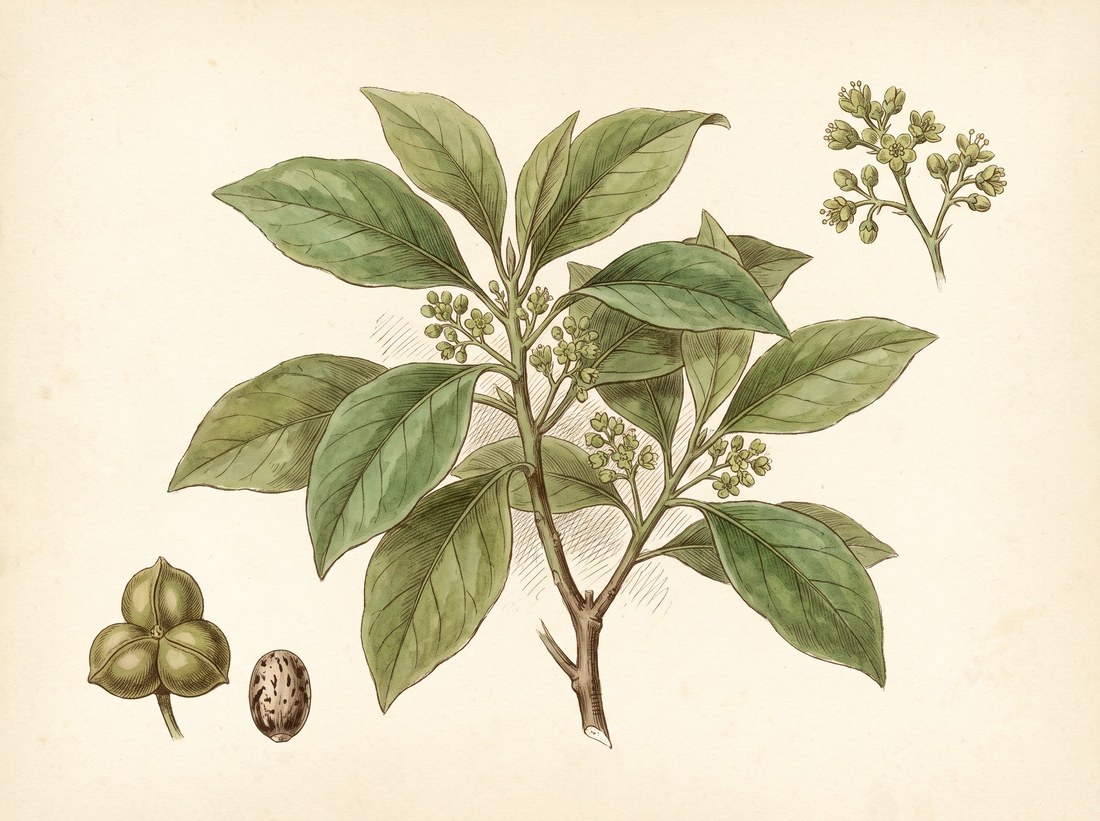 Purging crotonCroton tiglium
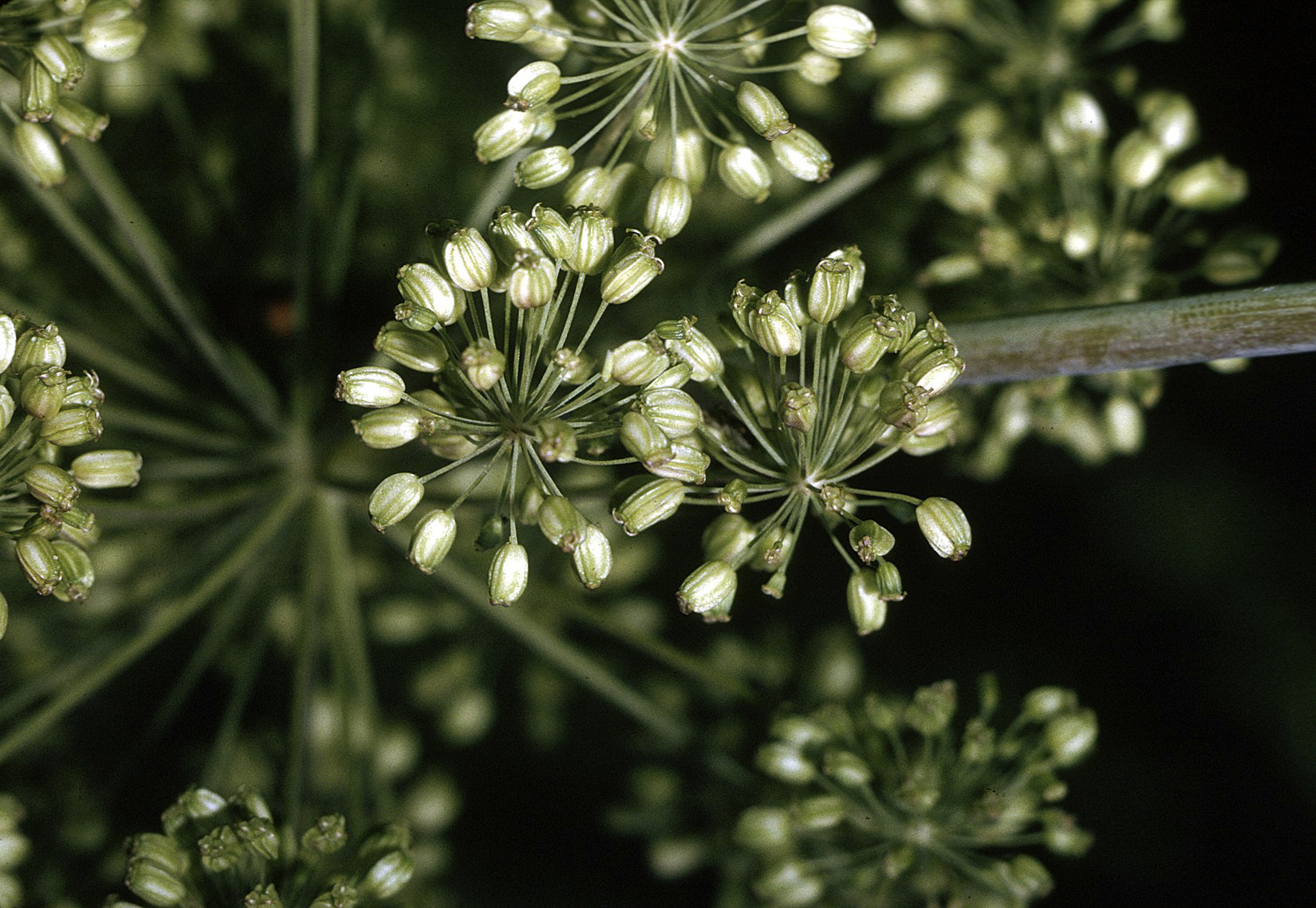 Purple angelicaArchangelica Atropurpurea
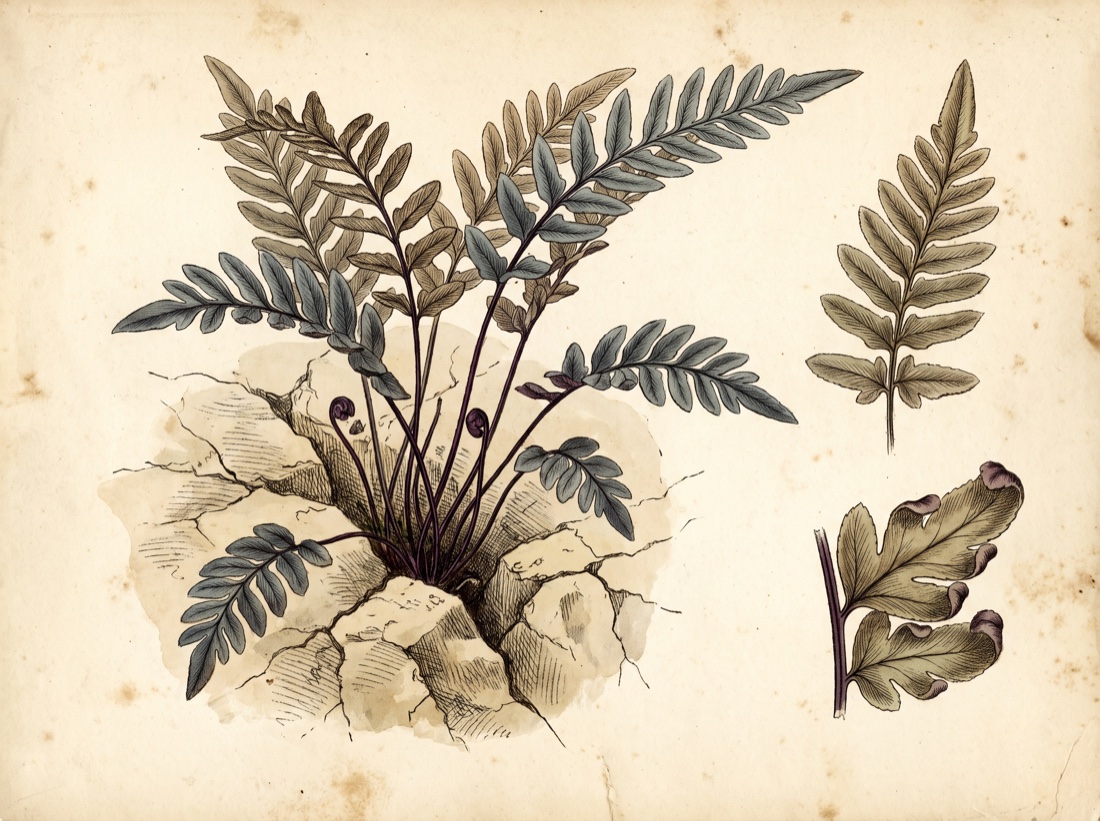 Purple cliff-brakePteris Atropurpurea
The whole plate is in the library. The compass, Compare, the Sky of eleven hundred plants and the formulary open with an email address and a password, free, with the formula builder and its safety engine. Herbert without limit, his formulating, clients, the handouts and the labels are the paid room.
Open the library, free