Ayurvedic Herbalism
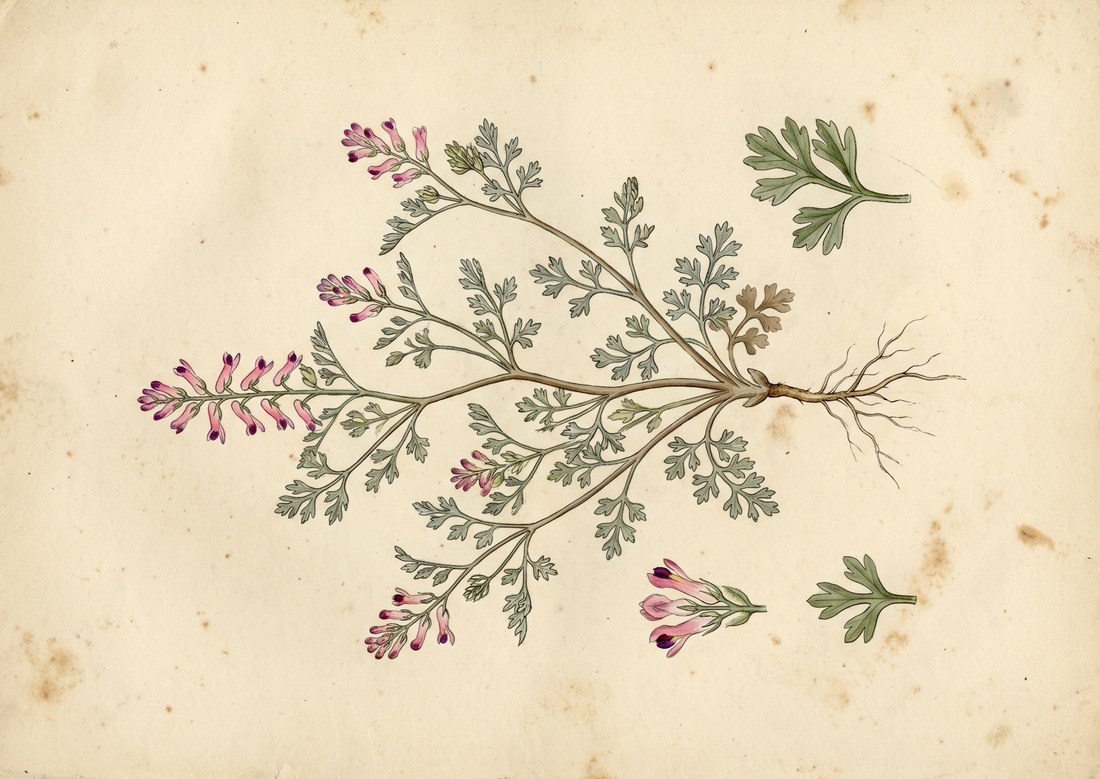
Indian fumitory
Fumaria indica
Also known as fumitory, fine-leaved fumitory, pitpapra, earth smoke, Parpata, Parpataka, Varatikta.
Fumaria indica is a delicate, much-branched annual weed of the poppy family with finely cut gray-green leaves and tiny pink flowers, growing in winter crop fields and waste ground across the plains of north and central India and Pakistan. Ayurveda names it Parpata and uses the whole plant as a cooling bitter for fevers, thirst, burning, skin disease and disordered liver and bowel; it is one of the six herbs of Shadanga paniya, the classical fever drink. Unani medicine values the same plant as Shahtara for the blood and skin.

Ask Herbert about Indian fumitory. Herbert is the master herbalist inside Bountiful Herbs: he answers from this plate and eleven hundred others, with dosing, pairing and cautions. Your first ten questions are free.
Ask HerbertActions
Indications what the tradition reached for it in
- Fever with burning, thirst and restlessness
- Recurrent low-grade fevers with poor appetite
- Chronic skin eruptions, eczema and itching linked to liver and blood heat
- Acne and boils in a hot constitution
- Sluggish liver with nausea, bitter taste and constipation
- Jaundice and hepatitis (supportive)
- Biliary colic and dyspepsia of hepatic origin (adjunct)
- Irritable bowel with alternating diarrhea and constipation
- Diarrhea with heat and burning
- Anxiety and restlessness with heat (traditional, animal support)
- Hangover and alcohol-related liver heat
Specific indications
A febrile patient who is hot, thirsty and restless with a burning skin and a dry mouth, for whom the cooling fever water is prepared
Chronic itching eczema or acne in a pitta patient with a sluggish liver, bitter taste and irregular bowels
Dyspepsia with nausea, right-sided fullness and constipation after rich food or alcohol
Loose burning stools with low appetite following a fever
Safety
Pregnancy: Avoid concentrated preparations in pregnancy: no published safety class is known to us for this species, the plant contains isoquinoline alkaloids, and the tradition uses it in fever formulas for pregnant women only in small amounts and briefly.
The record lists 7 contraindications; open the plate in the library to read them in full.
In practice
Parpata is a pitta and kapha herb for fevers and for the liver and skin. Its best-known place is in Shadanga paniya, where it is boiled with Musta, Ushira, Chandana, Udichya and dry ginger and the water is sipped through the day by a febrile patient to quench thirst, relieve burning and settle the stomach; the same six herbs serve as a cooling everyday drink in hot weather.
In Ayurveda
Rasa: tikta (bitter), kashaya (astringent). Virya: sheeta (cooling). Vipaka: katu (pungent). Guna: laghu (light), ruksha (dry). Dosha: pacifies pitta and kapha; aggravates vata in excess. Karma: jvaraghna (relieves fever); pittahara (pacifies pitta); dahaprashamana (relieves burning); trishnanigrahana (relieves thirst); raktashodhana (purifies the blood); kushthaghna (relieves skin disease); grahi (binds the bowel); deepana (kindles digestion); pachana (digests ama); yakrit uttejaka (stimulates the liver); mutrala (mild diuretic); krimighna (anthelmintic). Classical indications: jvara (fever, especially pitta and kapha types); vishama jvara (intermittent fever); daha (burning sensation); trishna (thirst in fever); raktapitta (bleeding disorders); kushtha (skin disease); kandu (itching); atisara (diarrhea); grahani (malabsorption); kamala (jaundice); chardi (vomiting); bhrama (giddiness in fever); madatyaya (alcohol disorders). The whole flowering plant is dried and used as churna, as kwatha and as a cold infusion (hima), most famously as one of the six herbs of Shadanga paniya, the fever water, and as the leading herb of Parpatadyarishta; the fresh juice is used for skin disease and the decoction as a wash. Classical formulations: Shadanga paniya, Parpatadyarishta, Parpatadi kwatha, Parpataka hima, Kiratadi kwatha (some versions), Parpata churna. Described in: Charaka Samhita, Sushruta Samhita, Ashtanga Hridaya, Bhavaprakasha Nighantu, Dhanvantari Nighantu, Raja Nighantu, Madanapala Nighantu, Kaiyadeva Nighantu, Sharngadhara Samhita, Ayurvedic Pharmacopoeia of India.
Dosing as the sources wrote it
| Preparation | As written | Metric |
|---|---|---|
| Churna | 3-6 g powdered whole plant twice daily with honey or warm water | 3000-6000 mg |
| Kwatha | 50-100 mL decoction twice daily | 50-100 mL |
| Hima (cold infusion) | 50-100 mL cold infusion three times daily during fever | 50-100 mL |
| Arishta | 12-24 mL twice daily after food | 12-24 mL |
| Swarasa, topical | 10-20 mL fresh juice applied to itching skin | 10-20 mL |
Doses are reproduced from the sources for practitioners and are not a recommendation for any person.
From the sources
Overview. Fumaria indica is a delicate, much-branched annual weed of the poppy family with finely cut gray-green leaves and tiny pink flowers, growing in winter crop fields and waste ground across the plains of north and central India and Pakistan. Ayurveda names it Parpata and uses the whole plant as a cooling bitter for fevers, thirst, burning, skin disease and disordered liver and bowel; it is one of the six herbs of Shadanga paniya, the classical fever drink. Unani medicine values the same plant as Shahtara for the blood and skin.
Clinical Notes. Parpata is a pitta and kapha herb for fevers and for the liver and skin. Its best-known place is in Shadanga paniya, where it is boiled with Musta, Ushira, Chandana, Udichya and dry ginger and the water is sipped through the day by a febrile patient to quench thirst, relieve burning and settle the stomach; the same six herbs serve as a cooling everyday drink in hot weather.
Ayurvedic Profile. Rasa: tikta (bitter), kashaya (astringent). Virya: sheeta (cooling). Vipaka: katu (pungent). Guna: laghu (light), ruksha (dry). Dosha: pacifies pitta and kapha; aggravates vata in excess. Karma: jvaraghna (relieves fever); pittahara (pacifies pitta); dahaprashamana (relieves burning); trishnanigrahana (relieves thirst); raktashodhana (purifies the blood); kushthaghna (relieves skin disease); grahi (binds the bowel); deepana (kindles digestion); pachana (digests ama); yakrit uttejaka (stimulates the liver); mutrala (mild diuretic); krimighna (anthelmintic).
In formulas
Indian fumitory stands in 14 documented formulas in the library, among them Aravindāsava, Uśīrāsava, Candanāsava, Tiktaka Ghṛta, Paṭolādi Ghṛta, Mahātiktaka Ghṛta.
Often paired with
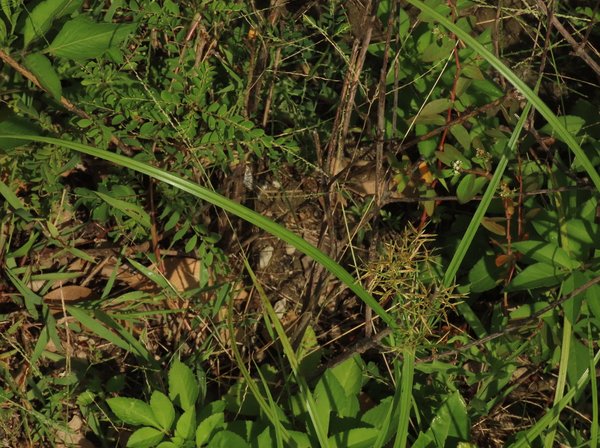 nut grassCyperus rotundus
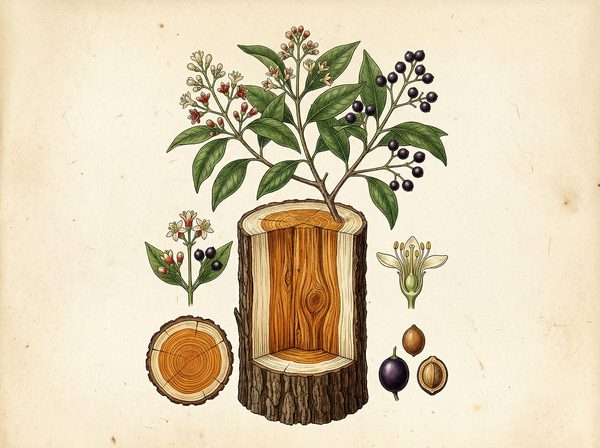 sandalwoodSantalum album
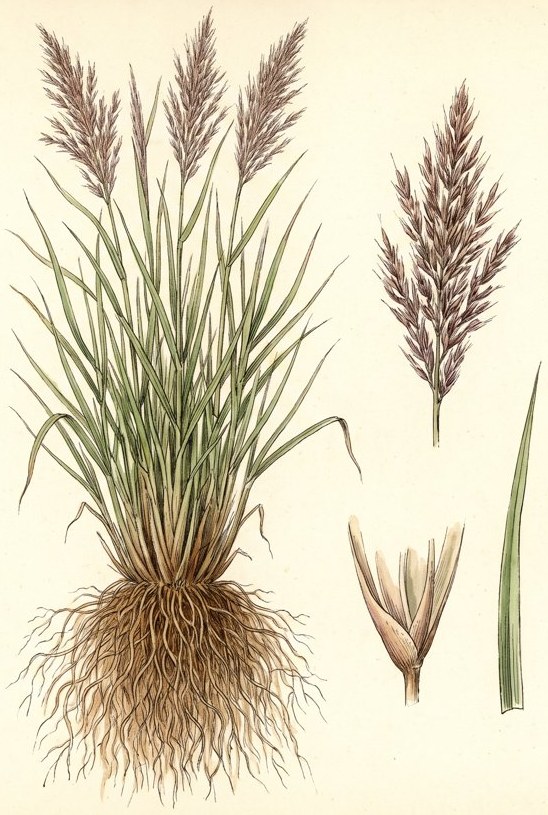 vetiverChrysopogon zizanioides
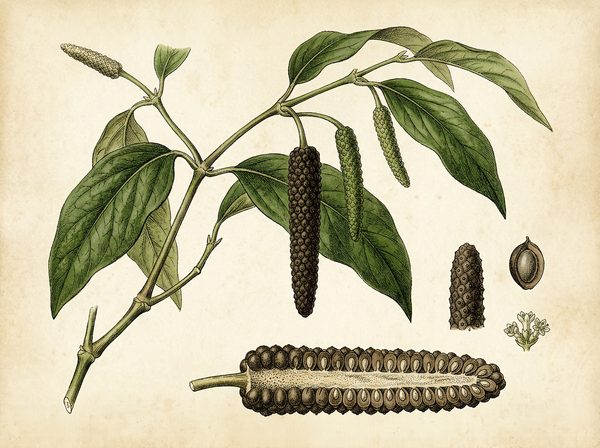 long pepperPiper longum
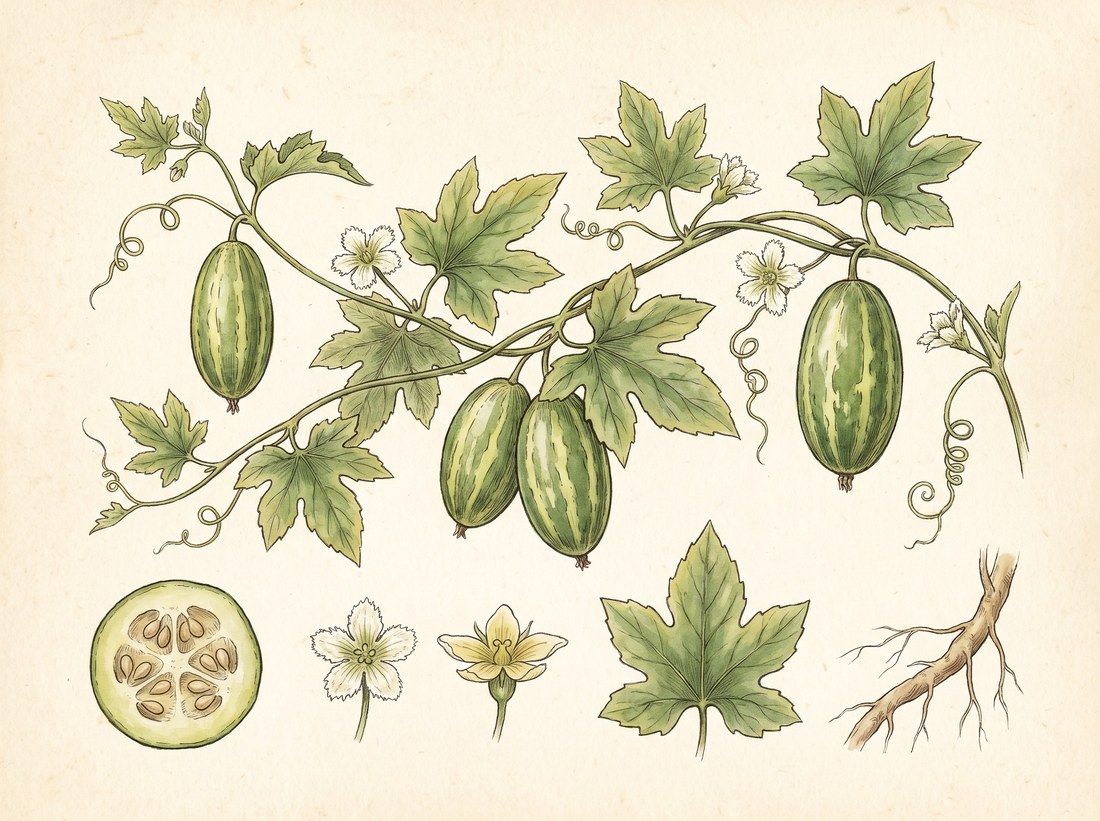 pointed gourdTrichosanthes dioica
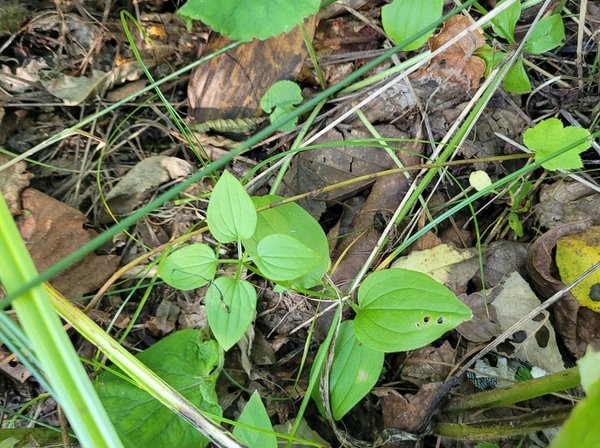 Indian madderRubia cordifolia
Nearby on the shelf
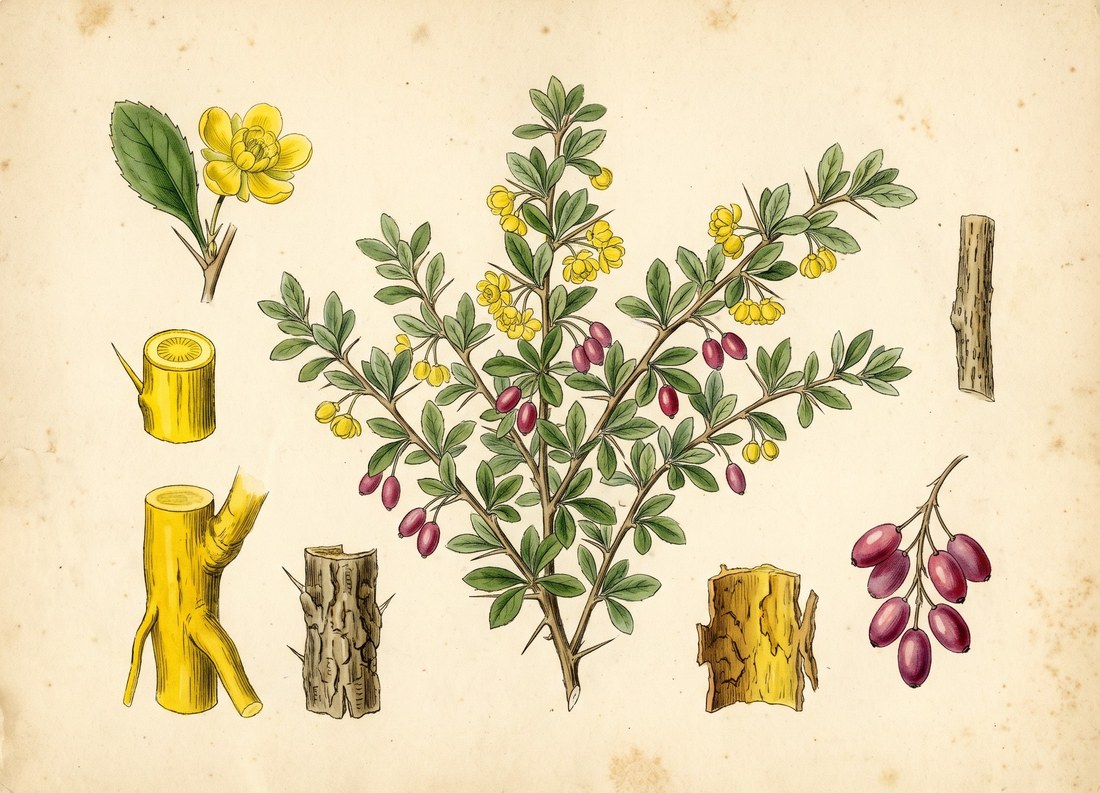 Indian barberryBerberis aristata
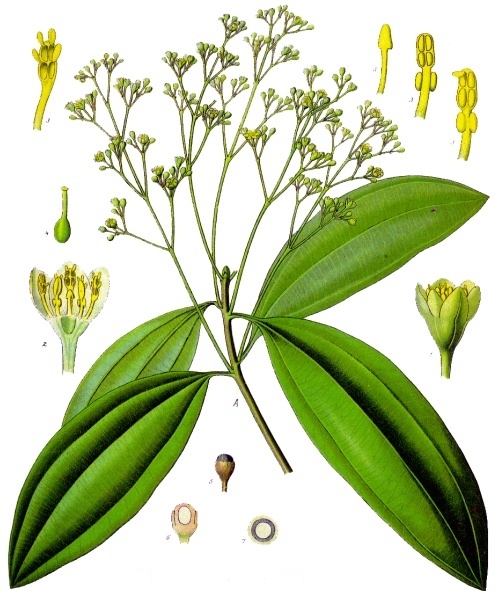 Indian bay leafCinnamomum tamala
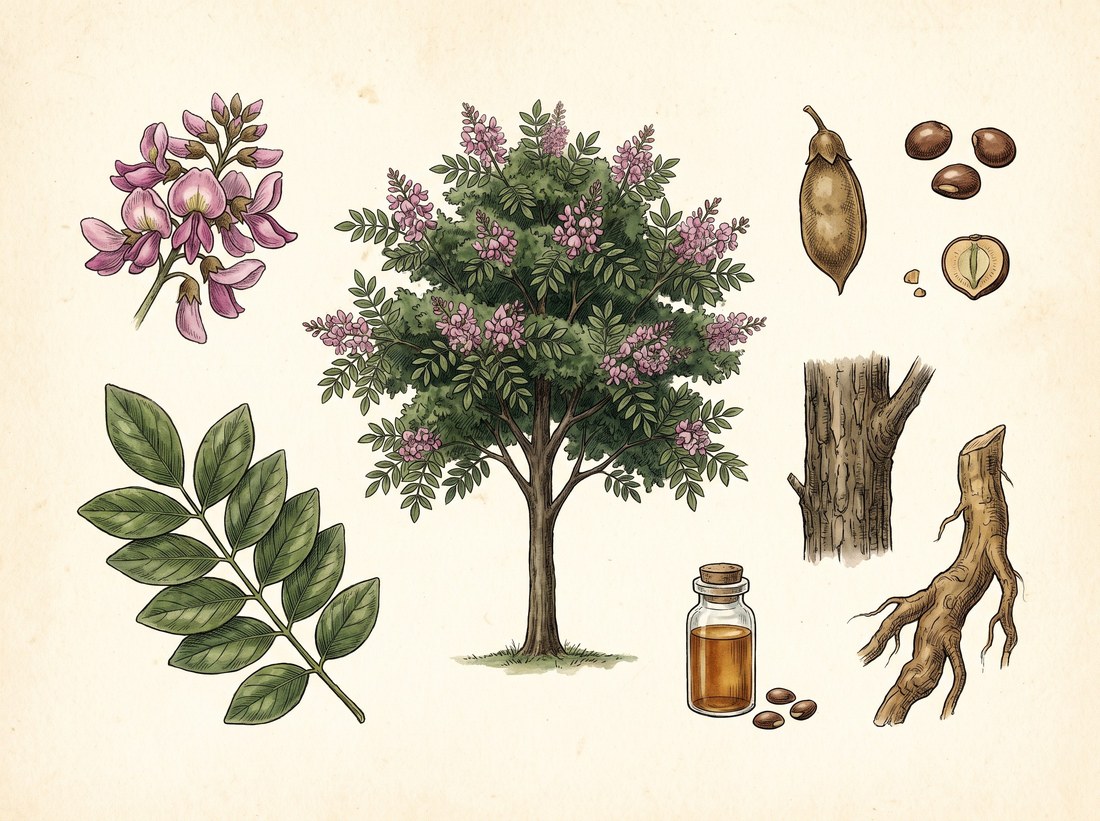 Indian beechPongamia pinnata
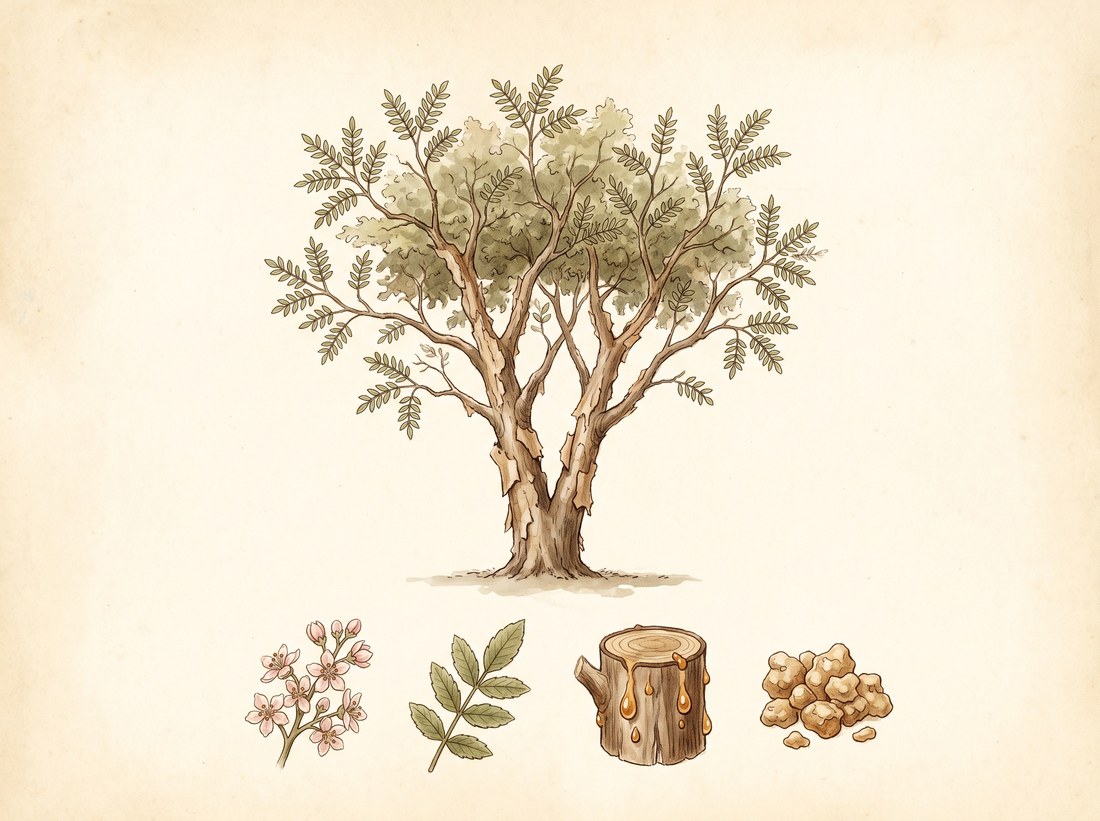 Indian frankincenseBoswellia serrata
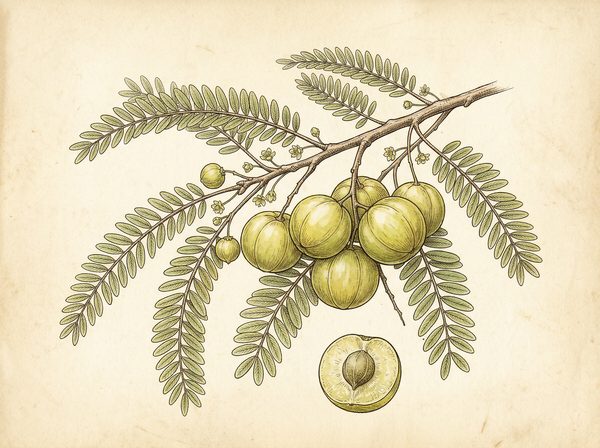 Indian gooseberryPhyllanthus emblica
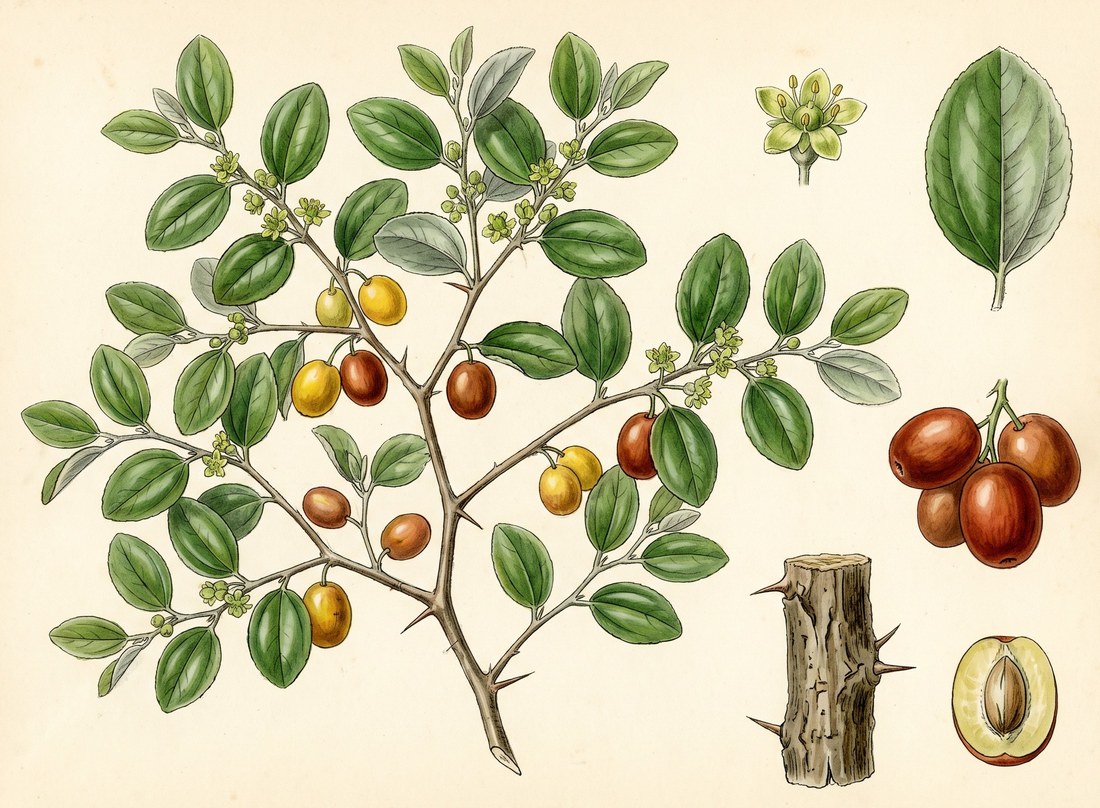 Indian jujubeZiziphus mauritiana
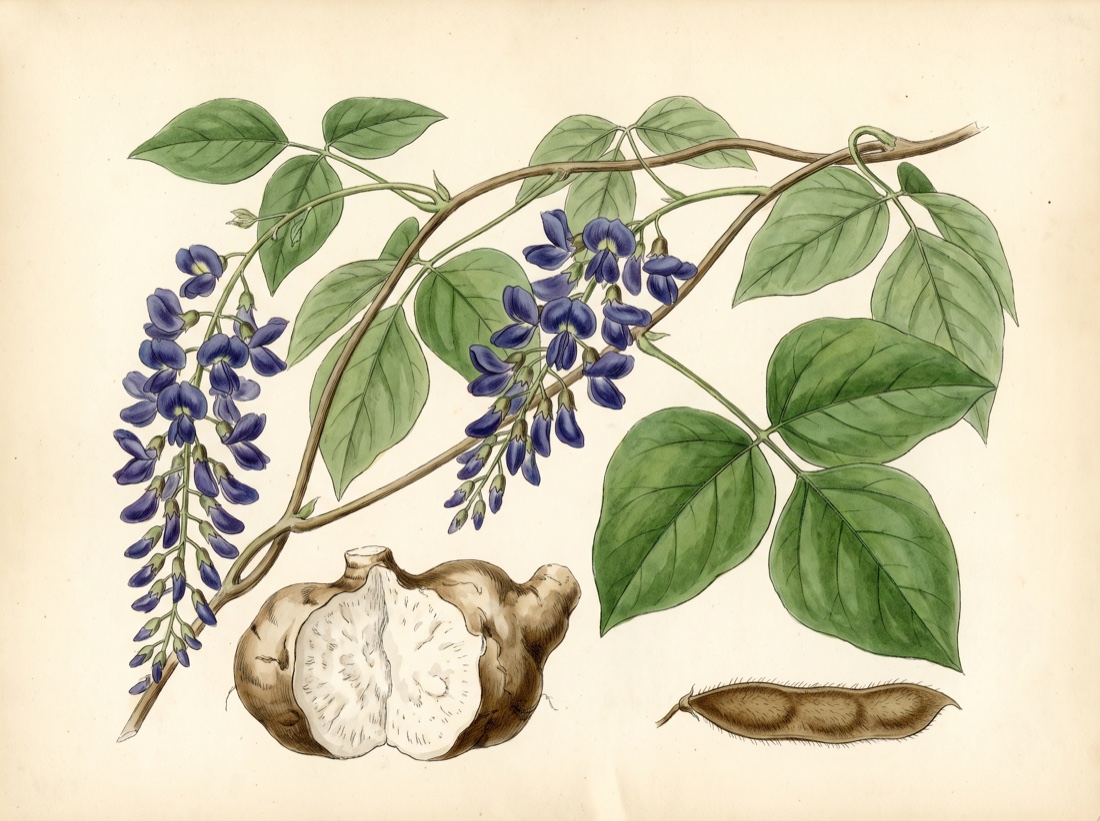 Indian kudzuPueraria tuberosa
The whole plate is in the library. The compass, Compare, the Sky of eleven hundred plants and the formulary open with an email address and a password, free, with the formula builder and its safety engine. Herbert without limit, his formulating, clients, the handouts and the labels are the paid room.
Open the library, free