Ayurvedic Herbalism
Jivanti
Leptadenia reticulata
Also known as cork swallow-wort, dodi, Jivanti, Jivani, Jivaniya.
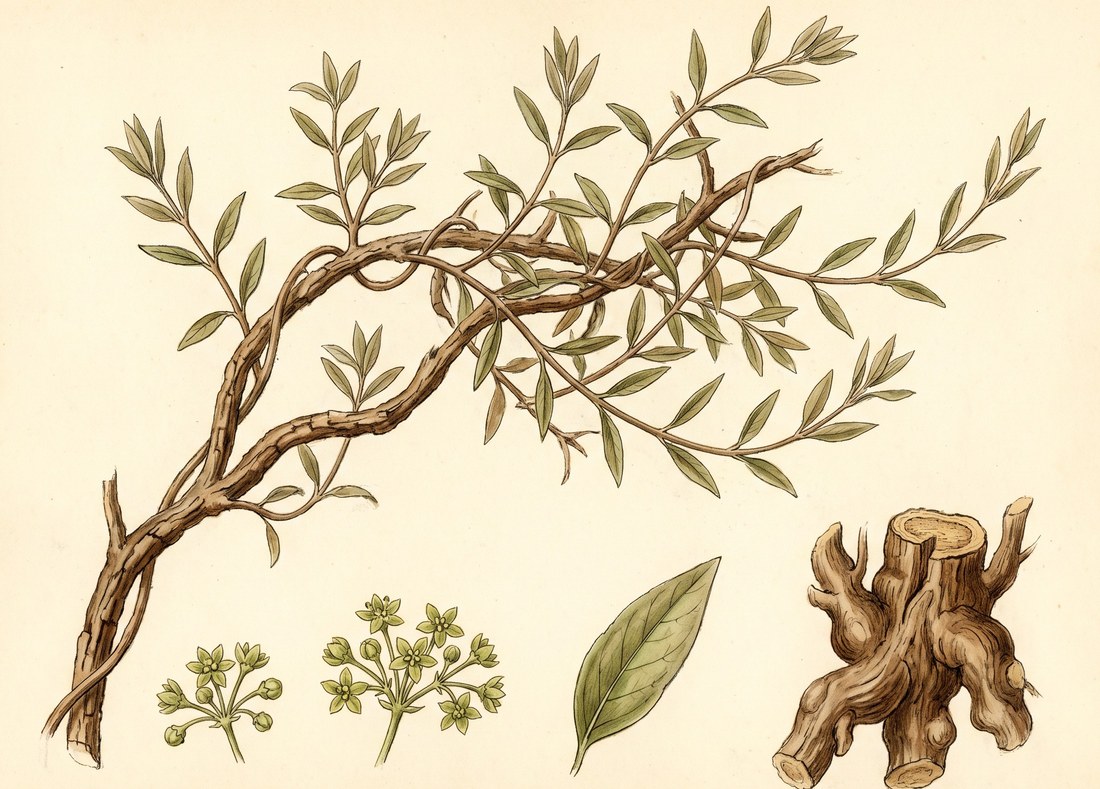
Leptadenia reticulata is a slender twining shrub of the milkweed subfamily with corky, deeply fissured stems and small greenish yellow flowers, found scattered through the dry deciduous forests and scrub of Gujarat, Rajasthan, Maharashtra and the Deccan and up into the Himalayan foothills. In Ayurveda it is Jivanti, a sweet, cooling, nourishing herb that heads the Jivaniya group of vitality promoters and stands in for the rare Himalayan Ashtavarga plants in Chyawanprash and the great tonic ghees. The root and whole plant are used, and the young leaves are a village vegetable.

Ask Herbert about Jivanti. Herbert is the master herbalist inside Bountiful Herbs: he answers from this plate and eleven hundred others, with dosing, pairing and cautions. Your first ten questions are free.
Ask HerbertActions
Indications what the tradition reached for it in
- Poor milk supply after childbirth
- Convalescence and wasting after long illness
- Chronic dry cough with weight loss
- Low-grade fever with debility
- Burning sensation and heat in a depleted patient
- Poor vision and night blindness (traditional)
- Low sperm count and sexual debility
- Bleeding gums and easy bruising with heat
- Adjunct in type 2 diabetes with weight loss (traditional)
- Recurrent infections in weak children (in compound formulas)
Specific indications
A thin, dry, heat-prone mother two weeks after delivery whose milk is scant and who feels wrung out and feverish in the evenings
A patient recovering from tuberculosis or a long chest infection who is wasted, coughing and burning, and needs building without heating
A pale, underweight child with repeated fevers and poor appetite who tolerates sweet, cooling tonics better than bitter or pungent ones
Low sperm count in a hot, anxious man in whom Ashwagandha alone aggravates heat
Safety
The record lists 4 contraindications; open the plate in the library to read them in full.
In practice
Jivanti is the tonic to reach for when a patient is depleted and hot at the same time: the vata-pitta picture of wasting, dryness, low-grade fever, burning and a dry cough. It is sweet and cooling where Ashwagandha is heating, so it suits the thin, anxious, overheated patient who cannot tolerate warming rasayanas.
In Ayurveda
Rasa: madhura (sweet). Virya: sheeta (cooling). Vipaka: madhura (sweet). Guna: laghu (light), snigdha (unctuous). Dosha: pacifies vata and pitta; balanced for kapha in moderate doses. Prabhava: jivaniya (life-giving); it gives its name to the Jivaniya group of vitality-promoting herbs. Karma: jivaniya (promotes vitality); rasayana (rejuvenative); balya (strengthening); brimhana (nourishing); chakshushya (good for the eyes); stanyajanana (promotes lactation); shukrala (increases semen); raktapittashamaka (settles bleeding disorders); kasahara (relieves cough); dahaprashamana (relieves burning); jvarahara (reduces fever). Classical indications: kshaya (wasting); rajayakshma (consumption); shosha (emaciation); raktapitta (bleeding disorders); kasa (cough); shvasa (dyspnea); daha (burning sensation); jvara (fever); netraroga (eye disorders including night blindness); stanyakshaya (poor lactation); shukrakshaya (low semen). The root and whole plant are used as churna and kwatha and enter the great tonic ghritas and avalehas; the tender leaves are cooked as a vegetable in Gujarat and Rajasthan. The plant is one of the herbs of the Jivaniya mahakashaya and the Ashtavarga substitutes, so it appears in many nourishing compound formulas. Classical formulations: Chyawanprash, Jivantyadi ghrita, Jivantyadi yamaka, Mahanarayana taila, Ashwagandhadi lehya, Brihat Chagaladya ghrita. Described in: Charaka Samhita, Sushruta Samhita, Ashtanga Hridaya, Bhavaprakasha Nighantu, Dhanvantari Nighantu, Raja Nighantu, Kaiyadeva Nighantu, Ayurvedic Pharmacopoeia of India.
Dosing as the sources wrote it
| Preparation | As written | Metric |
|---|---|---|
| Churna | 3-6 g powdered root twice daily with warm milk | 3000-6000 mg |
| Kwatha | 50-100 mL decoction twice daily | 50-100 mL |
| Ghrita | 5-10 g medicated ghee daily | 5000-10000 mg |
| Swarasa (leaf) | 10-20 mL fresh leaf juice daily | 10-20 mL |
Doses are reproduced from the sources for practitioners and are not a recommendation for any person.
From the sources
Overview. Leptadenia reticulata is a slender twining shrub of the milkweed subfamily with corky, deeply fissured stems and small greenish yellow flowers, found scattered through the dry deciduous forests and scrub of Gujarat, Rajasthan, Maharashtra and the Deccan and up into the Himalayan foothills. In Ayurveda it is Jivanti, a sweet, cooling, nourishing herb that heads the Jivaniya group of vitality promoters and stands in for the rare Himalayan Ashtavarga plants in Chyawanprash and the great tonic ghees. The root and whole plant are used, and the young leaves are a village vegetable.
Clinical Notes. Jivanti is the tonic to reach for when a patient is depleted and hot at the same time: the vata-pitta picture of wasting, dryness, low-grade fever, burning and a dry cough. It is sweet and cooling where Ashwagandha is heating, so it suits the thin, anxious, overheated patient who cannot tolerate warming rasayanas.
Ayurvedic Profile. Rasa: madhura (sweet). Virya: sheeta (cooling). Vipaka: madhura (sweet). Guna: laghu (light), snigdha (unctuous). Dosha: pacifies vata and pitta; balanced for kapha in moderate doses. Prabhava: jivaniya (life-giving); it gives its name to the Jivaniya group of vitality-promoting herbs.
Conservation. Leptadenia reticulata is considered endangered in parts of India because of overharvesting of wild roots and habitat loss; cultivated or micropropagated material should be used.
In formulas
Jivanti stands in 17 documented formulas in the library, among them Cyavanaprāśa, Brāhma Rasāyana, Amṛtaprāśa Ghṛta, Aśoka Ghṛta, Jīvantyādi Ghṛta, Vidāryādi Ghṛta.
Often paired with
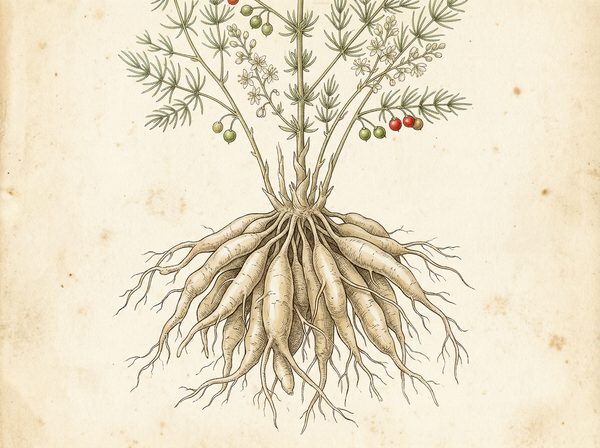 shatavariAsparagus racemosus
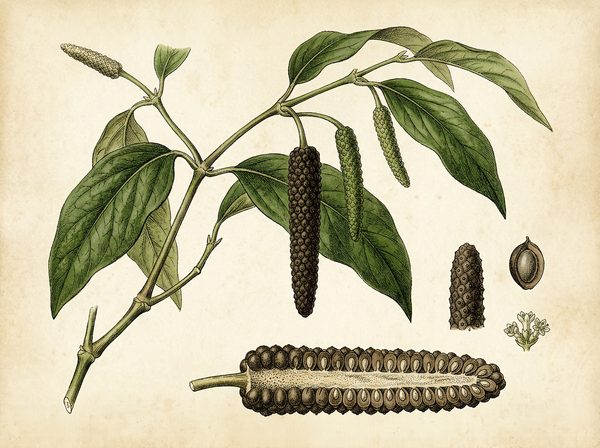 long pepperPiper longum
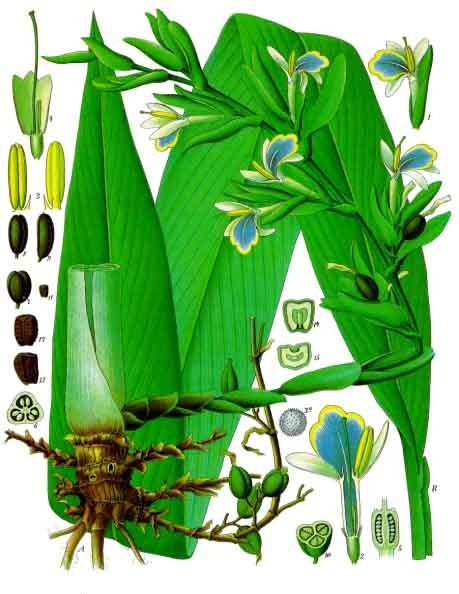 cardamomElettaria cardamomum
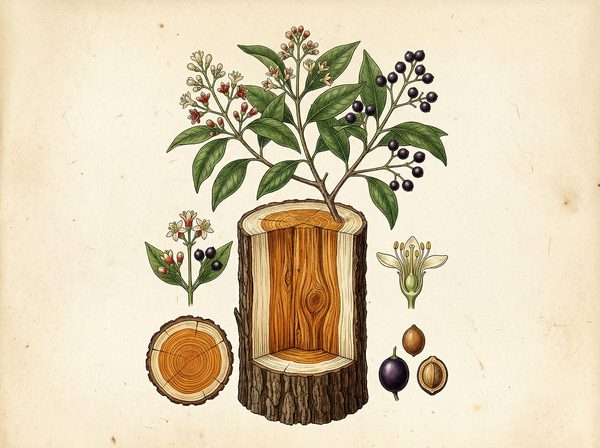 sandalwoodSantalum album
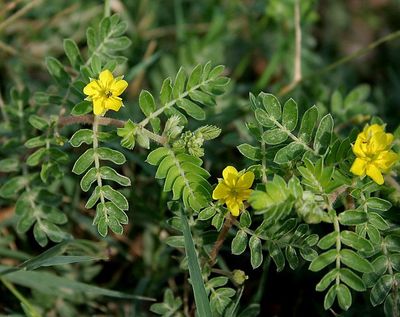 puncture vineTribulus terrestris
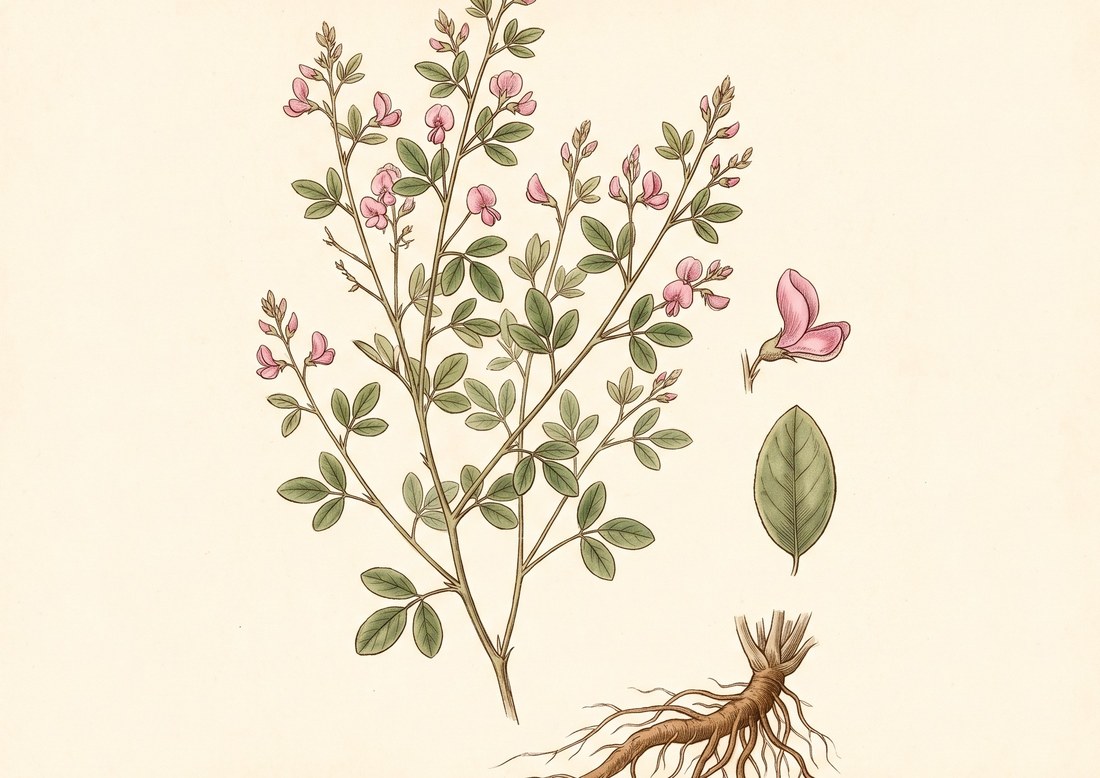 shalparniDesmodium gangeticum
Nearby on the shelf
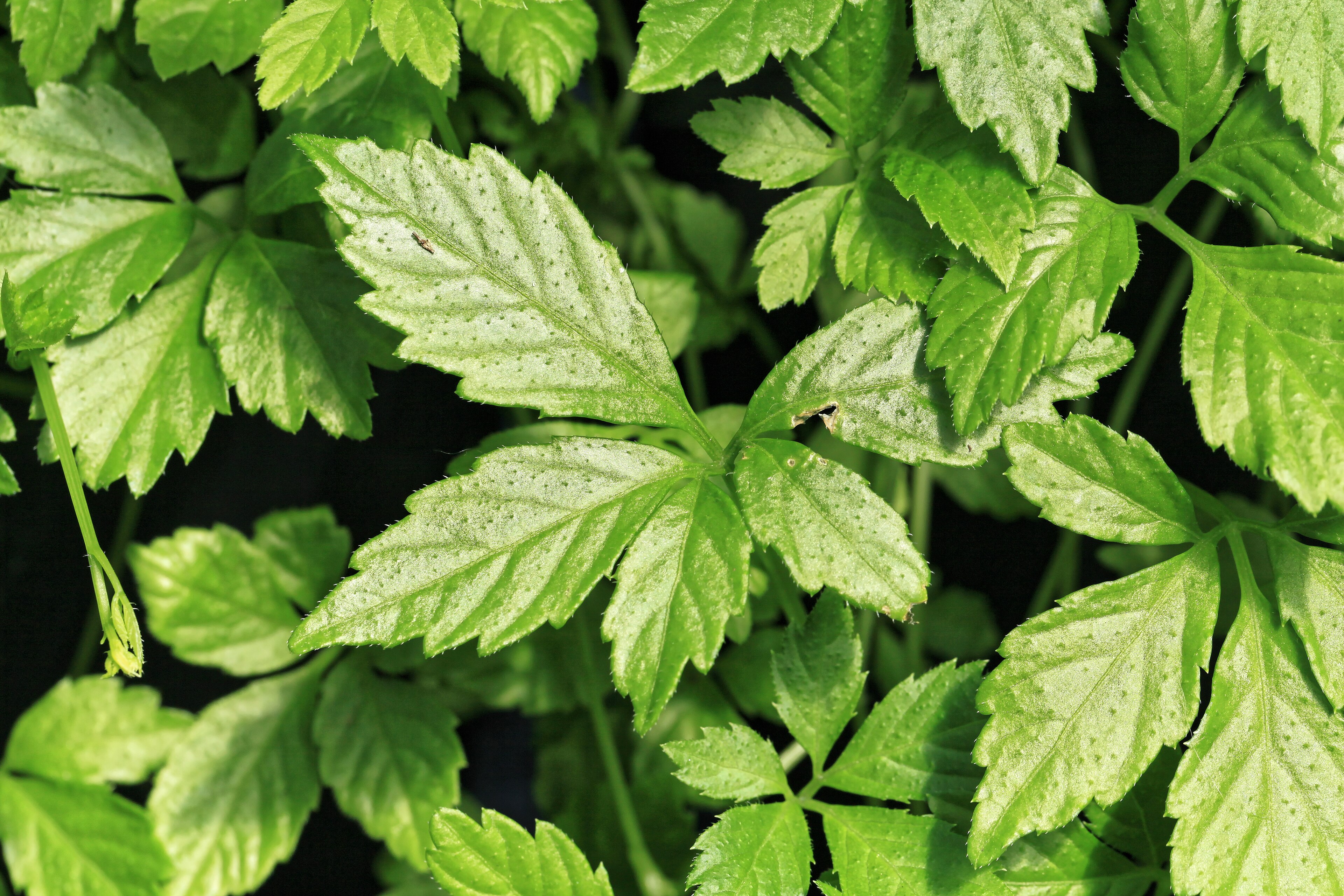 JiaogulanGynostemma pentaphyllum
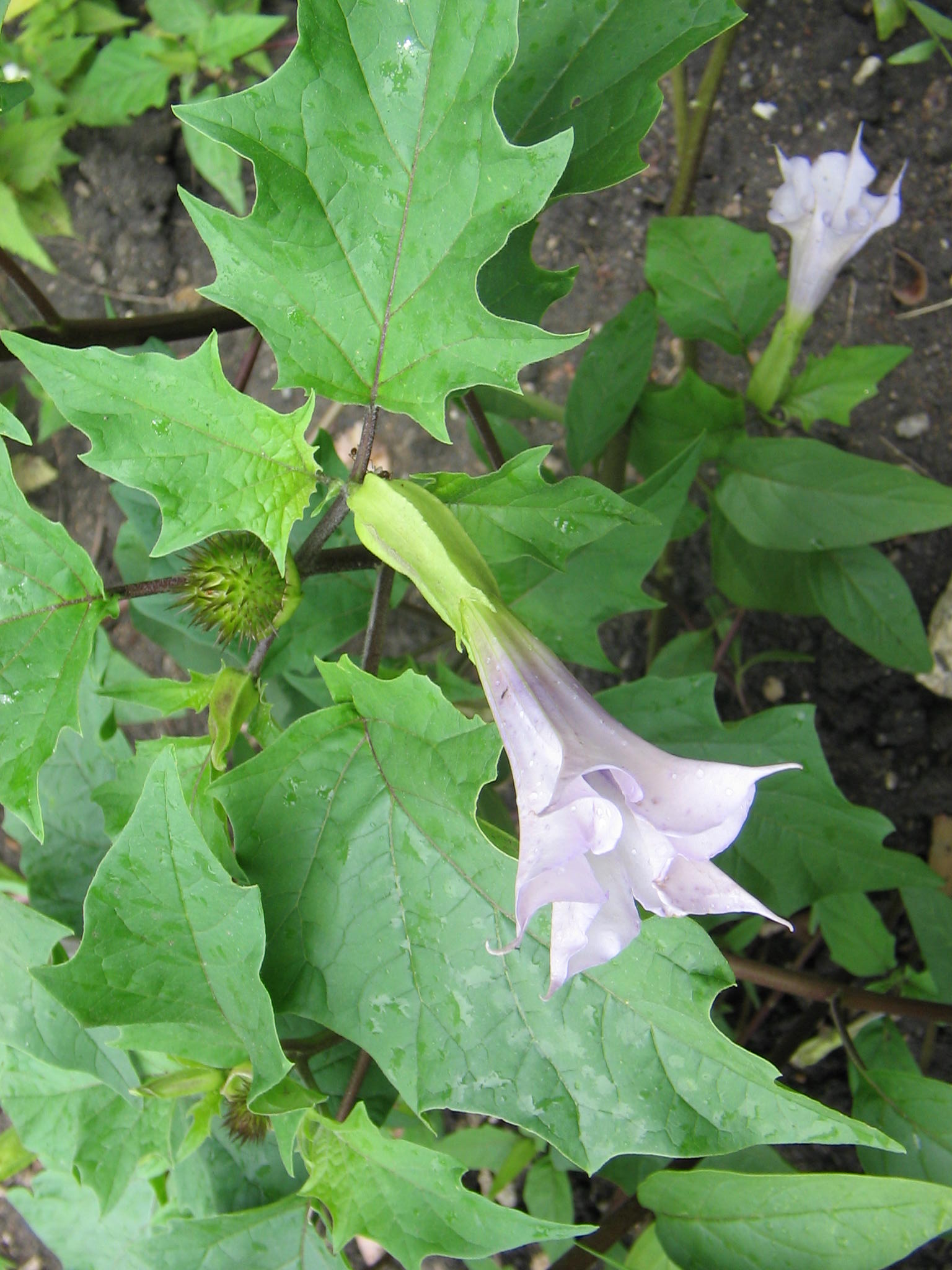 Jimson weedDatura stramonium
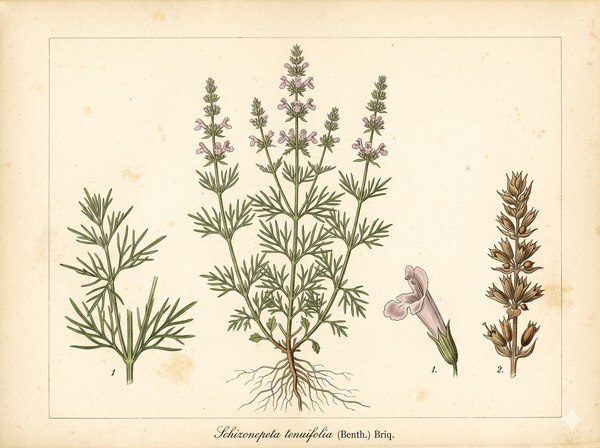 Jing JieSchizonepeta tenuifolia
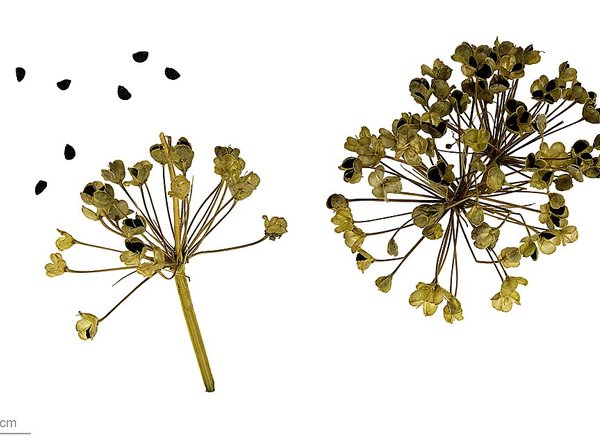 Jiu Zi (seed)Allium tuberosum
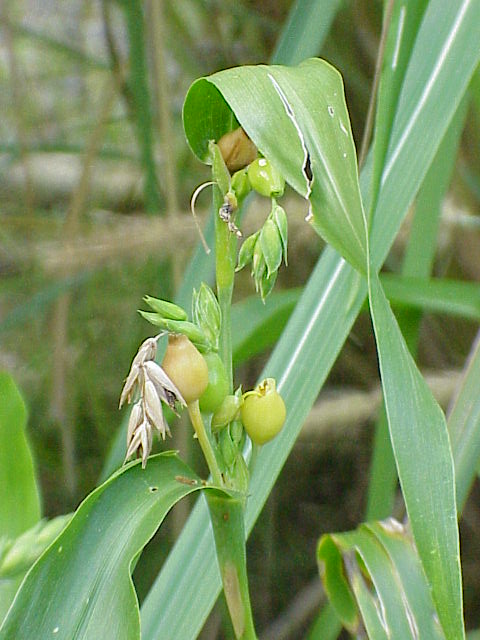 Job's TearsCoix lacryma-jobi
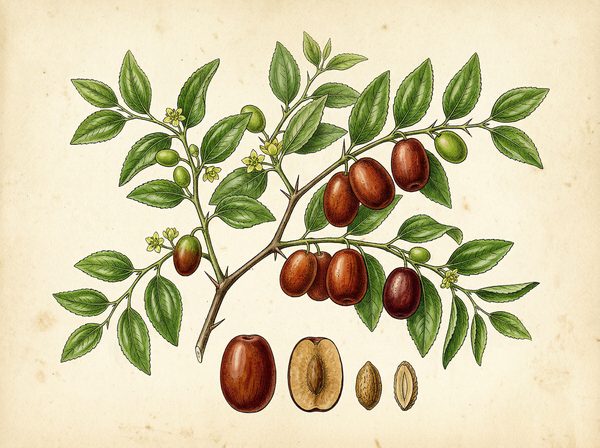 JujubeZiziphus jujuba
 JuniperJuniperus communis
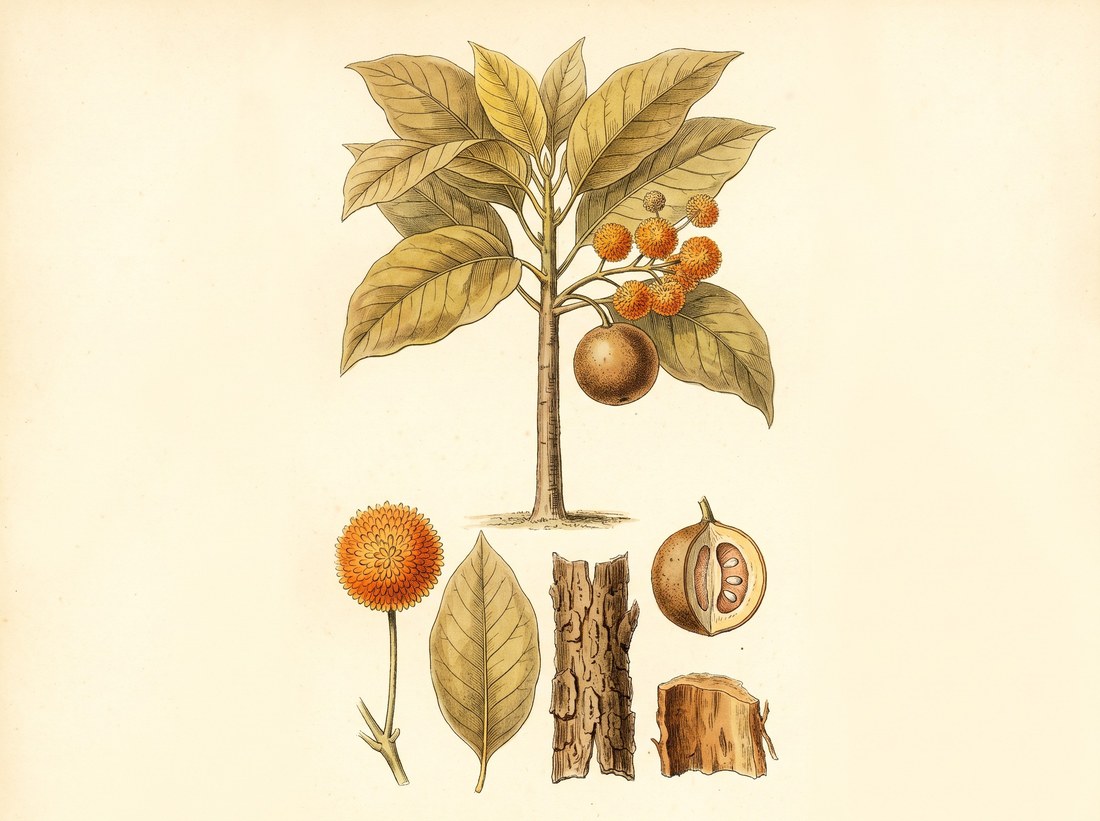 KadamNeolamarckia cadamba
The whole plate is in the library. The compass, Compare, the Sky of eleven hundred plants and the formulary open with an email address and a password, free, with the formula builder and its safety engine. Herbert without limit, his formulating, clients, the handouts and the labels are the paid room.
Open the library, free