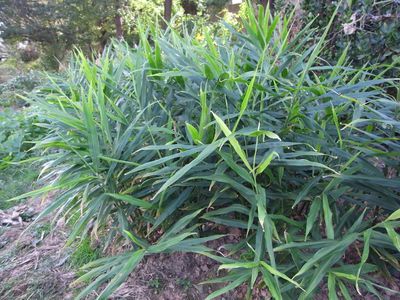
Western, Chinese and Ayurvedic herbalism
Ginger
Zingiber officinale
Also known as Sheng jiang, Gan jiang, Zingiber, Nagara, dried ginger, fresh ginger, ginger root, pào jīang, gān jiāng, Shunthi.
Zingiber officinale is a perennial herb of the ginger family cultivated across the warm humid belt of India, above all in Kerala, Karnataka, Meghalaya and the northeastern hills, and grown everywhere in kitchen gardens. Ayurveda holds the rhizome in such regard that it is called Vishvabheshaja, the universal medicine, and Mahaushadha, the great remedy. The dried rhizome, Shunthi, and the fresh, Ardraka, are the most used digestive and carminative drugs in the tradition and enter hundreds of compound formulas as the agent that kindles digestive fire and clears ama.

Ask Herbert about Ginger. Herbert is the master herbalist inside Bountiful Herbs: he answers from this plate and eleven hundred others, with dosing, pairing and cautions. Your first ten questions are free.
Ask HerbertActions
Indications what the tradition reached for it in
- Sprain
- Motion sickness
- Loss of appetite
- Bursitis
- Osteoarthritis
- Raynauds syndrome
- Cold and damp respiratory conditions
- Hypotension
- Stomachache
- Dyspepsia
- Nausea
- Gas/bloating
- Atonic digestive tract
- Rheumatoid arthritis
- Irritable bowel syndrome
- Pain (instestinal)
- Gastrointestinal spasms
- Tendonitis
- Chemotherapeutic/radiation adjunct
- Post operation nausea
- Circulatory insufficiency
- Vomiting
- Musculoskeletal strain
- Dysmenorrhea
- Abdominal distension
- Bloating
- Cold extremities
- Colic
- Cramps
- Digestive discomfort
Safety
The record lists 4 contraindications; open the plate in the library to read them in full.
In Ayurveda
Rasa: katu (pungent). Virya: ushna (heating). Vipaka: madhura (sweet). Guna: laghu (light), snigdha (unctuous). Dosha: pacifies vata and kapha; aggravates pitta in excess, especially the fresh rhizome in hot weather. Prabhava: Vishvabheshaja, the universal medicine: the sweet vipaka lets a pungent, heating drug act as a tonic to digestion rather than a mere irritant. Karma: deepana (kindles digestion); pachana (digests ama); vatanulomana (settles and moves vata downward); shulaghna (relieves colic); chhardinigrahana (stops vomiting); kaphahara (reduces kapha); shvasahara (relieves dyspnea); kasahara (relieves cough); hridya (cardiac tonic); ruchya (improves taste and appetite); amavatahara (relieves rheumatic disease of ama); bhedana (mildly laxative). Classical indications: agnimandya (weak digestive fire); ajirna (indigestion); aruchi (loss of appetite); shula (colic); chhardi (vomiting); amavata (rheumatoid type joint disease); kasa and shvasa (cough and dyspnea); pratishyaya (rhinitis and head cold); hikka (hiccup); shotha (edema); pandu (anemia, as an adjunct); udara (abdominal distension). Ayurveda treats the dried rhizome (Shunthi) and the fresh rhizome (Ardraka) as two related drugs: Shunthi is drier, lighter and better for chronic kapha and ama, while Ardraka is heavier, moister and preferred for acute digestive complaints. Both are given as churna, swarasa of the fresh root with honey, kwatha, and in confections such as Ardraka khanda and Saubhagya shunthi paka. Classical formulations: Trikatu churna, Panchakola churna, Shadushana churna, Saubhagya shunthi paka, Ardraka khanda, Trayodashanga guggulu, Chyawanprash, Amritarishta, Dashamoolarishta, Rasnadi kwatha. Described in: Charaka Samhita, Sushruta Samhita, Ashtanga Hridaya, Bhavaprakasha Nighantu, Dhanvantari Nighantu, Raja Nighantu, Kaiyadeva Nighantu, Madanapala Nighantu, Ayurvedic Pharmacopoeia of India.
Dosing as the sources wrote it
| Preparation | As written | Metric |
|---|---|---|
| Decoction | 1-2 tsp chopped rhizome/c TID, more often for acute | |
| Tincture (1:3) | 0.5-1 ml TID, more often for acute | 0.5-1 mL |
| Dried rhizome | 500 mg-1 g QD-QID | 500-500 mg |
| For prevention of nausea take | For prevention of nausea take 500 mg-1 g 1 hr before travel or chemo | 500-500 mg |
| Nausea of pregnancy | 250 mg-1.5 g/day | 250-250 mg |
| Anti-emetic Powdered rhizome Single dose of 1 -2g ,(G6) 30 minutes before travel for prevention of motion sickness, (G52) or 0.5 g, two to four times daily .(G63) Other uses Powdered rhizome 0.25-1 g, | 1000-2000 mg |
Doses are reproduced from the sources for practitioners and are not a recommendation for any person.
From the sources
Overview. Zingiber officinale is a perennial herb of the ginger family cultivated across the warm humid belt of India, above all in Kerala, Karnataka, Meghalaya and the northeastern hills, and grown everywhere in kitchen gardens. Ayurveda holds the rhizome in such regard that it is called Vishvabheshaja, the universal medicine, and Mahaushadha, the great remedy. The dried rhizome, Shunthi, and the fresh, Ardraka, are the most used digestive and carminative drugs in the tradition and enter hundreds of compound formulas as the agent that kindles digestive fire and clears ama.
Clinical Notes. Inhibits formation of certain prostaglandins and thromboxane Stimulates salivation, digestive enzyme release, & gastric motility TCM=fresh ginger releases the exterior, induces perspiration, warms the middle jiao and alleviates vomiting, warms the lung and stops coughing and eliminates toxins, dried ginger warms the middle jiao, restores depleted yang, warms the lung and dissolves phlegm, warms the channels and dispels cold and damp
Clinical Notes. The Ayurvedic practitioner reaches for Shunthi whenever agni is low: appetite poor, food sitting heavily, tongue coated, stool sticky, joints aching with the dull heaviness of ama. A pinch of dried ginger powder with rock salt before meals is the simplest deepana.
Therapy. Ginger is an admirable local stimulant, sialagogue, diaphoretic and carminative. Powdered ginger in a large quantity of cold water, taken upon retiring, will frequently “break up” a severe cold, and a hot infusion or ginger tea is a popular remedy for similar use and to establish sluggish menstruation or mitigate the pains of dysmenorrhea.
Drawn from Cook's Physio-Medical Dispensatory; King's American Dispensatory, 18th edition (Felter and Lloyd); Ellingwood's American Materia Medica, Therapeutics and Pharmacognosy; Felter's Eclectic Materia Medica, Pharmacology and Therapeutics, and the Bountiful Herbs editorial.
In formulas
Ginger stands in 735 documented formulas in the library, among them Upper Respiratory Infection Formula, Classic Bitter Digestive Tonic, Nausea & Antiemetic Formula, Anti-Inflammatory Joint Formula, Menstrual Cramp & PMS Formula, Immune Support During Cancer Treatment.
Often paired with
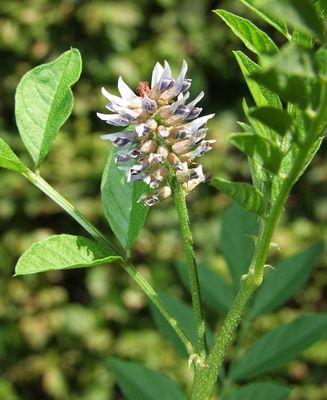 Licorice rootGlycyrrhiza glabra
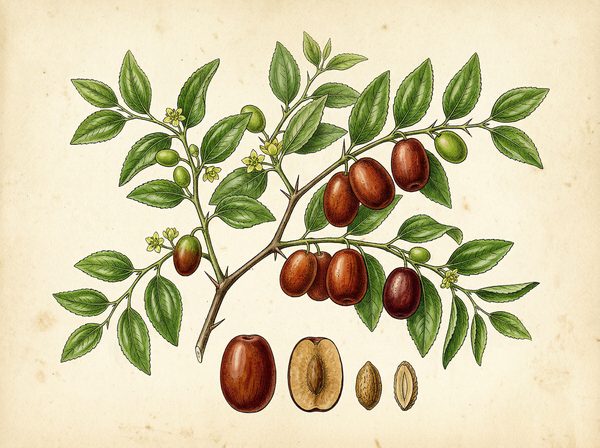 jujubeZiziphus jujuba
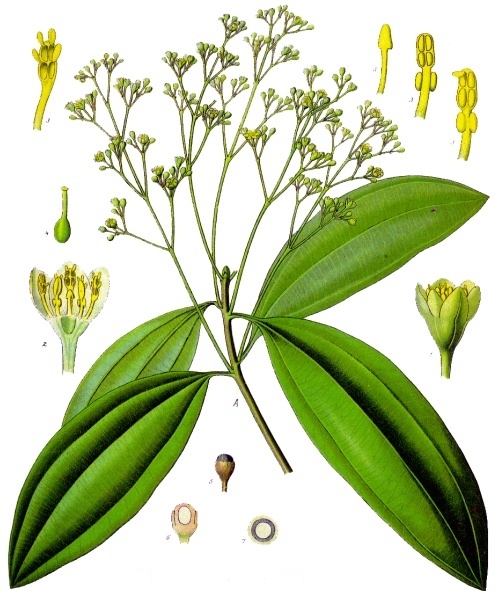 Indian bay leafCinnamomum tamala
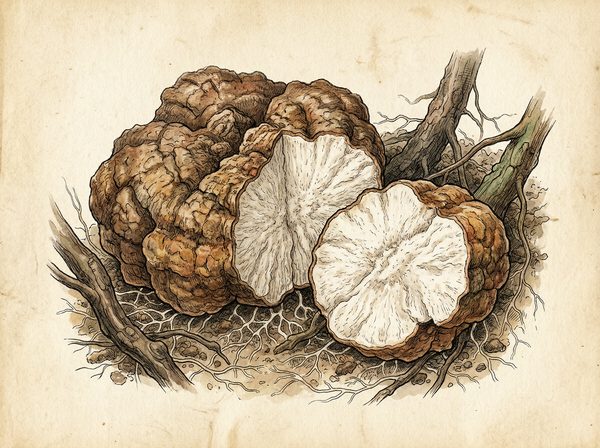 PoriaWolfiporia extensa
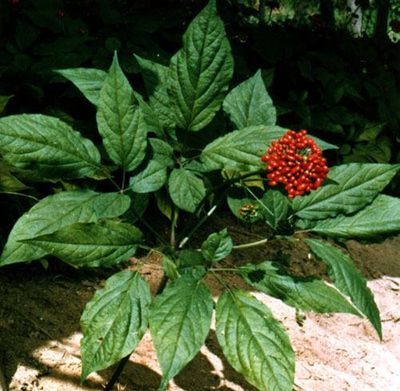 GinsengPanax ginseng
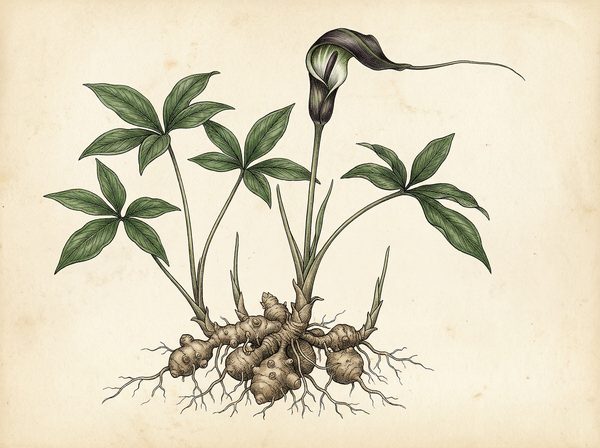 PinelliaPinellia ternata
Nearby on the shelf
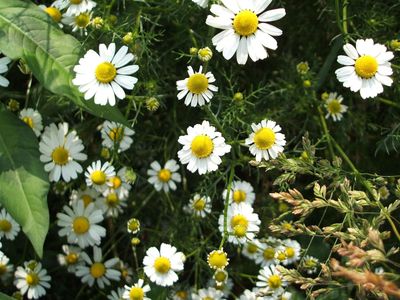 German chamomileMatricaria recutita
 GermanderTeucrium
 GeumGeum
 Ghost PipeMonotropa uniflora
 GlasswortSalicornia europaea
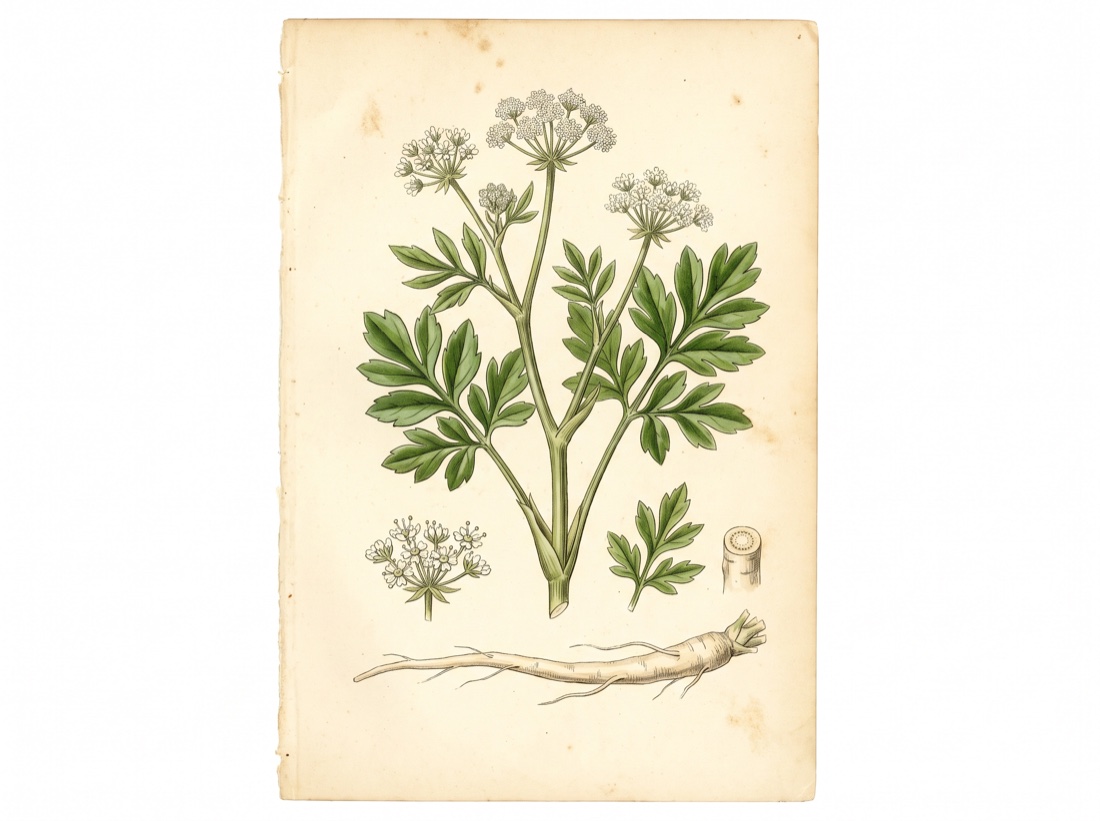 GlehniaGlehnia littoralis
 Globe artichokeCynara scolymus
The whole plate is in the library. The compass, Compare, the Sky of eleven hundred plants and the formulary open with an email address and a password, free, with the formula builder and its safety engine. Herbert without limit, his formulating, clients, the handouts and the labels are the paid room.
Open the library, free