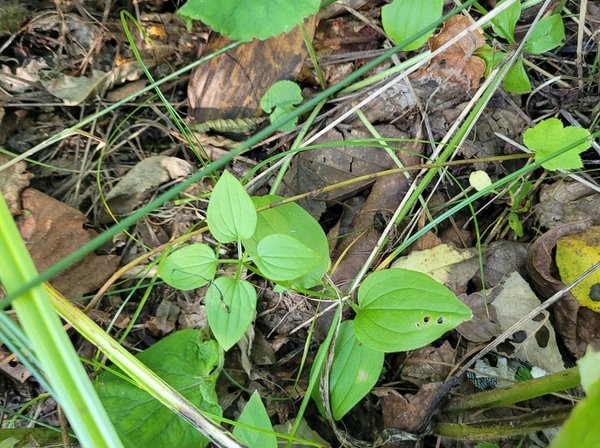
Western, Chinese and Ayurvedic herbalism
Indian madder
Rubia cordifolia
Also known as manjistha, common madder (Asian), Madder, Dyer's madder, Manjishtha, Qian Cao, Manjishtha, Vikasa, Samanga.
Rubia cordifolia is a perennial climbing herb with whorled heart-shaped leaves and a long red root, growing wild through the Himalayan foothills, the northeastern hills and the Western Ghats, and cultivated for its root. In Ayurveda the root is Manjishtha, the foremost herb for the blood, the one that is said to cleanse rakta, cool pitta held in the tissues, and restore color and clarity to the skin. It is also the source of the classical madder dye, and its ability to stain the skin and urine red is a reminder of how readily its pigments reach the tissues.

Ask Herbert about Indian madder. Herbert is the master herbalist inside Bountiful Herbs: he answers from this plate and eleven hundred others, with dosing, pairing and cautions. Your first ten questions are free.
Ask HerbertActions
Indications what the tradition reached for it in
- Acne and inflammatory skin eruptions
- Eczema and psoriasis with heat and redness
- Hyperpigmentation and uneven complexion
- Urticaria and allergic skin reactions
- Heavy menstrual bleeding and irregular cycles with heat
- Recurrent urinary tract irritation and gravel
- Swollen lymph nodes and sluggish lymphatic drainage
- Slow-healing wounds and ulcers (internal and topical)
- Gout and hot swollen joints (adjunct)
- Chronic low-grade inflammation with a red, hot presentation
- Vitiligo and leukoderma (adjunct, traditional)
- Bleeding from blood-heat (nosebleed, coughing or vomiting blood, uterine bleeding)
- Blood stasis with amenorrhea, dysmenorrhea and clots
- Lymphatic congestion
- Rheumatic and joint inflammation
- Urinary stones (traditional)
- Hyperpigmentation (topical)
Specific indications
A young adult with hot, red, cystic acne that flares before the period, an oily complexion and a tendency to constipation, where the skin is speaking for the blood
The pitta patient with recurring hives or heat rashes, burning urination and heavy bright-red periods, who runs hot and irritable
Chronic eczema or psoriasis that is red and inflamed rather than dry and scaly, especially when the lymph nodes are tender and the liver is sluggish
Dull, pigmented skin after acne or sun, treated from within with Manjishtha and from without with a Manjishtha paste or Kumkumadi oil
Safety
Pregnancy: Avoid in pregnancy: no published safety class is known to us, but the tradition treats it as a uterine stimulant, and the anthraquinone content argues for caution.
Breastfeeding: Not recommended in medicinal doses during lactation because the pigments pass into milk and the anthraquinones have not been studied in nursing infants.
The record lists 6 contraindications; open the plate in the library to read them in full.
In practice
Manjishtha is the herb to think of when a disorder announces itself through the skin or the blood: acne, eczema, hives, pigmentation, heavy or hot bleeding, and swellings that are red and warm. The classical anupana is honey or warm water; with Guduchi and Neem it makes a cooling alterative for pitta skin, with Sariva and Chandana it cools and brightens the complexion, and in the Mahamanjishthadi kwatha it joins a long list of bitters for chronic skin disease, gout and vatarakta.
In Ayurveda
Rasa: madhura (sweet), tikta (bitter), kashaya (astringent). Virya: ushna (heating). Vipaka: katu (pungent). Guna: guru (heavy), ruksha (dry). Dosha: pacifies kapha and pitta; the classical texts count it among the best herbs for disorders of rakta (blood) and it is mild enough not to disturb vata in ordinary doses. Prabhava: raktaprasadana (clears and brightens the blood) is named by the tradition as its special virtue. Karma: raktashodhana (purifies the blood); varnya (improves complexion); vishaghna (counters toxins); jvarahara (reduces fever); shothahara (reduces swelling); kushthaghna (treats skin disease); vranaropana (heals wounds); raktastambhana (checks bleeding); mutrala (diuretic); ashmarighna (breaks urinary stones); yonidoshahara (corrects disorders of the female tract); svarya (benefits the voice). Classical indications: kushtha (skin disease); visarpa (spreading skin inflammation); vrana (wounds and ulcers); raktapitta (bleeding disorders); jvara (fever); prameha (urinary disorders including diabetes); ashmari (urinary calculus); mutrakrichra (painful urination); shotha (swelling); yoni roga (disorders of the female genital tract); netraroga (eye disorders); atisara (diarrhea); vyanga (facial hyperpigmentation); bhagna (fracture, as a healing aid). The dried root and lower stem are the drug, given as churna with honey or water, as kwatha, in medicated ghee and oils for the skin, and in fermented asavas. A paste of the root is applied to acne, pigmentation, wounds and swellings, and the root gives the classical red dye. Classical formulations: Manjishthadi kwatha, Mahamanjishthadi kwatha, Manjishthadi taila, Pinda taila, Kumkumadi taila, Aravindasava, Manjishthadi churna. Described in: Charaka Samhita, Sushruta Samhita, Ashtanga Hridaya, Bhavaprakasha Nighantu, Dhanvantari Nighantu, Raja Nighantu, Kaiyadeva Nighantu, Ayurvedic Pharmacopoeia of India.
Dosing as the sources wrote it
| Preparation | As written | Metric |
|---|---|---|
| Churna | 2-4 g powdered root twice daily with honey or warm water | 2000-4000 mg |
| Kwatha | 50-100 mL decoction twice daily | 50-100 mL |
| Asava | 15-30 mL twice daily after food | 15-30 mL |
| Kalka, topical | 5-10 g root paste applied to the face or affected skin for 15-20 minutes | 5000-10000 mg |
| Taila, topical | 5-10 mL medicated oil massaged into affected areas once or twice daily | 5-10 mL |
| The dose is 30 grains, 3 or 4 times a day. | 1944-1944 mg |
Doses are reproduced from the sources for practitioners and are not a recommendation for any person.
From the sources
Overview. Rubia cordifolia is a perennial climbing herb with whorled heart-shaped leaves and a long red root, growing wild through the Himalayan foothills, the northeastern hills and the Western Ghats, and cultivated for its root. In Ayurveda the root is Manjishtha, the foremost herb for the blood, the one that is said to cleanse rakta, cool pitta held in the tissues, and restore color and clarity to the skin. It is also the source of the classical madder dye, and its ability to stain the skin and urine red is a reminder of how readily its pigments reach the tissues.
Clinical Notes. Manjishtha is the herb to think of when a disorder announces itself through the skin or the blood: acne, eczema, hives, pigmentation, heavy or hot bleeding, and swellings that are red and warm. The classical anupana is honey or warm water; with Guduchi and Neem it makes a cooling alterative for pitta skin, with Sariva and Chandana it cools and brightens the complexion, and in the Mahamanjishthadi kwatha it joins a long list of bitters for chronic skin disease, gout and vatarakta.
pharmacological-actions. Modern pharmacological studies reveal that R. cordifolia and its derived components have anti-tumor, anti-oxidative, anti-platelet aggregation, and anti-inflammatory effects, though most studies are preclinical.
indications. The roots are proven antioxidant, anti-inflammatory, anticancer, immunomodulator and hepatoprotective, and are extensively used against kidney, blood, urinary and skin diseases.
Drawn from King's American Dispensatory, 18th edition (Felter and Lloyd), and the Bountiful Herbs editorial.
In formulas
Indian madder stands in 57 documented formulas in the library, among them Aravindāsava, Aśvagandhādyariṣṭa, Uśīrāsava, Candanāsava, Daśamūlāriṣṭa, Devadārvāriṣṭa.
Often paired with
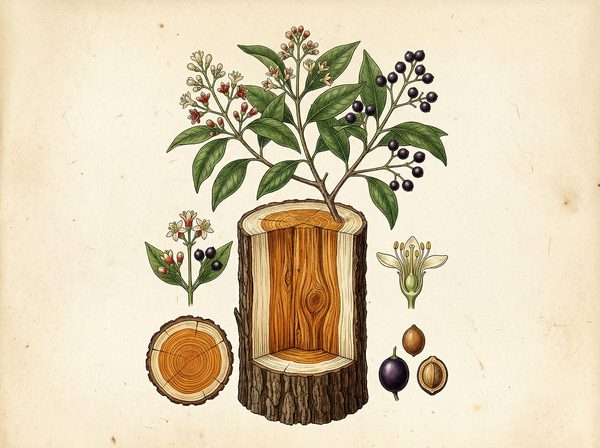 sandalwoodSantalum album
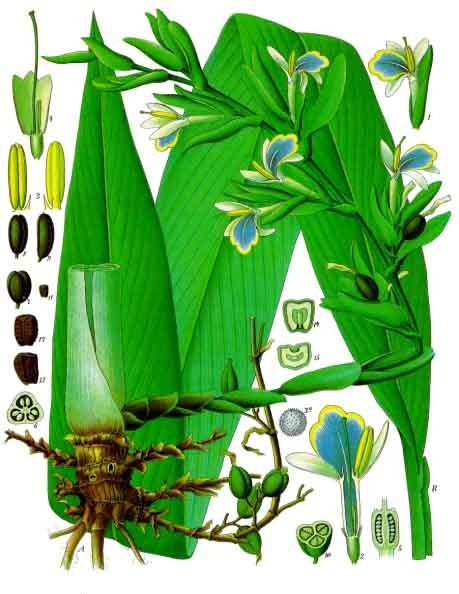 cardamomElettaria cardamomum
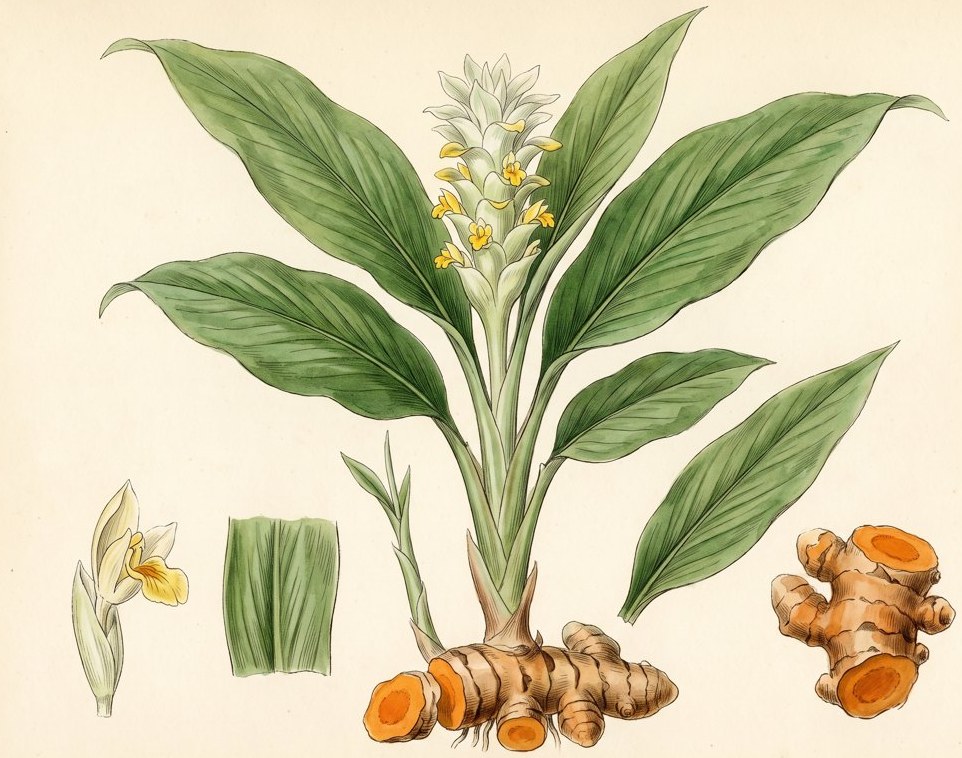 turmericCurcuma longa
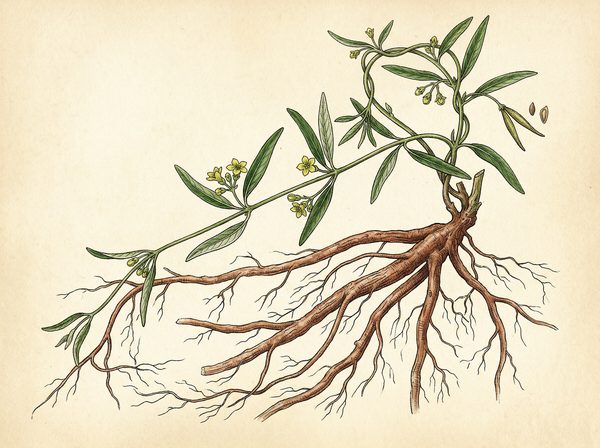 Indian sarsaparillaHemidesmus indicus
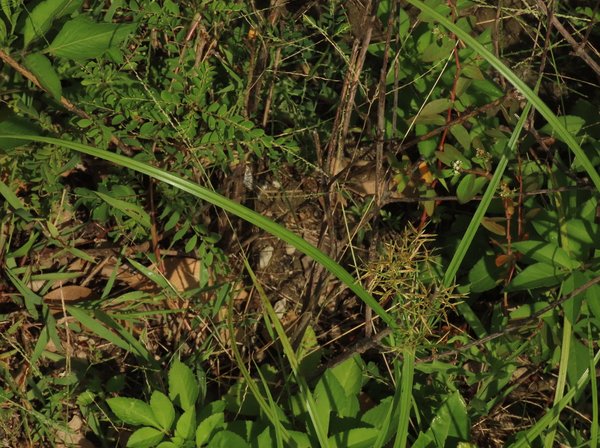 nut grassCyperus rotundus
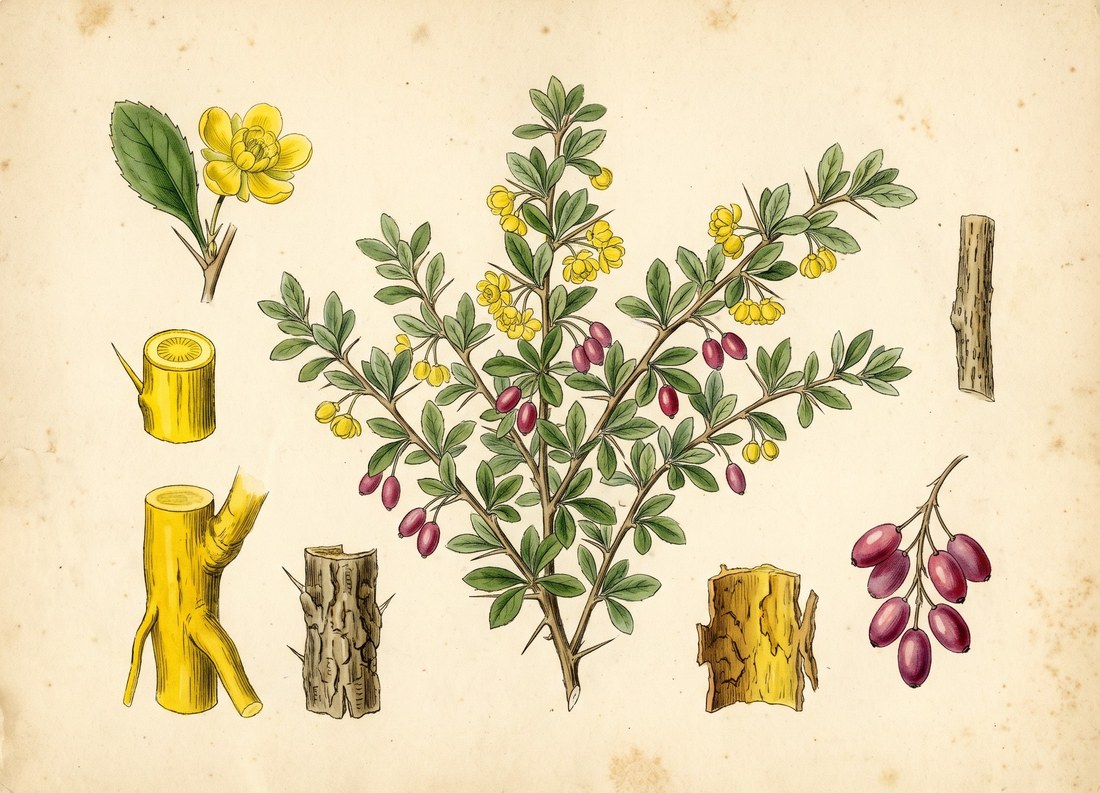 Indian barberryBerberis aristata
Nearby on the shelf
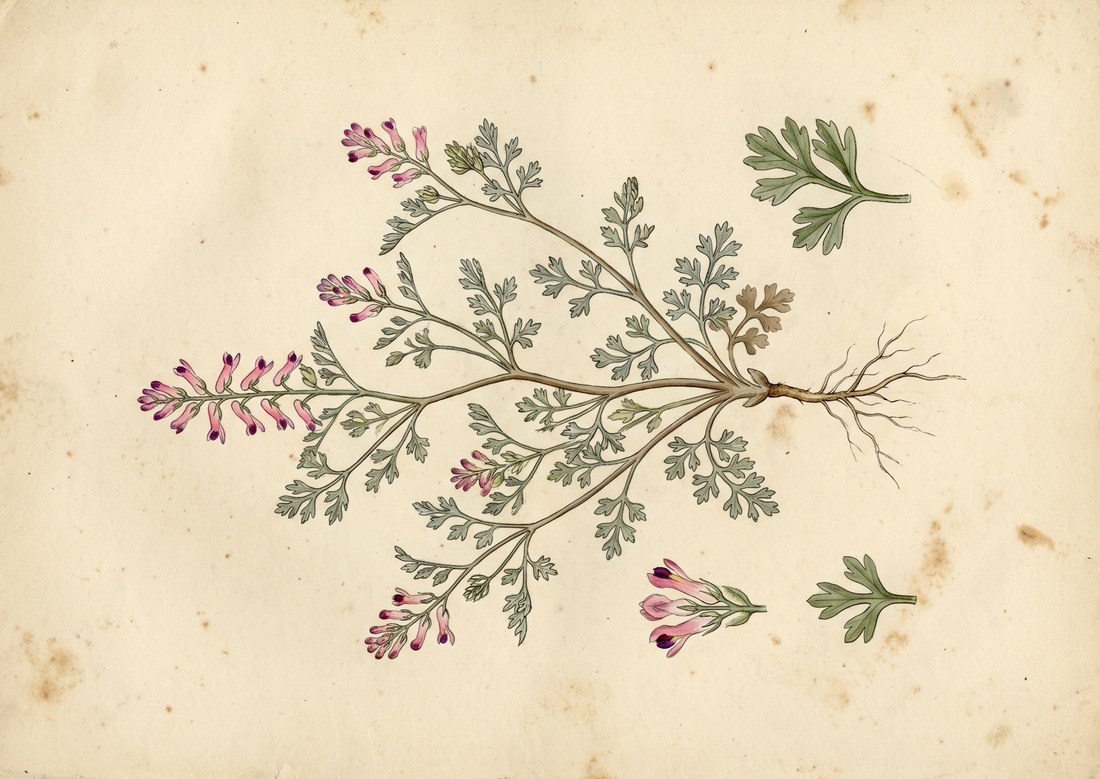 Indian fumitoryFumaria indica
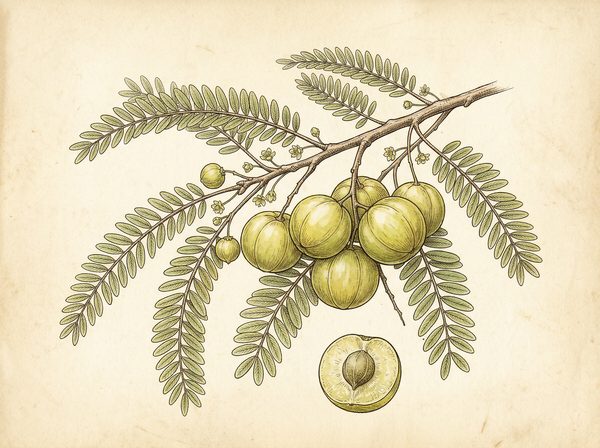 Indian gooseberryPhyllanthus emblica
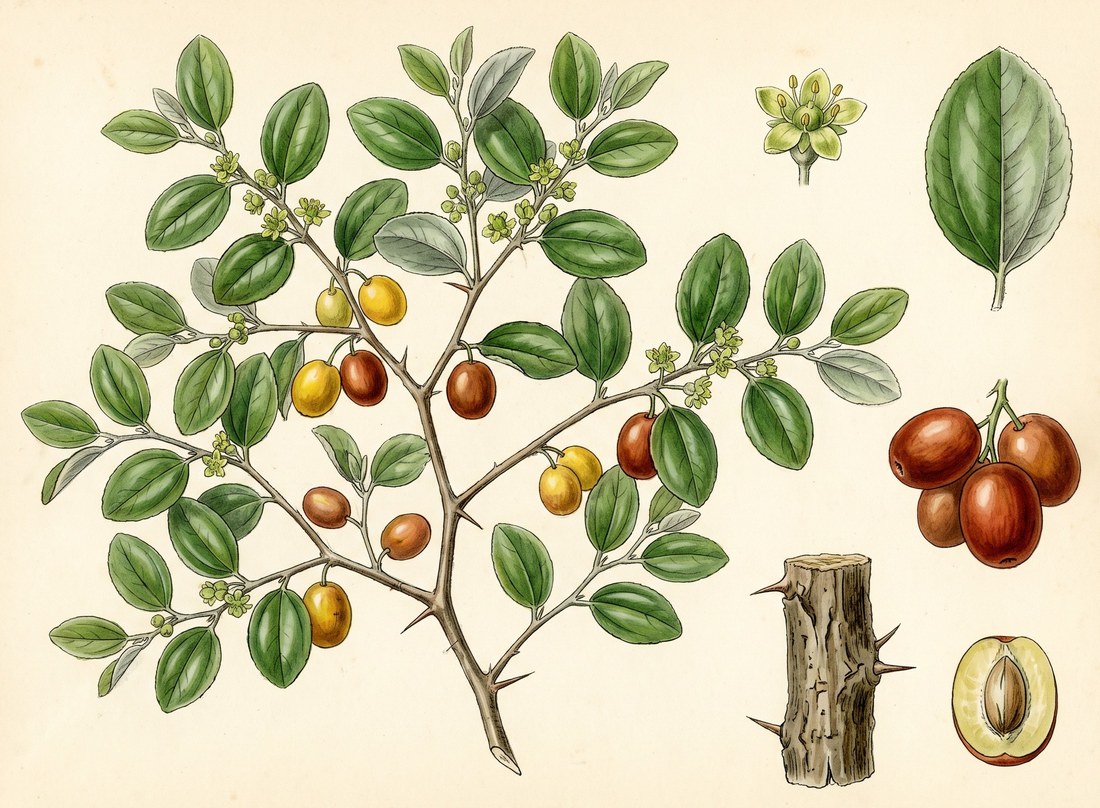 Indian jujubeZiziphus mauritiana
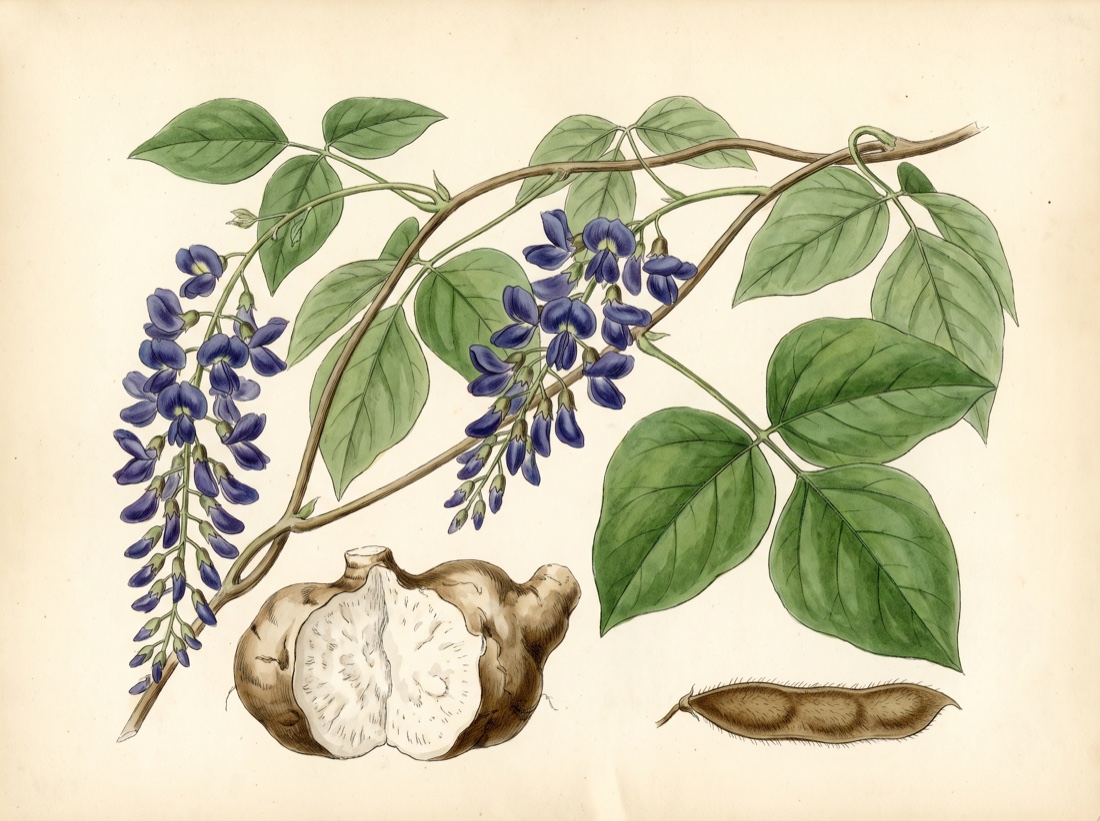 Indian kudzuPueraria tuberosa
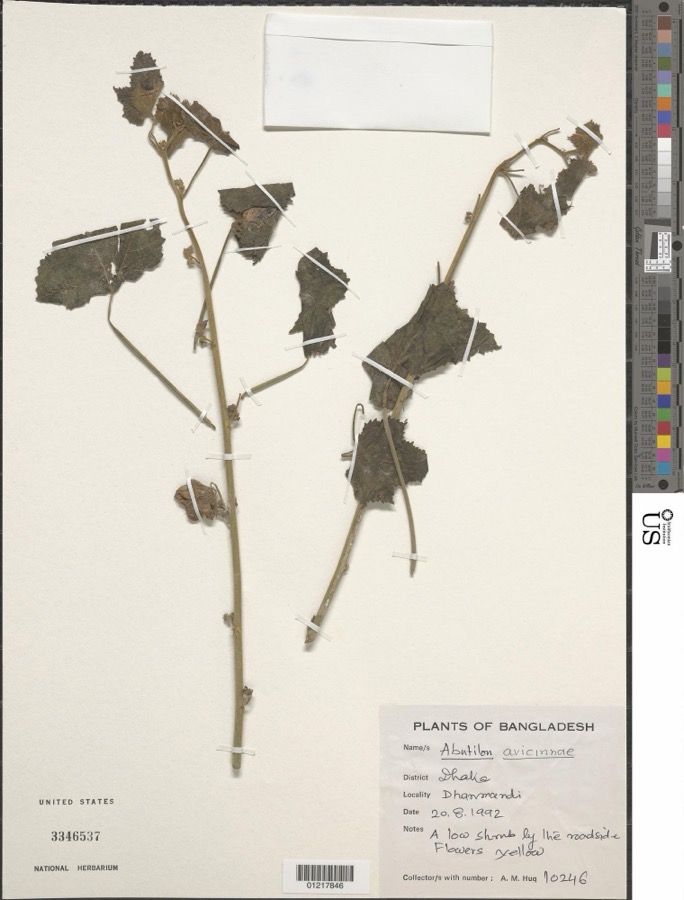 Indian mallowAbutilon avicenna
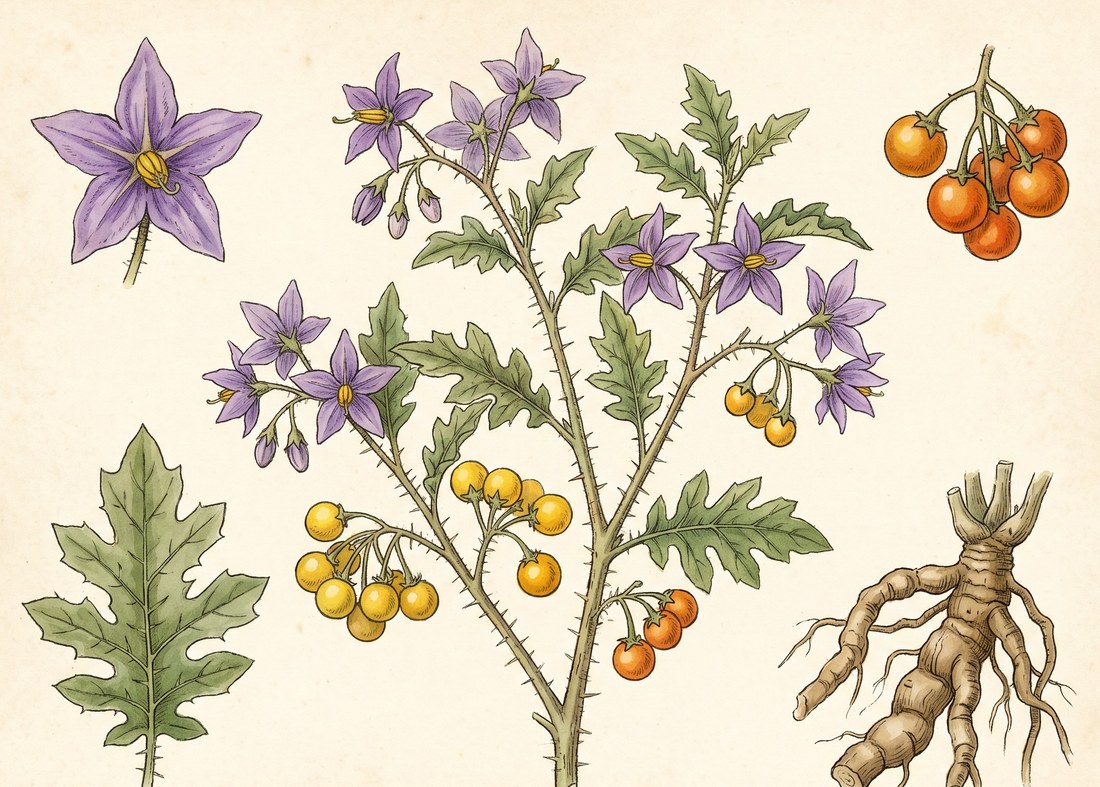 Indian nightshadeSolanum indicum
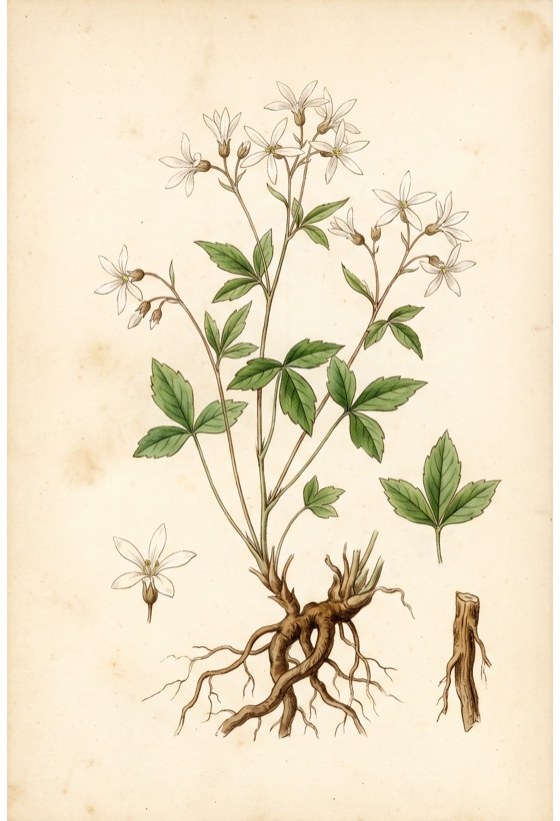 Indian PhysicGillenia
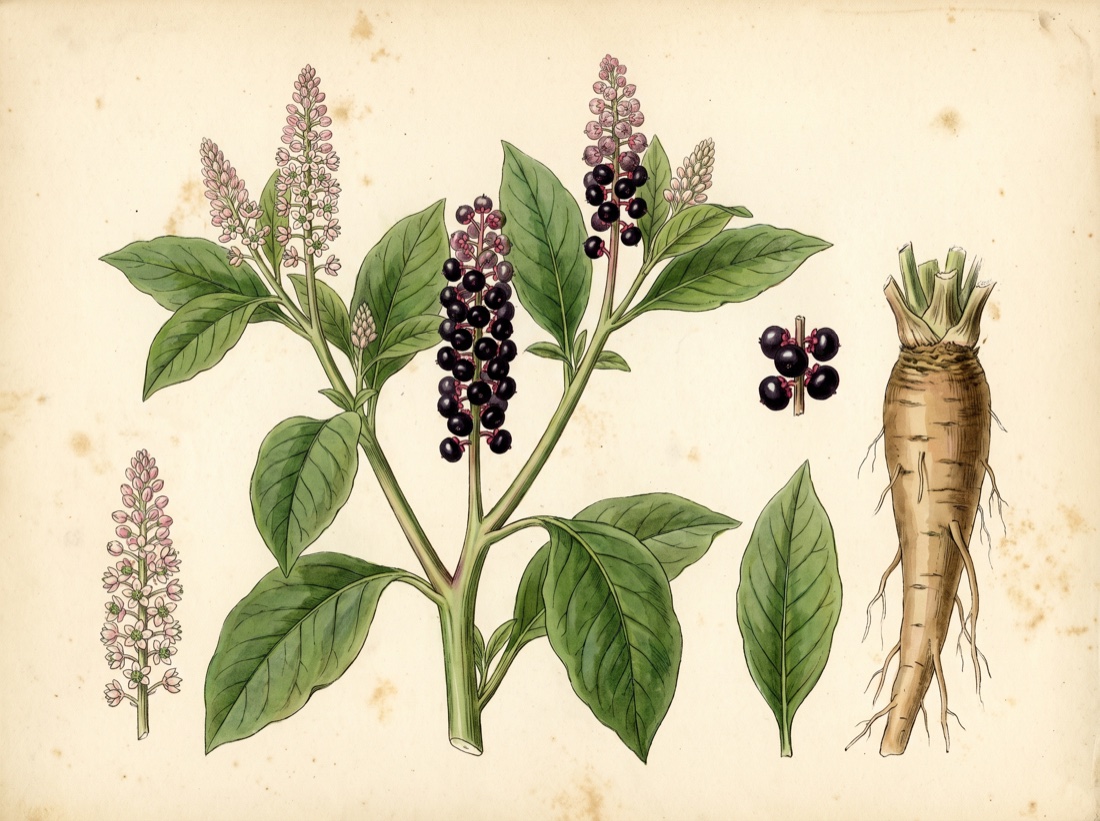 Indian pokeweedPhytolacca acinosa
The whole plate is in the library. The compass, Compare, the Sky of eleven hundred plants and the formulary open with an email address and a password, free, with the formula builder and its safety engine. Herbert without limit, his formulating, clients, the handouts and the labels are the paid room.
Open the library, free