Ayurvedic Herbalism
Indian jujube
Ziziphus mauritiana
Also known as ber, Indian plum, Chinese apple, badara, Badara, Kola, Badari.
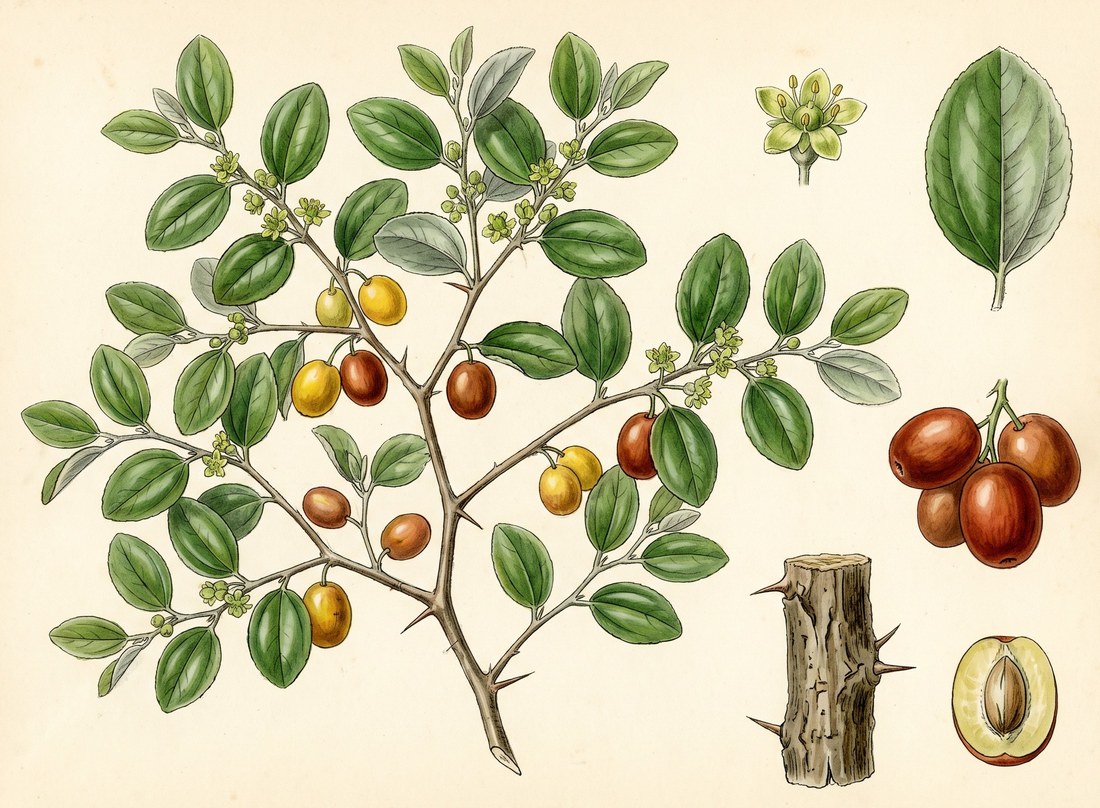
Ziziphus mauritiana is a thorny, spreading small tree of the buckthorn family with glossy leaves that are felted grey beneath and round or oval fruits that ripen yellow to reddish brown, growing wild and cultivated across the dry plains of Rajasthan, Gujarat, Maharashtra, the Punjab and the Deccan. Ayurveda knows it as Badara or Kola, listing the ripe fruit among the nourishing, thirst-quenching, heart-pleasing fruits and using the astringent bark and leaves for diarrhea, wounds and hair. The tree is a staple of arid-zone orchards and its fruit is eaten fresh, dried and candied throughout India.

Ask Herbert about Indian jujube. Herbert is the master herbalist inside Bountiful Herbs: he answers from this plate and eleven hundred others, with dosing, pairing and cautions. Your first ten questions are free.
Ask HerbertActions
Indications what the tradition reached for it in
- Convalescent weakness with thirst and poor appetite
- Heat exhaustion and summer fatigue
- Underweight children and the elderly (fruit)
- Chronic diarrhea and dysentery (bark decoction)
- Boils, wounds and skin infections (leaf paste)
- Hair loss and scalp conditions (leaf paste)
- Mild insomnia and anxiety (seed, leaf)
- Bleeding gums and mouth ulcers (bark decoction gargle)
- Nausea and vomiting with thirst (fruit)
- Dry cough of pitta type (fruit)
- Fever with burning and dehydration (fruit drink)
Specific indications
A thin, hot, thirsty child or elder who is worn out by summer and cannot eat, for whom the sweet-sour fruit is both food and remedy
Loose stools that have gone on for weeks in a weakened patient, where the astringent bark decoction binds without heating
Boils and infected scratches on a child's limbs treated with a paste of the fresh leaves
Light, restless sleep with heat in a pitta patient, where the seed kernel decoction calms in the manner of jujube seed
Safety
Breastfeeding: Use with care while breastfeeding
The record lists 5 contraindications; open the plate in the library to read them in full.
In practice
Badara is a food-medicine, and the classical texts treat it as one, grading its effects by ripeness. The ripe fruit is sweet, sour, cooling and heavy: it quenches thirst, relieves burning and fatigue, builds tissue and pleases the heart, so it is given fresh or as a drink to convalescents, the hot and tired, the thin and the elderly, and to children who will not eat.
In Ayurveda
Rasa: madhura (sweet), amla (sour) in the ripe fruit; kashaya (astringent) in the unripe fruit, leaf and bark. Virya: sheeta (cooling) for the ripe fruit; the unripe fruit is described as ushna (heating). Vipaka: madhura (sweet). Guna: guru (heavy), snigdha (unctuous). Dosha: the ripe fruit pacifies vata and pitta and increases kapha; the leaf and bark reduce kapha and pitta. Karma: brimhana (nourishing, builds tissue); balya (strengthening); vrishya (aphrodisiac); hridya (cardiotonic, pleasing to the heart); ruchya (improves taste); trishnahara (relieves thirst); dahaprashamana (relieves burning); shramahara (relieves fatigue); grahi (absorbent; leaf and bark); vranaropana (heals wounds; leaf); keshya (benefits the hair; leaf); nidrajanana (promotes sleep; seed and leaf, mild). Classical indications: trishna (thirst); daha (burning sensation); shrama (fatigue); kshaya (wasting); raktapitta (bleeding disorders); atisara (diarrhea; bark and leaf); vrana (wounds; leaf paste); kesha patana (hair loss; leaf); jvara (fever); chardi (vomiting); arochaka (loss of appetite); anidra (insomnia; seed). The ripe fruit is eaten fresh or dried as a nourishing food-medicine; the unripe fruit and the stem bark are decocted for diarrhea; the leaves are ground into paste for wounds, boils and hair loss and used as a cleansing bath; the seed kernel is used for sleep in the manner of the Chinese jujube. Classical formulations: Kolakulatthadi churna, Badaradi kwatha, Badari patra lepa, Badari twak kwatha, Badara phala pana (fruit drink for thirst and fever). Described in: Charaka Samhita, Sushruta Samhita, Ashtanga Hridaya, Bhavaprakasha Nighantu, Dhanvantari Nighantu, Raja Nighantu, Kaiyadeva Nighantu.
Dosing as the sources wrote it
| Preparation | As written | Metric |
|---|---|---|
| Phala (ripe fruit) | 20-50 g fresh or dried fruit daily as food | 20000-50000 mg |
| Twak churna (bark) | 3-6 g powdered stem bark twice daily with water | 3000-6000 mg |
| Twak kwatha (bark) | 50-100 mL bark decoction twice daily | 50-100 mL |
| Bija churna (seed kernel) | 3-6 g powdered seed kernel at bedtime with warm milk | 3000-6000 mg |
| Patra kalka, topical | 10-20 g fresh leaf paste applied to boils, wounds or scalp once daily | 10000-20000 mg |
Doses are reproduced from the sources for practitioners and are not a recommendation for any person.
From the sources
Overview. Ziziphus mauritiana is a thorny, spreading small tree of the buckthorn family with glossy leaves that are felted grey beneath and round or oval fruits that ripen yellow to reddish brown, growing wild and cultivated across the dry plains of Rajasthan, Gujarat, Maharashtra, the Punjab and the Deccan. Ayurveda knows it as Badara or Kola, listing the ripe fruit among the nourishing, thirst-quenching, heart-pleasing fruits and using the astringent bark and leaves for diarrhea, wounds and hair. The tree is a staple of arid-zone orchards and its fruit is eaten fresh, dried and candied throughout India.
Clinical Notes. Badara is a food-medicine, and the classical texts treat it as one, grading its effects by ripeness. The ripe fruit is sweet, sour, cooling and heavy: it quenches thirst, relieves burning and fatigue, builds tissue and pleases the heart, so it is given fresh or as a drink to convalescents, the hot and tired, the thin and the elderly, and to children who will not eat.
Ayurvedic Profile. Rasa: madhura (sweet), amla (sour) in the ripe fruit; kashaya (astringent) in the unripe fruit, leaf and bark. Virya: sheeta (cooling) for the ripe fruit; the unripe fruit is described as ushna (heating).
Nearby on the shelf
 Indian beechPongamia pinnata
 Indian frankincenseBoswellia serrata
 Indian fumitoryFumaria indica
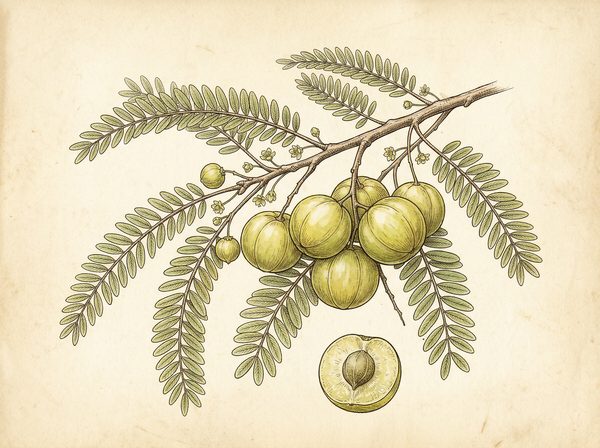 Indian gooseberryPhyllanthus emblica
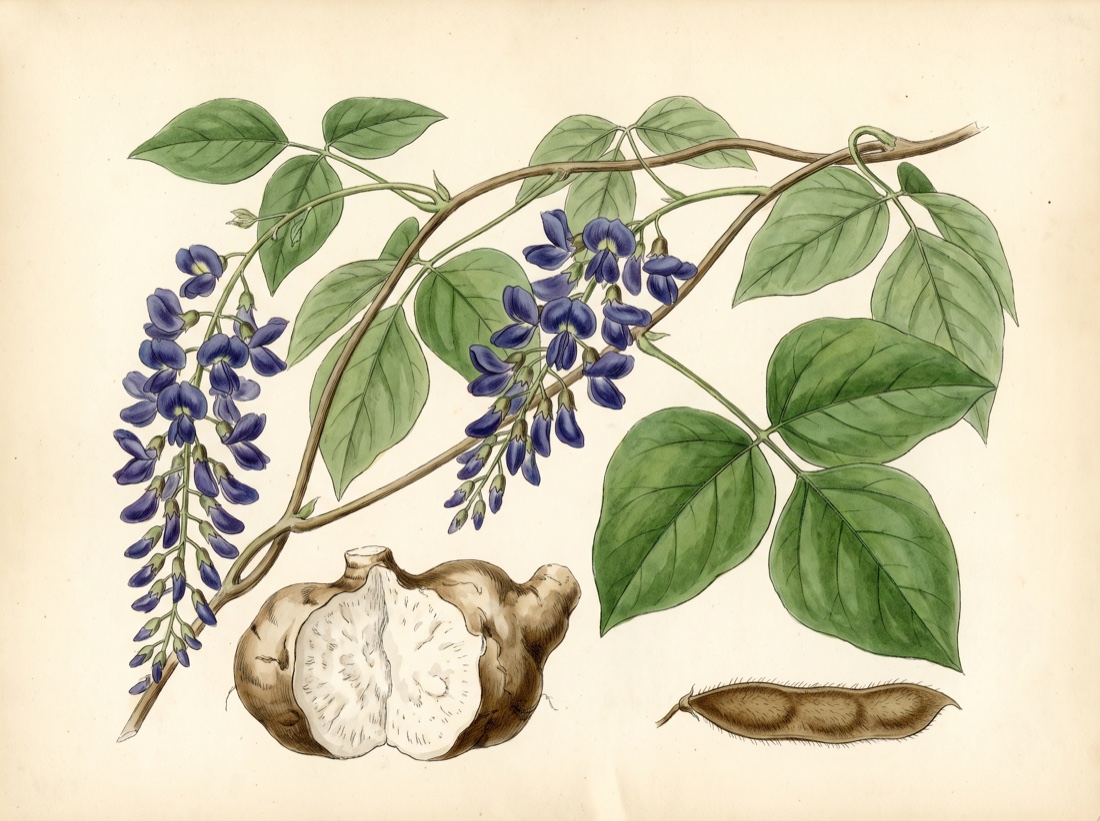 Indian kudzuPueraria tuberosa
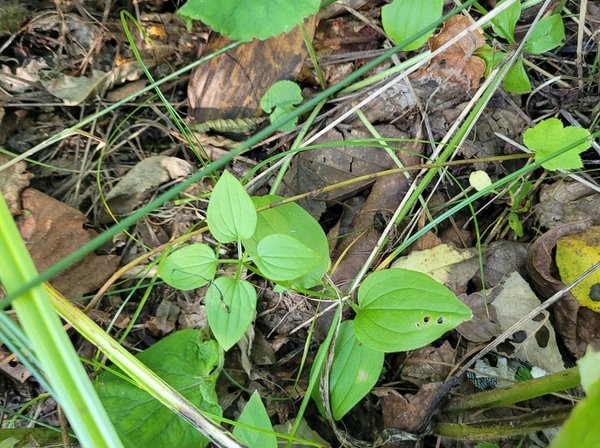 Indian madderRubia cordifolia
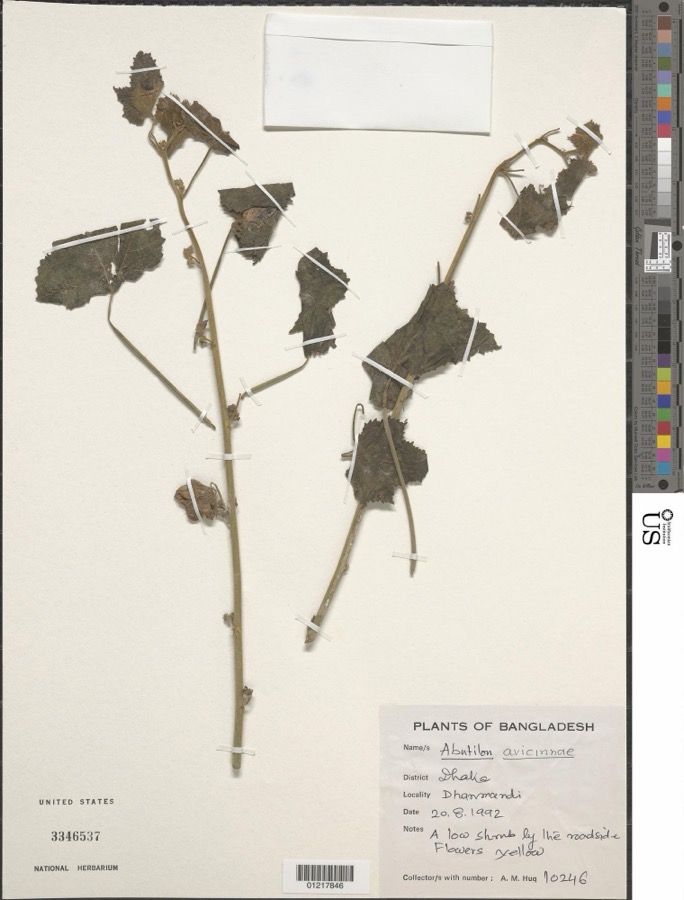 Indian mallowAbutilon avicenna
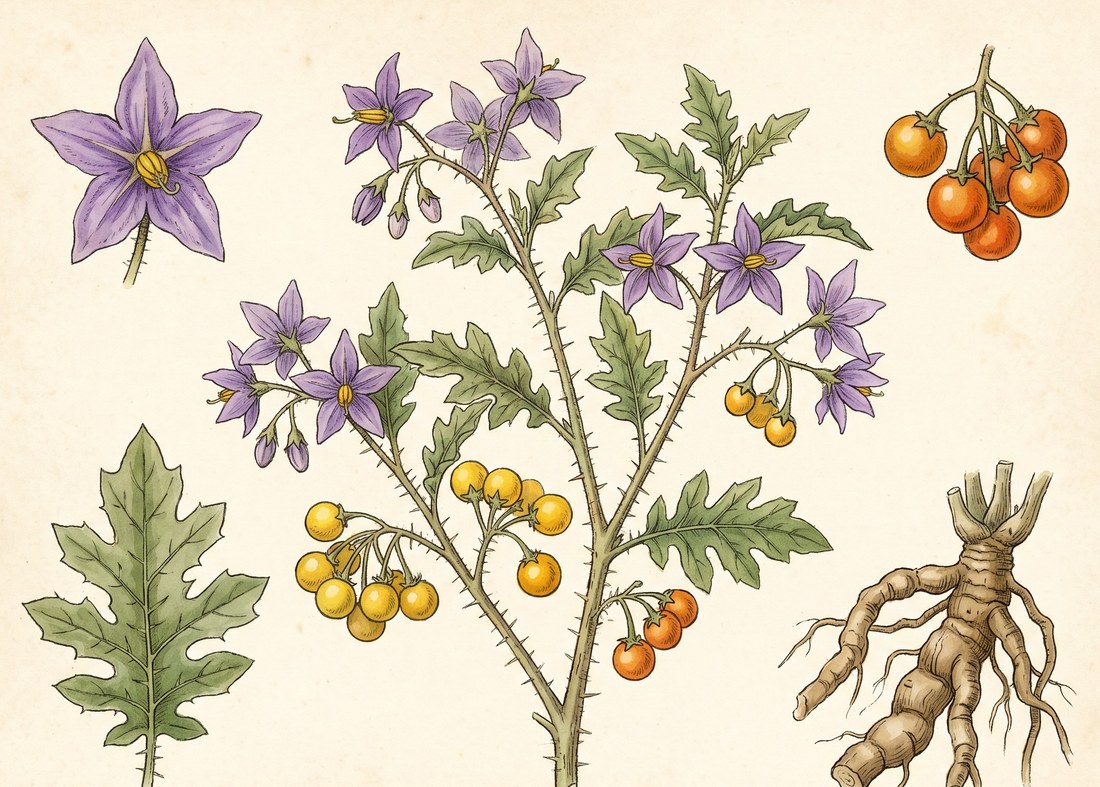 Indian nightshadeSolanum indicum
The whole plate is in the library. The compass, Compare, the Sky of eleven hundred plants and the formulary open with an email address and a password, free, with the formula builder and its safety engine. Herbert without limit, his formulating, clients, the handouts and the labels are the paid room.
Open the library, free