Western and Ayurvedic herbalism
Vetiver
Chrysopogon zizanioides
Also known as khus, khus khus grass, cuscus grass, Vetiveria zizanioides, Khus-Khus, Ushira, Virana, Sevya.
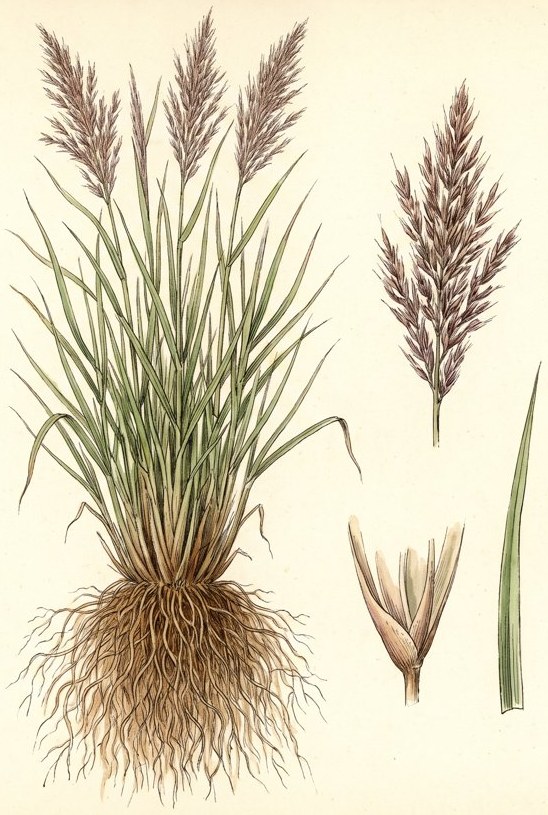
Chrysopogon zizanioides is a tall, dense, clumping perennial grass native to the plains and river banks of northern India, now planted throughout the tropics for its remarkable, deep, fragrant roots, which are distilled for the perfume industry and woven into cooling screens and mats. Ayurveda knows the root as Ushira, one of the great cooling herbs for pitta: it relieves burning, fever, thirst, sweating and bleeding, and is a standard ingredient of the cooling drinks and pastes of the hot season. The essential oil, khus, is among the oldest perfumes of India.

Ask Herbert about Vetiver. Herbert is the master herbalist inside Bountiful Herbs: he answers from this plate and eleven hundred others, with dosing, pairing and cautions. Your first ten questions are free.
Ask HerbertActions
Indications what the tradition reached for it in
- Fever with burning, thirst and restlessness
- Heat exhaustion and summer fatigue
- Burning urination and cystitis
- Excess sweating with body odor
- Nausea and vomiting from heat or acidity
- Bleeding from the nose, gums or bowel in a hot constitution
- Acne, boils and inflamed skin (topical)
- Hot flushes and irritability
- Diarrhea with heat and thirst
- Insomnia from heat and agitation (aromatic use)
- insomnia and anxiety
- restlessness/ADHD focus blends (inhalation)
- aching muscles
- Anxiety, restlessness and nervous tension
- Insomnia and overstimulation
- ADHD and difficulty grounding (aromatherapy)
- Heat and burning sensations, summer heat and fever (traditional Ayurvedic refrigerant)
- Skin inflammation, prickly heat and irritation (topical)
- Headache from heat
- Mental exhaustion and burnout
Specific indications
A pitta patient in hot weather who is flushed, thirsty, sweating heavily and cannot sleep, whose urine burns and whose skin breaks out
Low grade fever with burning palms and soles, thirst and a bitter taste, where a cold infusion is more welcome than a hot decoction
Excess body odor and sweaty palms in an anxious, warm blooded young adult
Recurrent cystitis or burning urination in summer in a woman who runs hot and drinks too little
Safety
Pregnancy: Not for use in pregnancy
The record lists 7 contraindications; open the plate in the library to read them in full.
In practice
Ushira is a summer herb and a pitta herb. The Ayurvedic physician reaches for it when heat is the problem: burning fever with thirst, heat stroke, burning urine, hot flushes, excess sweating, bleeding from the nose or bowel, red inflamed skin.
In Ayurveda
Rasa: tikta (bitter), madhura (sweet). Virya: sheeta (cooling). Vipaka: katu (pungent). Guna: laghu (light), ruksha (dry). Dosha: pacifies pitta and kapha; may aggravate vata in excess. Karma: dahaprashamana (relieves burning); pittahara (reduces pitta); stambhana (astringent, checks discharge); raktastambhana (stops bleeding); jvarahara (reduces fever); trishnanigrahana (relieves thirst); chardinigrahana (stops vomiting); mutrala (diuretic); pachana (digestive); varnya (improves complexion); durgandhahara (removes bad odor). Classical indications: daha (burning sensation); jvara (fever, especially with thirst and burning); raktapitta (bleeding disorders); trishna (excessive thirst); chardi (vomiting); mutrakricchra (dysuria); atisara (diarrhea); visarpa (spreading skin inflammation); kushtha (skin disease); svedadhikya (excess sweating); vrana (wounds). The fibrous, fragrant roots are dug, washed and dried, then used as hima (cold infusion) and phanta, as kwatha, as churna with sugar or rice water, as a paste for the skin, and distilled into an essential oil for perfumery and topical use; bundles of root are also steeped in drinking water and woven into cooling screens. Classical formulations: Ushirasava, Shadanga paniya, Chandanadi churna, Chandanasava, Ushiradi churna, Eladi taila, Manjishthadi kwatha (some versions). Described in: Charaka Samhita, Sushruta Samhita, Ashtanga Hridaya, Bhavaprakasha Nighantu, Dhanvantari Nighantu, Raja Nighantu, Kaiyadeva Nighantu, Ayurvedic Pharmacopoeia of India.
Dosing as the sources wrote it
| Preparation | As written | Metric |
|---|---|---|
| Hima (cold infusion) | 5-10 g root steeped in 500-1000 mL cold water overnight, sipped through the day | 5000-10000 mg |
| Kwatha | 50-100 mL decoction twice daily | 50-100 mL |
| Churna | 1-3 g powdered root twice daily with sugar water or rice water | 1000-3000 mg |
| Asava | 15-30 mL twice daily after food | 15-30 mL |
| Kalka, topical | 5-10 g root paste with sandalwood applied to the skin or forehead | 5000-10000 mg |
| Topical (diluted in carrier) | Topical: typical 1-3% in carrier; face/sensitive 0.5-1; dermal maximum 5%. Thick oil; very well tolerated. |
Doses are reproduced from the sources for practitioners and are not a recommendation for any person.
From the sources
Overview. Chrysopogon zizanioides is a tall, dense, clumping perennial grass native to the plains and river banks of northern India, now planted throughout the tropics for its remarkable, deep, fragrant roots, which are distilled for the perfume industry and woven into cooling screens and mats. Ayurveda knows the root as Ushira, one of the great cooling herbs for pitta: it relieves burning, fever, thirst, sweating and bleeding, and is a standard ingredient of the cooling drinks and pastes of the hot season. The essential oil, khus, is among the oldest perfumes of India.
Clinical Notes. Ushira is a summer herb and a pitta herb. The Ayurvedic physician reaches for it when heat is the problem: burning fever with thirst, heat stroke, burning urine, hot flushes, excess sweating, bleeding from the nose or bowel, red inflamed skin.
primary-actions. Vetiver acts primarily as: Sedative, Anxiolytic, Anti-inflammatory, Antioxidant, Antimicrobial, Refrigerant, Diaphoretic, Nervine, Insect-repellent (oil). Secondary actions include Calm the mind and ground the spirit, Cool and relieve heat, Soothe the nerves, Reduce inflammation.
indications. Vetiver is traditionally indicated for: Anxiety, restlessness and nervous tension, Insomnia and overstimulation, ADHD and difficulty grounding (aromatherapy), Heat and burning sensations, summer heat and fever (traditional Ayurvedic refrigerant), Skin inflammation, prickly heat and irritation (topical), Headache from heat, Mental exhaustion and burnout.
In formulas
Vetiver stands in 29 documented formulas in the library, among them Aravindāsava, Uśīrāsava, Pippalyādyāsava, Balāriṣṭa, Mṛtasaṅjīvanī Surā, Śrīkhaṇḍāsava.
Often paired with
 sandalwoodSantalum album
 nut grassCyperus rotundus
 cardamomElettaria cardamomum
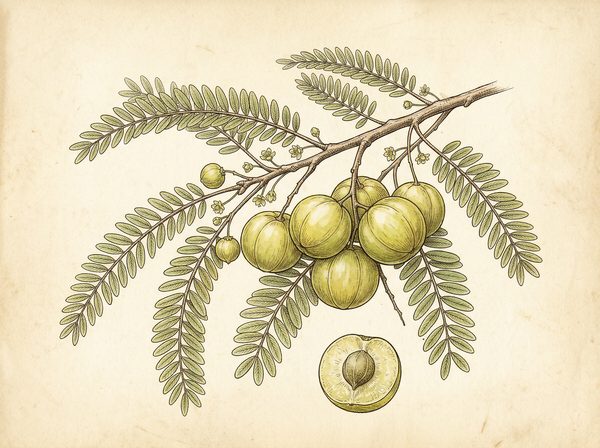 Indian gooseberryPhyllanthus emblica
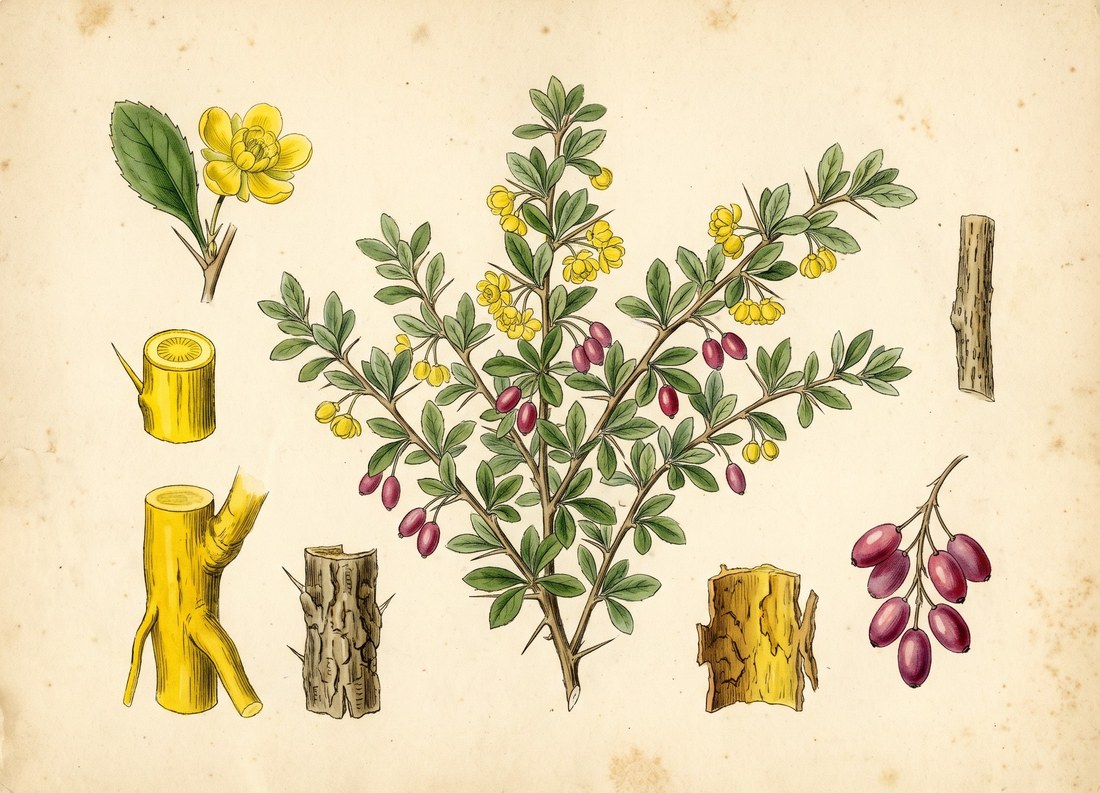 Indian barberryBerberis aristata
 Indian madderRubia cordifolia
Nearby on the shelf
 Verbascum densiflorumVerbascum densiflorum
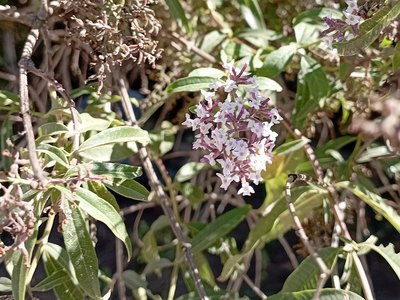 Verbena triphylla L'HerAloysia triphylla
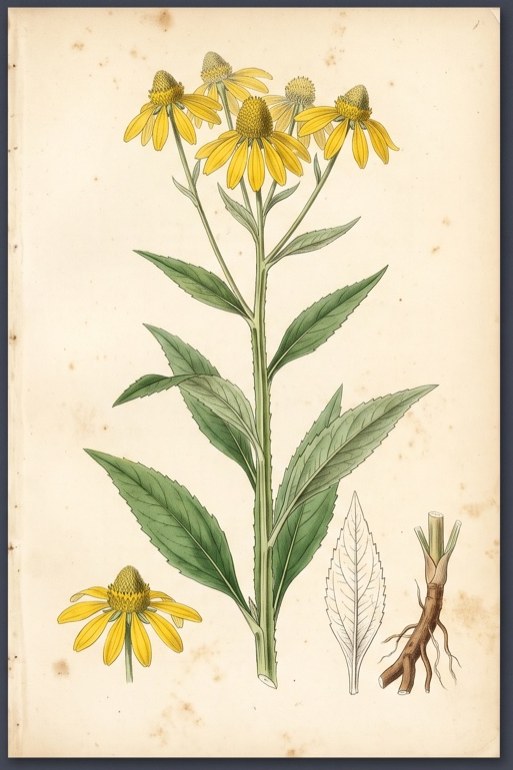 VerbesinaVerbesina
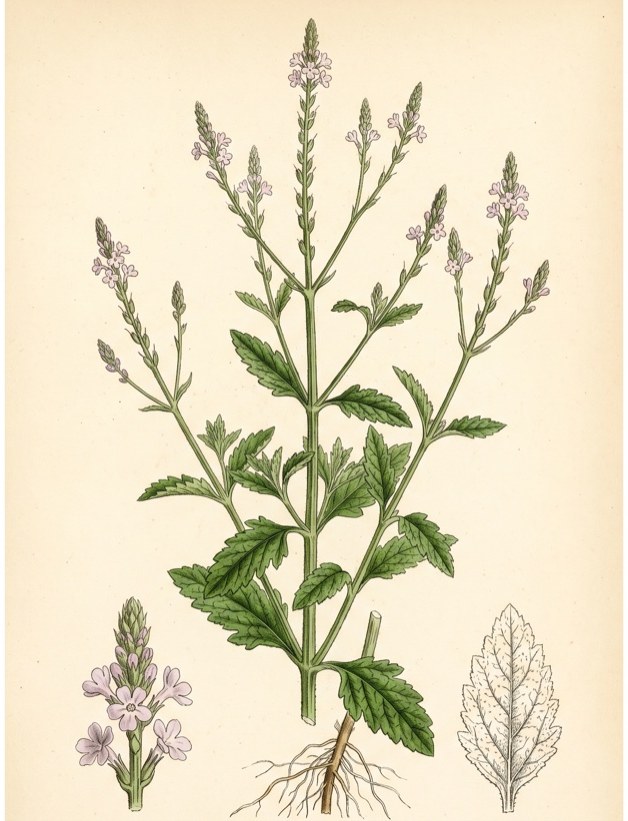 VervainVerbena officinalis
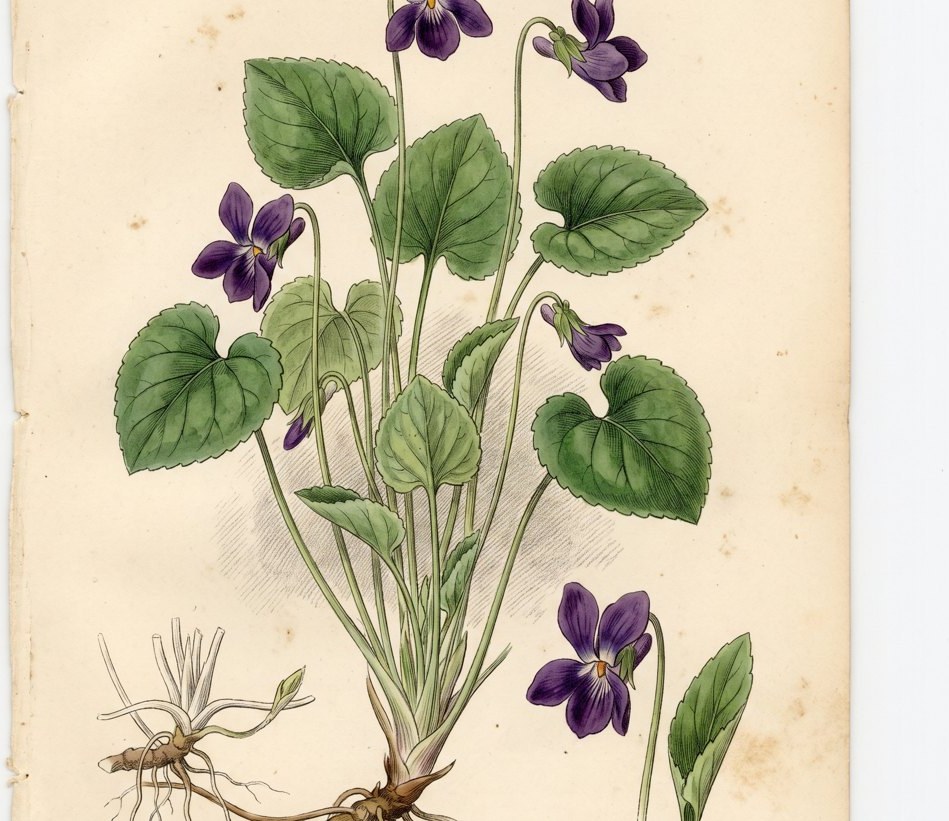 VioletViola
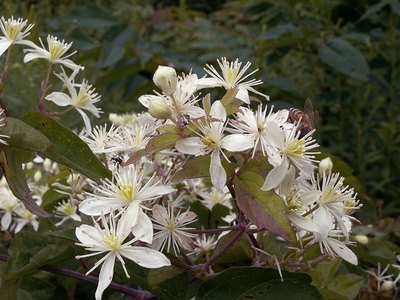 Virgin's bowerClematis virginiana
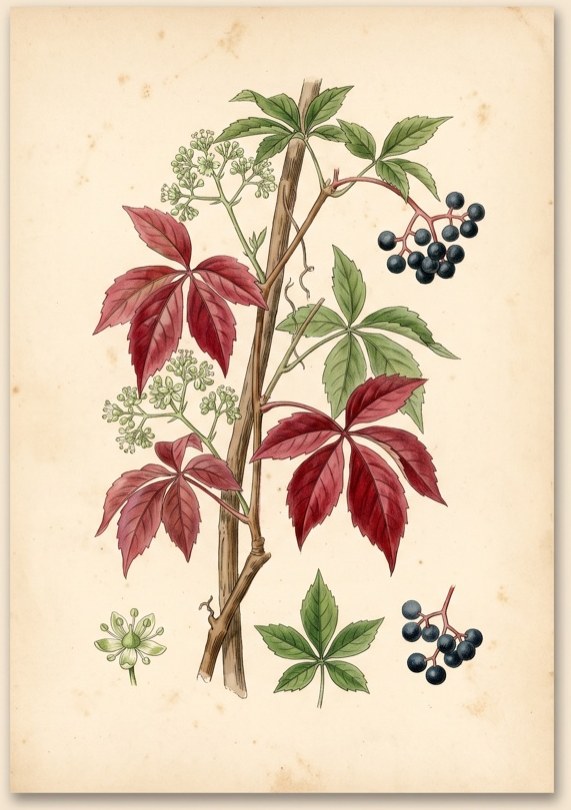 Virginia creeperAmpelosis quinquefolia
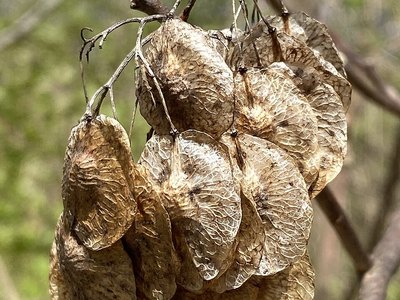 Wafer ashPtelea trifoliata
The whole plate is in the library. The compass, Compare, the Sky of eleven hundred plants and the formulary open with an email address and a password, free, with the formula builder and its safety engine. Herbert without limit, his formulating, clients, the handouts and the labels are the paid room.
Open the library, free