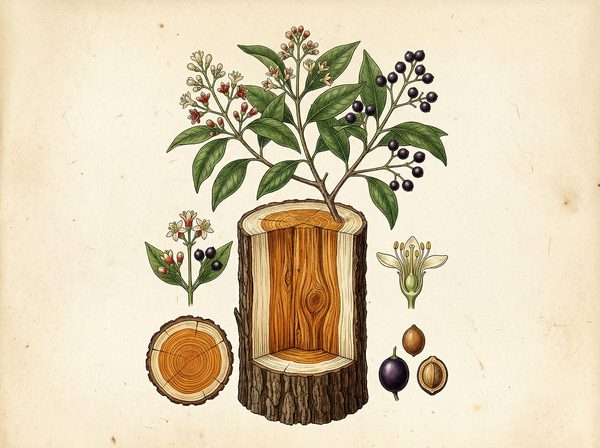
Western, Chinese and Ayurvedic herbalism
Sandalwood
Santalum album
Also known as white sandalwood, East Indian sandalwood, Indian sandalwood, Yellow Saunders, White Saunders, Santalum spicatum (Australian), Chandana, Shveta chandana, Shrikhanda.
Santalum album is a small evergreen hemiparasitic tree of the sandalwood family, drawing water and minerals from the roots of neighboring plants, native to the dry deciduous forests of Karnataka, Tamil Nadu, Kerala and Andhra Pradesh and long protected as a state monopoly. Its fragrant yellow heartwood, which takes decades to develop, is Chandana, the cooling wood of Ayurveda, rubbed into paste for fever and skin, decocted for burning urine, and burnt in every temple. The tradition ranks it first among the cooling aromatics for pitta, and the essential oil distilled from the heartwood is one of the world's most valued perfume materials.

Ask Herbert about Sandalwood. Herbert is the master herbalist inside Bountiful Herbs: he answers from this plate and eleven hundred others, with dosing, pairing and cautions. Your first ten questions are free.
Ask HerbertActions
Indications what the tradition reached for it in
- Burning urination and uncomplicated cystitis
- Fever with thirst, burning and restlessness
- Heat rash, sunburn and hot itching skin conditions (topical)
- Acne and oily inflamed skin (topical)
- Hyperpigmentation and melasma (topical, traditional)
- Eczema and psoriasis with heat (topical)
- Hot flushes and burning sensations of menopause
- Anxiety and irritability with heat and insomnia
- Bleeding from heat: nosebleed, heavy menses
- Excessive sweating with body odor
- Tension headache with a hot forehead (paste)
- Warts and molluscum (oil, topical)
- Thirst
- Molluscum contagiosum
- Burning micturition
- Burning sensation
- Kidney parenchymal disease
- Catarrhal bronchitis
- Dysuria
- Gonorrhea
- Skin inflammation
- Stress
- Common warts
- Psoriasis
- Anxiety
- Headache
- Cystitis
- Radiodermatitis
- Gastric ulcer
- Insomnia
Specific indications
A hot, flushed pitta patient with burning on urination, scanty dark urine and thirst, who feels better for cool drinks and worse for spice
Fever in which the patient tosses restlessly, complains of burning in the palms and soles and cannot bear heat on the head
Angry red acne on oily skin in a young adult who also runs hot, sweats heavily and gets heat rash in summer
Menopausal flushing with irritability and a hot, itchy skin that keeps the patient awake
Safety
Pregnancy: Pregnancy Caution
Breastfeeding: Heartwood preparations are compatible with nursing in the tradition; avoid internal essential oil.
The record lists 8 contraindications; open the plate in the library to read them in full.
In practice
Chandana is the physician's answer to heat that shows on the surface: burning, thirst, redness, itching, restlessness and bleeding. A paste of the heartwood ground with water is applied to the forehead in fever and headache and to the whole body in daha and visarpa; with turmeric and Manjishtha it is the classic lepa for vyanga and acne.
In Ayurveda
Rasa: tikta (bitter), madhura (sweet). Virya: sheeta (cooling). Vipaka: katu (pungent). Guna: laghu (light), ruksha (dry). Dosha: pacifies pitta and kapha; may aggravate vata in excess or when used very dry. Prabhava: ahladana: it refreshes and gladdens the mind and senses, a quality the tradition names beyond its cooling taste. Karma: dahaprashamana (relieves burning); varnya (improves complexion); ahladana (refreshing, gladdening); hridya (cardiotonic, pleasing to the heart); vishaghna (antidotal); krimighna (anthelmintic); raktaprasadana (clears the blood); mutrala (diuretic); jvaraghna (relieves fever); trishnanigrahana (relieves thirst); vrishya (aphrodisiac); durgandhahara (removes foul odor); kandughna (relieves itching). Classical indications: daha (burning sensation); jvara (fever); trishna (thirst); raktapitta (bleeding disorders); mutrakrichra (dysuria); mutraghata (urinary retention); prameha (urinary disorders); visarpa (erysipelas, spreading skin inflammation); kushtha (skin disease); vyanga (facial hyperpigmentation); shirahshula (headache); bhrama (dizziness); hridroga (heart disease); visha (poisoning); chardi (vomiting). The fragrant heartwood is the drug, rasped into powder for churna and for the classic paste (lepa) ground on a stone with rose water or plain water for the forehead and skin, decocted in kwatha and hima (cold infusion), fermented in asava, and cooked into medicated oils. The distilled heartwood oil is used topically in dilution and, in the tradition, in tiny internal doses for urinary burning. Classical formulations: Chandanasava, Chandanadi churna, Chandanadi taila, Chandanabala lakshadi taila, Chandanadi vati, Ushirasava, Manjishthadi kwatha, Shadanga paniya (variant with Chandana), Chandana lepa. Described in: Charaka Samhita, Sushruta Samhita, Ashtanga Hridaya, Bhavaprakasha Nighantu, Dhanvantari Nighantu, Raja Nighantu, Kaiyadeva Nighantu, Madanapala Nighantu, Sharngadhara Samhita, Ayurvedic Pharmacopoeia of India.
Dosing as the sources wrote it
| Preparation | As written | Metric |
|---|---|---|
| Churna | 1-3 g powdered heartwood twice daily with cold water or milk | 1000-3000 mg |
| Hima (cold infusion) | 50-100 mL cold infusion twice daily | 50-100 mL |
| Asava | 15-30 mL twice daily after food | 15-30 mL |
| Lepa, topical | 5-10 g heartwood paste applied to skin or forehead | 5000-10000 mg |
| Essential oil, topical | 1-3 drops in 5 mL carrier oil applied locally | 0.02-0.06 mL |
| Essential oil | Essential oil 1-1.5g daily (enteric coated) | 1000-1500 mg |
Doses are reproduced from the sources for practitioners and are not a recommendation for any person.
From the sources
Overview. Santalum album is a small evergreen hemiparasitic tree of the sandalwood family, drawing water and minerals from the roots of neighboring plants, native to the dry deciduous forests of Karnataka, Tamil Nadu, Kerala and Andhra Pradesh and long protected as a state monopoly. Its fragrant yellow heartwood, which takes decades to develop, is Chandana, the cooling wood of Ayurveda, rubbed into paste for fever and skin, decocted for burning urine, and burnt in every temple. The tradition ranks it first among the cooling aromatics for pitta, and the essential oil distilled from the heartwood is one of the world's most valued perfume materials.
Clinical Notes. Enteric coated oil recommended . Sustainable sourcing important due to overexploitation. Used in Ayurveda as Pitta/Kapha pacifier in dermatology for anti-inflammatory/antimicrobial effects.
Clinical Notes. Chandana is the physician's answer to heat that shows on the surface: burning, thirst, redness, itching, restlessness and bleeding. A paste of the heartwood ground with water is applied to the forehead in fever and headache and to the whole body in daha and visarpa; with turmeric and Manjishtha it is the classic lepa for vyanga and acne.
Therapy. The oil of santal is of service in the treatment of sub-acute and chronic inflammations of mucous surfaces, especially those wherein there is excessive secretion. In catarrhal bronchitis it is beneficial, quickly allaying irritation and reducing the excessive discharge. It is in more general use in the treatment of gonorrhea after the subsidence of the acute or active inflammatory phenomena. It will be found of service in the treatment of protracted cases, and in gleet.
Drawn from Ellingwood's American Materia Medica, Therapeutics and Pharmacognosy, and the Bountiful Herbs editorial.
In formulas
Sandalwood stands in 71 documented formulas in the library, among them Ayaskṛti, Aśokāriṣta, Aśvagandhādyariṣṭa, Candanāsava, Daśamūlāriṣṭa, Devadārvāriṣṭa.
Often paired with
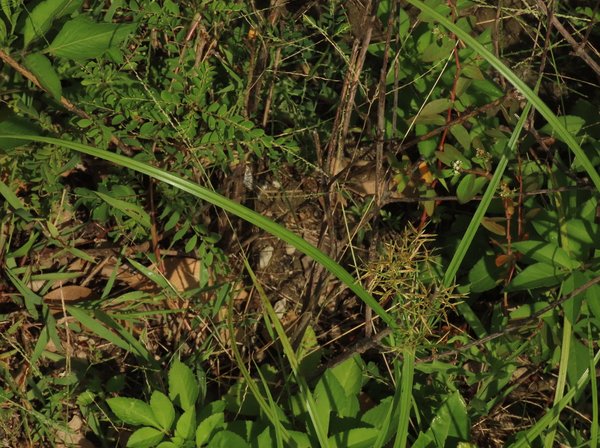 nut grassCyperus rotundus
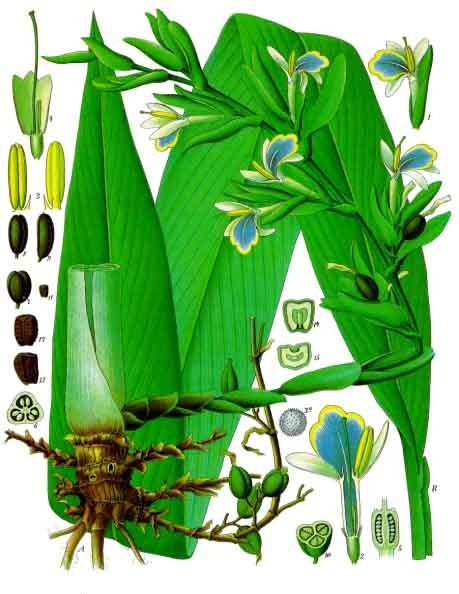 cardamomElettaria cardamomum
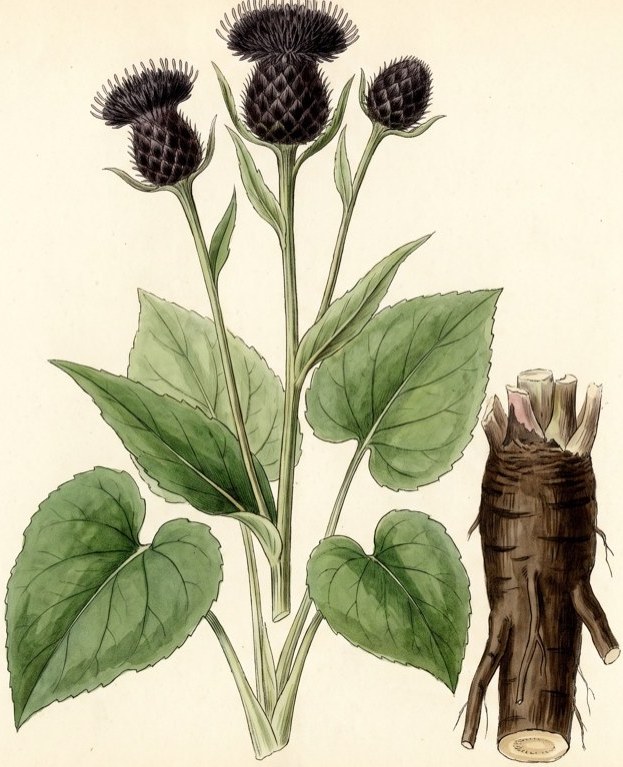 costusSaussurea costus
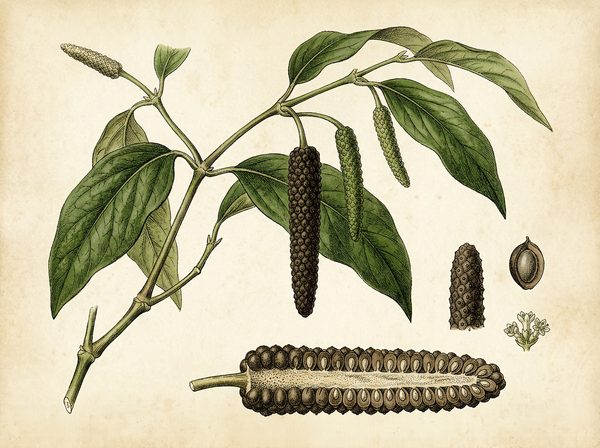 long pepperPiper longum
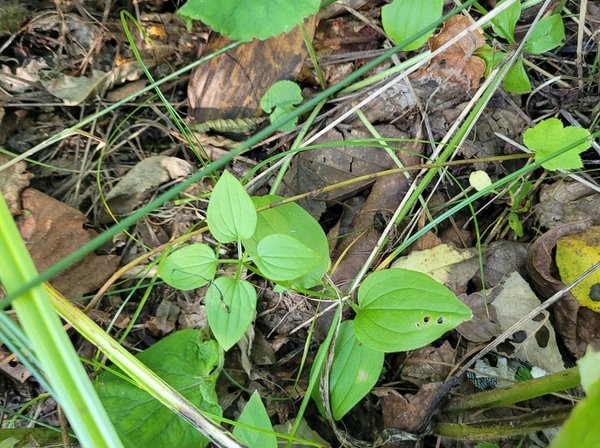 Indian madderRubia cordifolia
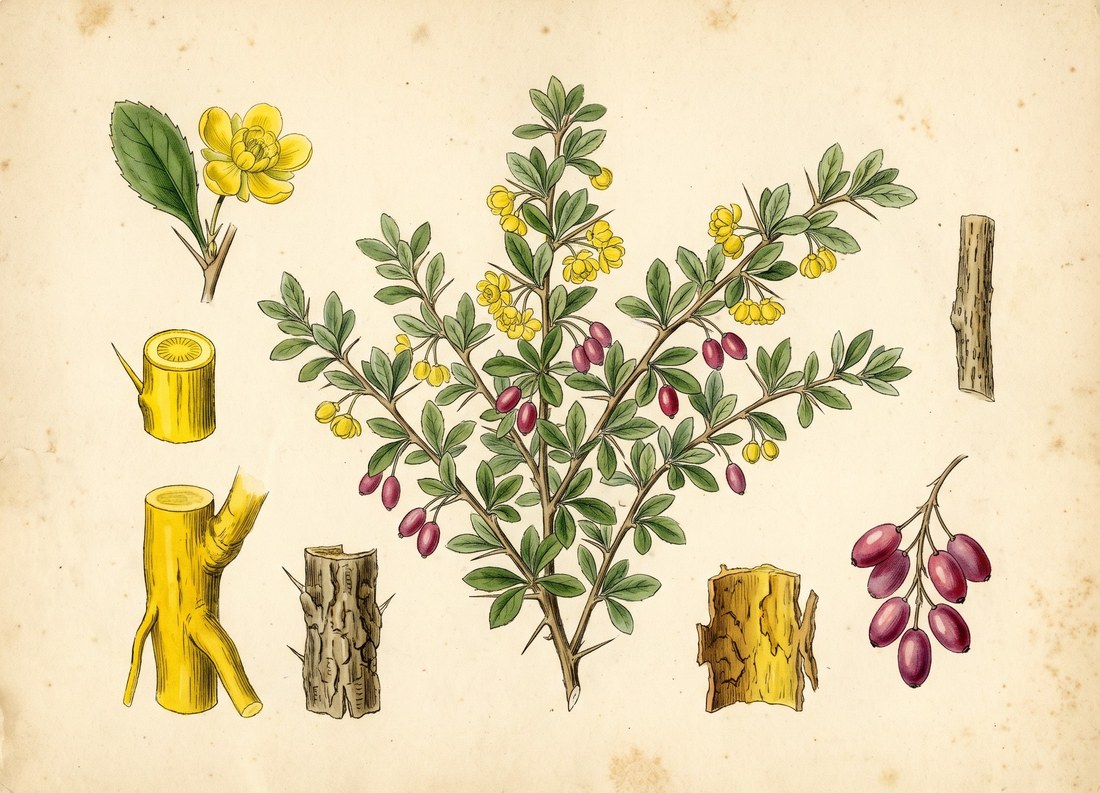 Indian barberryBerberis aristata
Nearby on the shelf
 SagoSago
 Sal treeShorea robusta
 SalepOrchis mascula
 Sand-spurreySpergularia
 Sangre de DragoCroton lechleri
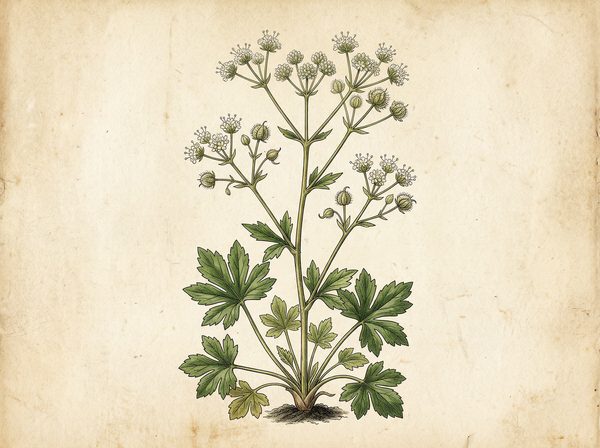 SanicleSanicula europaea
 SanicleSanicula marilandica
 SantonicaArtemisia pauciflora
The whole plate is in the library. The compass, Compare, the Sky of eleven hundred plants and the formulary open with an email address and a password, free, with the formula builder and its safety engine. Herbert without limit, his formulating, clients, the handouts and the labels are the paid room.
Open the library, free