Ayurvedic Herbalism
Pointed gourd
Trichosanthes dioica
Also known as parwal, parval, patola, green potato, Patola, Kulaka, Tiktaka.
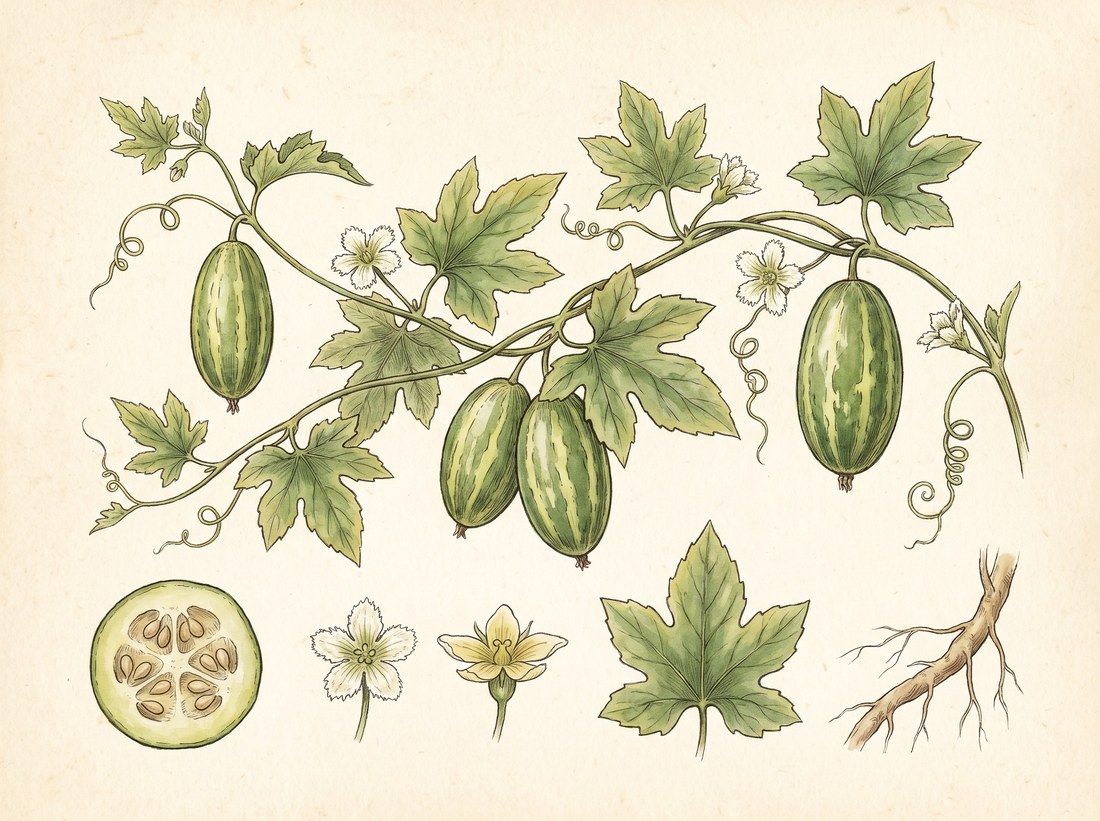
Trichosanthes dioica is the pointed gourd, a perennial dioecious climber of the cucumber family cultivated across the Gangetic plain, Bihar, Bengal, Odisha and Assam for its striped green fruits, which are one of the most eaten vegetables of North India. In Ayurveda the plant is Patola, a bitter cooling herb whose leaf and tender shoot appear in the great fever, liver and skin decoctions and ghritas, whose fruit is the light convalescent's food, and whose root is a purgative. The classical Patola is probably a wild relative, but the cultivated pointed gourd is what the pharmacopoeia and most dispensaries use today.

Ask Herbert about Pointed gourd. Herbert is the master herbalist inside Bountiful Herbs: he answers from this plate and eleven hundred others, with dosing, pairing and cautions. Your first ten questions are free.
Ask HerbertActions
Indications what the tradition reached for it in
- Fever with poor appetite, nausea and bitter taste
- Chronic low-grade fever with liver congestion
- Jaundice and sluggish liver (adjunct)
- Type 2 diabetes with heat and hunger (adjunct)
- Hyperlipidemia (adjunct)
- Chronic itchy skin eruptions and eczema
- Acne and boils in a hot constitution
- Loss of appetite in convalescence
- Intestinal worms
- Constipation with liver heat (root, low dose)
- Light, easily digested vegetable for the sick (fruit)
Specific indications
A pitta-kapha patient in the aftermath of fever with a coated tongue, bitter mouth, nausea, no appetite and a tender liver, who needs a light bitter that both cools and digests
Hot, itchy, oozing skin in a patient with a sluggish bowel and liver, where a bitter alterative decoction is wanted alongside topical care
A warm, hungry, overweight diabetic with high lipids for whom a bitter cooling vegetable and leaf decoction fits into the daily plan
Safety
Breastfeeding: The fruit and leaf are traditional foods for nursing mothers and are considered safe; avoid the root.
The record lists 7 contraindications; open the plate in the library to read them in full.
In practice
Patola is the bitter of choice when fever, liver and skin meet. Patolakaturohinyadi kashaya, which combines Patola with Katuki, Chandana, Musta, Guduchi, Patha and Haritaki, is a standard decoction of Kerala practice for pitta-kapha fever with nausea, bitter taste, jaundice, itching and skin eruption, taken warm before food.
In Ayurveda
Rasa: tikta (bitter), with a katu (pungent) undertone in the leaf; the ripe fruit is madhura (sweet). Virya: sheeta (cooling) in the view of most texts, described as ushna in a few. Vipaka: katu (pungent). Guna: laghu (light), ruksha (dry). Dosha: tridoshahara, with its main action on pitta and kapha; the bitter leaf is well tolerated by vata because it is also deepana. Karma: jvaraghna (relieves fever); deepana (kindles digestion); pachana (digestive, clears ama); kushthaghna (relieves skin disease); krimighna (anthelmintic); hridya (cardiac tonic); raktashodhaka (purifies blood); kandughna (relieves itching); pittasaraka (drains pitta and bile); virechana (the root purges). Classical indications: jvara (fever, especially with pitta and kapha); kasa (cough); raktapitta (bleeding disorders); kushtha (skin disease); kandu (itching); krimi (worm infestation); prameha (urinary disorders including diabetes); aruchi (loss of appetite); kamala (jaundice); daha (burning); visha (poisoning); vrana (wounds). The leaf and tender aerial parts are the classical drug, used as kwatha and swarasa and as a component of many bitter decoctions and ghritas; the unripe fruit is an everyday vegetable given to convalescents and the sick, and the root is a strong purgative used only in small measured doses. Classical formulations: Patoladi kwatha, Patolakaturohinyadi kashaya, Patoladi ghrita, Mahatiktaka ghrita, Tiktaka ghrita, Patola mula churna (purgative), Guduchyadi kwatha (some recensions). Described in: Charaka Samhita, Sushruta Samhita, Ashtanga Hridaya, Bhavaprakasha Nighantu, Dhanvantari Nighantu, Raja Nighantu, Sharngadhara Samhita, Kaiyadeva Nighantu, Ayurvedic Pharmacopoeia of India.
Dosing as the sources wrote it
| Preparation | As written | Metric |
|---|---|---|
| Kwatha (leaf) | 50-100 mL leaf decoction twice daily before food | 50-100 mL |
| Swarasa (leaf) | 10-20 mL fresh leaf juice once or twice daily with honey | 10-20 mL |
| Churna (leaf) | 3-6 g powdered leaf twice daily | 3000-6000 mg |
| Patolakaturohinyadi kashaya | 50-100 mL compound decoction twice daily before food | 50-100 mL |
| Churna (root, purgative) | 0.5-1 g powdered root once at bedtime, short courses only | 500-1000 mg |
Doses are reproduced from the sources for practitioners and are not a recommendation for any person.
From the sources
Overview. Trichosanthes dioica is the pointed gourd, a perennial dioecious climber of the cucumber family cultivated across the Gangetic plain, Bihar, Bengal, Odisha and Assam for its striped green fruits, which are one of the most eaten vegetables of North India. In Ayurveda the plant is Patola, a bitter cooling herb whose leaf and tender shoot appear in the great fever, liver and skin decoctions and ghritas, whose fruit is the light convalescent's food, and whose root is a purgative. The classical Patola is probably a wild relative, but the cultivated pointed gourd is what the pharmacopoeia and most dispensaries use today.
Clinical Notes. Patola is the bitter of choice when fever, liver and skin meet. Patolakaturohinyadi kashaya, which combines Patola with Katuki, Chandana, Musta, Guduchi, Patha and Haritaki, is a standard decoction of Kerala practice for pitta-kapha fever with nausea, bitter taste, jaundice, itching and skin eruption, taken warm before food.
Ayurvedic Profile. Rasa: tikta (bitter), with a katu (pungent) undertone in the leaf; the ripe fruit is madhura (sweet). Virya: sheeta (cooling) in the view of most texts, described as ushna in a few. Vipaka: katu (pungent).
In formulas
Pointed gourd stands in 12 documented formulas in the library, among them Aravindāsava, Uśīrāsava, Candanāsava, Punarnavāsava, Paṭolamūlādi Kvātha Cūrṇa, Jātyādi Ghṛta Synonym Vraṇa Śodhanādi Ghṛta.
Often paired with
 chebulic myrobalanTerminalia chebula
 neemAzadirachta indica
 kutkiPicrorhiza kurroa
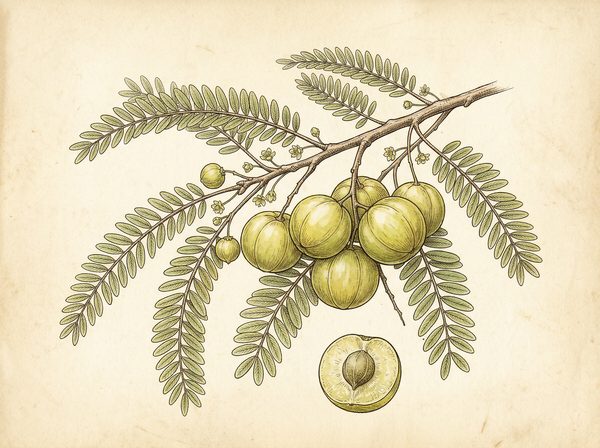 Indian gooseberryPhyllanthus emblica
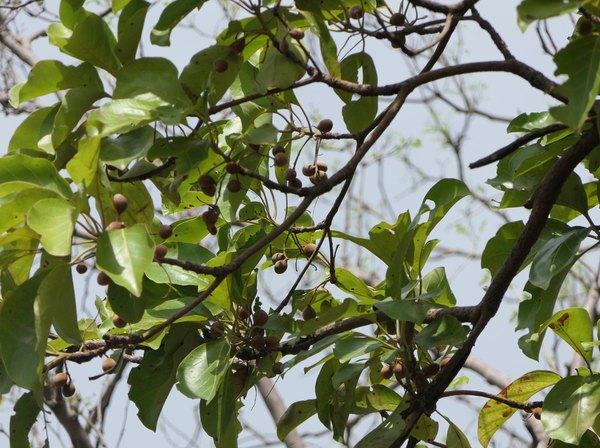 beleric myrobalanTerminalia bellirica
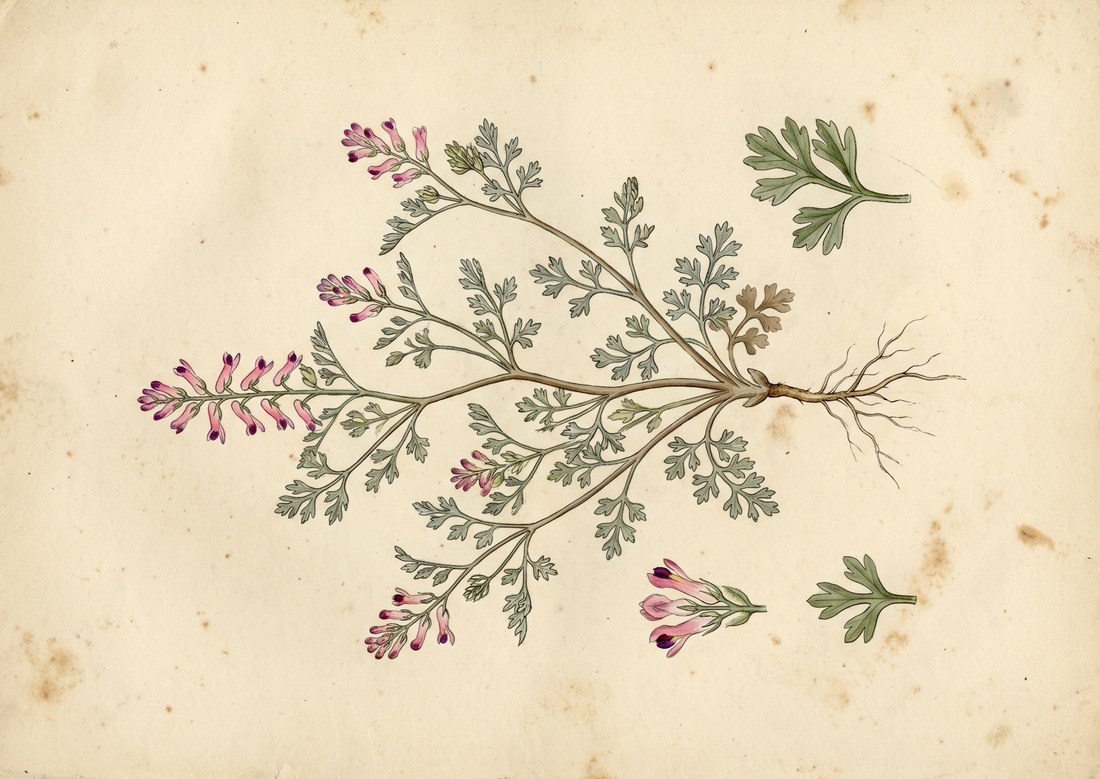 Indian fumitoryFumaria indica
Nearby on the shelf
 Plantago afraPlantago afra
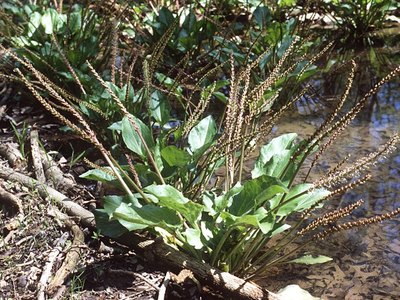 Plantago cordataPlantago cordata
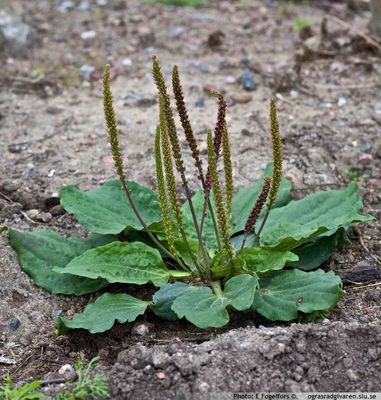 PlantainPlantago lanceolata
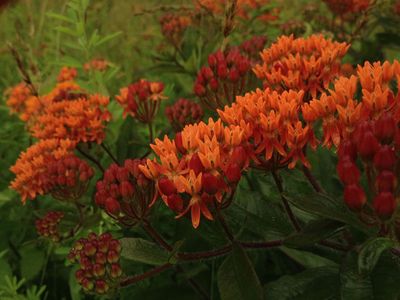 Pleurisy rootAsclepias tuberosa
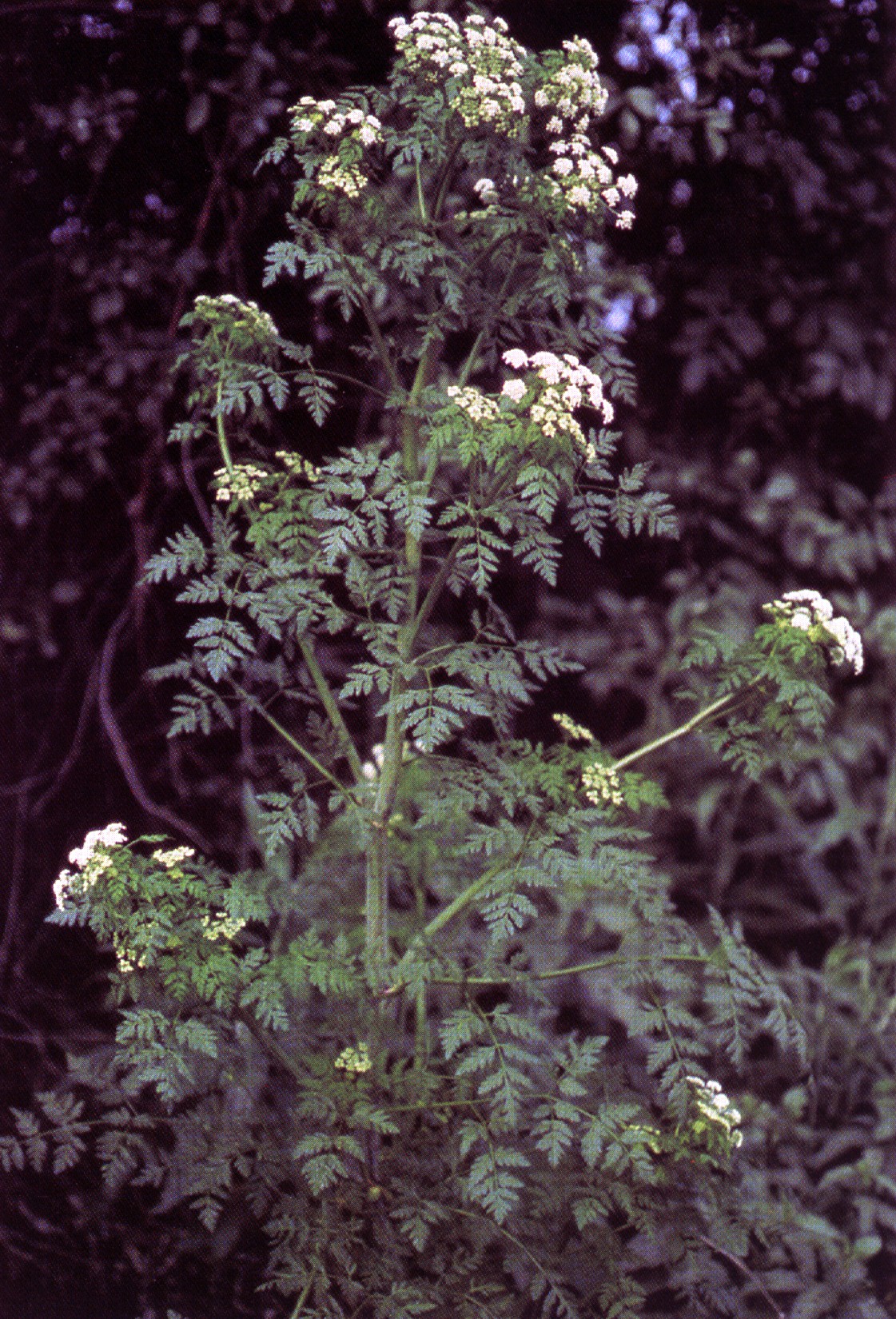 Poison HemlockConium maculatum
 Poke rootPhytolacca americana
 PoleoHedeoma oblongifolia
 PolygalaPolygala senega
The whole plate is in the library. The compass, Compare, the Sky of eleven hundred plants and the formulary open with an email address and a password, free, with the formula builder and its safety engine. Herbert without limit, his formulating, clients, the handouts and the labels are the paid room.
Open the library, free