Western and Ayurvedic herbalism
Kutki
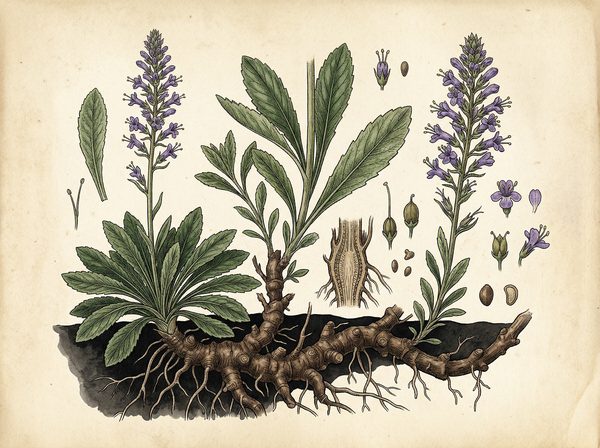
Picrorhiza kurroa
Also known as picrorhiza, hellebore of India, yellow gentian of the Himalaya, Katuki, katuka, hellebore, Tibetan kutki, Katuka, Katuki, Katurohini.
Picrorhiza kurroa is a small perennial herb of the alpine Himalaya, growing on rocky slopes and moist meadows between about 3,000 and 4,500 meters from Kashmir through Himachal, Uttarakhand and Nepal into Sikkim. Its dried rhizome, the Kutki or Katuka of Ayurveda, is one of the intensely bitter liver herbs of the tradition and the leading ingredient of Arogyavardhini vati. It is cooling, drying and purgative in larger doses, and is the classical remedy for jaundice, bilious fever and pitta skin disease. Wild collection has made it scarce, and it is now protected.

Ask Herbert about Kutki. Herbert is the master herbalist inside Bountiful Herbs: he answers from this plate and eleven hundred others, with dosing, pairing and cautions. Your first ten questions are free.
Ask HerbertActions
Indications what the tradition reached for it in
- Viral hepatitis and post-hepatitic recovery
- Fatty liver and alcohol-related liver strain
- Jaundice with pale stools and poor appetite
- Chronic constipation with heat and bile stasis
- Eczema and psoriasis with liver involvement
- Recurrent fevers with a bitter taste and nausea
- Bronchial asthma of pitta or kapha type (adjunct)
- Vitiligo (traditional, with other herbs)
- Drug-induced liver enzyme elevation
- Sluggish digestion with bloating and heat
- Intestinal parasites
- Dyslipidemia
- Intermittent fevers
- Loss of appetite
- Burning sensation
- Constipation
- Asthma
- Helminthiasis
- Dyspepsia
- Diabetes
- Obesity
- Non-alcoholic fatty liver disease
- Abdominal bloating
- Rheumatoid arthritis
- Cough
- Urinary tract disorder
- Vitiligo
- Jaundice
- Fever
- Skin conditions
Specific indications
A hot, irritable patient with a yellow tinge to the eyes, a bitter taste on waking, nausea at fatty food and sluggish bowels
Eczema or psoriasis that flares with alcohol, heat and rich food in a person whose liver enzymes run high
The recovering hepatitis patient whose appetite and energy have not come back and whose stools remain pale
Chronic constipation in a pitta constitution where the usual bulk fibers make things worse
Safety
Pregnancy: Avoid medicinal doses in pregnancy on traditional grounds because the rhizome is a purgative and bile mover; no published safety class is known to us.
Breastfeeding: Lactation (source flag notSafeInLactation)
The record lists 8 contraindications; open the plate in the library to read them in full.
In practice
Kutki is the herb for a hot, congested liver. The Ayurvedic physician gives it in small doses of a few hundred milligrams to a gram with honey when the aim is to kindle digestion and drain pitta, and in larger doses of two to three grams with warm water when a bile-moving purge is wanted for jaundice, bilious fever or pitta-type constipation.
In Ayurveda
Rasa: tikta (bitter). Virya: sheeta (cooling). Vipaka: katu (pungent). Guna: laghu (light), ruksha (dry). Dosha: pacifies pitta and kapha; aggravates vata in excess. Prabhava: bhedana (purgative in larger doses). Karma: pittasaraka (drains excess pitta and bile); bhedana (breaks up and purges accumulations); deepana (kindles digestion); pachana (digestive of ama); jvaraghna (relieves fever); yakrit uttejaka (stimulates the liver); kaphapittahara (reduces kapha and pitta); krimighna (anthelmintic); hridya (supports the heart); stanyashodhana (purifies breast milk). Classical indications: kamala (jaundice); yakrit vikara (liver disorders); jvara (fever, especially with bile); vishama jvara (intermittent fever); kushtha (skin diseases); prameha (urinary and metabolic disorders); shvasa and kasa (dyspnea and cough); daha (burning sensation); vibandha (constipation); krimi (worms); arochaka (loss of appetite). The dried rhizome with attached roots is used as a fine churna, usually in small doses with honey or warm water, as a decoction in compound kwathas, and as the leading bitter in Arogyavardhini vati and in the tiktaka ghritas. Classical formulations: Arogyavardhini vati, Tiktaka ghrita, Mahatiktaka ghrita, Katukyadi kwatha, Katuki churna, Punarnavadi kwatha, Sarvajvarahara lauha. Described in: Charaka Samhita, Sushruta Samhita, Ashtanga Hridaya, Bhavaprakasha Nighantu, Dhanvantari Nighantu, Raja Nighantu, Kaiyadeva Nighantu, Ayurvedic Pharmacopoeia of India.
Dosing as the sources wrote it
| Preparation | As written | Metric |
|---|---|---|
| Churna, deepana dose | 0.5-1 g powdered rhizome twice daily with honey | 500-1000 mg |
| Churna, bhedana dose | 2-3 g powdered rhizome at night with warm water | 2000-3000 mg |
| Kwatha | 20-40 mL decoction twice daily | 20-40 mL |
| Standardized extract | 250-500 mg extract twice daily | 250-500 mg |
| Dried rhizome/root powder | Dried rhizome/root powder 1-3 g/day (bitter tonic, liver protectant) | 1000-3000 mg |
| 1.5-3 g/day (laxative) | 1500-3000 mg |
Doses are reproduced from the sources for practitioners and are not a recommendation for any person.
From the sources
Overview. Picrorhiza kurroa is a small perennial herb of the alpine Himalaya, growing on rocky slopes and moist meadows between about 3,000 and 4,500 meters from Kashmir through Himachal, Uttarakhand and Nepal into Sikkim. Its dried rhizome, the Kutki or Katuka of Ayurveda, is one of the intensely bitter liver herbs of the tradition and the leading ingredient of Arogyavardhini vati. It is cooling, drying and purgative in larger doses, and is the classical remedy for jaundice, bilious fever and pitta skin disease. Wild collection has made it scarce, and it is now protected.
Overview. Picrorhiza scrophulariiflora, now placed in the genus Neopicrorhiza, is a small perennial herb of the plantain family with a creeping, intensely bitter rhizome, growing on alpine slopes of the eastern Himalaya from Nepal and Sikkim through Bhutan to southwest China at 3500 to 4800 meters. It is one of the two plants traded as Katuka or Kutki, the great cooling bitter of Ayurveda for liver, fever and skin; the other, Picrorhiza kurroa, grows in the western Himalaya and is the species the Indian pharmacopoeia names. In Tibetan and Chinese medicine the eastern species is a drug in its own right, used for fever, dysentery and jaundice. Both are gathered from the wild and both are endangered by overcollection.
Clinical Notes. Endangered species (CITES Appendix II) traditionally used in Ayurveda for liver and GI disorders hepatoprotective activity supported by clinical studies on viral hepatitis and NAFLD
Clinical Notes. Kutki is the herb for a hot, congested liver. The Ayurvedic physician gives it in small doses of a few hundred milligrams to a gram with honey when the aim is to kindle digestion and drain pitta, and in larger doses of two to three grams with warm water when a bile-moving purge is wanted for jaundice, bilious fever or pitta-type constipation.
In formulas
Kutki stands in 31 documented formulas in the library, among them Amṛtāriṣta, Ayaskṛti, Kuṭajāriṣta, Devadārvāriṣṭa, Punarnavāsava, Mṛdvīkāriṣṭa.
Often paired with
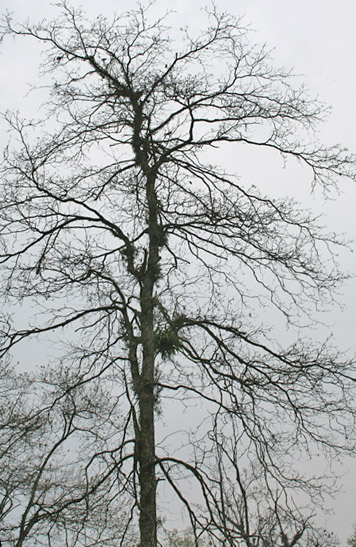 chebulic myrobalanTerminalia chebula
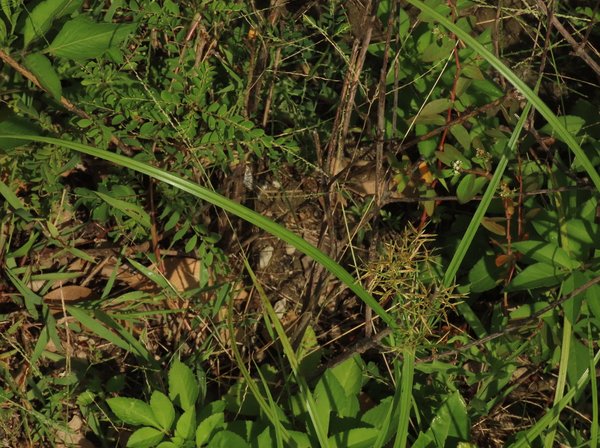 nut grassCyperus rotundus
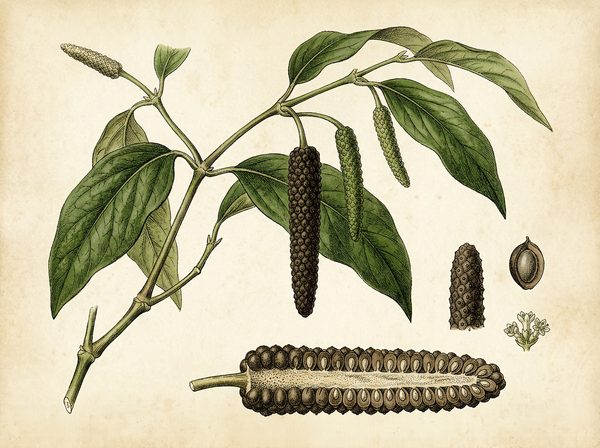 long pepperPiper longum
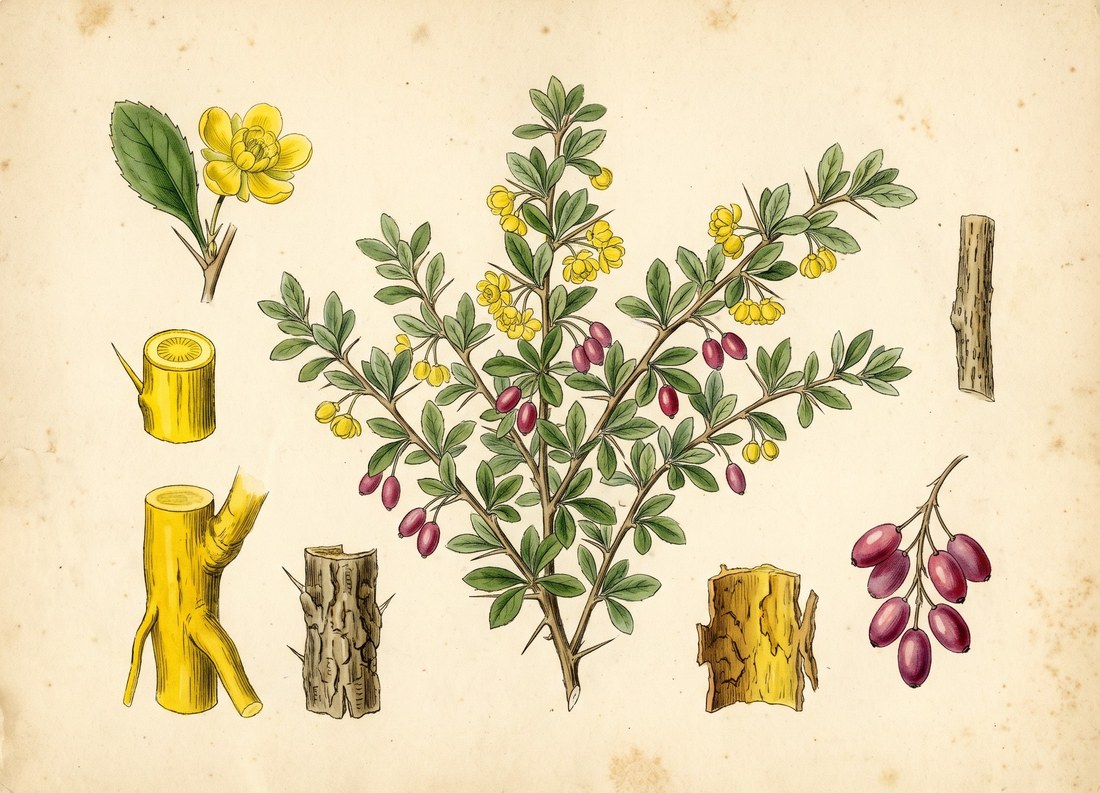 Indian barberryBerberis aristata
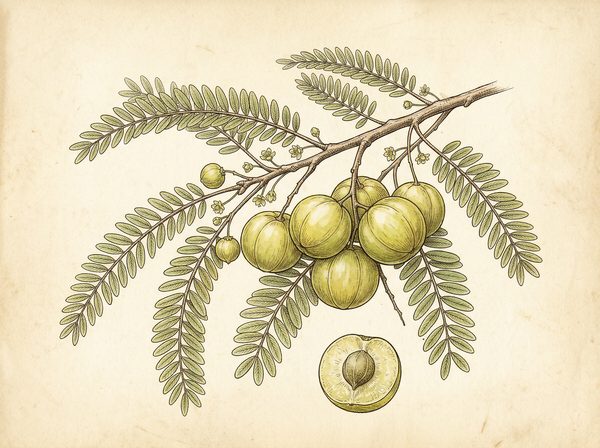 Indian gooseberryPhyllanthus emblica
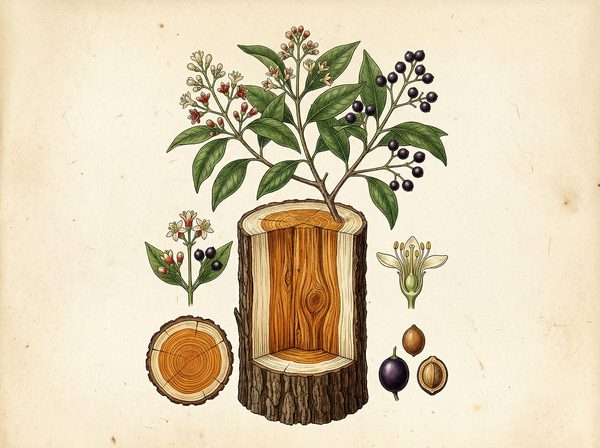 sandalwoodSantalum album
Nearby on the shelf
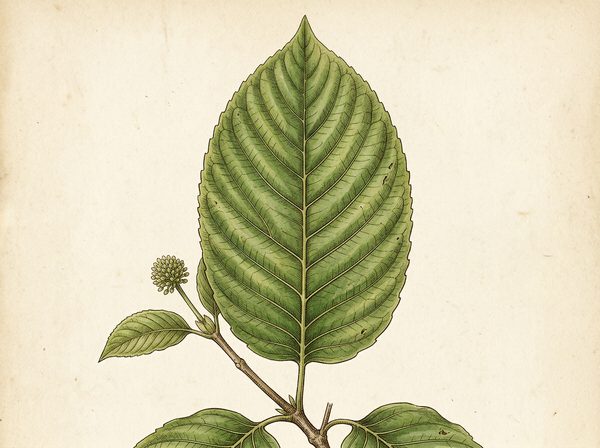 KratomMitragyna speciosa
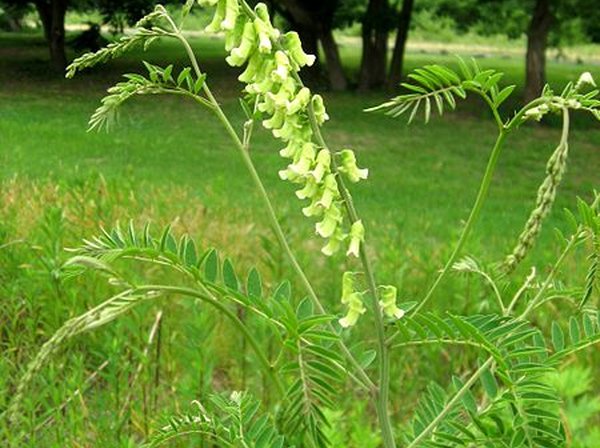 Ku ShenSophora flavescens
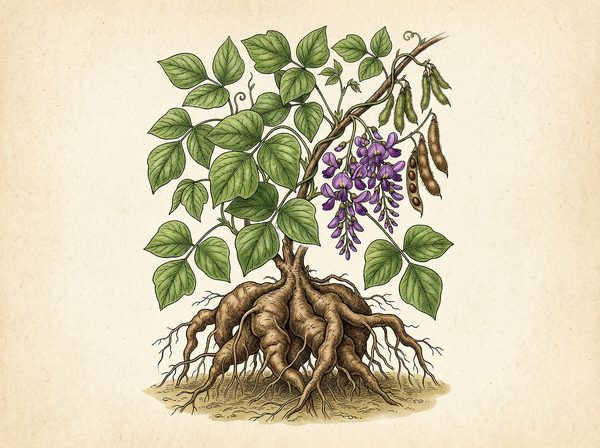 KudzuPueraria lobata
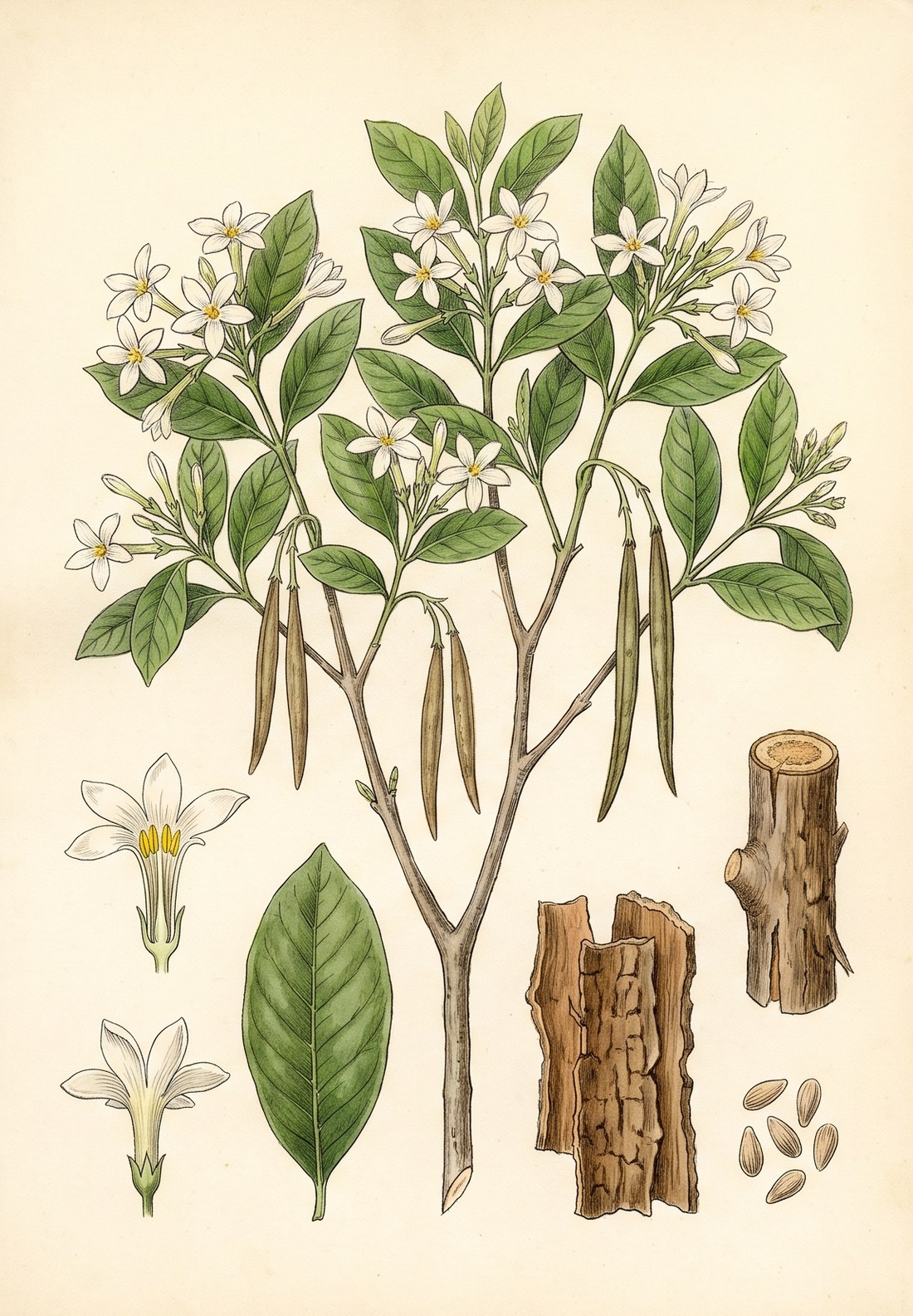 KurchiHolarrhena antidysenterica
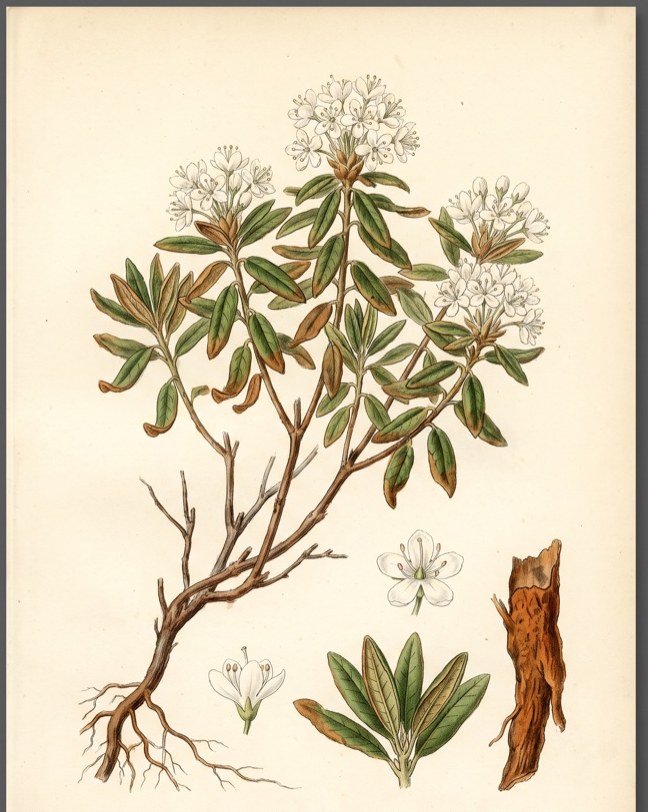 Labrador TeaRhododendron groenlandicum
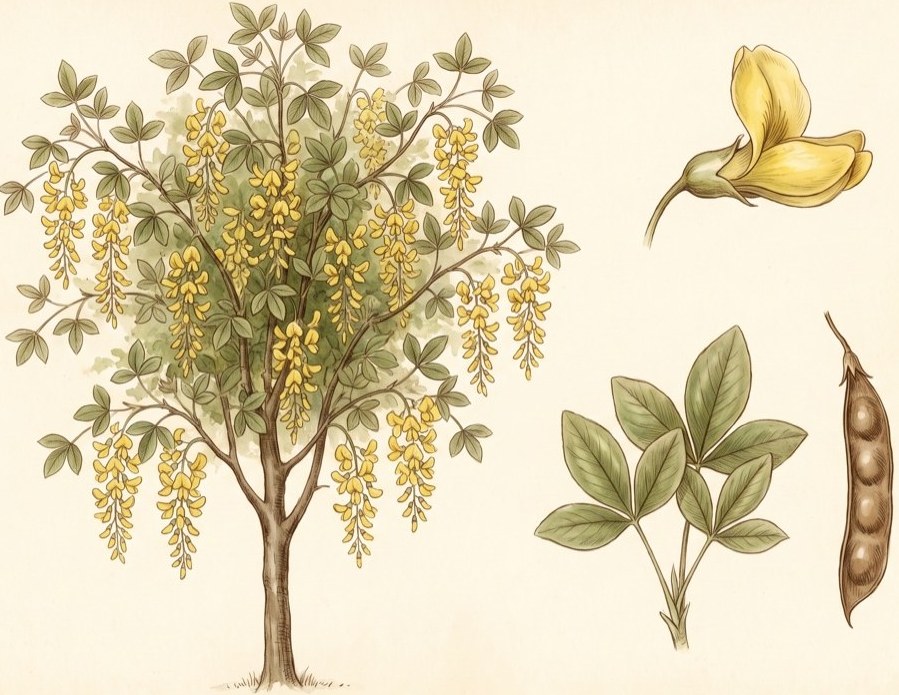 LaburnumLaburnum
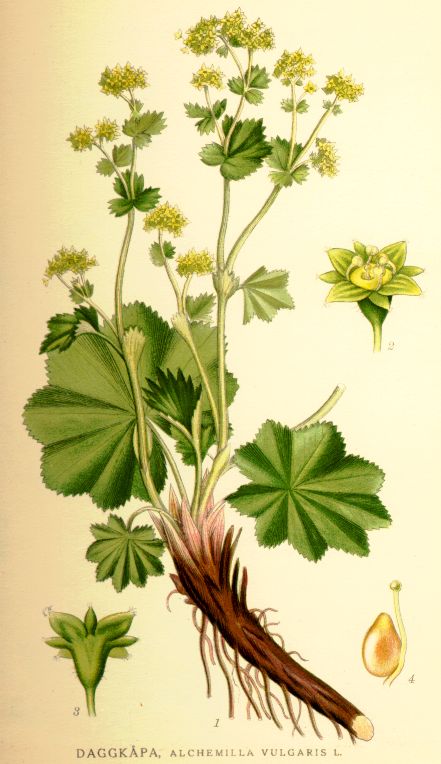 Lady's MantleAlchemilla vulgaris
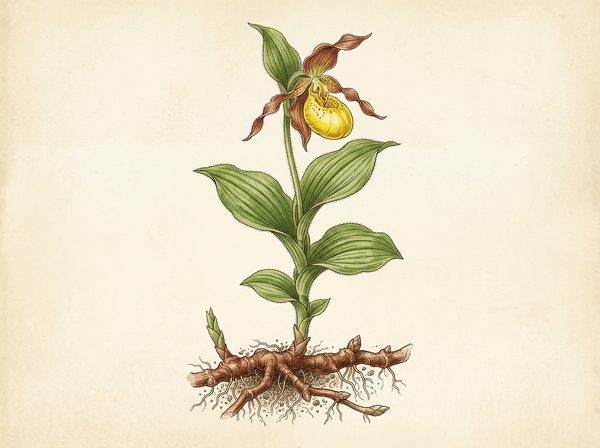 Lady's SlipperCypripedium pubescens
The whole plate is in the library. The compass, Compare, the Sky of eleven hundred plants and the formulary open with an email address and a password, free, with the formula builder and its safety engine. Herbert without limit, his formulating, clients, the handouts and the labels are the paid room.
Open the library, free