Ayurvedic Herbalism
Indian beech
Pongamia pinnata
Also known as pongam tree, karanja, honge tree, pongamia, Karanja, Naktamala, Chirabilva.
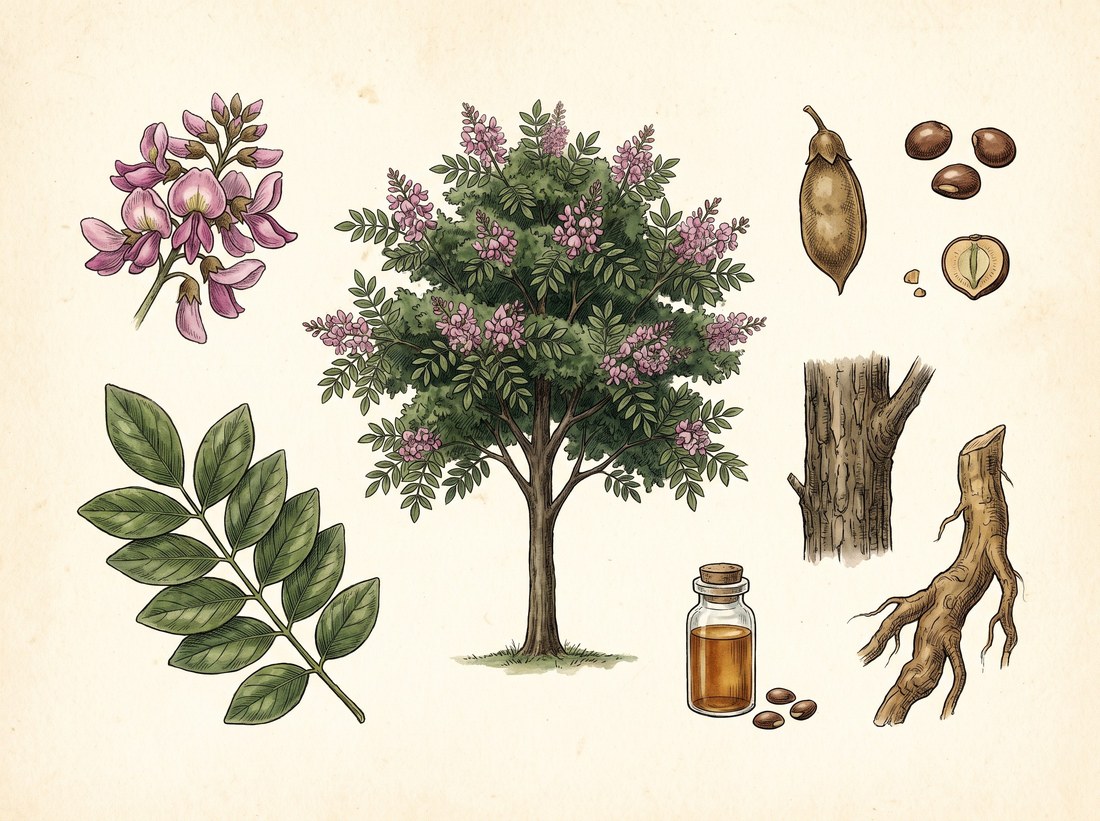
Karanja is a medium sized evergreen tree of the pea family that lines rivers, tidal creeks and village roads throughout the plains of India, from the Himalayan foothills to the coasts of Kerala, Tamil Nadu, Odisha and Bengal and across the Deccan, where it is planted as a shade and windbreak tree. Its flattened pods yield a thick, bitter, orange brown oil that is the drug of the tradition, together with the leaf, bark and root. Ayurveda treats Karanja as one of the great skin herbs: a hot, sharp, bitter plant that kills parasites and fungi, cleanses ulcers, relieves itching and eases joint pain, used almost always on the surface of the body.

Ask Herbert about Indian beech. Herbert is the master herbalist inside Bountiful Herbs: he answers from this plate and eleven hundred others, with dosing, pairing and cautions. Your first ten questions are free.
Ask HerbertActions
Indications what the tradition reached for it in
- Scabies and lice (topical oil)
- Ringworm and fungal skin infections (topical)
- Eczema and chronic itching dermatoses (topical)
- Psoriasis and thick scaly plaques (topical, adjunct)
- Chronic ulcers, fissures and slow healing wounds (topical)
- Hemorrhoids and anal fissure (topical and bark decoction)
- Osteoarthritis and rheumatic pain (massage oil)
- Vaginal discharge and itching (bark decoction wash)
- Intestinal worms (bark, leaf)
- Insect bites and as a repellent
Specific indications
Intensely itchy scabies or a crusted eczema in a damp kapha patient, treated with karanja oil massage followed by a warm bath
A chronic non healing ulcer or fissure with foul discharge that needs cleansing before it can close
Bleeding, itching hemorrhoids with sluggish bowels, treated with the oil locally and the bark decoction inside
Cold, stiff, painful joints that warm and loosen with an oil massage containing karanja
Safety
Low dose botanical. Used in drop doses in the classical practice; not a plant to dose freely.
Pregnancy: Avoid internal use in pregnancy; the seed is purgative and the oil toxic by mouth, and no published safety class is known to us, while topical use on limited areas is traditionally accepted.
Breastfeeding: Avoid internal use while nursing and do not apply the oil to the breast; topical use elsewhere is acceptable.
The record lists 9 contraindications; open the plate in the library to read them in full.
In practice
The Ayurvedic practitioner uses Karanja oil as a dispensary staple for the itchy, infested, infected skin of kapha: scabies, lice, ringworm, eczema, boils and slow ulcers. The plain oil is massaged into the skin and left for an hour before a warm bath; in Karanjadi and Kasisadi tailas it is joined by Nimba, Haridra and mineral astringents for scabies and psoriasis, and in Marichadi taila with Maricha, Chakramarda and Aragvadha for ringworm and eczema.
In Ayurveda
Rasa: tikta (bitter), katu (pungent), kashaya (astringent). Virya: ushna (heating). Vipaka: katu (pungent). Guna: laghu (light), tikshna (sharp). Dosha: pacifies kapha and vata; may aggravate pitta in excess. Karma: kushthaghna (helps skin disease); krimighna (kills worms and parasites); kandughna (relieves itching); vranashodhana (cleanses wounds); vranaropana (heals wounds); vishaghna (counters poisons); arshoghna (helps hemorrhoids); shothahara (reduces swelling); deepana (kindles digestion); yonidoshahara (clears vaginal disorders); bhedana (purgative; seed); raktashodhaka (purifies blood); vedanasthapana (relieves pain, topical oil). Classical indications: kushtha (skin disease); dadru (ringworm); pama and kachchu (scabies and itching eruptions); vicharchika (eczema); vrana (wounds and ulcers); arsha (hemorrhoids); krimi (worms); prameha (urinary disorders including diabetes); shotha (swelling); yoniroga (vaginal disorders); gulma and udara (abdominal masses and distension); vatavyadhi (joint and nerve disorders, topical oil); netraroga (eye disorders, leaf juice traditional). The seed oil is the chief drug, applied to the skin alone or as the base of medicated tailas for scabies, eczema, ringworm, ulcers and arthritic joints; the leaf is used fresh as juice and paste and as a hot poultice, the bark and root as decoction for hemorrhoids, worms and gynecological complaints, and the seed powder internally in small doses. The fresh twigs are traditional toothbrushes. Classical formulations: Karanja taila, Karanjadi taila, Kasisadi taila, Marichadi taila, Karanjadi churna, Karanja patra swarasa. Described in: Charaka Samhita, Sushruta Samhita, Ashtanga Hridaya, Bhavaprakasha Nighantu, Dhanvantari Nighantu, Raja Nighantu, Kaiyadeva Nighantu, Ayurvedic Pharmacopoeia of India.
Dosing as the sources wrote it
| Preparation | As written | Metric |
|---|---|---|
| Taila, topical | 5-10 mL seed oil or medicated oil massaged into affected skin once or twice daily | 5-10 mL |
| Kalka, topical | 5-10 g fresh leaf paste applied to swellings or wounds | 5000-10000 mg |
| Kwatha | 30-60 mL decoction of bark or leaf once or twice daily for short courses | 30-60 mL |
| Churna | 0.5-1 g powdered seed once daily in formula, short courses only | 500-1000 mg |
| Wash | 100-200 mL cooled bark decoction as a local wash once daily | 100-200 mL |
Doses are reproduced from the sources for practitioners and are not a recommendation for any person.
From the sources
Overview. Karanja is a medium sized evergreen tree of the pea family that lines rivers, tidal creeks and village roads throughout the plains of India, from the Himalayan foothills to the coasts of Kerala, Tamil Nadu, Odisha and Bengal and across the Deccan, where it is planted as a shade and windbreak tree. Its flattened pods yield a thick, bitter, orange brown oil that is the drug of the tradition, together with the leaf, bark and root. Ayurveda treats Karanja as one of the great skin herbs: a hot, sharp, bitter plant that kills parasites and fungi, cleanses ulcers, relieves itching and eases joint pain, used almost always on the surface of the body.
Clinical Notes. The Ayurvedic practitioner uses Karanja oil as a dispensary staple for the itchy, infested, infected skin of kapha: scabies, lice, ringworm, eczema, boils and slow ulcers. The plain oil is massaged into the skin and left for an hour before a warm bath; in Karanjadi and Kasisadi tailas it is joined by Nimba, Haridra and mineral astringents for scabies and psoriasis, and in Marichadi taila with Maricha, Chakramarda and Aragvadha for ringworm and eczema.
Ayurvedic Profile. Rasa: tikta (bitter), katu (pungent), kashaya (astringent). Virya: ushna (heating). Vipaka: katu (pungent). Guna: laghu (light), tikshna (sharp). Dosha: pacifies kapha and vata; may aggravate pitta in excess.
In formulas
Indian beech stands in 15 documented formulas in the library, among them Indukānta Ghṛta, Kāsīsādi Ghṛta, Jātyādi Ghṛta Synonym Vraṇa Śodhanādi Ghṛta, Dhānvantara Ghṛta, Miśraka Sneha, Vajraka Ghṛta.
Often paired with
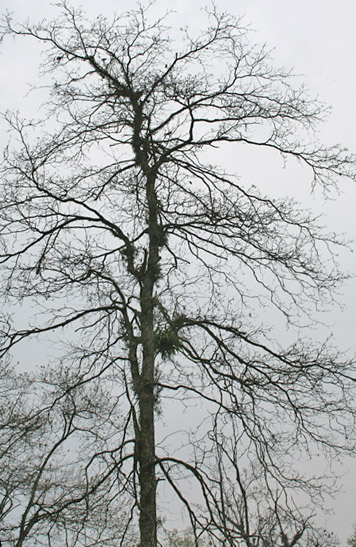 chebulic myrobalanTerminalia chebula
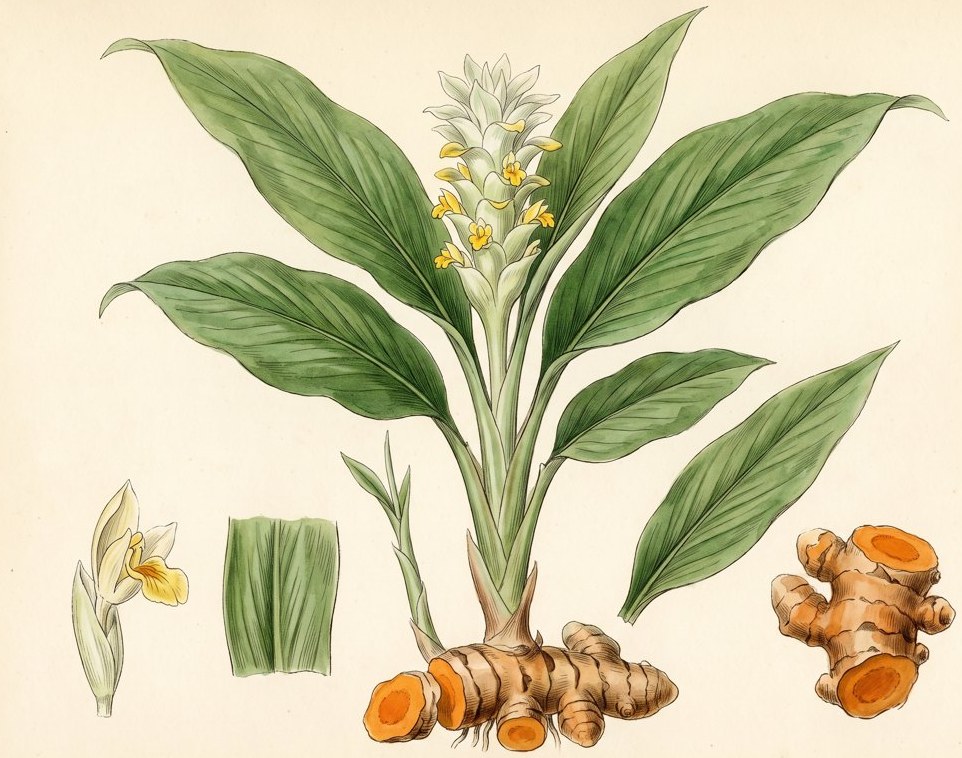 turmericCurcuma longa
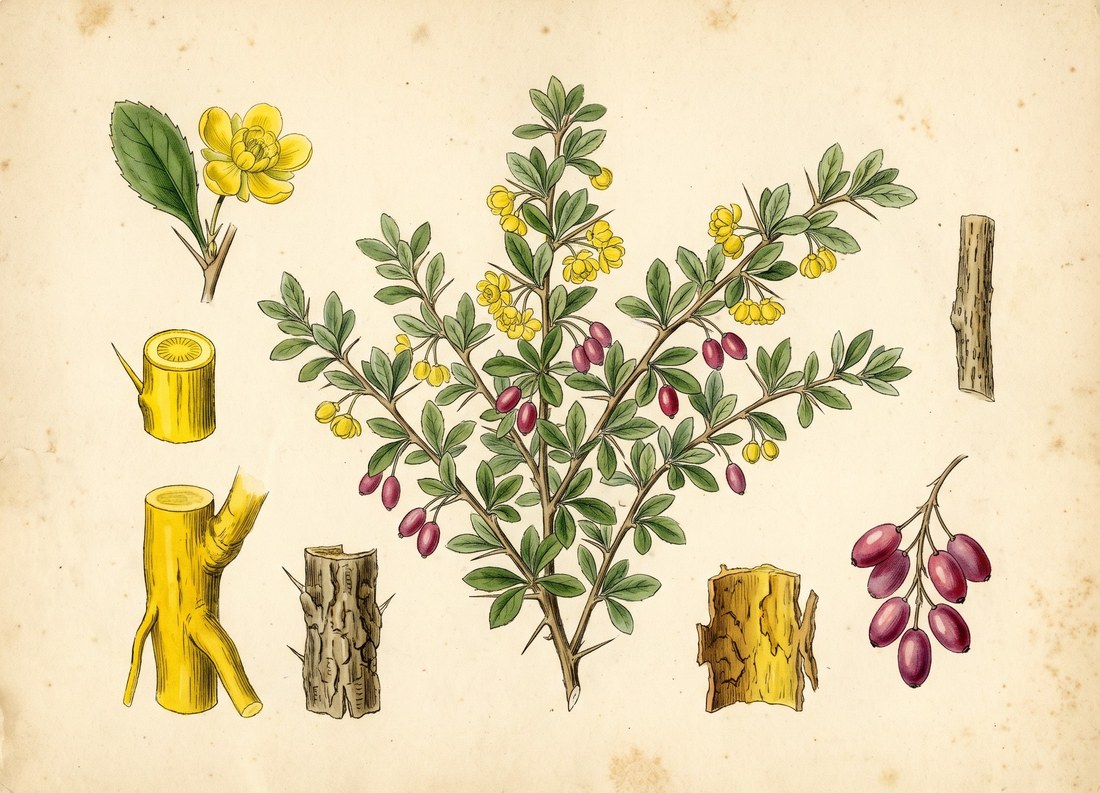 Indian barberryBerberis aristata
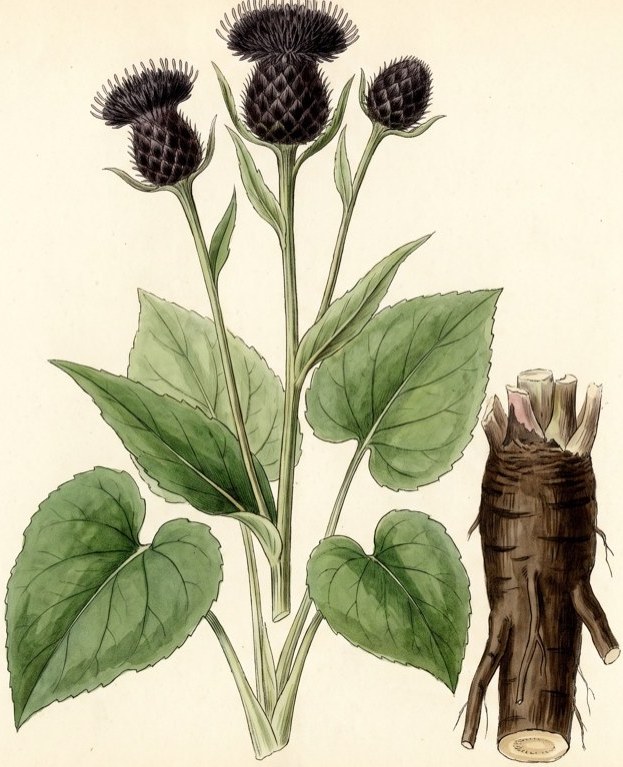 costusSaussurea costus
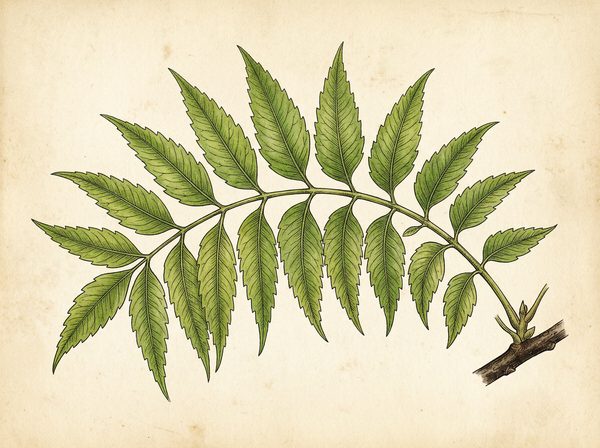 neemAzadirachta indica
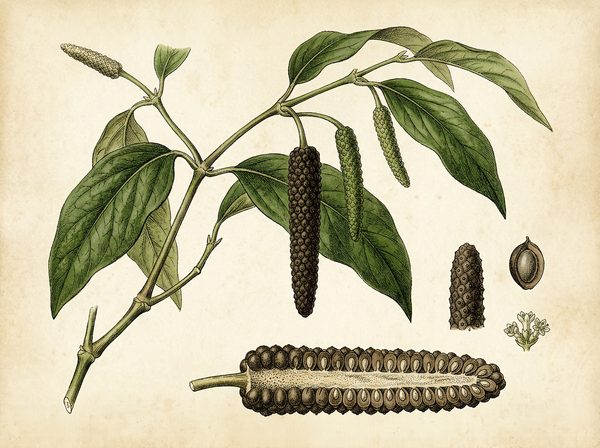 long pepperPiper longum
Nearby on the shelf
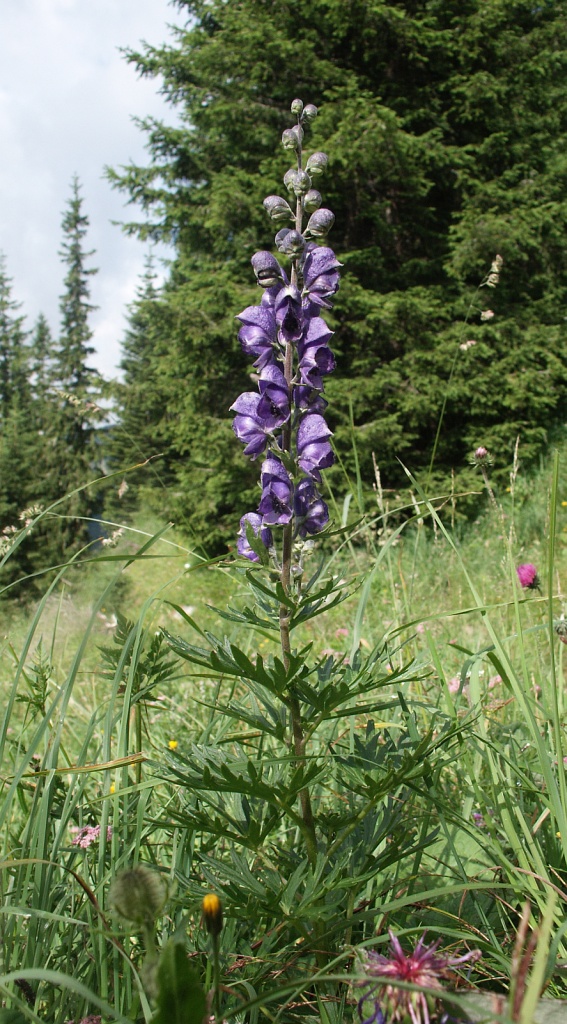 Indian aconiteAconitum ferox
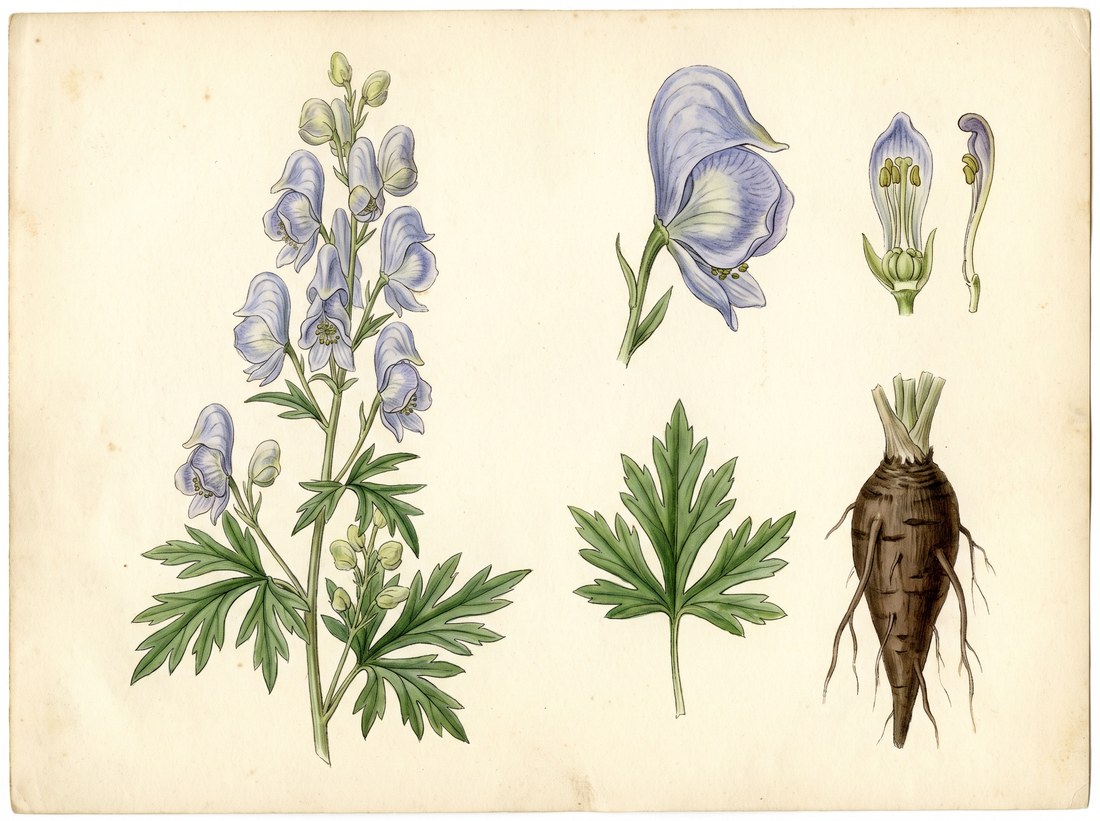 Indian ateesAconitum heterophyllum
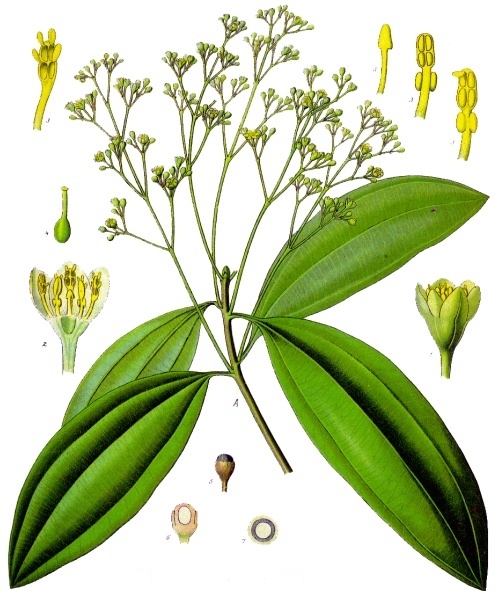 Indian bay leafCinnamomum tamala
 Indian frankincenseBoswellia serrata
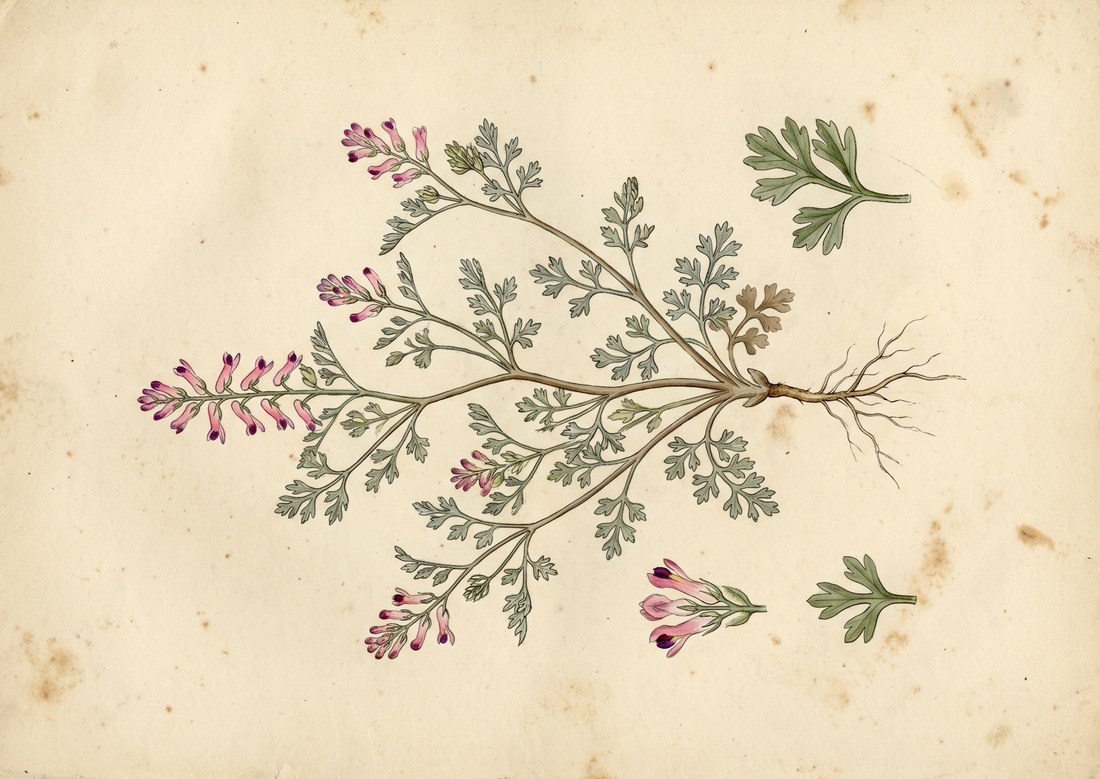 Indian fumitoryFumaria indica
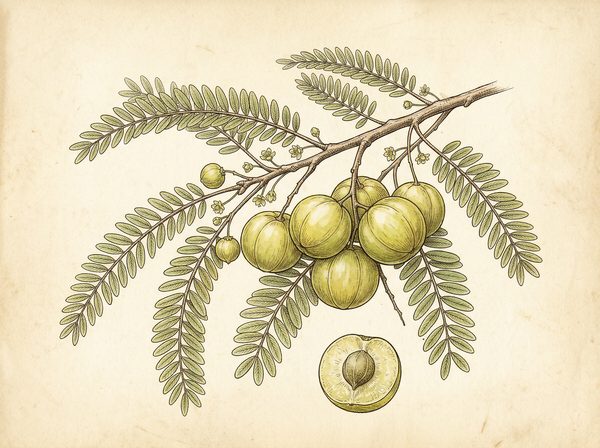 Indian gooseberryPhyllanthus emblica
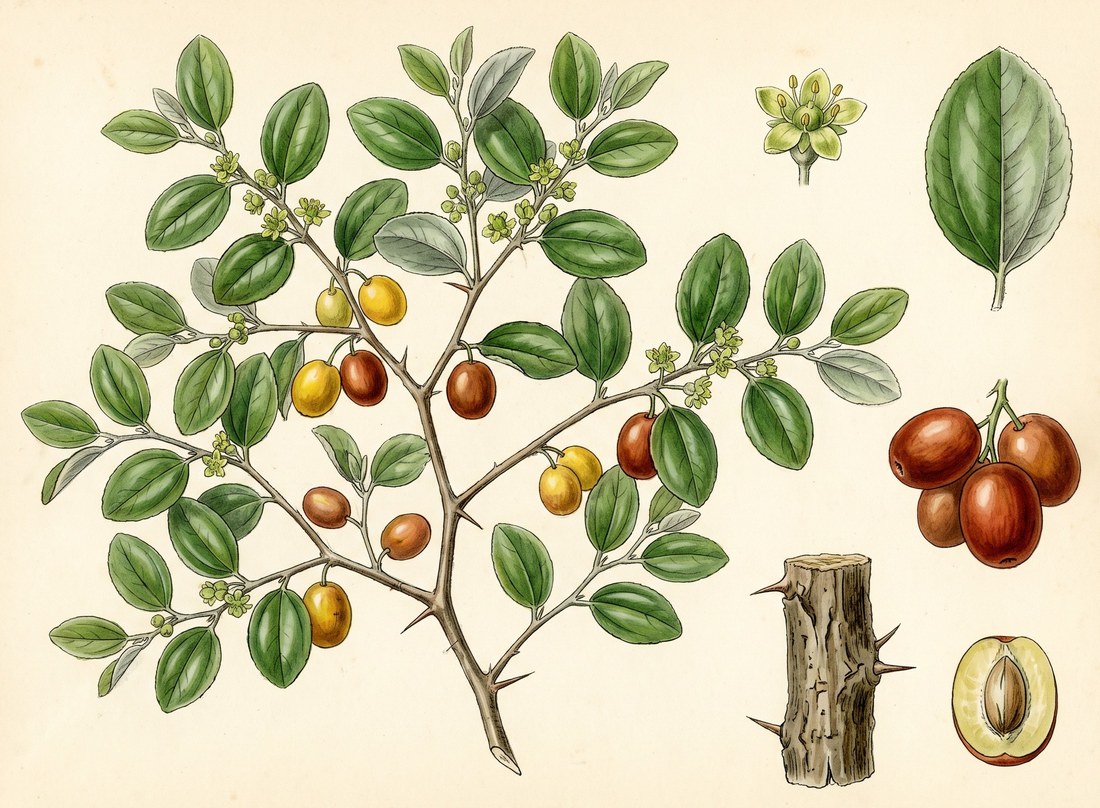 Indian jujubeZiziphus mauritiana
The whole plate is in the library. The compass, Compare, the Sky of eleven hundred plants and the formulary open with an email address and a password, free, with the formula builder and its safety engine. Herbert without limit, his formulating, clients, the handouts and the labels are the paid room.
Open the library, free