Ayurvedic Herbalism
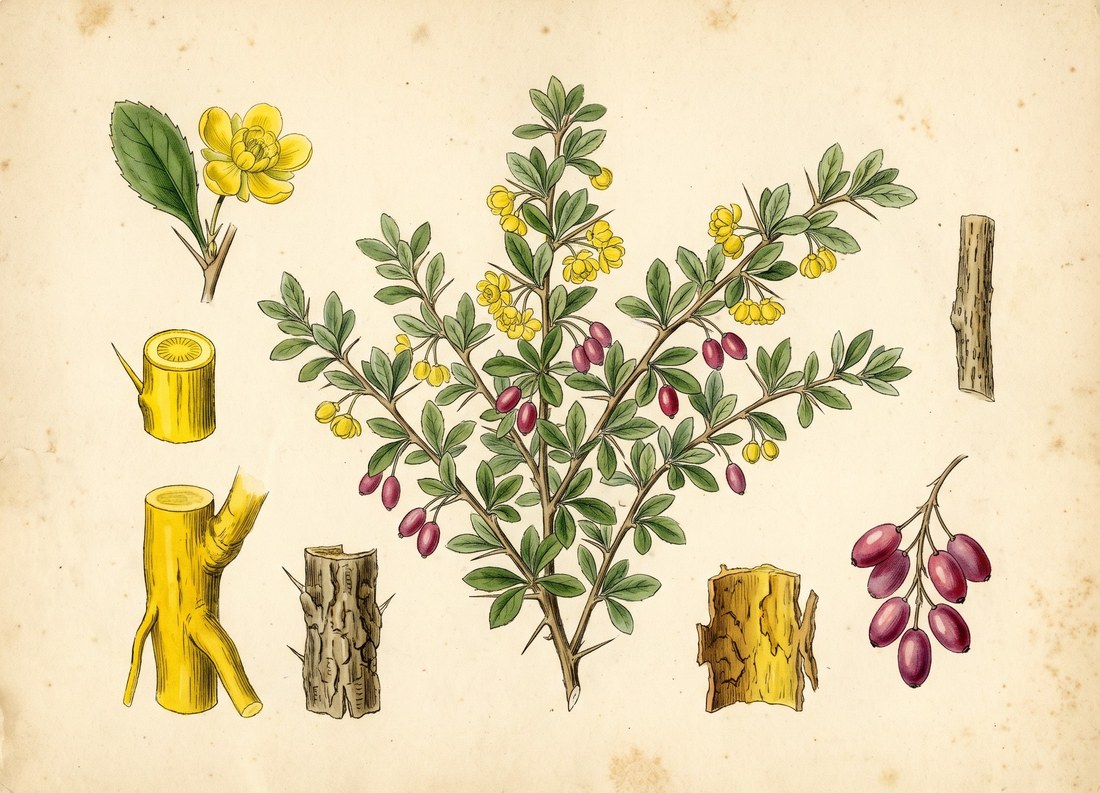
Indian barberry
Berberis aristata
Also known as tree turmeric, chitra, Nepal barberry, Daruharidra, Darvi, Katankateri.
Daruharidra is a spiny evergreen shrub of the Himalaya, growing between about 1,800 and 3,500 meters from Kashmir through Himachal Pradesh, Uttarakhand and Nepal to the eastern hills, and also in the Nilgiri hills of the south. Its wood and root are bright yellow from berberine, hence the name tree turmeric. Ayurveda uses the stem, root and the concentrated extract Rasanjana as a bitter, astringent, antimicrobial drug for the eyes, skin, gut, urinary tract and liver, and modern practice has taken it up as a whole plant source of berberine for blood sugar and lipids.

Ask Herbert about Indian barberry. Herbert is the master herbalist inside Bountiful Herbs: he answers from this plate and eleven hundred others, with dosing, pairing and cautions. Your first ten questions are free.
Ask HerbertActions
Indications what the tradition reached for it in
- Type 2 diabetes and insulin resistance (adjunct)
- Mixed dyslipidemia and metabolic syndrome
- Infectious diarrhea and dysentery, including giardiasis
- Small intestinal bacterial overgrowth and dysbiosis
- Nonalcoholic fatty liver disease
- Conjunctivitis and eyelid inflammation (as wash, traditional)
- Chronic skin infections, acne and eczema with discharge
- Leukorrhea and vaginal discharge (topical and internal)
- Gingivitis and mouth ulcers (as gargle)
- Chronic wounds and ulcers (topical)
- Recurrent urinary tract infection
- Polycystic ovary syndrome with insulin resistance (adjunct)
Specific indications
An overweight kapha type with rising fasting glucose, high triglycerides and a fatty liver who wants a bitter that works on all three
Loose, urgent, mucus streaked stools after travel or a gut infection, with bloating and a bitter taste in the mouth
Red, sticky, discharging eyes or a wet weeping eczema where an astringent bitter wash is wanted
Chronic vaginal or urethral discharge with pelvic heaviness in a damp constitution
Safety
Pregnancy: Avoid in pregnancy: berberine containing barberries are placed in class 2b by the AHPA Botanical Safety Handbook on the basis of uterine stimulation and bilirubin displacement, and the classical texts do not recommend it for pregnant women.
Breastfeeding: Avoid concentrated extracts while nursing because berberine passes into milk and can worsen neonatal jaundice; small external uses are acceptable.
The record lists 9 contraindications; open the plate in the library to read them in full.
In practice
The Ayurvedic practitioner turns to Daruharidra where there is pitta and kapha together: heat with discharge, infection with dampness, inflammation that weeps. Rasanjana diluted in rose water is the classical eye drop and wash for conjunctivitis and lid margin disease, and rubbed on the gums for bleeding and ulceration.
In Ayurveda
Rasa: tikta (bitter), kashaya (astringent). Virya: ushna (heating). Vipaka: katu (pungent). Guna: laghu (light), ruksha (dry). Dosha: pacifies kapha and pitta; in excess may aggravate vata through its drying quality. Prabhava: netrya: a special affinity for the eyes, expressed in the classical eye preparation Rasanjana. Karma: deepana (kindles digestion); pachana (digests ama); grahi (absorbent, checks discharge); kushthaghna (helps skin disease); vranaropana (heals wounds and ulcers); netrya (benefits the eyes); shothahara (reduces swelling); jvaraghna (reduces fever); pramehaghna (helps urinary disorders and diabetes); raktashodhaka (purifies the blood); krimighna (anthelmintic, antimicrobial); medohara (reduces fat); yonidoshahara (clears vaginal discharge). Classical indications: netraroga (eye diseases, especially conjunctivitis and lid inflammation); kushtha (skin disease); prameha (urinary disorders including diabetes); vrana (wounds and ulcers); jvara (fever); atisara and pravahika (diarrhea and dysentery); kamala (jaundice); karnaroga (ear discharge); mukharoga (mouth and gum disease); yonisrava and shvetapradara (vaginal discharge, leukorrhea); arsha (hemorrhoids); shotha (inflammatory swelling); medoroga (obesity). The yellow stem and root are used as churna and kwatha; the decoction is reduced to a thick solid extract called Rasanjana (rasaut), which is the classical drug for the eyes, mouth, wounds and discharges and is also given internally in small doses. Daruharidra enters many ghritas, tailas and compound powders, and the bark decoction is used as a gargle, eye wash and vaginal douche. Classical formulations: Rasanjana, Darvyadi kwatha, Darvyadi leha, Darvi ghrita, Pushyanuga churna, Chandraprabha vati, Triphala ghrita, Mahatiktaka ghrita, Khadiradi vati. Described in: Charaka Samhita, Sushruta Samhita, Ashtanga Hridaya, Bhavaprakasha Nighantu, Dhanvantari Nighantu, Raja Nighantu, Kaiyadeva Nighantu, Ayurvedic Pharmacopoeia of India.
Dosing as the sources wrote it
| Preparation | As written | Metric |
|---|---|---|
| Churna | 1-3 g powdered stem or root twice daily with honey or warm water | 1000-3000 mg |
| Kwatha | 50-100 mL decoction of stem twice daily | 50-100 mL |
| Rasanjana, internal | 250-500 mg solid extract twice daily | 250-500 mg |
| Rasanjana, eye wash | 0.1-0.25 g dissolved in 30 mL rose water or boiled water as a wash | 100-250 mg |
| Standardized extract | 500-1000 mg berberine daily in divided doses with meals | 500-1000 mg |
| Gargle or douche | 50-100 mL cooled decoction used locally once or twice daily | 50-100 mL |
Doses are reproduced from the sources for practitioners and are not a recommendation for any person.
From the sources
Overview. Daruharidra is a spiny evergreen shrub of the Himalaya, growing between about 1,800 and 3,500 meters from Kashmir through Himachal Pradesh, Uttarakhand and Nepal to the eastern hills, and also in the Nilgiri hills of the south. Its wood and root are bright yellow from berberine, hence the name tree turmeric. Ayurveda uses the stem, root and the concentrated extract Rasanjana as a bitter, astringent, antimicrobial drug for the eyes, skin, gut, urinary tract and liver, and modern practice has taken it up as a whole plant source of berberine for blood sugar and lipids.
Clinical Notes. The Ayurvedic practitioner turns to Daruharidra where there is pitta and kapha together: heat with discharge, infection with dampness, inflammation that weeps. Rasanjana diluted in rose water is the classical eye drop and wash for conjunctivitis and lid margin disease, and rubbed on the gums for bleeding and ulceration.
Ayurvedic Profile. Rasa: tikta (bitter), kashaya (astringent). Virya: ushna (heating). Vipaka: katu (pungent). Guna: laghu (light), ruksha (dry). Dosha: pacifies kapha and pitta; in excess may aggravate vata through its drying quality.
In formulas
Indian barberry stands in 60 documented formulas in the library, among them Aśokāriṣta, Aśvagandhādyariṣṭa, Kuṭajāriṣta, Khadirāriṣta, Devadārvāriṣṭa, Punarnavāsava.
Often paired with
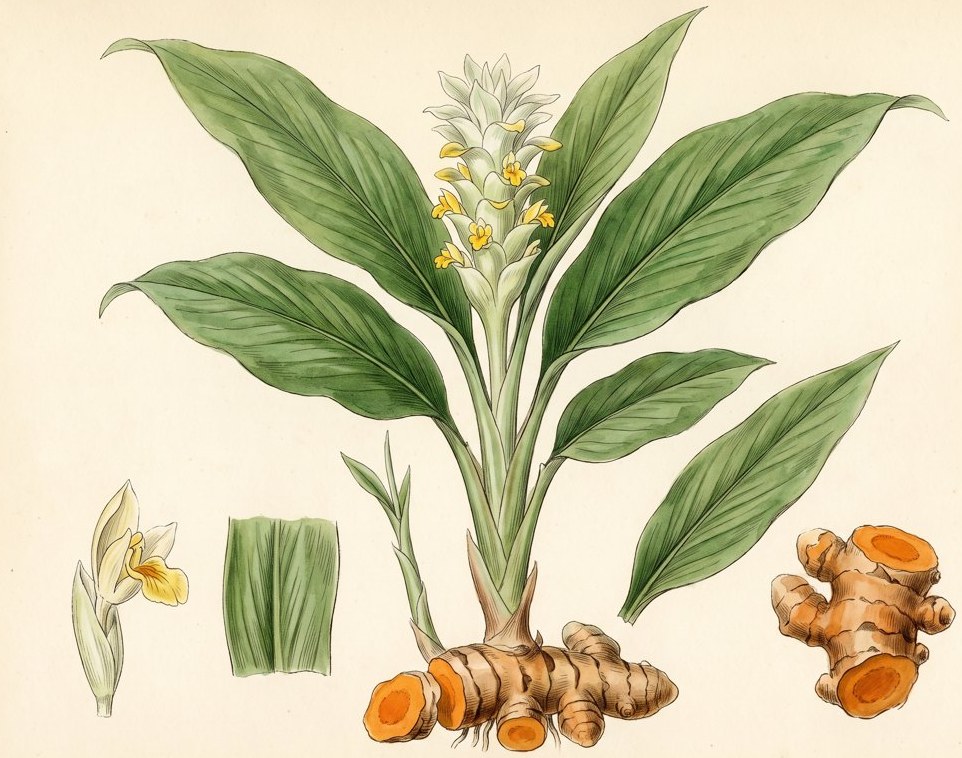 turmericCurcuma longa
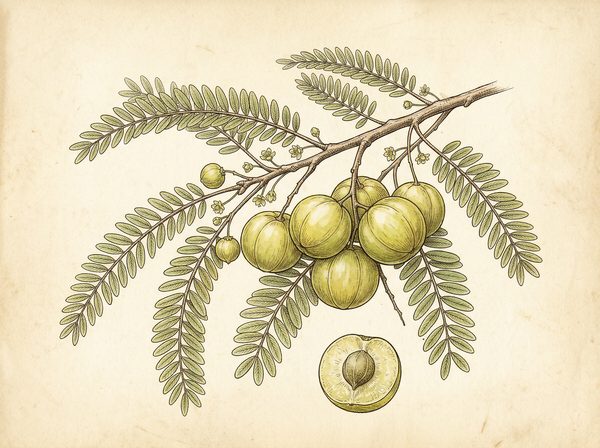 Indian gooseberryPhyllanthus emblica
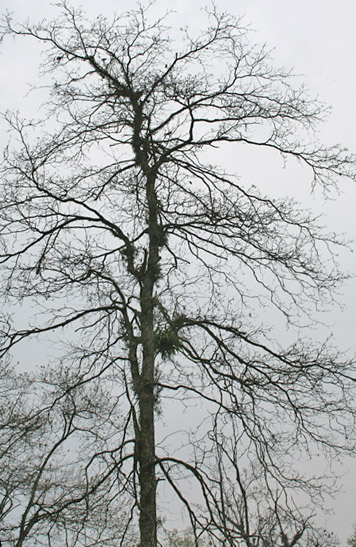 chebulic myrobalanTerminalia chebula
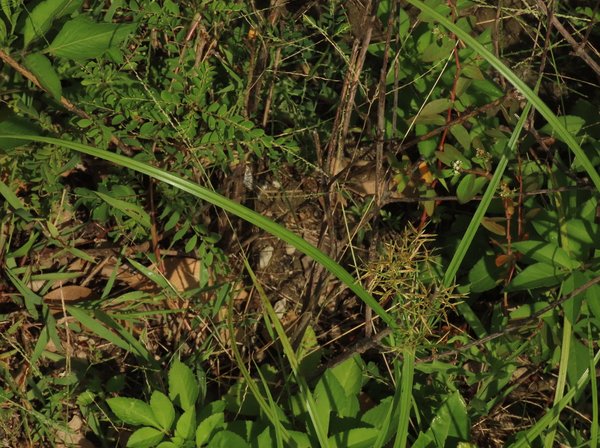 nut grassCyperus rotundus
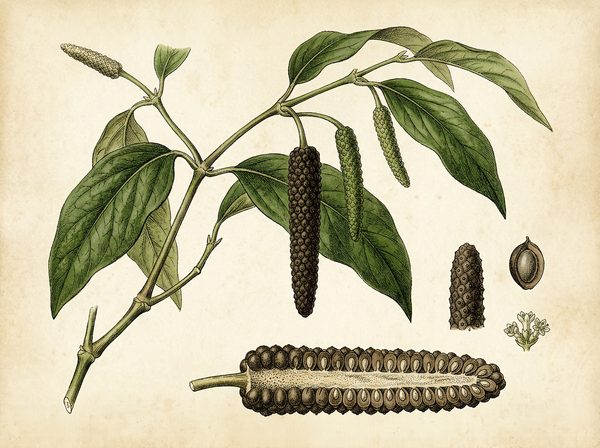 long pepperPiper longum
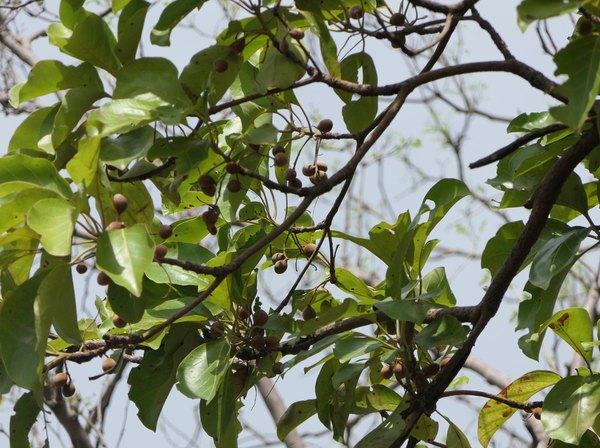 beleric myrobalanTerminalia bellirica
Nearby on the shelf
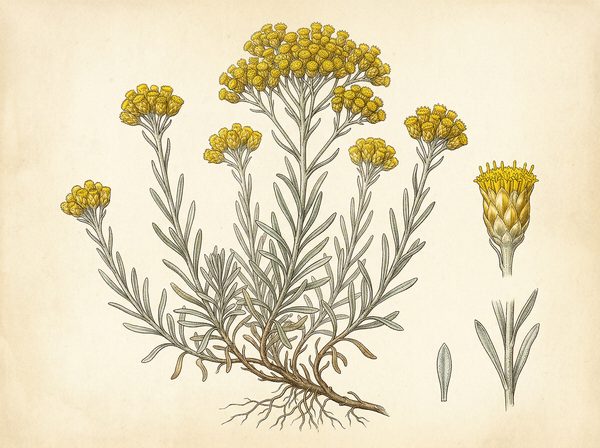 ImmortelleHelichrysum italicum
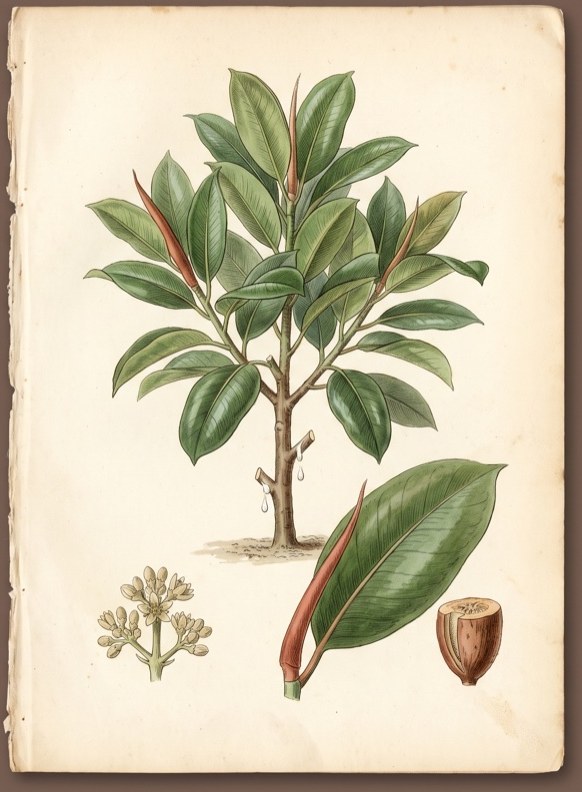 India-RubberElastica
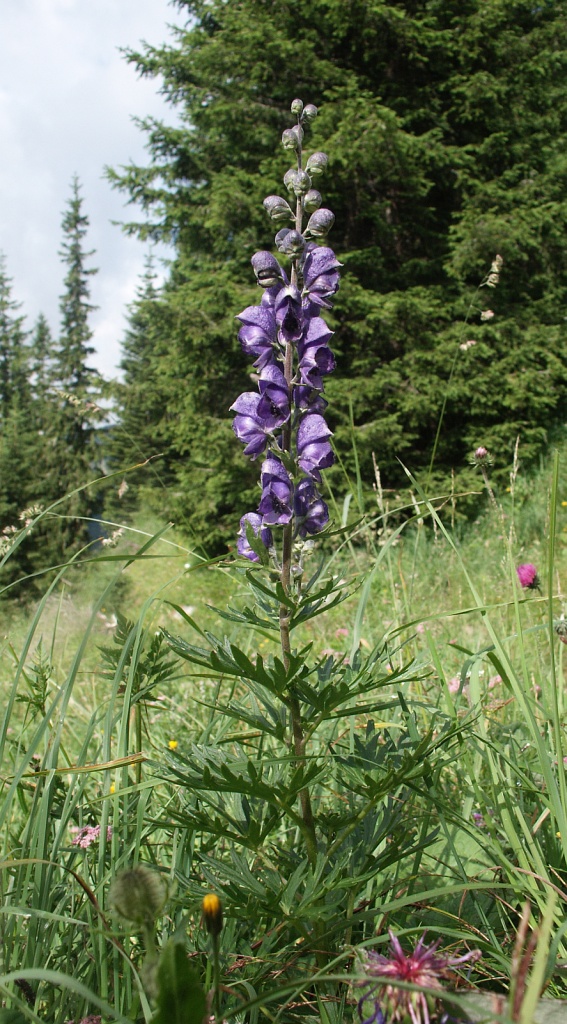 Indian aconiteAconitum ferox
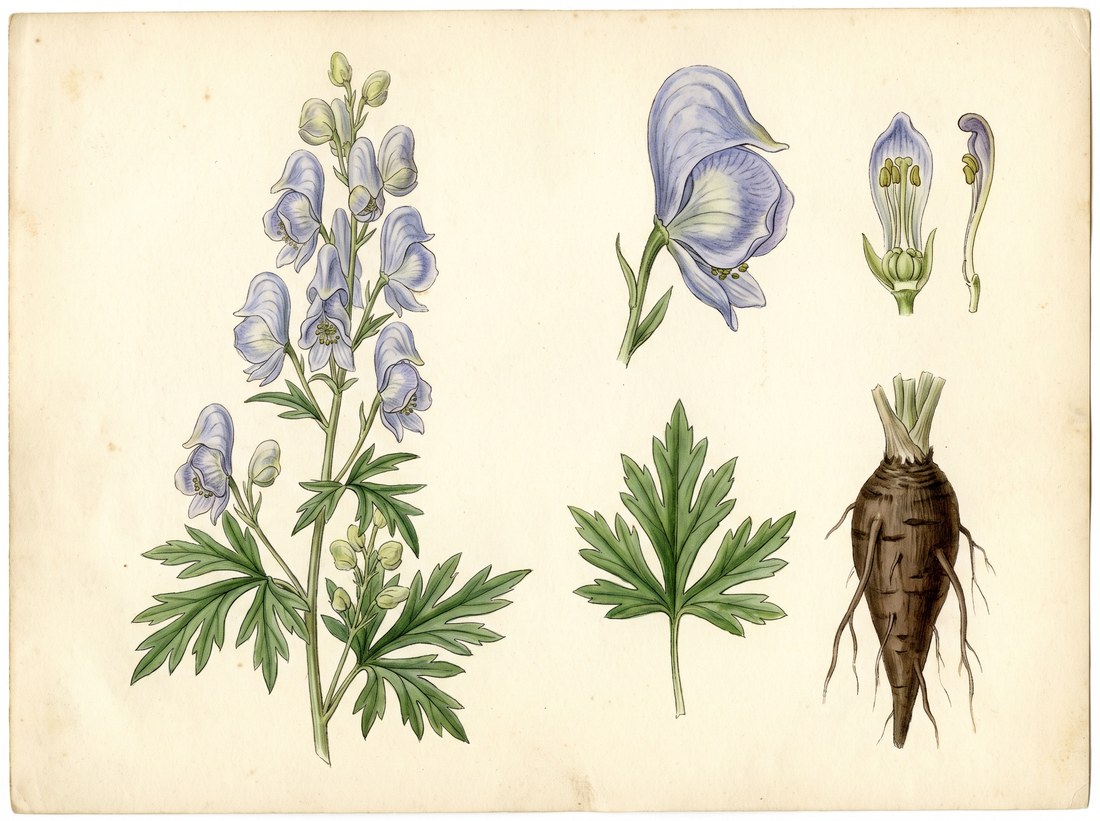 Indian ateesAconitum heterophyllum
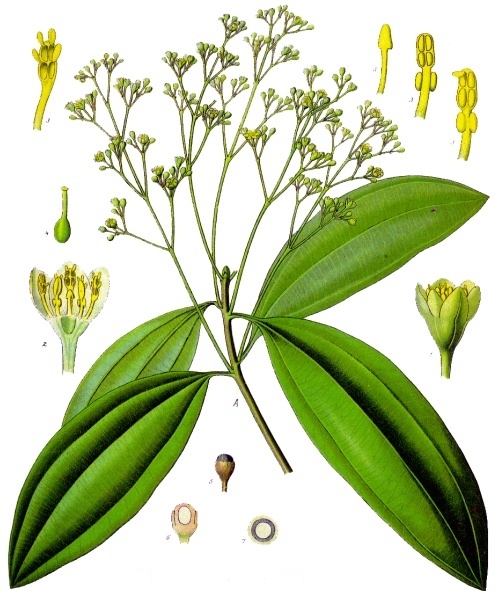 Indian bay leafCinnamomum tamala
 Indian beechPongamia pinnata
 Indian frankincenseBoswellia serrata
 Indian fumitoryFumaria indica
The whole plate is in the library. The compass, Compare, the Sky of eleven hundred plants and the formulary open with an email address and a password, free, with the formula builder and its safety engine. Herbert without limit, his formulating, clients, the handouts and the labels are the paid room.
Open the library, free