Chinese and Ayurvedic herbalism
Jatamansi
Nardostachys jatamansi
Also known as Indian spikenard, spikenard, muskroot, Himalayan nard, Jatamansi, Mansi, Bhutajata.
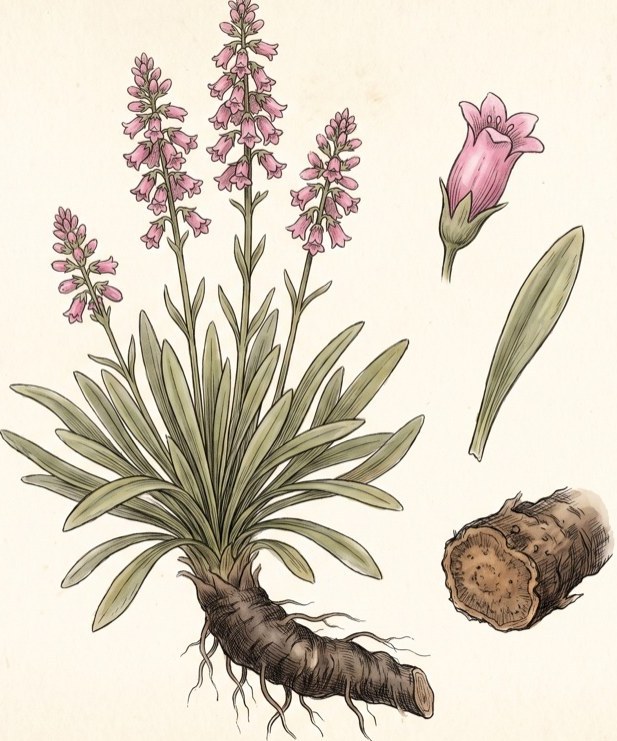
Nardostachys jatamansi is a small perennial herb of the alpine Himalaya, growing on open rocky slopes between about 3,000 and 5,000 meters from Kashmir and Himachal through Uttarakhand, Nepal, Sikkim and Bhutan. The drug is the dark, fibrous, strongly aromatic rhizome that gives the plant its name, matted like a lock of hair. In Ayurveda Jatamansi is the foremost cooling nervine: a medhya rasayana that quiets the mind, brings sleep, steadies the heart and relieves burning, and one of the few sedatives in the materia medica that also sharpens rather than dulls the intellect.

Ask Herbert about Jatamansi. Herbert is the master herbalist inside Bountiful Herbs: he answers from this plate and eleven hundred others, with dosing, pairing and cautions. Your first ten questions are free.
Ask HerbertActions
Indications what the tradition reached for it in
- Insomnia with a restless, overactive mind
- Anxiety with palpitations
- Nervous tension headache
- Epilepsy and seizure disorders (adjunct)
- Hypertension with nervous excitability
- Menopausal irritability and flushing
- Hysteria and panic states
- Convalescent weakness with agitation
- Premature graying and hair loss (oil)
- Attention and memory complaints in stressed students
- Tremor and tic disorders (adjunct)
- Hypertension aggravated by stress
- Schizophrenia
- Flatulence
- Depression
- Burning sensation
- Constipation
- Vertigo
- Memory loss
- Hair loss
- Autism spectrum symptoms
- Palpitations
- Epilepsy
- Abdominal cramps
- Asthma
- Excessive sweating
- Hysteria
- Mental fatigue
- Painful urination
- Stress
Specific indications
A wiry, overheated, sleepless patient whose mind will not stop turning at night, who wakes with a racing heart and needs cooling calm rather than heavy sedation
Anxiety that shows in the body as palpitations, a tight chest and a fine tremor, in a pitta or pitta-vata constitution
The exhausted, irritable perimenopausal woman with night sweats, poor sleep and a short temper
Headache that builds through a stressful day and settles in the back of the head and neck
Safety
Pregnancy: Not for use in pregnancy
Breastfeeding: No data in nursing mothers; small doses have traditionally been used for postpartum anxiety and sleeplessness, but sedation of the infant is a theoretical concern and we prefer to avoid it.
The record lists 6 contraindications; open the plate in the library to read them in full.
In practice
The Ayurvedic practitioner uses Jatamansi where Ashwagandha would be too heating and Brahmi alone too mild: the pitta type of insomnia and anxiety with heat, irritability and palpitations. Fine powder of the rhizome is given at bedtime with honey or warm milk, or as a hima, a cold water infusion steeped overnight, which best preserves its cooling quality.
In Ayurveda
Rasa: tikta (bitter), kashaya (astringent), madhura (sweet). Virya: sheeta (cooling). Vipaka: katu (pungent). Guna: laghu (light), snigdha (unctuous). Dosha: pacifies all three doshas, with its strongest action on pitta and vata in the mind and heart. Prabhava: manasadoshahara, a settling action on the disturbed mind that the tradition treats as beyond its rasa and virya. Karma: medhya (promotes intellect and memory); nidrajanana (induces sleep); manasadoshahara (relieves mental disturbance); bhutaghna (dispels possession states, the classical term for psychosis); hridya (cardiac tonic); dahaprashamana (relieves burning); kushthaghna (treats skin disease); varnya (improves complexion); keshya (promotes hair growth and color); vishaghna (counteracts poison); shothahara (reduces swelling); kanthya (benefits the voice and throat). Classical indications: unmada (psychosis and mania); apasmara (epilepsy); anidra (insomnia); hridroga (heart disease with palpitation); daha (burning sensation); kushtha (skin disease); visarpa (spreading erysipelas type inflammation); shiroroga (headache and disorders of the head); palitya (premature graying); kasa (cough); jvara (fever); raktapitta (bleeding disorders). The dried rhizome with its dark hairy crown is the drug, given as fine churna with honey or ghee, as a cold infusion (hima) or decoction, in medicated oils for the head, and in fermented preparations and ghritas for the mind. The essential oil is used externally and in incense. Classical formulations: Jatamansi churna, Mansyadi kwatha, Sarasvatarishta, Manasamitra vataka, Himasagara taila, Chandanadi taila, Balachaturbhadra churna (regional versions), Mahamanjishthadi kwatha. Described in: Charaka Samhita, Sushruta Samhita, Ashtanga Hridaya, Bhavaprakasha Nighantu, Dhanvantari Nighantu, Raja Nighantu, Kaiyadeva Nighantu, Ayurvedic Pharmacopoeia of India.
Dosing as the sources wrote it
| Preparation | As written | Metric |
|---|---|---|
| Churna | 1-3 g powdered rhizome once or twice daily with honey or warm milk | 1000-3000 mg |
| Hima (cold infusion) | 50-100 mL cold infusion at bedtime | 50-100 mL |
| Kwatha | 40-80 mL decoction twice daily | 40-80 mL |
| Tincture (1:5, 45%) | 2-4 mL up to three times daily | 2-4 mL |
| Taila, topical | 5-10 mL medicated oil massaged into the scalp | 5-10 mL |
| Powder | Powder 1-3 g/day divided doses | 1000-3000 mg |
Doses are reproduced from the sources for practitioners and are not a recommendation for any person.
From the sources
Overview. Nardostachys jatamansi is a small perennial herb of the alpine Himalaya, growing on open rocky slopes between about 3,000 and 5,000 meters from Kashmir and Himachal through Uttarakhand, Nepal, Sikkim and Bhutan. The drug is the dark, fibrous, strongly aromatic rhizome that gives the plant its name, matted like a lock of hair. In Ayurveda Jatamansi is the foremost cooling nervine: a medhya rasayana that quiets the mind, brings sleep, steadies the heart and relieves burning, and one of the few sedatives in the materia medica that also sharpens rather than dulls the intellect.
Clinical Notes. Critically endangered species (CITES Appendix II) Ayurvedic herb primarily used for nervous system disorders Substitute species like Selinum spp. sometimes sold as Jatamansi
Clinical Notes. The Ayurvedic practitioner uses Jatamansi where Ashwagandha would be too heating and Brahmi alone too mild: the pitta type of insomnia and anxiety with heat, irritability and palpitations. Fine powder of the rhizome is given at bedtime with honey or warm milk, or as a hima, a cold water infusion steeped overnight, which best preserves its cooling quality.
primary-actions. Jatamansi acts primarily as: Nervine, Sedative, Anticonvulsant, Anxiolytic, Antidepressant, Antispasmodic. Secondary actions include Carminative, Emmenagogue, Hypotensive, Antioxidant, Hepatoprotective, Cardiotonic.
In formulas
Jatamansi stands in 31 documented formulas in the library, among them Aravindāsava, Uśīrāsava, Kuṭajāriṣta, Daśamūlāriṣṭa, Pippalyādyāsava, Mṛtasaṅjīvanī Surā.
Often paired with
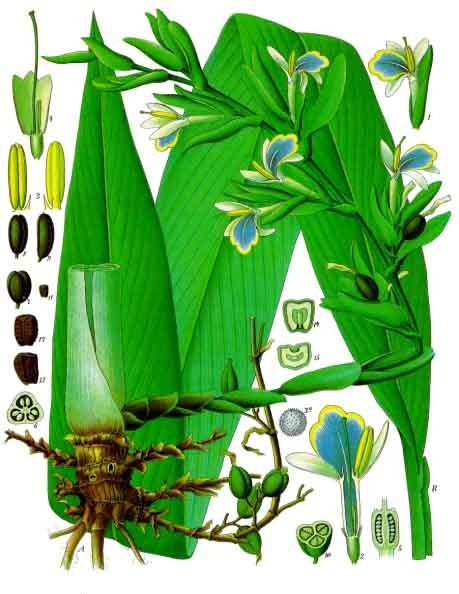 cardamomElettaria cardamomum
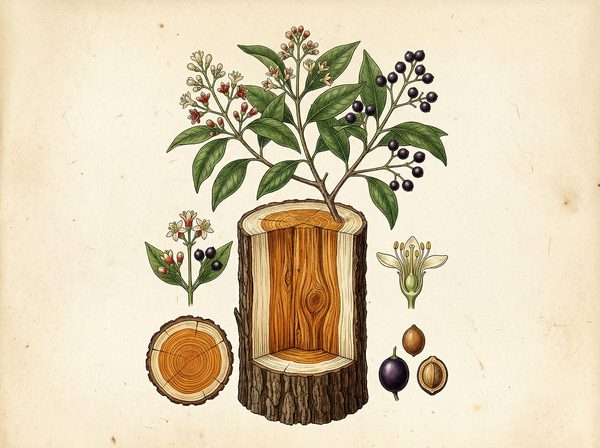 sandalwoodSantalum album
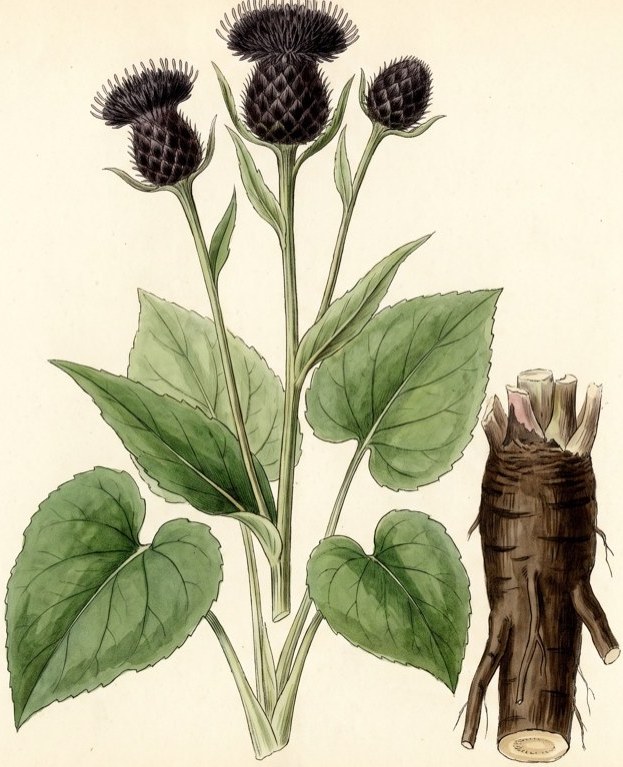 costusSaussurea costus
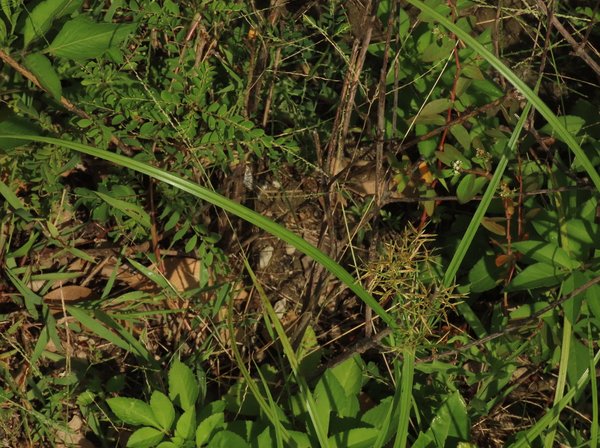 nut grassCyperus rotundus
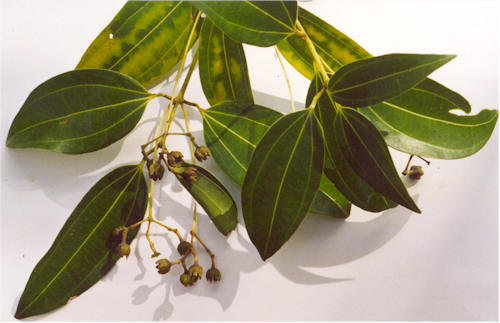 Ceylon cinnamonCinnamomum zeylanicum
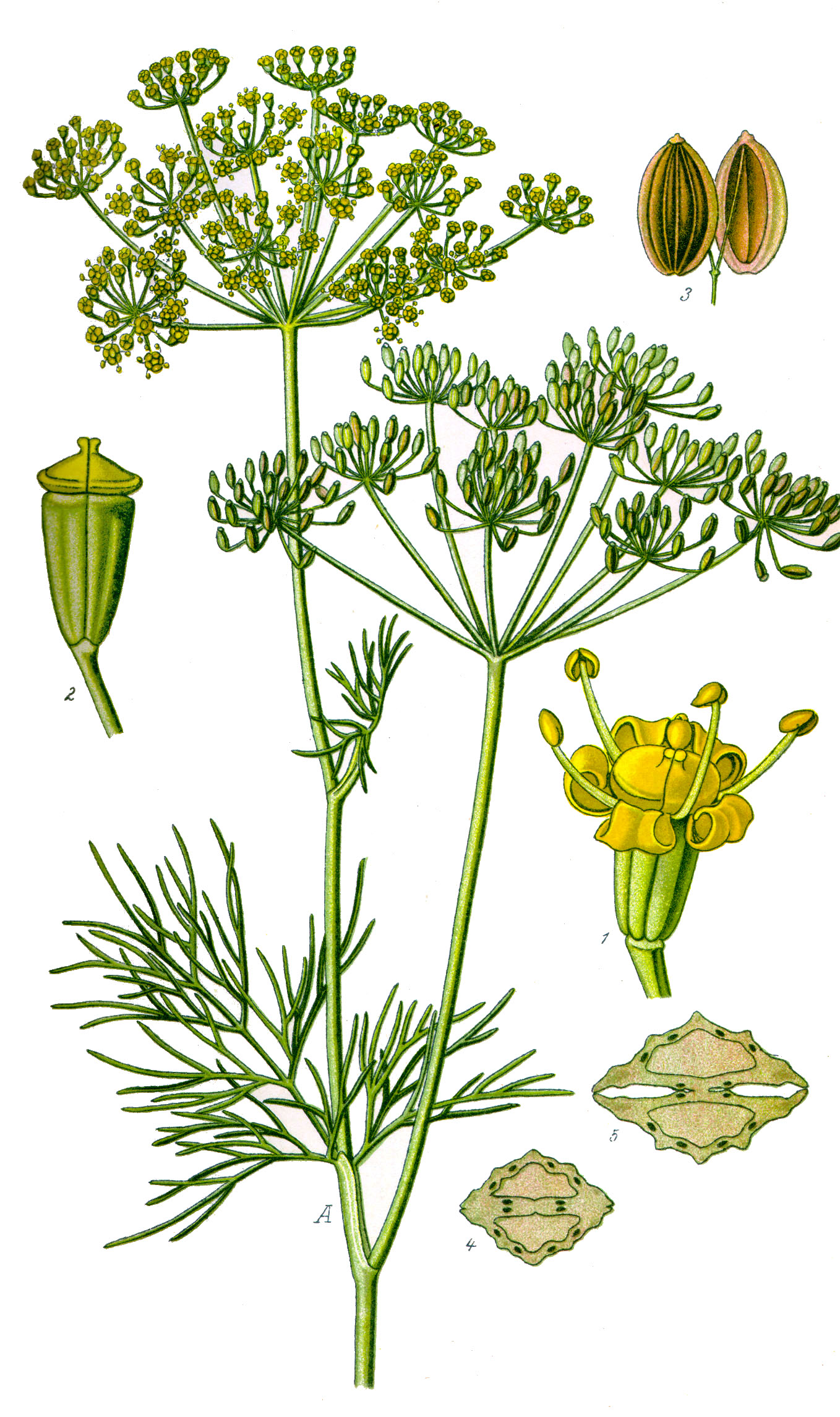 dillAnethum graveolens
Nearby on the shelf
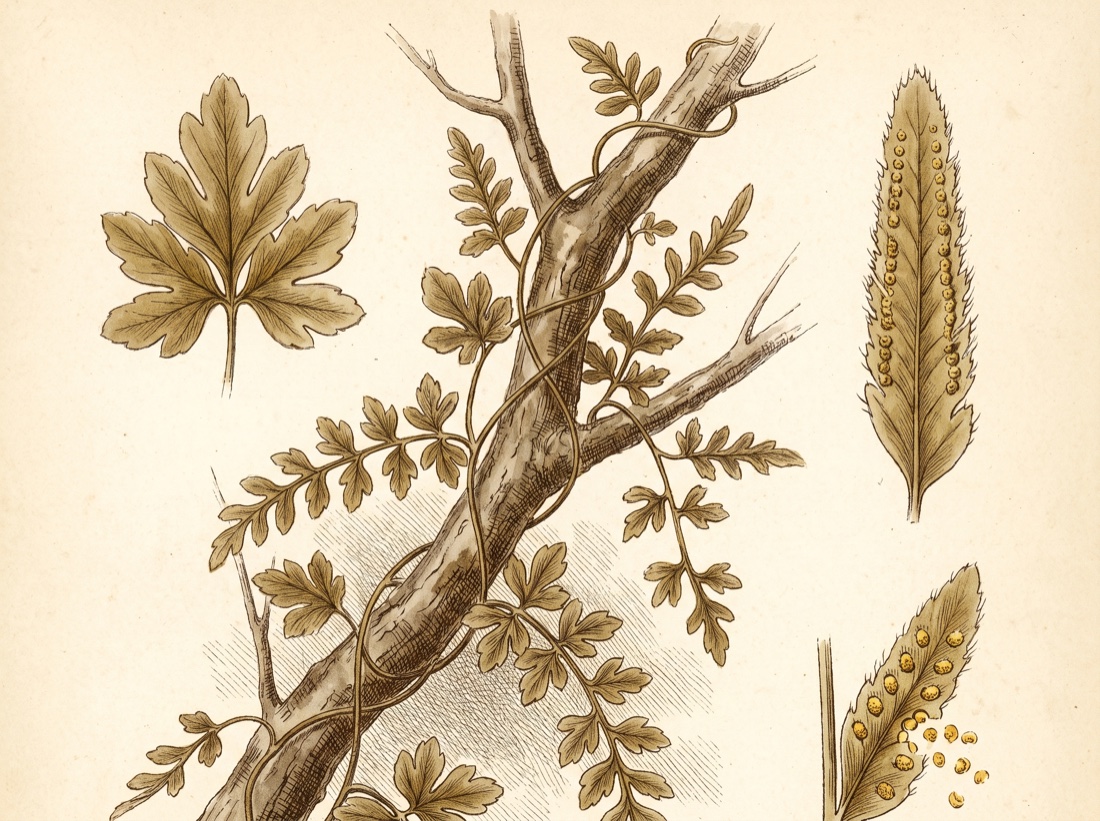 Japanese climbing fernLygodium japonicum
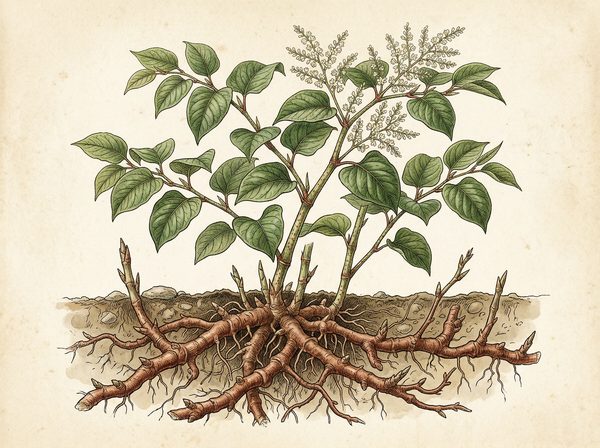 Japanese KnotweedReynoutria japonica
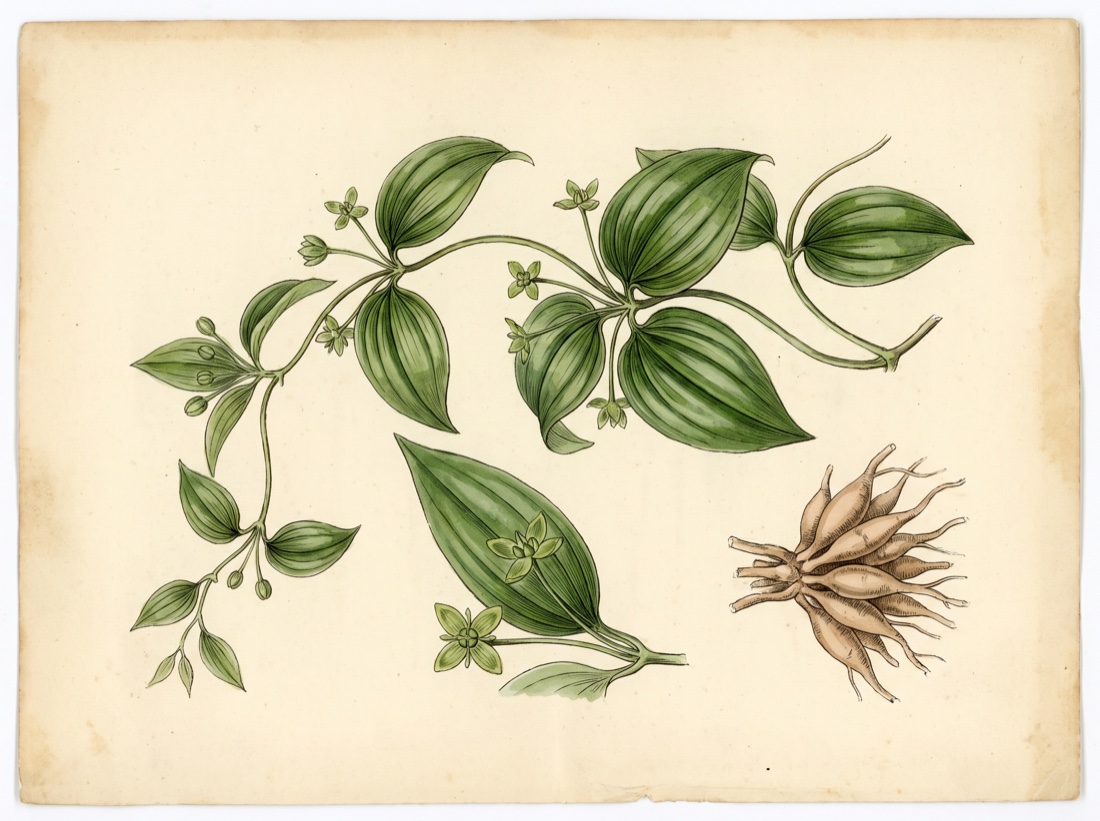 Japanese stemonaStemona japonica
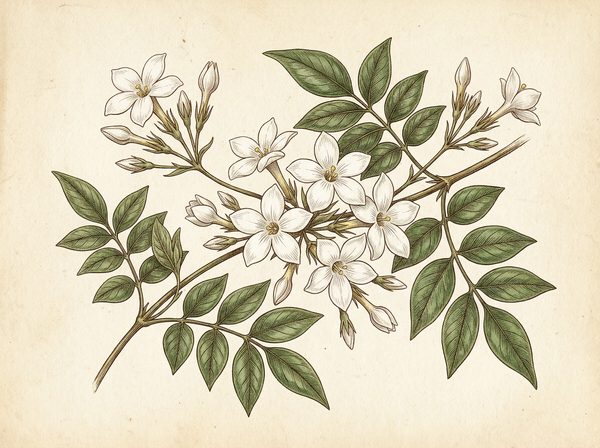 JasmineJasminum officinale
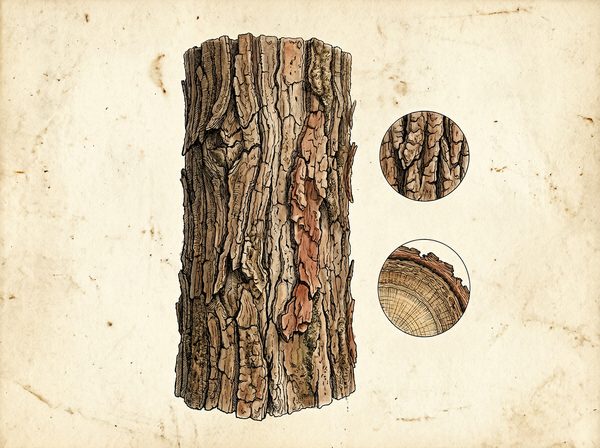 JatobaHymenaea courbaril
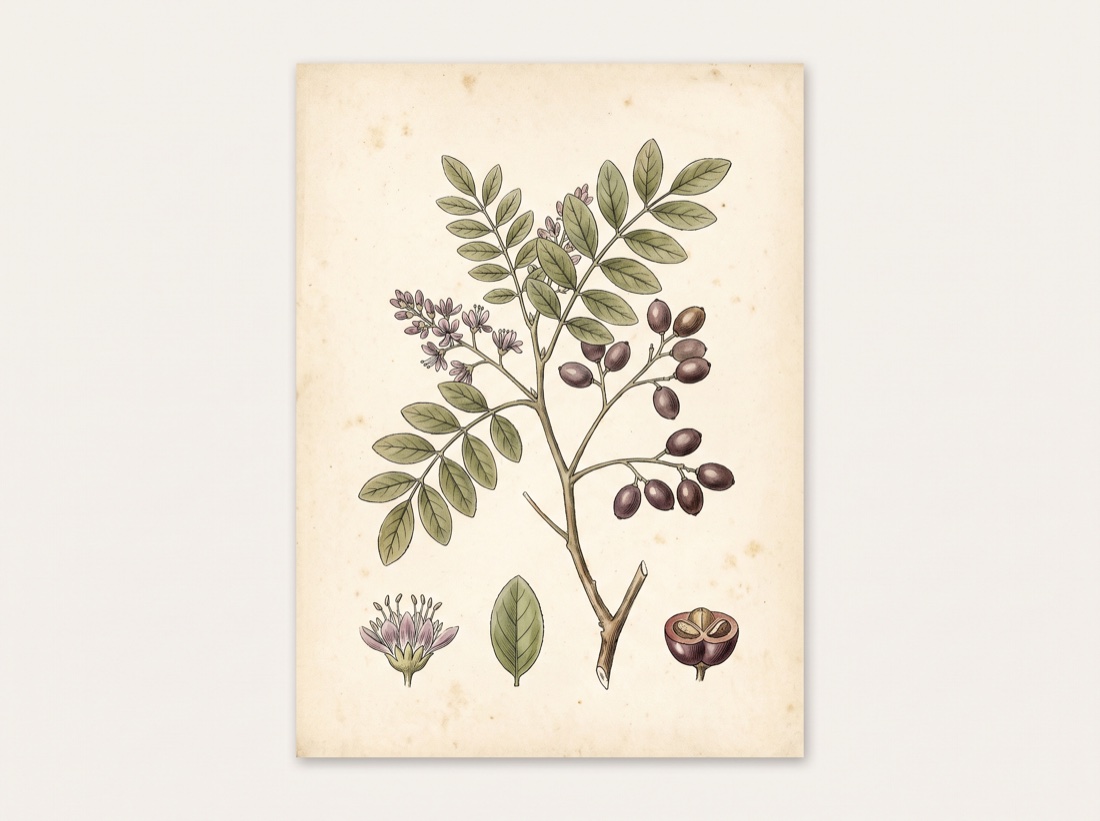 Java bruceaBrucea javanica
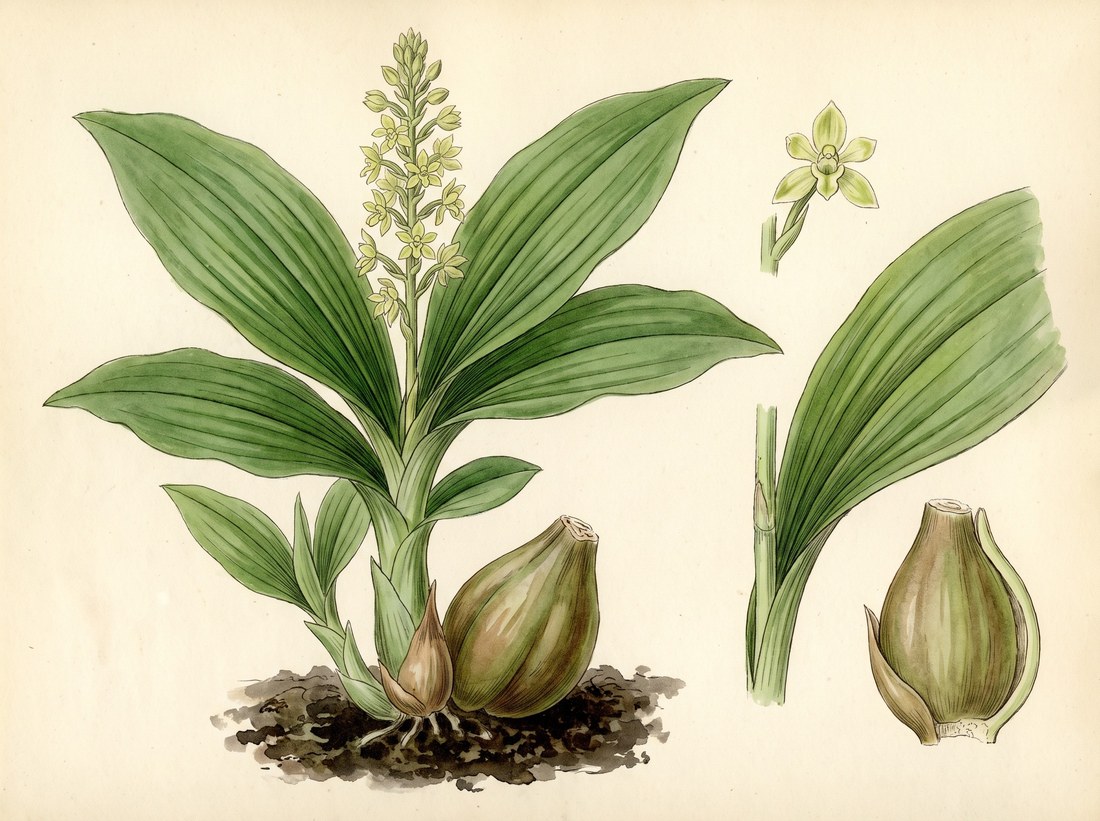 JeevakMalaxis acuminata
 JewelweedImpatiens pallida
The whole plate is in the library. The compass, Compare, the Sky of eleven hundred plants and the formulary open with an email address and a password, free, with the formula builder and its safety engine. Herbert without limit, his formulating, clients, the handouts and the labels are the paid room.
Open the library, free