Ayurvedic Herbalism
Ceylon ironwood
Mesua ferrea
Also known as Indian rose chestnut, cobra saffron, nagkesar, ironwood tree, Nagakesara, Nagapushpa, Kesara.
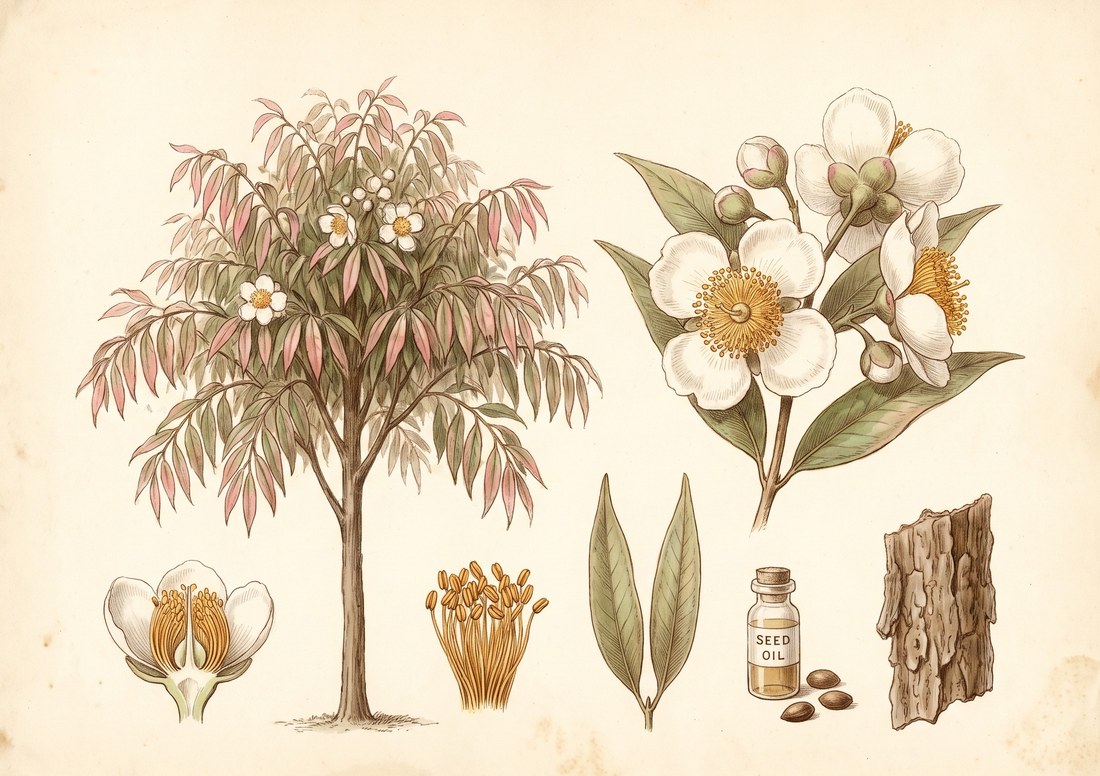
Mesua ferrea is a slow growing evergreen tree with very hard reddish timber, famous for its drooping new leaves flushed pink and its fragrant white flowers with a dense golden brush of stamens. It grows in the wet evergreen forests of the Western Ghats, Assam, the Andaman Islands and Sri Lanka and is planted around temples across India. In Ayurveda the dried stamens are Nagakesara, an aromatic astringent that stops bleeding, binds the bowel and steadies the stomach. It is one of the four aromatics of Chaturjata alongside cinnamon, cardamom and Indian bay leaf.

Ask Herbert about Ceylon ironwood. Herbert is the master herbalist inside Bountiful Herbs: he answers from this plate and eleven hundred others, with dosing, pairing and cautions. Your first ten questions are free.
Ask HerbertActions
Indications what the tradition reached for it in
- Bleeding hemorrhoids
- Menorrhagia and metrorrhagia
- Bleeding from the gums, nose or gut of heat type
- Acute and chronic diarrhea
- Dysentery with blood and mucus
- Gastric irritation with excess thirst
- Persistent hiccup and nausea
- Halitosis and body odor (traditional)
- Itching skin eruptions (oil, topical)
- Rheumatic pain (seed oil, topical)
- Elevated blood sugar (traditional adjunct)
Specific indications
Bright red bleeding from piles in a patient who runs hot, with a burning anus and loose stools
Heavy periods with clotting in a woman with pitta features: heat, irritability and a flushed face
Chronic loose stools with mucus and a foul smell that other astringents have not controlled
The gut that cannot keep anything down: hiccup, nausea and thirst after a fever
Safety
The record lists 6 contraindications; open the plate in the library to read them in full.
In practice
Nagakesara is the Ayurvedic astringent to reach for when bleeding and heat travel together. Its signature use is raktarsha, bleeding piles, as Nagakesaradi churna with butter and sugar; the butter cools the pitta while the stamens close the vessels.
In Ayurveda
Rasa: kashaya (astringent), tikta (bitter), katu (pungent). Virya: ushna (heating). Vipaka: katu (pungent). Guna: laghu (light), ruksha (dry). Dosha: pacifies kapha and pitta; may aggravate vata in excess. Karma: raktastambhana (arrests bleeding); grahi (absorbs and binds, antidiarrheal); deepana (kindles digestion); pachana (digestive); kaphapittahara (reduces kapha and pitta); vishaghna (counters poison); jvaraghna (relieves fever); hridya (supports the heart); varnya (improves complexion); durgandhanashana (removes bad odor). Classical indications: raktarsha (bleeding hemorrhoids); raktapitta (bleeding disorders); atisara (diarrhea); pravahika (dysentery); jvara (fever); trishna (excess thirst); chhardi (vomiting); hikka (hiccup); kandu (itching); visha (poisoning); daurgandhya (body odor and bad breath). The dried stamens, sold as nagkesar, are the pharmacopoeial drug and are given as a fine churna with honey, butter or sugar, in compound powders for bleeding and diarrhea, and as one of the four aromatics of Chaturjata. The flower buds, the astringent bark and the seed oil (used topically for skin disease and joint pain) are secondary parts. Classical formulations: Chaturjata, Nagakesaradi churna, Chyawanprash, Kanakasava, Pushyanuga churna, Chandanadi churna, Ushirasava. Described in: Charaka Samhita, Sushruta Samhita, Ashtanga Hridaya, Bhavaprakasha Nighantu, Dhanvantari Nighantu, Raja Nighantu, Kaiyadeva Nighantu, Ayurvedic Pharmacopoeia of India.
Dosing as the sources wrote it
| Preparation | As written | Metric |
|---|---|---|
| Churna | 1-3 g powdered stamens twice daily with honey or butter | 1000-3000 mg |
| Kwatha | 50-100 mL decoction twice daily | 50-100 mL |
| Nagakesaradi churna | 3-6 g compound powder daily with butter and sugar | 3000-6000 mg |
| Taila, topical | 5-10 mL seed oil applied to affected skin or joints | 5-10 mL |
Doses are reproduced from the sources for practitioners and are not a recommendation for any person.
From the sources
Overview. Mesua ferrea is a slow growing evergreen tree with very hard reddish timber, famous for its drooping new leaves flushed pink and its fragrant white flowers with a dense golden brush of stamens. It grows in the wet evergreen forests of the Western Ghats, Assam, the Andaman Islands and Sri Lanka and is planted around temples across India. In Ayurveda the dried stamens are Nagakesara, an aromatic astringent that stops bleeding, binds the bowel and steadies the stomach. It is one of the four aromatics of Chaturjata alongside cinnamon, cardamom and Indian bay leaf.
Clinical Notes. Nagakesara is the Ayurvedic astringent to reach for when bleeding and heat travel together. Its signature use is raktarsha, bleeding piles, as Nagakesaradi churna with butter and sugar; the butter cools the pitta while the stamens close the vessels.
Ayurvedic Profile. Rasa: kashaya (astringent), tikta (bitter), katu (pungent). Virya: ushna (heating). Vipaka: katu (pungent). Guna: laghu (light), ruksha (dry). Dosha: pacifies kapha and pitta; may aggravate vata in excess.
In formulas
Ceylon ironwood stands in 39 documented formulas in the library, among them Aśvagandhādyariṣṭa, Kuṭajāriṣta, Khadirāriṣta, Jīrakādyariṣṭa, Daśamūlāriṣṭa, Devadārvāriṣṭa.
Often paired with
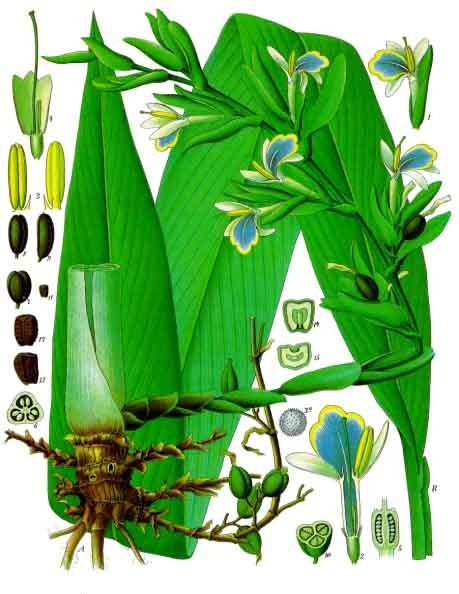 cardamomElettaria cardamomum
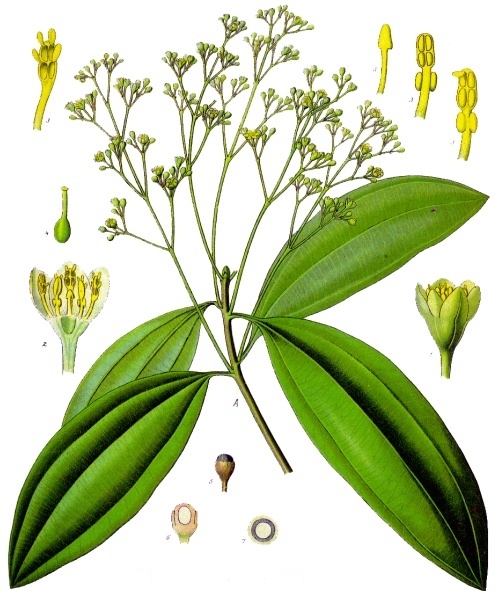 Indian bay leafCinnamomum tamala
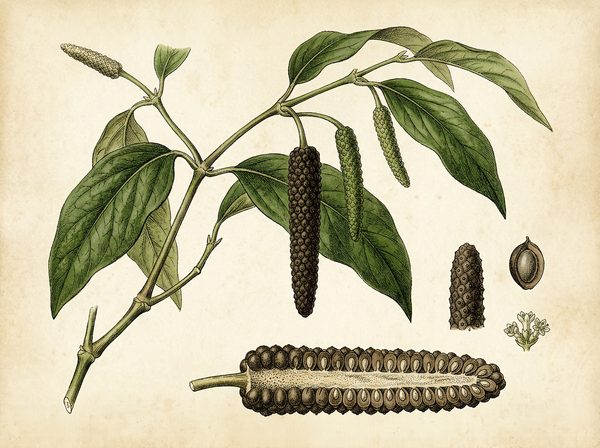 long pepperPiper longum
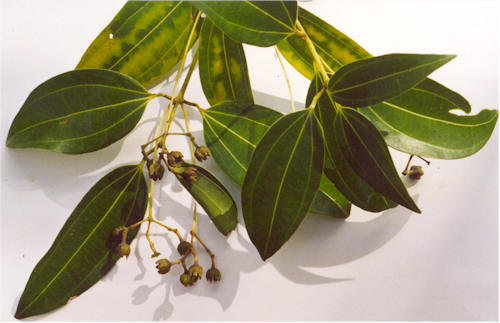 Ceylon cinnamonCinnamomum zeylanicum
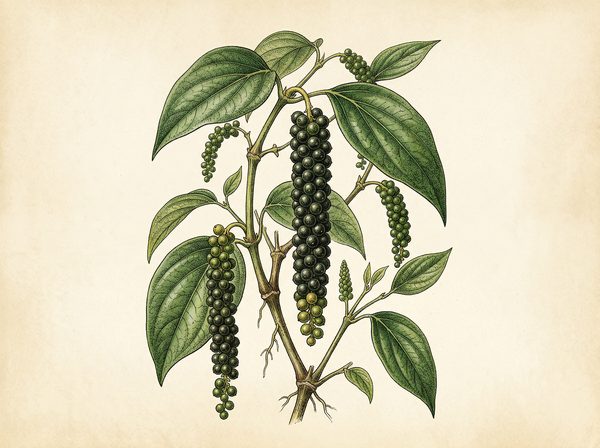 black pepperPiper nigrum
 nut grassCyperus rotundus
Nearby on the shelf
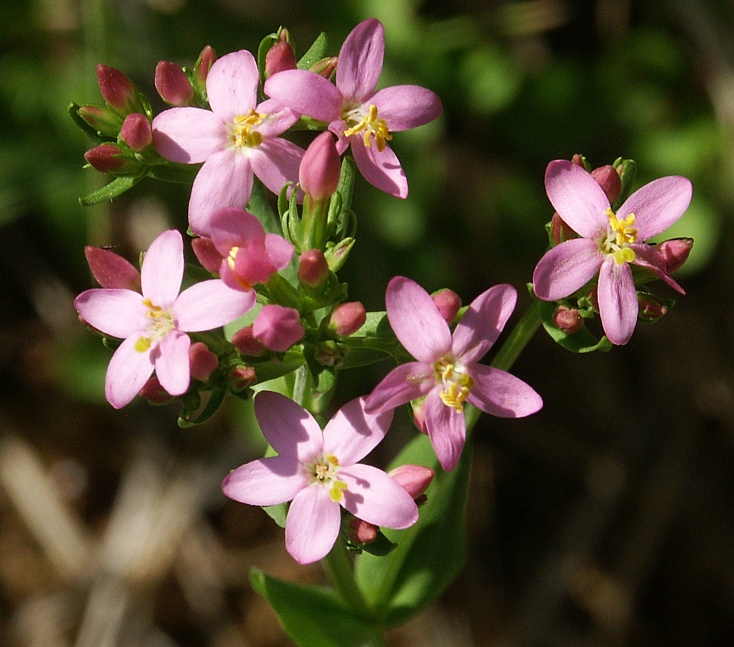 CentauryCentaurium erythraea
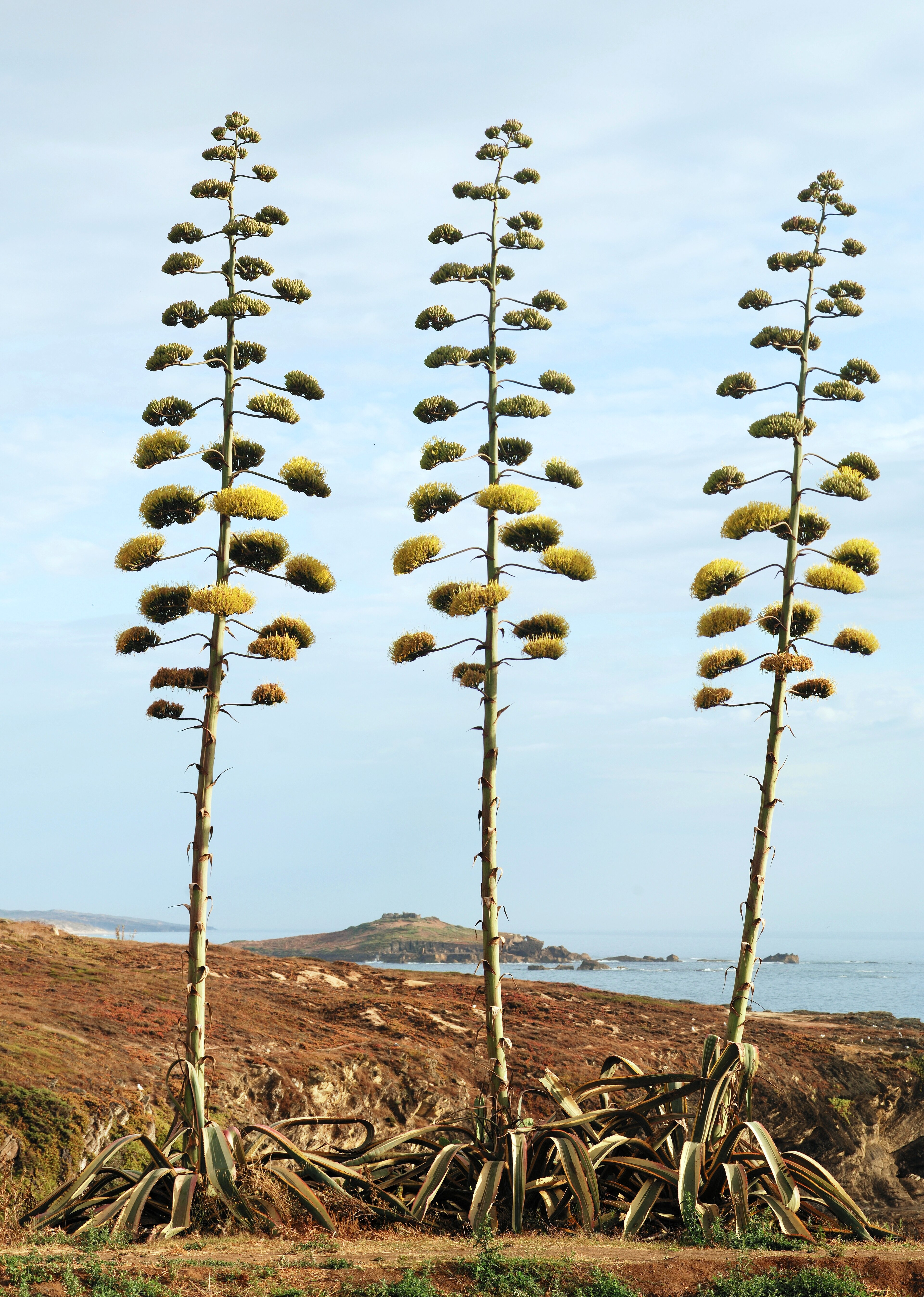 Century PlantAgave americana
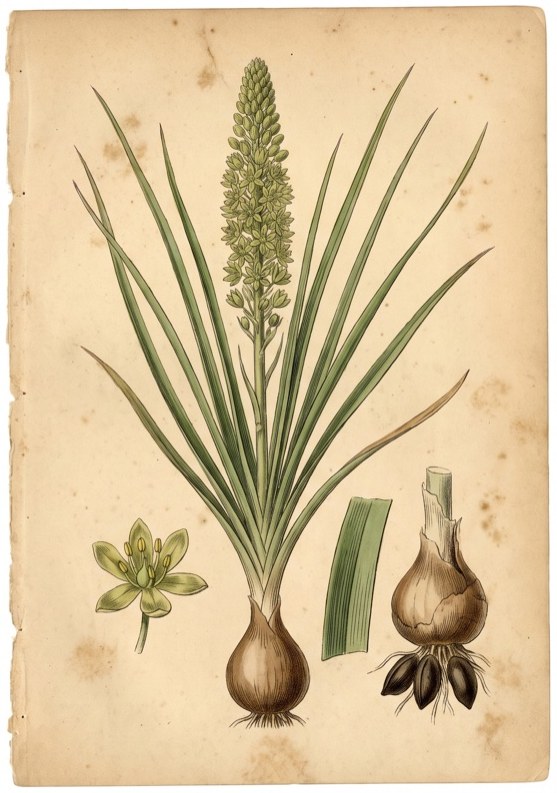 CevadillaSabadilla
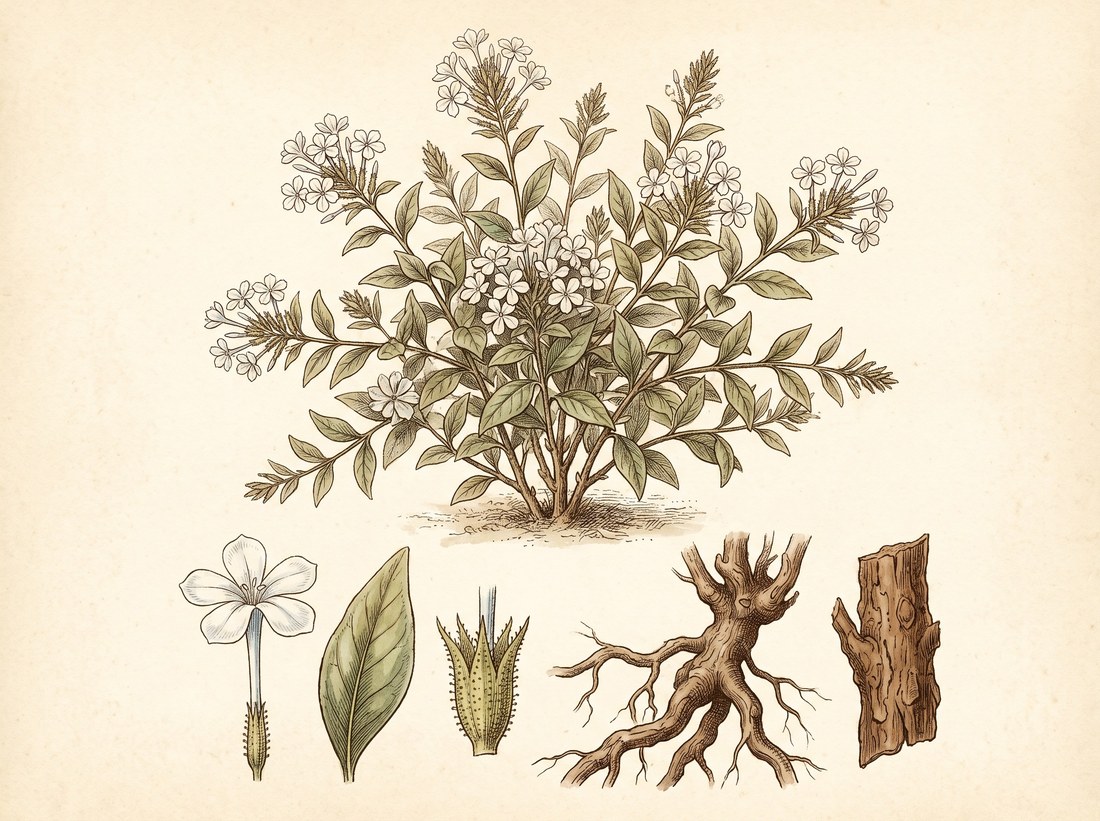 Ceylon leadwortPlumbago zeylanica
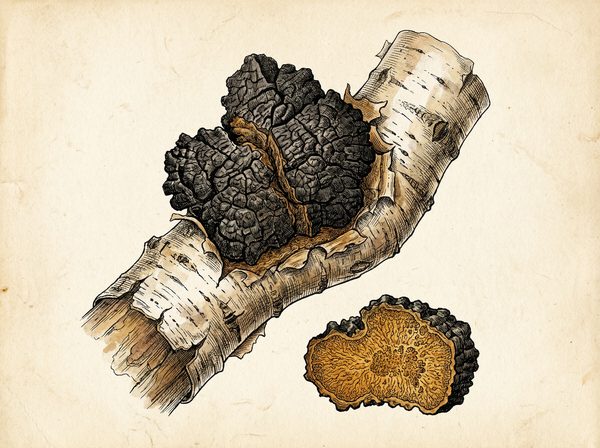 ChagaInonotus obliquus
 Chai HuBupleurum falcatum
 ChaksuChamaecrista absus
The whole plate is in the library. The compass, Compare, the Sky of eleven hundred plants and the formulary open with an email address and a password, free, with the formula builder and its safety engine. Herbert without limit, his formulating, clients, the handouts and the labels are the paid room.
Open the library, free