Ayurvedic Herbalism
Indian atees
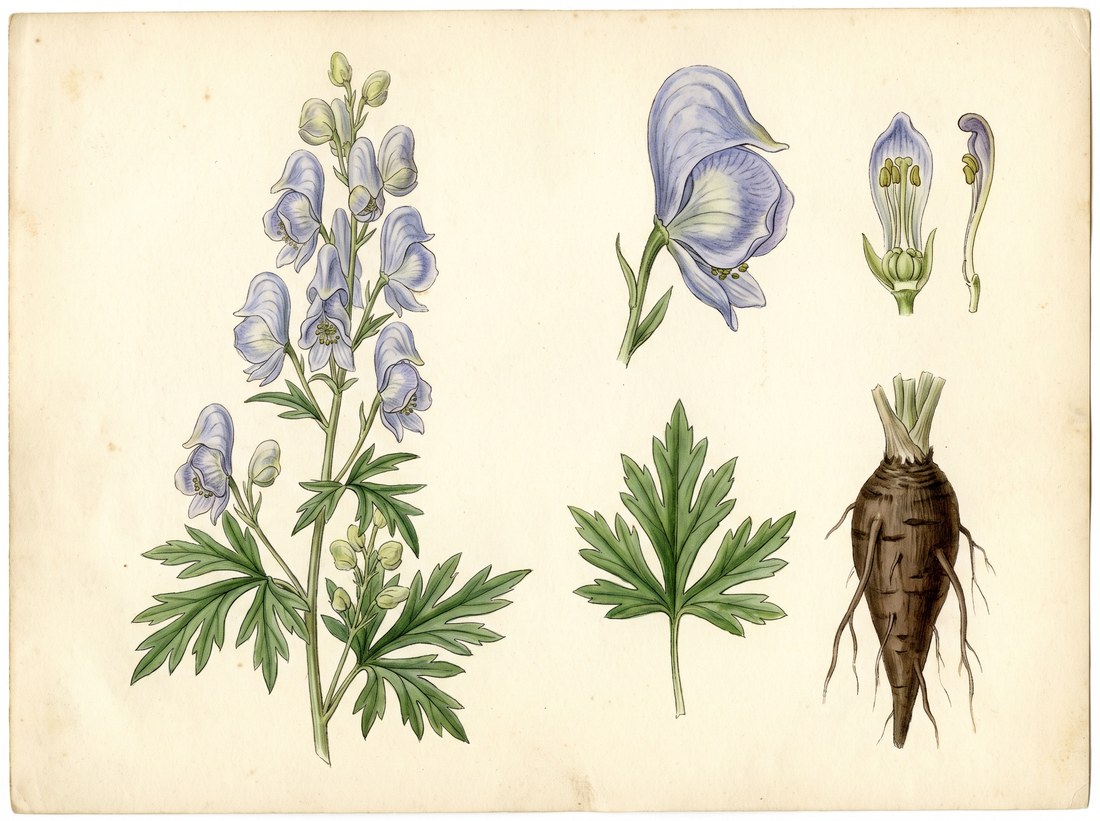
Aconitum heterophyllum
Also known as atis root, ativisha, heterophyllous monkshood, Ativisha, Shuklakanda, Bhangura.
Ativisha is a small alpine monkshood of the western and central Himalaya, growing in moist meadows and open slopes between about 2,500 and 4,000 meters in Kashmir, Himachal Pradesh, Uttarakhand and Nepal. Its pale, conical tuberous roots are the drug. Unlike Vatsanabha and the other aconites, this species contains atisine type alkaloids and lacks the deadly aconitine diesters, so Ayurveda has always used it unpurified and considered it safe enough for infants. It is the tradition's premier bitter for diarrhea, fever and weak digestion in children, and the anchor of the classical pediatric formula Balachaturbhadra.

Ask Herbert about Indian atees. Herbert is the master herbalist inside Bountiful Herbs: he answers from this plate and eleven hundred others, with dosing, pairing and cautions. Your first ten questions are free.
Ask HerbertActions
Indications what the tradition reached for it in
- Acute and chronic diarrhea with undigested food and mucus
- Dysentery and post-infectious loose stools
- Infant and childhood diarrhea with fever
- Fever with digestive upset
- Irritable bowel with alternating stools and bloating
- Malabsorption and poor appetite after illness
- Nausea and vomiting of digestive origin
- Intestinal worms in children
- Cough with fever in children
- Hemorrhoids with loose stools
Specific indications
A feverish child with loose, foul, mucus laden stools, no appetite and a coated tongue
Chronic diarrhea in an adult whose stools contain undigested food and who feels chilled and heavy after eating
Post-infectious irritable bowel where the gut has never quite recovered its grip and every meal provokes urgency
Low fever that lingers after a gastrointestinal infection, with weakness and nausea
Safety
Recognised toxicity. This plant carries a toxicity flag in the record; it is for trained practitioners only.
Pregnancy: Not for use in pregnancy
The record lists 6 contraindications; open the plate in the library to read them in full.
In practice
The Ayurvedic practitioner reaches for Ativisha when the gut has lost its grip and the fire is low: diarrhea with ama, fever that comes with loose stools, vomiting, colic and loss of appetite. It is a bitter that both kindles digestion and binds the stool, a rare pairing, which is why it suits diarrhea where an ordinary astringent would trap toxins.
In Ayurveda
Rasa: tikta (bitter), katu (pungent). Virya: ushna (heating). Vipaka: katu (pungent). Guna: laghu (light), ruksha (dry). Dosha: pacifies all three doshas (tridoshahara); especially settles kapha and pitta in the gut. Prabhava: the tradition regards Ativisha as the best of the digestive, absorbent and fever reducing drugs for children (bala roga). Karma: deepana (kindles digestion); pachana (digests ama); grahi (absorbent, checks diarrhea); jvaraghna (reduces fever); amapachana (clears undigested toxins); krimighna (anthelmintic); chhardinigrahana (stops vomiting); kasahara (relieves cough); vishaghna (counters poisons); shothahara (reduces swelling); arshoghna (helps hemorrhoids); balya for infants (strengthens digestion in children). Classical indications: atisara (diarrhea, especially with ama); pravahika (dysentery); grahani (malabsorption and irritable bowel); jvara (fever, including fever with diarrhea); ama and ajirna (indigestion with toxins); chhardi (vomiting); kasa (cough); krimi (worms); arsha (hemorrhoids); visha (poisoning); bala atisara and bala jvara (infant diarrhea and fever). The dried tuberous root is used as churna, most often with honey for children, as kwatha in compound decoctions, and in fermented arishtas and pills for the digestive tract. Unlike its toxic relatives, Ativisha does not require shodhana and is given without purification. Classical formulations: Balachaturbhadra churna, Ativishadi churna, Ativishadi kwatha, Amritarishta, Pushyanuga churna, Lavangadi vati, Chandraprabha vati, Mustakarishta. Described in: Charaka Samhita, Sushruta Samhita, Ashtanga Hridaya, Bhavaprakasha Nighantu, Dhanvantari Nighantu, Raja Nighantu, Kaiyadeva Nighantu, Ayurvedic Pharmacopoeia of India.
Dosing as the sources wrote it
| Preparation | As written | Metric |
|---|---|---|
| Churna | 0.5-2 g powdered root once or twice daily with honey | 500-2000 mg |
| Churna, pediatric | 60-250 mg powdered root twice daily with honey | 60-250 mg |
| Kwatha | 30-60 mL decoction twice daily | 30-60 mL |
| Arishta | 12-24 mL Amritarishta twice daily after food | 12-24 mL |
Doses are reproduced from the sources for practitioners and are not a recommendation for any person.
From the sources
Overview. Ativisha is a small alpine monkshood of the western and central Himalaya, growing in moist meadows and open slopes between about 2,500 and 4,000 meters in Kashmir, Himachal Pradesh, Uttarakhand and Nepal. Its pale, conical tuberous roots are the drug. Unlike Vatsanabha and the other aconites, this species contains atisine type alkaloids and lacks the deadly aconitine diesters, so Ayurveda has always used it unpurified and considered it safe enough for infants. It is the tradition's premier bitter for diarrhea, fever and weak digestion in children, and the anchor of the classical pediatric formula Balachaturbhadra.
Clinical Notes. The Ayurvedic practitioner reaches for Ativisha when the gut has lost its grip and the fire is low: diarrhea with ama, fever that comes with loose stools, vomiting, colic and loss of appetite. It is a bitter that both kindles digestion and binds the stool, a rare pairing, which is why it suits diarrhea where an ordinary astringent would trap toxins.
Ayurvedic Profile. Rasa: tikta (bitter), katu (pungent). Virya: ushna (heating). Vipaka: katu (pungent). Guna: laghu (light), ruksha (dry). Dosha: pacifies all three doshas (tridoshahara); especially settles kapha and pitta in the gut.
Conservation. Critically endangered in the wild across the Indian Himalaya from over-harvesting of the tuber; cultivated material or the classical substitute Musta (Cyperus rotundus) should be used wherever possible.
In formulas
Indian atees stands in 22 documented formulas in the library, among them Amṛtāriṣta, Ayaskṛti, Mṛdvīkāriṣṭa, Kuṭajāvaleha, Śatāvarī Guḍa, Maha Yogarāja Guggulu.
Often paired with
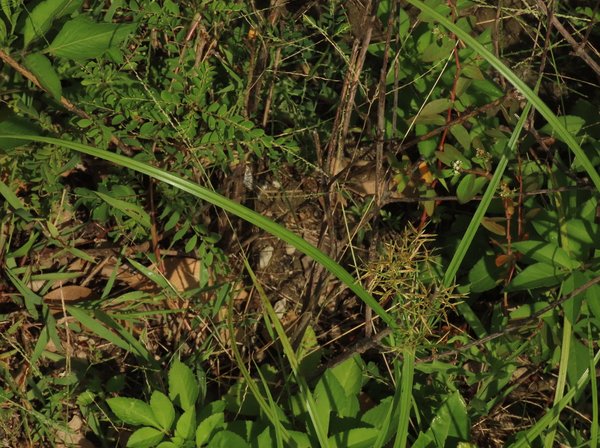 nut grassCyperus rotundus
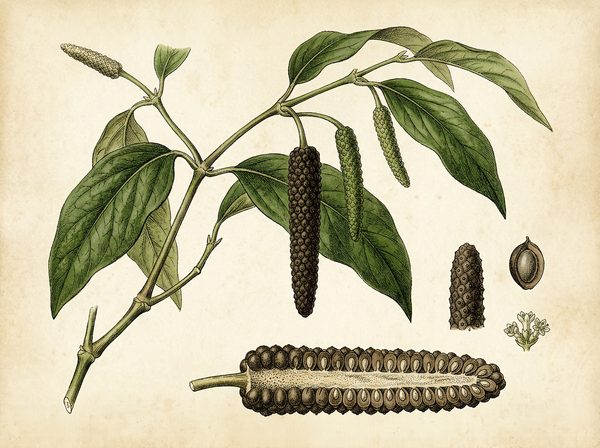 long pepperPiper longum
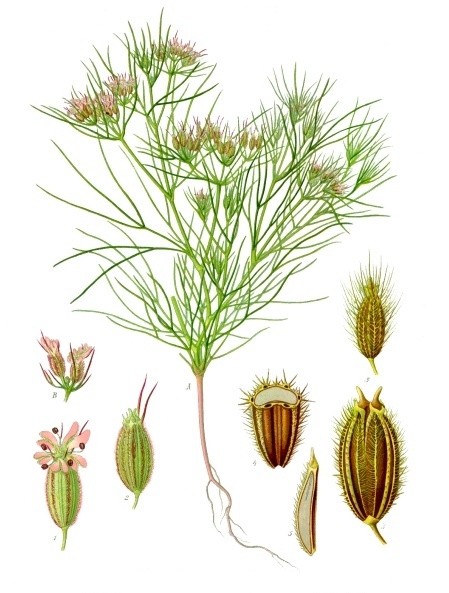 CuminCuminum cyminum
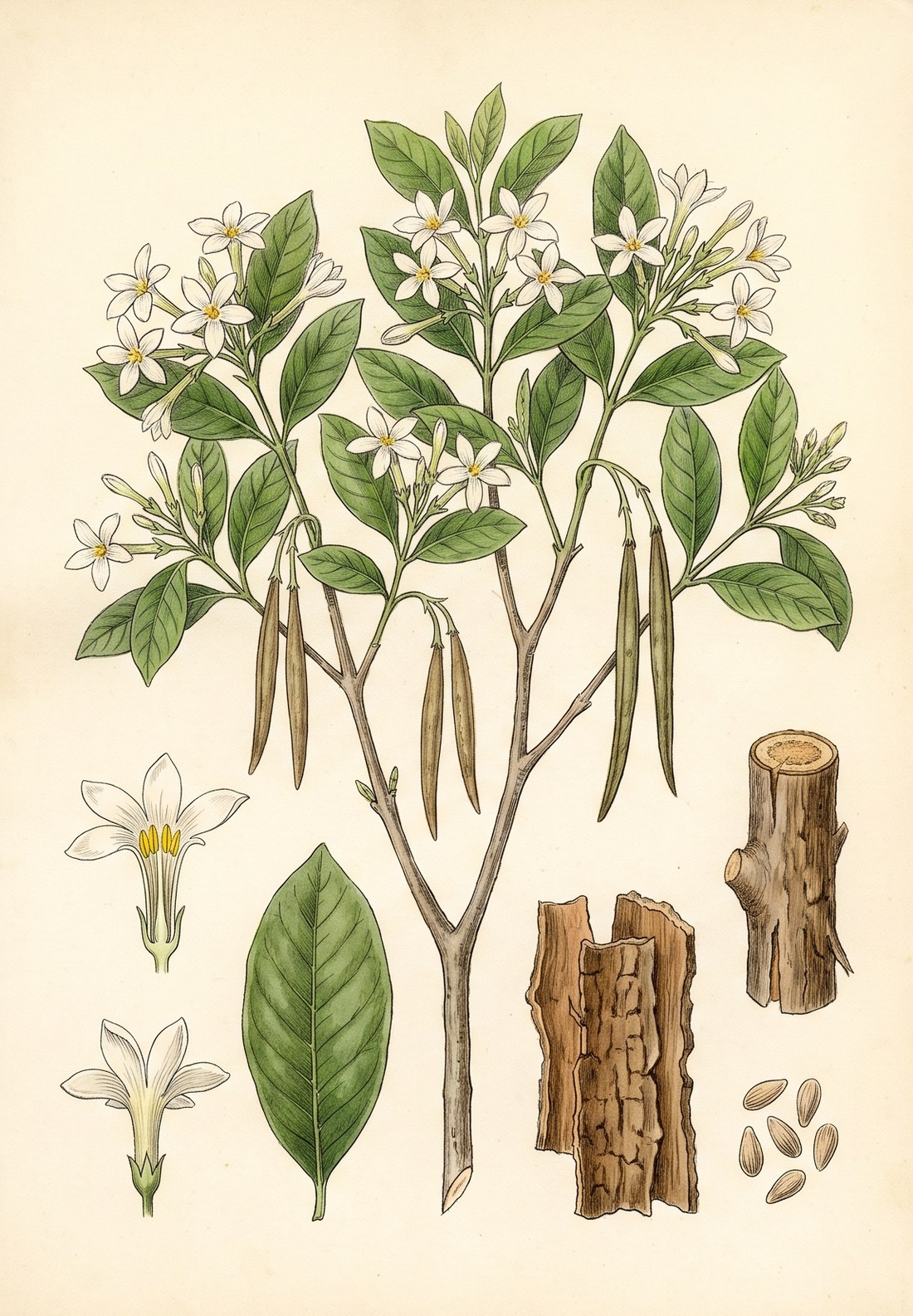 kurchiHolarrhena antidysenterica
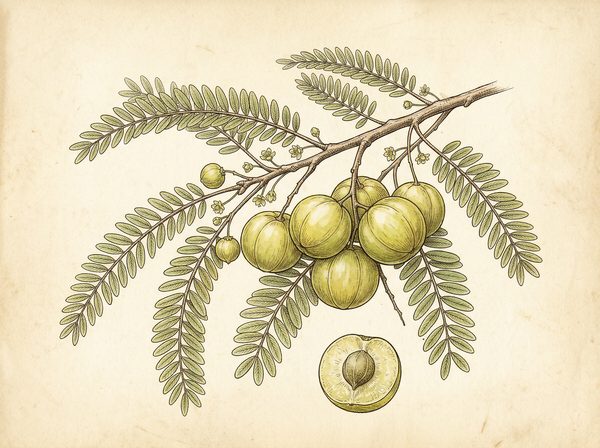 Indian gooseberryPhyllanthus emblica
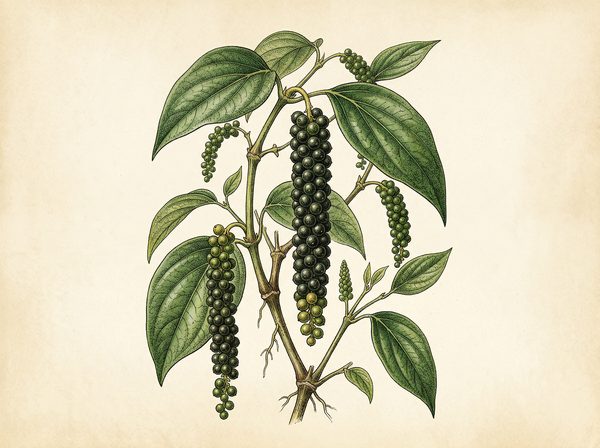 black pepperPiper nigrum
Nearby on the shelf
 Ignatia AmaraStrychnos ignatia
 ImmortelleHelichrysum italicum
 India-RubberElastica
 Indian aconiteAconitum ferox
 Indian barberryBerberis aristata
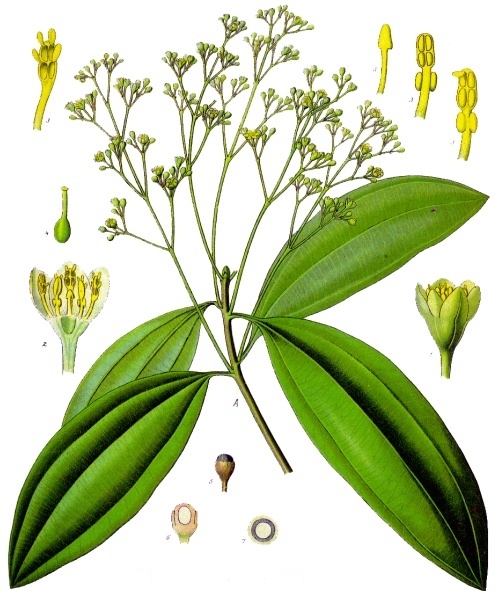 Indian bay leafCinnamomum tamala
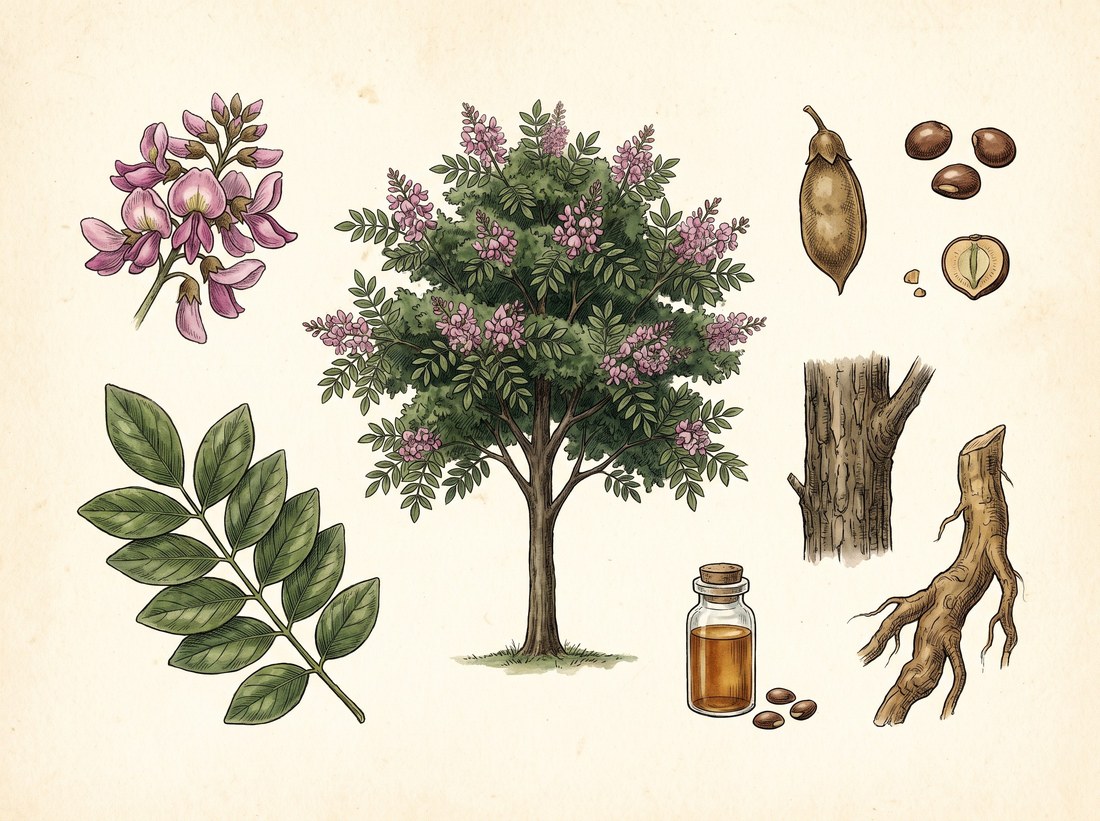 Indian beechPongamia pinnata
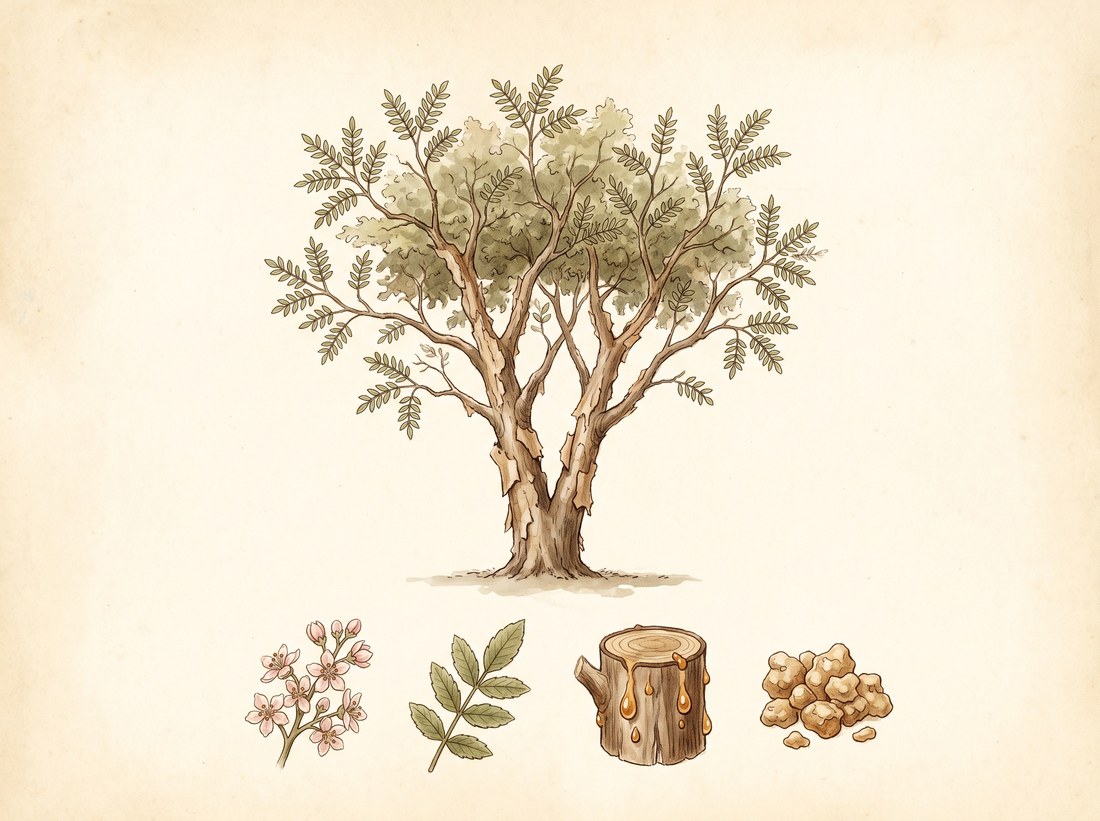 Indian frankincenseBoswellia serrata
The whole plate is in the library. The compass, Compare, the Sky of eleven hundred plants and the formulary open with an email address and a password, free, with the formula builder and its safety engine. Herbert without limit, his formulating, clients, the handouts and the labels are the paid room.
Open the library, free