Ayurvedic Herbalism
Himalayan wild cherry
Prunus cerasoides
Also known as bird cherry, sour cherry, wild Himalayan cherry, padmakashtha (heartwood, trade), Padmaka, Padmakashtha, Padmagandhi.
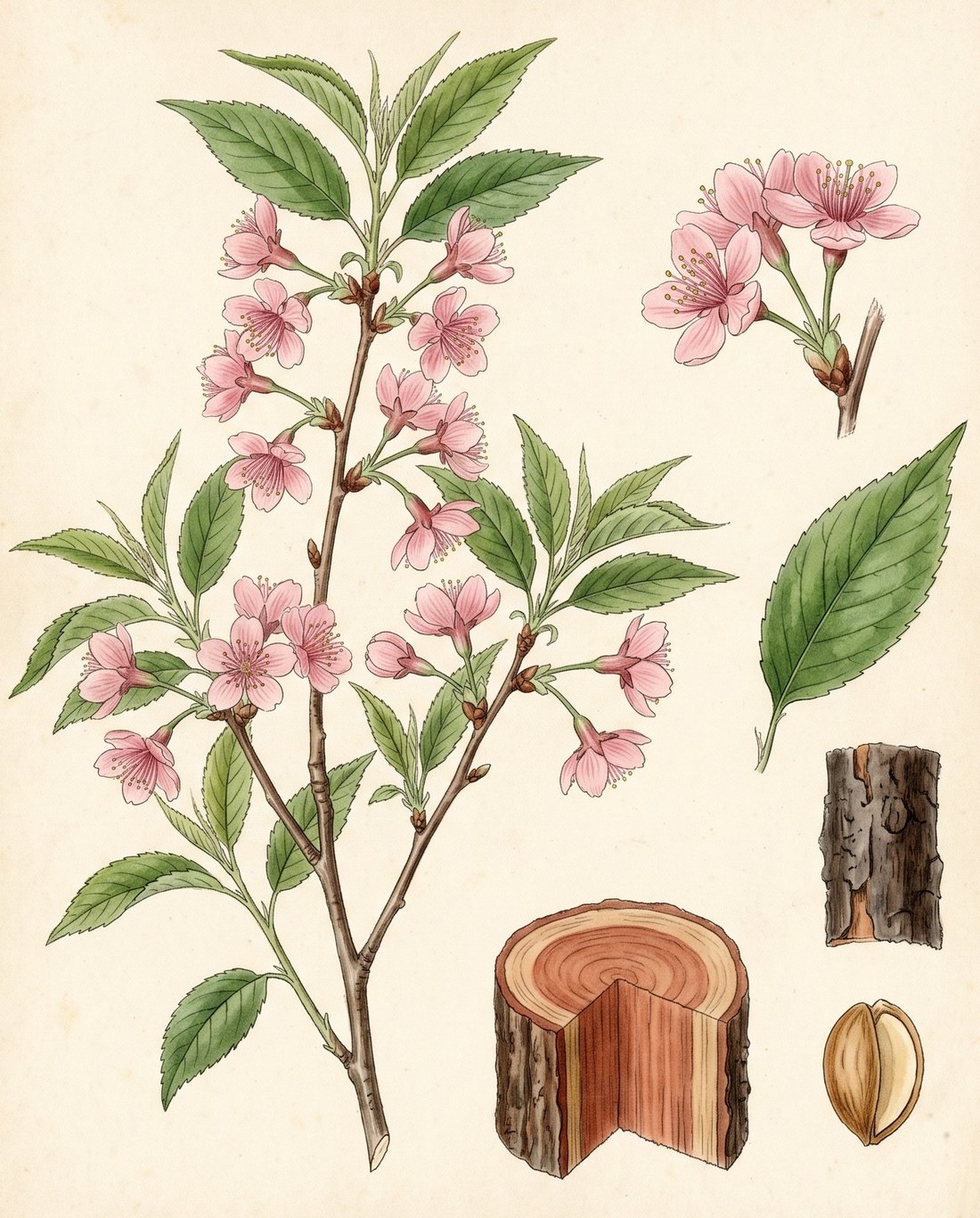
Prunus cerasoides is a deciduous cherry tree of the Himalaya from Kashmir through Nepal to Bhutan and the hills of northeast India and Burma, growing between about 1,000 and 2,500 meters and flowering pink in the autumn. The fragrant reddish heartwood, sold as Padmakashtha, is the drug Padmaka, which Ayurveda classes with sandalwood and lotus among the cooling, complexion improving drugs. It is a standard ingredient of the cooling skin oils, a remedy for bleeding and burning of pitta, and a traditional support in threatened pregnancy.

Ask Herbert about Himalayan wild cherry. Herbert is the master herbalist inside Bountiful Herbs: he answers from this plate and eleven hundred others, with dosing, pairing and cautions. Your first ten questions are free.
Ask HerbertActions
Indications what the tradition reached for it in
- Facial hyperpigmentation and melasma (topical, in Kumkumadi taila)
- Acne and pitta type skin eruptions
- Burning sensation of hands, feet or body
- Bleeding of pitta type (nosebleed, heavy periods)
- Fever with thirst and burning
- Nausea and vomiting of heat
- Threatened miscarriage with spotting (traditional, under supervision)
- Gout and hot inflamed joints
- Prickly heat and summer rashes
- Slow healing hot wounds
- Leukorrhea with heat (adjunct)
Specific indications
A pitta patient with blotchy facial pigmentation, hot flushed cheeks and oily skin who wants a cooling nightly oil
Burning of the palms and soles with restlessness and thirst in the hot season
Bright red bleeding from the nose or a heavy period in a warm, irritable constitution, calling for a cooling astringent
First trimester spotting in an anxious woman, where the tradition adds Padmaka to the supporting formula alongside medical care
Safety
The record lists 6 contraindications; open the plate in the library to read them in full.
In practice
The Ayurvedic practitioner uses Padmaka largely through the skin. It is one of the essential drugs of Kumkumadi taila, the saffron based face oil for pigmentation, acne scars and dull complexion, and of Chandanadi taila and Chandanabala lakshadi taila, the cooling oils for burning fevers, pitta headaches and the aching heat of vatarakta; a paste of the wood with sandalwood, Manjishtha and Yashtimadhu is the classical lepa for vyanga, the dark patches of the face.
In Ayurveda
Rasa: tikta (bitter), kashaya (astringent). Virya: sheeta (cooling). Vipaka: katu (pungent). Guna: laghu (light), ruksha (dry). Dosha: pacifies kapha and pitta; may aggravate vata in excess. Prabhava: garbhasthapana, the tradition's specific use of Padmaka to hold and steady a pregnancy. Karma: varnya (improves complexion); garbhasthapana (stabilizes pregnancy); raktapittahara (checks bleeding of pitta); dahaprashamana (relieves burning); jvarahara (reduces fever); kushthaghna (treats skin disease); vishaghna (counteracts poison); chhardinigrahana (stops vomiting); trishnanigrahana (relieves thirst); vranaropana (heals wounds); shothahara (reduces swelling); kaphapittahara (reduces kapha and pitta). Classical indications: raktapitta (bleeding disorders); daha (burning sensation); visarpa (spreading skin inflammation); kushtha (skin disease); jvara (fever); chhardi (vomiting); trishna (thirst); garbhasrava (threatened miscarriage); vyanga (facial pigmentation); vatarakta (gout); prameha (urinary disorders); vrana (wounds). The dried heartwood, fragrant and reddish, is the drug, given as coarse churna, as kwatha, and above all as an ingredient of cooling medicated oils and pastes for the skin and face; the bark is used similarly. The kernel is used externally for stones and gravel in a few regional traditions. Classical formulations: Kumkumadi taila, Chandanadi taila, Chandanabala lakshadi taila, Eladi churna, Mahamanjishthadi kwatha, Nyagrodhadi churna, Padmakadi kwatha, Ashokarishta (some versions). Described in: Charaka Samhita, Sushruta Samhita, Ashtanga Hridaya, Bhavaprakasha Nighantu, Dhanvantari Nighantu, Raja Nighantu, Kaiyadeva Nighantu, Ayurvedic Pharmacopoeia of India.
Dosing as the sources wrote it
| Preparation | As written | Metric |
|---|---|---|
| Churna | 3-6 g powdered heartwood twice daily with water or milk | 3000-6000 mg |
| Kwatha | 50-100 mL decoction twice daily | 50-100 mL |
| Kshirapaka | 3-5 g powder boiled in 200 mL milk once daily | 3000-5000 mg |
| Lepa, topical | 5-10 g paste applied to the face or skin at night | 5000-10000 mg |
| Taila, topical | 1-3 mL Kumkumadi or Chandanadi taila applied to the face at night | 1-3 mL |
Doses are reproduced from the sources for practitioners and are not a recommendation for any person.
From the sources
Overview. Prunus cerasoides is a deciduous cherry tree of the Himalaya from Kashmir through Nepal to Bhutan and the hills of northeast India and Burma, growing between about 1,000 and 2,500 meters and flowering pink in the autumn. The fragrant reddish heartwood, sold as Padmakashtha, is the drug Padmaka, which Ayurveda classes with sandalwood and lotus among the cooling, complexion improving drugs. It is a standard ingredient of the cooling skin oils, a remedy for bleeding and burning of pitta, and a traditional support in threatened pregnancy.
Clinical Notes. The Ayurvedic practitioner uses Padmaka largely through the skin. It is one of the essential drugs of Kumkumadi taila, the saffron based face oil for pigmentation, acne scars and dull complexion, and of Chandanadi taila and Chandanabala lakshadi taila, the cooling oils for burning fevers, pitta headaches and the aching heat of vatarakta; a paste of the wood with sandalwood, Manjishtha and Yashtimadhu is the classical lepa for vyanga, the dark patches of the face.
Ayurvedic Profile. Rasa: tikta (bitter), kashaya (astringent). Virya: sheeta (cooling). Vipaka: katu (pungent). Guna: laghu (light), ruksha (dry). Dosha: pacifies kapha and pitta; may aggravate vata in excess. Prabhava: garbhasthapana, the tradition's specific use of Padmaka to hold and steady a pregnancy.
In formulas
Himalayan wild cherry stands in 25 documented formulas in the library, among them Uśīrāsava, Candanāsava, Daśamūlāriṣṭa, Mṛtasaṅjīvanī Surā, Sārivādyāsava, Karpūrādyarka.
Often paired with
 Indian madderRubia cordifolia
 sandalwoodSantalum album
 cardamomElettaria cardamomum
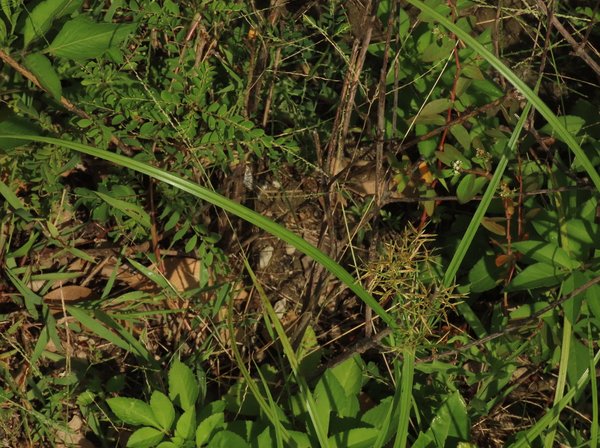 nut grassCyperus rotundus
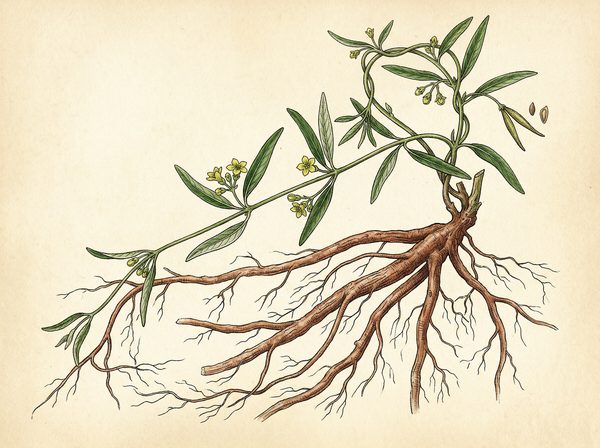 Indian sarsaparillaHemidesmus indicus
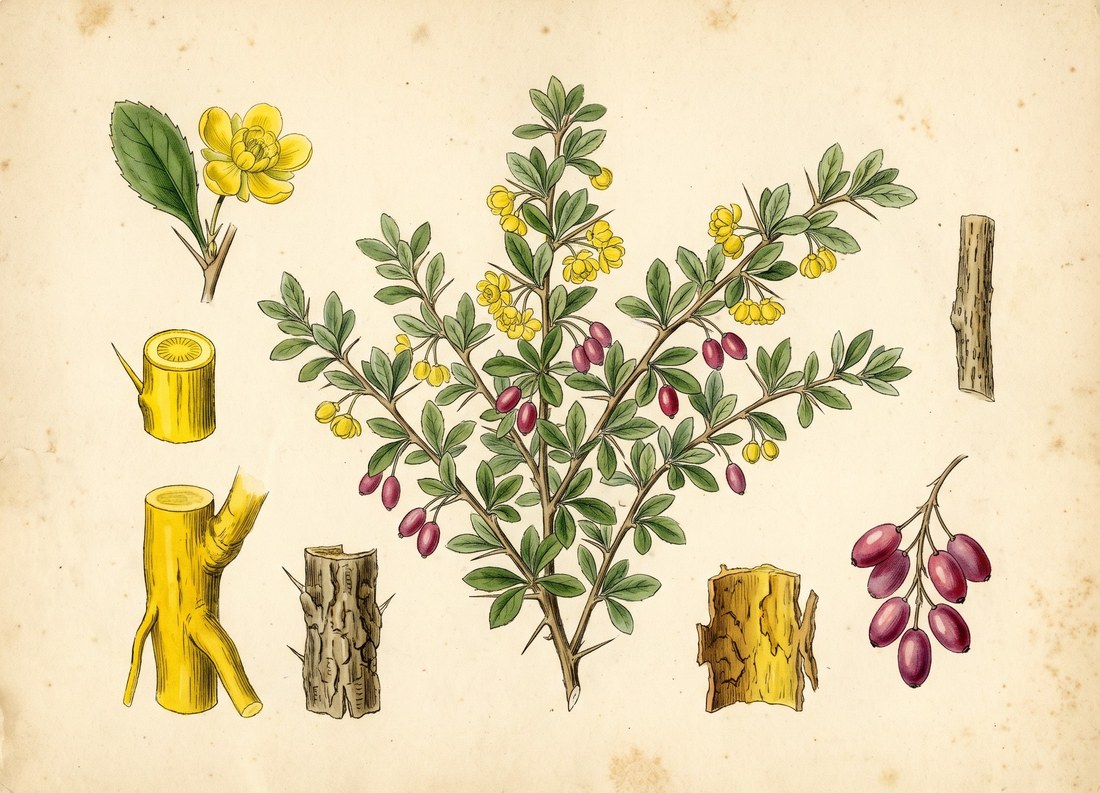 Indian barberryBerberis aristata
Nearby on the shelf
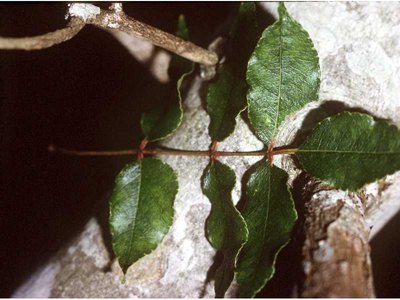 Hercules-clubZanthoxylum clava-herculis
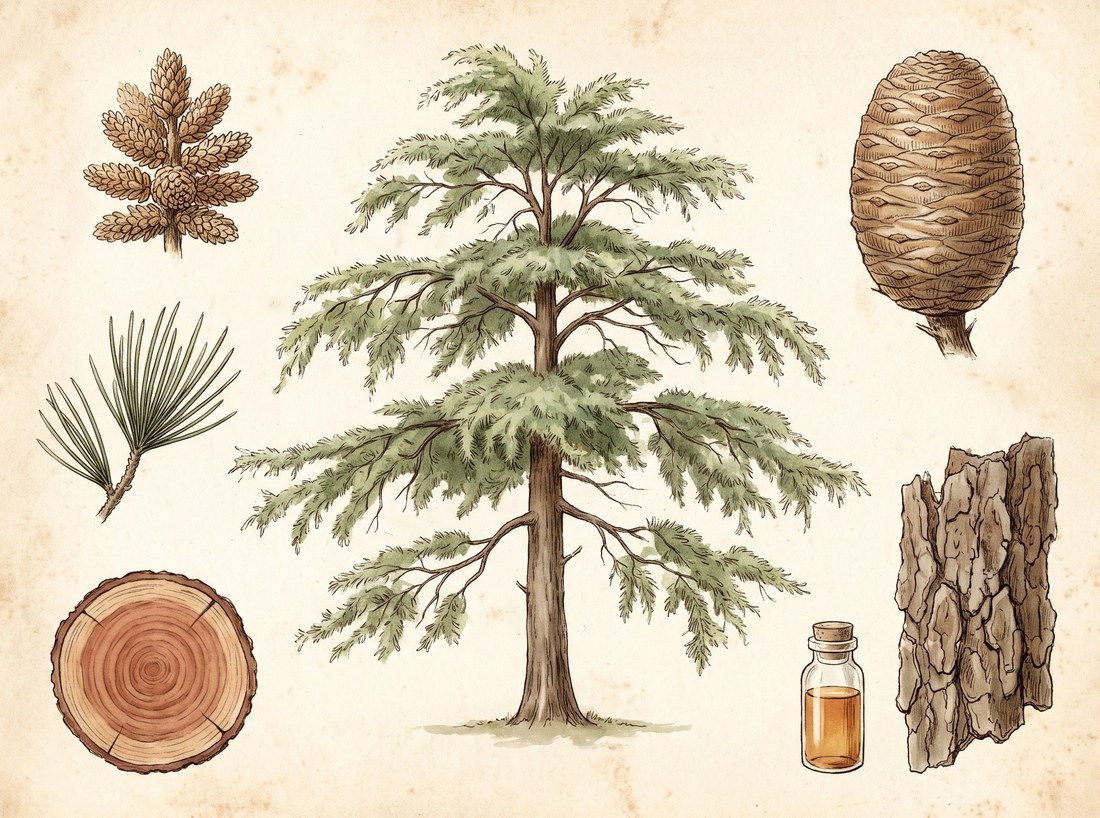 Himalayan cedarCedrus deodara
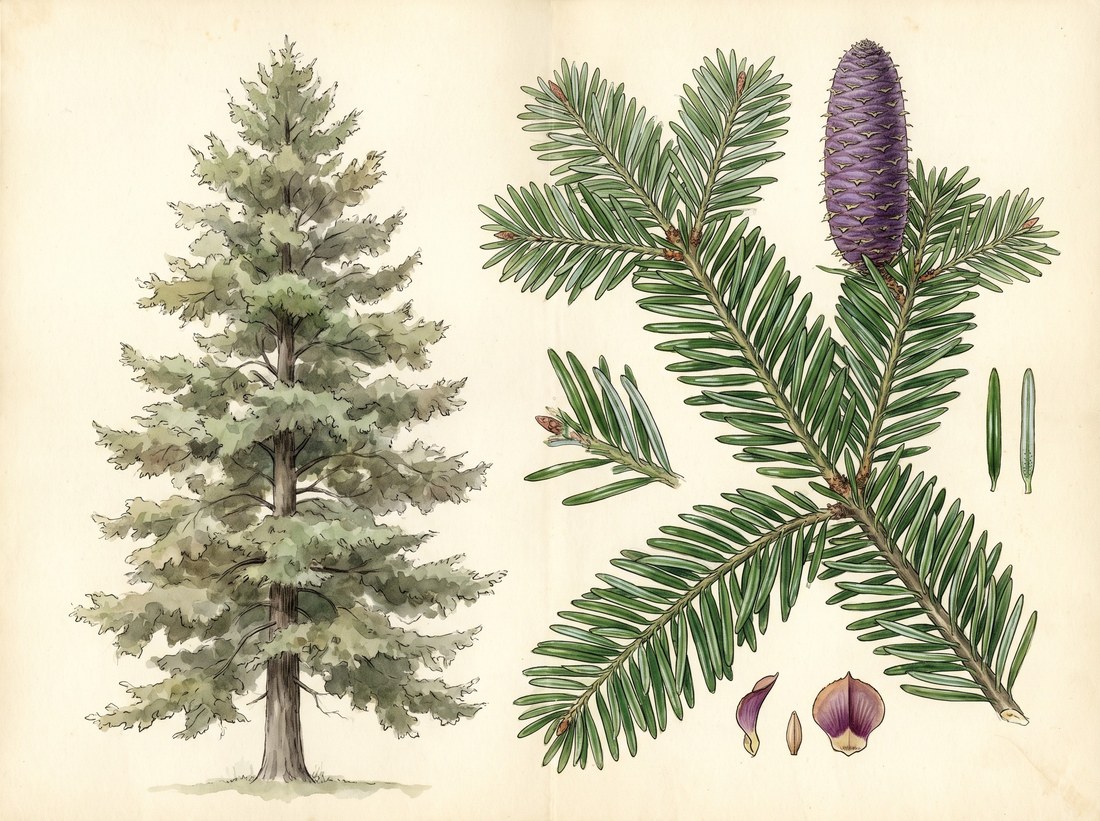 Himalayan silver firAbies webbiana
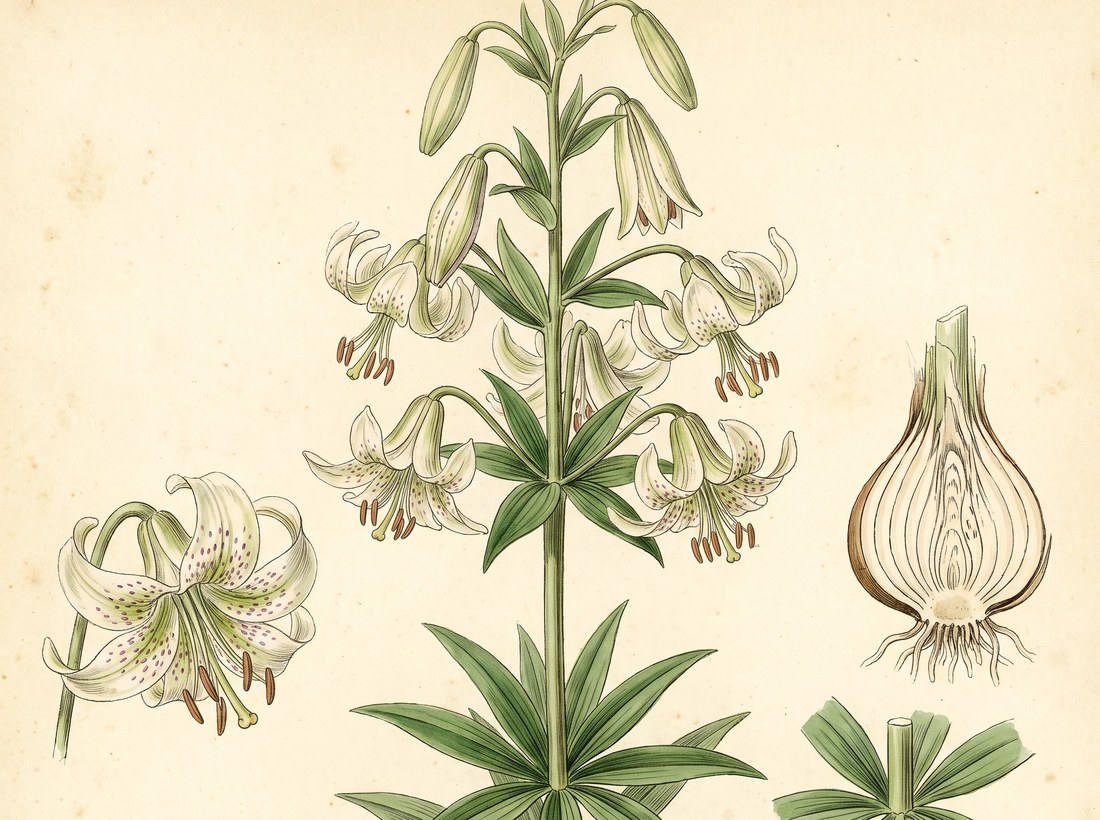 Himalayan white lilyLilium polyphyllum
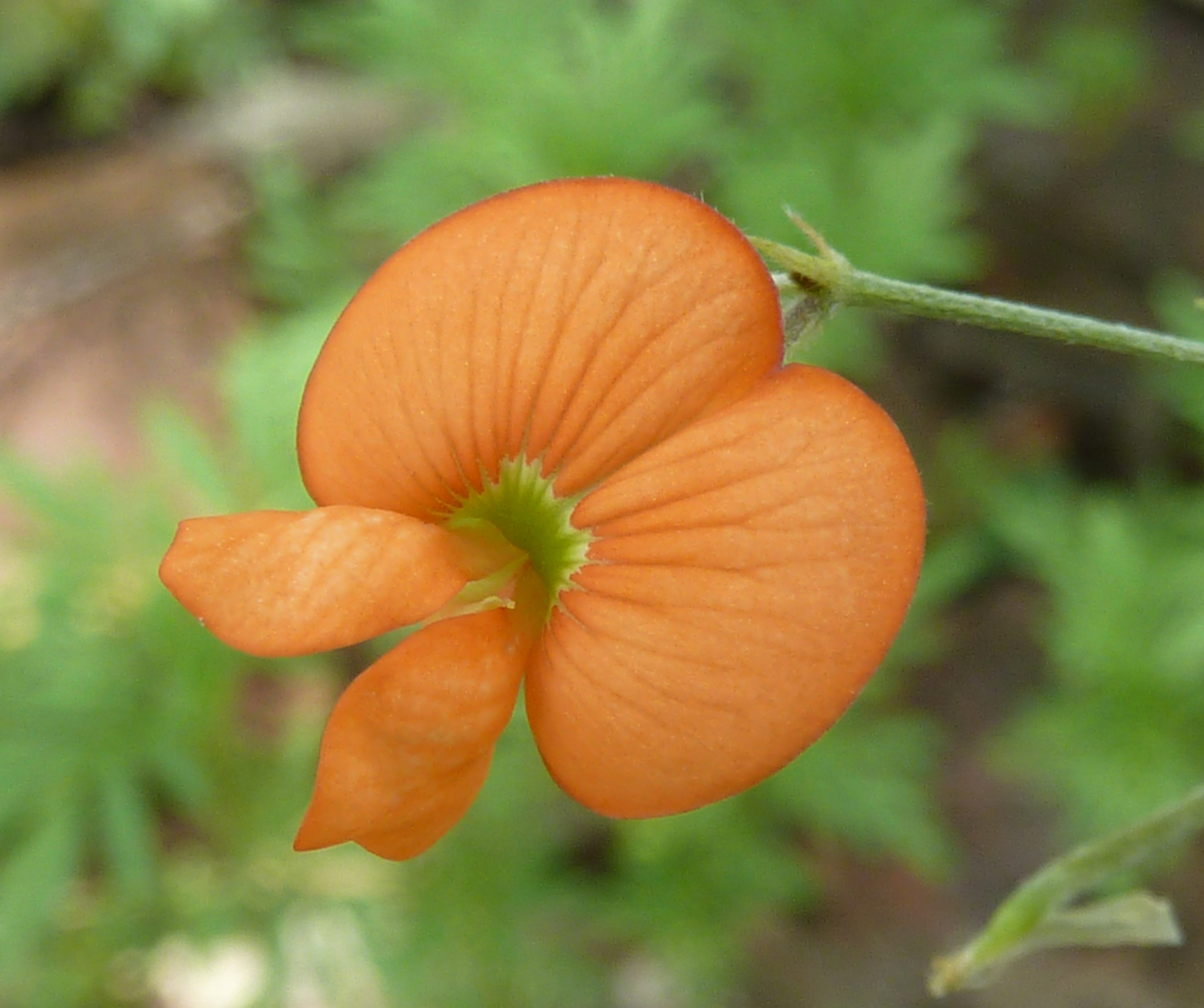 Hoary PeaTephrosia
 HollyhockAlthea rosea
 Holy basilOcimum tenuiflorum
 Honduras barkCascara Amarga
The whole plate is in the library. The compass, Compare, the Sky of eleven hundred plants and the formulary open with an email address and a password, free, with the formula builder and its safety engine. Herbert without limit, his formulating, clients, the handouts and the labels are the paid room.
Open the library, free