Ayurvedic Herbalism
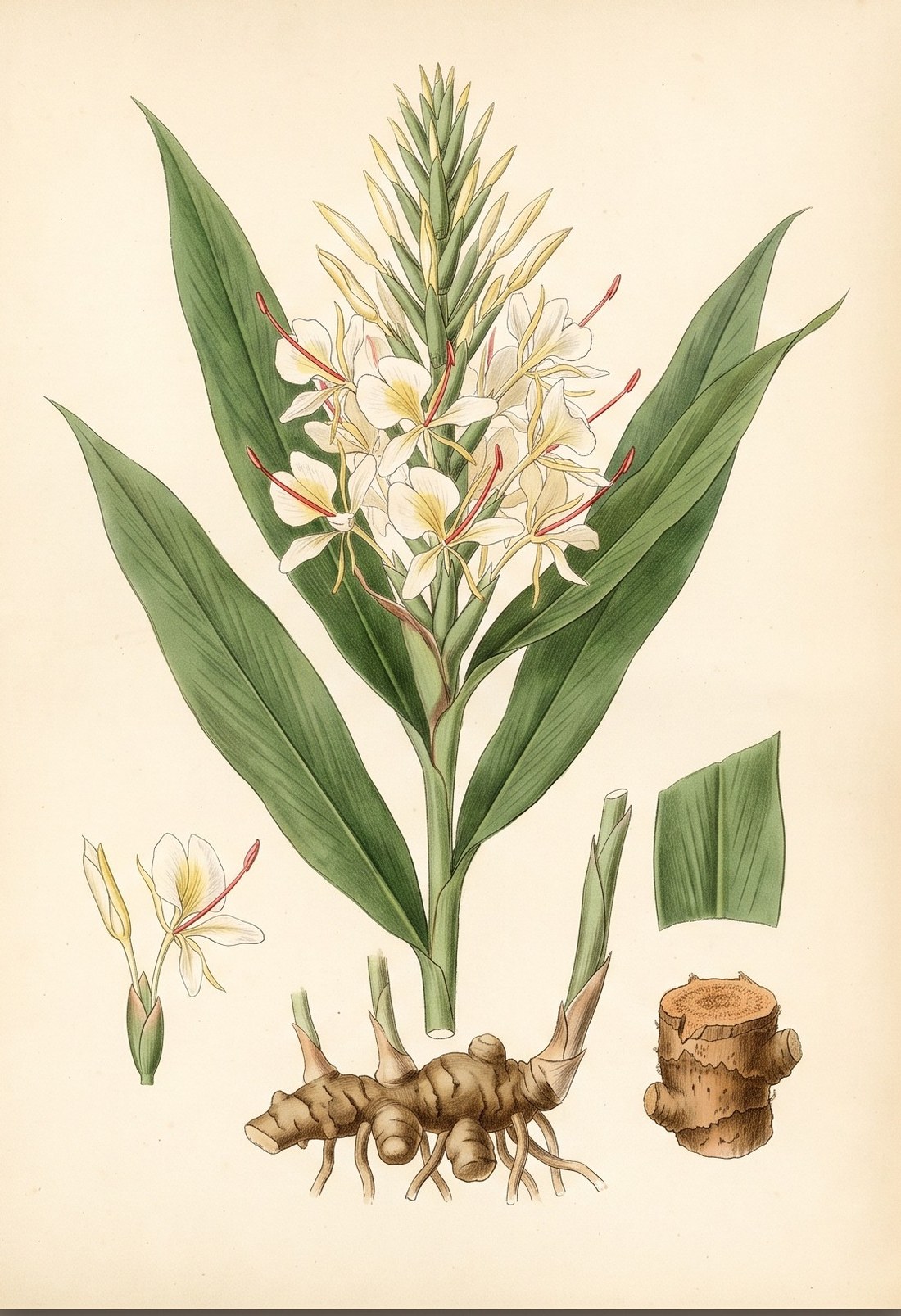
Spiked ginger lily
Hedychium spicatum
Also known as kapoor kachri, sanna, Himalayan ginger lily, Shati, Shatika, Gandhamulika.
Hedychium spicatum is a perennial ginger lily of the temperate Himalaya, growing in forest and on open slopes from Himachal Pradesh and Uttarakhand through Nepal to Sikkim and Bhutan between about 1,500 and 2,800 meters, with fragrant white flowers and a stout aromatic rhizome that smells of camphor. In Ayurveda the rhizome is Shati, a warming, aromatic drug for the chest and the digestion, and one of the classical ingredients of the great respiratory rasayanas such as Agastya haritaki and Chyawanprash. It is also the kapoor kachri of the north Indian bath and perfume trade.

Ask Herbert about Spiked ginger lily. Herbert is the master herbalist inside Bountiful Herbs: he answers from this plate and eleven hundred others, with dosing, pairing and cautions. Your first ten questions are free.
Ask HerbertActions
Indications what the tradition reached for it in
- Chronic cough with thick sputum
- Bronchial asthma with kapha congestion (adjunct)
- Hiccup
- Head cold and sinus congestion
- Chronic bronchitis in the elderly
- Loss of appetite with a coated tongue
- Flatulent colic
- Bad breath and oral hygiene
- Slow healing wounds (topical)
- Rheumatic joint pain (topical paste)
- Nausea during fever
- Halitosis and gum weakness (chewed rhizome)
Specific indications
An elderly patient with a wet, rattling winter cough, breathlessness on the stairs and a heavy chest that eases as the sputum comes up
Persistent hiccup with belching and a cold, gassy stomach
The kapha asthmatic whose attacks follow a head cold and who does well on warm, pungent aromatics between attacks
A patient with a coated tongue, no appetite and a bad taste in the mouth during convalescence from fever
Safety
Pregnancy: Avoid medicinal doses in pregnancy: no published safety class is known to us, the rhizome is heating and penetrating, and there are no human data; culinary and cosmetic use is acceptable.
The record lists 6 contraindications; open the plate in the library to read them in full.
In practice
The Ayurvedic practitioner uses Shati above all for kasa and shvasa of kapha: the chronic productive cough, the wheeze of the winter asthmatic, the hiccup and the head cold. The powder is given with honey, which is the anupana for kapha in the chest, or as a decoction with Pippali, Kantakari and Vasa; Shatyadi churna combines it with Pushkaramoola, Pippali and Amalaki for cough with breathlessness, and in Agastya haritaki rasayana and Vyaghri haritaki it is one of the aromatics that make the confection a long term tonic for chronic asthma and bronchitis.
In Ayurveda
Rasa: katu (pungent), tikta (bitter), kashaya (astringent). Virya: ushna (heating). Vipaka: katu (pungent). Guna: laghu (light), tikshna (penetrating). Dosha: pacifies kapha and vata; aggravates pitta in excess. Karma: kasahara (relieves cough); shvasahara (relieves dyspnea); hikkanigrahana (stops hiccup); deepana (kindles digestion); pachana (digestive); shulaghna (relieves colic); vedanasthapana (relieves pain); mukhashodhana (cleanses the mouth); vishaghna (counteracts poison); jvarahara (reduces fever); krimighna (anthelmintic); shothahara (reduces swelling); vranaropana (heals wounds). Classical indications: kasa (cough); shvasa (asthma and dyspnea); hikka (hiccup); pratishyaya (rhinitis and head cold); jvara (fever); aruchi (loss of appetite); shula (colic); mukharoga (mouth disease and bad breath); vrana (wounds); shotha (swelling); krimi (worms); arsha (hemorrhoids). The dried rhizome is the drug, sliced and given as churna with honey for cough and asthma, as kwatha, and as an ingredient of the great respiratory lehyas and rasayanas; the rhizome is also chewed for mouth cleansing, powdered into the aromatic body scrubs (ubtan) of the north, and applied as a paste to wounds and swellings. Classical formulations: Shatyadi churna, Shatyadi kwatha, Agastya haritaki rasayana, Vyaghri haritaki avaleha, Chyawanprash, Dashamoola katutraya kwatha (some versions), Kanakasava (regional versions), Shati ubtan (cosmetic). Described in: Charaka Samhita, Sushruta Samhita, Ashtanga Hridaya, Bhavaprakasha Nighantu, Dhanvantari Nighantu, Raja Nighantu, Kaiyadeva Nighantu, Ayurvedic Pharmacopoeia of India.
Dosing as the sources wrote it
| Preparation | As written | Metric |
|---|---|---|
| Churna | 1-3 g powdered rhizome twice daily with honey | 1000-3000 mg |
| Kwatha | 50-100 mL decoction twice daily | 50-100 mL |
| Avaleha (as part of Agastya haritaki) | 6-12 g confection once or twice daily with warm water | 6000-12000 mg |
| Kalka, topical | 5-10 g paste applied to wounds or painful joints once daily | 5000-10000 mg |
| Essential oil, inhalation | 2-4 drops in hot water for steam inhalation once or twice daily | 0.04-0.08 mL |
Doses are reproduced from the sources for practitioners and are not a recommendation for any person.
From the sources
Overview. Hedychium spicatum is a perennial ginger lily of the temperate Himalaya, growing in forest and on open slopes from Himachal Pradesh and Uttarakhand through Nepal to Sikkim and Bhutan between about 1,500 and 2,800 meters, with fragrant white flowers and a stout aromatic rhizome that smells of camphor. In Ayurveda the rhizome is Shati, a warming, aromatic drug for the chest and the digestion, and one of the classical ingredients of the great respiratory rasayanas such as Agastya haritaki and Chyawanprash. It is also the kapoor kachri of the north Indian bath and perfume trade.
Clinical Notes. The Ayurvedic practitioner uses Shati above all for kasa and shvasa of kapha: the chronic productive cough, the wheeze of the winter asthmatic, the hiccup and the head cold. The powder is given with honey, which is the anupana for kapha in the chest, or as a decoction with Pippali, Kantakari and Vasa; Shatyadi churna combines it with Pushkaramoola, Pippali and Amalaki for cough with breathlessness, and in Agastya haritaki rasayana and Vyaghri haritaki it is one of the aromatics that make the confection a long term tonic for chronic asthma and bronchitis.
Ayurvedic Profile. Rasa: katu (pungent), tikta (bitter), kashaya (astringent). Virya: ushna (heating). Vipaka: katu (pungent). Guna: laghu (light), tikshna (penetrating). Dosha: pacifies kapha and vata; aggravates pitta in excess.
Conservation. Wild populations in the western Himalaya are declining through overcollection of the rhizome for the aromatic and medicinal trade; several Indian state assessments list it as vulnerable, so cultivated material is preferred.
In formulas
Spiked ginger lily stands in 29 documented formulas in the library, among them Aravindāsava, Uśīrāsava, Candanāsava, Daśamūlāriṣṭa, Mṛtasaṅjīvanī Surā, Mṛdvīkāriṣṭa.
Often paired with
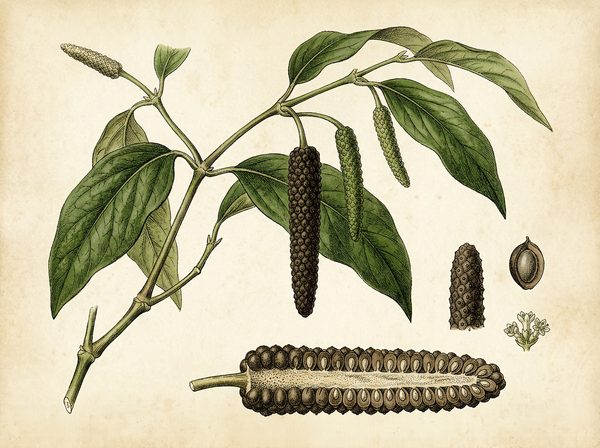 long pepperPiper longum
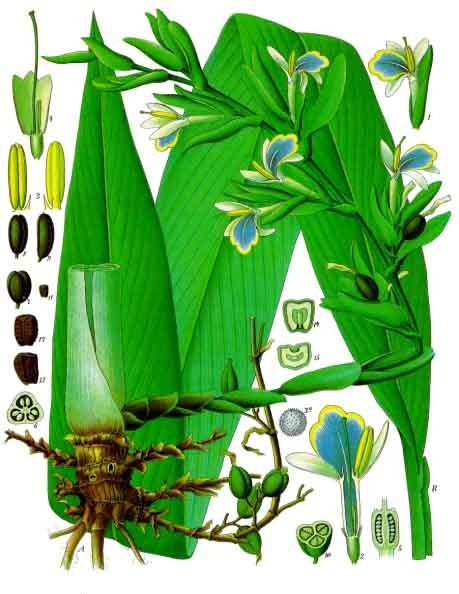 cardamomElettaria cardamomum
 nut grassCyperus rotundus
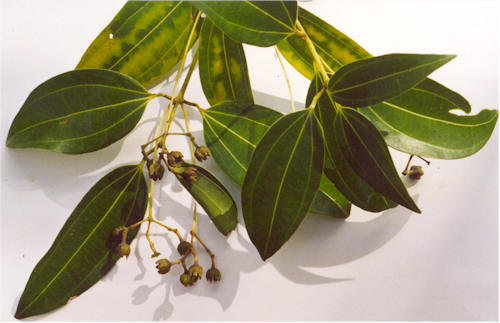 Ceylon cinnamonCinnamomum zeylanicum
 chebulic myrobalanTerminalia chebula
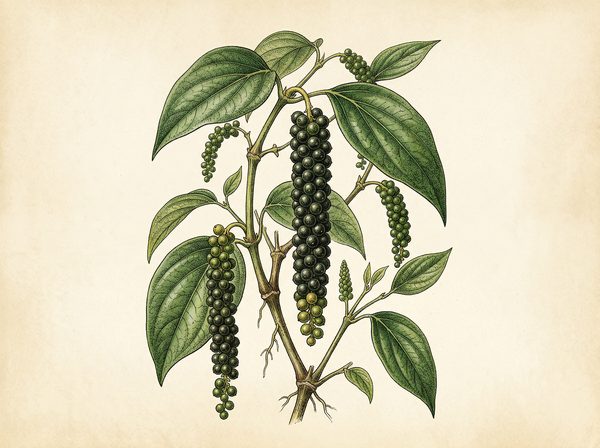 black pepperPiper nigrum
Nearby on the shelf
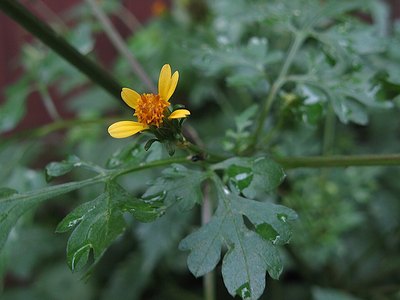 Spanish needlesBidens bipinnata
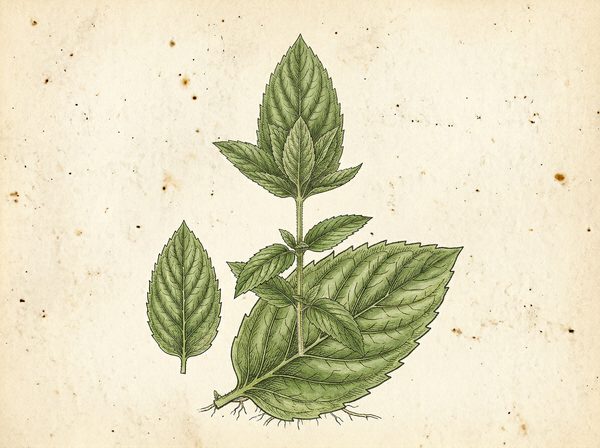 SpearmintMentha spicata
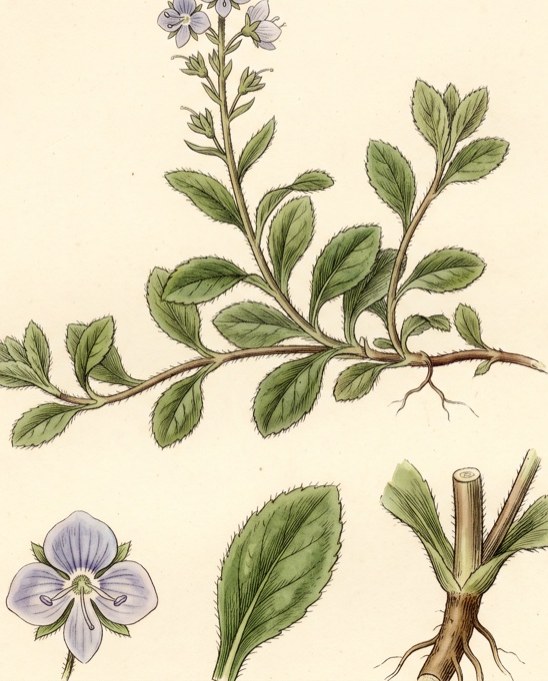 SpeedwellVeronica officinalis
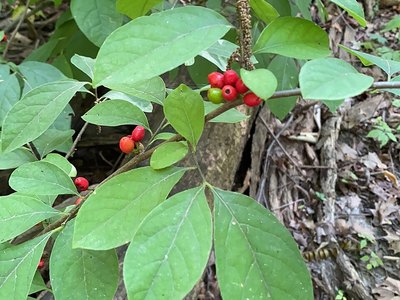 SpicebushBenzoin odoriferum
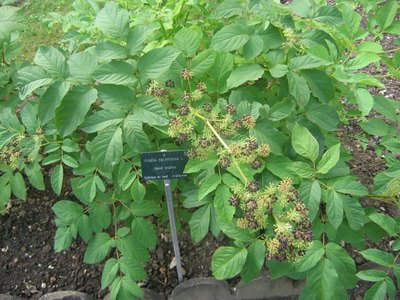 SpikenardAralia Racemosa
 SpirulinaArthrospira platensis
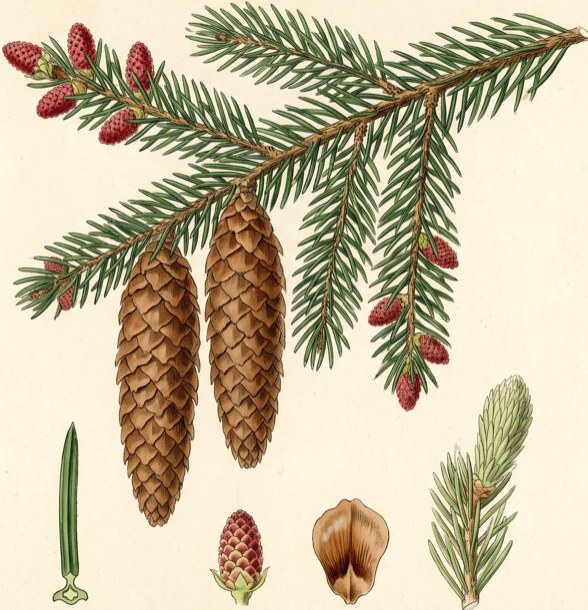 SprucePicea abies
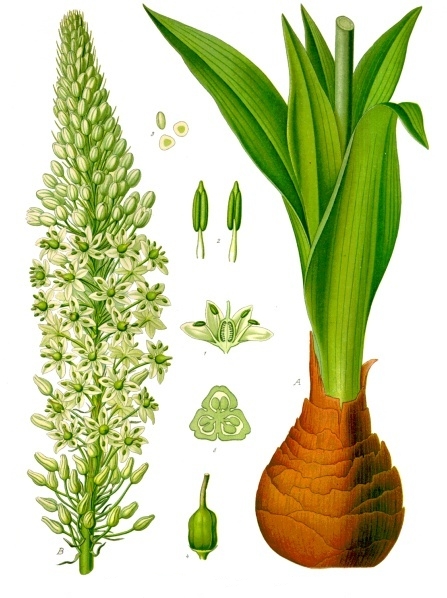 SquillDrimia maritima
The whole plate is in the library. The compass, Compare, the Sky of eleven hundred plants and the formulary open with an email address and a password, free, with the formula builder and its safety engine. Herbert without limit, his formulating, clients, the handouts and the labels are the paid room.
Open the library, free