Ayurvedic Herbalism
Hribera
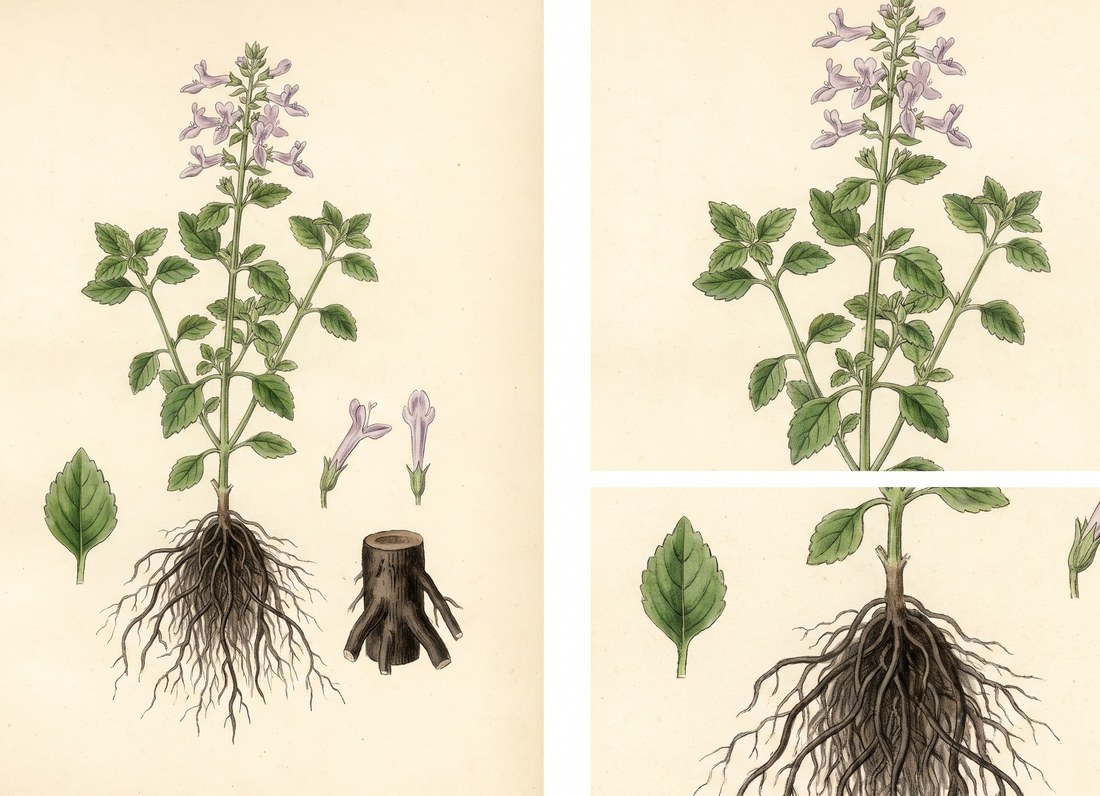
Coleus vettiveroides
Also known as black vetiver, vetiver-like coleus, iruveli, Hribera, Hrivera, Udichya.
Coleus vettiveroides is a small aromatic herb of the mint family, known only in cultivation and semi-cultivation in Tamil Nadu and Kerala, grown for its dense mass of fragrant, dark fibrous roots that smell like vetiver, hence the name. Ayurveda knows the root as Hribera or Udichya, one of the six cooling herbs of Shadanga paniya, the fever water of the Charaka Samhita, and uses it for fever, thirst, burning, diarrhea and vomiting of pitta origin. It is one of the most valued cooling roots of southern practice and one whose botanical identity has shifted over the centuries.

Ask Herbert about Hribera. Herbert is the master herbalist inside Bountiful Herbs: he answers from this plate and eleven hundred others, with dosing, pairing and cautions. Your first ten questions are free.
Ask HerbertActions
Indications what the tradition reached for it in
- Fever with thirst, burning and restlessness
- Heat exhaustion and summer fevers
- Diarrhea with fever in children
- Nausea and vomiting with heat
- Burning urination
- Bleeding of pitta type with fever (adjunct)
- Inflamed, burning skin eruptions (topical)
- Headache with fever (paste to the forehead)
- Indigestion with heat and nausea
- Mild hypertension of pitta type (traditional, Siddha use)
- Convalescence after febrile illness with lingering thirst
Specific indications
A hot, thirsty, restless patient with fever, burning eyes and a dry mouth who cannot keep water down, for whom the cooled six herb water is sipped through the day
Summer diarrhea with fever and nausea in a child, where a mild, fragrant, cooling astringent is wanted rather than a strong binding drug
Burning micturition with low fever and heat signs in a pitta constitution
Throbbing headache with fever, relieved by a cool paste of the root on the forehead
Safety
The record lists 7 contraindications; open the plate in the library to read them in full.
In practice
Hribera is a fever herb, and its classical setting is Shadanga paniya: equal parts of Hribera, Musta, Parpataka, Ushira, Chandana and Shunthi are boiled in water, reduced by half, cooled and given as the only drink through a fever to relieve thirst, burning and restlessness and to digest ama without heating.
In Ayurveda
Rasa: tikta (bitter), katu (pungent). Virya: sheeta (cooling). Vipaka: katu (pungent). Guna: laghu (light), ruksha (dry). Dosha: pacifies all three doshas, pitta and kapha most. Karma: pachana (digests ama); deepana (kindles digestion); jvaraghna (relieves fever); dahaprashamana (relieves burning); trishnanigrahana (relieves thirst); grahi (absorbs, binds the stool); chardinigrahana (stops vomiting); raktashodhana (cleanses blood); mutrala (diuretic); tridoshahara (pacifies all three doshas). Classical indications: jvara (fever); trishna (thirst in fever); daha (burning sensation); atisara (diarrhea); chardi (vomiting); raktapitta (bleeding disorders); visarpa (spreading skin inflammation); kushtha (skin disease); hrillasa (nausea); mutrakrichra (dysuria); shiroroga (headache with fever). The fragrant, blackish fibrous root is the drug, used dried in kwatha and above all in the cold water preparations for fever and thirst: Shadanga paniya, the six herb water of the Charaka Samhita, in which Hribera joins Musta, Parpataka, Ushira, Chandana and Shunthi. It is also given as churna with honey or rice water for diarrhea and vomiting, and in medicated oils and pastes for burning skin conditions and headache. Classical formulations: Shadanga paniya, Hriberadi kwatha, Hriberadi churna, Chandanadi taila, Chandanadi lauha (as a companion herb), Balachaturbhadra churna (regional recipes), Amritarishta. Described in: Charaka Samhita, Sushruta Samhita, Ashtanga Hridaya, Bhavaprakasha Nighantu, Dhanvantari Nighantu, Raja Nighantu, Kaiyadeva Nighantu, Ayurvedic Pharmacopoeia of India.
Dosing as the sources wrote it
| Preparation | As written | Metric |
|---|---|---|
| Churna | 1-3 g root powder twice daily with honey or rice water | 1000-3000 mg |
| Kwatha | 30-60 mL root decoction twice daily | 30-60 mL |
| Shadanga paniya | 50-100 mL cooled six herb decoction sipped several times daily during fever | 50-100 mL |
| Sheeta kashaya (cold infusion) | 100-200 mL cold infusion of root once or twice daily | 100-200 mL |
| Kalka, topical | 5-10 g root paste applied to the forehead or inflamed skin | 5000-10000 mg |
Doses are reproduced from the sources for practitioners and are not a recommendation for any person.
From the sources
Overview. Coleus vettiveroides is a small aromatic herb of the mint family, known only in cultivation and semi-cultivation in Tamil Nadu and Kerala, grown for its dense mass of fragrant, dark fibrous roots that smell like vetiver, hence the name. Ayurveda knows the root as Hribera or Udichya, one of the six cooling herbs of Shadanga paniya, the fever water of the Charaka Samhita, and uses it for fever, thirst, burning, diarrhea and vomiting of pitta origin. It is one of the most valued cooling roots of southern practice and one whose botanical identity has shifted over the centuries.
Clinical Notes. Hribera is a fever herb, and its classical setting is Shadanga paniya: equal parts of Hribera, Musta, Parpataka, Ushira, Chandana and Shunthi are boiled in water, reduced by half, cooled and given as the only drink through a fever to relieve thirst, burning and restlessness and to digest ama without heating.
Ayurvedic Profile. Rasa: tikta (bitter), katu (pungent). Virya: sheeta (cooling). Vipaka: katu (pungent). Guna: laghu (light), ruksha (dry). Dosha: pacifies all three doshas, pitta and kapha most. Karma: pachana (digests ama); deepana (kindles digestion); jvaraghna (relieves fever); dahaprashamana (relieves burning); trishnanigrahana (relieves thirst); grahi (absorbs, binds the stool); chardinigrahana (stops vomiting); raktashodhana (cleanses blood); mutrala (diuretic); tridoshahara (pacifies all three doshas).
In formulas
Hribera stands in 24 documented formulas in the library, among them Uśīrāsava, Candanāsava, Lohāsava, Karpūrādyarka, Kuṭajāvaleha, Jīrakādi Modaka.
Often paired with
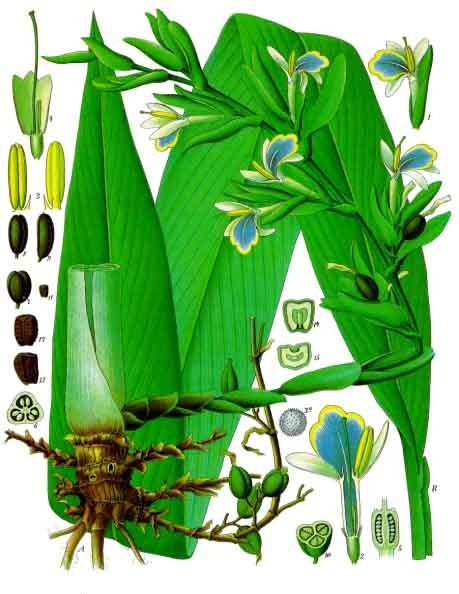 cardamomElettaria cardamomum
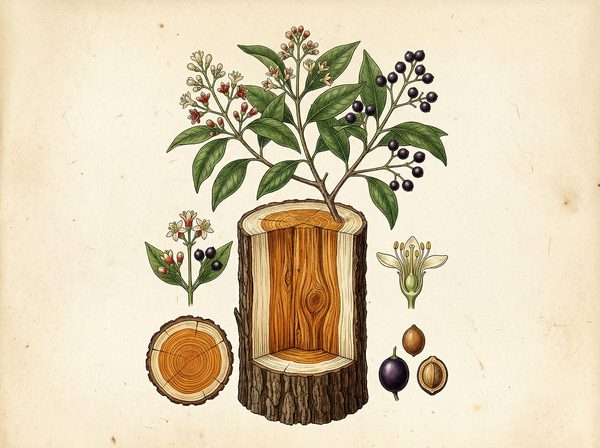 sandalwoodSantalum album
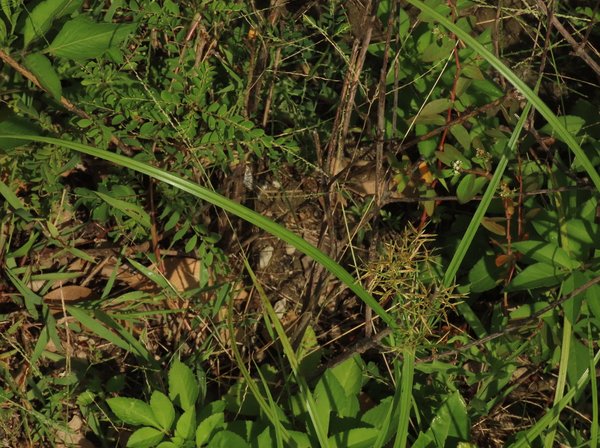 nut grassCyperus rotundus
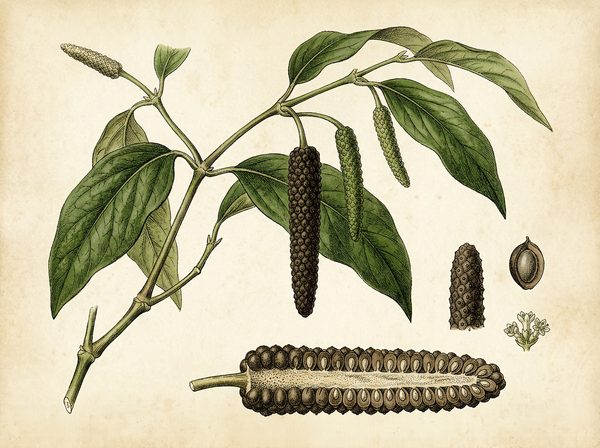 long pepperPiper longum
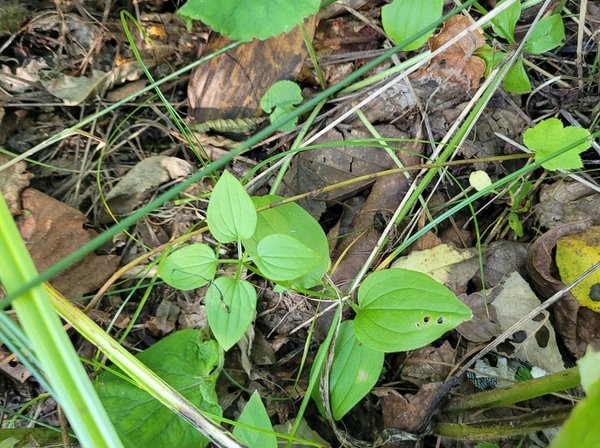 Indian madderRubia cordifolia
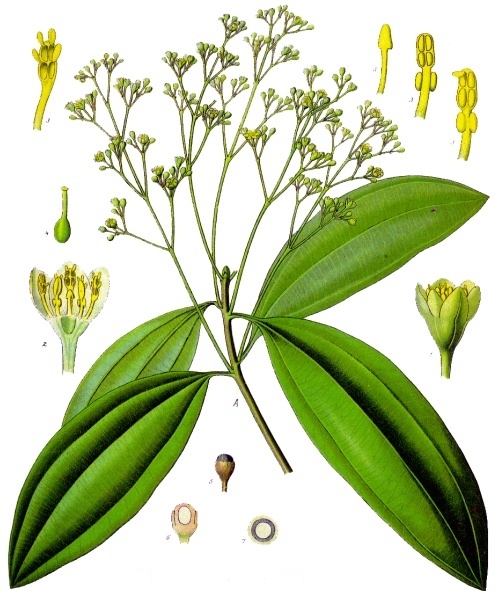 Indian bay leafCinnamomum tamala
Nearby on the shelf
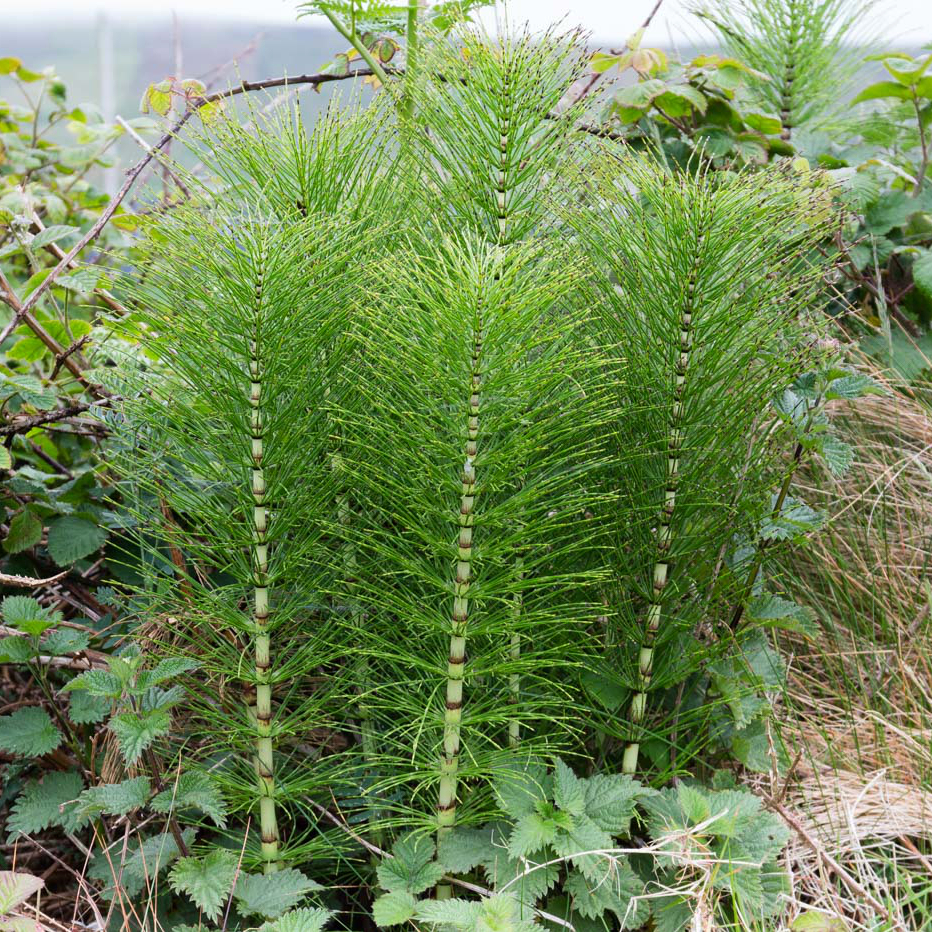 HorsetailEquisetum arvense
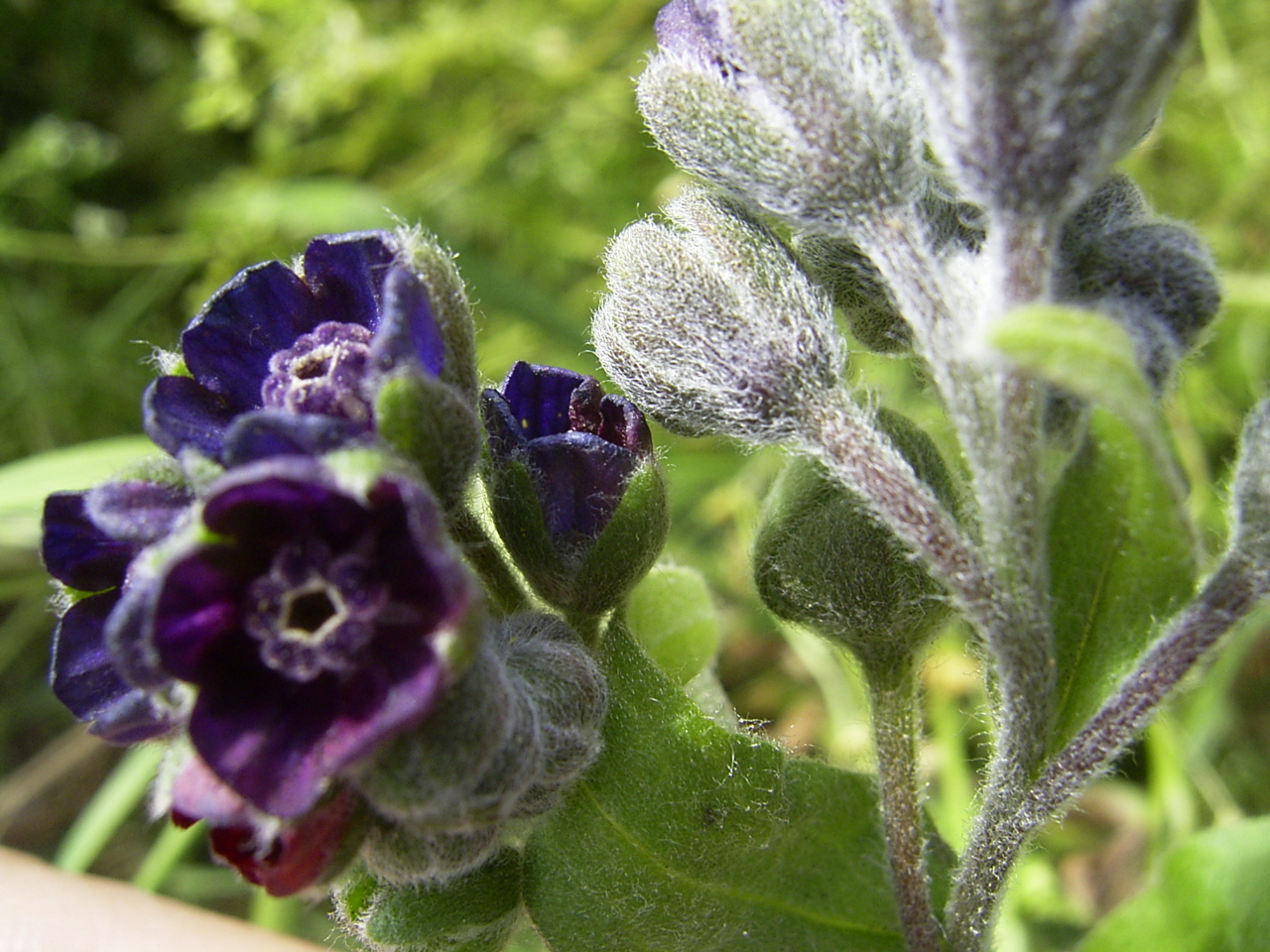 Hound's TongueCynoglossum
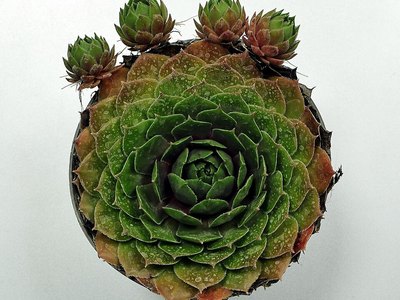 House leekSempervivum tectorum
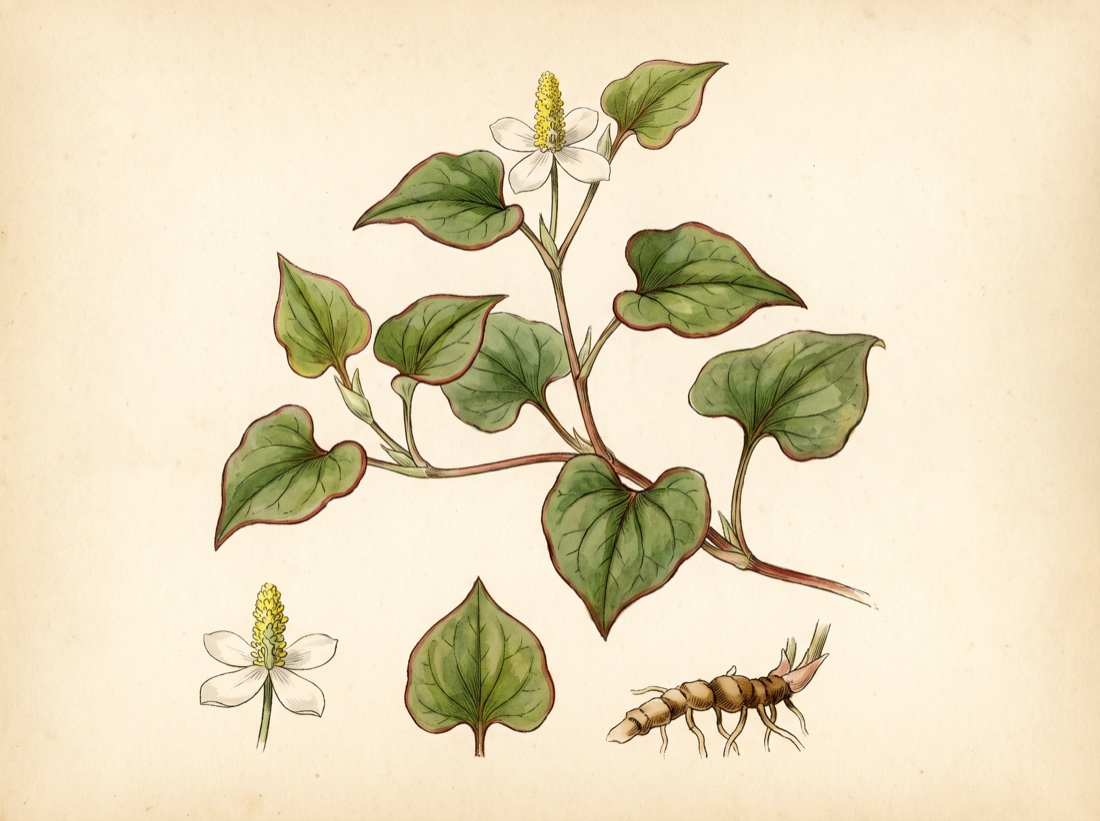 HouttuyniaHouttuynia cordata
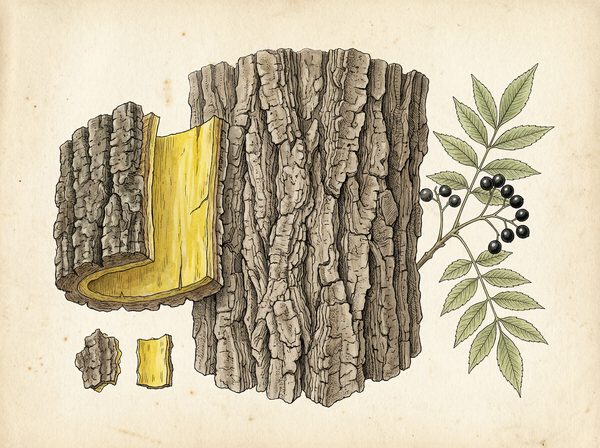 Huang BaiPhellodendron amurense
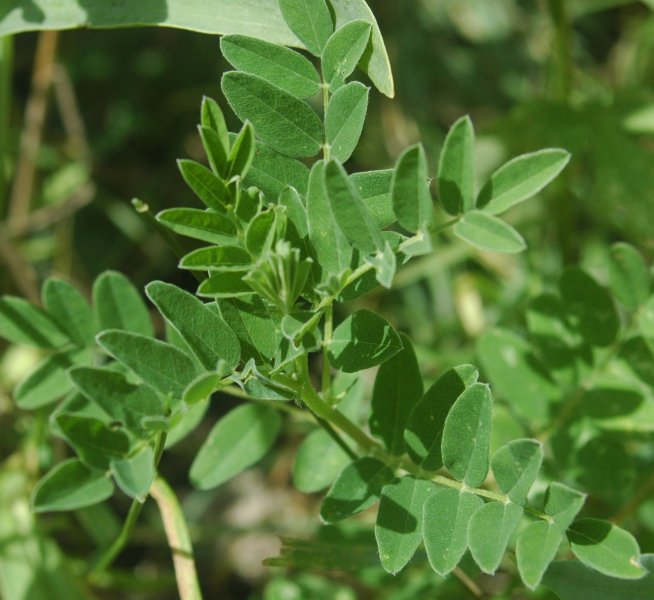 Huang QiAstragalus propinquus
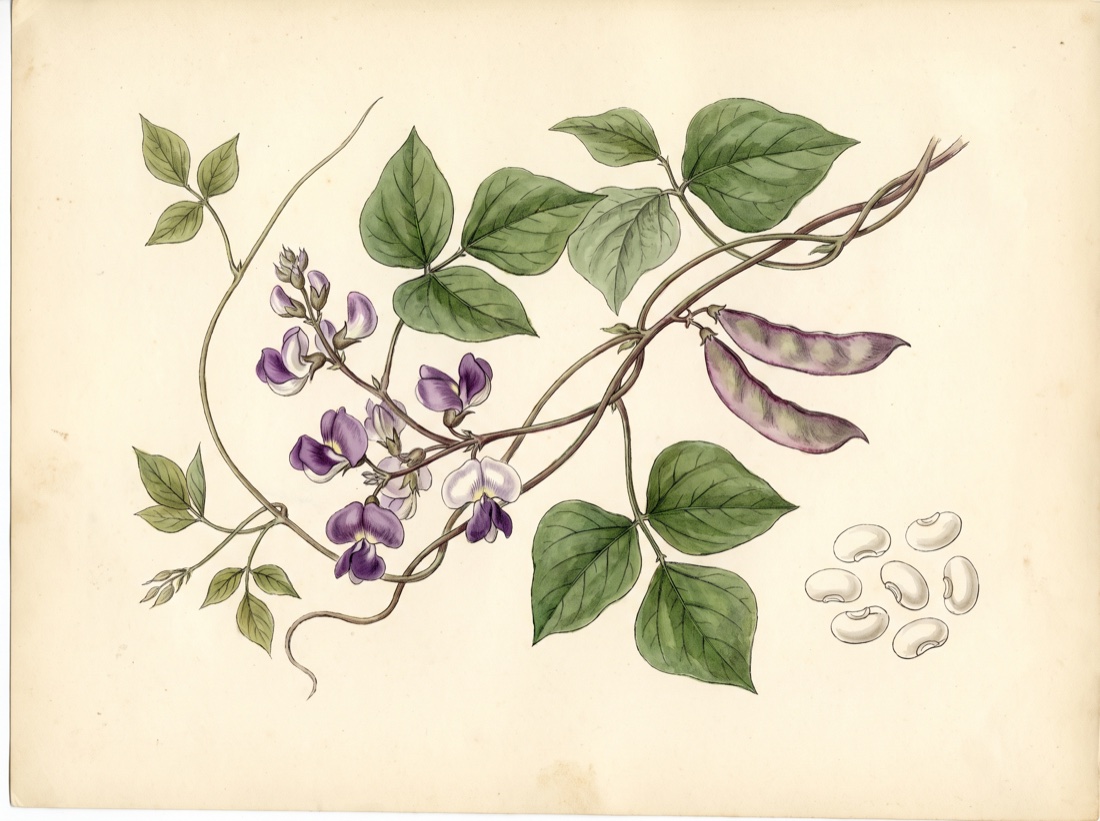 Hyacinth beanLablab purpureus
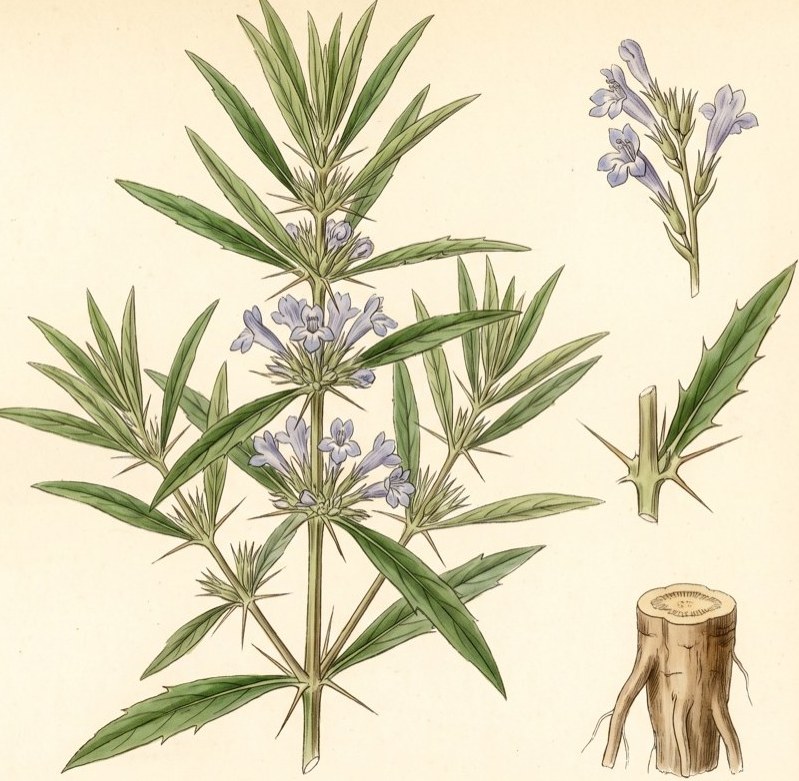 HygrophilaHygrophilia spinosa
The whole plate is in the library. The compass, Compare, the Sky of eleven hundred plants and the formulary open with an email address and a password, free, with the formula builder and its safety engine. Herbert without limit, his formulating, clients, the handouts and the labels are the paid room.
Open the library, free