Ayurvedic Herbalism
Crab's claw
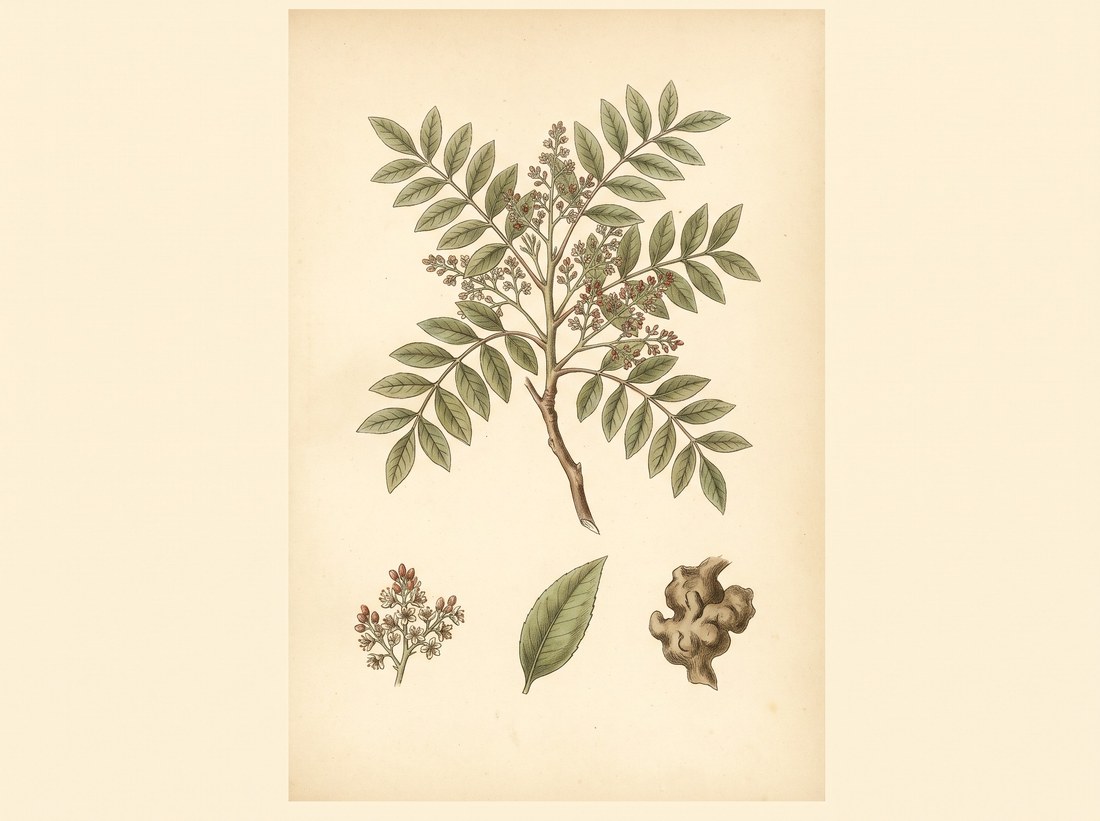
Pistacia integerrima
Also known as zebrawood, kakar singi, Himalayan pistachio galls, Karkatashringi, Shringi, Kulira shringi.
Pistacia integerrima, now treated as a subspecies of Pistacia chinensis, is a deciduous tree of the northwestern Himalaya, growing on dry slopes between about 600 and 2,400 meters from Kashmir through Himachal Pradesh and Uttarakhand into Pakistan and Afghanistan. The drug is not the wood or fruit but the hollow, horn-shaped galls that aphids raise on its leaves; these are Karkatashringi, the crab's claw of the Ayurvedic pharmacy, a warming astringent for cough, fever and diarrhea and one of the foremost pediatric remedies of the tradition.

Ask Herbert about Crab's claw. Herbert is the master herbalist inside Bountiful Herbs: he answers from this plate and eleven hundred others, with dosing, pairing and cautions. Your first ten questions are free.
Ask HerbertActions
Indications what the tradition reached for it in
- Cough in infants and children
- Fever with cough and diarrhea in children
- Bronchial asthma with allergic features
- Chronic bronchitis with loose cough
- Hiccup and eructation
- Diarrhea with vomiting
- Whooping cough (traditional)
- Wasting with chronic cough
- Loss of appetite after fever
- Allergic rhinitis with cough
Specific indications
The infant or toddler with fever, a loose cough and watery stools together, the picture Balachaturbhadra churna was made for
A kapha-vata child who coughs through the night in the cold season and vomits with the coughing
An adult asthmatic whose wheeze is set off by dust and pollen and who has a tickling, hacking cough between attacks
Persistent hiccup or belching after a bout of fever or gastroenteritis
Safety
The record lists 5 contraindications; open the plate in the library to read them in full.
In practice
Karkatashringi is the pediatrician's herb of Ayurveda. Whenever a small child has fever with cough, or cough with vomiting and loose stools, the practitioner reaches for Balachaturbhadra churna, in which the galls are ground with Pippali, Ativisha and Musta and given in pinches with honey several times a day.
In Ayurveda
Rasa: kashaya (astringent), tikta (bitter), katu (pungent). Virya: ushna (heating). Vipaka: katu (pungent). Guna: laghu (light), ruksha (dry). Dosha: pacifies kapha and vata; may aggravate pitta in excess. Karma: kasahara (relieves cough); shvasahara (relieves dyspnea); hikkanigrahana (relieves hiccup); jvaraghna (reduces fever); grahi (binds the stool); deepana (kindles digestion); chhardinigrahana (checks vomiting); trishnanigrahana (relieves thirst); kaphavatahara (pacifies kapha and vata); balya (strengthening, especially in children). Classical indications: kasa (cough); shvasa (dyspnea, asthma); hikka (hiccup); jvara (fever); balajvara (fever in children); atisara (diarrhea); chhardi (vomiting); aruchi (loss of appetite); kshaya (wasting, consumption); trishna (thirst); urdhvavata (upward moving vata, eructation). The horn-shaped hollow galls that insects raise on the leaves are collected in autumn, dried and powdered. They are given as churna with honey, as a decoction, in the pediatric Balachaturbhadra churna with Pippali, Ativisha and Musta, and as one of many ingredients in Chyawanprash and the cough avalehas. Classical formulations: Balachaturbhadra churna, Shringyadi churna, Karkatashringi churna, Chyawanprash, Vyaghri haritaki avaleha, Kantakaryavaleha, Dashamoolarishta. Described in: Charaka Samhita, Sushruta Samhita, Ashtanga Hridaya, Bhavaprakasha Nighantu, Dhanvantari Nighantu, Raja Nighantu, Kaiyadeva Nighantu, Ayurvedic Pharmacopoeia of India.
Dosing as the sources wrote it
| Preparation | As written | Metric |
|---|---|---|
| Churna (adult) | 1-3 g powdered gall twice daily with honey | 1000-3000 mg |
| Churna (child, Balachaturbhadra) | 250-500 mg powdered gall or compound powder two to three times daily with honey | 250-500 mg |
| Kwatha | 30-60 mL gall decoction twice daily | 30-60 mL |
| Avaleha | 5-10 g twice daily with warm water | 5000-10000 mg |
Doses are reproduced from the sources for practitioners and are not a recommendation for any person.
From the sources
Overview. Pistacia integerrima, now treated as a subspecies of Pistacia chinensis, is a deciduous tree of the northwestern Himalaya, growing on dry slopes between about 600 and 2,400 meters from Kashmir through Himachal Pradesh and Uttarakhand into Pakistan and Afghanistan. The drug is not the wood or fruit but the hollow, horn-shaped galls that aphids raise on its leaves; these are Karkatashringi, the crab's claw of the Ayurvedic pharmacy, a warming astringent for cough, fever and diarrhea and one of the foremost pediatric remedies of the tradition.
Clinical Notes. Karkatashringi is the pediatrician's herb of Ayurveda. Whenever a small child has fever with cough, or cough with vomiting and loose stools, the practitioner reaches for Balachaturbhadra churna, in which the galls are ground with Pippali, Ativisha and Musta and given in pinches with honey several times a day.
Ayurvedic Profile. Rasa: kashaya (astringent), tikta (bitter), katu (pungent). Virya: ushna (heating). Vipaka: katu (pungent). Guna: laghu (light), ruksha (dry). Dosha: pacifies kapha and vata; may aggravate pitta in excess.
In formulas
Crab's claw stands in 11 documented formulas in the library, among them Kuṭajāriṣta, Daśamūlāriṣṭa, Kaṇṭakāryavaleha, Cyavanaprāśa, Śivā Guṭikā, Vastyāmayāntaka Ghṛta.
Often paired with
 long pepperPiper longum
 cardamomElettaria cardamomum
 nut grassCyperus rotundus
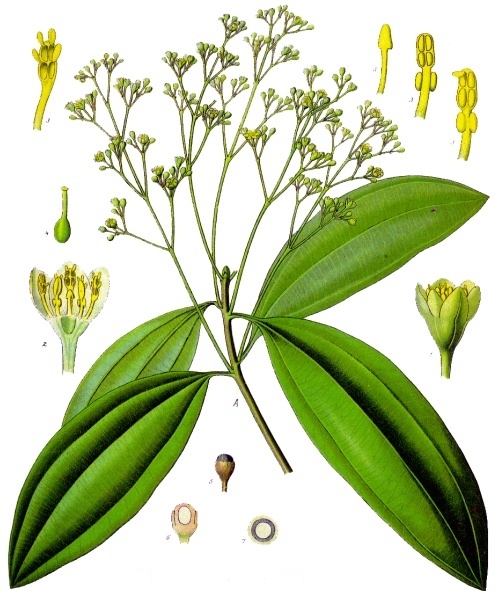 Indian bay leafCinnamomum tamala
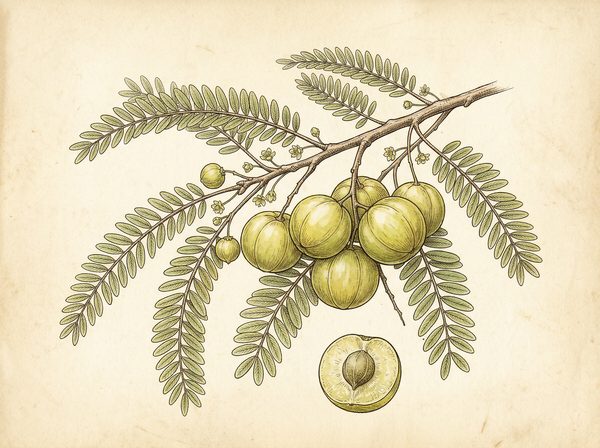 Indian gooseberryPhyllanthus emblica
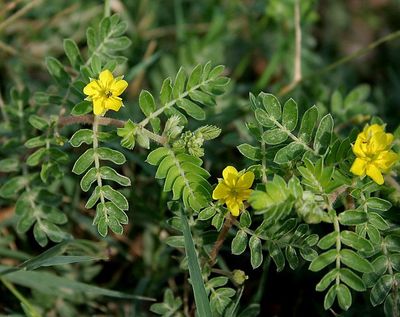 puncture vineTribulus terrestris
Nearby on the shelf
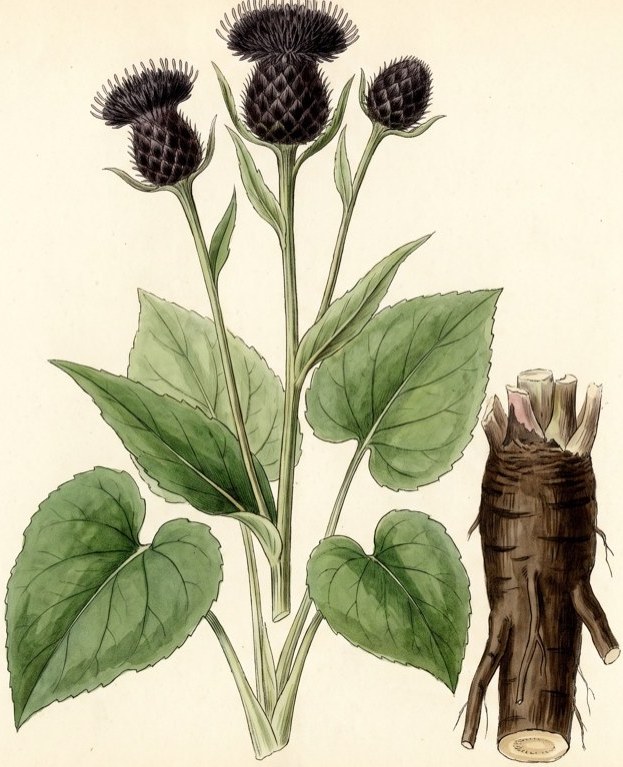 CostusSaussurea costus
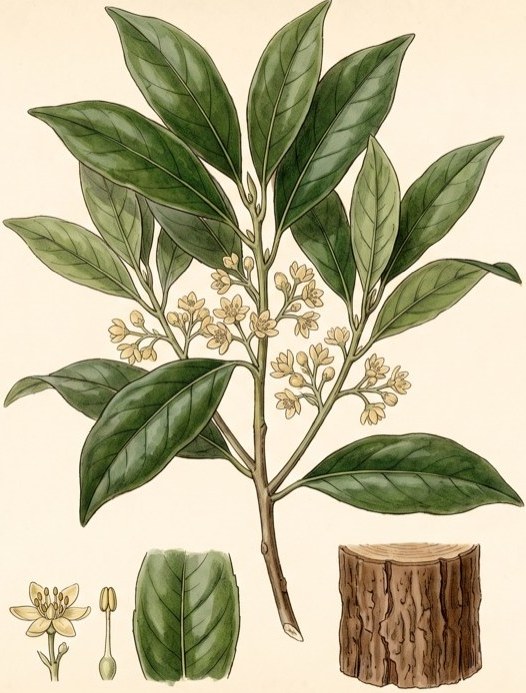 Coto barkCoto Bark
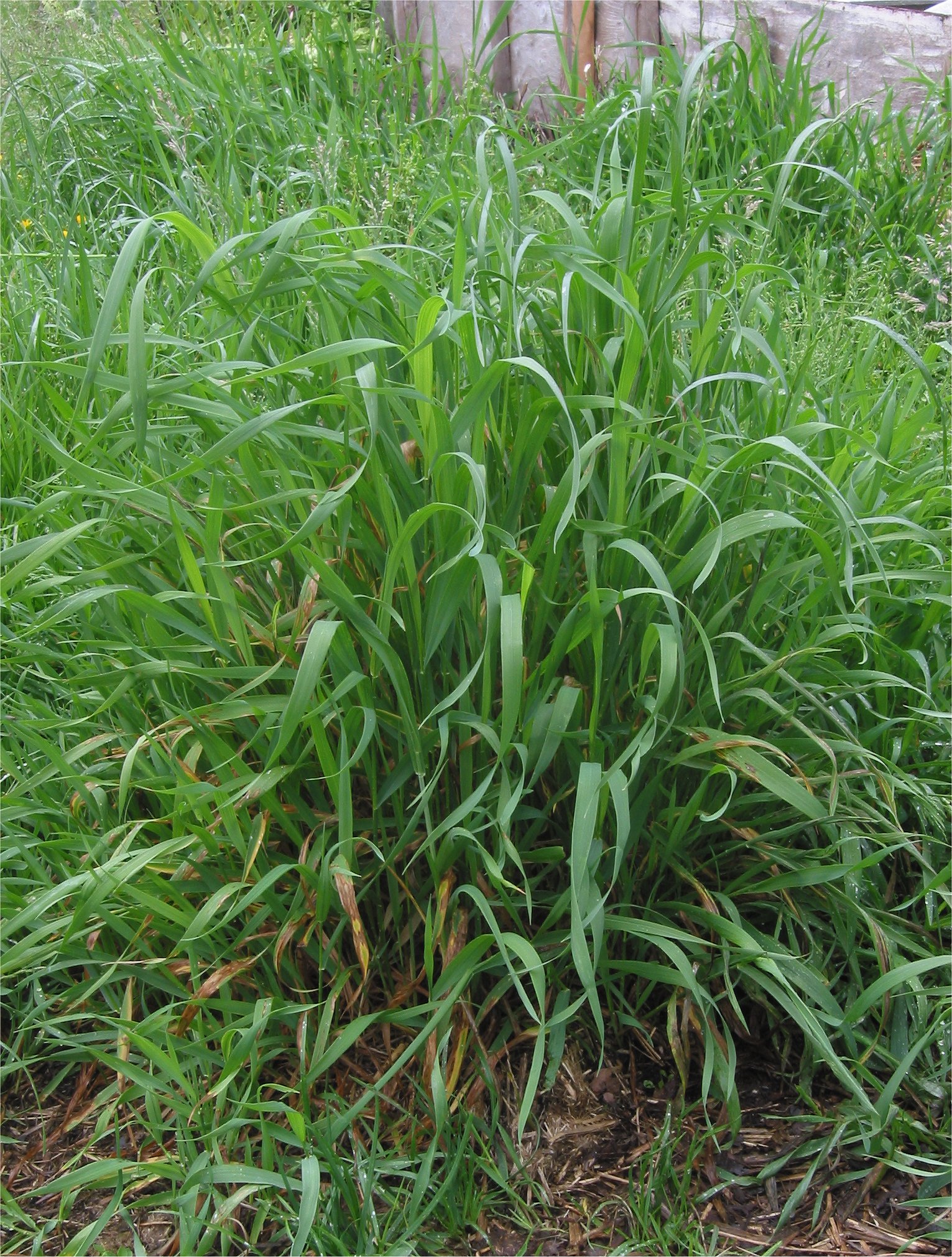 Couch GrassElymus repens
 Cow parsnipHeracleum lanatum
 Cramp barkViburnum opulus
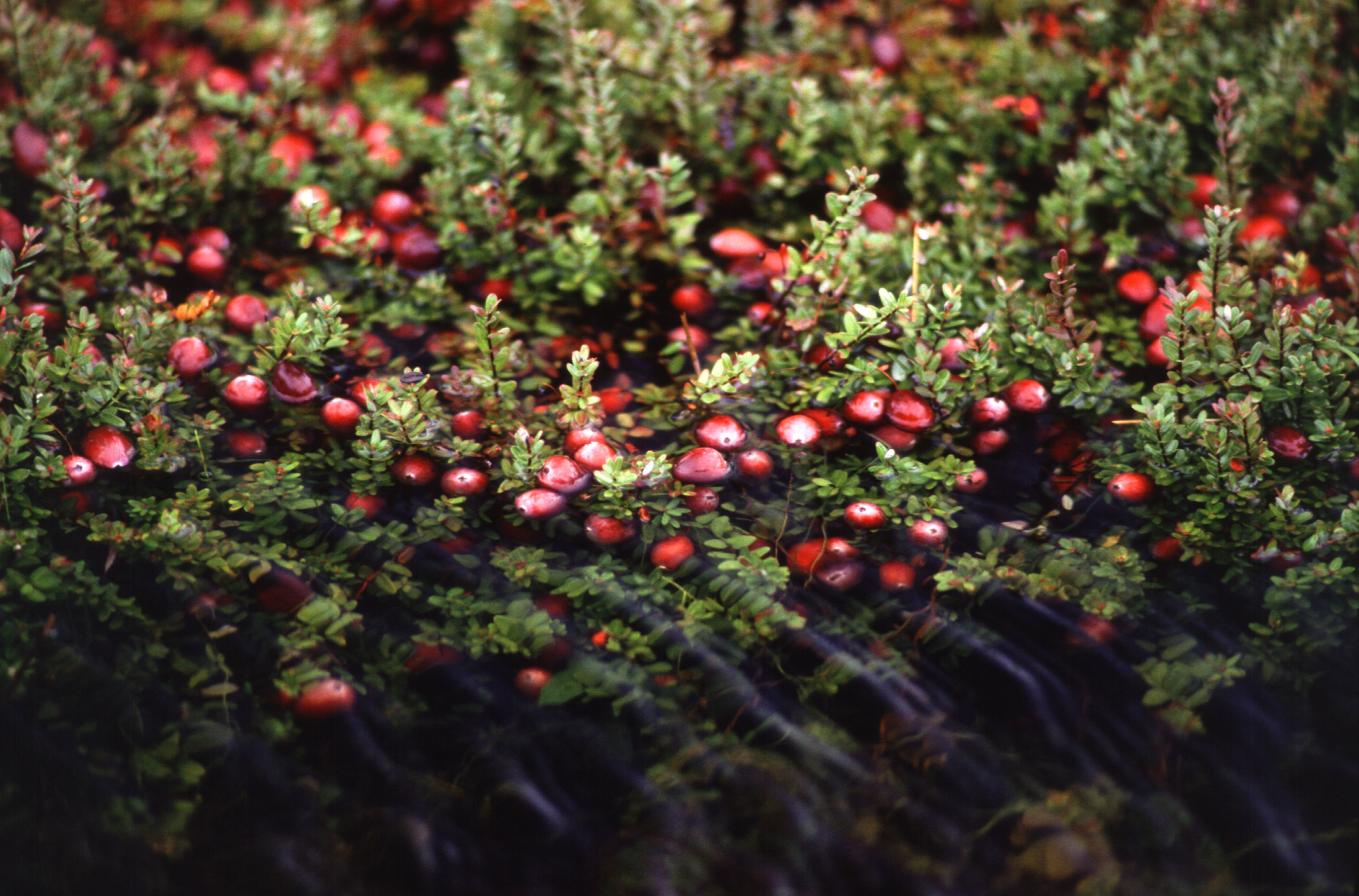 CranberryVaccinium oxycoccus
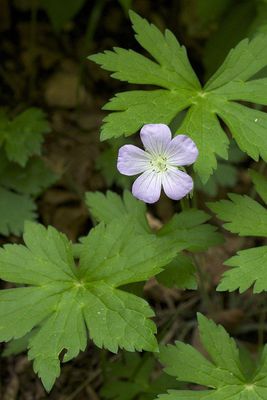 CranesbillGeranium maculatum
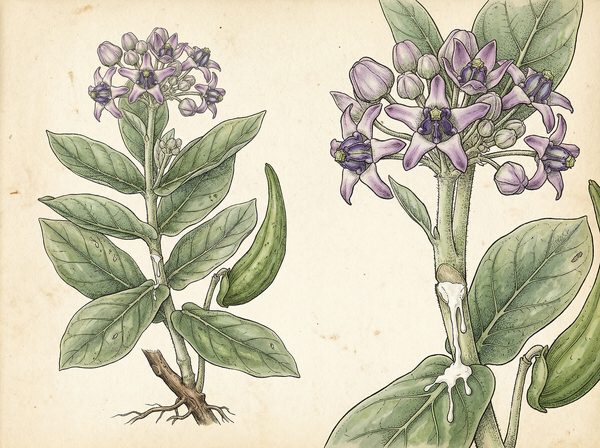 Crown flowerCalotropis gigantea
The whole plate is in the library. The compass, Compare, the Sky of eleven hundred plants and the formulary open with an email address and a password, free, with the formula builder and its safety engine. Herbert without limit, his formulating, clients, the handouts and the labels are the paid room.
Open the library, free