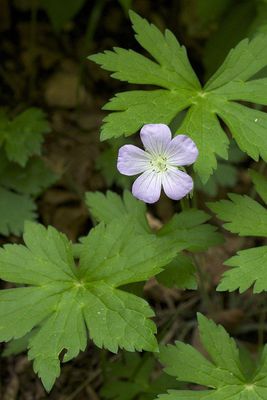
Western Herbalism
Cranesbill
Geranium maculatum
Also known as Crowfoot, Spotted geranium, Alum root, Geranium, Crow Foot, Wild Cranesbill, Alumroot, etc.
Geranium is one of the simple and much neglected of the early Eclectic medicines. It is an ideal astringent and for conditions requiring such an action it is preferable to many other constringing drugs.

Ask Herbert about Cranesbill. Herbert is the master herbalist inside Bountiful Herbs: he answers from this plate and eleven hundred others, with dosing, pairing and cautions. Your first ten questions are free.
Ask HerbertActions
Indications what the tradition reached for it in
- Cuts
- Wounds
- Diarrhea
- Bleeding gums
- Skin abrasions
- Gingivitis
- Menorrhagia
- Inflammatory bowel disease
- Peptic ulcer disease
- Hemorrhoids
- Mouth ulcer
- Gastric ulcer
- Intestinal bleeding
- Bleeding
- Hemorrhage
- Ulcers
- Excessive discharge
Safety
Pregnancy: Limited safety data in pregnancy
The record lists 2 contraindications; open the plate in the library to read them in full.
Dosing as the sources wrote it
| Preparation | As written | Metric |
|---|---|---|
| Tincture (1:3) | 2-4 ml TID | 2-4 mL |
| Decoction | 1-2 tsp/c TID | |
| From five to fifteen grains of the powder may be given at a dose | 324-972 mg | |
| Dose, one to three grains | 64.8-194 mg | |
| Extractum Geranii Fluidum, Fluid Extract of Geranium | Dose, from ten to sixty minims. | 0.62-3.7 mL |
| Specific Medicine Geranium | Dose, from one to ten minims. | 0.06-0.62 mL |
Doses are reproduced from the sources for practitioners and are not a recommendation for any person.
From the sources
Action and Therapy. Geranium is one of the simple and much neglected of the early Eclectic medicines. It is an ideal astringent and for conditions requiring such an action it is preferable to many other constringing drugs.
Therapy. In sub-acute diarrhoea, geranium exercises an immediate influence, a single full dose producing a marked impression and improving the tone of the entire gastro-intestinal tract from the first. In chronic diarrhea , no matter how stubborn, it may be given with confidence if the specific conditions are present.
Properties and Uses. This root is a superior astringent with tonic properties; rather positive, yet not powerful; operating slowly and persistently, somewhat soothing in its impression, and usually quite acceptable to the stomach.
Action, Medical Uses, and Dosage. This forms an efficient astringent wash in aphthous and other diseases of the mouth and throat, when unaccompanied with inflammation; and is also useful as an injection in leucorrhoea, prolapsus ani, and prolapsus uteri. Without the alum, this infusion may be administered internally in doses of from 1 fluid drachm to ½ fluid ounce, repeated 3 or 4 times a day, and will prove efficient in chronic diarrhoea and dysentery, in passive hemorrhages, in hemorrhoids, and in debilitated conditions of the venous system (J. King).
Drawn from Cook's Physio-Medical Dispensatory; Scudder's Specific Medication and Specific Medicines; King's American Dispensatory, 18th edition (Felter and Lloyd); Ellingwood's American Materia Medica, Therapeutics and Pharmacognosy, and the Bountiful Herbs editorial.
In formulas
Cranesbill stands in 2 documented formulas in the library, among them Syrupus Rhei Et Potassae Compositus.
Often paired with
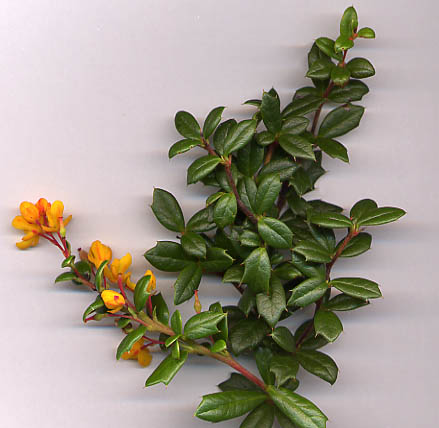 BarberryBerberis vulgaris
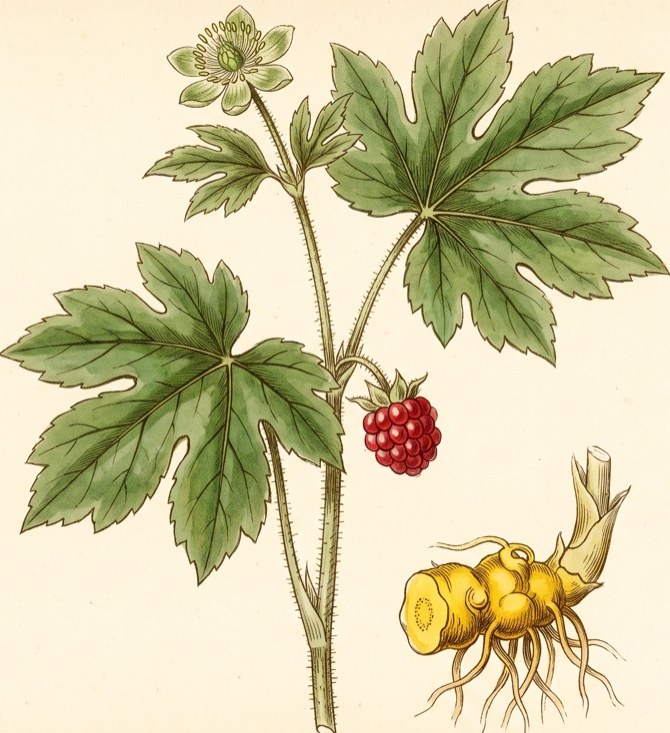 GoldensealHydrastis canadensis
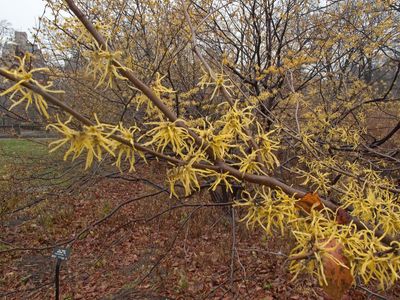 Witch hazelHamamelis virginiana
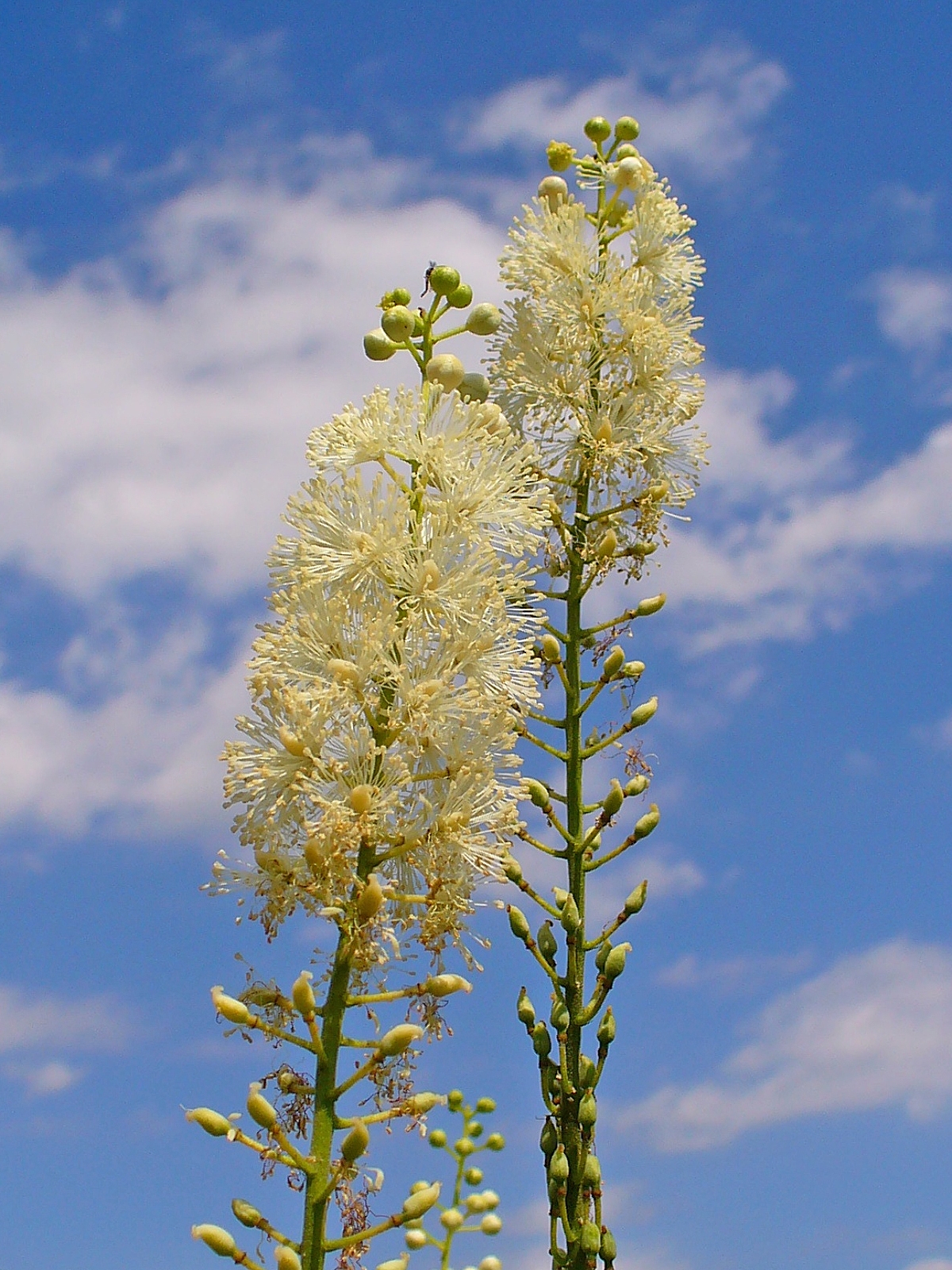 Black cohoshActaea racemosa
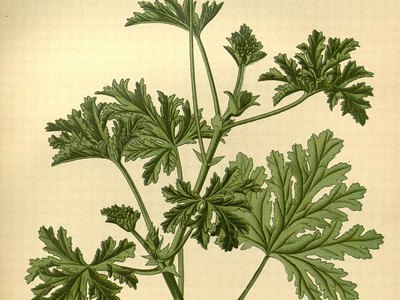 GeraniumPelargonium graveolens
 GingerZingiber officinale
Nearby on the shelf
 Cow parsnipHeracleum lanatum
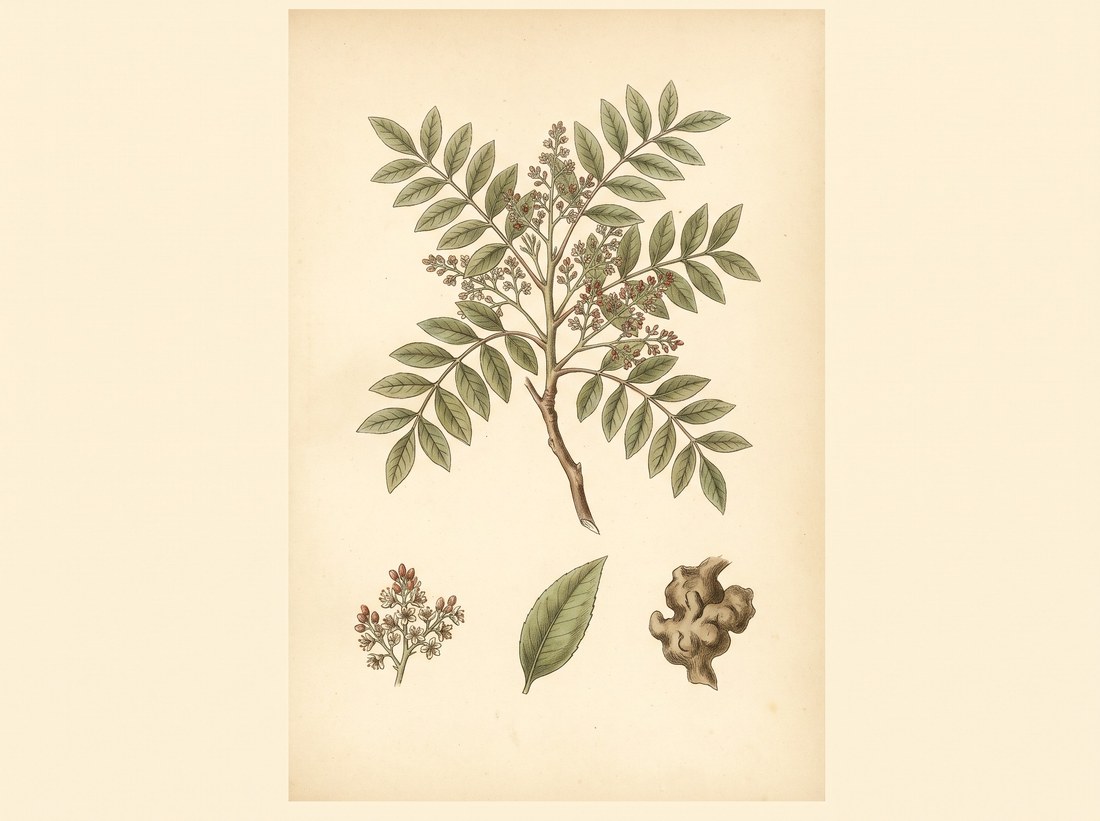 Crab's clawPistacia integerrima
 Cramp barkViburnum opulus
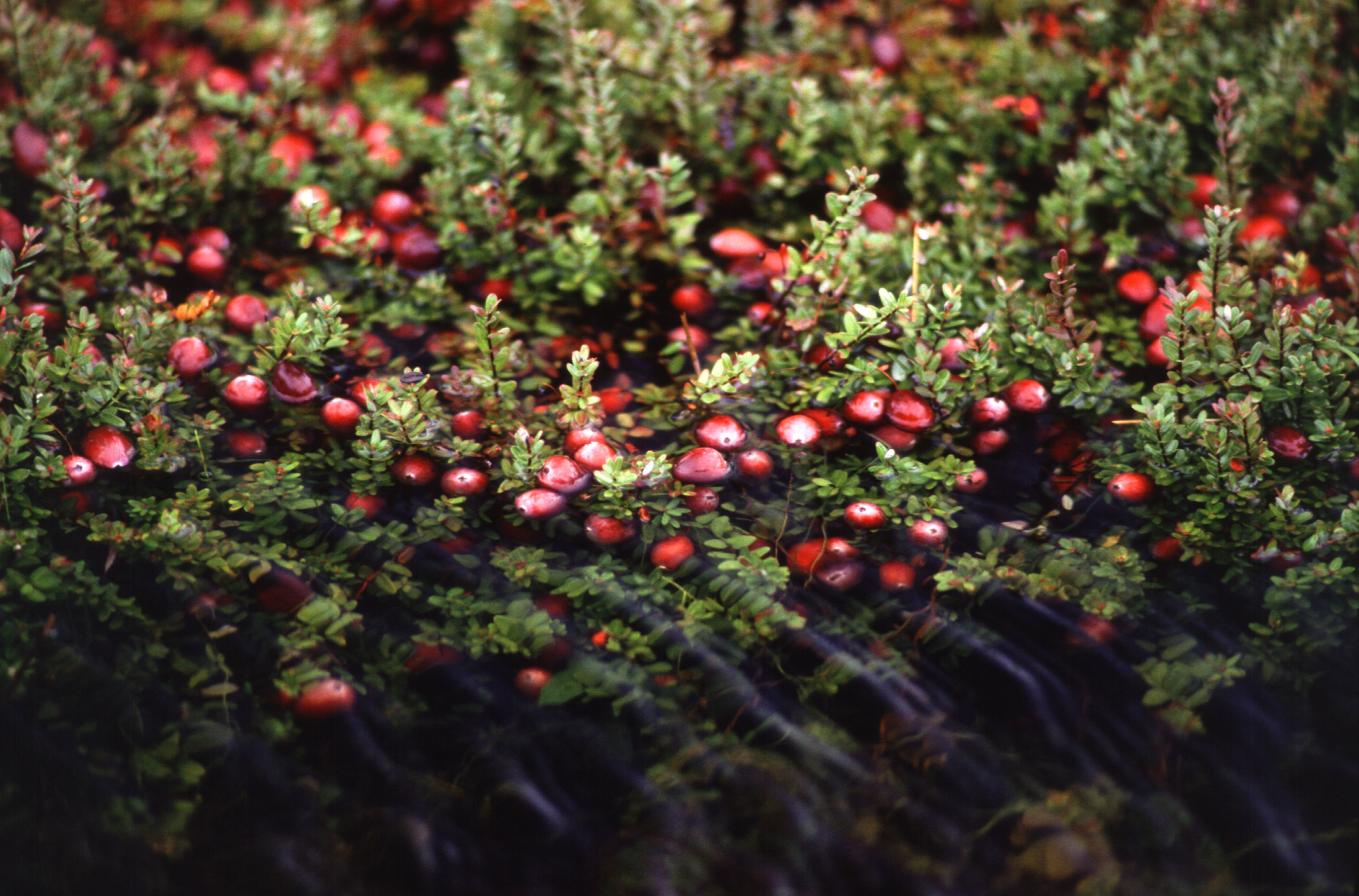 CranberryVaccinium oxycoccus
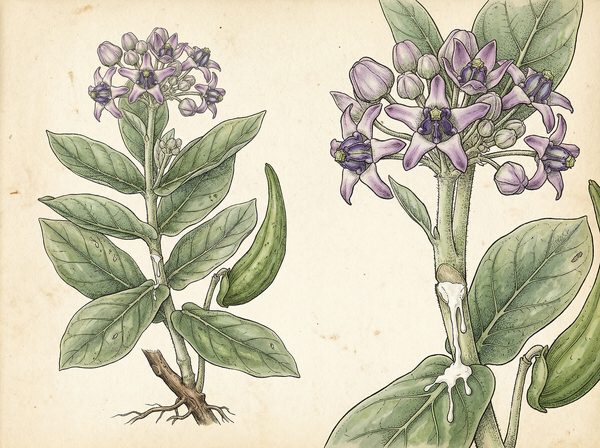 Crown flowerCalotropis gigantea
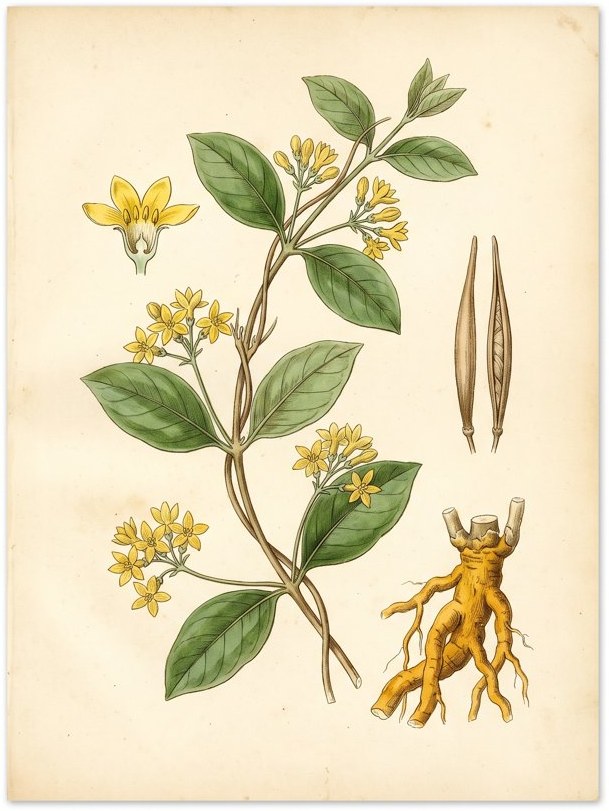 CryptolepisCryptolepis sanguinolenta
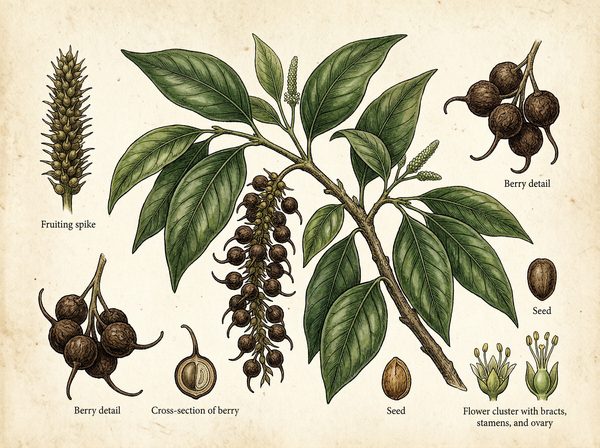 CubebPiper cubeba
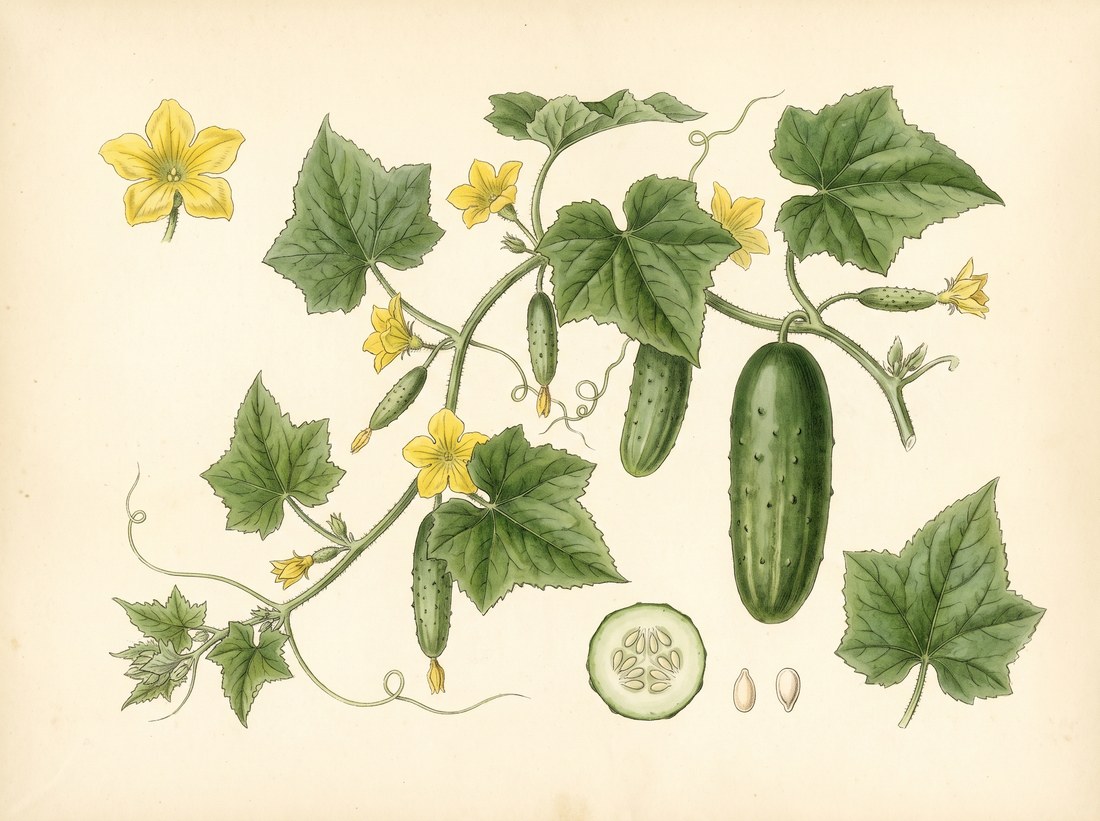 CucumberCucumis sativus
The whole plate is in the library. The compass, Compare, the Sky of eleven hundred plants and the formulary open with an email address and a password, free, with the formula builder and its safety engine. Herbert without limit, his formulating, clients, the handouts and the labels are the paid room.
Open the library, free