Western and Ayurvedic herbalism
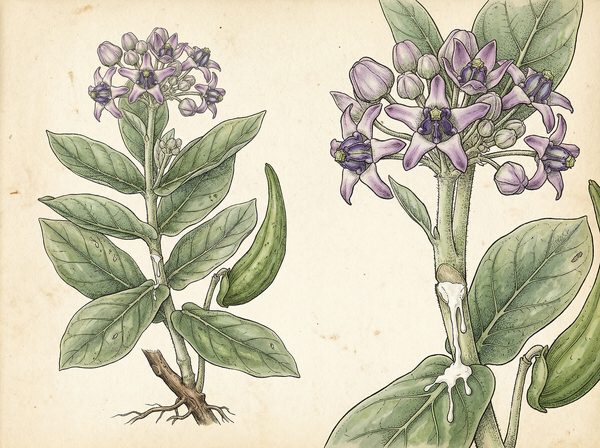
Crown flower
Calotropis gigantea
Also known as giant milkweed, giant calotrope, white madar, swallow-wort, Madar, Arka, Arka, Shvetarka, Alarka.
Calotropis gigantea is a large milky-sapped shrub of the Apocynaceae that grows on wasteland, roadsides and dry soils throughout India, Sri Lanka and Southeast Asia, bearing waxy lavender or white flowers that are strung as garlands and offered to Shiva. Ayurveda names it Arka and treats it as a powerful, heating, poisonous drug: used externally on joints, swellings and skin disease with confidence, and internally only after purification, in small doses and in compound form. The whole plant contains cardiac glycosides and the latex is a severe irritant.

Ask Herbert about Crown flower. Herbert is the master herbalist inside Bountiful Herbs: he answers from this plate and eleven hundred others, with dosing, pairing and cautions. Your first ten questions are free.
Ask HerbertActions
Indications what the tradition reached for it in
- Chronic joint pain and swelling (warmed leaf fomentation)
- Sprains, bruises and localized swelling (leaf poultice)
- Chronic non-healing skin lesions and ulcers (topical, supervised)
- Warts and corns (latex, tiny amounts, supervised)
- Ringworm and fungal skin infection (topical)
- Splenomegaly and abdominal masses (classical, purified internal preparations only)
- Chronic asthma and bronchitis with thick mucus (classical, purified flower only)
- Elephantiasis and lymphatic swelling (traditional topical)
- Earache (warm leaf juice, traditional)
- Intestinal worms (classical, purified material only)
- Leprosy
- Ascites
- Intermittent fevers
- Intestinal worms
- Sores
- Joint pain
- Constipation
- Rhinitis
- Rheumatism
- Inflammation
- Spleen disorders
- Asthma
- Toothache
- Elephantiasis
- Abdominal bloating
- Swelling
- Ulcers
- Cough
- Colds
- Snakebite
Specific indications
A cold, swollen, stiff joint in a vata-kapha patient where a hot leaf fomentation gives relief that ordinary oils do not
A thick, callused wart or corn in a patient who will follow instructions precisely about a single drop of latex on the lesion and nowhere else
Chronic indolent skin disease with thickening and itching in a robust patient, treated topically under supervision
The classical picture of an enlarged spleen with abdominal heaviness and poor digestion, for which a trained Ayurvedic physician might use Arka lavana
Safety
Recognised toxicity. This plant carries a toxicity flag in the record; it is for trained practitioners only.
Low dose botanical. Used in drop doses in the classical practice; not a plant to dose freely.
Pregnancy: Not for use in pregnancy
Breastfeeding: Contraindicated in lactation; cardenolides may pass into milk and there is no safety data.
The record lists 11 contraindications; open the plate in the library to read them in full.
In practice
The Ayurvedic physician handles Arka mostly from the outside. The classical leaf fomentation, in which the leaf is smeared with sesame or castor oil, warmed over a flame and bound over an arthritic knee, a swollen ankle or a painful abdomen, is safe, effective and widely used.
In Ayurveda
Rasa: katu (pungent), tikta (bitter). Virya: ushna (heating). Vipaka: katu (pungent). Guna: laghu (light), ruksha (dry), tikshna (sharp), sara (mobile). Dosha: pacifies vata and kapha; aggravates pitta and rakta. Karma: kushthaghna (relieves skin disease); krimighna (anthelmintic); vranashodhana (cleanses wounds); shothahara (reduces swelling); vedanasthapana (relieves pain, topical); deepana (kindles digestion, small dose); kaphahara (clears mucus); vamaka (emetic in larger doses); virechana (purgative in larger doses); svedajanana (induces sweating); vishaghna (counters poison, in tradition); plihahara (reduces splenic enlargement). Classical indications: kushtha (skin disease including leprosy); shvitra (leukoderma, topical); vrana (chronic wounds and ulcers); krimi (worms); shotha (swelling); shvasa and kasa (asthma and cough); pliha vriddhi (splenomegaly); gulma (abdominal mass); arsha (hemorrhoids); udara (ascites and abdominal disease); vatavyadhi (joint and nerve pain, topical); karna shula (earache, leaf juice). Internally only the purified (shodhita) root bark and flower are used, in milligram doses within compound preparations such as Arka lavana and Arkeshwara rasa; the leaf is warmed with oil and bound over painful joints and swellings; the latex is applied in tiny amounts to warts and thick lesions and never taken by mouth. Classical formulations: Arka lavana, Arka taila, Arkeshwara rasa, Arka pushpa vati, Arka patra swedana (leaf fomentation), Shvetarka mula churna (purified). Described in: Charaka Samhita, Sushruta Samhita, Ashtanga Hridaya, Bhavaprakasha Nighantu, Dhanvantari Nighantu, Raja Nighantu, Madanapala Nighantu, Kaiyadeva Nighantu, Ayurvedic Pharmacopoeia of India.
Dosing as the sources wrote it
| Preparation | As written | Metric |
|---|---|---|
| Churna (root bark) | 125-250 mg purified root bark daily with honey, purified material only | 125-250 mg |
| Pushpa churna (flower) | 250-500 mg purified flower powder daily in compound, purified material only | 250-500 mg |
| Arka lavana | 250-500 mg daily with buttermilk, purified material only | 250-500 mg |
| Patra swedana, topical | 1-3 warmed oiled leaves bound over the painful joint for 20-30 minutes | |
| Lepa, topical | 5-10 g leaf paste applied to swellings or fungal lesions on intact skin | 5000-10000 mg |
| Flower powder | Flower powder 1-2 g for cough/asthma | 1000-2000 mg |
Doses are reproduced from the sources for practitioners and are not a recommendation for any person.
From the sources
Overview. Calotropis gigantea is a large milky-sapped shrub of the Apocynaceae that grows on wasteland, roadsides and dry soils throughout India, Sri Lanka and Southeast Asia, bearing waxy lavender or white flowers that are strung as garlands and offered to Shiva. Ayurveda names it Arka and treats it as a powerful, heating, poisonous drug: used externally on joints, swellings and skin disease with confidence, and internally only after purification, in small doses and in compound form. The whole plant contains cardiac glycosides and the latex is a severe irritant.
Clinical Notes. Used in Ayurveda as Upavisha (semi-poison) requires purification/processing for internal use Traditional antidote: Indigofera tinctoria leaf juice or Tamarindus indica Highly caustic latex - external use only on intact skin with caution
Clinical Notes. The Ayurvedic physician handles Arka mostly from the outside. The classical leaf fomentation, in which the leaf is smeared with sesame or castor oil, warmed over a flame and bound over an arthritic knee, a swollen ankle or a painful abdomen, is safe, effective and widely used.
primary-actions. Crown flower acts primarily as: Expectorant, Emetic, Cathartic, Diuretic, Anti-inflammatory, Analgesic, Anthelmintic. Secondary actions include Antimicrobial, Antifungal, Hepatoprotective, Antioxidant.
In formulas
Crown flower stands in 19 documented formulas in the library, among them Traikaṇṭaka Ghṛta, Dhānvantara Ghṛta, Vastyāmayāntaka Ghṛta, Kāsīsādi Taila, Citrakādi Taila, Prabhaṅjana Vimardana Taila.
Often paired with
 Ceylon leadwortPlumbago zeylanica
 Indian spurge treeEuphorbia neriifolia
 long pepperPiper longum
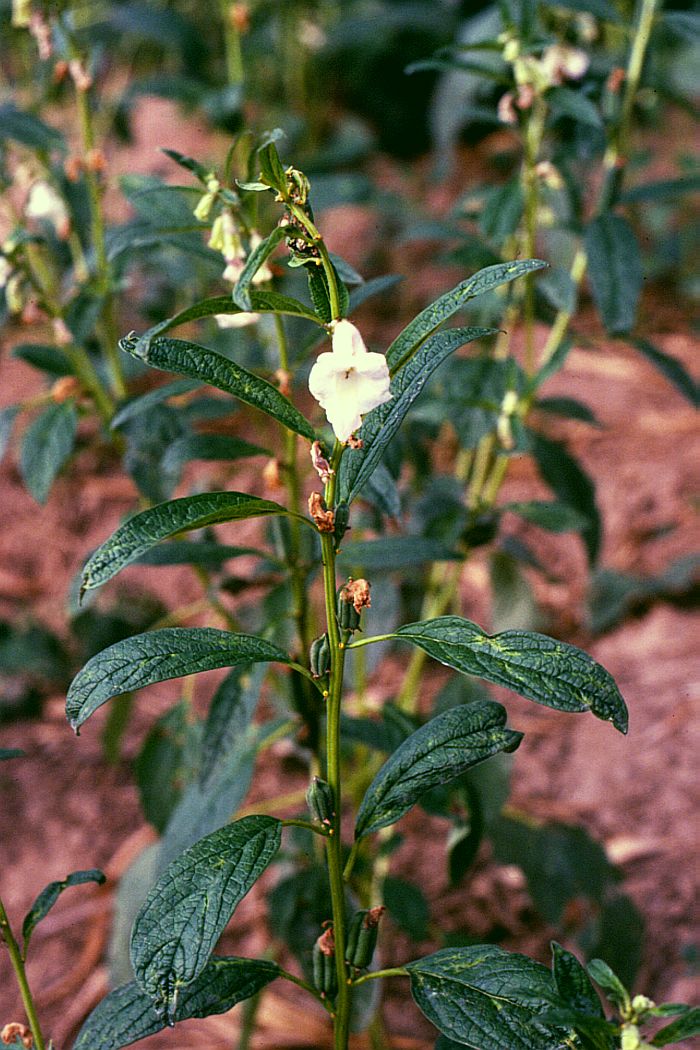 sesameSesamum indicum
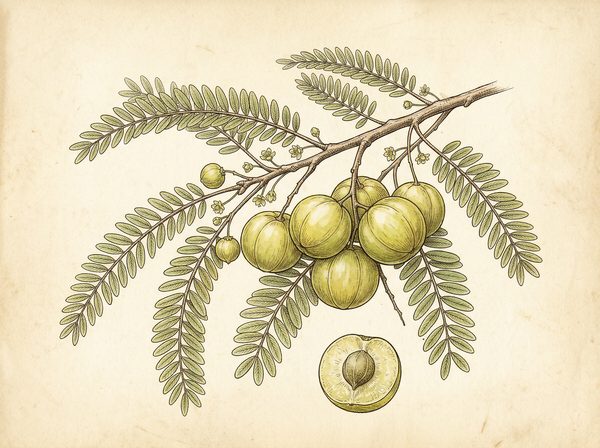 Indian gooseberryPhyllanthus emblica
 GingerZingiber officinale
Nearby on the shelf
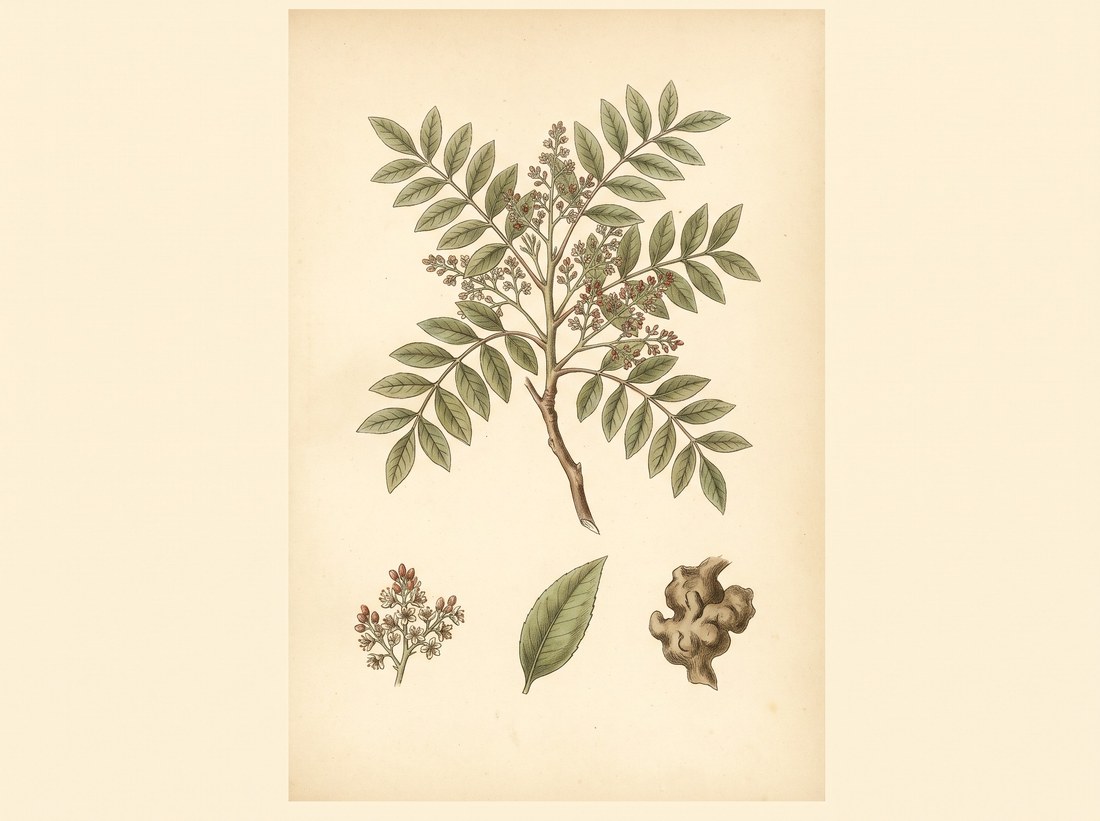 Crab's clawPistacia integerrima
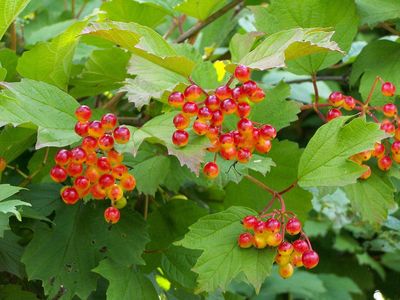 Cramp barkViburnum opulus
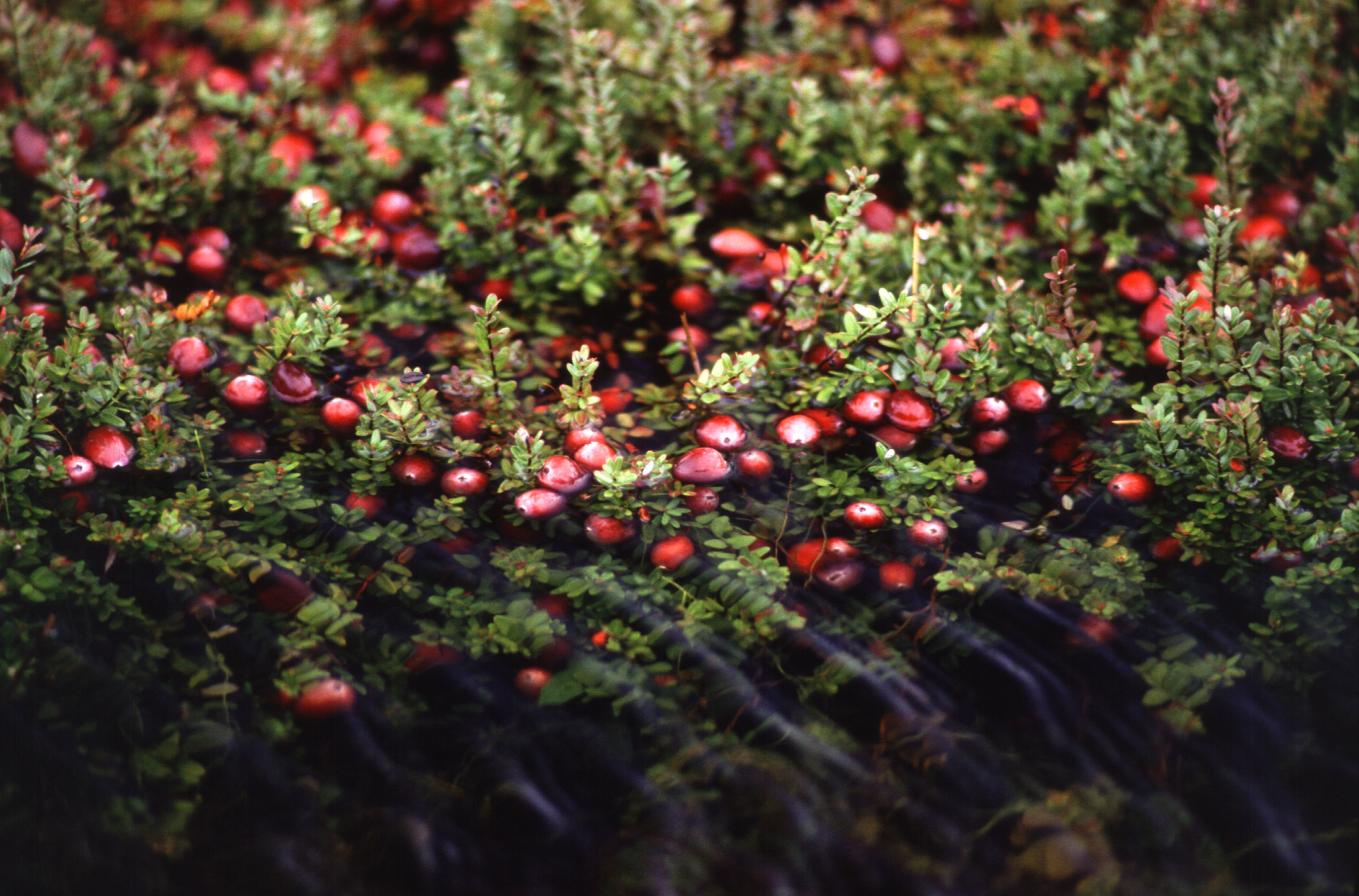 CranberryVaccinium oxycoccus
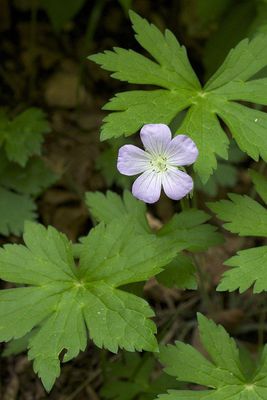 CranesbillGeranium maculatum
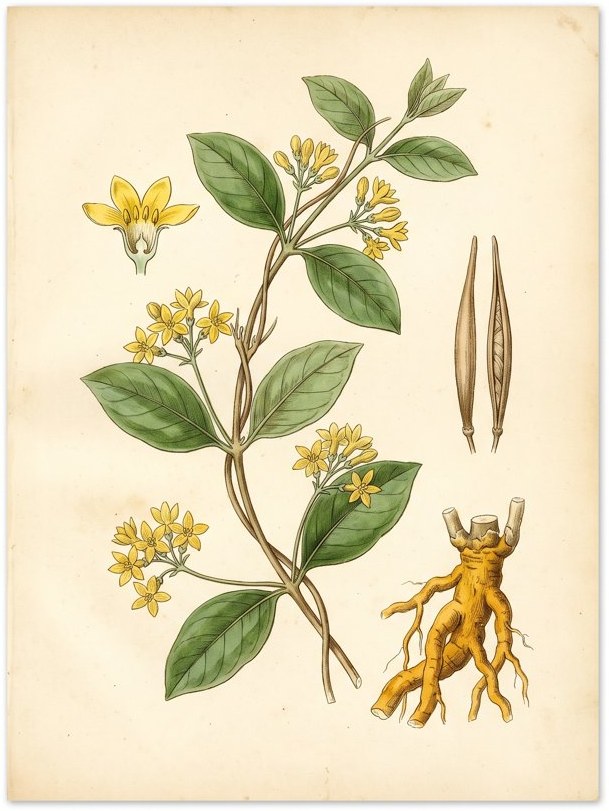 CryptolepisCryptolepis sanguinolenta
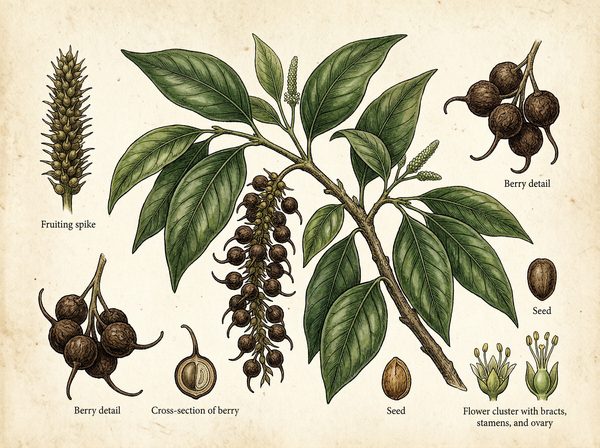 CubebPiper cubeba
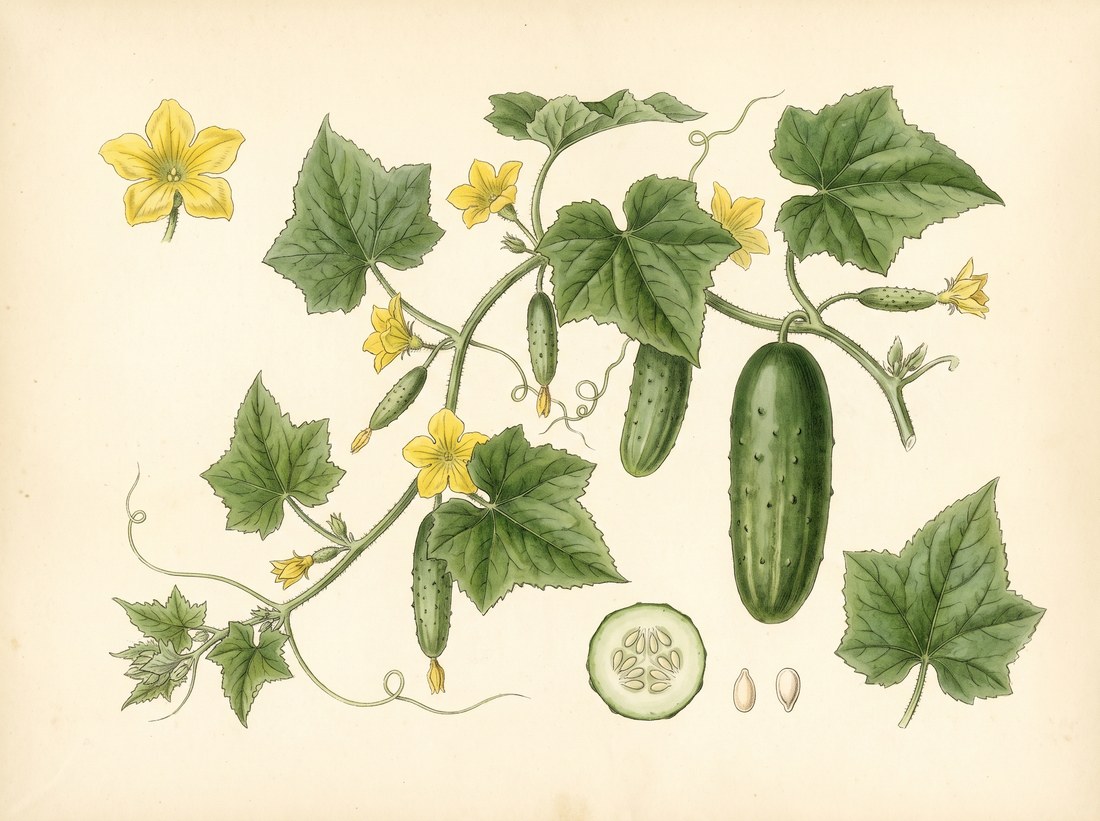 CucumberCucumis sativus
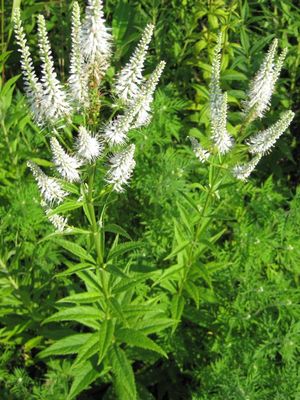 Culver's rootVeronicastrum virginicum
The whole plate is in the library. The compass, Compare, the Sky of eleven hundred plants and the formulary open with an email address and a password, free, with the formula builder and its safety engine. Herbert without limit, his formulating, clients, the handouts and the labels are the paid room.
Open the library, free