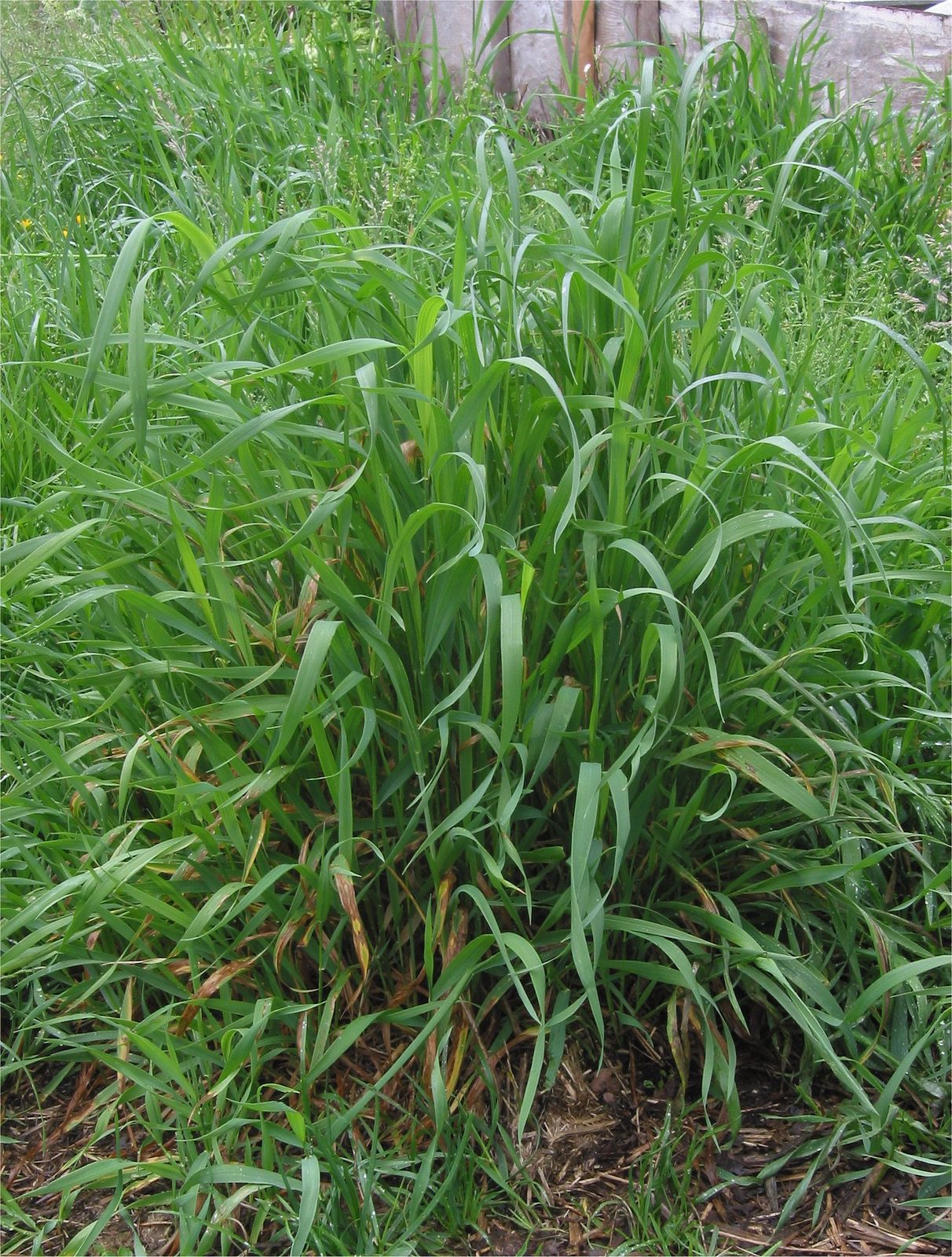
Western Herbalism
Couch Grass
Elymus repens
Also known as Agropyron, Dogs Grass, Quackgrass, Twitch, Twitchgrass, Triticum, Quick-Grass, Quitch.
Couch grass is a common creeping perennial grass of temperate Europe, Asia and North America, now naturalized worldwide, often regarded as a troublesome garden weed. The long, pale, jointed rhizome is the part used medicinally and is dug in spring or autumn, dried, and prepared as a decoction, tincture or fluid extract. It has a long history in Western herbal medicine as a gentle urinary demulcent and diuretic, valued for soothing an irritated bladder and urethra without the harshness of stronger diuretic agents.

Ask Herbert about Couch Grass. Herbert is the master herbalist inside Bountiful Herbs: he answers from this plate and eleven hundred others, with dosing, pairing and cautions. Your first ten questions are free.
Ask HerbertActions
Indications what the tradition reached for it in
- Gout
- Renal calculus
- Renal irritation
- Minor urinary complaints
- Irritating coughs
- Laryngitis
- Dysuria
- Rheumatism
- Bronchitis
- Urinary tract infection
- Digestive irritation
- Benign prostatic hypertrophy
- Cystitis
- Urinary tract inflammation
- Urethritis
- Lithuria
- Kidney gravel
- Slow-healing wounds
- Irritable bladder
- Strangury
- Prostatitis
- Cough
- Debility
- Dry cough
- Edema
- Fatigue
- Fluid retention
- Infection
- Inflammation
- Mucosal irritation
Safety
Pregnancy: Not safe. Not for use in pregnancy (our record's flag)
Pregnancy, our record's flag: Caution. Use with care in pregnancy (our record's flag)
Pregnancy, our record: No specific concerns are documented and traditional use includes pregnancy, but as with any diuretic it should be used with professional guidance rather than self-prescribed for prolonged periods.
Pregnancy, a modern clinical reference: In view of the limited pharmacological and toxicological data, the use of couchgrass during pregnancy and lactation should be avoided
Pregnancy, published rating: Limited data. No increase in harm from limited human use; animal studies lacking (Mills & Bone B2)
Breastfeeding: Not safe. Not for use while breastfeeding (our record's flag)
Breastfeeding, our record: No adverse effects are reported and the herb is generally considered compatible with breastfeeding when used at typical doses.
Breastfeeding, a modern clinical reference: In view of the limited pharmacological and toxicological data, the use of couchgrass during pregnancy and lactation should be avoided
Breastfeeding, published rating: No concern. Compatible with breastfeeding (Mills & Bone C)
The record lists 4 contraindications; open the plate in the library to read them in full.
Dosing as the sources wrote it
| Preparation | As written | Metric |
|---|---|---|
| Herbal tea | Herbal tea (decoction): 3-9 g rhizome in 150-250 ml water, 2-4x daily | |
| liquid extract | liquid extract (1:1, 20-25% ethanol): 3-8 ml, 2-4x daily | 3-8 mL |
| tincture | tincture (1:5, 40% ethanol): 5-15 ml, 3x daily | 5-15 mL |
| max | max 2-4 weeks | |
| Dried rhizome 4-8 g as an decoction three times daily | 4000-8000 mg | |
| Liquid extract 4-8 mL (1 : 1 in 25% alcohol) three times daily. Tincture 5-15 mL (1 : 5 in 40% alcohol) three times daily |
Doses are reproduced from the sources for practitioners and are not a recommendation for any person.
From the sources
Overview. Couch grass is a common creeping perennial grass of temperate Europe, Asia and North America, now naturalized worldwide, often regarded as a troublesome garden weed. The long, pale, jointed rhizome is the part used medicinally and is dug in spring or autumn, dried, and prepared as a decoction, tincture or fluid extract. It has a long history in Western herbal medicine as a gentle urinary demulcent and diuretic, valued for soothing an irritated bladder and urethra without the harshness of stronger diuretic agents.
Clinical Notes. Traditionally used since Dioscorides for urinary issues osmotic diuretic effect from mannitol silica content supports tissue repair requires copious fluid intake theoretical risk of potassium depletion with diuretics
Clinical Notes. Couch grass rhizome is one of the mildest and safest urinary remedies available, and for that reason it is often reached for first in cases of simple cystitis, urethral irritation, or the burning, frequent urination that follows concentrated or acidic urine.
Action and Therapy. A mild diuretic with slightly aperient properties, and a demulcent of value in irritated conditions of the genito-urinary organs. It is of special value to lessen the frequency and pain of urination ... a remedy for dysuria and strangury. It may be used when inflammation is present, and is highly valued in chronic cystic irritability, cystitis, pyelitis, incipient nephritis, prostatitis, and in any condition in which an excess of mucus, pus, or blood is passed in the urine. Indirectly it acts as an alterative by washing away broken-down material by way of the renal organs.
Drawn from King's American Dispensatory, 18th edition (Felter and Lloyd); Ellingwood's American Materia Medica, Therapeutics and Pharmacognosy; Felter's Eclectic Materia Medica, Pharmacology and Therapeutics, and the Bountiful Herbs editorial.
In formulas
Couch Grass stands in 12 documented formulas in the library, among them mù lì sǎn, bǎi zì rén wán, gù bião zhi hàn tàng, gǎn mài dà zǎo tāng.
Often paired with
 Saw palmettoSerenoa repens
Nearby on the shelf
 CorydalisCorydalis spp.
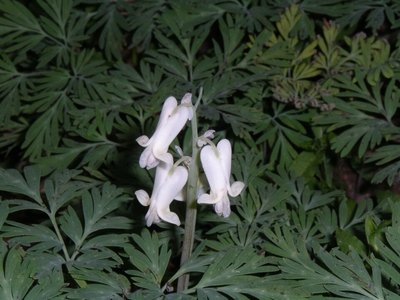 CorydalisDicentra canadensis
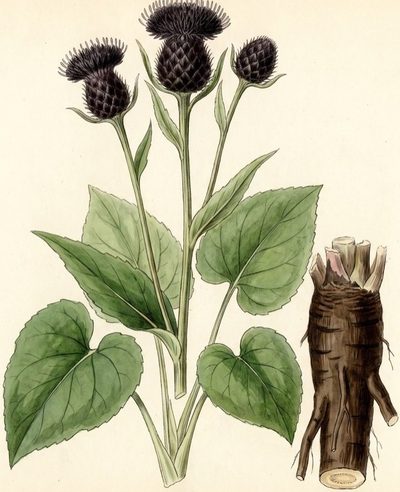 CostusSaussurea costus
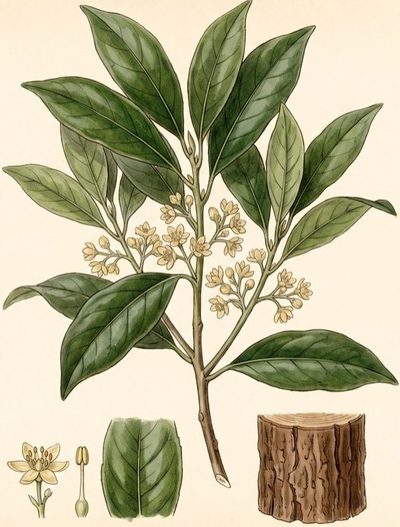 Coto barkCoto Bark
 Cow parsnipHeracleum lanatum
 Crab's clawPistacia integerrima
 Cramp barkViburnum opulus
 CranberryVaccinium oxycoccos
The whole plate is in the library. The compass, Compare, the Sky of eleven hundred plants and the formulary open with an email address and a password, free, with the formula builder and its safety engine. Herbert in full, his formulating, clients, the handouts and the labels are the paid room.
Open the library, free