Chinese and Ayurvedic herbalism
Costus
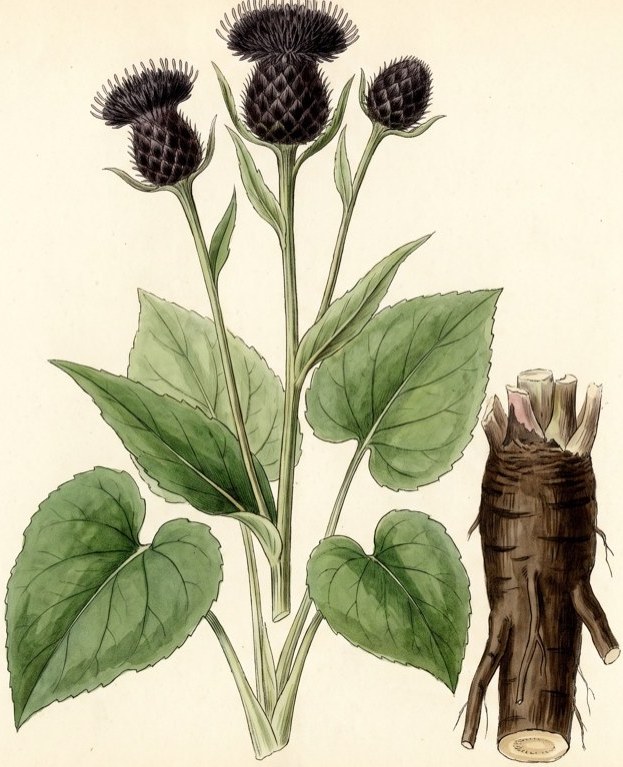
Saussurea costus
Also known as costus root, kuth, Indian costus, Mu Xiang, Aucklandia, Kushtha, Vapya, Kashmiraja.
Saussurea costus is a tall perennial of the daisy family with a thick, aromatic taproot, native to the high valleys of Kashmir, Himachal Pradesh and Uttarakhand between 2500 and 3500 meters and now cultivated there because wild stocks have been nearly exhausted. Ayurveda calls the root Kushtha, a warming, bitter, aromatic drug for cough, asthma, fever, skin disease and painful vata disorders, and it is a fixture of the medicated oils and pastes of Kerala practice. The same root is a major drug in Chinese and Tibetan medicine and was traded across Asia for centuries as costus.

Ask Herbert about Costus. Herbert is the master herbalist inside Bountiful Herbs: he answers from this plate and eleven hundred others, with dosing, pairing and cautions. Your first ten questions are free.
Ask HerbertActions
Indications what the tradition reached for it in
- Asthma and bronchitis with thick sputum
- Spasmodic cough and hiccup
- Flatulent dyspepsia with cramping
- Arthritis and joint pain (oil, topical and internal)
- Muscle pain, sprains and stiffness (Kottamchukkadi, topical)
- Chronic skin disease with itching
- Erysipelas and cellulitis (paste, topical, adjunct)
- Headache of vata-kapha type
- Low libido with coldness and weak digestion
- Intestinal parasites (traditional)
- Fever with chills and body ache
- Qi stagnation of the Spleen and Stomach
- Epigastric and abdominal distension and pain
- Poor appetite
- Bloating and fullness
- Damp-heat dysentery with tenesmus
- Diarrhea with abdominal pain
- Hypochondriac pain
- Sluggish digestion
- Belching and nausea
Specific indications
Wheezy cough with sticky white phlegm in a cold, heavy patient who feels worse in damp weather
Painful, stiff, cold joints or muscles that ease with warmth and rubbing, treated with a warm oil massage
Cramping abdominal pain with gas and a slow, cold digestion, relieved by heat and pressure
A pale, chilly patient with weak libido, low appetite and a tendency to catarrh
Safety
Pregnancy: No published safety class is known to us; the tradition does not give the root internally in pregnancy because of its heating, penetrating and blood-moving nature, though topical oils are used for backache; avoid internal use.
The record lists 7 contraindications; open the plate in the library to read them in full.
In practice
The Ayurvedic practitioner uses Kushtha internally for kapha-vata disease of the chest and gut and externally for pain. In cough, asthma and hiccup the powder is given with honey or ghee, often with Pippali and Vasa; in fever with chills and body ache it joins Musta and Guduchi in kwatha; in weak digestion with cramping it is a warming carminative comparable to Shunthi but with a deeper action on vata.
In Ayurveda
Rasa: tikta (bitter), katu (pungent), madhura (sweet). Virya: ushna (heating). Vipaka: katu (pungent). Guna: laghu (light), ruksha (dry), tikshna (sharp). Dosha: pacifies kapha and vata; aggravates pitta in excess. Karma: deepana (kindles digestion); pachana (digests ama); shukrala (increases semen); vrishya (aphrodisiac); varnya (improves complexion); kushthaghna (relieves skin disease); vishaghna (counters poisons); jvaraghna (relieves fever); kasahara (relieves cough); shvasahara (relieves dyspnea); vedanasthapana (relieves pain); shothahara (reduces swelling); rasayana (rejuvenative). Classical indications: kasa (cough); shvasa (dyspnea, asthma); hikka (hiccup); kushtha (skin disease); visarpa (erysipelas, spreading skin inflammation); vatavyadhi (neuromuscular and joint disorders); amavata (rheumatoid arthritis); jvara (fever); agnimandya (weak digestion); shirahshula (headache); hridroga (heart disease); klaibya (male sexual dysfunction). The dried aromatic root is used as fine churna with honey or warm water, in kwatha for cough and fever, and above all in medicated oils and pastes for pain, swelling and skin disease: it leads the Kerala formula Kottamchukkadi and is a standing ingredient of Dashanga lepa and of many vata oils. Classical formulations: Kottamchukkadi taila, Kottamchukkadi churna, Dashanga lepa, Mahanarayana taila, Kushthadi churna, Rasnadi churna, Dhanvantara taila, Manasamitra vataka. Described in: Charaka Samhita, Sushruta Samhita, Ashtanga Hridaya, Bhavaprakasha Nighantu, Dhanvantari Nighantu, Raja Nighantu, Kaiyadeva Nighantu, Madanapala Nighantu, Ayurvedic Pharmacopoeia of India.
Dosing as the sources wrote it
| Preparation | As written | Metric |
|---|---|---|
| Churna | 1-3 g powdered root daily with honey or warm water | 1000-3000 mg |
| Kwatha | 30-60 mL decoction twice daily | 30-60 mL |
| Taila, topical (Kottamchukkadi) | 10-20 mL warmed oil massaged into the affected part | 10-20 mL |
| Lepa, topical | 10-20 g warm paste applied to swellings | 10000-20000 mg |
| Dried root decoction | Dried root decoction: 1.5-9 g/day (add near end of cooking to preserve aromatics) | 1500-9000 mg |
| Tincture (1:5) | Tincture (1:5): 1-3 ml three times daily | 1-3 mL |
Doses are reproduced from the sources for practitioners and are not a recommendation for any person.
From the sources
Overview. Saussurea costus is a tall perennial of the daisy family with a thick, aromatic taproot, native to the high valleys of Kashmir, Himachal Pradesh and Uttarakhand between 2500 and 3500 meters and now cultivated there because wild stocks have been nearly exhausted. Ayurveda calls the root Kushtha, a warming, bitter, aromatic drug for cough, asthma, fever, skin disease and painful vata disorders, and it is a fixture of the medicated oils and pastes of Kerala practice. The same root is a major drug in Chinese and Tibetan medicine and was traded across Asia for centuries as costus.
Clinical Notes. The Ayurvedic practitioner uses Kushtha internally for kapha-vata disease of the chest and gut and externally for pain. In cough, asthma and hiccup the powder is given with honey or ghee, often with Pippali and Vasa; in fever with chills and body ache it joins Musta and Guduchi in kwatha; in weak digestion with cramping it is a warming carminative comparable to Shunthi but with a deeper action on vata.
primary-actions. Mu Xiang acts primarily as: Qi-regulating, Antispasmodic, Carminative, Choleretic, Anti-inflammatory, Gastroprotective, Antimicrobial. Secondary actions include Promote the movement of qi, Relieve pain, Strengthen the Spleen, Regulate the Stomach and Intestines, Resolve stagnation.
indications. Mu Xiang is traditionally indicated for: Qi stagnation of the Spleen and Stomach, Epigastric and abdominal distension and pain, Poor appetite, Bloating and fullness, Damp-heat dysentery with tenesmus, Diarrhea with abdominal pain, Hypochondriac pain, Sluggish digestion, Belching and nausea.
In formulas
Costus stands in 221 documented formulas in the library, among them Daśamūlāriṣṭa, Pippalyādyāsava, Mṛdvīkāriṣṭa, Sārasvatāriṣṭa, Sārivādyāsava, Madhusnuhī Rasāyana.
Often paired with
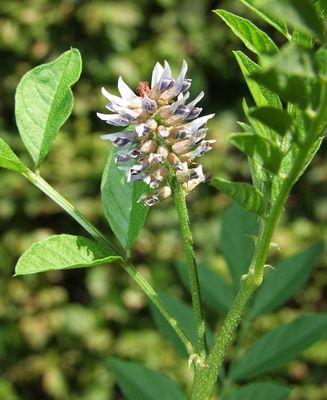 Licorice rootGlycyrrhiza glabra
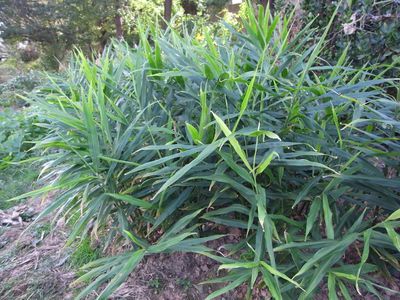 GingerZingiber officinale
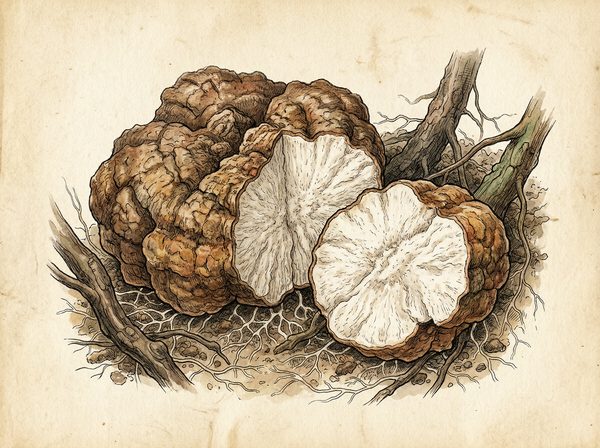 PoriaWolfiporia extensa
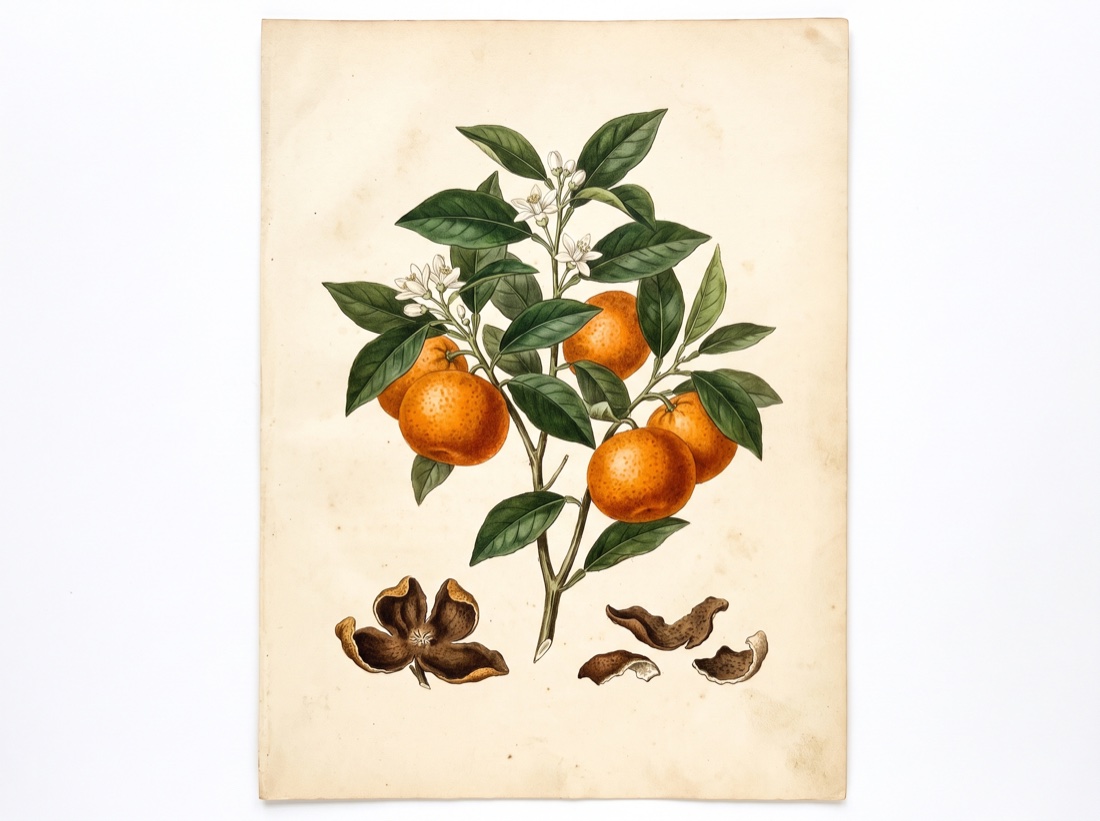 tangerineCitrus reticulata
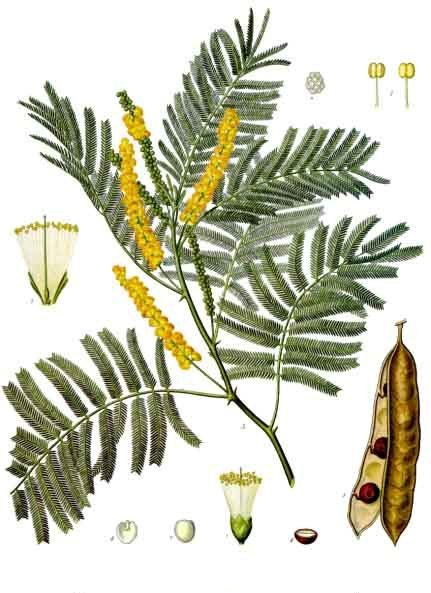 cutch treeAcacia catechu
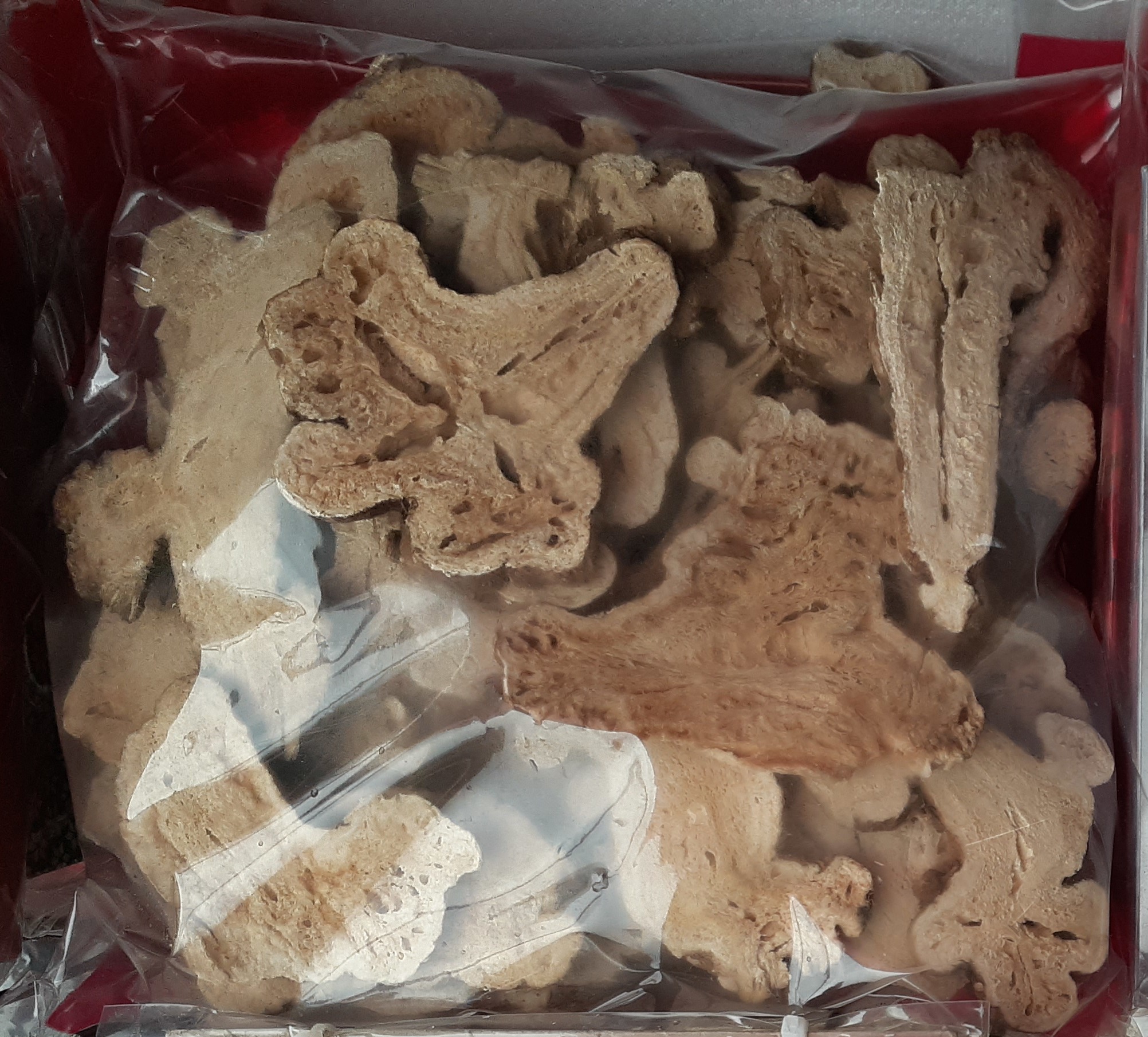 Bai ZhuAtractylodes macrocephala
Nearby on the shelf
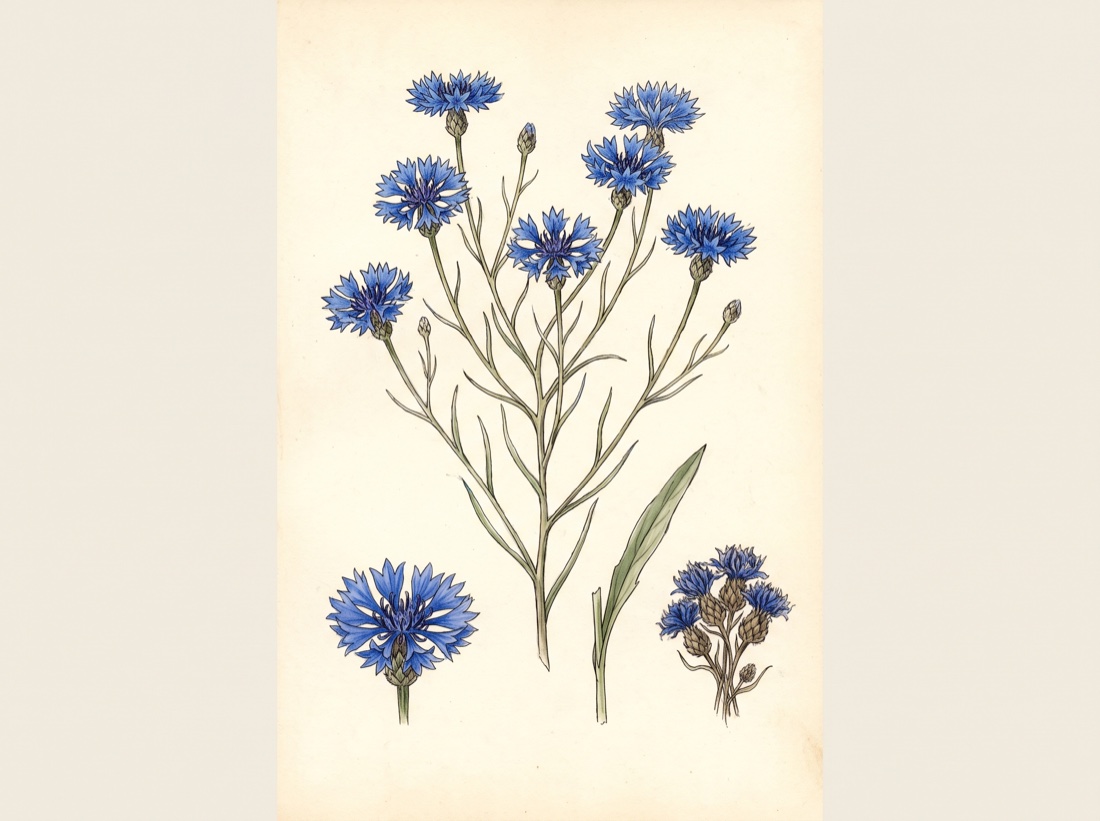 CornflowerCentaurea cyanus
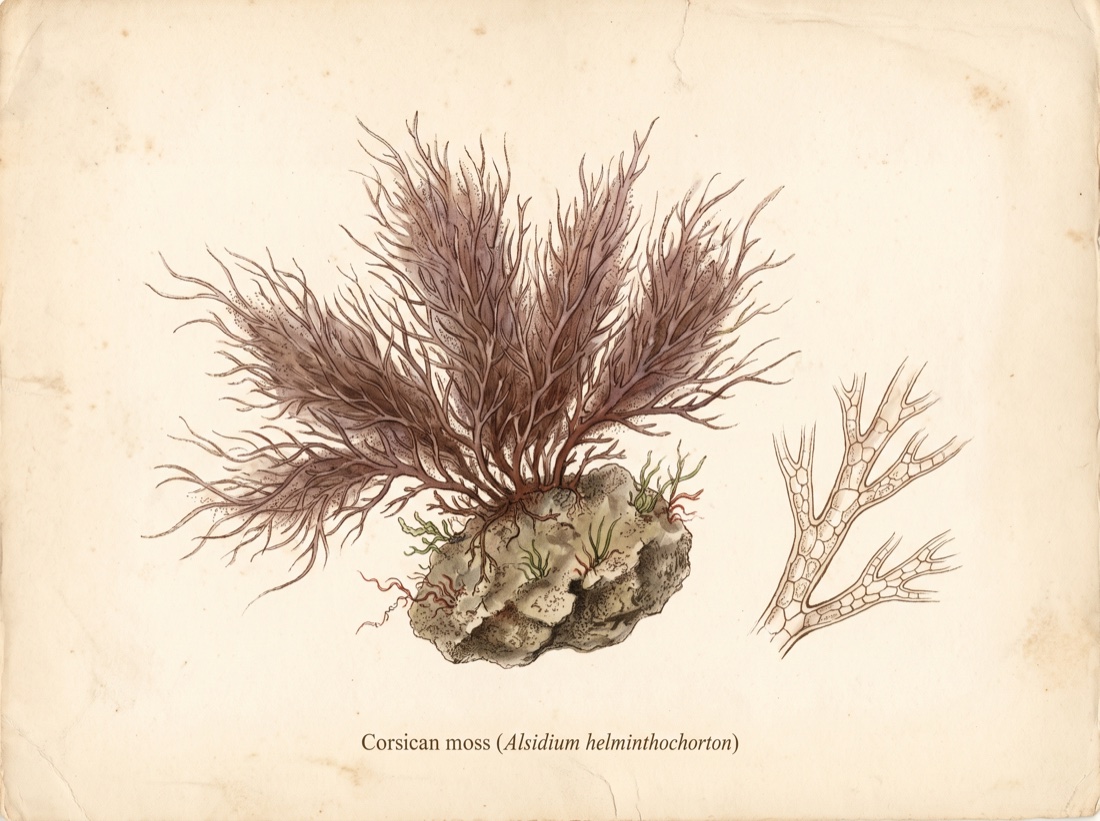 Corsican mossFucus Helminthocorton
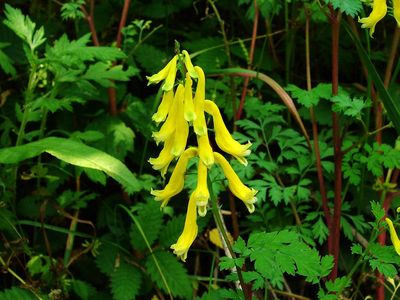 CorydalisCorydalis spp.
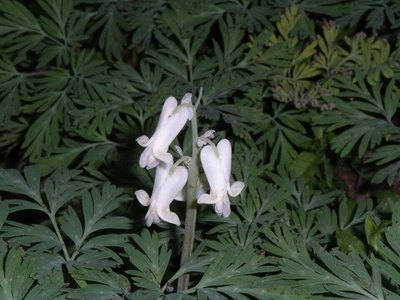 CorydalisDicentra canadensis
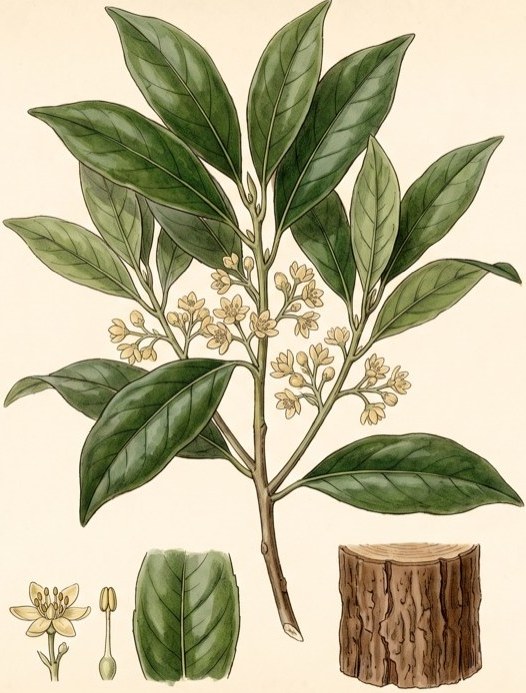 Coto barkCoto Bark
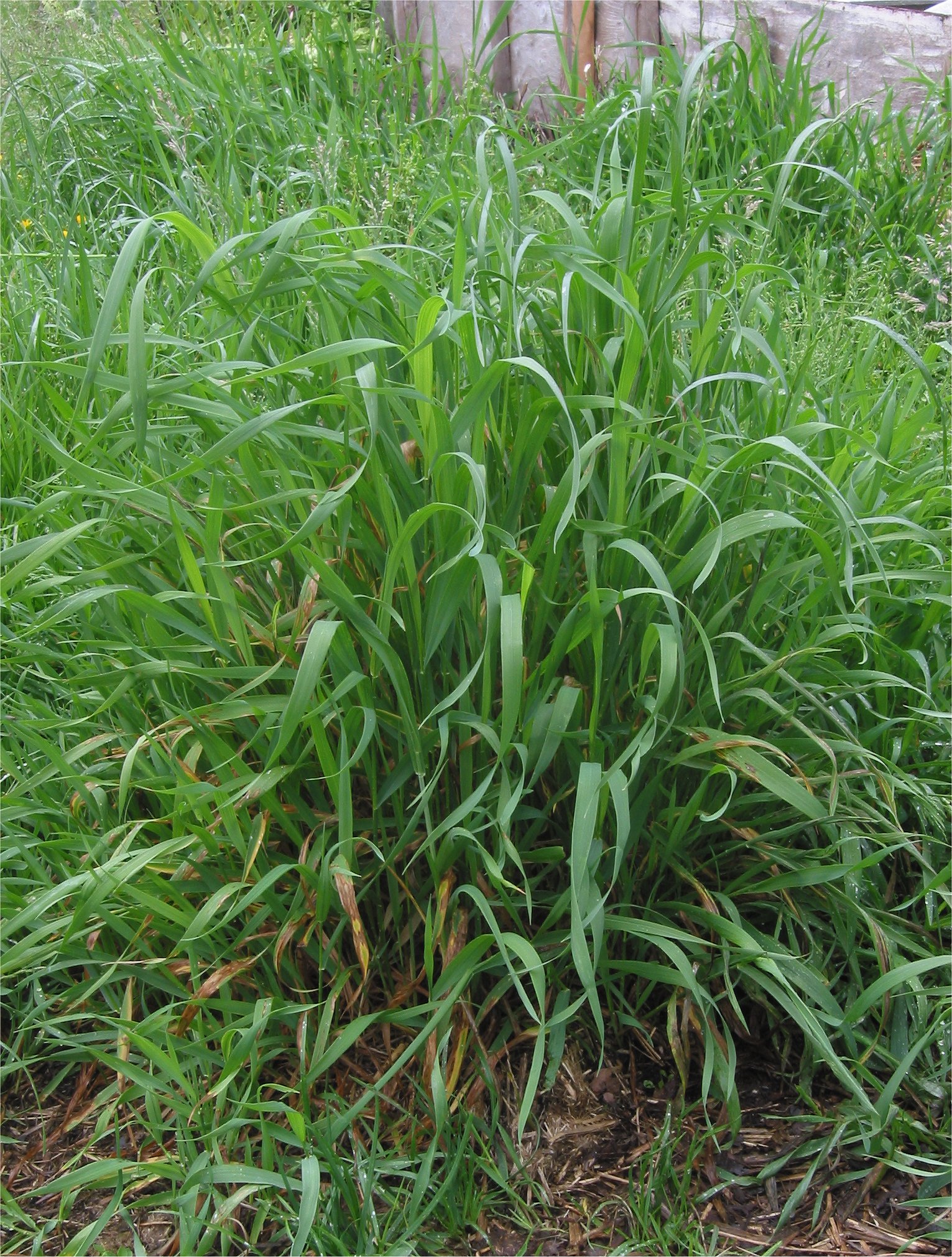 Couch GrassElymus repens
 Cow parsnipHeracleum lanatum
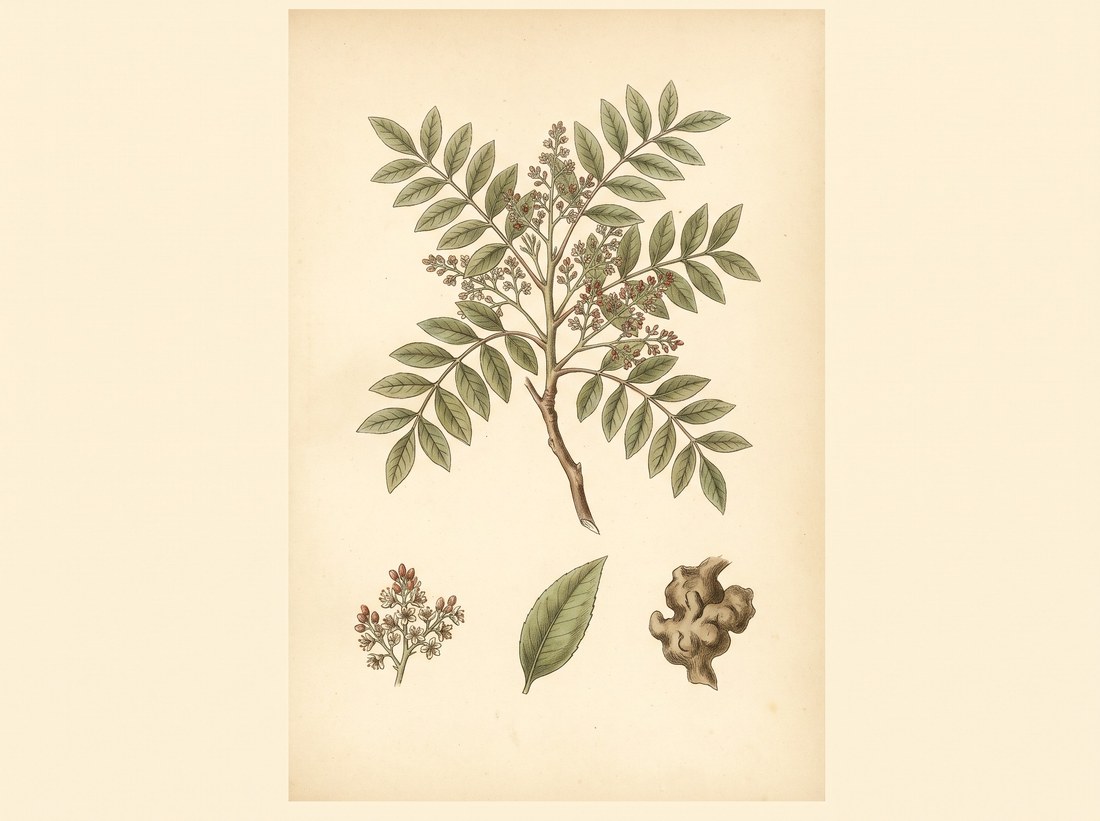 Crab's clawPistacia integerrima
The whole plate is in the library. The compass, Compare, the Sky of eleven hundred plants and the formulary open with an email address and a password, free, with the formula builder and its safety engine. Herbert without limit, his formulating, clients, the handouts and the labels are the paid room.
Open the library, free