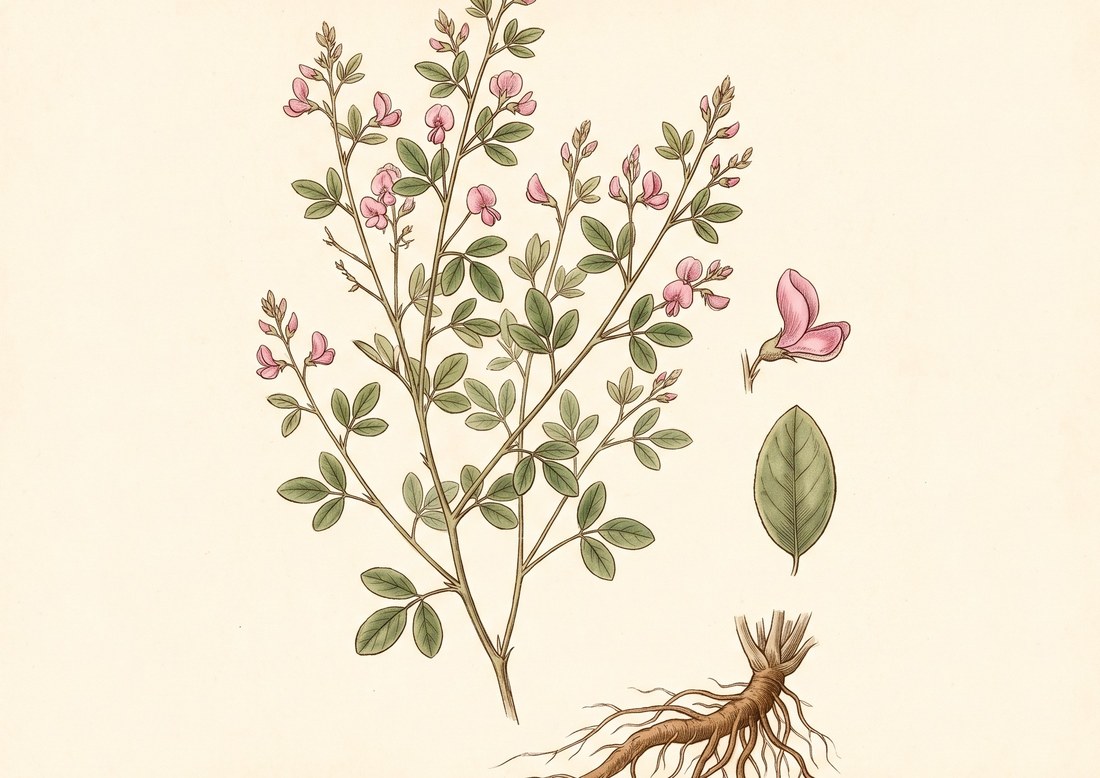
Ayurvedic Herbalism
Shalparni
Desmodium gangeticum
Also known as salpan, ticktrefoil, Indian desmodium, Shalaparni, Vidarigandha, Anshumati.
Desmodium gangeticum, now placed by some botanists in the genus Pleurolobus, is a small erect undershrub of the pea family with simple ovate leaves and small pink flowers, growing in scrub, forest margins and along field edges throughout the plains and lower hills of India, Sri Lanka and Southeast Asia. Ayurveda knows its root as Shalaparni, one of the five roots of Laghu panchamoola and therefore one of the ten of Dashamoola, the great vata-pacifying root group that underlies dozens of decoctions, fermented preparations and oils. It is a building, warming, sweet-bitter root used for fever with aching, for wasting and for disorders of vata.

Ask Herbert about Shalparni. Herbert is the master herbalist inside Bountiful Herbs: he answers from this plate and eleven hundred others, with dosing, pairing and cautions. Your first ten questions are free.
Ask HerbertActions
Indications what the tradition reached for it in
- Chronic fatigue and debility after prolonged illness
- Neuralgia and neuropathic pain
- Chronic low back pain and sciatica
- Recurrent low-grade fever with body aches
- Post-viral cough and bronchial weakness
- Chronic diarrhea with weakness
- Convalescence with weight loss
- Stress-related male subfertility
- Cardiac weakness with palpitations (adjunct)
- Generalized muscle aching and stiffness in the elderly
- Nervous exhaustion with insomnia
Specific indications
A thin, tired, aching patient after a long fever or viral illness, whose body hurts all over, whose sleep is light and whose appetite has not returned
Shooting nerve pain down the leg in an older, dry, cold patient who is also constipated and anxious
The depleted man under chronic stress with low libido and poor semen quality who needs building rather than stimulating
Chronic cough with weakness and breathlessness on stairs in an elderly patient with a thin frame
Safety
The record lists 5 contraindications; open the plate in the library to read them in full.
In practice
The Ayurvedic physician rarely meets Shalaparni alone. As part of Dashamoola it is decocted for vata disorders with pain, for fever with body ache, for dyspnea and for the puerperium; Dashamoolarishta is the standard tonic after childbirth and long illness, and Dhanwantaram taila carries the same roots into massage for sciatica, paralysis and postpartum weakness.
In Ayurveda
Rasa: madhura (sweet), tikta (bitter). Virya: ushna (heating). Vipaka: madhura (sweet). Guna: guru (heavy), snigdha (unctuous). Dosha: pacifies all three doshas, with special affinity for vata; its sweet vipaka and unctuous quality make its warmth gentle on pitta. Karma: rasayana (rejuvenative); balya (strengthening); brimhana (nourishing, builds tissue); vatahara (pacifies vata); jvaraghna (relieves fever); shothahara (reduces swelling); vishaghna (antidotal); hridya (cardiotonic); angamardaprashamana (relieves body ache); sandhaniya (promotes union of tissues); krimighna (anthelmintic); tridoshahara (balances all three doshas). Classical indications: jvara (fever, especially chronic fever); vatavyadhi (neuromuscular and joint disorders of vata); shvasa (dyspnea); kasa (cough); kshaya (wasting); atisara (diarrhea); chardi (vomiting); shotha (swelling); hridroga (heart disease); visha (poisoning); arsha (hemorrhoids); angamarda (body ache); krimi (parasites). The root is the drug, dug from mature plants and dried, and it is one of the ten roots of Dashamoola, so it is most often met in kwatha, arishta, ghrita and taila made from that group; alone it is given as churna with milk, as kwatha, and as kalka. The whole plant is sometimes used where roots are scarce. Classical formulations: Dashamoola kwatha, Dashamoolarishta, Laghu panchamoola, Chyawanprash, Dhanwantaram taila, Dhanwantaram kashaya, Amritarishta, Dashamoola haritaki, Indukanta ghrita, Vidaryadi kashaya. Described in: Charaka Samhita, Sushruta Samhita, Ashtanga Hridaya, Bhavaprakasha Nighantu, Dhanvantari Nighantu, Raja Nighantu, Kaiyadeva Nighantu, Madanapala Nighantu, Sharngadhara Samhita, Ayurvedic Pharmacopoeia of India.
Dosing as the sources wrote it
| Preparation | As written | Metric |
|---|---|---|
| Churna | 3-6 g powdered root twice daily with warm milk | 3000-6000 mg |
| Kwatha | 50-100 mL decoction twice daily | 50-100 mL |
| Arishta (Dashamoolarishta) | 15-30 mL twice daily after food | 15-30 mL |
| Ghrita | 5-10 g medicated ghee daily | 5000-10000 mg |
Doses are reproduced from the sources for practitioners and are not a recommendation for any person.
From the sources
Overview. Desmodium gangeticum, now placed by some botanists in the genus Pleurolobus, is a small erect undershrub of the pea family with simple ovate leaves and small pink flowers, growing in scrub, forest margins and along field edges throughout the plains and lower hills of India, Sri Lanka and Southeast Asia. Ayurveda knows its root as Shalaparni, one of the five roots of Laghu panchamoola and therefore one of the ten of Dashamoola, the great vata-pacifying root group that underlies dozens of decoctions, fermented preparations and oils. It is a building, warming, sweet-bitter root used for fever with aching, for wasting and for disorders of vata.
Clinical Notes. The Ayurvedic physician rarely meets Shalaparni alone. As part of Dashamoola it is decocted for vata disorders with pain, for fever with body ache, for dyspnea and for the puerperium; Dashamoolarishta is the standard tonic after childbirth and long illness, and Dhanwantaram taila carries the same roots into massage for sciatica, paralysis and postpartum weakness.
Ayurvedic Profile. Rasa: madhura (sweet), tikta (bitter). Virya: ushna (heating). Vipaka: madhura (sweet). Guna: guru (heavy), snigdha (unctuous). Dosha: pacifies all three doshas, with special affinity for vata; its sweet vipaka and unctuous quality make its warmth gentle on pitta.
In formulas
Shalparni stands in 37 documented formulas in the library, among them Amṛtāriṣta, Dantyādyariṣṭa, Daśamūlāriṣṭa, Mṛtasaṅjīvanī Surā, Miśreyārka, Cyavanaprāśa.
Often paired with
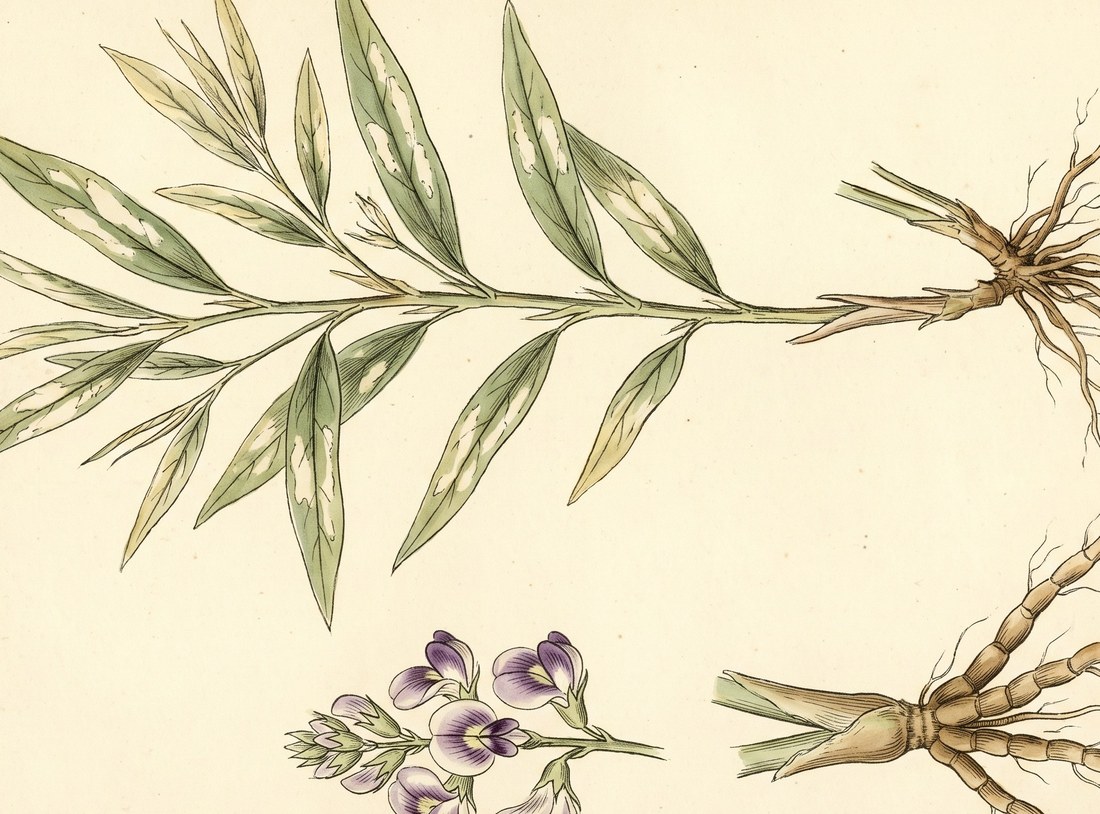 prishniparniUraria picta
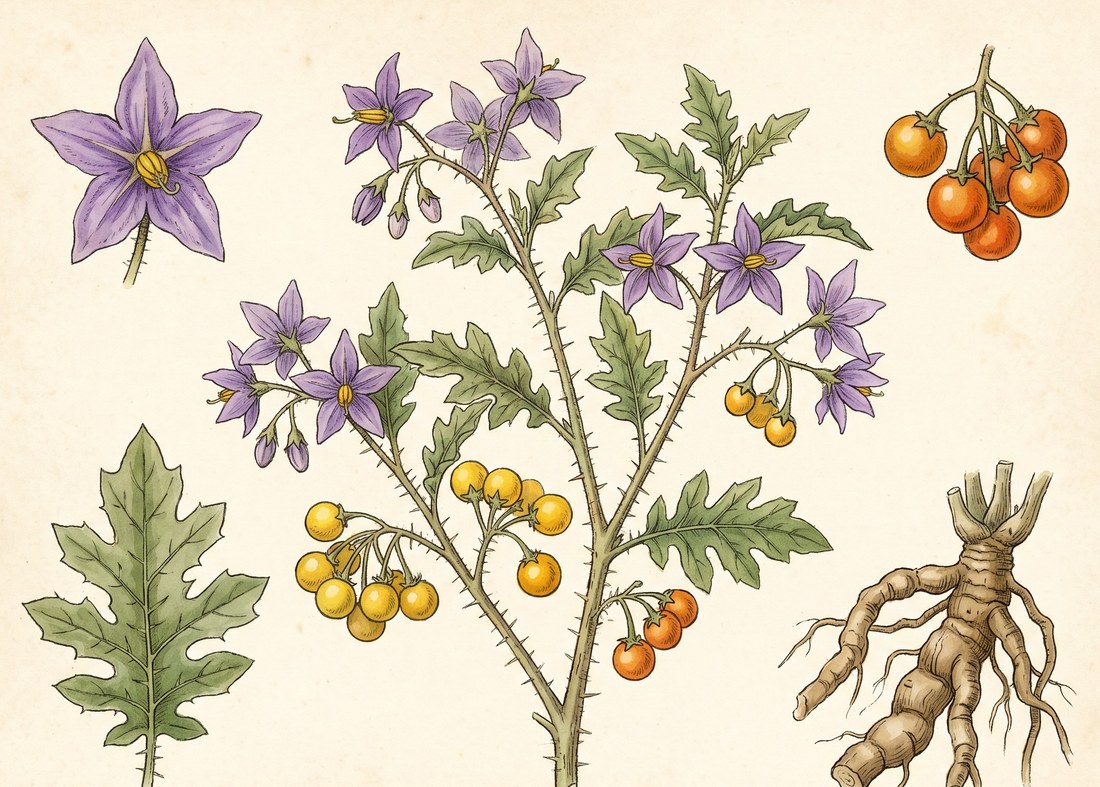 Indian nightshadeSolanum indicum
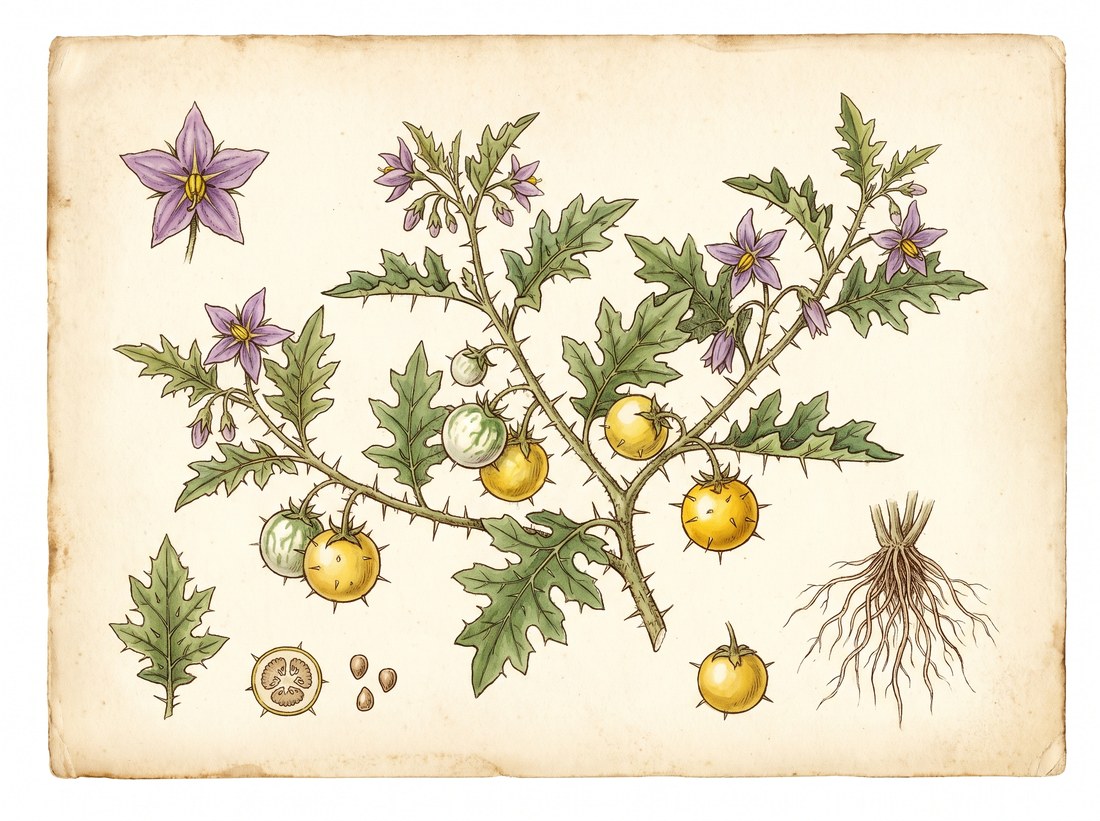 yellow-berried nightshadeSolanum xanthocarpum
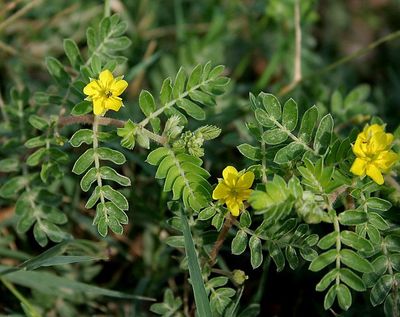 puncture vineTribulus terrestris
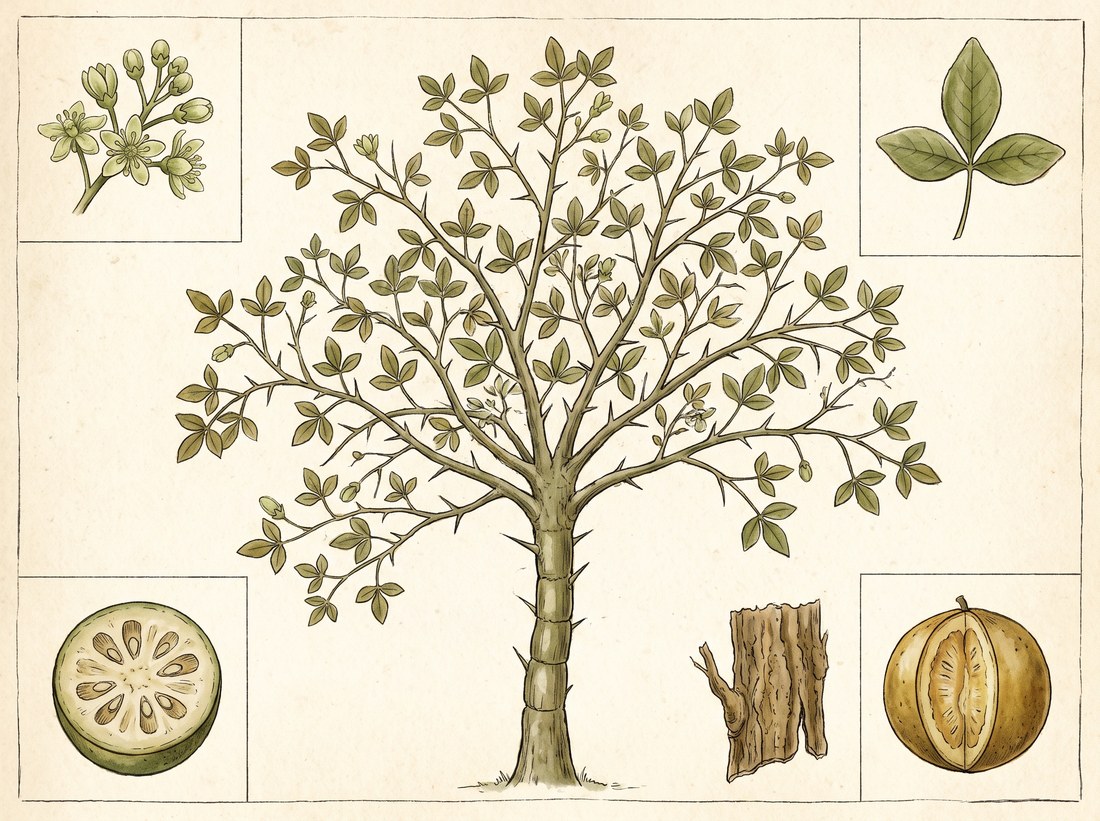 baelAegle marmelos
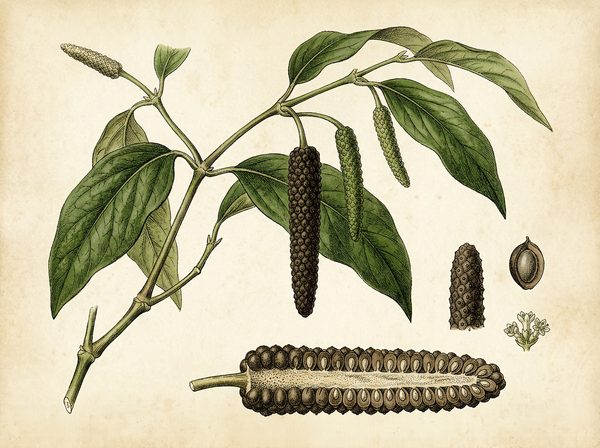 long pepperPiper longum
Nearby on the shelf
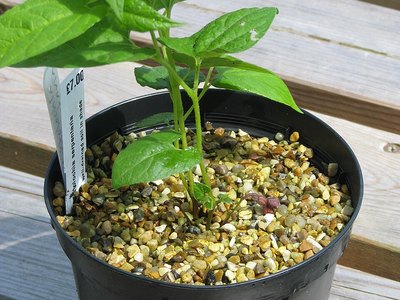 SerpentariaAristolochia serpentaria
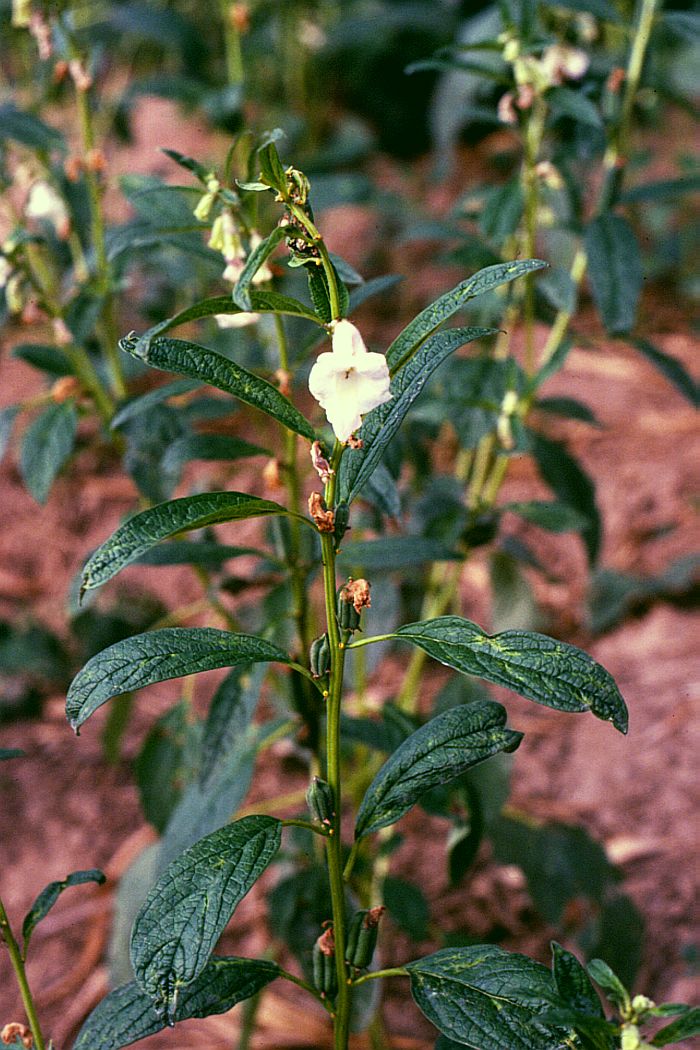 SesameSesamum indicum
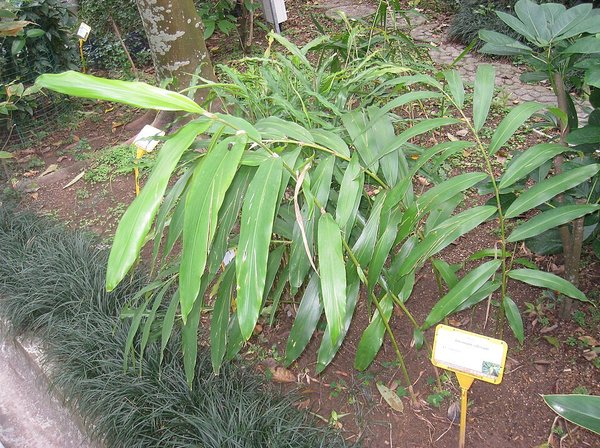 Sha RenAmomum villosum
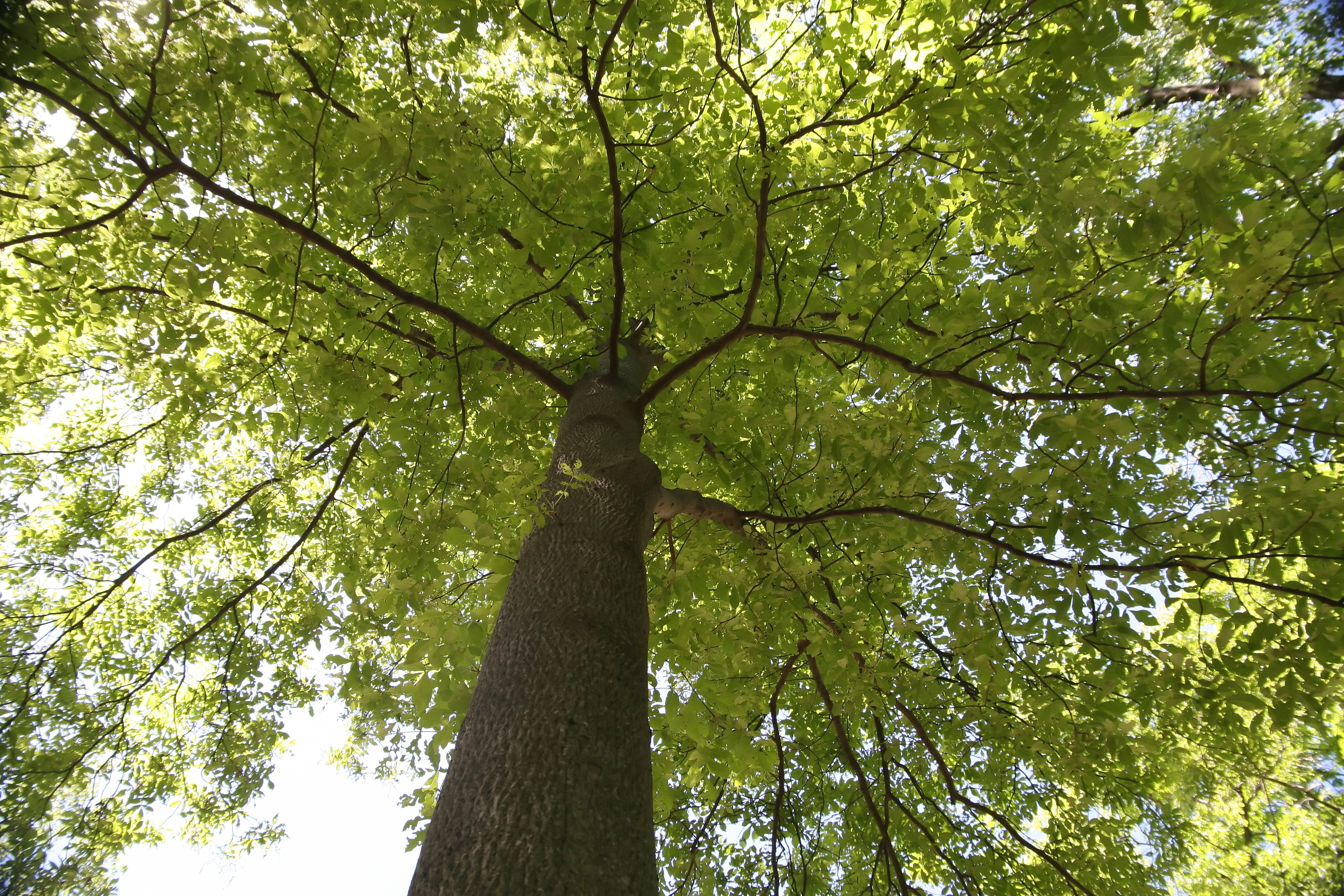 Shagbark hickoryCarya alba
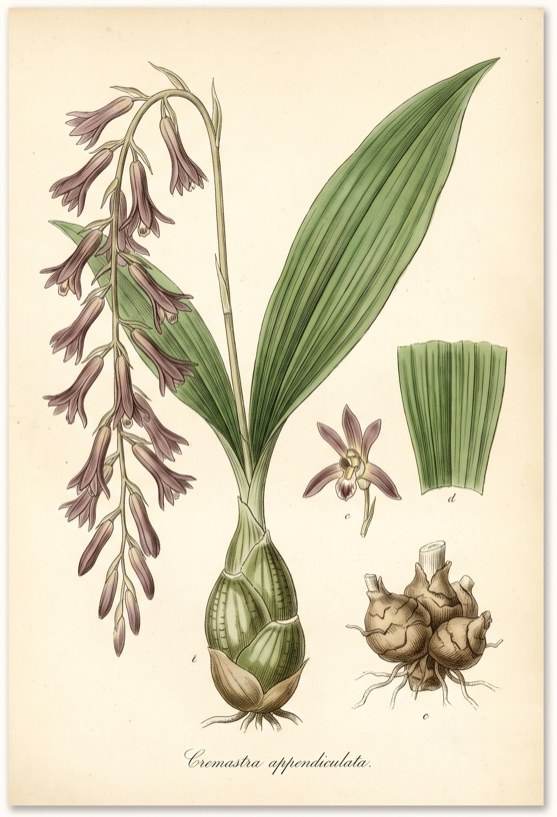 Shan Ci GuCremastra appendiculata
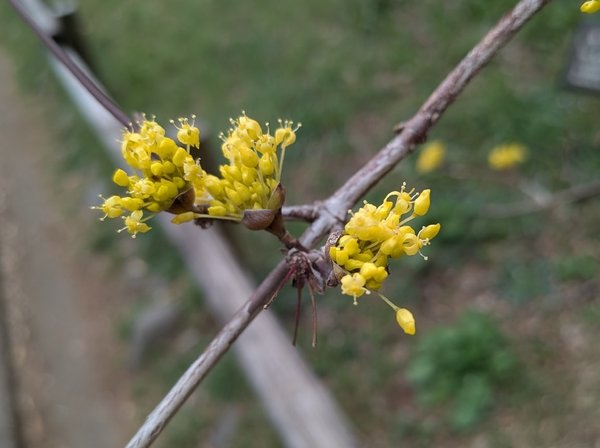 Shan Zhu YuCornus officinalis
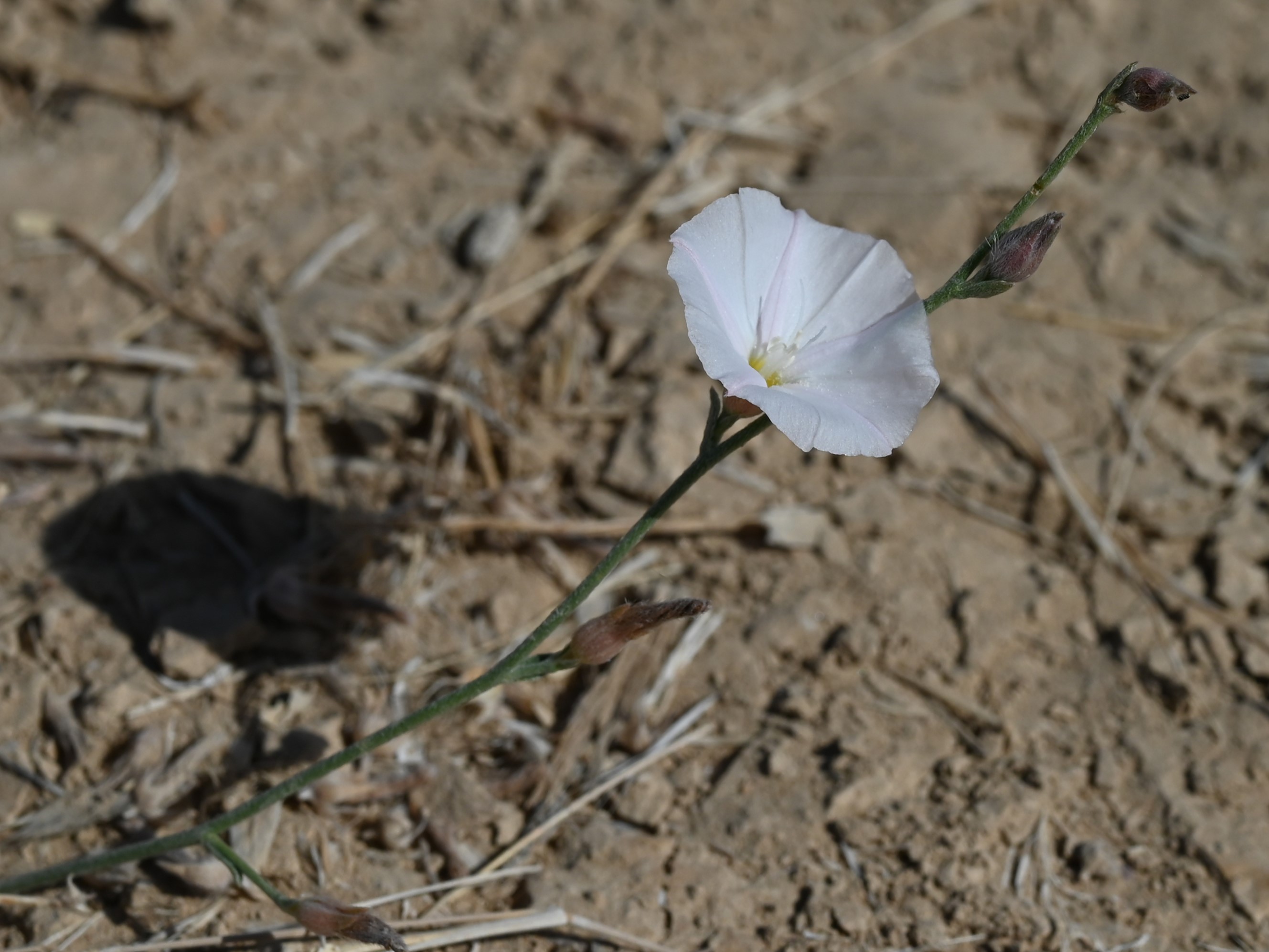 ShankhpushpiConvolvulus pluricaulis
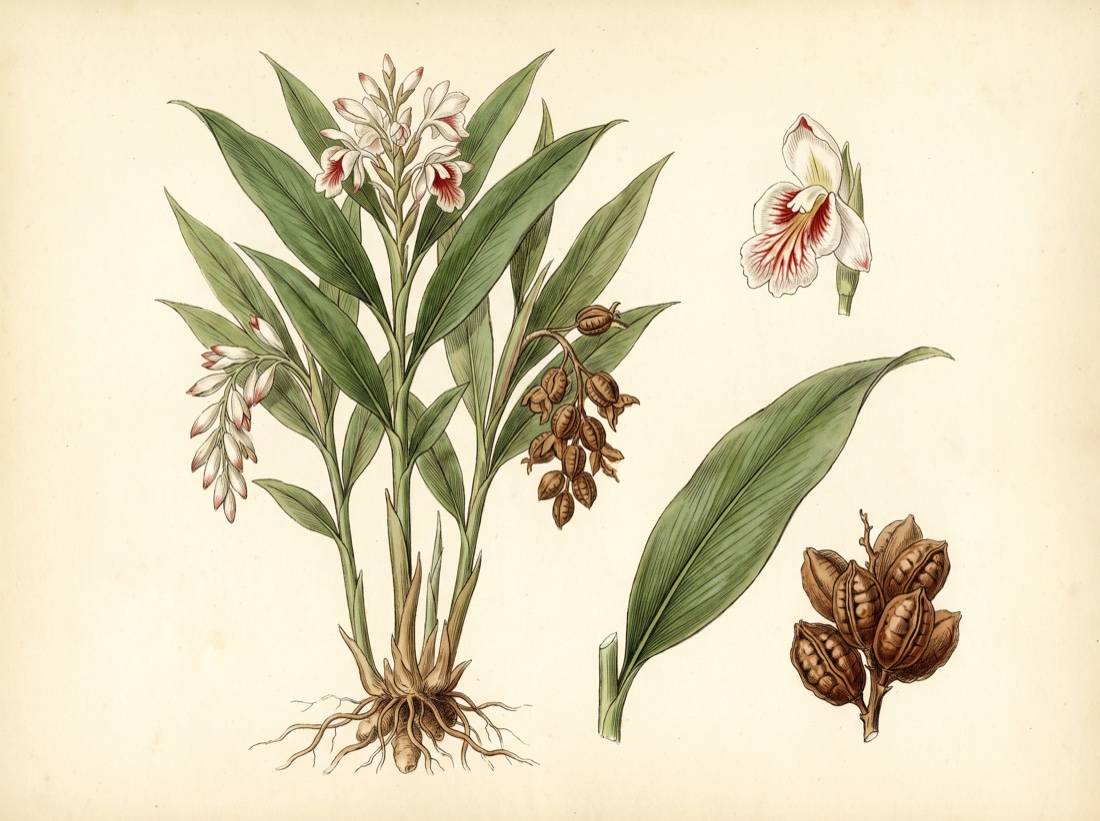 Sharp-leaf galangalAlpinia oxyphylla
The whole plate is in the library. The compass, Compare, the Sky of eleven hundred plants and the formulary open with an email address and a password, free, with the formula builder and its safety engine. Herbert without limit, his formulating, clients, the handouts and the labels are the paid room.
Open the library, free