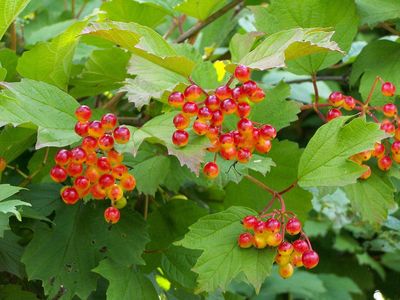
Western Herbalism
Cramp bark
Viburnum opulus
Also known as Black haw, High cranberry, Sloe, Viburnum, High-bush Cranberry, (1) Black Haw, Sloe-leaved Viburnum, Stag Bush.
Like black haw, this species of Viburnum is a uterine sedative and tonic and may be used where there is a predisposition to abortion, or as a partus praeparator. It is believed to have stronger antispasmodic properties than the black haw, and the special indication is cramps or cramp-like contraction of the hollow viscera, as well as of the voluntary musculature.

Ask Herbert about Cramp bark. Herbert is the master herbalist inside Bountiful Herbs: he answers from this plate and eleven hundred others, with dosing, pairing and cautions. Your first ten questions are free.
Ask HerbertActions
Indications what the tradition reached for it in
- Pain (uterine, post-delivery)
- Muscle spasms
- Palpitations
- Asthma
- Gastrointestinal cramps
- Pain (ovarian)
- Premenstrual syndrome (w/ musculoskeletal tension or pain)
- Hypertension
- Pain (pelvic)
- Pain (low back)
- Threatened miscarriage
- False labor
- Leg cramps
- Labor
- Post-partum hemorrhage
- Kidney stone
- Cholelithiasis
- Gallstone
- Dysmenorrhea
- Bleeding
- Colic
- Cramps
- Diarrhea
- Hemorrhage
- Respiratory complaints
- Excessive discharge
Safety
Pregnancy: Limited safety data in pregnancy
The record lists 2 contraindications; open the plate in the library to read them in full.
Dosing as the sources wrote it
| Preparation | As written | Metric |
|---|---|---|
| Tincture (1:3) | 3-5 ml TID | 3-5 mL |
| Decoction | 1 Tbs/c TID | |
| Fluid Extract High Cranberry | Dose, from ten to thirty minims. | 0.62-1.85 mL |
| If this is accompanied with severe or profuse menstruation with a sensation of dragging weight in the back, the pains extending clear around the body, a drop or two of cimicifuga or ten drops of helonias with every dose will relieve the pain. | 0.02-0.02 mL | |
| Specific Medicine Viburnum | Dose, from five to sixty minims. | 0.31-3.7 mL |
| In one of my cases it caused the womb to suspend expulsive action and to retain a dead fetus for months; given in large doses after the fourth month no return of the expulsive effort occurred until the seventh, when the agent was discontinued, after which a four-months mummified fetus was expelled without detriment to the health of the patient. |
Doses are reproduced from the sources for practitioners and are not a recommendation for any person.
From the sources
Action and Therapy. Like black haw, this species of Viburnum is a uterine sedative and tonic and may be used where there is a predisposition to abortion, or as a partus praeparator. It is believed to have stronger antispasmodic properties than the black haw, and the special indication is cramps or cramp-like contraction of the hollow viscera, as well as of the voluntary musculature.
Action and Therapy. Black haw is a remedy of Eclectic development and is praised by practitioners of all schools of medicine for its virtues in disorders of women. It is both tonic and antispasmodic, well-sustaining the time-honored meaning of those terms.
Therapy. Given prior to labor it is a partus preparator of much value, but its action is limited largely to its antispasmodic influence upon erratic pains. It is given with much benefit in severe after-pains, in hysterical conditions, with convulsive phenomena, and in spasmodic dysmenorrhea. It is of advantage in that it prevents miscarriage., but to an extent greatly inferior to viburnum prunifolium, which agent, in fact, fully covers the field of operation of this agent, except in its anti-spasmodic influence.
Therapy. It is the remedy for dysmenorrhea, especially that characterized by cramp-like pains of spasmodic character. It promotes normal uterine contractions and antagonizes those of an irregular character. It is valuable in menorrhagia and metrorrhagia, either of an acute or a passive character.
Drawn from Cook's Physio-Medical Dispensatory; Scudder's Specific Medication and Specific Medicines; King's American Dispensatory, 18th edition (Felter and Lloyd); Ellingwood's American Materia Medica, Therapeutics and Pharmacognosy, and the Bountiful Herbs editorial.
In formulas
Cramp bark stands in 12 documented formulas in the library, among them Muscle Spasm & Cramp Formula, Menstrual Cramp & PMS Formula.
Often paired with
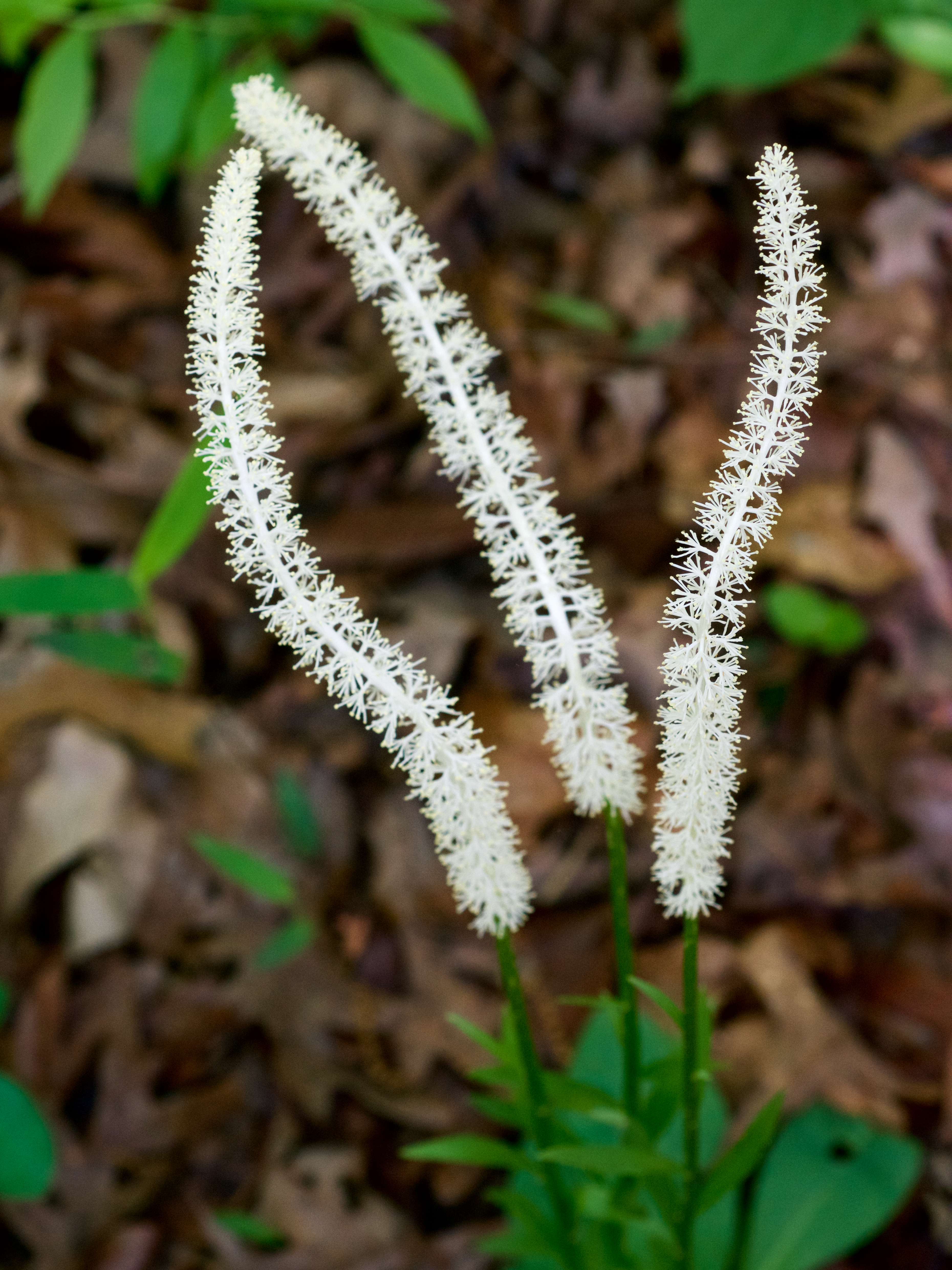 False unicornChamaelirium luteum
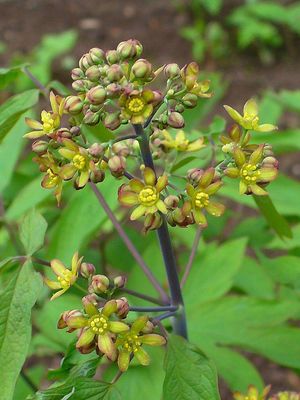 Blue cohoshCaulophyllum thalictroides
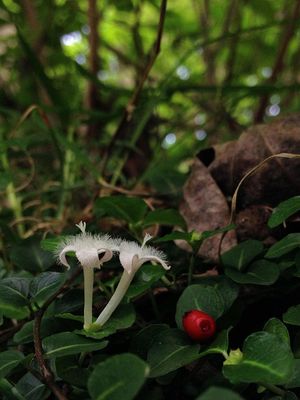 Partridge berryMitchella repens
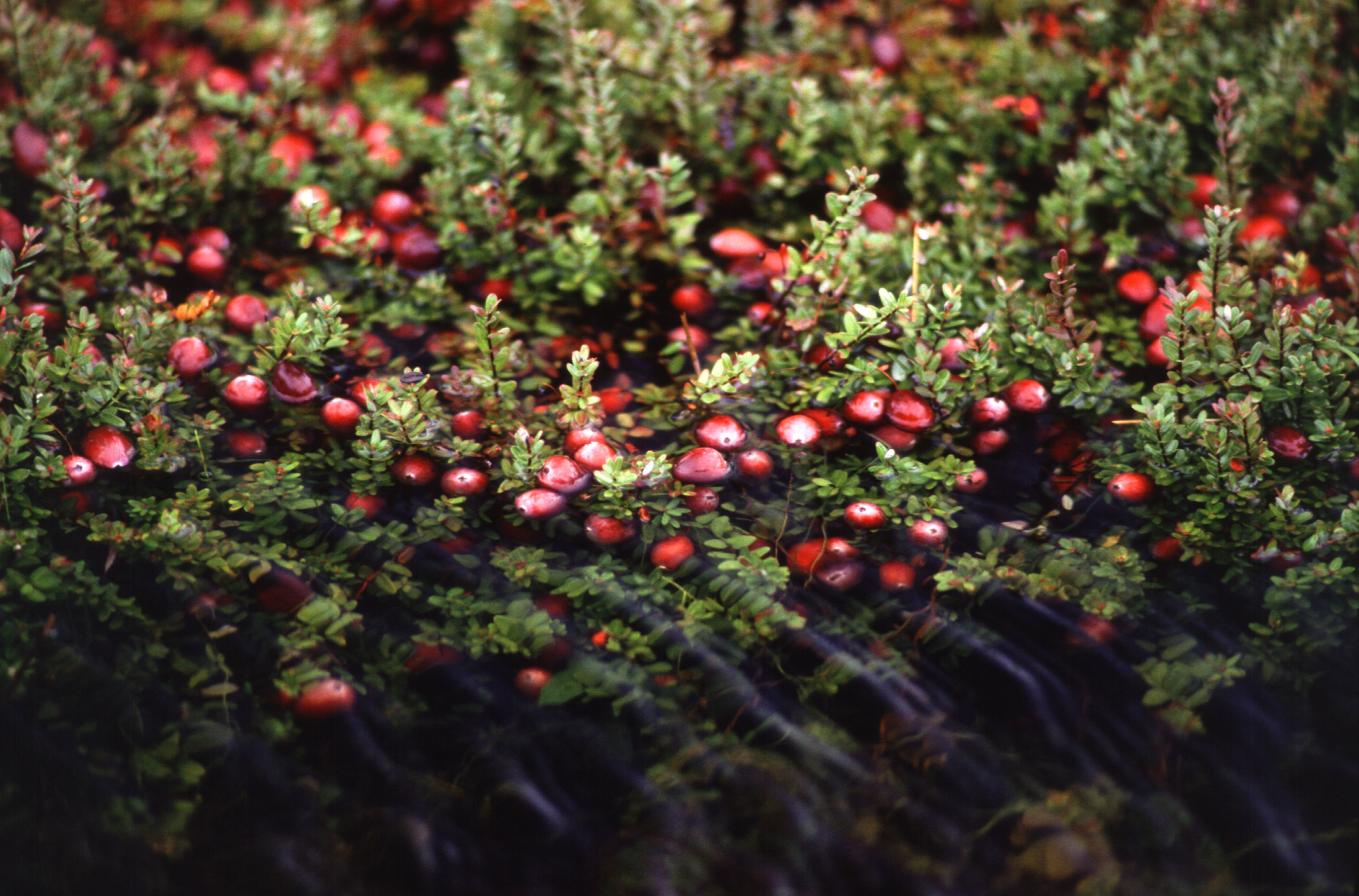 CranberryVaccinium oxycoccus
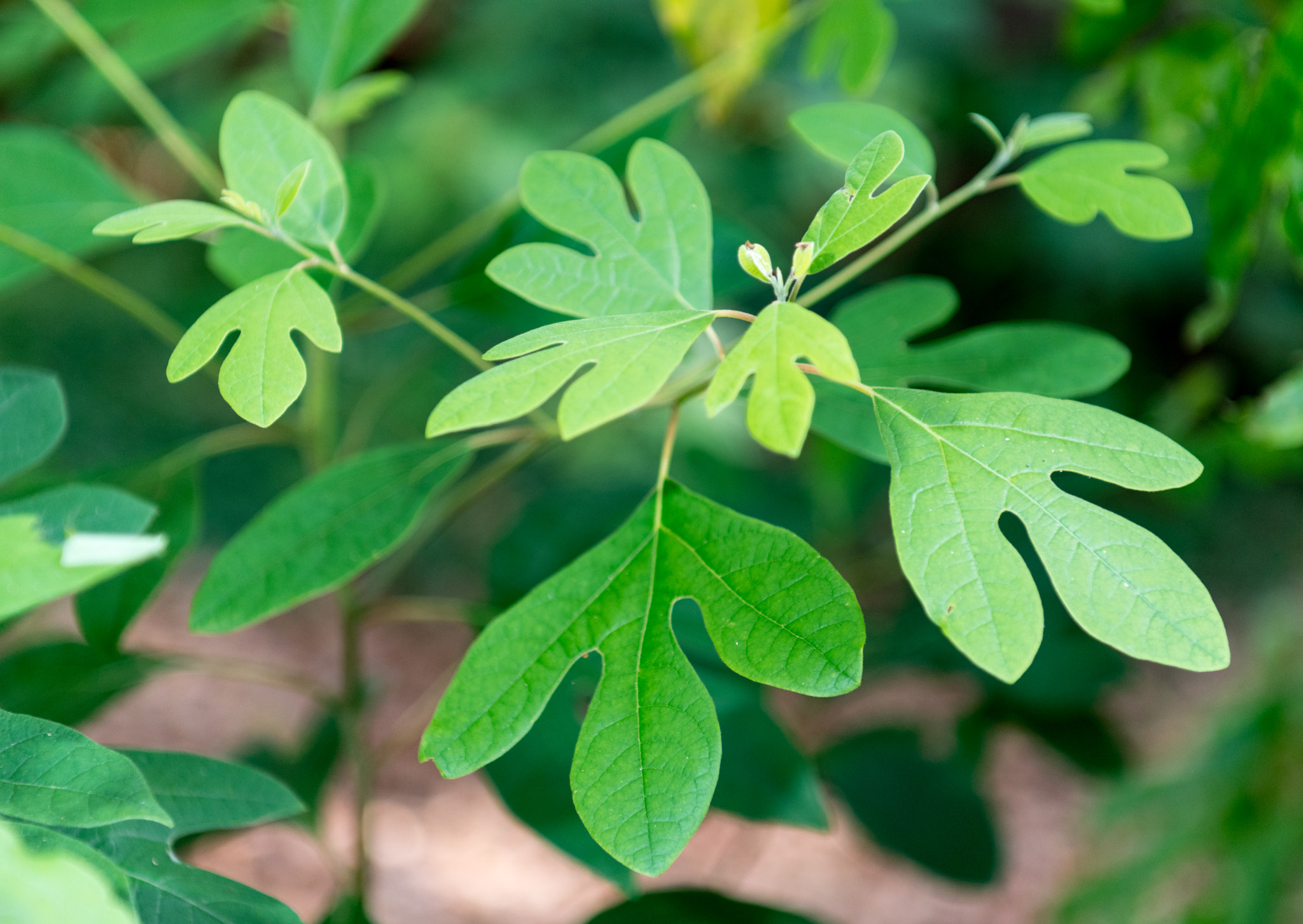 SassafrasSassafras albidum
Nearby on the shelf
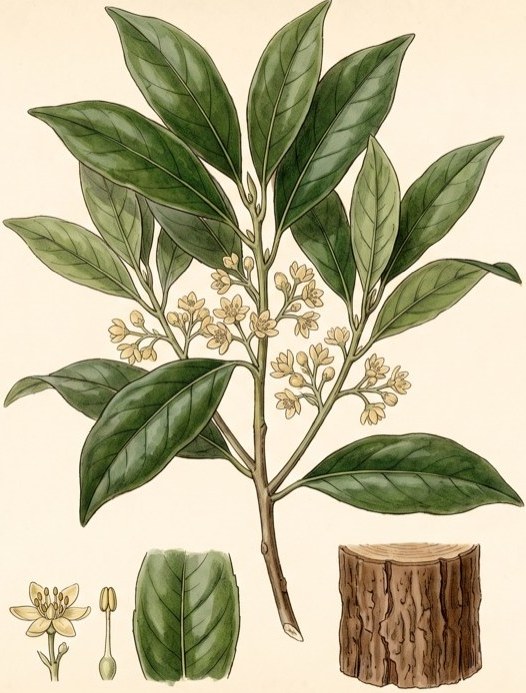 Coto barkCoto Bark
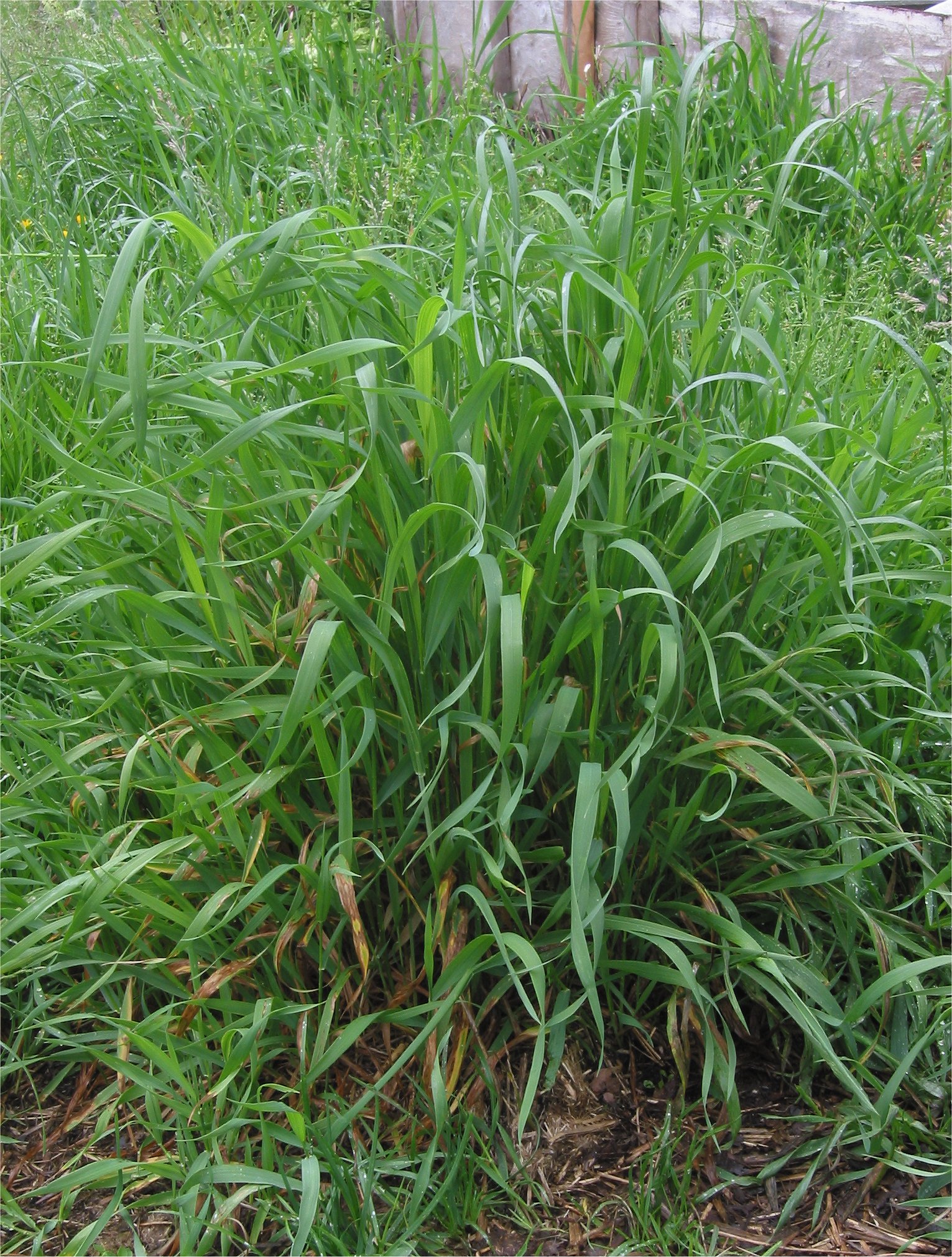 Couch GrassElymus repens
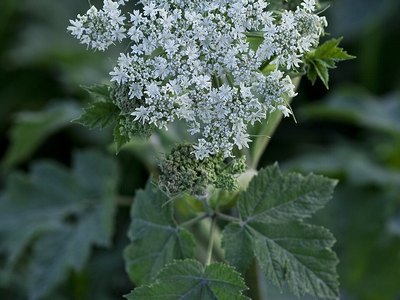 Cow parsnipHeracleum lanatum
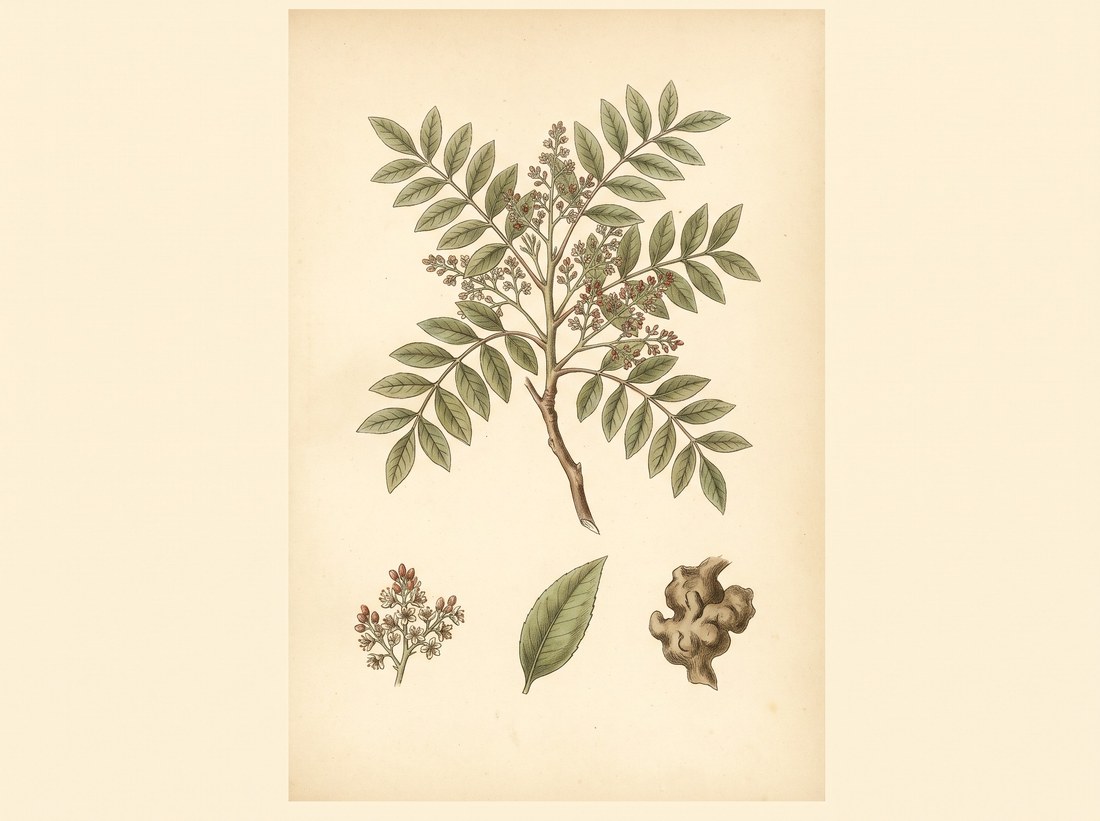 Crab's clawPistacia integerrima
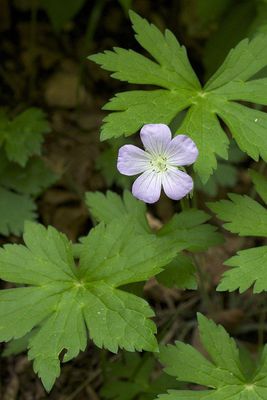 CranesbillGeranium maculatum
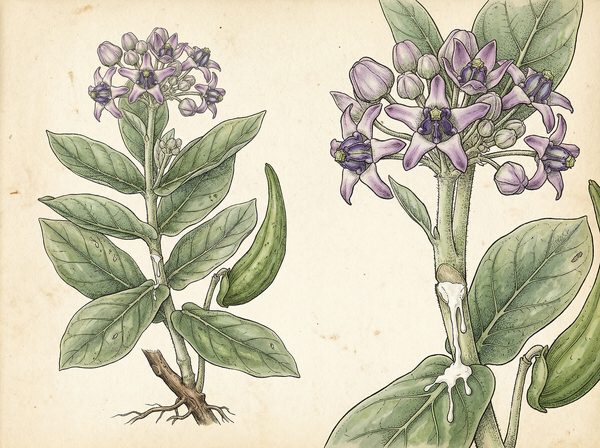 Crown flowerCalotropis gigantea
 CryptolepisCryptolepis sanguinolenta
The whole plate is in the library. The compass, Compare, the Sky of eleven hundred plants and the formulary open with an email address and a password, free, with the formula builder and its safety engine. Herbert without limit, his formulating, clients, the handouts and the labels are the paid room.
Open the library, free