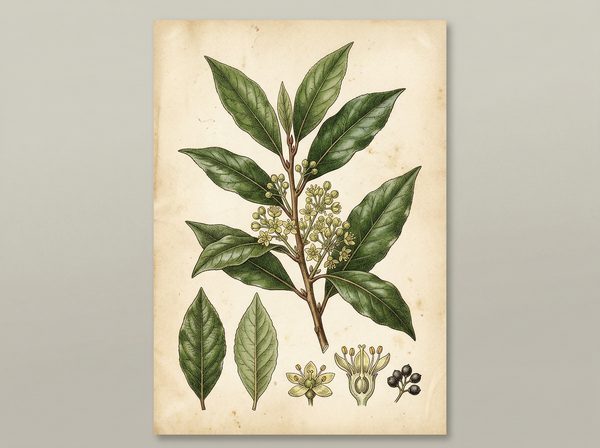
Western Herbalism
Bay Laurel
Laurus nobilis
Also known as Bay Leaf, Sweet Bay, Laurel, Bay, Sweet bay tree.
Whole leaves indigestible - remove before consuming primarily used as culinary herb with medicinal benefits extensive traditional use but limited strong clinical evidence for many indications Leaf volatile oil content not less than 1%

Ask Herbert about Bay Laurel. Herbert is the master herbalist inside Bountiful Herbs: he answers from this plate and eleven hundred others, with dosing, pairing and cautions. Your first ten questions are free.
Ask HerbertActions
Indications what the tradition reached for it in
- Sprain
- Colic
- Urinary dysfunction
- Flatulence
- Loss of appetite
- Rheumatism
- Arthritis
- Bronchitis
- Stomachache
- Asthma
- Abdominal cramps
- Diabetes
- Nausea
- Skin rashes
- Headache
- Cough
- Colds
- Flu
- Wounds
- Neuralgia
- Diarrhea
- Acid dyspepsia
- Fever
- Dysentery
- Earache
- Bloating
- Anemia
- Indigestion
- Migraine
- Abdominal distension
Safety
Pregnancy: Not for use in pregnancy
The record lists 2 contraindications; open the plate in the library to read them in full.
Dosing as the sources wrote it
| Preparation | As written | Metric |
|---|---|---|
| Infusion/tea (1-3g dried leaf or 2-3 leaves steeped 10-15 min, up to 2-3x daily) | ||
| tincture (1:5, 20-30 drops 2-3x daily) | ||
| powder (500mg-1g capsules) |
Doses are reproduced from the sources for practitioners and are not a recommendation for any person.
From the sources
Clinical Notes. Whole leaves indigestible - remove before consuming primarily used as culinary herb with medicinal benefits extensive traditional use but limited strong clinical evidence for many indications Leaf volatile oil content not less than 1%
Action, Medical Uses, and Dosage. Aromatic, tonic, and stimulant. An infusion or decoction has been successfully used in the treatment of ague and typhoid forms of fever; also as an anthelmintic. The berries afford a stimulant oil much esteemed as an application to bruises, chronic rheumatism, itch, etc., and has some reputation as a carminative in flatulence, flatulent colic, etc. The bark, in decoction, is said to be refrigerant and exhilarating, and exceedingly useful in all kinds of fever, for allaying excessive heat and uneasiness; a warm decoction is employed to produce diaphoresis. The decoction may be drank freely.
primary-actions. Bay Laurel acts primarily as: Carminative, Aromatic, Anti-inflammatory, Antioxidant, Antispasmodic. Secondary actions include Diuretic, Analgesic, Antiviral, Antibacterial, Antifungal, Vulnerary.
History. This shrub grows in damp woods, along streams and shaded places, in the United States and Canada, bearing greenish-yellow flowers in March and April, before the leaves are unfolded, and maturing its fruit, which consists of bright, crimson-colored, ovoid berries, growing in small bunches, in the middle of autumn.
Drawn from King's American Dispensatory, 18th edition (Felter and Lloyd), and the Bountiful Herbs editorial.
Often paired with
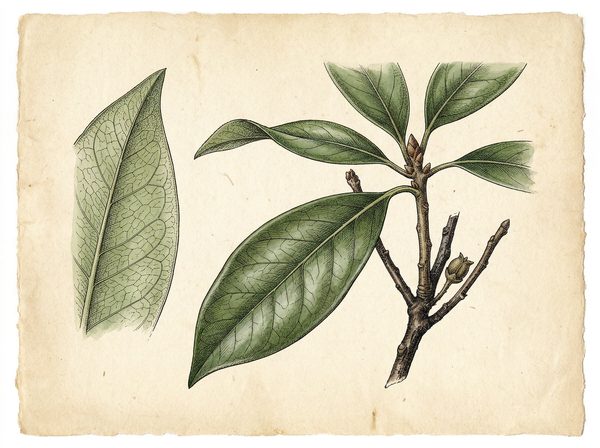 Mountain LaurelKalmia latifolia
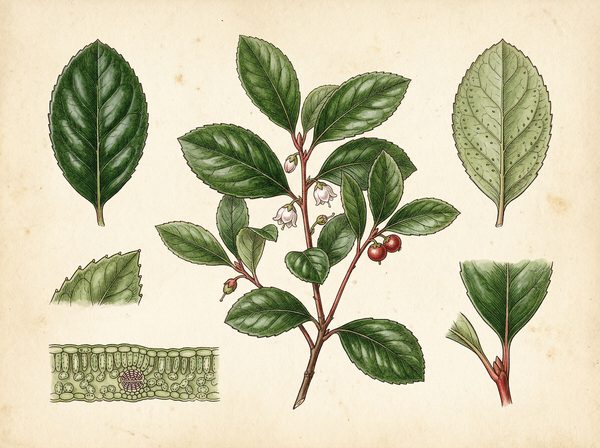 WintergreenGaultheria procumbens
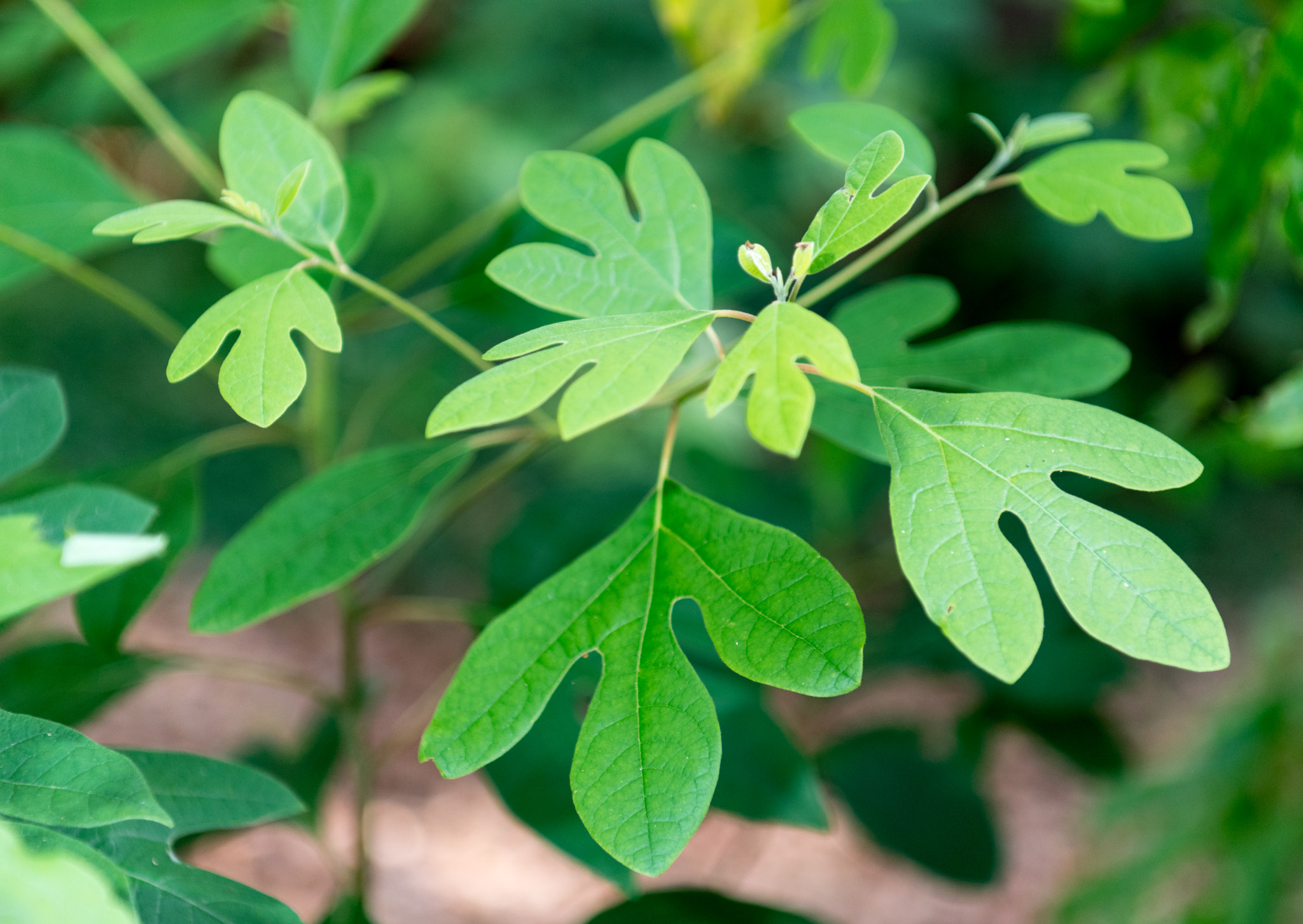 SassafrasSassafras albidum
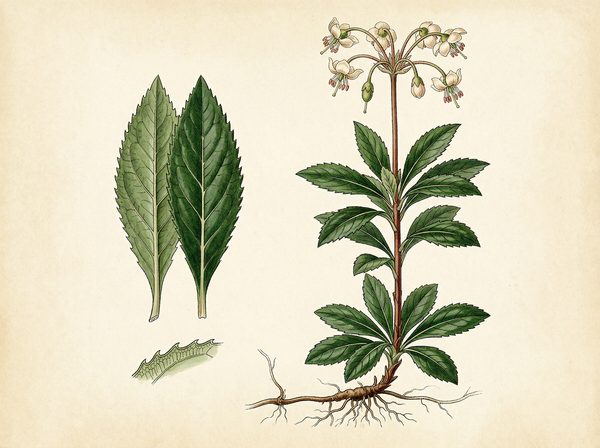 PipsissewaChimaphila umbellata
 Dwarf ElderAralia Hispida
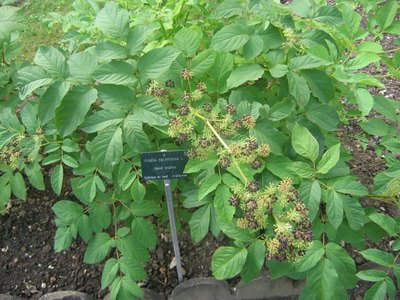 SpikenardAralia Racemosa
Nearby on the shelf
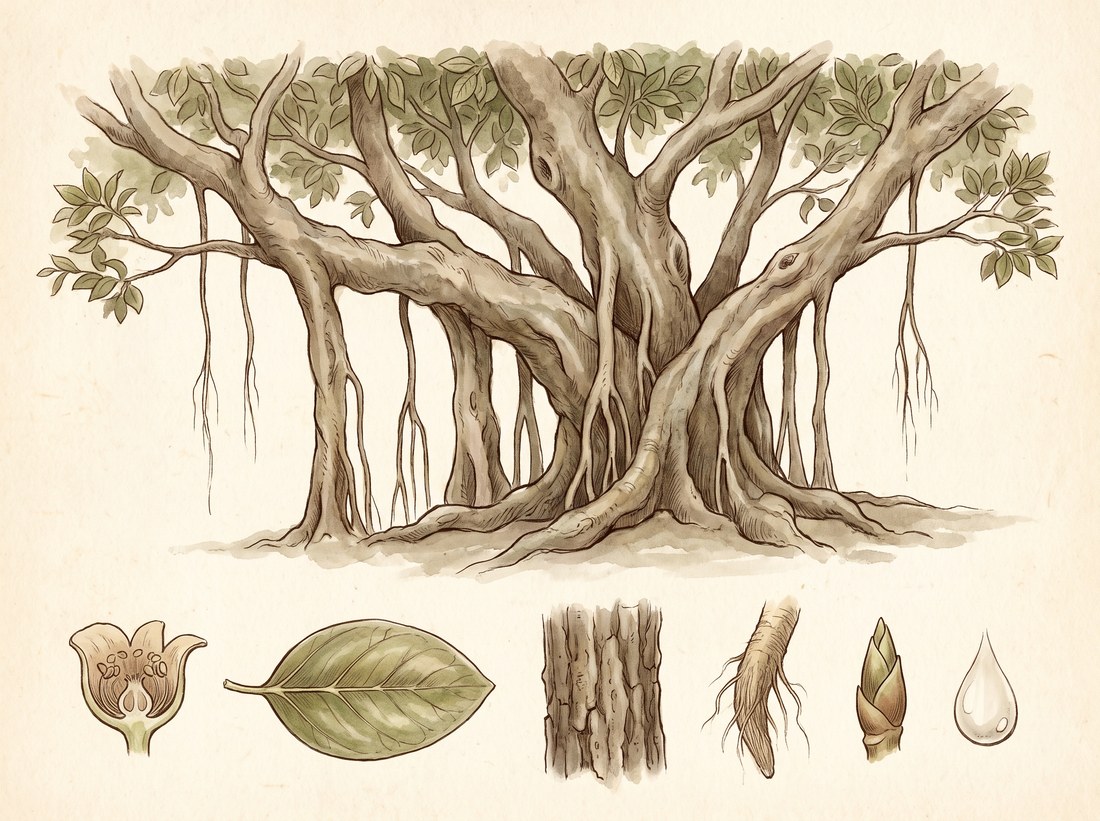 BanyanFicus benghalensis
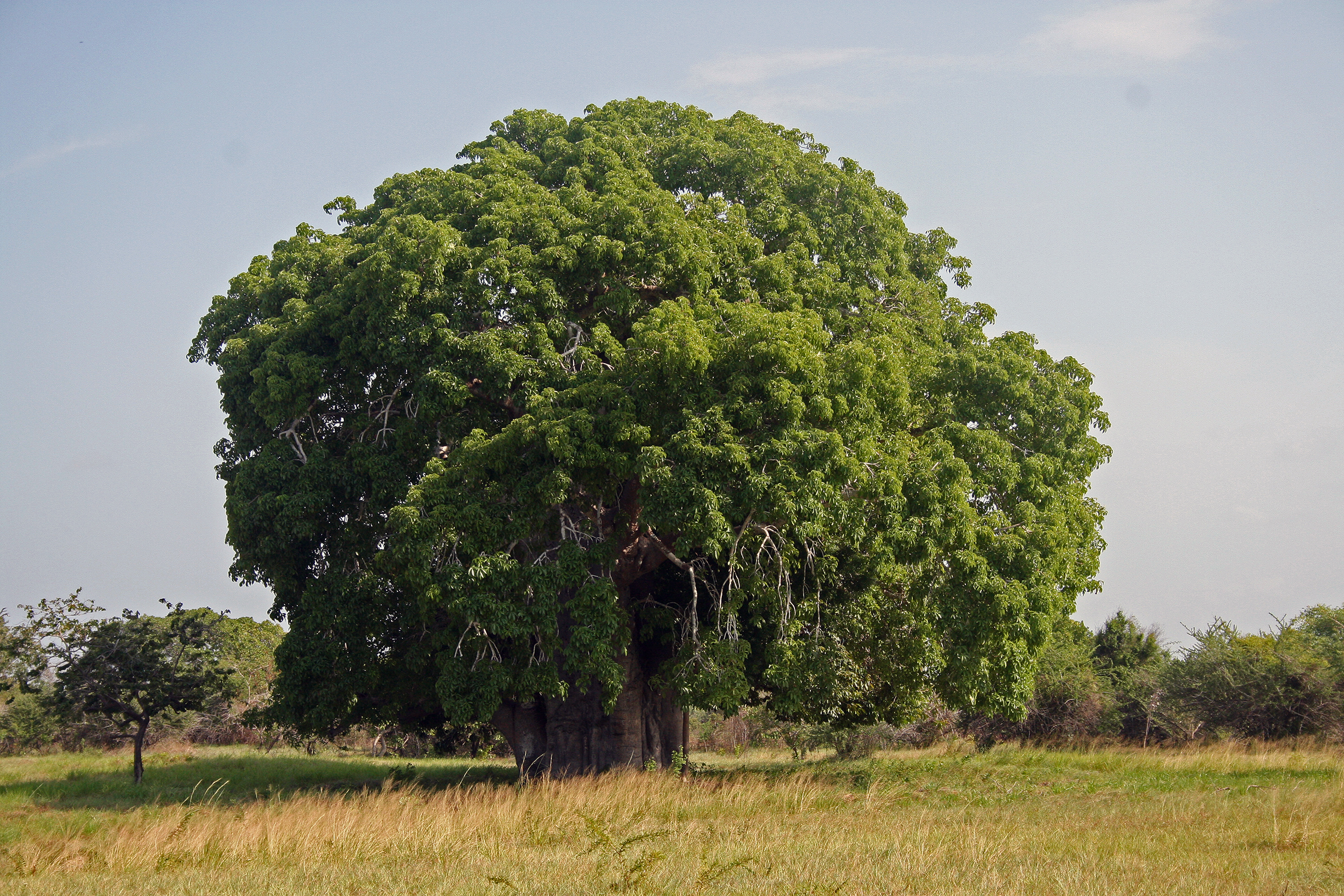 BaobabAdansonia
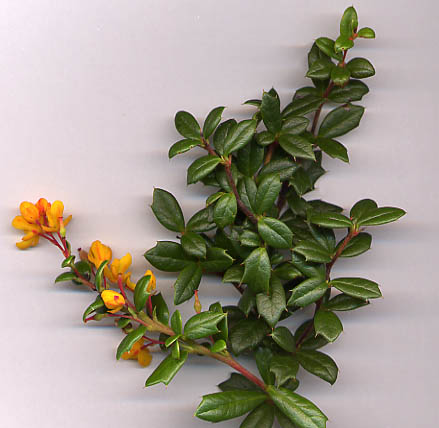 BarberryBerberis vulgaris
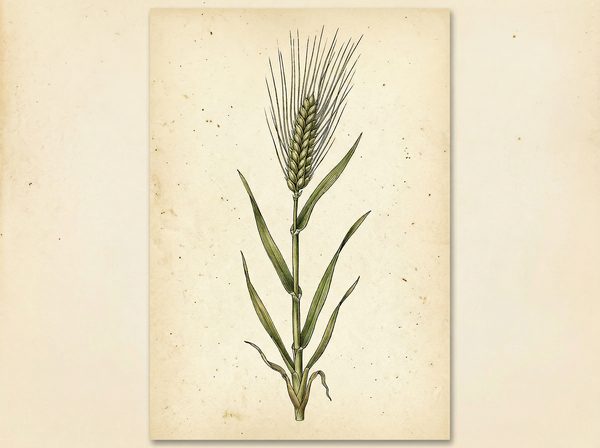 BarleyHordeum vulgare
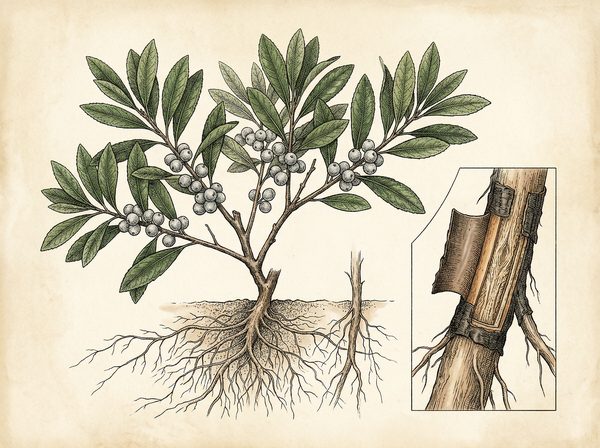 BayberryMyrica cerifera
 BearberryArctostaphylos uva-ursi
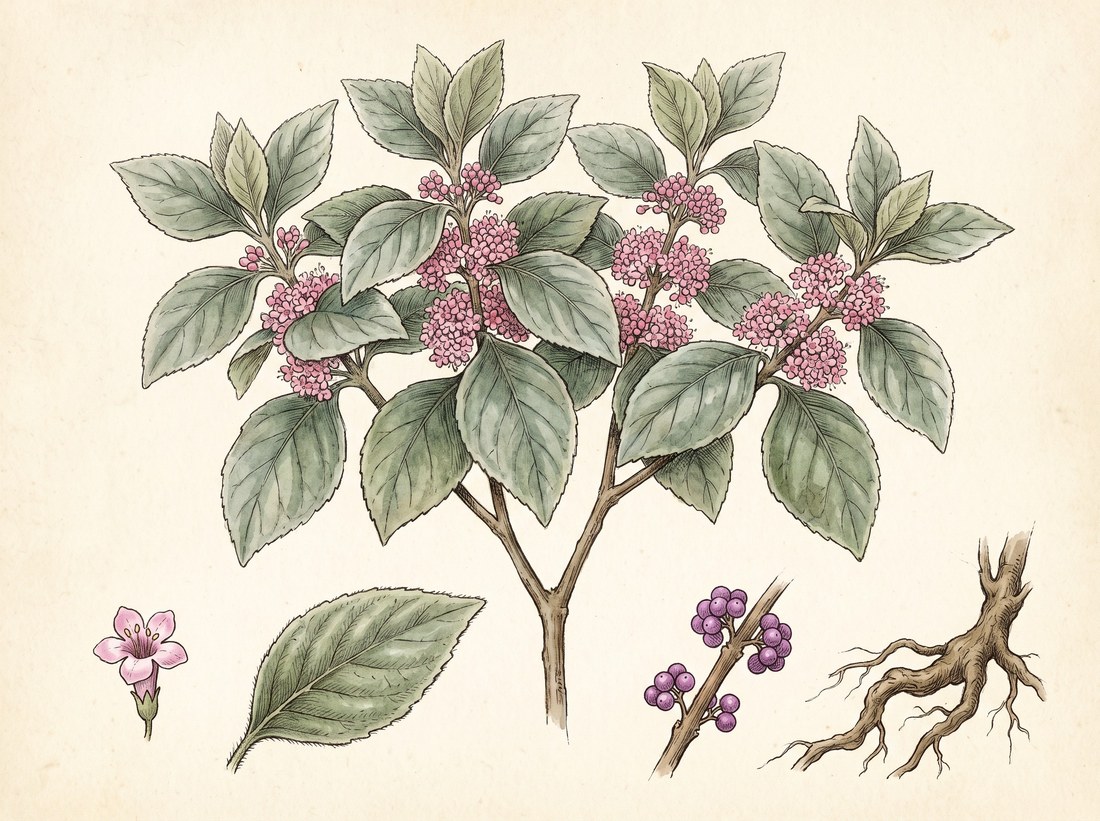 BeautyberryCallicarpa macrophylla
 BebeeruNectandra rodiei
The whole plate is in the library. The compass, Compare, the Sky of eleven hundred plants and the formulary open with an email address and a password, free, with the formula builder and its safety engine. Herbert without limit, his formulating, clients, the handouts and the labels are the paid room.
Open the library, free