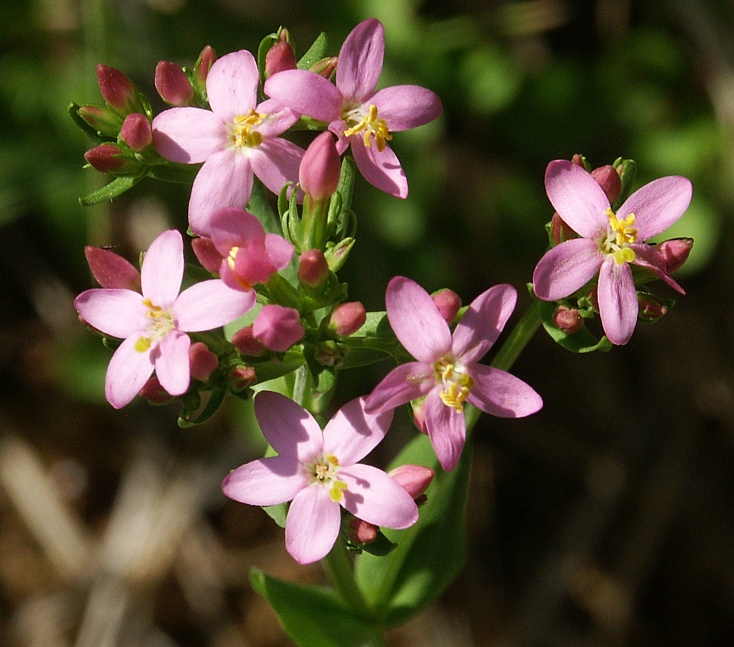
Western Herbalism
Centaury
Centaurium erythraea
Also known as Common centaury, European centaury.
Traditional herbal medicinal product for oral use in mild dyspeptic disorders and loss of appetite based on long-standing use take bitters 30 min before meals for best appetite stimulation sustainability: IUCN Least Concern, aerial harvest preferable to gentian root

Ask Herbert about Centaury. Herbert is the master herbalist inside Bountiful Herbs: he answers from this plate and eleven hundred others, with dosing, pairing and cautions. Your first ten questions are free.
Ask HerbertActions
Indications what the tradition reached for it in
- Heartburn
- Dyspepsia
- Convalescence
- Nausea
- Loss of appetite
- Gallbladder issues
- Fever
- Stress-related digestive weakness
- Liver congestion
- Bloating
- Abdominal cramps
- Indigestion
- Abdominal distension
- Colic
- Debility
- Digestive discomfort
- Fatigue
- Flatulence
- Gallbladder disorders
- Gas
- Weakness
- Digestive complaints
- Gallbladder dysfunction
- Poor bile flow
- Sluggish liver
- Anorexia
Safety
The record lists 4 contraindications; open the plate in the library to read them in full.
Dosing as the sources wrote it
| Preparation | As written | Metric |
|---|---|---|
| Herbal tea: 1-4 g dried herb in 200 ml water, up to 4x/day | 1000-4000 mg | |
| Tincture | Tincture (1:5, 70% ethanol): 1.5-5 g (approx 1-3 ml) up to 3x/day | 1500-5000 mg |
| Liquid extract | Liquid extract (1:1, 25% ethanol): 2-4 ml up to 3x/day | 2-4 mL |
| Powder: 0.25-2 g up to 3x/day | 250-2000 mg | |
| Soft extract | Soft extract (1:10 water): 0.2 g single dose, 1-2 g daily | 200-2000 mg |
| Herb 2-4 g as an infusion three times daily | 2000-4000 mg |
Doses are reproduced from the sources for practitioners and are not a recommendation for any person.
From the sources
Clinical Notes. Traditional herbal medicinal product for oral use in mild dyspeptic disorders and loss of appetite based on long-standing use take bitters 30 min before meals for best appetite stimulation sustainability: IUCN Least Concern, aerial harvest preferable to gentian root
indications. Centaury is traditionally indicated for: Heartburn, Dyspepsia, Convalescence, Nausea, Loss of appetite, Gallbladder issues, Fever, Stress-related digestive weakness, Liver congestion, Bloating, Abdominal cramps, Indigestion, Abdominal distension, Colic, Debility, and 10 further conditions.
constituents. Notable constituents of Centaury include: Secoiridoid glycosides (gentiopicrin, swertiamarin, sweroside, amarogentin), secoiridoid alkaloids (gentianine, gentiadine), xanthones (eustomin), flavonoids, phenolic acids, phytosterols.
dose-reference. Reference preparation/dosing for Centaury: Herbal tea: 1-4 g dried herb in 200 ml water, up to 4x/day; Tincture (1:5, 70% ethanol): 1.5-5 g (approx 1-3 ml) up to 3x/day; Liquid extract (1:1, 25% ethanol): 2-4 ml up to 3x/day; Powder: 0.25-2 g up to 3x/day; Soft extract (1:10 water): 0.2 g single dose, 1-2 g daily
Nearby on the shelf
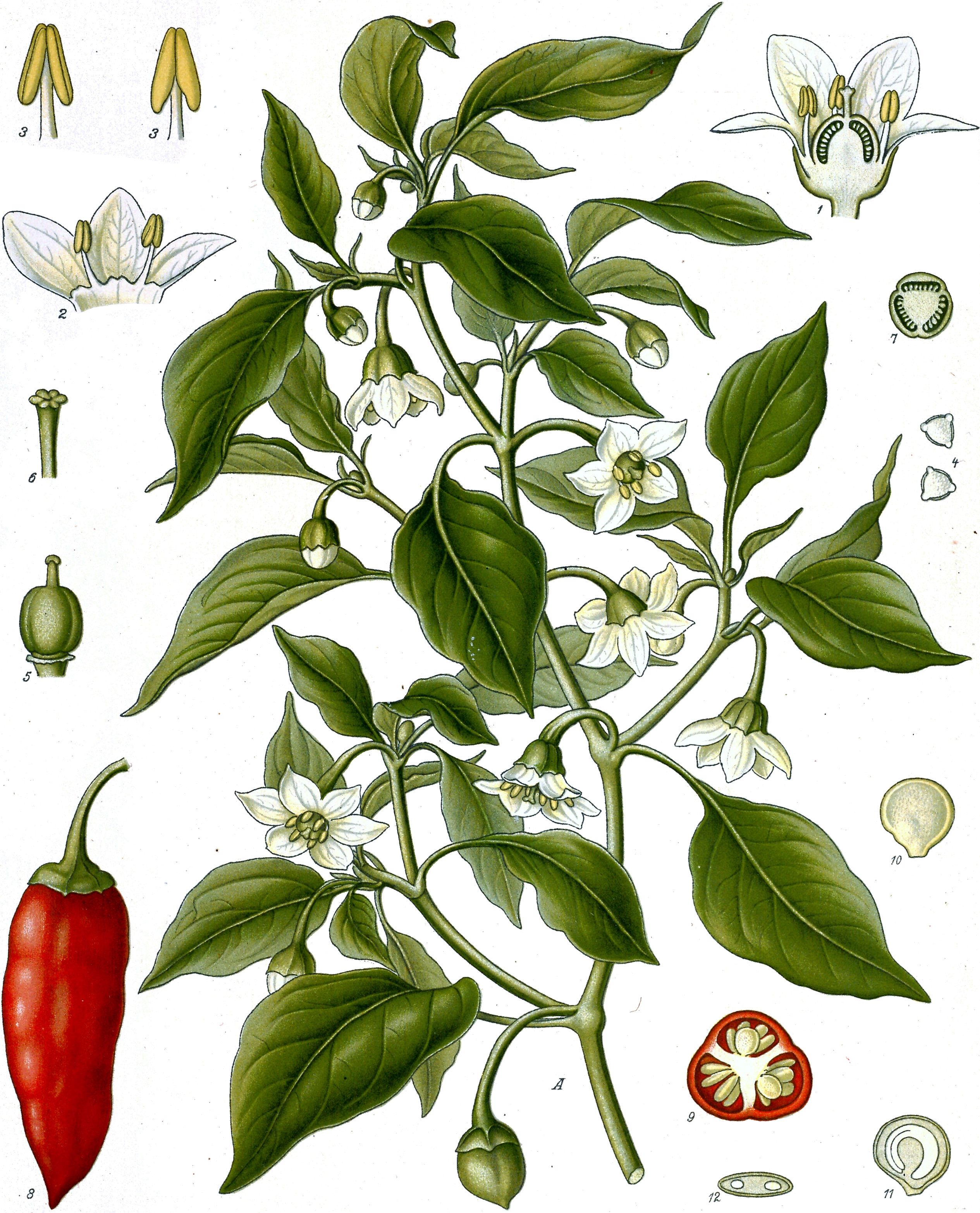 CayenneCapsicum frutescens
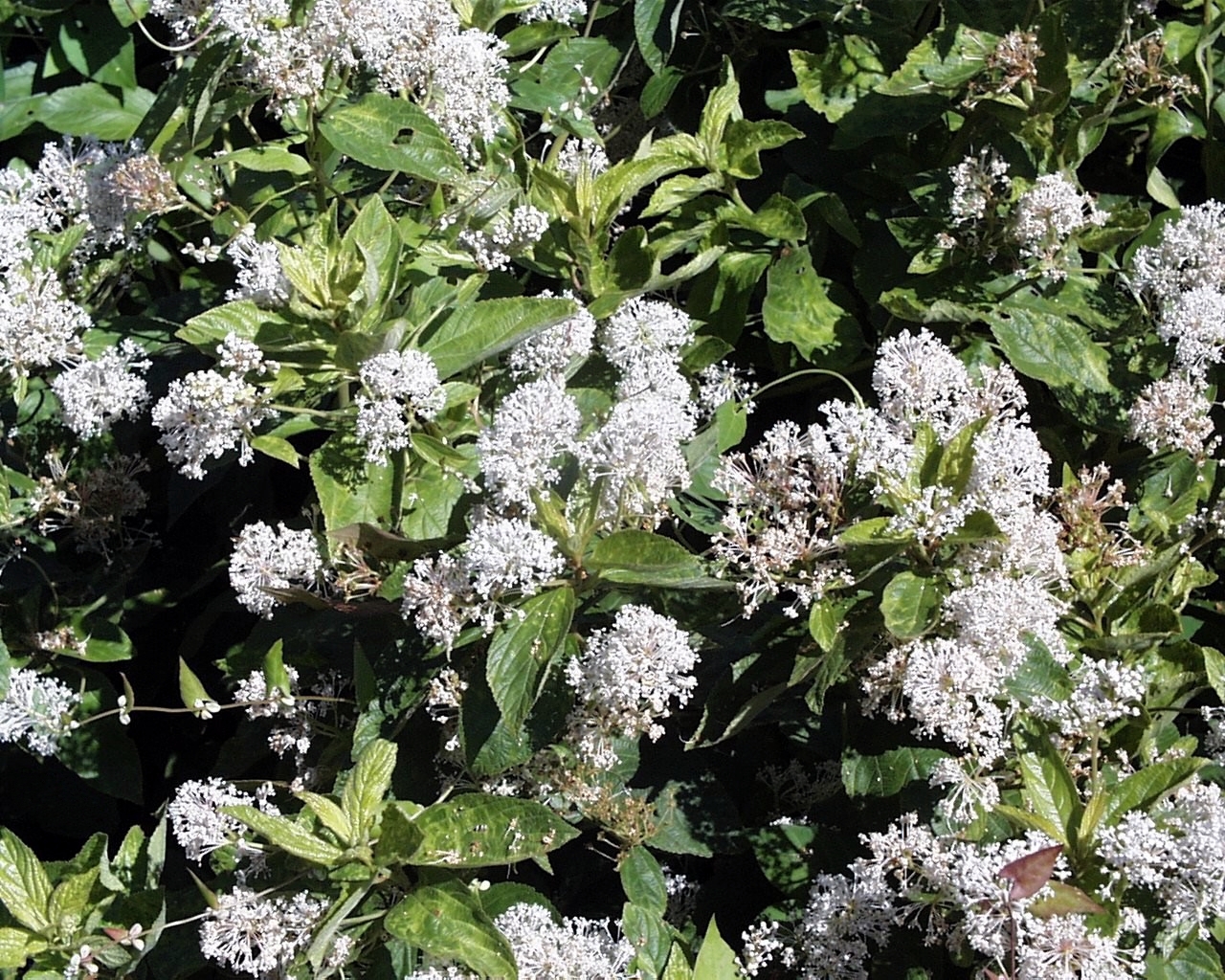 CeanothusCeanothus thrysiflorus
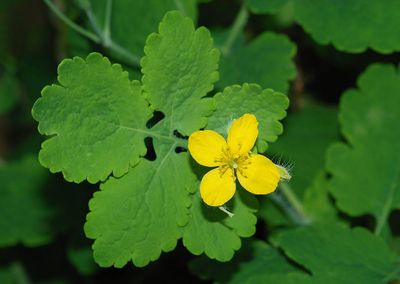 CelandineChelidonium majus
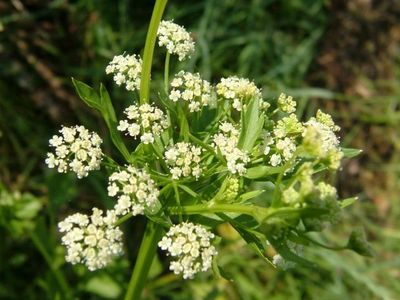 CeleryApium graveolens
 Century PlantAgave americana
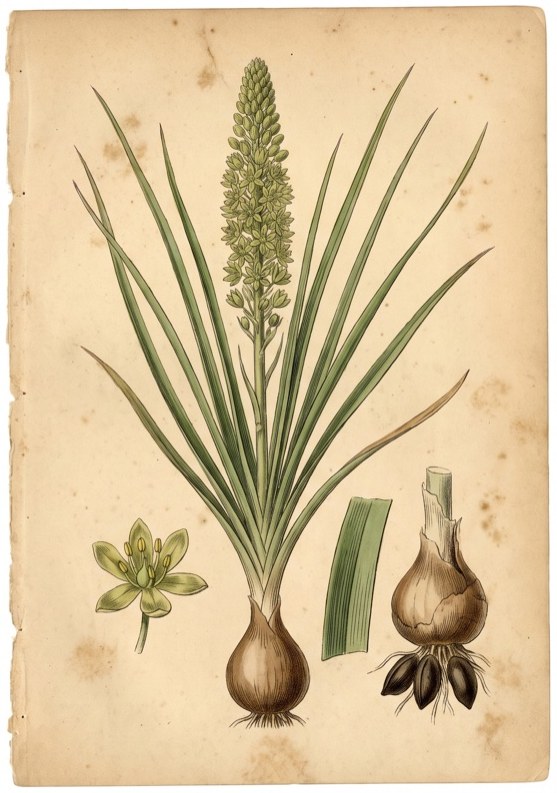 CevadillaSabadilla
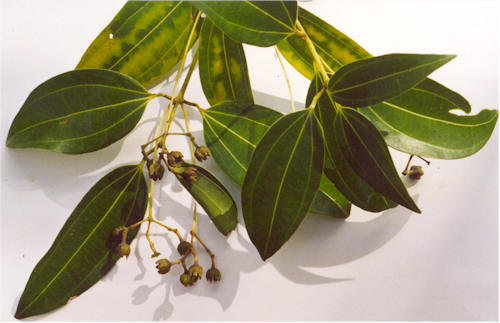 Ceylon cinnamonCinnamomum zeylanicum
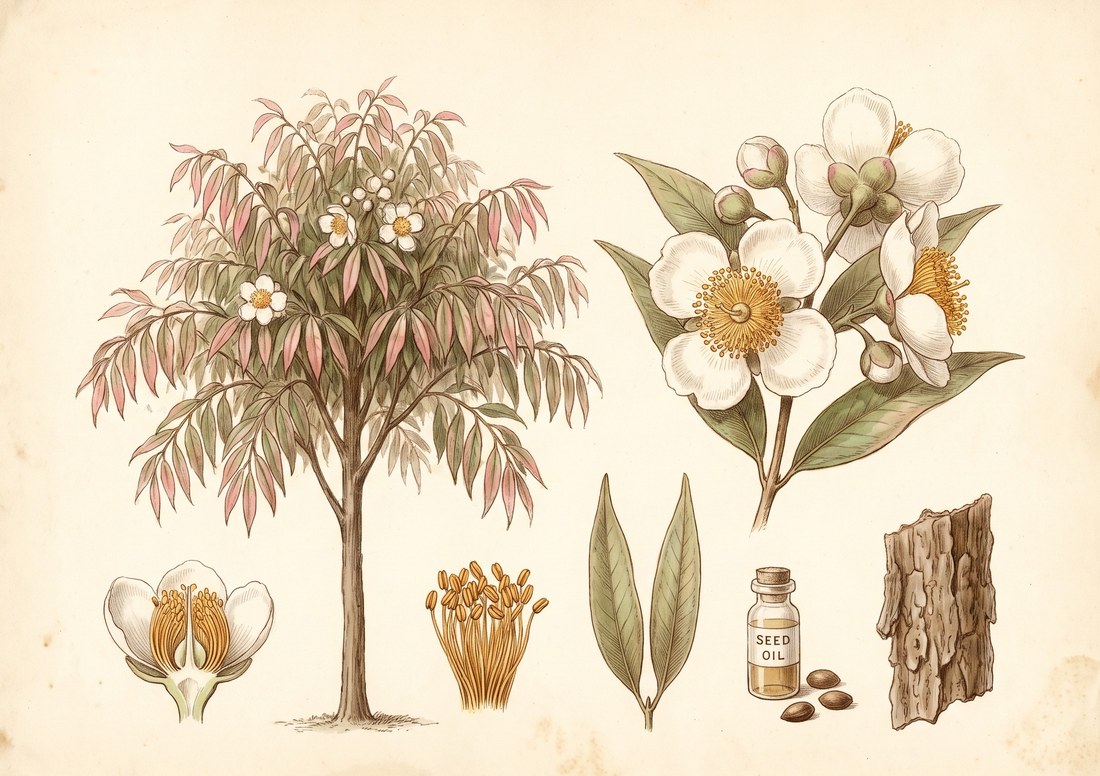 Ceylon ironwoodMesua ferrea
The whole plate is in the library. The compass, Compare, the Sky of eleven hundred plants and the formulary open with an email address and a password, free, with the formula builder and its safety engine. Herbert without limit, his formulating, clients, the handouts and the labels are the paid room.
Open the library, free