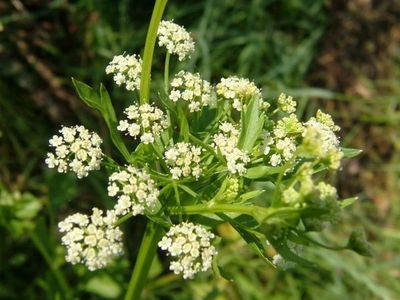
Western Herbalism
Celery
Apium graveolens
Also known as Apii Fructus, Celery Fruit, Celery Seed, Smallage, Wild Celery, marsh parsley.
Celery is traditionally indicated for: Gas/bloating, Gout, Hypertension, Kidney stone, Urinary gravel, Rheumatic conditions, Arthritis, Cystitis, Gastrointestinal cramps, Abdominal distension, Bloating, Colic, Cramps, Digestive discomfort, Edema, and 8 further conditions.

Ask Herbert about Celery. Herbert is the master herbalist inside Bountiful Herbs: he answers from this plate and eleven hundred others, with dosing, pairing and cautions. Your first ten questions are free.
Ask HerbertActions
Indications what the tradition reached for it in
- Gas/bloating
- Gout
- Hypertension
- Kidney stone
- Urinary gravel
- Rheumatic conditions
- Arthritis
- Cystitis
- Gastrointestinal cramps
- Abdominal distension
- Bloating
- Colic
- Cramps
- Digestive discomfort
- Edema
- Flatulence
- Fluid retention
- Gas
- Inflammation
- Muscle spasms
- Urinary disorders
- Digestive complaints
- Urinary complaints
- Rheumatism
- Urinary tract inflammation
- Specifically for rheumatoid arthritis with mental depression
- Osteoarthritis
- Urinary tract infection
Safety
Pregnancy: Not safe. The volatile oils have an empirical emmenogogue and possible abortifacient effect and should be avoided during pregnancy.
Pregnancy, our record's flag: Caution. Use with care in pregnancy (our record's flag)
Pregnancy, our record's flag: Not safe. Not for use in pregnancy (our record's flag)
Pregnancy, a modern clinical reference: Celery fruit is reputed to affect the menstrual cycle and to be abortifacient; Uterine stimulant activity has been documented for the oil, and the use of celery fruits is contra-indicated during pregnancy; This does not refer to celery stems that are commonly ingested as a food, although excessive consumption should be avoided
Pregnancy, a modern clinical reference: Likely to be safe when consumed in dietary amounts; however, safety is not known when used in larger quantities; Avoid high-dose preparations
Pregnancy, published rating: Caution. AHPA Botanical Safety Handbook class 2b (theoretical concern in pregnancy, no lactation information); Mills & Bone rate it B2 (no increase in harm from limited human use; animal studies lacking)
Breastfeeding: Caution. Compatible with breastfeeding, with caution (Mills & Bone CC)
The record lists 5 contraindications; open the plate in the library to read them in full.
Dosing as the sources wrote it
| Preparation | As written | Metric |
|---|---|---|
| Tincture (1:2-1:3) | 1-3ml TID | 1-3 mL |
| Bulk herb | 1.5-3g/d | 1500-3000 mg |
| Infusion | 2-3 tsp/c TID | |
| Dried fruits 0.5-2.0 g as a decoction 1 : 5 three times daily | ||
| Liquid extract 0.3-1.2 mL (1 : 1 in 60% alcohol) three times daily. Liquid Extract of Celery (BPC 1934) 0.3 -1.2 mL. | ||
| · Fluid extract (1:2): 4.5-8.5 mL/day in divided doses | 4.5-8.5 mL |
Doses are reproduced from the sources for practitioners and are not a recommendation for any person.
From the sources
indications. Celery is traditionally indicated for: Gas/bloating, Gout, Hypertension, Kidney stone, Urinary gravel, Rheumatic conditions, Arthritis, Cystitis, Gastrointestinal cramps, Abdominal distension, Bloating, Colic, Cramps, Digestive discomfort, Edema, and 8 further conditions.
safety-cautions. Celery - Contraindications: Nephritis, Pregnancy | Side effects: Photosensitization, may decrease thyroxine (w/ ingestion of Apium seed tablets | Safety flags: not considered safe in pregnancy.
Often paired with
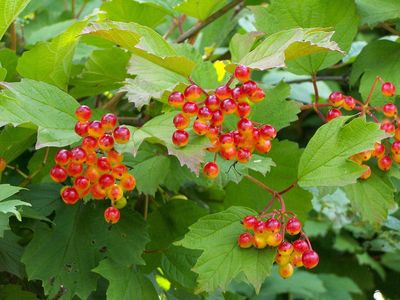 Cramp barkViburnum opulus
Nearby on the shelf
 Cattail FlagTypha
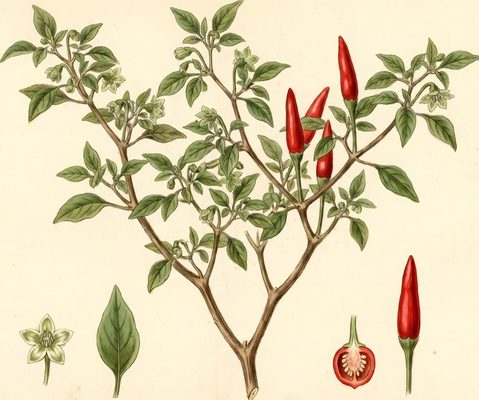 CayenneCapsicum frutescens
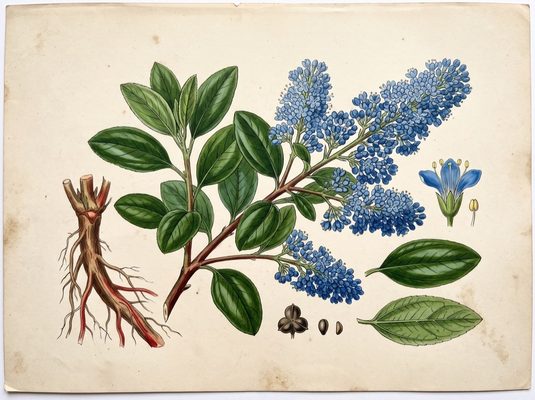 CeanothusCeanothus thrysiflorus
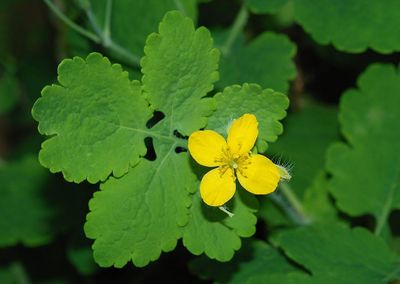 CelandineChelidonium majus
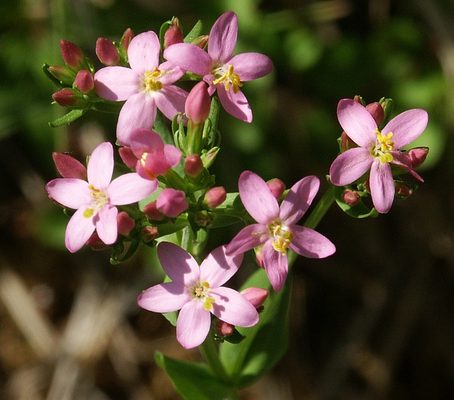 CentauryCentaurium erythraea
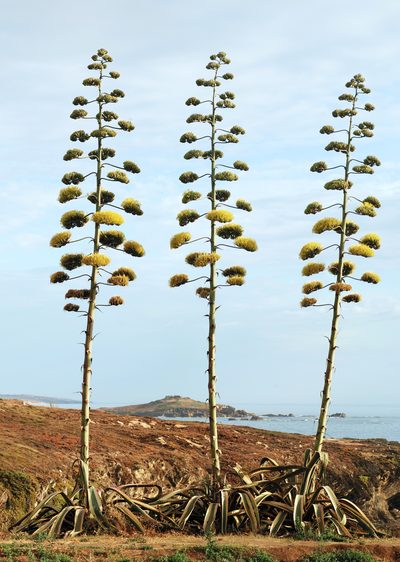 Century PlantAgave americana
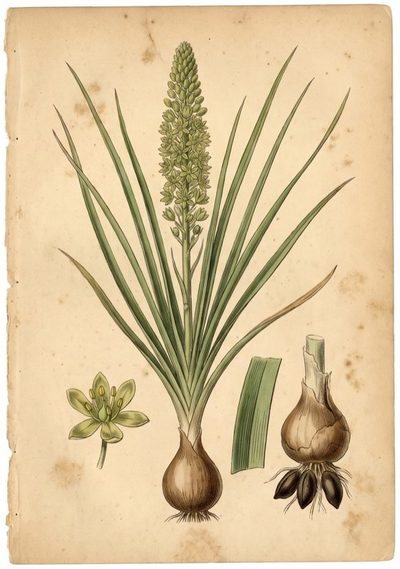 CevadillaSchoenocaulon officinale
 Ceylon cinnamonCinnamomum zeylanicum
The whole plate is in the library. The compass, Compare, the Sky of eleven hundred plants and the formulary open with an email address and a password, free, with the formula builder and its safety engine. Herbert in full, his formulating, clients, the handouts and the labels are the paid room.
Open the library, free