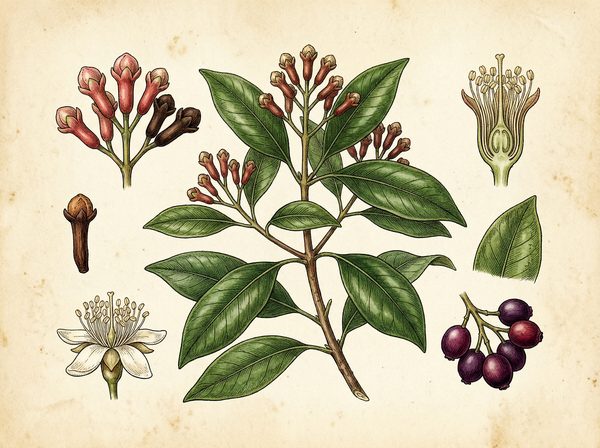
Western, Chinese and Ayurvedic herbalism
Clove
Syzygium aromaticum
Also known as clove bud, Cloves, Eugenia caryophyllata, AND SYNONYM: Cloves; Caryophylli aromatici, Lavanga, Devakusuma, Shrisanjna.
Syzygium aromaticum is a slow growing evergreen of the myrtle family native to the Moluccas and cultivated in India along the Western Ghats of Kerala, Tamil Nadu and Karnataka; the medicine is the dried, unopened flower bud, the clove of every kitchen. Ayurveda knows it as Lavanga, a light, aromatic bud that the classical texts, unusually for a pungent spice, count as cooling in potency: it kindles digestion, stops vomiting and hiccup, sweetens the breath, clears the eyes and eases cough and dyspnea. Its oil is the traditional remedy for toothache across every culture that trades in it.

Ask Herbert about Clove. Herbert is the master herbalist inside Bountiful Herbs: he answers from this plate and eleven hundred others, with dosing, pairing and cautions. Your first ten questions are free.
Ask HerbertActions
Indications what the tradition reached for it in
- Nausea and vomiting, including morning sickness in small doses
- Toothache and dental pain (topical oil)
- Halitosis and gum infection
- Bloating and flatulent colic
- Loss of appetite with nausea
- Hiccup
- Cough with thick sputum
- Oral and intestinal candidiasis (adjunct)
- Dyspepsia with a cold, damp digestion
- Sore throat and pharyngitis (in Lavangadi vati)
- Fungal skin infection (diluted oil, topical)
- Flatulent colic
- Dyspepsia
- Constipation
- Diarrhea
- Minor mouth and throat inflammations
- Toothache
- Nausea
- Bad breath
- Headache
- Cough
- Gas
- Irritable bowel syndrome
- Premature ejaculation
- Vomiting
- Bronchitis
- Muscular pain
- Flatulence
- Abdominal cramps
- Indigestion
Specific indications
Nausea with a bad taste in the mouth and excess saliva, relieved by chewing a single bud
A throbbing tooth or exposed nerve needing relief until the dentist can be seen
The patient with cough, hoarse throat and sticky phlegm who also has poor appetite and bloating
Persistent hiccup or belching in a kapha patient after heavy food
Safety
Low dose botanical. Used in drop doses in the classical practice; not a plant to dose freely.
Pregnancy: Pregnancy Caution
Breastfeeding: Lactation (source flag notSafeInLactation)
The record lists 8 contraindications; open the plate in the library to read them in full.
In practice
The Ayurvedic practitioner uses Lavanga in small doses as a corrective and carrier more often than as a main drug. A single bud chewed slowly checks nausea and excess salivation, including that of pregnancy; a pinch of the powder with honey settles vomiting and hiccup; and it appears in Avipattikara churna to balance the purgative and cooling herbs and in Lavangadi vati, the classic lozenge for cough and sore throat with Maricha, Babbula bark and Khadira.
In Ayurveda
Rasa: katu (pungent), tikta (bitter). Virya: sheeta (cooling), as the classical texts state, although the bud is pungent and stimulating to the senses. Vipaka: katu (pungent). Guna: laghu (light), snigdha (unctuous). Dosha: pacifies kapha and pitta; may aggravate vata in excess. Karma: deepana (kindles digestion); pachana (digests ama); ruchya (improves taste and appetite); chakshushya (benefits the eyes); trishnahara (relieves thirst); chardighna (stops vomiting); kasahara (relieves cough); shvasahara (relieves dyspnea); hikkanigrahana (stops hiccup); dantashulahara (relieves toothache); mukhadaurgandhyahara (removes bad breath); shukrala (increases semen). Classical indications: chardi (vomiting); trishna (thirst); adhmana (abdominal distension); shula (colic); kasa (cough); shvasa (dyspnea, asthma); hikka (hiccup); kshaya (wasting, tuberculosis); dantashula (toothache); mukhadurgandha (halitosis); agnimandya (weak digestion); aruchi (anorexia). The dried unopened flower bud is used as fine churna with honey or sugar, chewed whole for nausea and bad breath, infused as phanta, and distilled for its oil, which is applied on cotton to an aching tooth. It is a common minor ingredient in digestive and respiratory compound powders. Classical formulations: Lavangadi vati, Lavangadi churna, Avipattikara churna, Jatiphaladi churna, Lavanga taila, Karpuradi churna, Yogaraja guggulu. Described in: Sushruta Samhita, Ashtanga Hridaya, Bhavaprakasha Nighantu, Dhanvantari Nighantu, Raja Nighantu, Kaiyadeva Nighantu, Madanapala Nighantu, Ayurvedic Pharmacopoeia of India.
Dosing as the sources wrote it
| Preparation | As written | Metric |
|---|---|---|
| Churna | 0.5-2 g powdered bud daily in divided doses with honey | 500-2000 mg |
| Whole bud | 1-3 buds chewed slowly as needed for nausea | |
| Phanta | 50-100 mL hot infusion twice daily | 50-100 mL |
| Taila, dental topical | 1-2 drops clove oil on cotton applied to the tooth | 0.02-0.04 mL |
| Taila, skin topical | 1-5 mL clove oil diluted in 100 mL carrier oil applied locally | 1-5 mL |
| Clove 120-300 mg | 120-300 mg |
Doses are reproduced from the sources for practitioners and are not a recommendation for any person.
From the sources
Overview. Syzygium aromaticum is a slow growing evergreen of the myrtle family native to the Moluccas and cultivated in India along the Western Ghats of Kerala, Tamil Nadu and Karnataka; the medicine is the dried, unopened flower bud, the clove of every kitchen. Ayurveda knows it as Lavanga, a light, aromatic bud that the classical texts, unusually for a pungent spice, count as cooling in potency: it kindles digestion, stops vomiting and hiccup, sweetens the breath, clears the eyes and eases cough and dyspnea. Its oil is the traditional remedy for toothache across every culture that trades in it.
Overview. Clove is the dried, unopened flower bud of an evergreen tree native to the Maluku Islands of Indonesia and now cultivated widely across the tropics, especially Zanzibar, Madagascar, and Sri Lanka. The bud is intensely aromatic, owing to a rich volatile oil, and has been used for millennia both as a kitchen spice and as a warming, stimulating medicine in Ayurvedic, Chinese, Unani, and Western herbal traditions. In Western herbal practice it is valued chiefly as a carminative and local analgesic, particularly for toothache.
Clinical Notes. Primarily used as flower bud essential oil from buds used topically for dental pain (seek dental care) traditional digestive aid preclinical support for many actions but limited clinical data for buds (stronger for oil) eugenol equivocal genotoxicity
Clinical Notes. The Ayurvedic practitioner uses Lavanga in small doses as a corrective and carrier more often than as a main drug. A single bud chewed slowly checks nausea and excess salivation, including that of pregnancy; a pinch of the powder with honey settles vomiting and hiccup; and it appears in Avipattikara churna to balance the purgative and cooling herbs and in Lavangadi vati, the classic lozenge for cough and sore throat with Maricha, Babbula bark and Khadira.
Drawn from Cook's Physio-Medical Dispensatory; King's American Dispensatory, 18th edition (Felter and Lloyd); Felter's Eclectic Materia Medica, Pharmacology and Therapeutics, and the Bountiful Herbs editorial.
In formulas
Clove stands in 103 documented formulas in the library, among them ding yú lĩ zhông tàng, yì huáng sǎn, žĩ xuě dàn, sù hé xiàng wán, nữ shén sǎn, ding xiang shì dì tàng.
Often paired with
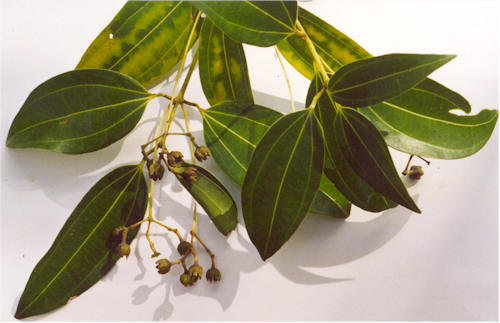 Ceylon cinnamonCinnamomum zeylanicum
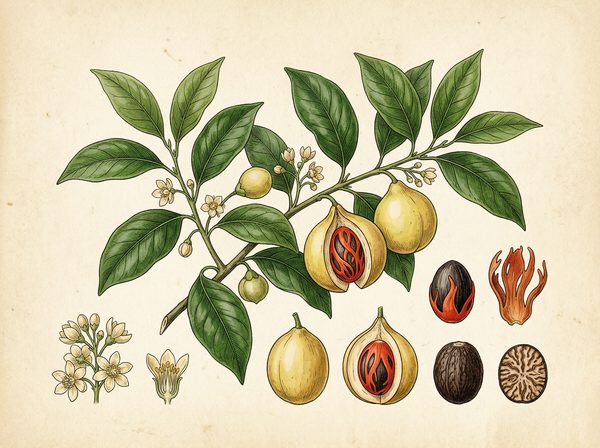 nutmegMyristica fragrans
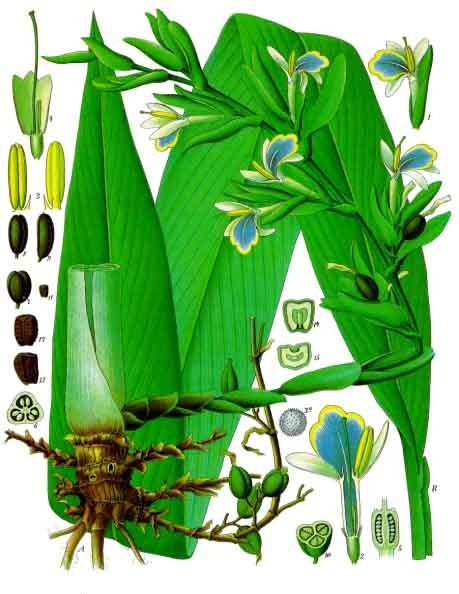 cardamomElettaria cardamomum
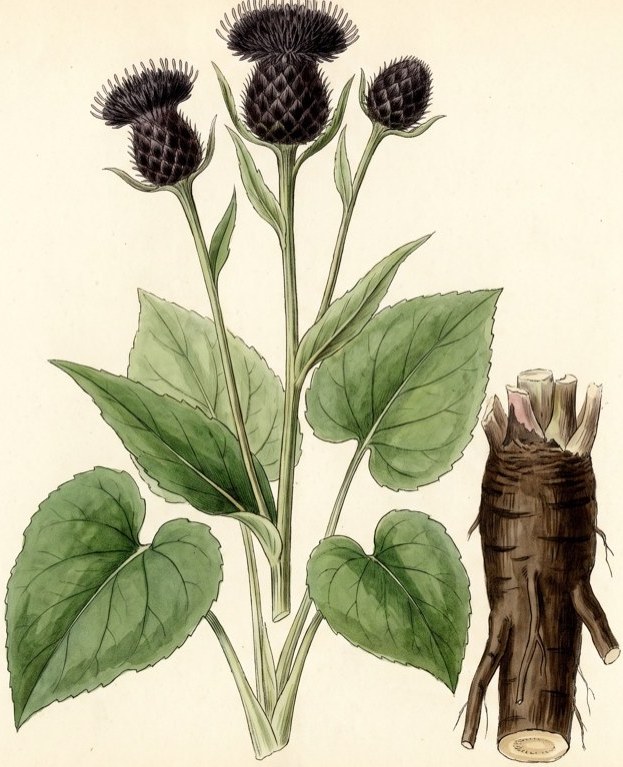 costusSaussurea costus
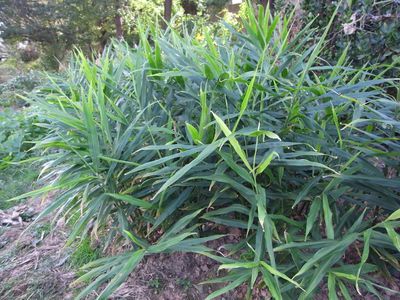 GingerZingiber officinale
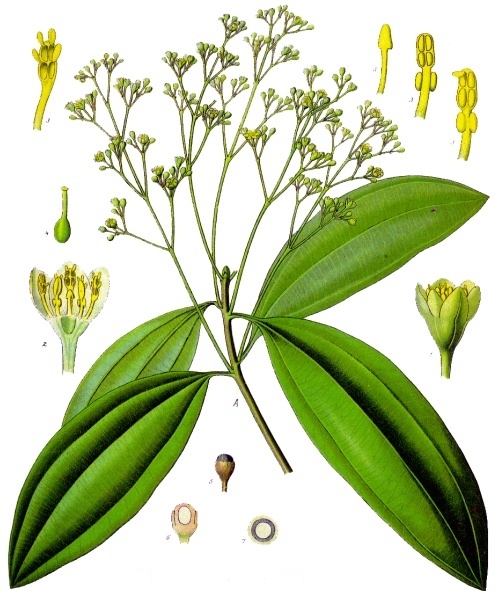 Indian bay leafCinnamomum tamala
Nearby on the shelf
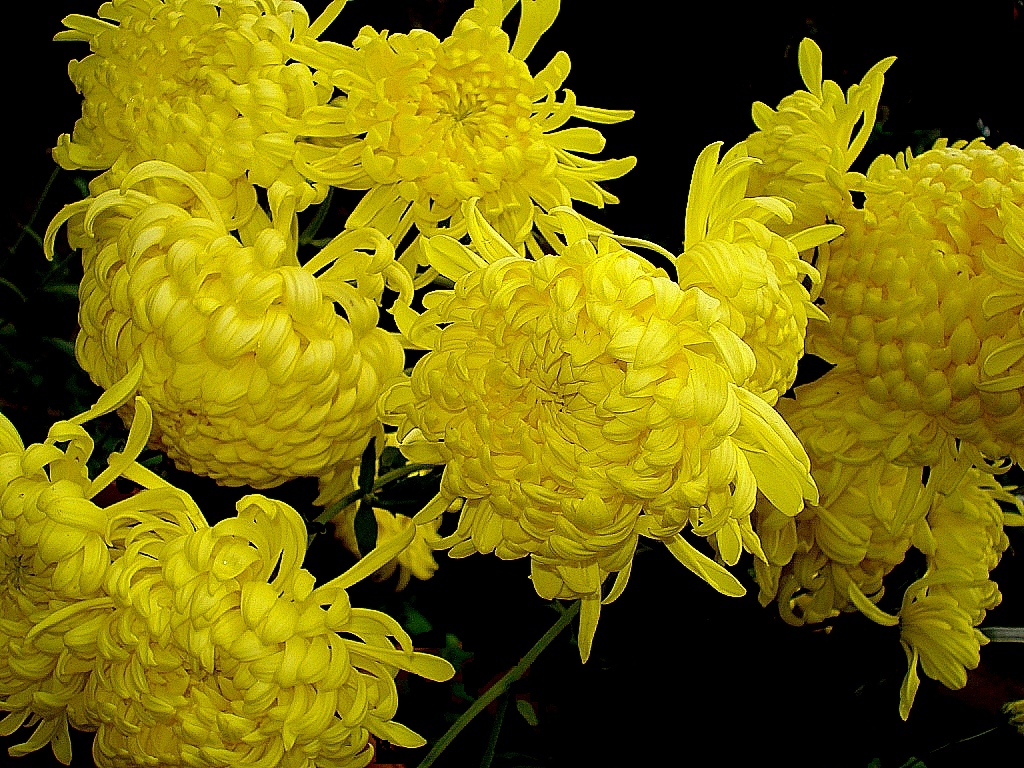 ChrysanthemumChrysanthemum × morifolium
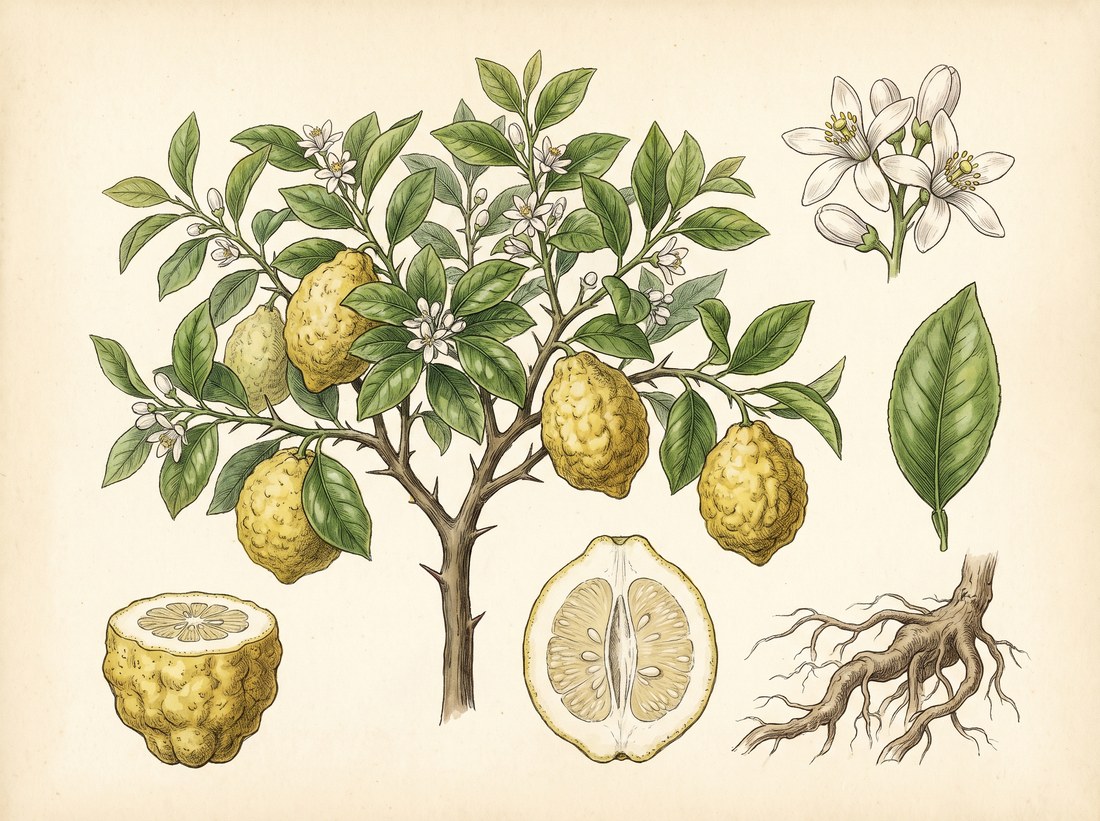 CitronCitrus medica
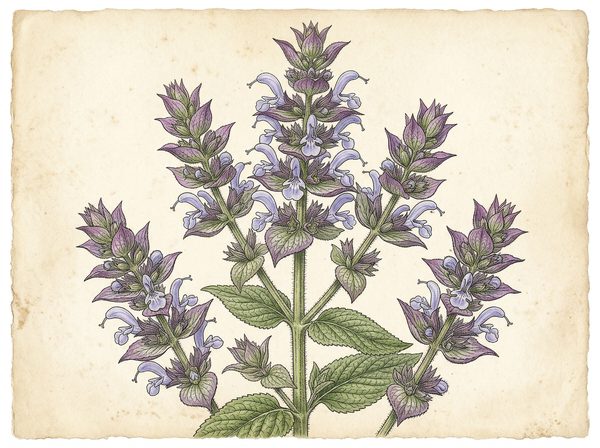 Clary SageSalvia sclarea
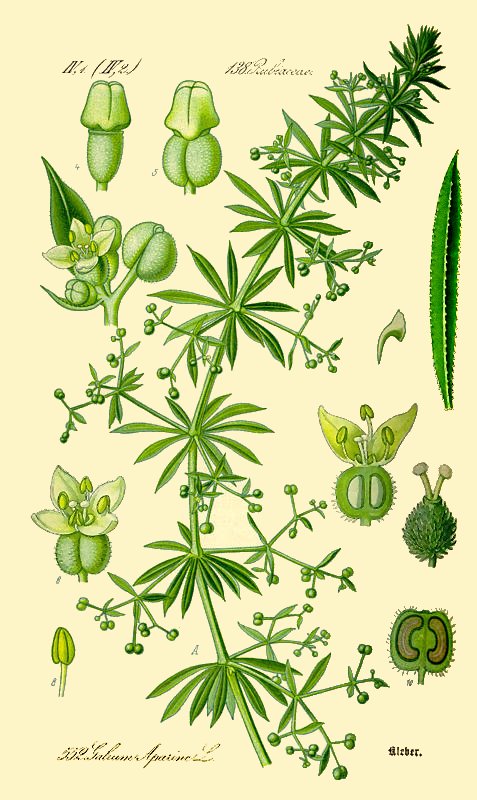 CleaversGalium aparine
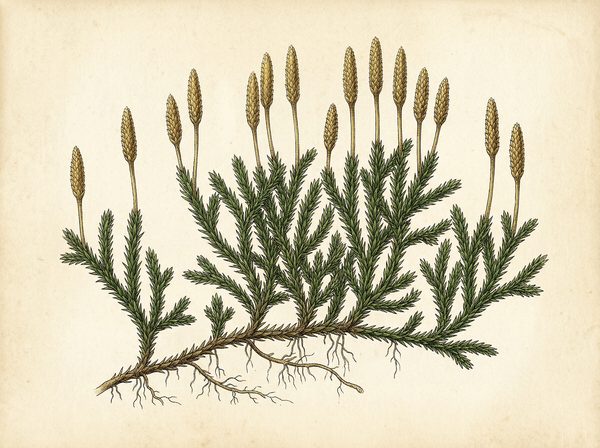 Club MossLycopodium clavatum
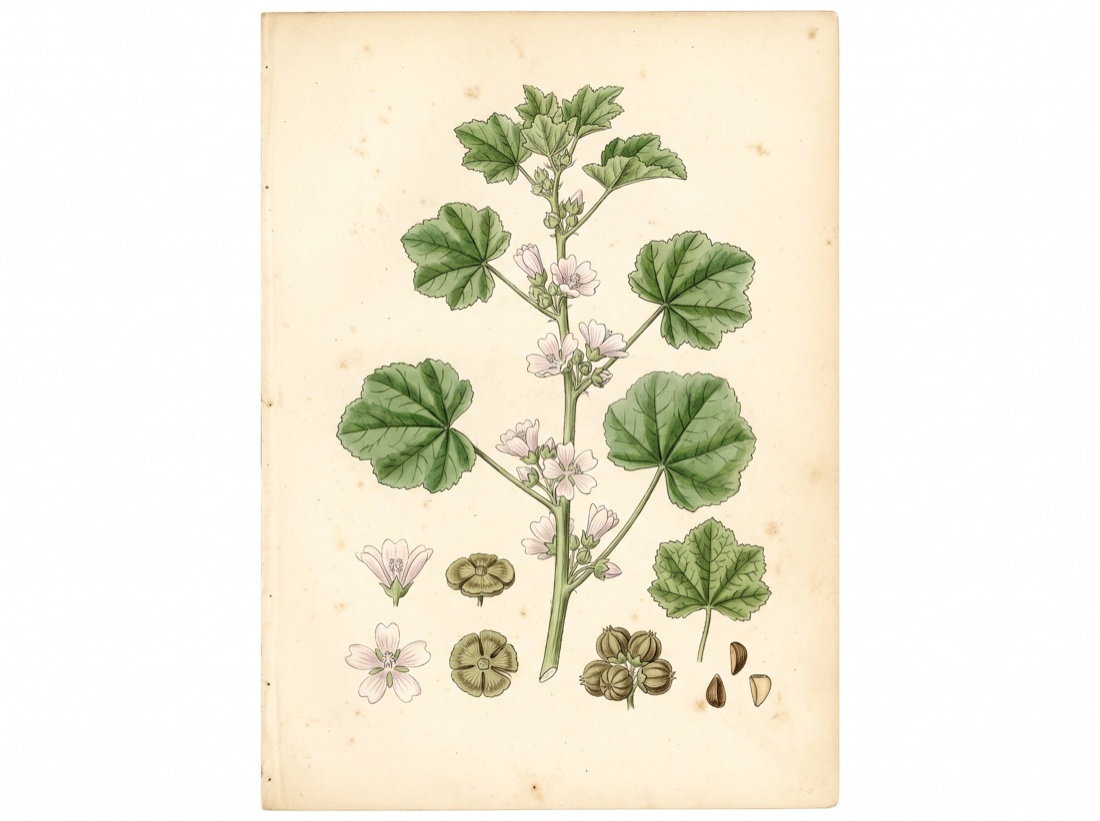 Cluster mallowMalva verticillata
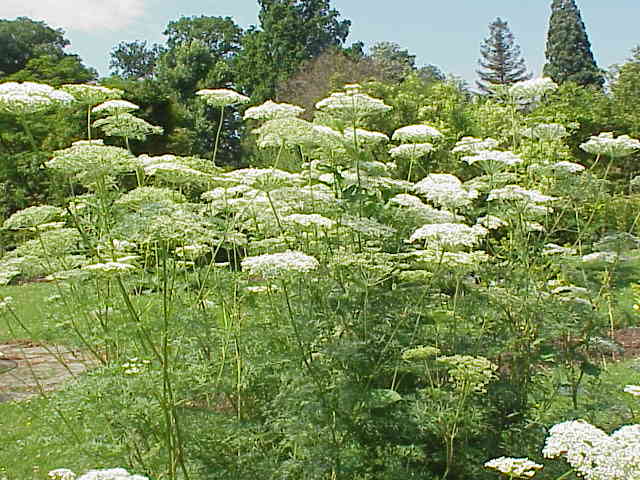 Cnidium SeedCnidium monnieri
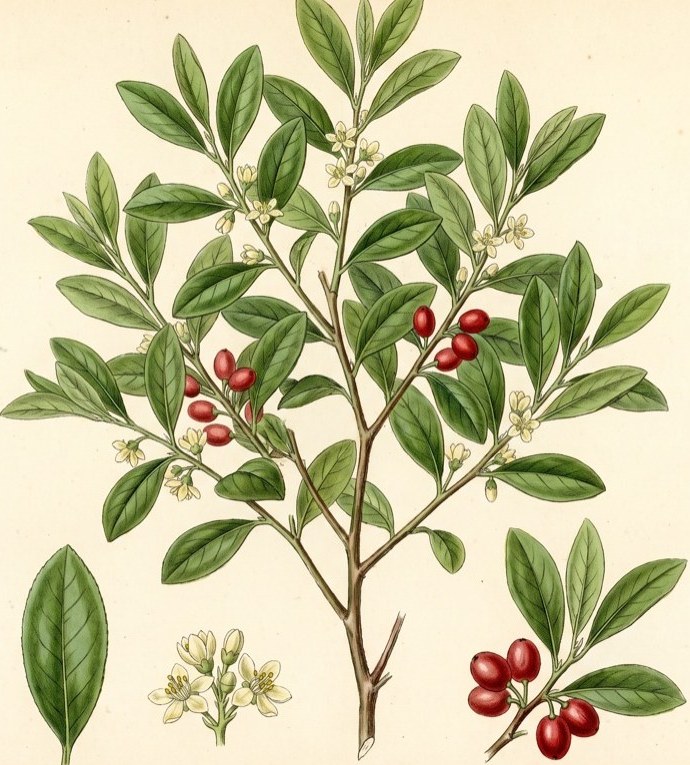 CocaErythroxylon coca
The whole plate is in the library. The compass, Compare, the Sky of eleven hundred plants and the formulary open with an email address and a password, free, with the formula builder and its safety engine. Herbert without limit, his formulating, clients, the handouts and the labels are the paid room.
Open the library, free