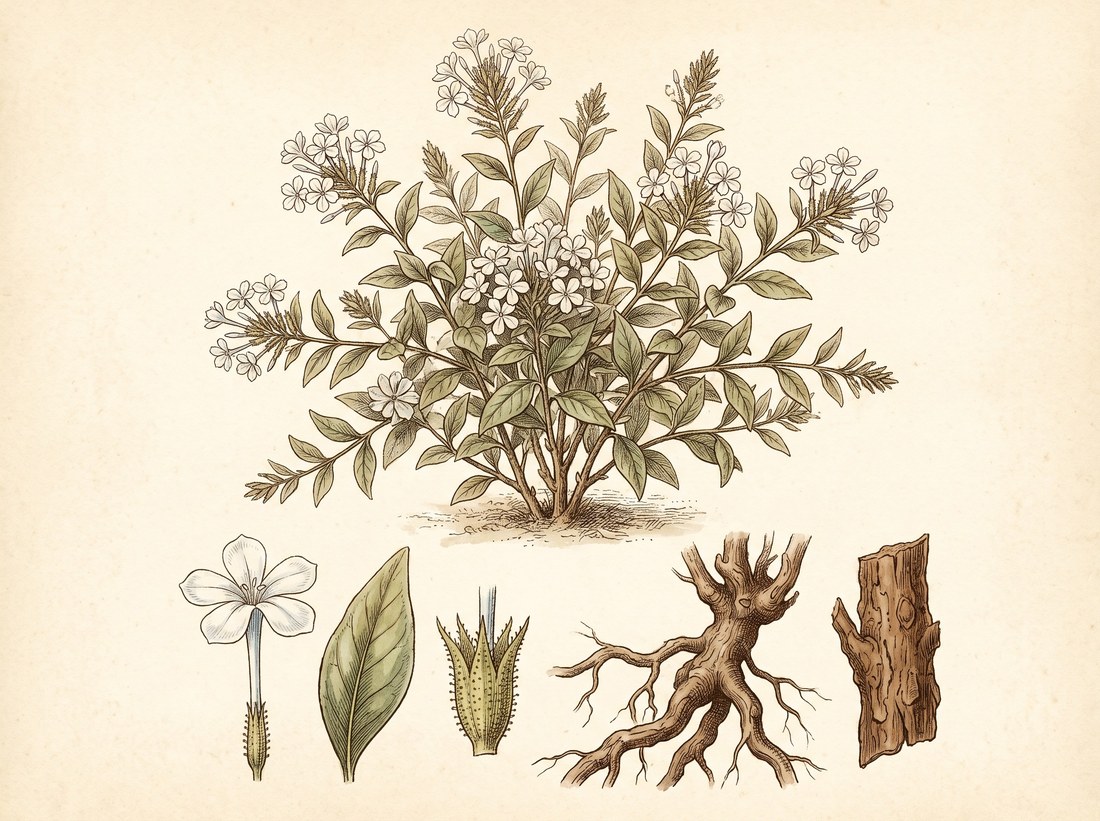
Ayurvedic Herbalism
Ceylon leadwort
Plumbago zeylanica
Also known as white leadwort, wild leadwort, doctorbush, Chitraka, Agni, Vahni.
Plumbago zeylanica is a straggling perennial shrub with white flowers and sticky, glandular calyces, growing wild in scrub and hedgerows across peninsular India, Bengal and the sub Himalayan tract, and now naturalized through the tropics. Its root is Chitraka, the drug Ayurveda names after fire itself: the sharpest of the deepana pachana herbs, the one used when the digestive flame has gone out and ama has accumulated. It is a hot, caustic, powerful drug that rewards small doses and punishes careless ones.

Ask Herbert about Ceylon leadwort. Herbert is the master herbalist inside Bountiful Herbs: he answers from this plate and eleven hundred others, with dosing, pairing and cautions. Your first ten questions are free.
Ask HerbertActions
Indications what the tradition reached for it in
- Sluggish digestion with heaviness after meals
- Loss of appetite in convalescence
- Chronic diarrhea and malabsorption of the grahani type
- Bloating and gas with a coated tongue
- Hemorrhoids of the non-bleeding type
- Obesity with poor digestion
- Intestinal parasites (adjunct)
- Chronic skin disease with itching (topical, diluted)
- Rheumatic swelling with cold and dampness
- Splenomegaly of chronic type (traditional)
- Post-infectious loss of taste and appetite
Specific indications
The cold, heavy, kapha patient who has no appetite, a thick white tongue coating, gas after every meal and a tendency to loose, sticky stools
Chronic irritable bowel with alternating stool, undigested food in the motion and mucus, in a patient who feels worse after cold or raw food
Non-bleeding hemorrhoids with sluggish bowel and poor digestion, treated internally and with a diluted paste externally
The overweight, lethargic patient with a slow metabolism who needs a sharp kindling of digestive fire before any tonic will take
Safety
Low dose botanical. Used in drop doses in the classical practice; not a plant to dose freely.
Pregnancy: Contraindicated in pregnancy: plumbagin is a uterine stimulant and abortifacient in animals and the tradition itself lists Chitraka among drugs that expel the fetus; no published safety class is known to us.
Breastfeeding: Avoid during breastfeeding; the heating, irritant naphthoquinones may pass into milk and there are no safety data.
The record lists 10 contraindications; open the plate in the library to read them in full.
In practice
Chitraka is reached for when digestion has stalled: no appetite, heaviness, a coated tongue, gas, sticky stools and the mental dullness that goes with ama. The classical practitioner gives it in small amounts, often 500 mg to 1 g of purified root powder with honey or warm water before meals, and rarely alone.
In Ayurveda
Rasa: katu (pungent), tikta (bitter). Virya: ushna (heating), strongly so. Vipaka: katu (pungent). Guna: laghu (light), ruksha (dry), tikshna (sharp, penetrating). Dosha: pacifies kapha and vata; aggravates pitta. Prabhava: named for fire: the sharpest of the digestive kindlers, it is said to burn ama like a flame. Karma: deepana (kindles digestion); pachana (digests ama); grahi (absorbs, binds the stool); shothahara (reduces swelling); arshoghna (relieves hemorrhoids); krimighna (anthelmintic); kushthaghna (useful in skin disease); lekhana (scraping, reduces fat); vatakaphahara (pacifies vata and kapha); rasayana (rejuvenative, in small doses). Classical indications: agnimandya (weak digestive fire); ajirna (indigestion); grahani (malabsorption, irritable bowel); arsha (hemorrhoids); shotha (edema and swelling); kushtha (skin disease); krimi (worms); udara (abdominal enlargement, ascites); pliharoga (splenic enlargement); medoroga (obesity); kasa (cough with kapha); shvitra (leukoderma, topical). The dried root and root bark are the drug. Because the fresh root is caustic it is purified before internal use by soaking in lime water, and given in small doses as churna, in ghrita, in guggulu compounds, in the avaleha Chitraka Haritaki, and as a kalka or taila for external application to piles and skin lesions. Classical formulations: Chitrakadi vati, Chitraka Haritaki avaleha, Panchakola churna, Yogaraja guggulu, Dashamoolarishta, Chitrakadi ghrita, Ashta churna, Amritarishta. Described in: Charaka Samhita, Sushruta Samhita, Ashtanga Hridaya, Bhavaprakasha Nighantu, Dhanvantari Nighantu, Raja Nighantu, Kaiyadeva Nighantu, Madanapala Nighantu, Sharngadhara Samhita, Ayurvedic Pharmacopoeia of India.
Dosing as the sources wrote it
| Preparation | As written | Metric |
|---|---|---|
| Churna | 0.5-1 g purified root powder twice daily before food | 500-1000 mg |
| Kwatha | 20-40 mL decoction twice daily | 20-40 mL |
| Vati (Chitrakadi) | 250-500 mg tablets twice daily before food | 250-500 mg |
| Avaleha (Chitraka Haritaki) | 5-10 g twice daily with warm water | 5000-10000 mg |
| Kalka, topical | 2-5 g diluted paste applied locally to piles or skin lesions | 2000-5000 mg |
Doses are reproduced from the sources for practitioners and are not a recommendation for any person.
From the sources
Overview. Plumbago zeylanica is a straggling perennial shrub with white flowers and sticky, glandular calyces, growing wild in scrub and hedgerows across peninsular India, Bengal and the sub Himalayan tract, and now naturalized through the tropics. Its root is Chitraka, the drug Ayurveda names after fire itself: the sharpest of the deepana pachana herbs, the one used when the digestive flame has gone out and ama has accumulated. It is a hot, caustic, powerful drug that rewards small doses and punishes careless ones.
Clinical Notes. Chitraka is reached for when digestion has stalled: no appetite, heaviness, a coated tongue, gas, sticky stools and the mental dullness that goes with ama. The classical practitioner gives it in small amounts, often 500 mg to 1 g of purified root powder with honey or warm water before meals, and rarely alone.
Ayurvedic Profile. Rasa: katu (pungent), tikta (bitter). Virya: ushna (heating), strongly so. Vipaka: katu (pungent). Guna: laghu (light), ruksha (dry), tikshna (sharp, penetrating). Dosha: pacifies kapha and vata; aggravates pitta.
In formulas
Ceylon leadwort stands in 70 documented formulas in the library, among them Ayaskṛti, Aśvagandhādyariṣṭa, Kuṭajāriṣta, Dantyādyariṣṭa, Daśamūlāriṣṭa, Devadārvāriṣṭa.
Often paired with
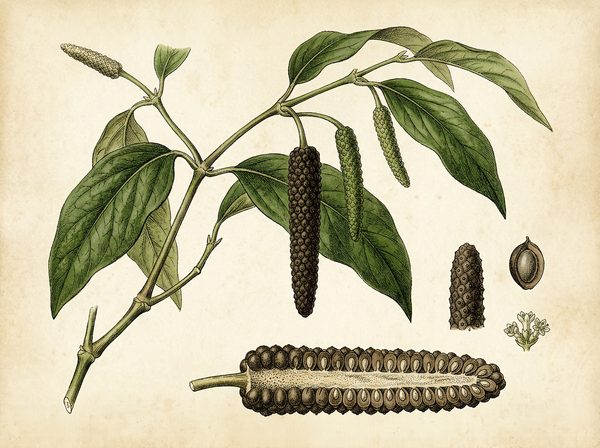 long pepperPiper longum
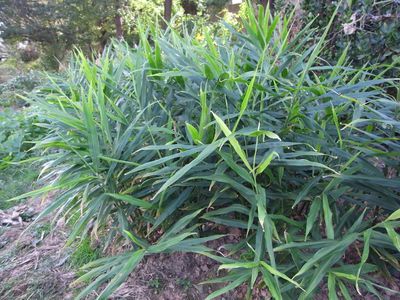 GingerZingiber officinale
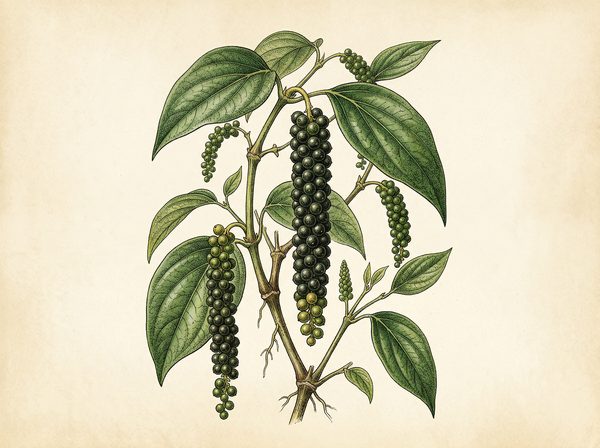 black pepperPiper nigrum
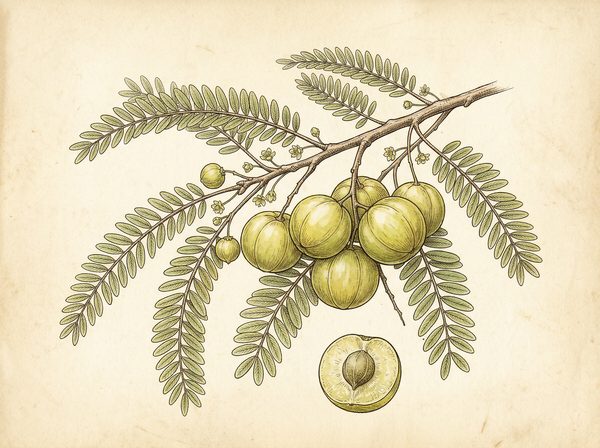 Indian gooseberryPhyllanthus emblica
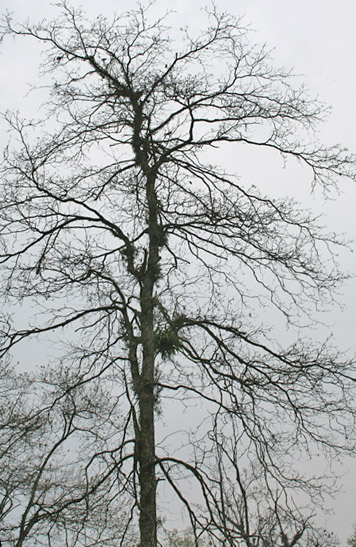 chebulic myrobalanTerminalia chebula
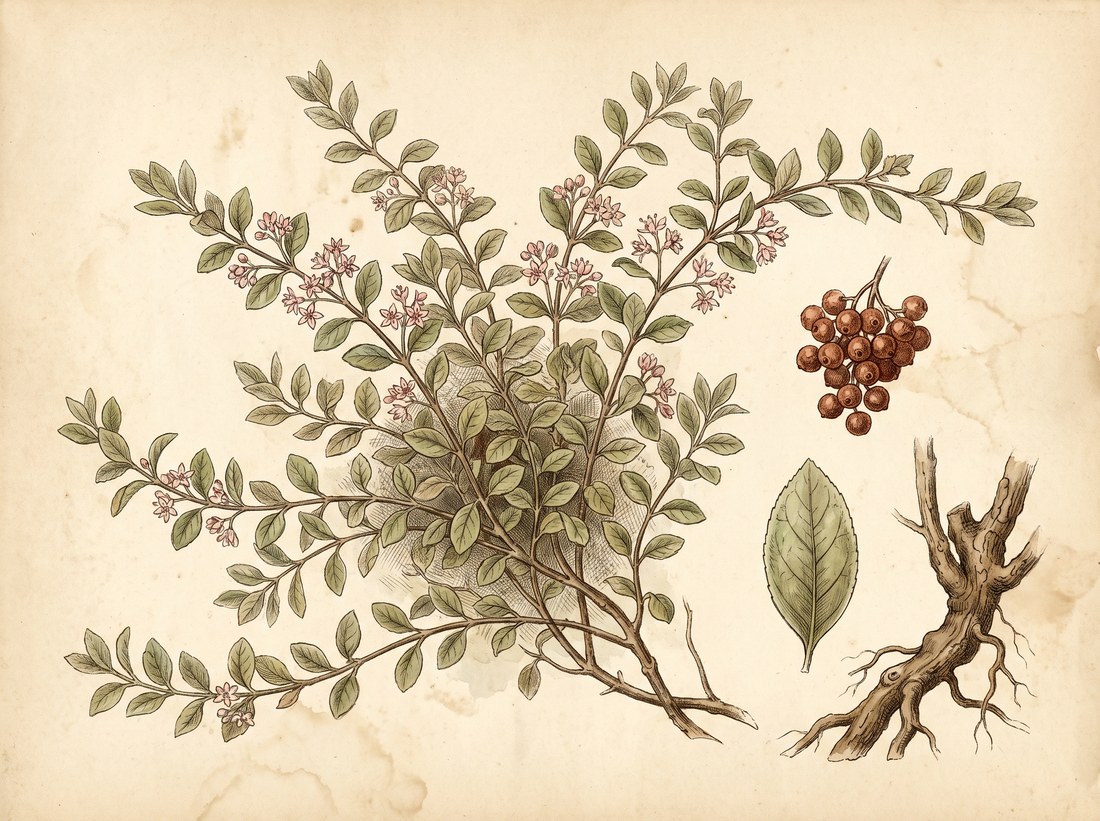 false black pepperEmbelia ribes
Nearby on the shelf
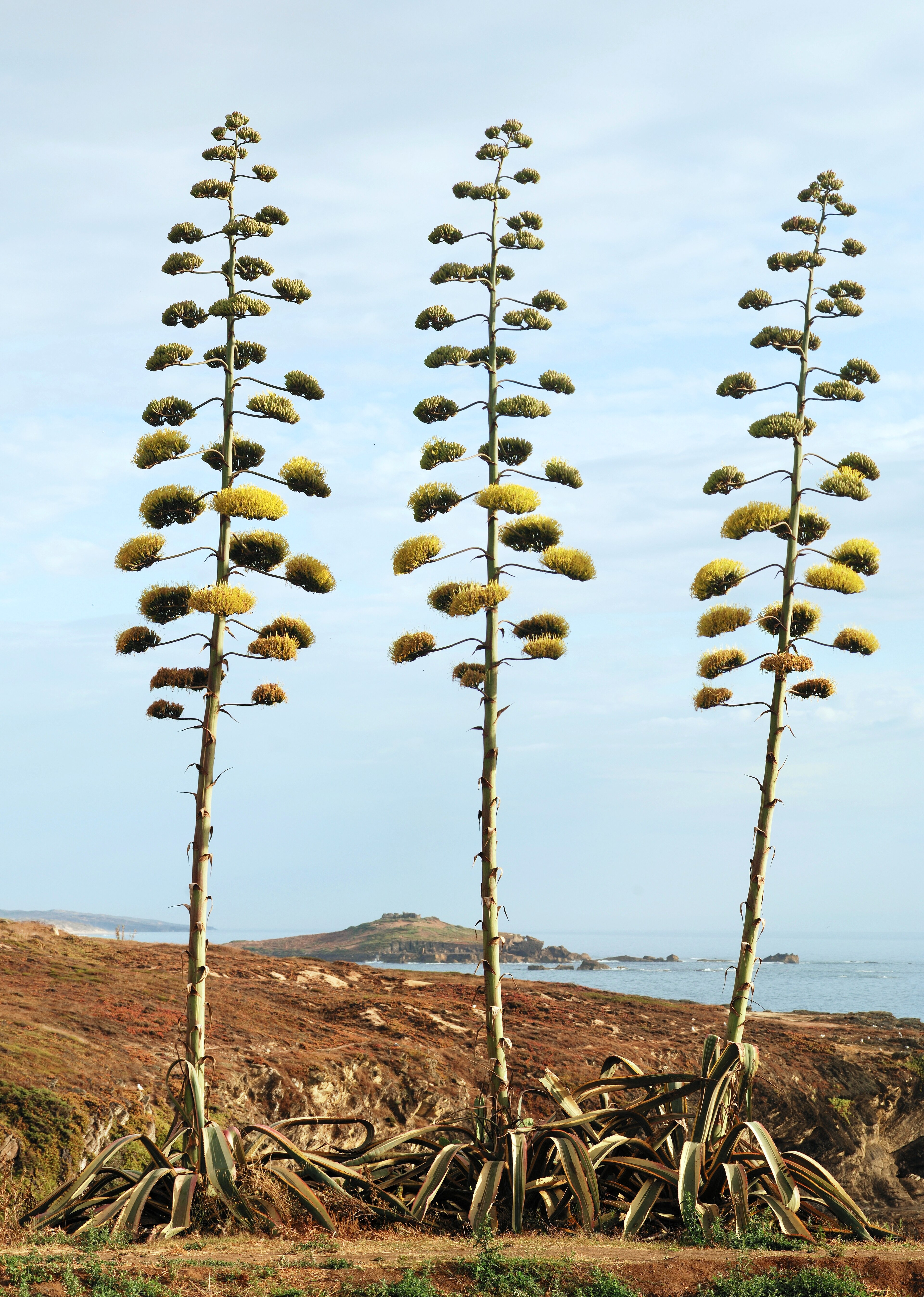 Century PlantAgave americana
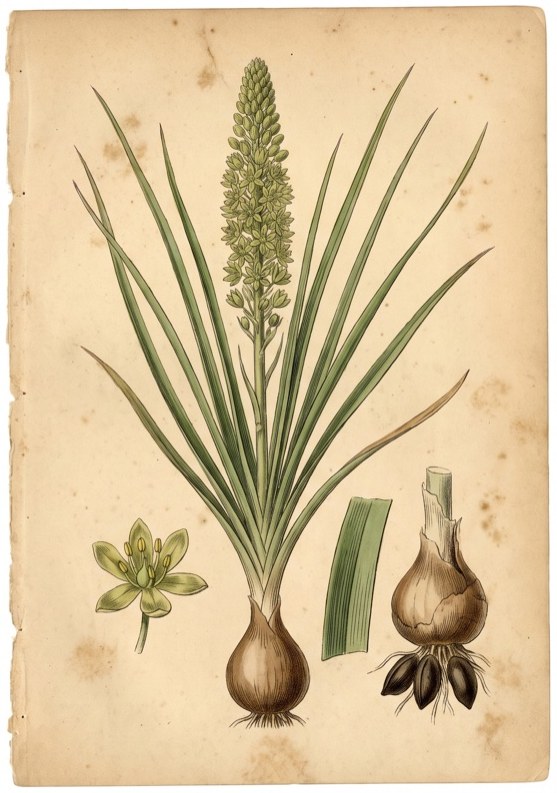 CevadillaSabadilla
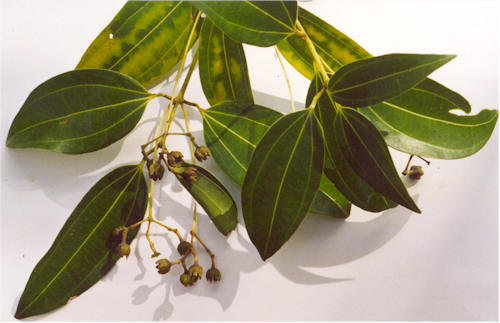 Ceylon cinnamonCinnamomum zeylanicum
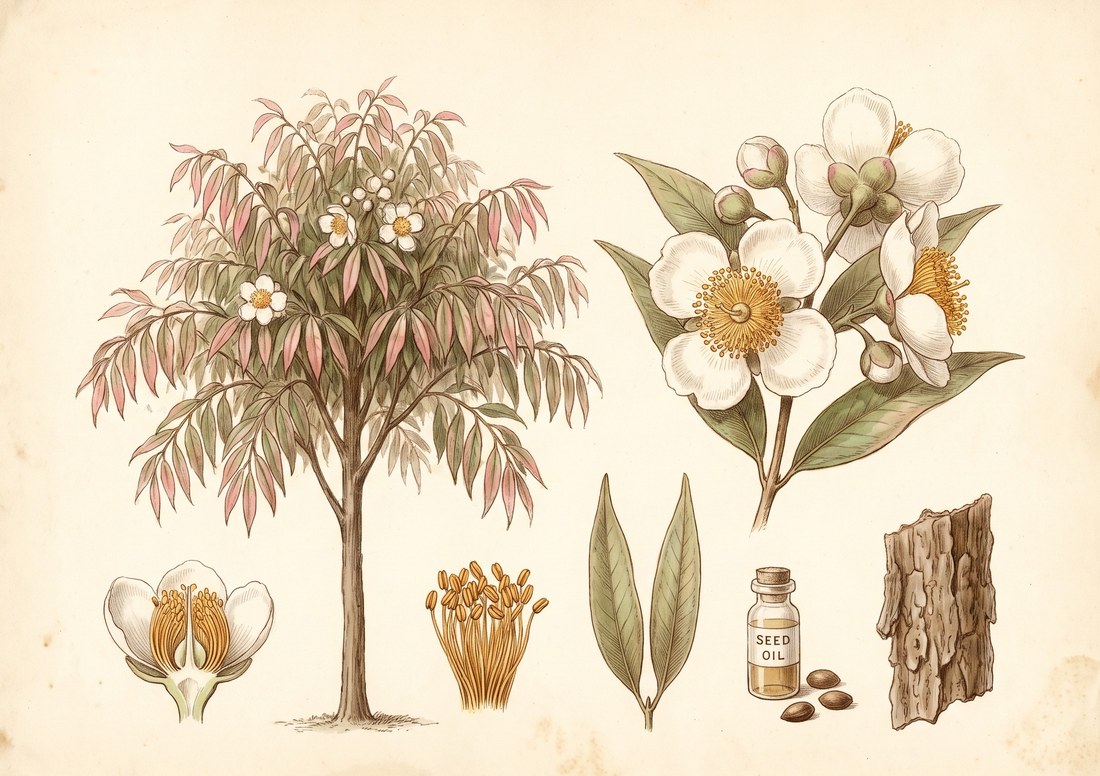 Ceylon ironwoodMesua ferrea
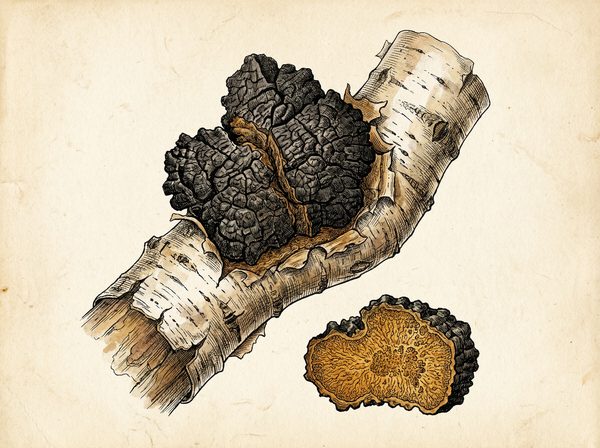 ChagaInonotus obliquus
 Chai HuBupleurum falcatum
 ChaksuChamaecrista absus
 ChamomileChamaemelum nobile
The whole plate is in the library. The compass, Compare, the Sky of eleven hundred plants and the formulary open with an email address and a password, free, with the formula builder and its safety engine. Herbert without limit, his formulating, clients, the handouts and the labels are the paid room.
Open the library, free