Western Herbalism
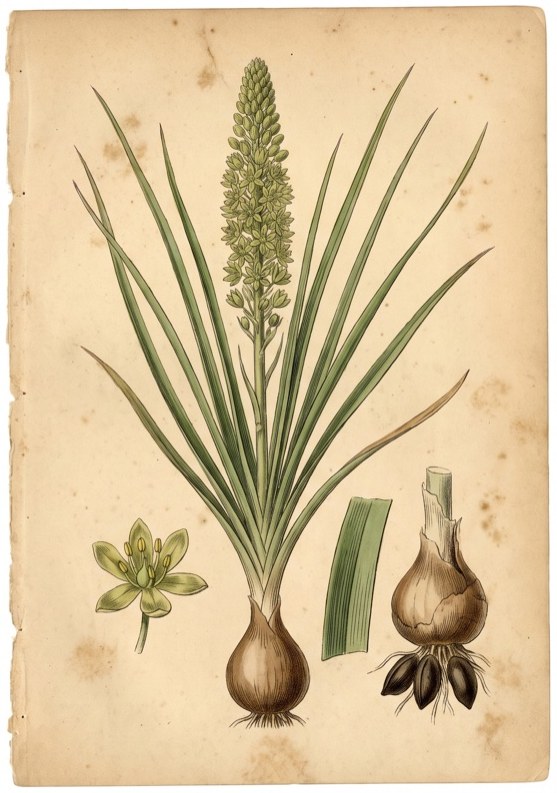
Cevadilla
Sabadilla
Also known as Sabadilla, Sabadill, Cevadilla seed.
Sabadilla is the dried ripe seed of a bulbous plant native to Central America and parts of South America, long known to Mexican and Central American peoples and later imported into European and North American commerce chiefly as a source of veratrine alkaloids used in insecticides and pediculicides. Eclectic and early physiomedical practitioners occasionally used tinctures of the seed internally in extremely small doses for severe neuralgic pain, but this internal use has been abandoned because of the plant's narrow margin between an active dose and a dangerous one. Today sabadilla survives mainly as a historical curiosity and as a topical parasiticide in some traditional and veterinary preparations.

Ask Herbert about Cevadilla. Herbert is the master herbalist inside Bountiful Herbs: he answers from this plate and eleven hundred others, with dosing, pairing and cautions. Your first ten questions are free.
Ask HerbertActions
Indications what the tradition reached for it in
- Head lice infestation (historical topical use)
- Scabies (historical topical use)
- Trigeminal and facial neuralgia (historical internal use, now abandoned)
- Toothache (historical topical application of tincture)
- External parasitic skin infestations
Specific indications
Historically applied as a lotion or ointment for pediculosis when gentler agents had failed
Once used internally in minute, tightly controlled doses for lancinating facial neuralgia, a use no longer considered acceptable given the narrow margin of safety
Safety
Recognised toxicity. This plant carries a toxicity flag in the record; it is for trained practitioners only.
Low dose botanical. Used in drop doses in the classical practice; not a plant to dose freely.
Pregnancy: Avoid entirely in pregnancy: the veratrine alkaloids are systemic toxins with no established safe dose.
Breastfeeding: Avoid entirely in lactation: no safety data exist and the alkaloids are known cardiotoxins.
The record lists 8 contraindications; open the plate in the library to read them in full.
In practice
Sabadilla seed contains a mixture of veratrine-type steroidal alkaloids, principally cevadine and veratridine, that act on voltage-gated sodium channels to prolong their open state. This produces intense local irritation on mucous membranes and, if absorbed systemically, can cause profound bradycardia, hypotension, muscle weakness, and respiratory compromise.
Dosing as the sources wrote it
| Preparation | As written | Metric |
|---|---|---|
| Topical lotion or wash (pediculicide) | commercial preparations applied per product directions, short contact time then thorough rinsing | |
| Historical tincture (internal, obsolete) | not recommended: historical eclectic doses were on the order of a few drops of a dilute tincture, reflecting an unacceptably narrow margin of safety by modern standards | |
| The dose is from 5 to 15 grains, for the expulsion of taenia, and other worm. | 324-972 mg |
Doses are reproduced from the sources for practitioners and are not a recommendation for any person.
From the sources
Overview. Sabadilla is the dried ripe seed of a bulbous plant native to Central America and parts of South America, long known to Mexican and Central American peoples and later imported into European and North American commerce chiefly as a source of veratrine alkaloids used in insecticides and pediculicides. Eclectic and early physiomedical practitioners occasionally used tinctures of the seed internally in extremely small doses for severe neuralgic pain, but this internal use has been abandoned because of the plant's narrow margin between an active dose and a dangerous one. Today sabadilla survives mainly as a historical curiosity and as a topical parasiticide in some traditional and veterinary preparations.
Clinical Notes. Sabadilla seed contains a mixture of veratrine-type steroidal alkaloids, principally cevadine and veratridine, that act on voltage-gated sodium channels to prolong their open state. This produces intense local irritation on mucous membranes and, if absorbed systemically, can cause profound bradycardia, hypotension, muscle weakness, and respiratory compromise.
Drawn from King's American Dispensatory, 18th edition (Felter and Lloyd), and the Bountiful Herbs editorial.
Often paired with
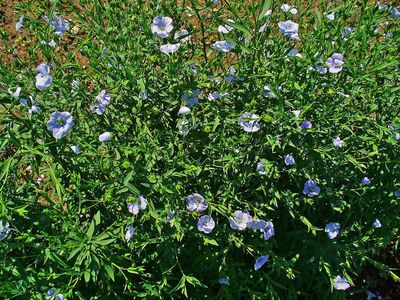 flaxLinum usitatissimum
Nearby on the shelf
 CelandineChelidonium majus
 CeleryApium graveolens
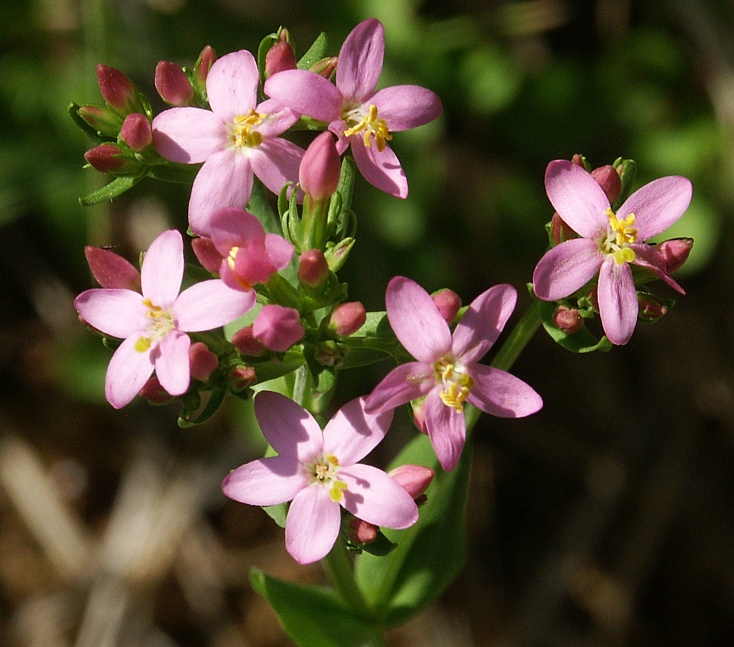 CentauryCentaurium erythraea
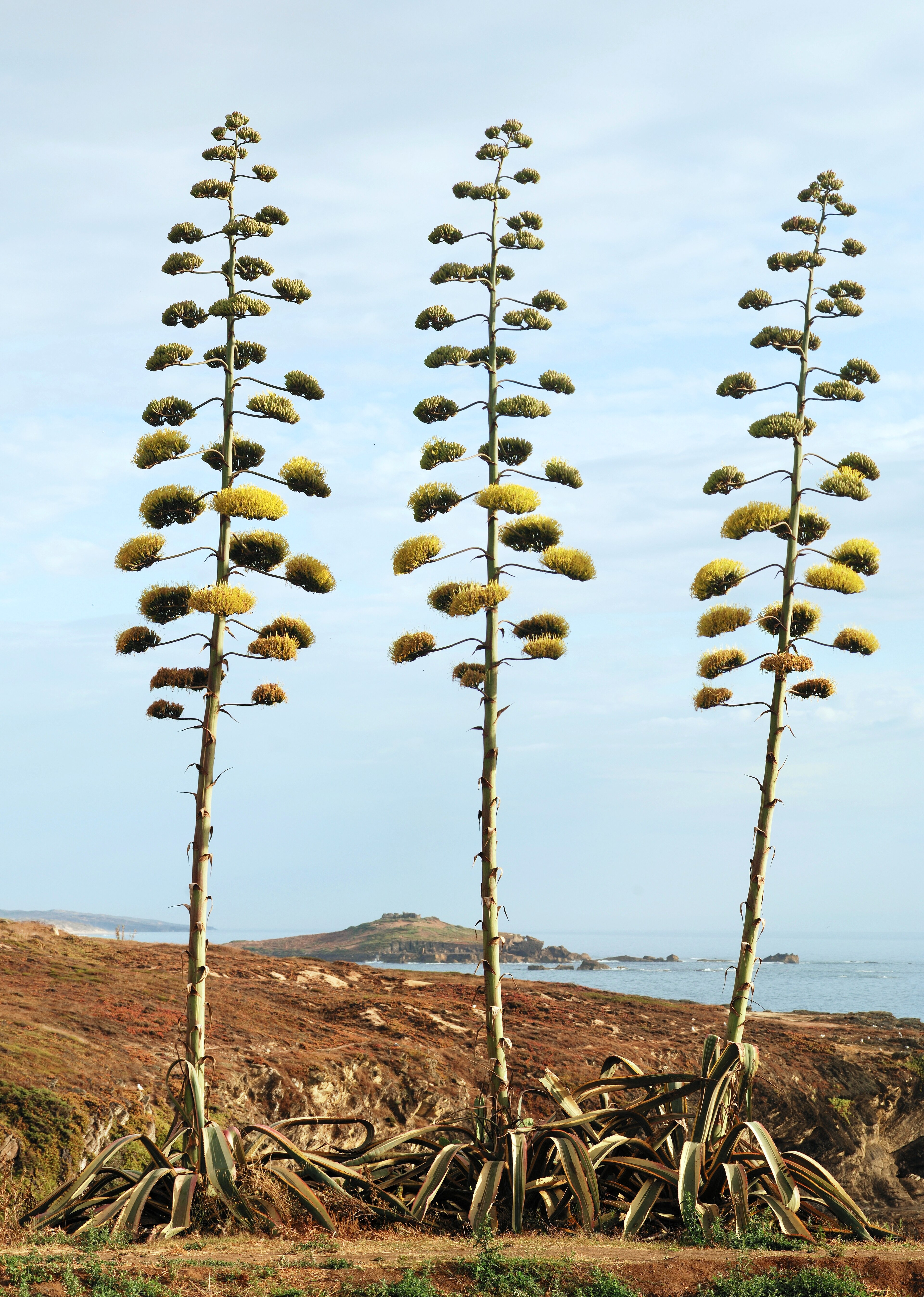 Century PlantAgave americana
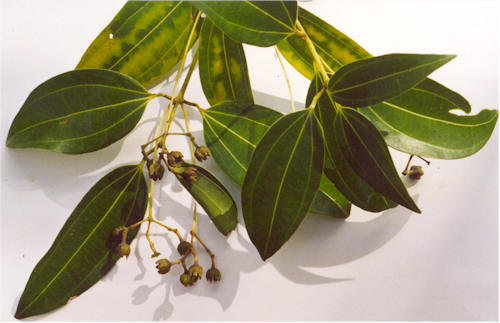 Ceylon cinnamonCinnamomum zeylanicum
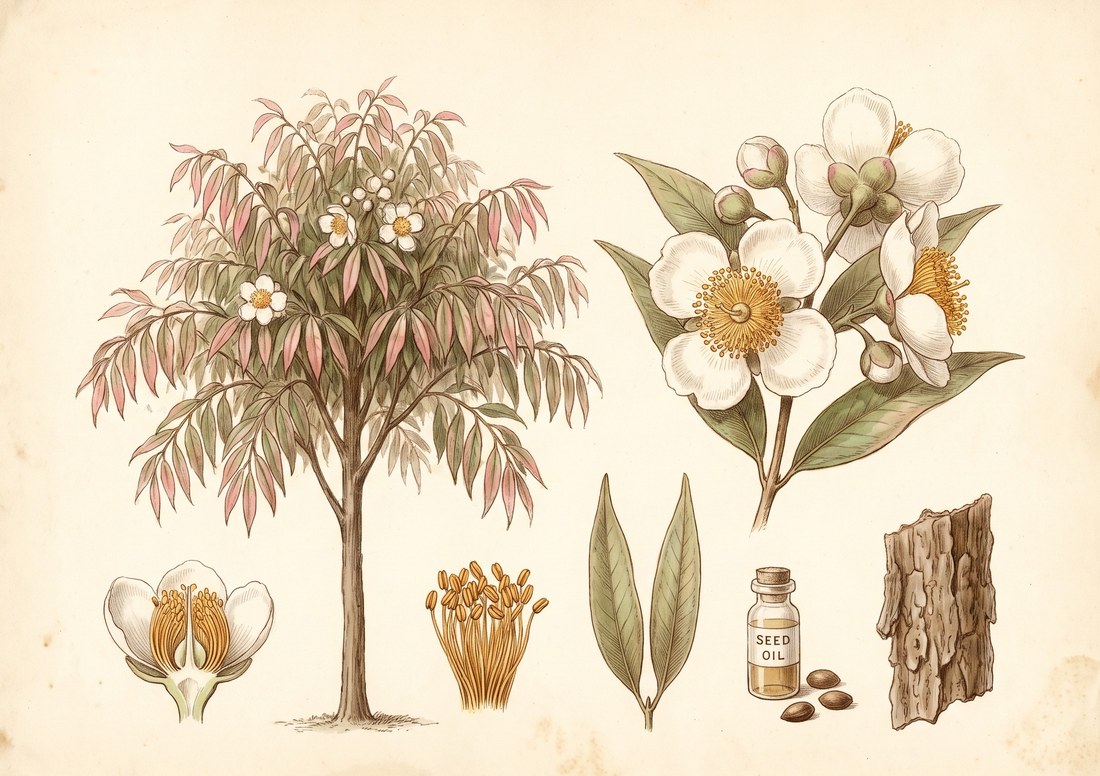 Ceylon ironwoodMesua ferrea
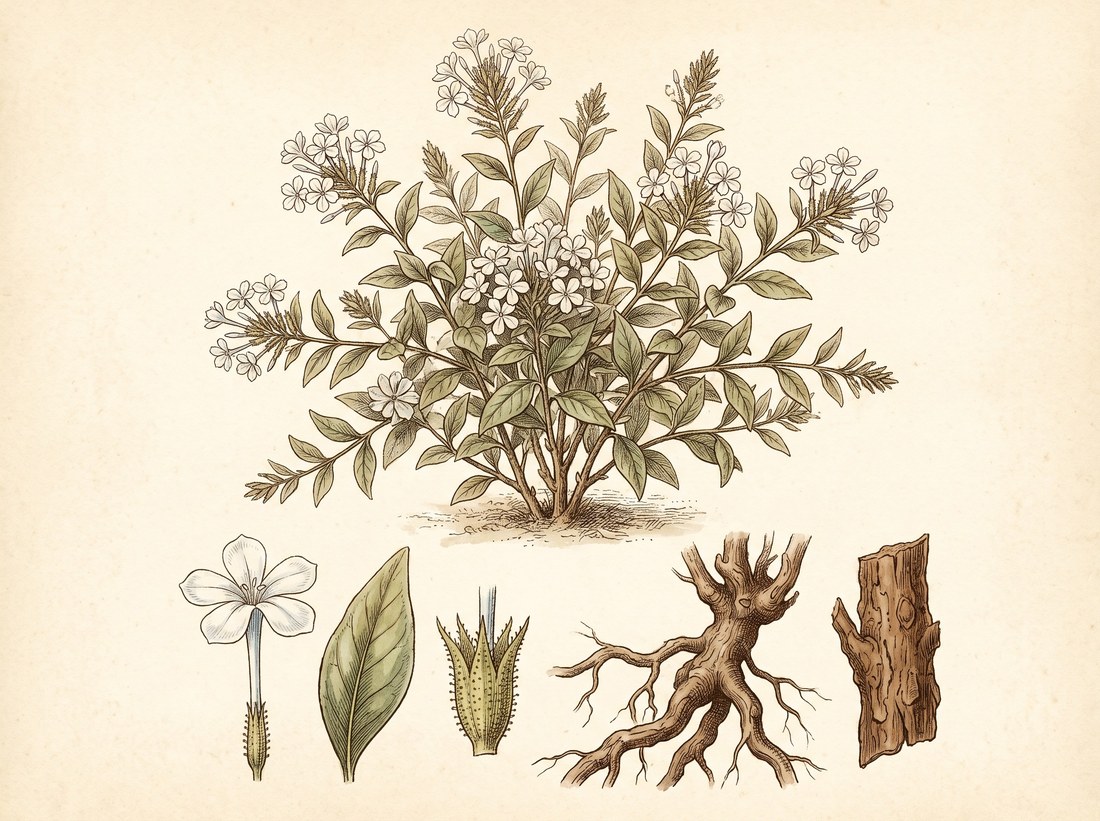 Ceylon leadwortPlumbago zeylanica
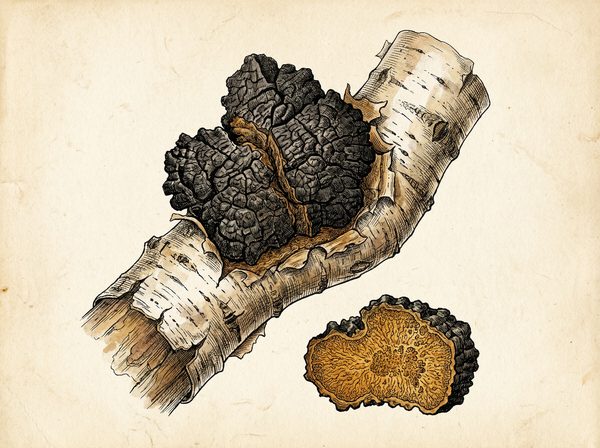 ChagaInonotus obliquus
The whole plate is in the library. The compass, Compare, the Sky of eleven hundred plants and the formulary open with an email address and a password, free, with the formula builder and its safety engine. Herbert without limit, his formulating, clients, the handouts and the labels are the paid room.
Open the library, free