Western, Chinese and Ayurvedic herbalism
Aloe vera
Aloe vera
Also known as Barbados aloe, Curacao aloe, Indian aloe, true aloe, Aloe Gel, Aloe, Cape aloe, (1) Socotrine Aloes, Kumari, Ghritakumari, Kanya.
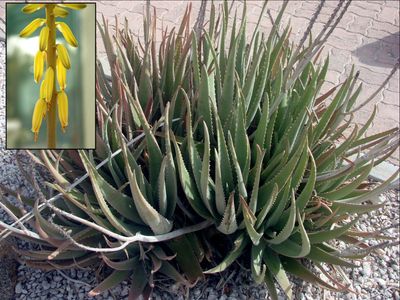
Aloe vera is a stemless succulent with thick, spiny edged, gray green leaves, probably native to the Arabian peninsula and long naturalized and cultivated across India, especially in Rajasthan, Gujarat, Tamil Nadu and Andhra Pradesh, where it is a common dooryard plant. Ayurveda calls it Kumari, the maiden, for its reputation of restoring youth. The tradition draws two medicines from the leaf: the cooling inner pulp, a demulcent tonic for the liver, skin, eyes and female reproductive tract, and the bitter latex from the rind, a purgative and uterine stimulant. Kumaryasava, the fermented pulp, is a leading remedy for liver and spleen.

Ask Herbert about Aloe vera. Herbert is the master herbalist inside Bountiful Herbs: he answers from this plate and eleven hundred others, with dosing, pairing and cautions. Your first ten questions are free.
Ask HerbertActions
Indications what the tradition reached for it in
- Minor burns, sunburn and radiation dermatitis (gel, topical)
- Wounds and skin ulcers (gel, topical)
- Psoriasis and seborrheic dermatitis (gel, topical)
- Constipation of pitta type (latex, short term)
- Hepatic and splenic congestion with sluggish digestion
- Amenorrhea and scanty painful menses (latex in formula)
- Gastritis and reflux with burning (gel, internal)
- Elevated blood sugar and lipids (gel, adjunct)
- Oral lichen planus and mouth ulcers (gel)
- Acne and inflamed skin
- Convalescence with heat and dryness
- Burns
- Eczema
- Psoriasis
- Cuts
- Wounds
- Gastrointestinal irritation
- Chemotherapeutic/radiation adjunct
- Skin abrasions
- GERD
- Gastritis
- Esophagitis
- Ulcers
- HIV/AIDS
- Tumors
- Inflammation
- Inflammatory bowel disease
- Peptic ulcer disease
- Cancer
- Atonic constipation
Specific indications
A hot, flushed pitta patient with burning indigestion, constipation and irritable skin who needs cooling and moving at once
First and second degree burns or sunburn where the skin is red, tight and painful and a cooling film brings relief
A young woman with scanty, late, painful periods, a congested liver and sluggish bowels, for the latex within Rajahpravartini vati
Sluggish liver and spleen after repeated fevers with poor appetite and a bitter taste, for Kumaryasava
Safety
Low dose botanical. Used in drop doses in the classical practice; not a plant to dose freely.
Pregnancy: Not for use in pregnancy
Breastfeeding: Not for use while breastfeeding
The record lists 9 contraindications; open the plate in the library to read them in full.
In practice
The Ayurvedic physician treats the pulp and the latex as different drugs. Fresh pulp, ten to twenty milliliters with a pinch of turmeric on an empty stomach, is the everyday cooling tonic for pitta: burning digestion, constipation with heat, acne, and the recovery from fevers.
In Ayurveda
Rasa: tikta (bitter), madhura (sweet). Virya: sheeta (cooling). Vipaka: katu (pungent). Guna: guru (heavy), snigdha (unctuous), picchila (slimy). Dosha: pacifies all three doshas, especially pitta; the dried latex is more kapha and pitta reducing and can aggravate vata. Karma: rasayana (rejuvenative); bhedana (purgative, the latex); pittasaraka (drains pitta and bile); yakrit uttejaka (liver stimulant); artavajanana (promotes menstruation); garbhashaya shodhana (cleanses the uterus); vrishya (aphrodisiac); chakshushya (benefits the eyes); balya (strengthening); vranaropana (heals wounds); dahaprashamana (relieves burning). Classical indications: yakrit vriddhi and pleeha vriddhi (enlarged liver and spleen); kamala (jaundice); vibandha (constipation); gulma (abdominal mass); artavakshaya (scanty or absent menses); kashtartava (painful menstruation); daha (burning); netra roga (eye disorders); vrana (wounds); tvak roga (skin diseases); granthi (glandular swellings); kasa and shvasa (cough and dyspnea). Two distinct drugs come from the leaf. The fresh inner pulp or its juice (swarasa) is a cooling demulcent tonic taken internally with turmeric or applied to burns and skin. The bitter yellow latex from beneath the rind, dried into Kumari sara or Musabbar (Elua), is a strong purgative and emmenagogue used in tiny doses. Kumaryasava is the fermented preparation of the pulp for liver and spleen. Classical formulations: Kumaryasava, Rajahpravartini vati, Kumari paka, Kumari taila, Kumari kalpa, Kumari swarasa with haridra. Described in: Bhavaprakasha Nighantu, Dhanvantari Nighantu, Raja Nighantu, Sharngadhara Samhita, Kaiyadeva Nighantu, Ayurvedic Pharmacopoeia of India.
Dosing as the sources wrote it
| Preparation | As written | Metric |
|---|---|---|
| Swarasa (fresh pulp) | 10-20 mL fresh leaf pulp or juice daily on an empty stomach | 10-20 mL |
| Asava | 12-24 mL Kumaryasava twice daily after food | 12-24 mL |
| Kumari sara (dried latex) | 125-500 mg dried latex at night, short courses only | 125-500 mg |
| Gel, topical | 2-5 g fresh pulp or stabilized gel applied to the skin two to three times daily | 2000-5000 mg |
| Gel | 1-2 oz 1-2 x/day | |
| Tincture (1:30-1:40) | inner leaf/anthraquinone extraction, 1-5 ml hs, limit use to max 10 days | 1-5 mL |
Doses are reproduced from the sources for practitioners and are not a recommendation for any person.
From the sources
Overview. Aloe vera is a stemless succulent with thick, spiny edged, gray green leaves, probably native to the Arabian peninsula and long naturalized and cultivated across India, especially in Rajasthan, Gujarat, Tamil Nadu and Andhra Pradesh, where it is a common dooryard plant. Ayurveda calls it Kumari, the maiden, for its reputation of restoring youth. The tradition draws two medicines from the leaf: the cooling inner pulp, a demulcent tonic for the liver, skin, eyes and female reproductive tract, and the bitter latex from the rind, a purgative and uterine stimulant. Kumaryasava, the fermented pulp, is a leading remedy for liver and spleen.
Clinical Notes. Latex=solid residue obtained from scoring the leaf, contains anthraquinones, cathartic laxative Gel=Mucilaginous material obtained from center part of leaf, inflammation modulator, demulcent, vulnerary, immune modulator Latex and gel are cold and bitter, gel is moist. LATEX is a laxative Gel is not.
Clinical Notes. The Ayurvedic physician treats the pulp and the latex as different drugs. Fresh pulp, ten to twenty milliliters with a pinch of turmeric on an empty stomach, is the everyday cooling tonic for pitta: burning digestion, constipation with heat, acne, and the recovery from fevers.
Therapy. Aloes, in 1/2 to 1 grain doses, is a gastric stimulant of value in atonic indigestion, with obstinate constipation. It has had a large vogue as an after-dinner pill, but is now little used for that purpose.
Drawn from Scudder's Specific Medication and Specific Medicines; King's American Dispensatory, 18th edition (Felter and Lloyd); Felter's Eclectic Materia Medica, Pharmacology and Therapeutics, and the Bountiful Herbs editorial.
In formulas
Aloe vera stands in 56 documented formulas in the library, among them Kuṭajāriṣta, Maṅjiṣṭhādi Taila, Marma Guṭikā, Makara Dhvaja, Svarṇasindūra, Abhraka Bhasma.
Often paired with
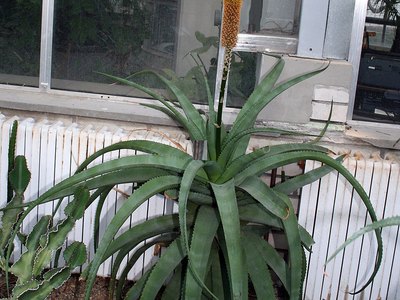 Socotrine aloesAloes socotrina
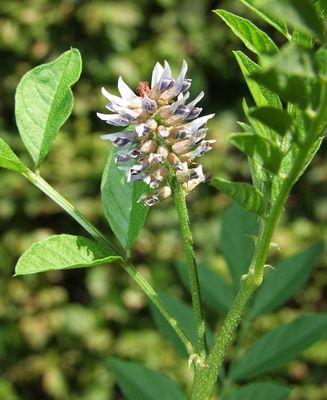 Licorice rootGlycyrrhiza glabra
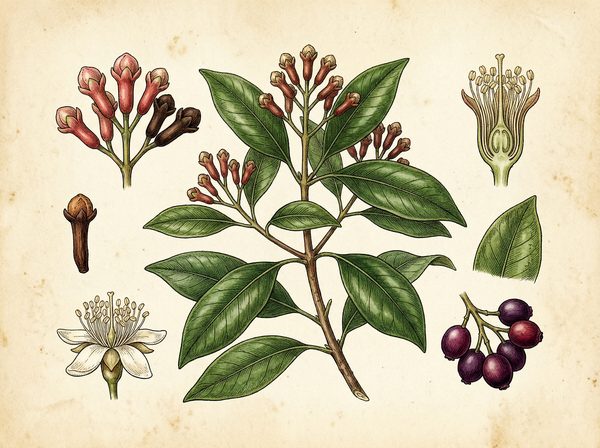 cloveSyzygium aromaticum
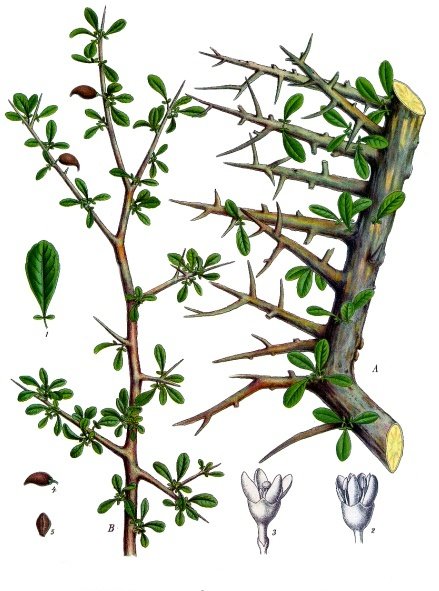 MyrrhCommiphora molmol
 nut grassCyperus rotundus
Nearby on the shelf
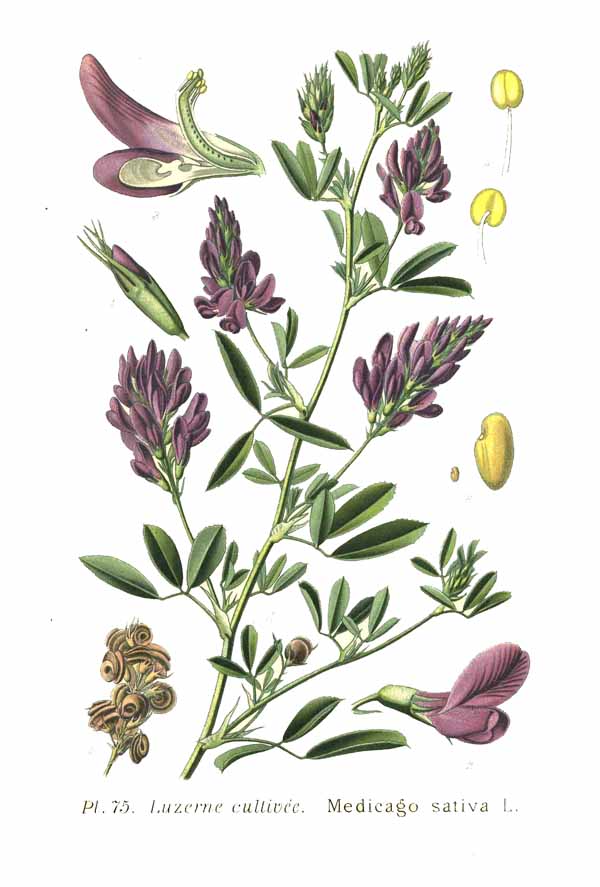 AlfalfaMedicago sativa
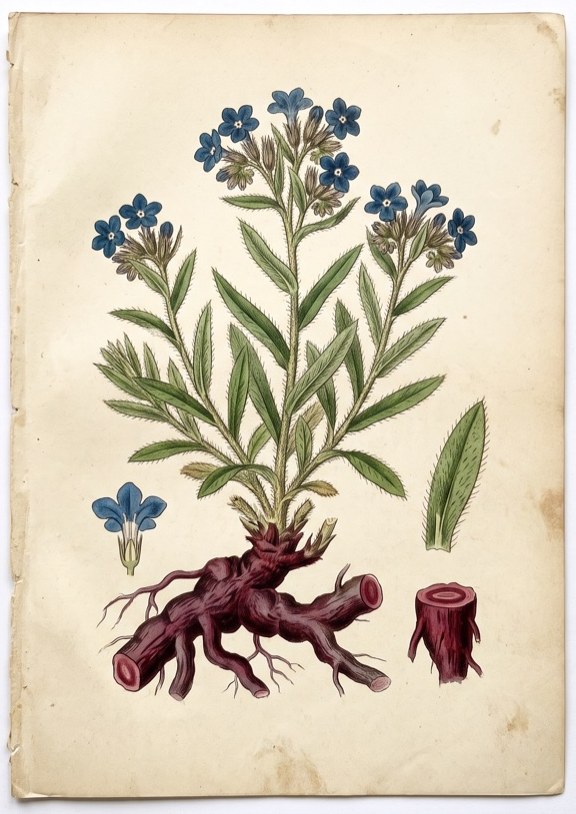 AlkanetAlkanna
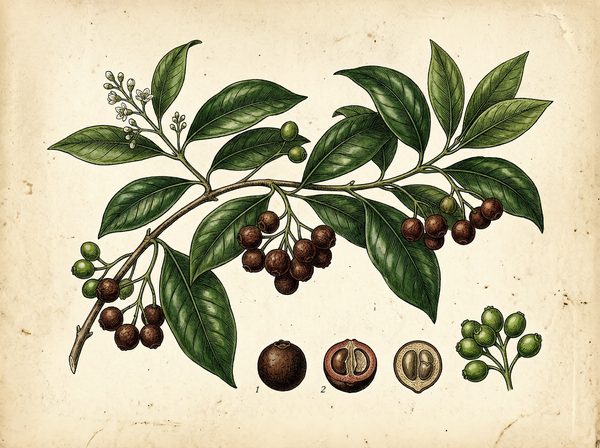 AllspicePimenta dioica
 AlmondAmygdala
 Alstonia barkAlstonia Constricta
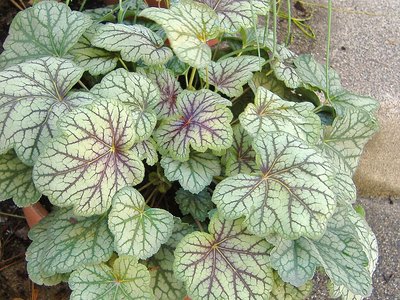 Alum rootHeuchera americana
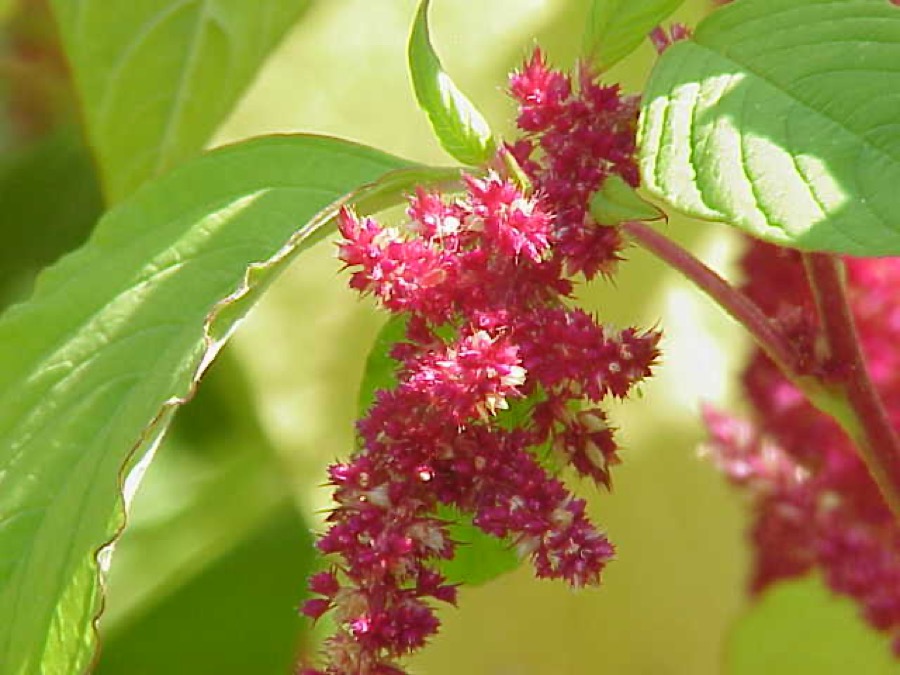 AmaranthAmaranthus
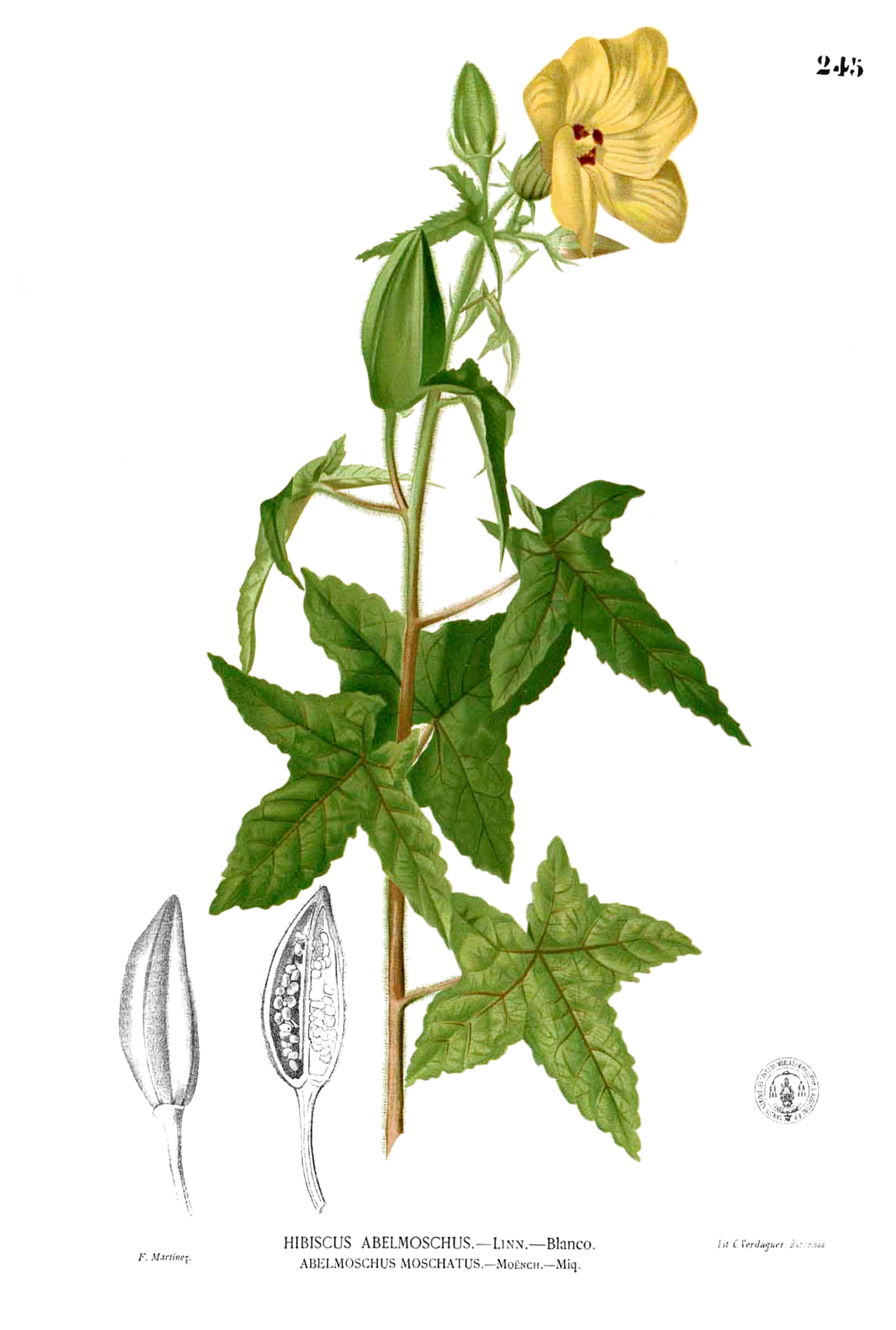 Ambrette seedAbelmoschus moschatus
The whole plate is in the library. The compass, Compare, the Sky of eleven hundred plants and the formulary open with an email address and a password, free, with the formula builder and its safety engine. Herbert without limit, his formulating, clients, the handouts and the labels are the paid room.
Open the library, free