Western Herbalism
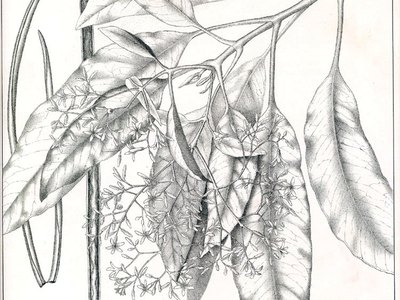
Alstonia bark
Alstonia Constricta
Also known as Native quinine of Australia, Australian fever bark, Fever bark, Bitter bark, Alstonia, Dita Bark, Devil tree of India.
Alstonia constricta is a small tree native to the drier woodlands of eastern Australia, long known to colonial settlers and eclectic physicians as a bitter, quinine-like bark. The dried stem and root bark were used from the nineteenth century onward as a substitute for cinchona in intermittent fevers, and as a general bitter tonic for weak digestion. It holds a modest but distinct place in eclectic materia medica as an antimalarial and tonic bitter from the antipodes.

Ask Herbert about Alstonia bark. Herbert is the master herbalist inside Bountiful Herbs: he answers from this plate and eleven hundred others, with dosing, pairing and cautions. Your first ten questions are free.
Ask HerbertActions
Indications what the tradition reached for it in
- Malarial-type fevers with marked periodicity
- General debility following chronic fever
- Dyspepsia with poor appetite
- Atonic constipation
- Sluggish digestion with coated tongue
- Convalescence after febrile illness
- Chronic diarrhea with weak gut tone
- Sallow complexion with glandular atony
Specific indications
Intermittent or remittent fever with clear-cut chills and sweats, especially where quinine is unavailable or poorly tolerated
Sallow, atonic patient with a heavily furred tongue, poor appetite and sluggish bowels
Safety
Low dose botanical. Used in drop doses in the classical practice; not a plant to dose freely.
Pregnancy: Avoid in pregnancy: indole alkaloid content and lack of modern safety data warrant precaution.
Breastfeeding: Avoid in lactation due to absence of safety data and alkaloid content.
The record lists 3 contraindications; open the plate in the library to read them in full.
In practice
Alstonia bark was reached for by eclectic physicians in cases resembling malaria, particularly where quinine was scarce, poorly tolerated, or where the fever pattern showed the classic periodicity of chills, fever, and sweating in stages.
Dosing as the sources wrote it
| Preparation | As written | Metric |
|---|---|---|
| Powdered bark | 0.1-0.6 g (2-10 grains) up to three times daily | 100-600 mg |
| Tincture (1:5) | 0.6-4 mL (10-60 minims) up to three times daily | 0.6-4 mL |
| Specific alstonia (concentrated liquid) | 0.1-1.3 mL (2-20 minims) up to three times daily | 0.1-1.3 mL |
| Action, Medical Uses, and Dosage: The inner bark of Alstonia constricta is said to possess marked antiperiodic properties, while the outer bark is stated to have been efficacious in curing certain forms of rheumatism. Further trials are needed, however, before it can be ranked as a substitute for quinine, or other of the cinchona alkaloids, yet it has proved as efficient in intermittents. "Hesse attributes to alstonidine properties analogous at once to those of quinine and to nux vomica. The experiments of Bancroft and of Bixby prove that this drug is valuable as a tonic febrifuge, and more valuable as a febrifuge than as a tonic, while the Alstonia scholaris is more generally employed against dysentery" (Beringer, Amer. Jour. Pharm., 1895, p. 167). | ||
| The inner bark was given to the patients in a dose of from 4 to 8 grains, an hour or two before the expected chill, repeating the dose 2 or 3 times, each time anterior to the anticipated chill. | 518 mg | |
| bark | The dose of the bark, which should be well masticated, is from 2 to 8 grains; but the more desirable form for administration and efficacy appears to be the powdered bark, in capsules, 2 to 5 grains every 3 or 4 hours; as a tonic, grain doses. | 130-518 mg |
Doses are reproduced from the sources for practitioners and are not a recommendation for any person.
From the sources
Overview. Alstonia constricta is a small tree native to the drier woodlands of eastern Australia, long known to colonial settlers and eclectic physicians as a bitter, quinine-like bark. The dried stem and root bark were used from the nineteenth century onward as a substitute for cinchona in intermittent fevers, and as a general bitter tonic for weak digestion. It holds a modest but distinct place in eclectic materia medica as an antimalarial and tonic bitter from the antipodes.
Clinical Notes. Alstonia bark was reached for by eclectic physicians in cases resembling malaria, particularly where quinine was scarce, poorly tolerated, or where the fever pattern showed the classic periodicity of chills, fever, and sweating in stages.
Therapy. This remedy was brought to the notice of the profession by Dr. John M. Scudder. He regarded it superior in its tonic and restorative properties to calisaya bark in certain specific conditions. His indications were as follows: The tongue inclined to be dirty, skin dark and sallow, the urine depositing a sediment, with a general lack of tone.
Specific Symptomatology. General malarial cachexia, periodicity, fever with marked intermissions or remissions. Malarial fever, with exacerbations. General atony of the glandular organs, with sallow skin, heavily coated tongue and constipation.
Drawn from King's American Dispensatory, 18th edition (Felter and Lloyd); Ellingwood's American Materia Medica, Therapeutics and Pharmacognosy, and the Bountiful Herbs editorial.
Nearby on the shelf
 AlkanetAlkanna
 AllspicePimenta dioica
 AlmondAmygdala
 Aloe veraAloe vera
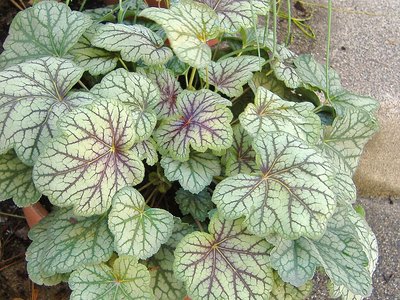 Alum rootHeuchera americana
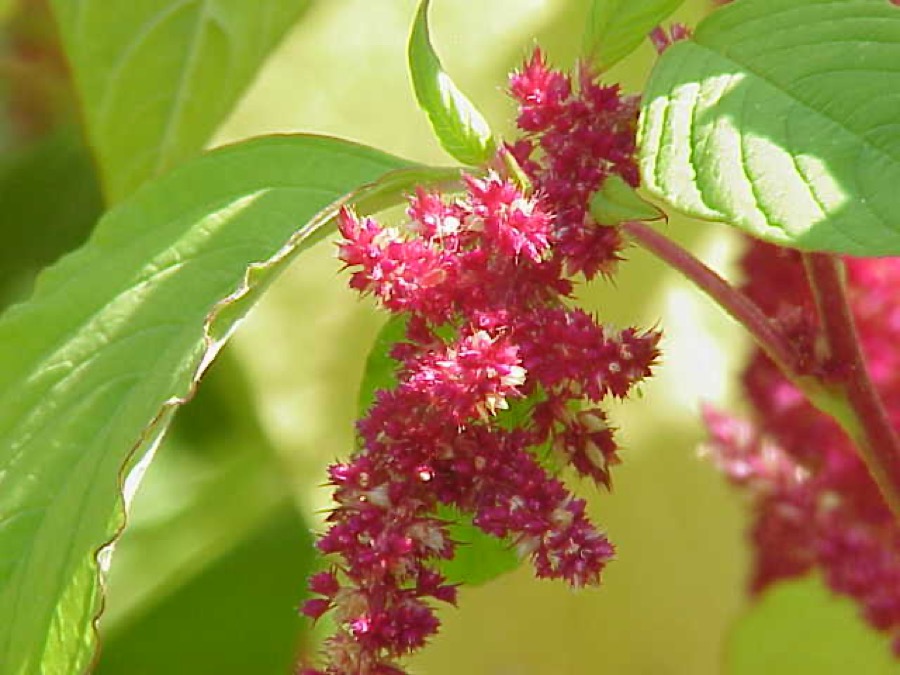 AmaranthAmaranthus
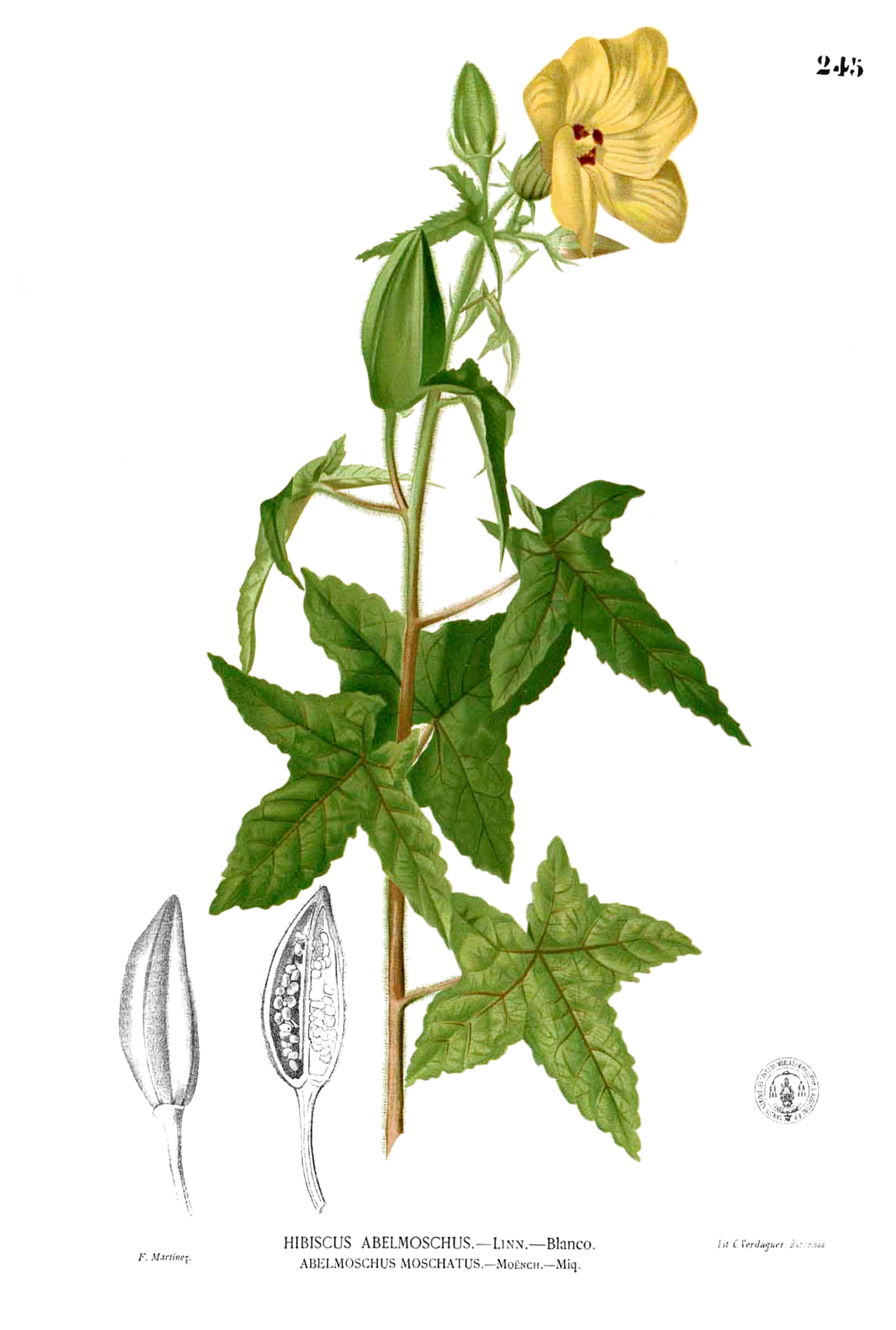 Ambrette seedAbelmoschus moschatus
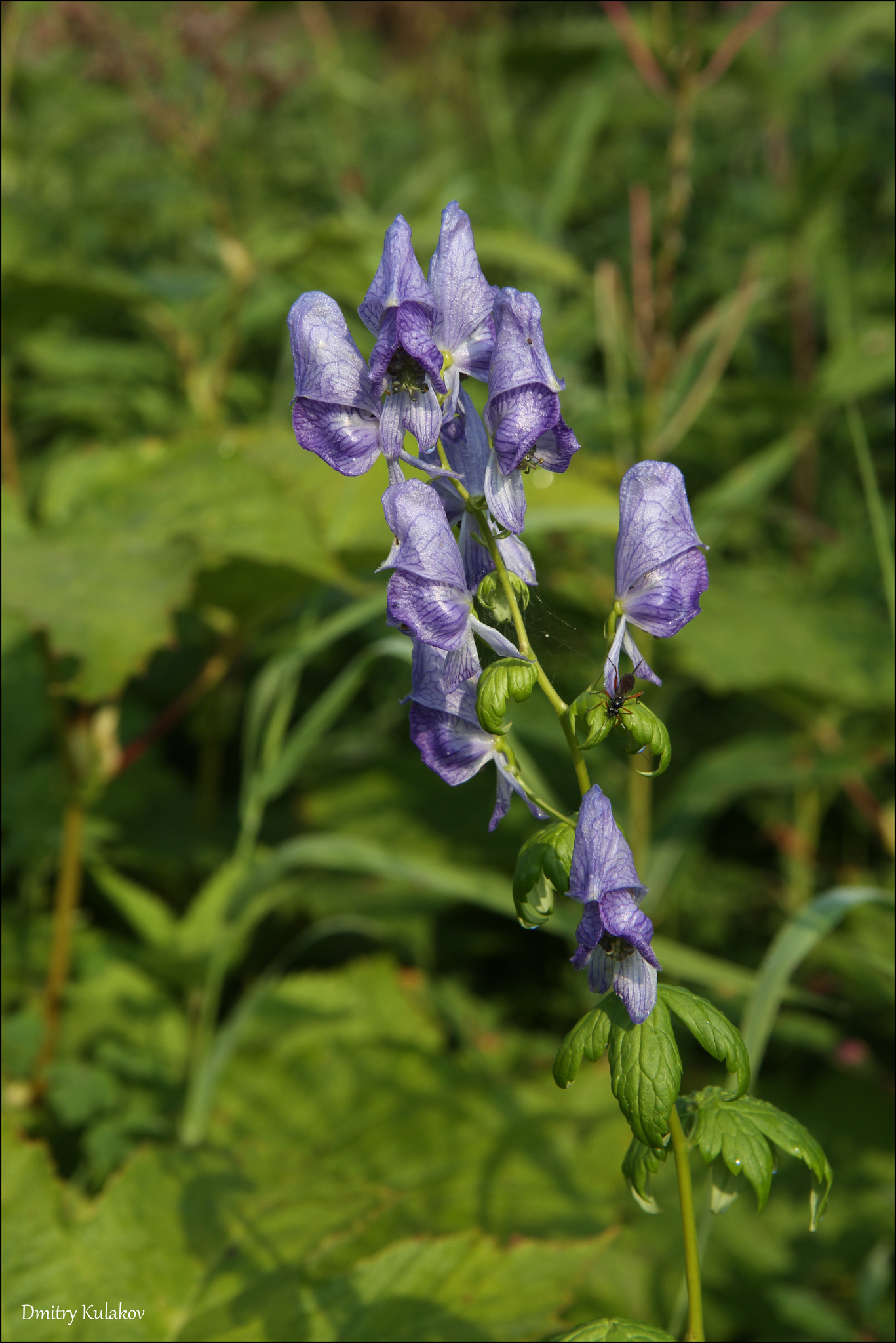 American AconiteAconitum Fischeri
The whole plate is in the library. The compass, Compare, the Sky of eleven hundred plants and the formulary open with an email address and a password, free, with the formula builder and its safety engine. Herbert without limit, his formulating, clients, the handouts and the labels are the paid room.
Open the library, free