Western and Ayurvedic herbalism
Licorice root
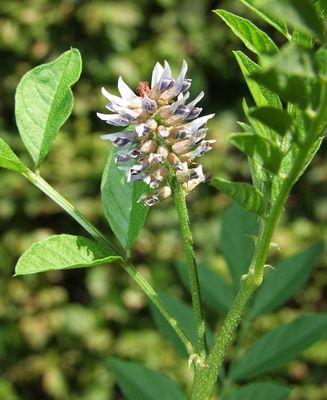
Glycyrrhiza glabra
Also known as Gan cao, glabra, Licorice, Glycyrrhiza, Liquorice, (1) Spanish Licorice Root, (2) Russian Licorice Root, Liquorice-root, Yashtimadhu, Madhuka, Madhuyashti.
Glycyrrhiza glabra is a perennial legume with pinnate leaves and pale violet flowers whose long, sweet roots and runners are the drug. In India it is cultivated in Punjab, Himachal Pradesh and Jammu and Kashmir and imported in quantity from Afghanistan and Iran, since the wild plant is not native to the plains. Ayurveda calls it Yashtimadhu, the honey stick, and prizes it as a cooling, nourishing rasayana for the voice, the eyes, the stomach lining and the lungs, and as the sweet root that harmonizes almost every classical compound.

Ask Herbert about Licorice root. Herbert is the master herbalist inside Bountiful Herbs: he answers from this plate and eleven hundred others, with dosing, pairing and cautions. Your first ten questions are free.
Ask HerbertActions
Indications what the tradition reached for it in
- Steroid intake
- Adrenal atrophy
- Liver disease
- Pharyngitis
- Cough (dry)
- Herpes viruses
- Allergies
- Bronchitis
- Hyperkalemia
- Viral infections
- Mononucleosis
- GERD
- Stress (chronic)
- Colds
- Internal ulcers
- Flu
- Chronic fatigue syndrome
- HIV/AIDS
- Peptic ulcer disease
- Renal failure (w/ hyperkalemia)
- Hepatitis
- Addisons disease
- Colitis
- Burnout
- Cough
- Dry cough
- Fatigue
- Inflammation
- Mucosal irritation
- Respiratory congestion
Safety
Low dose botanical. Used in drop doses in the classical practice; not a plant to dose freely.
Pregnancy: Use with care in pregnancy
Breastfeeding: Use with care while breastfeeding
The record lists 11 contraindications; open the plate in the library to read them in full.
In Ayurveda
Rasa: madhura (sweet). Virya: sheeta (cooling). Vipaka: madhura (sweet). Guna: guru (heavy), snigdha (unctuous). Dosha: pacifies vata and pitta; increases kapha in excess or in damp, congested patients. Karma: rasayana (rejuvenative); balya (strengthening); chakshushya (benefits the eyes); vrishya (aphrodisiac); keshya (benefits the hair); svarya (improves the voice); kanthya (soothes the throat); varnya (improves complexion); vranaropana (heals wounds and ulcers); raktapittahara (stops bleeding of pitta origin); shothahara (reduces inflammation); medhya (supports intellect). Classical indications: kasa (cough); shvasa (dyspnea); svarabheda (hoarseness); kshaya (wasting); amlapitta (hyperacidity); vrana (wounds and ulcers); raktapitta (bleeding disorders); chardi (vomiting); trishna (thirst); daha (burning sensations); netraroga (eye disease); kshata (injury to the chest). The dried root and stolon are the drug, given as churna with honey or ghee, as kwatha and ksheerapaka, as ghrita for ulcers and eyes, and as taila for external use and nasya. Yashtimadhu is also the classical vehicle and sweetener that binds many compound powders. Classical formulations: Yashtimadhu churna, Yashtimadhu ghrita, Yashtimadhwadi taila, Yashtyadi kwatha, Eladi churna, Chyawanprash, Ashwagandharishta, Brahma rasayana, Anu taila. Described in: Charaka Samhita, Sushruta Samhita, Ashtanga Hridaya, Bhavaprakasha Nighantu, Dhanvantari Nighantu, Raja Nighantu, Kaiyadeva Nighantu, Sharngadhara Samhita, Ayurvedic Pharmacopoeia of India.
Dosing as the sources wrote it
| Preparation | As written | Metric |
|---|---|---|
| Tincture (1:2-1:3) | 1-5 ml BID | 1-5 mL |
| Decoction | 1/2-2 tsp/c BID | |
| Dried root (decocted) | 3-10 g | 3000-10000 mg |
| Solid extract (4:1) | 1/4 tsp BID | |
| DGL | 380-760 mg TID | 380-760 mg |
| Powder (DGL) | 1/4-1/2 tsp TID and hs |
Doses are reproduced from the sources for practitioners and are not a recommendation for any person.
From the sources
Overview. Glycyrrhiza glabra is a perennial legume with pinnate leaves and pale violet flowers whose long, sweet roots and runners are the drug. In India it is cultivated in Punjab, Himachal Pradesh and Jammu and Kashmir and imported in quantity from Afghanistan and Iran, since the wild plant is not native to the plains. Ayurveda calls it Yashtimadhu, the honey stick, and prizes it as a cooling, nourishing rasayana for the voice, the eyes, the stomach lining and the lungs, and as the sweet root that harmonizes almost every classical compound.
Clinical Notes. In formulas=helps enhance overall effect, reduces potential toxicity and improves taste Increases body's production of interferons TCM: tonify spleen and qi, moisten lungs, clear heat, dispel toxins and harmonize other herbs, contraindicated in excessive damp conditions Usually used in small amounts as part of a larger formula Glycyrrhiza extracts usually contain 1.5-3% glycyrrhizin
Clinical Notes. Yashtimadhu is the first herb to think of when a tissue is raw and needs coating: the throat in dry cough and hoarseness, the gastric mucosa in amlapitta and ulcer, the eyes in dryness and inflammation, a wound that is slow to granulate.
Action and Therapy. Glycyrrhiza root is demulcent, laxative, and expectorant. It acts upon mucous surfaces, lessening irritation and relieving coughs, catarrhs, and irritation of the urinary tract. The powdered extract is sometimes used to give solidity to pills, and the powdered root as a dusting powder for the same. The fluidextract is an agreeable flavoring agent for other medicines and soothing to irritated bronchial surfaces. The bitterness of cascara, quinine, aloes, quassia, the acridity of senega, guaiac, and the taste of ammonium chloride and sodium salicylate are more or less masked by the fluidextract. Licorice root is an ingredient of Compound Licorice Powder. (See Senna).
Drawn from Cook's Physio-Medical Dispensatory; King's American Dispensatory, 18th edition (Felter and Lloyd); Ellingwood's American Materia Medica, Therapeutics and Pharmacognosy; Felter's Eclectic Materia Medica, Pharmacology and Therapeutics, and the Bountiful Herbs editorial.
In formulas
Licorice root stands in 1110 documented formulas in the library, among them wù tóu gui zhi tāng, ging bí tāng, shí shén tàng, jin fei cáo sǎn, ùng sù yin [yòu kē], sāng jú yin.
Often paired with
 GingerZingiber officinale
 PoriaWolfiporia extensa
 GinsengPanax ginseng
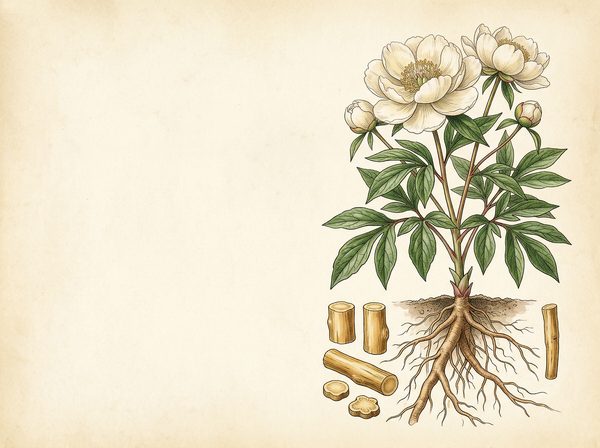 White PeonyPaeonia lactiflora
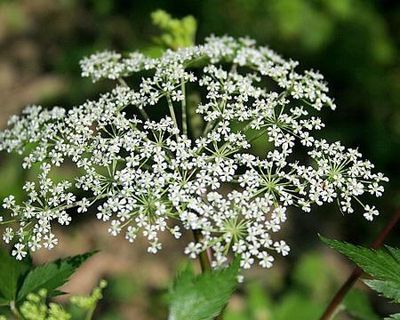 Dong QuaiAngelica sinensis
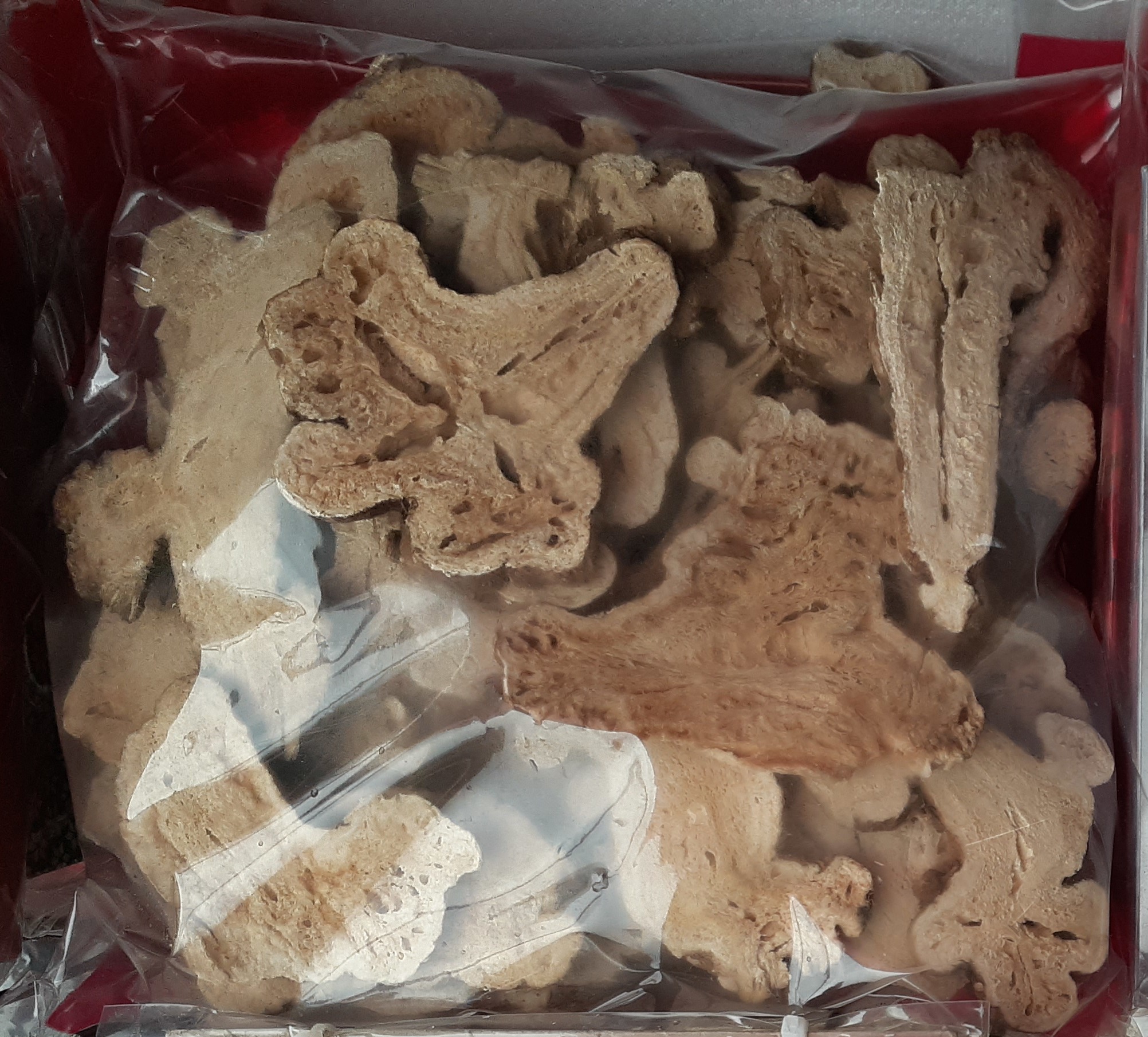 Bai ZhuAtractylodes macrocephala
Nearby on the shelf
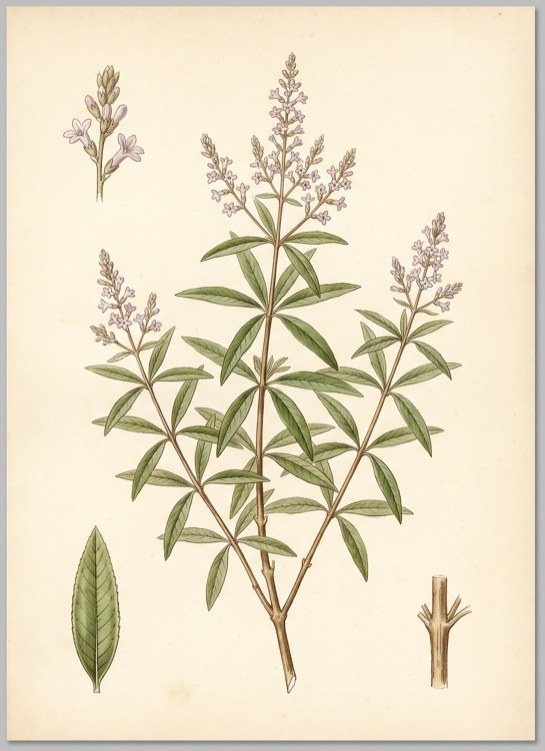 Lemon VerbenaAloysia citrodora
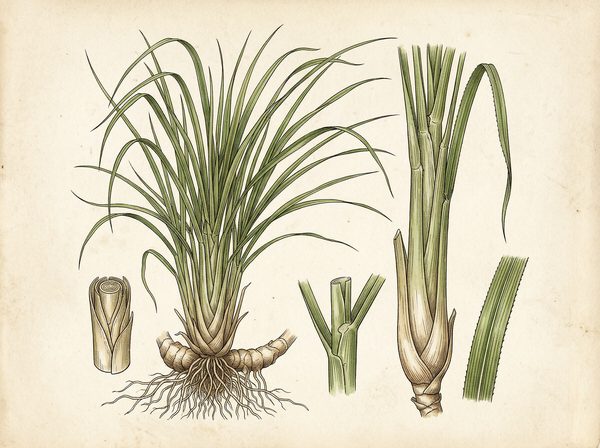 LemongrassCymbopogon citratus
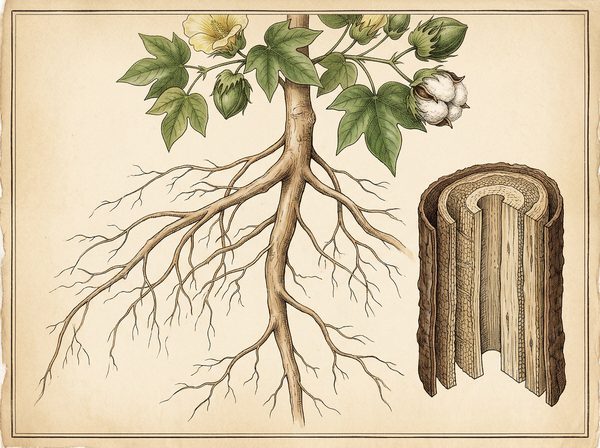 Levant cottonGossypium herbaceum
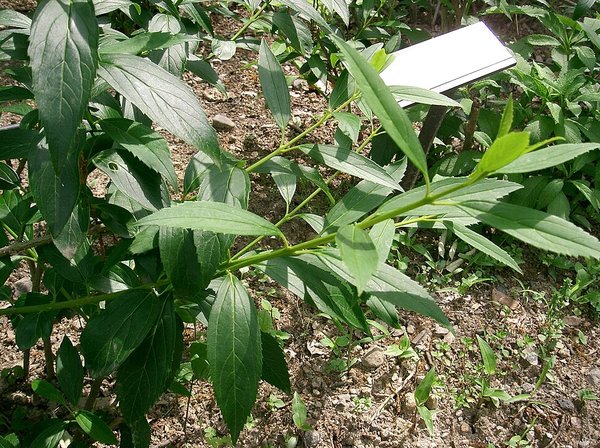 Lian QiaoForsythia suspensa
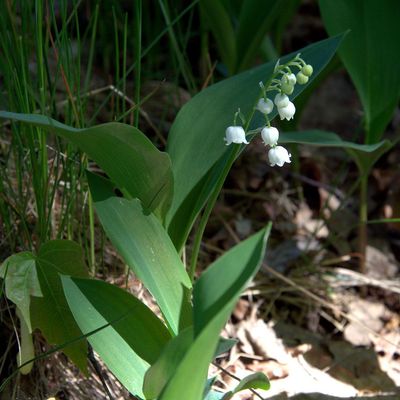 Lily of the valleyConvallaria majalis
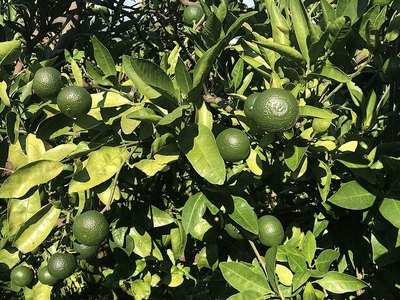 LimeCitrus aurantiifolia
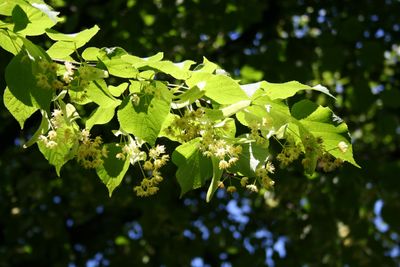 Lime flowerTilia spp.
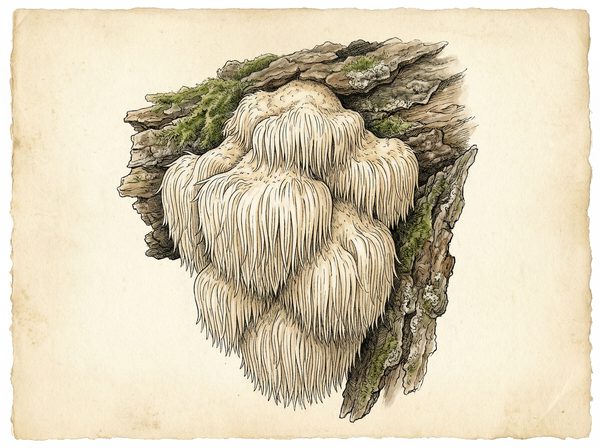 Lion's ManeHericium erinaceus
The whole plate is in the library. The compass, Compare, the Sky of eleven hundred plants and the formulary open with an email address and a password, free, with the formula builder and its safety engine. Herbert without limit, his formulating, clients, the handouts and the labels are the paid room.
Open the library, free